

Posts by admin
Здоровье без лекарств и врачей!

Здоровье без лекарств и врачей!
• Главная
• .
• Карта сайта
Лечение методом биорезонансной терапии.С чего начать?
29.01.2018 от Алексей ХорошихКомментировать »
Отправить статью как PDF
Мне часто многие новички задают вопросы, а я в этой теме уже практически 10 лет, с чего начать лечение методом биорезонансной терапии и какие предпринять первые шаги, чтобы наиболее эффективно использовать данную методику.
И реально, вопросы эти не праздные, так как большинство людей, которые используют и хотят использовать этот вид терапии, как правило, мало в этом разбираются.
Но постоянные боли, болячки, различные формы заболеваний органов систематически подталкивают людей к поискам альтернативной медицины, так как традиционная медицина не справляется с болезнями, вынуждая людей из года в год пытаться хоть как-то поправить свое положение и улучшить качество жизни и здоровья.
И часто наши с вами болезни превращаются в хронические формы, которые преследуют нас годами, порою и до самой смерти, и я очень рад, что есть методики, в том числе и биорезонансная терапия, которая реально может помочь Вам, справиться с вашими патологиями и решить глобальные вопросы со здоровьем.
Конечно, БИОРЕЗОНАНСНАЯ ТЕРАПИЯ и методы лечения ей, не есть панацея от всех бед, но то, что она на многое способна, это есть факт!
Причем, без медикаментозно, не гробя ваш организм , а давая ему жизнь и энергию космоса!
Плюс, биорезонансная терапия официально признана МИНЗДРАВом России .По ней есть методические рекомендации от 2000г, утвержденные высшим органом России в области здравоохранения и плюс к тому в 2011 г она официальна включена в номенклатурный список медицинских услуг.
Но и это еще не все!
По биорезонансной терапии пишут доклады и защищают кандидатские и докторские диссертации, которые вы можете найти в интернете.
Но, если быть честным до конца, мне лично, все равно , официален этот метод или нет!
Для меня главное то, что он работает и дает здоровье огромному количеству людей.
И даже в тех случаях, где официальная протокольная медицина просто бессильна и разводит руками!
Но вернемся к вопросу все-таки с чего начать лечение методом биорезонансной терапии и что необходимо делать для достижения результата.
Но прежде чем начать, как всегда, для всех обладателей прибора биорезонансной терапии Радиант Ультимейт , я приготовил уже готовый файл со всеми комплексами, которые вы увидите ниже в формате mlp, который вы можете скачать и уже через пару минут использовать их для здоровья, а также видео, где я более подробно опишу все этапы и выскажу свое мнение.
Также хотел напомнить, что мимо биорезонансной терапии не забывайте о комплексном подходе и о том. Что вашему организму для успешного функционирования нужны витамины, минералы, аминокислоты и прочие микро и макроэлементы, так как биорезонансная терапия неспособна их восполнить в организме.И здесь я бы посоветовал бы вам обратить внимание на продукцию Вита ра и ее умные бактерии.О которых вы можете прочитать на сайте http://doctor-v-karmane.com/
Итак приступим.
ВЕГЕТО-РЕЗОНАНСНОЕ ТЕСТИРОВАНИЕ
Необходимо, прежде чем начать лечение методом биорезонансной терапией пройти вегето-резонансное тестирование организма на предмет вирусно-бактериального отягощения и установления возможных причинных факторов ваших проблем.
Конечно, желательно найти хорошего специалиста по диагностике, но если нет, не беда. У вас есть я, и вы можете ко мне обратиться.
И мы с вами можем сделать диагностику по волосам в Москве.
Причем, если вы живете не в Москве или вообще в другой стране, это совершенно не страшно, так как Вам, никуда ехать не надо, мы с вами и свяжемся, я вышлю вам инструкцию по тому, как нам с Вами осуществить данную процедуру и вы отправите свои волосы в конверте на диагностику в Москву к очень хорошему врачу-специалисту, который, не только сделает вам качественную и лучшую диагностику, но и составит комплексы программ для лечения ваших проблем.
Если же в вашем городе или ином населенном пункте есть специалисты, то тогда можете делать на месте.
Вам важно понять, что у вас и тогда вам будет проще все сделать и начать лечение.
Плюс, вы, конечно, можете воспользоваться диагностическими методами традиционной медицины, как в дополнении.
Пусть эти методы не всегда до конца достоверны, но они могут тоже дополнить картину.
Диагностика это очень важно!
Особенно, если у вас хронические заболевания, которые длятся годами и десятилетиями.
Такие, как, например, гипертония, сахарный диабет, артрит и т.д.
С ЧЕГО НАЧАТЬ ЛЕЧЕНИЕ МЕТОДОМ БИОРЕЗОНАНСНОЙ ТЕРАПИИ, ЕСЛИ РЯДОМ НЕТ СПЕЦИАЛИСТА
Если у вас рядом нет специалистов, вы не можете пройти диагностику или вы только собираетесь ее пройти, но пока еще до нее не дошли, но хотите уже сейчас начать лечение, то советую вам, как и многие врачи по биорезонансной терапии, начинать лечение прежде всего с очистки организма и избавление его от токсинов, шлаков и прочих вредных примесей, которые в нем накопились плюс ставить регуляторные программы по различным органам и системам.
Это важно помнить и никогда не пытаться лесть впереди паровоза! Довольно часто уже только от программ по детоксикации наступает облегчение.
Проверено уже на тысячах пациентах.
Будь то у вас, проблемы с сердечно-сосудистой, нервной, мочеполовой, эндокринной системами, желудочно-кишечным трактом, болезнями почек и печени, гинекологией и другими заболеваниями.
Это не касается острых фаз, когда нужно сбить либо давление, либо воспаление или иные острые состояния.
Все это только для профилактики и лечения неострых форм заболеваний.
Наш с вами организм ,это самовосстанавливающая система, которая постоянно и планомерно, исходя из своего состояния и иммунитета борется со всеми патогенезными явлениями.
И наша с Вами задача, помочь ему с помощью приборов биорезонансной терапии, справиться с проблемами, если у нее нет сил в связи с нарушениями в ее системах и ДЕТОКСИКАЦИЯ(очистка) очень важный аспект решения наших проблем.
Довольно часто бывает так, что только после проведения программ по детоксикации, многие проблемы у человека уходят, так как чистый организм очень положительно реагирует на все обменные и биохимические процессы, протекающие в нашем организме.
Программы по детоксикации и регуляторные программы лучше всего проводить примерно месяц.
Если у вас прибор Радиант, то эти комплексы по детоксикации и регуляции основных органов и систем, вы можете скачать с самой программы Радиант Некст, зайдя в программу, раздел Редактор комплексов и нажав на кнопку «Импортировать комплекс».
Вам там нужны будут комплекс под названием Детокс, а также комплексы Профилактика 1 и 2.
Утром Профилактика1, примерно через час-два Профилактика 2,как только проснулись, ставите эти комплексы, а на ночь, под подушку кладете прибор и включаете комплекс программ « Детокс»
Для очистки от токсинов, шлаков и прочих вредных примесей комплекс
КОМПЛЕКС «ДЕТОКС»
— Лимфа и детох, Частоты: 9999.5; 3177; 3176; 3175; 3040; 880; 787; 751; 727; 676; 635; 625; 522; 465; 444; 440; 304; 152; 150.5; 148; 146; 150.5; 103.6; 100; 63; 25; 15.2; 15.05; 10.36; 10; 7.83; 6.3; 2.5; Общая длительность: 01:06:00
— Очистка крови. Частоты: 2; 727; 787; 800; 880; 4999.89; 2008; 2127; Общая длительность: 00:16:00
— Детоксикация межклеточного матрикса, Частоты: 9999.5; 3176; 3040; 880; 787; 751; 727; 625; 522; 465; 444; 440; 1505; 1035.9; 3176; 676; 635; 146; 250; 304; 306; 148; 152; 63; Общая длительность: 00:48:00
— Активация функции печени. Частоты: 69; 79; Общая длительность: 00:10:00
— Воспаление печени. Частоты: 4999.89; 2189; 1550; 880; 802; 800; 787; 728; 727; 447; 317; 224; 120; 28; 1.2; 2; 1; Общая длительность: 00:34:00
— 02. Очистка 2. Частоты: 0.7; 0.9; 1.6; 1.7; 2.5; 3.3; 6; 7; 8.1; 9.19; 9.4; 9.8; 11.5; 23.5; 25.5; 26; Общая длительность: 01:20:00
— Энтероколит. Частоты: 20; 440; 727; 787; 800; 832; 880; 802; 1550; 105; 791; Общая длительность: 00:22:00
— 12 Дисбактериоз. Частоты: 6.3; 6.5; 23.5; 25; 60.5; 63; 64.5; 67; Общая длительность: 00:40:00
— Почки, Частоты: 8; 20; 727; 787; 880; 4999.89; 800; 20; 9999.5; Общая длительность: 00:18:00
— 04. Очистка 4, Частоты: 2.8; 3.3; 8.1; 9.19; 54; 54.25; 54.5; Общая длительность: 00:35:00
— Аутоинтоксикация, Частоты: 9999.5; 1550; 880; 800; 787; 727; 522; 146; 100; 20; Общая длительность: 00:20:00
Длительность комплекса 6 ч.29 мин.
КОМПЛЕКС ПРОФИЛАКТИКА 1
— Семь чакр, Частоты: 45; 55; 70; 85; 90; 95; 100; Общая длительность: 00:35:00
— Эндокринные железы (контрольные частоты). Частоты: 85; 87,5; 90; 98; Общая длительность: 00:20:00
— Активация функции печени. Частоты: 69; 79; Общая длительность: 00:10:00
— Защитные силы (иммунная система). Частоты: 11,5; 19,5; 26; 58; 69; 79; 84,5; 97,5; Общая длительность: 00:40:00
Длительность комплекса 1 час 45 мин
КОМПЛЕКС «ПРОФИЛАКТИКА 2»
— 01 Активная защита, Частоты: 2,2; 10; 12,5; 15; 19,5; 26; 92,5; Общая длительность: 00:35:00
— 02 Регуляция желудочно-кишечного тракта. Частоты: 3,5; 3,8; 8,1; 8,6; 9,4; 10; 11,5; Общая длительность: 00:35:00
— 03 Сердце, регуляция. Частоты: 1,2; 3,8; 8; 9,44; 41; 43; 43,5; 97; Общая длительность: 00:40:00
— 05 Режим «Почки», Частоты: 2,8; 3,3; 8,1; 9,19; 54; 54,25; 54,5; Общая длительность: 00:35:00
— 08 Усталость спины. Частоты: 6,8; 9,6; 67,5; 68,5; 84,5; 100; Общая длительность: 00:30:00
— 12 Дисбактериоз. Частоты: 6,3; 6,5; 23,5; 25; 60,5; 63; 64,5; 67; Общая длительность: 00:40:00
— 08.Усталость глаз. Частоты: 3,6; 4,9; 7; 46; 70; 70,5; 72,5; 95; Общая длительность: 00:40:00
— 10 Глубокая очистка организма, Частоты: 0,7; 0,9; 2,5; 2,65; 3,3; 9,8; 56; 69; Общая длительность: 00:40:00
— 09 Антистресс (расстройство сна). Частоты: 2,5; 3,6; 3,9; 5; 6,3; 8,1; 34; 92; Общая длительность: 00:40:00
Длительность комплекса 5 час.35 мин
ИЗБАВЛЕНИЕ от ГЕЛЬМИНТОВ
После детоксикации и регуляторных программы, приступаете к уничтожению паразитарного отягощения, так как, не для кого не секрет, что практически все заболевания, связаны именно с деятельностью паразитов.
Здесь, тоже есть свои нюансы!
И их надо помнить, так как непоследовательность в уничтожении паразитозов, может не только создать кашу в вашем организме, но и привести к тому, что вы просто не избавитесь от того, что вам мешает жить, так как все паразиты действуют, как правильно в симбиозе и прекрасно живут друг с другом.
Итак. Любое воздействие на паразитов нужно начинать с уничтожения гельминтов, потом простейших и бактерий, после грибы и только последние – это вирусы.
Советую, вам не нарушать этот порядок, если конечно, это не касается острых фаз.
Например, гриппа или герпес выскочил на губах или иных местах и вам нужно срочно купировать острые моменты.
Конечно, лучше всего сделать вегето-резонансное тестирование, чтобы понять ,что конкретно вам лично мешает жить из паразитозов, но если вдруг вы не знаете конкретных паразитов из гельминтов, например, то можно провести комплекс профилактических программ по гельминтозам от Л. Н. Богонатовой, кандидата медицинских наук, а также советую послушать ее лекции на тему гельминтов.
Хотя, конечно, лучше всего знать, на что акцентировать внимание и для этого нужна диагностика (вегеторезонансное тестирование организма)
КОМПЛЕКС «ГЕЛЬМИНТЫ»
— Лимфа и детох, Частоты: 9999,5; 3177; 3176; 3175; 3040; 880; 787; 751; 727; 676; 635; 625; 522; 465; 444; 440; 304; 152; 150,5; 148; 146; 150,5; 103,6; 100; 63; 25; 15,2; 15,05; 10,36; 10; 7,83; 6,3; 2,5; Общая длительность: 01:06:00
— Аскариды, Частоты: 152; 442; 8145,5; 751; 1145,9; 797; Общая длительность: 00:12:00
— Энтеробиоз 1. Частоты: 9999,5; 880; 787; 760; 727; 465; 125; 120; 95; 72; 444; 1865; 20; 773; 826; 827; 835; 4152; Общая длительность: 00:36:00
— Энтеробиоз 2, Частоты: 20; 112; 120; 773; 826; 827; 835; 4152; Общая длительность: 00:16:00
— Слабительный эффект. Частоты: 63,5; Общая длительность: 00:05:00
— Круглые черви комплексные, Частоты: 7158,5; 5896,5; 4412; 4152; 3212; 2720; 2322; 1372; 1112,9; 1076,9; 1053,9; 942; 835; 827; 826; 822; 799; 776; 773; 772; 753; 752; 749; 746; 738; 732; 728; 722; 721; 698; 688; 650; 543; 541; 535; 422; 380; 332; 240; 200; 152; 128; 120; 112; 104; 101; 20; Общая длительность: 01:34:00
— Трематоды (плоские черви) базовая. Частоты: 6765,5; 6671,5; 6640,5; 6577,5; 2150; 2128; 2082; 2013; 2008; 2003; 2000; 1850; 945; 854; 846; 763; 676; 664; 651; 524; 435; 435; 275; 143; 142; Общая длительность: 00:50:00
— Яйца глистов. Частоты: 793; 969; 164; 5242,5; Общая длительность: 00:08:00
— Паразиты детокс. Частоты: 20; 64; 72; 96; 112; 120; 125; 128; 152; 240; 334; 422; 442; 465; 524; 651; 688; 728; 732; 751; 784; 800; 854; 880; 1864; Общая длительность: 00:50:00
— Кишечник — нарушение слизистой. Частоты: 61,5; Общая длительность: 00:05:00
— Анкилостома, Частоты: 6,8; 440; 2008; 6435,5; 5867,5; Общая длительность: 00:10:00
— Филяриоз. Частоты: 112; 120; 332; 753; Общая длительность: 00:08:00
Длительность комплекса 6 час 00 мин
ЕДИНСТВЕННОЕ, ПОМНИТЕ,
что программы по гельминтозам, которые, как правило, высокотоксичны, следует проводить один раз в 3 дня и только днем, чтобы вы чувствовали и видели, как идет процесс.
Это связано с тем, что если у вас есть какая-то большая группа гельминтозов, которые вам мешают жить, то при ее уничтожении, они выделяют много токсинов.
И возможны тошнота, рвотные состояния и ухудшение самочувствия.
Поэтому ,делайте все по уму и вы без проблем преодолеете этот этап
На ночь ставьте опять комплекс по детоксикации и в те дни, когда вы отдыхаете от антигельминтного комплекса, также советую ставить программы по детоксикации, чтобы быстрее вывести погибшие остатки гельминтов..
При этом, необходимо пить не менее 2 литров воды и принимать горечи.
Например, купите вот здесь самый лучший состав трав для уничтожения паразитов под названием «Березит» http://drevoroda.ru/about/news/2203.html или в аптеке настойку полыни горькой.Хотя «Березит» здесь вне конкуренции!
Если вы будете работать комплексно, то процесс избавления от паразитозов, пройдет значительно быстрее.
Если, согласно тестированию, у вас много какой-то группы гельминтозов, то советую провести 10 сеансов. В иных случаях, достаточно и 5.
Если вы не знаете и не проводили тестирование организма, то лучше всего провести 10 сеансов для убедительности.
Никогда не торопитесь и действуйте поэтапно.
Итак, для решения вопросов с гельминтами ,вам понадобится , примерно месяц.
Не пытайтесь сделать все 10 сеансов за 10 дней, так как ,если у вас их много, вы получите сильнейшую интоксикацию и как, ваш организм ее перенесет, это еще неизвестно.
Примеров такого бездумного отношения к приборам биорезонансной терапии и собственному здоровью при проведении антигельминтной терапии, я могу привести множество.
Не повторяйте чужих ошибок!
ПРОСТЕЙШИЕ И БАКТЕРИИ
После дегельминтизации организма, приступайте к работе с простейшими и бактериями.
Опять же, согласно проведенному тестированию организму.
Если же вы не знаете, что у вас по этой части, то советую вам провести профилактические мероприятия и поработать с такими возбудителями, как хламидия, трихомонада, микоплазма, уреаплазма, нанобактерии, токсоплазма.
Сейчас, кто возмутиться!
Как же так, хламидия и трихомонада передаются только половым путем ,а я живу в семье и мы любим друг друга! С нами это невозможно!
Возможно, друзья и еще как, так как хламидия живет в каждом из нас ,как туберкулезные палочки и дремлет до поры до времени, пока иммунитет не ослабнет и потом выходит, и начинает активно размножаться и способствовать огромному количеству заболеваний.
Но хламидия не может жить без трихомонады .Это симбиоз паразитов.
И это нужно просто знать и не бояться, а просто вести здоровый образ жизни и профилактику.
Именно, хламидия является причиной заболевания сердца, сосудов, костей и иных нарушений в организме.
Аритмии, стенокардии, тахиокардии, атеросклероз, закупорка сосудов, заболевания костно-мышечной системы — это есть только маленький перечень проблем, которые вызывает хламидия!
Она очень коварна и практически не выводится медикаментозными и фармакологическими способами.
И это, только хламидия, но помимо нее в организме много того, что мешает нам жить.
Недаром, прекрасный врач и специалист по биорезонансной терапии Ольга Николаевна Соколова из Мариуполя говорит, что если у вас обнаружили хоть одну бактерию или простейшую из списка комплекса, что я представлю ниже, то нужно ставьте и все остальные, что там есть, так как они живут в симбиозе друг с другом и если даже чего не обнаружили, это не означает, что этого нет.
КОМПЛЕКС «БАКТЕРИИ-ПРОСТЕЙШИЕ»
— Микоплазма базовая, Частоты: 7343,5; 2950; 2900; 2842; 1146,9; 1112,9; 1066,9; 1061,9; 1044,9; 986; 970; 880,2; 878,2; 865; 829; 800; 790; 784; 780; 706,7; 691; 690; 687; 684; 679; 674; 664; 644; 610; 484; 254; Общая длительность: 01:02:00
— Уреаплазма, Частоты: 2900; 864; 790; 756; 690; 610; 484; 986; 644; 254; Общая длительность: 00:20:00
— Токсоплазма, Частоты: 434; 852; Общая длительность: 00:04:00
— Хламидия общая. Частоты: 3773; 3768; 2223; 2218; 2213; 942; 866; 840; 624; 622; 620; 555; 470; 430; Общая длительность: 00:42:00
— Хламидия пневмонае, Частоты: 7542,5; 7520,5; 4711; 3773,2; 3773; 3767,2; 3767; 3760; 1886; 1880; 941,8; 943,3; 943,3; 942; 940; 620; 2,2; 479; 470,9; 472; 471; Общая длительность: 01:00:00
— Хламидия трахоматис. Частоты: 430; 620; 624; 840; 1110,9; 2213; 866; 556; 2223; Общая длительность: 00:18:00
— Трихомонада. Частоты: 414; 542; 610; 642; 652; 692; 800; 832; 845; 866; 942; 980; 728; 784; 880; 464; Общая длительность: 00:32:00
— Нанобактерии 1, Частоты: 634; 317; 1268; 1902; Общая длительность: 00:08:00
— Нанобактерии 2, Частоты: 6773,5; 1491,2; 2,2; 9916,5; 2,2; 8661,5; 4628; 4128,39; 2931,4; 2208,4; 2,2; 1995,6; 1902; 317; Общая длительность: 00:56:00
— 01. Дренаж, Частоты: 9999,5; 3177; 3176; 3175; 880; 787; 751; 727; 676; 635; 625; 522; 465; 444; 440; 304; 148; 146; 15,2; 15,05; 10,36; 10; 7,83; 6,3; 2,5; Общая длительность: 00:50:00
Длительность комплекса 5 час.52 мин.
Простейшие и бактерии убираем в течении месяца.
Можно ставить этот комплекс даже два раза в день, так как очистка от простейших не дает сильной интоксикации, если не считать, конечно, удаление лямблий, которые высокотоксичны.
Днем, простейшие и бактерии. На ночь ставить комплекс детоксикация.
То есть, если вы знаете, что у вас есть лямблии, то советую программы на лямблии делать также раз в 3 дня, как по гельминтам, так как лямблии тоже выоскотоксичны, как и гельминты.
ГРИБКИ
После простейших, приступаем к грибам.
И опять, согласно вегеторезонансному тестированию организма.
Если вы не знаете , что у вас, то можно начать с профилактического комплекса по грибам.
Грибы также можно ставить несколько раз в день и можно конечно добавить и другие формы грибов, это базовый комплекс. Очистка от грибов ведется 1-2 месяца
КОМПЛЕКС «ГРИБКИ»
— Аспергилла (общее), Частоты: 1972; 1823; 758; 743; 697; 524; 374; 339; 247; Общая длительность: 00:27:00
— Аспергиллус все виды. Частоты: 524; 758; 374; 697; 743; 339; 1823; 247; 1972; Общая длительность: 00:18:00
— Грибки и плесень, Частоты: 4442; 2411; 1833; 1823; 1333; 1154,9; 1129,9; 1015,9; 942; 933; 886; 880; 866; 784; 774; 766; 745; 743; 728; 623; 594; 592; 565; 555; 524; 512; 464; 414; 374; 344; 337; 321; 254; 242; 222; 158; 132; 802; 834; Общая длительность: 01:34:00
— Грибки базовая. Частоты: 2222; 1552; 1550; 1152,9; 1133,9; 1015,9; 880; 802; 787; 784; 727; 582; 465; 422; 254; 72; 20; Общая длительность: 00:34:00
— Кандида общая, Частоты: 9999,5; 8145,5; 4999,89; 3176; 2489; 2222; 2182; 2167; 2128; 1550; 1403; 1395; 1276; 1159,9; 1152,9; 1145,9; 1133,9; 1043,9; 1015,9; 928; 880; 877; 812; 802; 787; 751; 728; 727; 709; 696; 688; 675; 650; 582; 580; 543; 465; 464; 442; 427; 422; 412; 381; 348; 240; 232; 225; 152; 125; 116; 95; 72; 60; 58; 20; Общая длительность: 01:50:00
— Микозис фунгоидес. Частоты: 488; 532; 662; 678; 852; 1444; Общая длительность: 00:12:00
— Детокс грибки и плесень, Частоты: 336; 337; 146; 148; 152; 9999,5; 3176; 3040; 880; 787; 751; 727; 625; 522; 1505; 1035,9; 3176; 676; 635; 465; 444; 440; 304; 306; 250; 63; Общая длительность: 00:58:00
Длительность комплекса 5 час.53 мин.
ВИРУСЫ
И вот, только после грибов, приступаем к работе с вирусами.
Здесь тоже желательно поработать по вирусам только тем, которые мешают жить и опять, желательно согласно тестированию.
Если же у вас нет таких результатов, то не ошибетесь, если поставите комплекс программ по работе с герпетической группой, а также программы по вирусу папилломы.
Эти вирусы живут в каждом из нас. И часто, они совместно с другими паразитозами значительно осложняют нашу с вами жизнь.
КОМПЛЕКС «ГЕРПЕС»
-Герпес базовый, Частоты: 2950; 2062; 1900; 1614; 1577; 1550; 1489; 1488; 1042,9; 944; 895; 822; 785; 664; 629; 589; 476; 464; 450; 383; 322; 304; 165; 141; Общая длительность: 01:14:00
— Вирусы общие TR 1. Частоты: 9999,5; 7343,5; 4999,89; 2950; 2900; 2650; 2600; 1550; 1234; 430; 620; 624; 646; 866; 5147,5; 2213; 1918; 742,4; 303; 23,2; 20; 864; 790; 690; 610; 470; Общая длительность: 00:52:00
— Герпес зостер, Частоты: 2720; 2170; 1865; 1800; 1600; 1550; 1500; 880; 802; 787; 727; 20; Общая длительность: 00:24:00
— Герпес симплекс, Частоты: 200; 322; 343; 476; 727; 787; 802; 822; 843; 1000; 1042,9; 1550; 1614; 2062; Общая длительность: 00:28:00
— Дренаж, Частоты: 645; 632; 635; 1335; 662; 537; 763; 654; 751; 625; 696; 835; Общая длительность: 00:36:00
— Герпес тип 2 comp, Частоты: 8777,5; 1402; 888; 880; 848; 846; 832; 808; 776; 732; 717; 685; 665; 556; 540; 532; 528; 373; 370; 366; 362; Общая длительность: 00:42:00
— Герпес тип 2A secondary. Частоты: 360; 362; 364; 366; 368; 370; 373; 528; 685; 846; 880; 888; 8777,5; 540; 665; 716; 717; 718; 731; 732; 733; 776; 1402; Общая длительность: 00:46:00
— Энергия и витализация, Частоты: 528; 15; 35; 9998,5; 1725; 1342; 645; 150; Общая длительность: 00:24:00
— Стабилизация иммунной системы, Частоты: 330; 9999,5; 7343,5; 4999,89; 1550; 1234; 740; 880; 835; 787; 727; 30; Общая длительность: 00:48:00
— Стимуляция лизина. Частоты: 195,5; 391; 782; 1564; 3128,2; 6255,5; Общая длительность: 00:12:00
— Цитомегаловирус, Частоты: 126; 597; 629; 682; 1044,9; 2146; 2144; 2145; 8847,5; 8855,5; Общая длительность: 00:20:00
— Вирус Эпштейна-Барра. Частоты: 8767,5; 6617,5; 1920; 1031,9; 1012,9; 880; 825; 787; 778; 776; 774; 738; 727; 669; 667; 663; 660; 465; 428; 274; 253; 172; 105; Общая длительность: 00:46:00
— Герпес генитальный, Частоты: 141; 878; 898; 5309,5; 440; 171; 660; 590; 1174,9; Общая длительность: 00:18:00
— Коксаки вирус (тип A9). Частоты: 1188,9; 923; 921; 769; 676; 612; 595; 435; 424; 422; 380; 232; 144; 136; 705; 534; 857; Общая длительность: 00:34:00
— Коксаки вирус (тип B1). Частоты: 353; 384; 834; 587; 723; 902; Общая длительность: 00:12:00
— Коксаки вирус (тип B2). Частоты: 705; 534; 867; Общая длительность: 00:06:00
— Коксаки вирус (тип B3). Частоты: 612; 487; 868; 653; 654; Общая длительность: 00:10:00
— Коксаки вирус (тип B4). Частоты: 421; 353; 540; 899; 8631,5; Общая длительность: 00:10:00
— Коксаки вирус (тип B5). Частоты: 462; 1042,9; 1082,9; 569; 647; 708; 774; Общая длительность: 00:14:00
— Коксаки вирус (тип B6), Частоты: 488; 736; 814; 343; 551; 657; 668; 669; Общая длительность: 00:16:00
— ЭКХО вирус, Частоты: 922; 788; 765; 722; 625; 620; 614; 613; 612; 611; 610; 609; 608; 607; 606; 605; 604; 603; 514; 461; Общая длительность: 00:40:00
— Очистка крови. Частоты: 2; 727; 787; 800; 880; 4999,89; 2008; 2127; Общая длительность: 00:16:00
— Элиминация токсинов, Частоты: 0,5; 522; 146; 1552; 800; Общая длительность: 00:10:00
Длительность комплекса 10 час.38 мин
КОМПЛЕКС «ПАПИЛЛОМА»
— Защитные силы (иммунная система), Частоты: 11,5; 19,5; 26; 58; 69; 79; 84,5; 97,5; Общая длительность: 00:40:00
— Иммунная система, Частоты: 1,7; 1,75; 8,1; 9,4; 9,6; Общая длительность: 00:25:00
— Вирусы общие TR 1, Частоты: 9999,5; 7343,5; 4999,89; 2950; 2900; 2650; 2600; 1550; 1234; 430; 620; 624; 646; 866; 5147,5; 2213; 1918; 742,4; 303; 23,2; 20; 864; 790; 690; 610; 470; Общая длительность: 00:52:00
— Вирусы общие TR 2. Частоты: 484; 986; 644; 254; 30; 33; 5999,5; 599; 611; 613; 2127; 2080; 2050; 2013; 2008; 2003; 2000; 1850; 880; 803; 800; 787; 727; 660; 484; 465; 440; 35; 500; 200; 68; Общая длительность: 01:02:00
— Вирус папилломы 1, Частоты: 9608,5; 9257,5; 5656,5; 1050,9; 1010,9; 1002,9; 907; 874; 767; 489; 466; 404; 265; 110; 45; Общая длительность: 00:30:00
— Вирус папилломы 2 (MS & Auto-immune). Частоты: 725; 2432; 243; 6352,5; 737; 844; 646; Общая длительность: 00:21:00
— Вирус папилломы 3 (Cancer ureri), Частоты: 45; 489; 847; 907; 256; 5656,5; 1010,9; 9257,5; 1050,9; 9608,5; 466; 110; 767; 404; 265; 9608,5; 9257,5; 5656,5; 1050,9; 1010,9; 907; 874; 767; 489; 466; 404; 110; 45; Общая длительность: 00:56:00
— Лимфа и детох. Частоты: 9999,5; 3177; 3176; 3175; 3040; 880; 787; 751; 727; 676; 635; 625; 522; 465; 444; 440; 304; 152; 150,5; 148; 146; 150,5; 103,6; 100; 63; 25; 15,2; 15,05; 10,36; 10; 7,83; 6,3; 2,5; Общая длительность: 01:06:00
Длительность комплекса 5 час.52 мин
Для всех обладателей прибора биорезонансной терапии Радиант Ультимейт , я приготовил уже готовый файл со всеми комплексами в формате mlp, который вы можете скачать, пройдя по ссылке https://yadi.sk/d/VBVU8PRC3RtAhR и уже через пару минут использовать их для своего здоровья.
Также хочется напомнить, что помимо антипаразитарных программ, вы можете ставить и различные физиотерапевтические комплексы и программы , в зависимости от вашего состояния и диагнозов, и тех рекомендаций, которые вам дают врачи.
И не забывайте, что подход должен быть комплексным!
Надеюсь, что данные рекомендации помогут вам справиться с вашими проблемами, и вы ощутите всю прелесть жизни без лекарств!
Почему прибор биорезонансной терапии LIFE BALANCE лучший на рынке?
Почему прибор биорезонансной терапии LIFE BALANCE лучший на рынке?
Почему прибор биорезонансной терапии LIFE BALANCE лучший на рынке? ч.1(История создания)
Вопрос, почему прибор биорезонансной терапии LIFE BALANCE является лучшим ,что есть на рынке, мне задают очень много людей, которые читают мои посты и интересуются темой биорезонансной терапии и инновационными методиками лечения различных заболеваний.
И я их прекрасно понимаю, так как каждый человек, который хочет приобрести прибор биорезонансной терапии, ищет лучшее, что есть на данный момент.
Для того,чтобы многим было понятно,что же такое биорезонансная терапия и по каким критериям оценивать весь рынок приборов, их функциональные возможности. Я и засел за написании этих постов, которые, я надеюсь, помогут вам разобраться не только в самой методике, но и в самих приборах, которые используют разные схемы подачи сигнала к пораженным клеткам и обладают очень разными функциональными возможностями.
Из моих постов на эту тему, вы узнаете об истории метода биорезонансной терапии и его последователей ,его принципе действия, а также правилах использования .О том ,какие виды приборов биорезонансной терапии есть на рынке. В чем их отличия, достоинства и недостатки?
По каким критериям следует отбирать себе приборы биорезонансной терапии и почему прибор биорезонансной терапии Life Balance компании Business Process Technologies является лучшим на рынке? Причем на значительный порядок!
И это не пустые слова, а реалии сегодняшнего дня и вы сами, сравнив технические характеристики и функциональные возможности, а также цены, придет к такому же мнению, так как лично для меня, очень важно двигаться за ученой мыслью и инновациями и давать людям только самое лучшее, что есть сейчас в мозгах и изобретениях ученых и тех, кому не безразличны люди и которые хотят сделать все, чтобы помочь огромному количеству народа справиться с их проблемами со здоровьем!
Итак, первый мой пост из которого вы узнаете об истории создания метода биорезонансной терапии и развитии данной технологии.
Историю появления данной терапии можно кратко описать как борьбу надежды на выздоровление, стремления помочь людям избавиться от болезней и любви к жизни с желанием наживы фармацевтических компаний, административной тяжбой и отказом от природы.
Метод биорезонансной терапии уходит своими корнями в конец 19 века. Еще задолго до появления гипотезы Ф.Морелля (1977г.) и провозглашения им метода БРТ или биорезонансной терапии, российский ученый, академик Н.Е.Введенский в 1879 г. уже проводил опыты по электрическому ритмическому воздействию на живые системы организма. Совместно с А.А.Ухтомским разработал теорию физиологического парабиоза, переменной лабильности, усвоения оптимального ритма переменной лабильности и теорию доминанты. А Д.Н.Насонов разработал теорию паранекроза клетки. Пара – значит на границе, рядом, Некроз – разрушение, гибель клетки, ткани, органа.
Н.Е.Введенский фактически экспериментально обосновал понятие оптимального ритма (Fopt), что выражается в резком увеличении функции клетки, нерва, органа при ритмическом электрическом раздражении или воздействии определенной частотой при минимальном пороге раздражения. А это и есть тот самый БИОРЕЗОНАНС, понятие которого никак не могут между собой согласовать ученые. Н.Е.Введенский ввел понятие «физиологический парабиоз», как нормальное мобильное функциональное состояние, поддерживаемое и управляемое частотой от нервных центров самим организмом, его нервной системой. Аналогичные парабиозу, фазы протекания процессов при
адаптационном синдроме открыл Г.Селье, П.В.Симонов такие же фазы обнаружил при эмоциональных реакциях, а И.П.Павлов аналогичные фазы регистрировал в реакциях целого мозга.
В начале 20 века, великий русский ученый Александр Гаврилович Гурвич открыл, что у каждого многоклеточного организма есть электромагнитное поле, создаваемое одиночными клетками. В результате этого возникает общее поле живого организма, которое имеет важнейшее значение для осуществления физиологических процессов.
В дальнейшем, идею биорезонансного взаимодействия продолжил доктор Роял Райф, который использовал генератор электромагнитных волн для лечения рака в последней стадии. Еще в далеком 1934 году в штате Калифорния вышеупомянутый ученый взял 16 смертельно больных добровольцев, у которых был рак последней стадии. Через 3 месяца лечения 14 уже здоровых людей прекратили свое лечение, оставшиеся двое лечились еще 4 недели, после чего также были выписаны полностью здоровыми.
Р.Райф был гениальным человеком, что позволило ему создать вирусный микроскоп с невиданным ранее увеличением. Микроскоп помогал определять на какой частоте электромагнитного излучения колеблются молекулы пациента и его заболевания, после чего ученый воздействовал на последние так, чтобы те погибали. В течение нескольких лет была создана сводная таблица частот, которые были бы губительными для определенных возбудителей болезней.
К 1933 г. он усовершенствовал эту технологию и построил невероятно сложный Универсальный Микроскоп, который имел почти 6 000 различных частей и был способен к увеличению объектов в 60 000 раз. С этим невероятным изобретением Р.Райф стал первым человеком, который фактически увидел живой вирус. Современные электронные микроскопы немедленно убивают все, и мы рассматриваем только мумифицированные останки и развалины. То, что может видеть микроскоп Р.Райф, является шумной деятельностью живых вирусов, поскольку они изменяют форму, чтобы приспособиться к изменениям в окружающей среде, быстро реагируют на канцерогенные вещества и факторы, и преобразовывают нормальные клетки в клетки опухоли.
Р.Райф кропотливо идентифицировал индивидуальный спектр излучения каждого микроба, используя свойства спектрального среза. Он медленно вращал кварцевые призмы блока, чтобы сосредоточить свет единственной длины волны на микроорганизме, который он исследовал. Эта длина волны была выбрана, потому что она резонировала со спектральной частью излучения микроба, основанного на теперь установленном факте, что каждая молекула колеблется на своей собственной частоте. Атомы, которые объединяются, чтобы сформировать молекулу, скрепляются к той молекулярной конфигурации с ковалентными связями энергии, которое и испускает и поглощает его собственную вполне определённую электромагнитную частоту. Ни у каких двух разных молекул нет одних и тех же электромагнитных колебаний или энергетического спектра. Резонанс усиливает свет таким же образом, как две океанских волны усиливают друг друга, когда они сливаются вместе.
Результат использования резонансной длины волны состоит в том, что микроорганизмы, которые невидимы в белом свете внезапно, становятся видимыми в отблеске света. Они становятся видны, когда частота цвета, резонирует с их собственным спектром излучения. Р.Райф таким образом мог увидеть, иначе невидимые организмы, и наблюдать их активное вторжение в культуры тканей. Открытие Р.Райф позволило ему рассмотреть организмы, которые никто больше не мог видеть с обычными микроскопами.
Больше чем 75 % организмов, которые Р.Райф мог видеть с его Универсальным Микроскопом, были видимы только в ультрафиолетовом свете. Но ультрафиолетовый свет вне диапазона человеческого
видения, это ‘невидимо’ для нас. Специальная подсветка Р.Райф позволила ему преодолеть это ограничение с помощью гетеродинного метода, который основан на технике объединения двух сигналов с целью получения третьего разностного сигнала.
Он освещал микроб (обычно вирус или бактерию) двумя различными длинами волн той же самой ультрафиолетовой короткой частоты, которая резонировала со спектральной частью микроба. Эти две длины волны взаимодействовали в точке слияния. Это взаимодействие в действительности рождало третью более длинную волну, которая попадала в видимую часть электромагнитного спектра. Это было то открытие, с помощью которого Р.Райф сделал невидимые микробы видимыми, не убивая их.
Открытие, которое не могут повторить сегодняшние электронные микроскопы. В действительности, Р.Райф идентифицировал человеческий вирус рака… в 1920-ых! Р.Райф проделал 20 000 неудачных попыток преобразовать нормальные клетки в клетки опухоли. Наконец он, достиг успеха, когда выделил вирус рака, пропустив его через сверхтонкий фильтр фарфора, и ввел его в лабораторных животных. И наконец, чтобы доказать этот вирус вызывает опухоль, Р.Райф создал 400 опухолей по очереди из той же самой культуры.
Он зарегистрировал все с фильмом, фотографиями, и подробными отчетами. Он назвал вирус рака «Cryptocides primordiales». Размер вируса рака был действительно мал. Длина составляла 1\15 микрона. Ширина 1\20 микрона. Ни один другой линзовый микроскоп даже в 1980-е годы не был способен сделать видимым вирус рака. В то время Р.Райф был способен доказать что микроорганизмы рака имеют 4 формы:
- BX(карцинома)(carcinoma); 2)BY(саркома–больше,чемВХ);
- Монококкоид форма рака, которая находится в моноцитах крови более 90% больных раком. Monococcoid form in the monocytes of the blood of over 90% of cancer patients).
- Гриб критомицис плеоморфиа (Crytomyces pleomorphia fungi) — идентичный морфологически орхидее и грибу. (identical morphologically to that of the orchid and of the mushroom).
Много ученых и докторов с тех пор подтвердили открытие Р.Райф вируса рака, используя методы с низкой освещённостью, микроскоп Naessens, и лабораторные эксперименты.
Р.Райф также работал с ведущими учеными и докторами своего времени, которые также подтвердили его работы. Р.Райф начал разрабатывать метод разрушения этих крошечных вирусов-убийц. Он использовал тот же самый принцип, который использовал для того, чтобы их увидеть. Принцип резонанса он использовал для того, чтобы их убить.
Увеличивая интенсивность излучения частоты, которая резонировала с этими микробами, Р.Райф увеличивал их естественные колебания, пока они не гибли от этого излучения. Р.Райф назвал эту частоту «смертной колебательной нормой» или «MOR», и это излучение не причиняло вреда окружающим тканям.
В 1934, Университет Южной Калифорнии назначил специальный медицинский комитет по исследованию, чтобы провести лечение больных раком на конечной стадии из Pasadena County Hospital. Команда включала докторов и патологов, которым было поручено исследовать пациентов — если все еще останутся живыми — через 90 дней. После 90 дней Комитет сделал заключение — 86.5 % пациентов были полностью вылечены. Оставшихся 13.5 % пациентов удалось вылечить в течение следующих четырех недель. Полная норма восстановления с применением технологии Р.Райф составила 100 %.
20 ноября 1931 представители из сорока четырёх наиболее уважаемых медицинских учреждений присутствовали на банкете Р.Райф, посвященному «Концу Всем Болезням» и организованному д-ром Milbank Johnson.
Но к 1939, почти все эти выдающиеся доктора и ученые отрицали, что они когда-либо встречали Р.Райф. Что случилось? Что заставило очень многих блестящих учёных полностью потерять память?
Новости о чудесах Р.Райф с пациентами на конечной стадии рака, достигли других ушей. Сначала была символическая попытка подкупить Р.Райф. Р.Райф отказался. Мы никогда не узнаем точных сумм этого предложения. Затем последовало 125 арестов за 16 месяцев.
Обвинения (основаны были на практике без лицензии) всегда выносились на суд и это преследование нарушило работу. Фармацевтическая промышленность была против проведения испытаний безболезненной терапии, которая вылечивала 100 % пациентов на конечной стадии рака и при этом не стоила ничего, кроме небольшого количества электричества. Это дало бы людям идею, что они не нуждались в наркотиках.
Несмотря на то, что метод лечения доктора Р.Райф доказал свою 100% эффективность, он был быстро забыт благодаря стараниям фармацевтических компаний, понявших какую угрозу таит в себе инновационный метод лечения. Впоследствии, сам Р.Райф превратился в алкоголика, а метод запрещен.
Однако, как всё гениальное и действительно необходимое человечеству, тот метод не был предан полному забвению. Биорезонансная терапия снова и снова проявлялась то тут, то там по всему миру, не давая людям забыть о себе и каждый раз подтверждая свою научную обоснованность.
В 1940-1945 годах при Йельском университете профессор Бурр наряду с биологами и другими учеными проводил исследование, в результате которого было выяснено, что у всех живых организмов есть электрическое поле и, следовательно, магнитное поле по своей сущности более сложное.
Далее последовали разработки Рейнхольда Фолля, в основе открытий которого лежали знания китайцев об особых точках, воздействуя на которые, можно улучшать или ухудшать работу тех или иных органов. После многих опытов Фолль обнаружил, что на коже человека имеются точки, в которых число нервных окончаний и электрический потенциал кожи значительно выше обычных показателей. Таким образом, возникла электроакупунктура.
В 1975 году физик Ф. А. Попп в Германии доказал, что все биологические процессы в организме проходят благодаря электромагнитному взаимодействию клеток. Из чего следует, что в организме действует высокоразвитая система общения из электромагнитных волн и фотонов, с помощью которых клетки меняются необходимой информацией, при этом это «общение» происходит значительно быстрей, чем влияние посредством нервных волокон и гормонов.
Дальнейшие основы биорезонансной терапии были заложены в 1977 году, когда немецкий ученый Франц Морелль и конструктор Эрих Раше основали MORA-терапию. Первым и приемником и передатчиком электромагнитных колебаний стал «Акутест-BRT», который и лечил людей.
Потом миру стало известно об аппарате российского ученого Ю. В. Готовского, создавший еще один аппарат биорезонансной терапии в 80-х годах и его фирме Имедис,которая и по сей день,занимается производством стационарных для клиник приборов и диагностик,хотя Готовского уже нет в живых.
Именно, Готовский сумел систематизировать все выведенные частоты работы ученых мирового уровня и квалифицировать их.
И когда, иногда, например Коноплев С.П. говорит о том, что кто-то у кого-то крадет частоты, мне лично смешно, так как эти частоты работы организма являются достоянием всего мира и они в открытом доступе для любого желающего, даже обычного посетителя сети.
Тоже касается и принципа подачи сигнала, а также методики его воздействия на организм.
ПАТЕНТА НА САМ МЕТОД БИОРЕЗОНАНСНОЙ ТЕРАПИИ НЕТ НИ У ОДНОГО ПРОИЗВОДИТЕЛЯ ПРИБОРОВ БИОРЕЗОНАНСНОЙ ТЕРАПИИ!
Хотя бывает так, что некоторые недобросовестные производители приборов брт пытаются присвоить себе эту методику и заявляют о том, что это мы только производим настоящие приборы брт, а остальное все подделка и не соответствует заявленных характеристикам!
На самом деле это смешно слышать и сейчас приборы биорезонансной терапии производят и в Америке, и в Европе, и в России, и в странах СНГ.
Вопрос только в качестве приборов ,их функциональных возможностях, в принципах подачи сигнала, а также в тех диапазонах, в которых они работают(низкие .средние или высокие частоты)
Ну, а обо всем этом я вам расскажу попозже, а в следующем посте, я не могу не рассказать о великом Райфе и его жизненном пути, так как его имя очень тесно связано с приборами биорезонансной терапии и его методикой воздействия на организм!
Почему прибор биорезонансной терапии LIFE BALANCE лучший на рынке? ч.2(Великий Райф)
Продолжая свой рассказ о том, почему прибор биорезонансной терапии LIFE BALANCE лучший на рынке, я не могу не осветить тему о жизни великого ученого и изобретателя Royal Raymond Rife,о котором я немного рассказал в первом своем посте об истории биорезонансной терапии.
Сейчас же мне хочется рассказать весь его путь от рождения до смерти, так как судьба этого человека, есть постоянная борьба за свои знания, методики и испытания и она достойна ,как минимум уважения!
Борьба не всегда равная, так как, к сожалению, деньги здесь играют главенствующую роль и я очень рад, что наука и технологии двигаются даже тогда, когда это никому не выгодно.
Ведь, если честно никому не выгодно, чтобы люди были здоровы!
Никому не выгодно, чтобы были технологии, реально помогающие людям в борьбе с их недугами!
Никому не выгодно, чтобы улучшать качество жизни каждого из нас, так как это потеря триллионов долларов прибыли!
Вот почему, фармацевтическая промышленность и дельцы от нее, а также протокольная медицина, очень часто ставят препоны на пути тому, что реально работает!
Это и касается метода биорезонансной терапии, который на протяжении уже около 80 лет доказал свою высокую эффективность!
Вот почему, протокольная медицина, в том числе и в России, не пропускает никакие методики в борьбе с лечением рака и СПИДа, а также других серьезных проблем!
Кому это надо! Ведь тогда уменьшится финансирование программ, врачам будет меньше работы, ограничатся закупки дорогостоящего медицинского оборудования, уменьшатся продажи лекарств и препаратов!
Каждый борется за свой кусок, где люди являются разменной монетой и я очень рад ,что занимаюсь этой темой биорезонансной терапии и приборами брт, которые реально работают и дают здоровье людям!
Ну, а теперь о самом великом Райфе, где я опишу всю его жизнь и тот непростой путь, который он прошел.
Краткая история о Royal Raymond Rife, его невероятном открытии и созданных им электронных инструментах.
Если Вы никогда не слышали о Rife прежде, то понятно Ваше недоверие тому, чего этот великий человек достиг для всех нас. Не формируйте своего заключительного мнения, пока не прочитаете мою статью до конца.
Конечно, некоторые могут расценить это как забавную беллетристику. Однако, для тех, кто желает сделать некоторое исследование самостоятельно, будут упомянуты несколько весьма уважаемых докторов и медицинских учреждений, которые работали с Rife.
Однако, в заключительном анализе, единственный реальный способ определить, существует ли такая революционная терапия, состоит в том, чтобы испытать ее непосредственно самим. Медицинская литература манипулирует ‘двойных слепых’ клинических тестов при проведении исследований, результаты которых часто определяются заинтересованными людьми. В этом случае этого не требуется. Вы можете провести терапию и верифицировать результаты самостоятельно любыми клиническими методами диагностики.
Royal Raymond Rife был блестящим ученым. Он родился в 1888 году. После учёбы в Johns Hopkins, Rife начал развивать технологии, которые используется и сегодня в различных областях оптики, электроники, радиохимии, биохимии, баллистики, и авиации. Rife фактически развивал биоэлектронную медицину.
За свою жизнь он получил 14 главных наград и почетную награду Doctorate by the University of Heidelberg за свои работы.
В 1913 году в возрасте 25 лет Р.Р.Райф женился и переехал в San Diego.
Райф был очень разносторонним человеком и интересовался баллистикой, автогонками и конструированией гоночных машин. Особое внимание он уделял оптике и конструированию микроскопов.
После службы 1915-1918 годы в военно-морском флоте США ,он был направлен Правительством США проводить исследования оптических приборов иностранных лабораторий.
Уже в 1920 году Р.Райф начинает проводить исследования возможности лечения болезней при помощи электричества.
Долларовый миллионер Timken, владелец компании « Timken Roller Bearing Co». и компания « Bridges of Bridges Carriage Co». предоставляют Райфу средства для создания лаборатории и финансируют его исследования. Райф начинает изучение туберкулеза.
Но, как и любой исследователь и ученый, он не может остановиться в своем изучении природы разных заболеваний и в 1922 года Райф начинает усиленно работать над исследованием проблемы рака и онкологии, так как уже в те времена эта была уже очень серьезная проблема, уносящая жизни огромного количества людей.
В этот период жизни он не прекращает работы по созданию мощного микроскопа, с помощью которого можно было бы увидеть живые микроорганизмы человека и животных и 3 ноября 1929 в газете « San Diego Union» появляется статья, объявляющая о том ,что Райф построил микроскоп, способный помечать светом живых вирусов , что делает их видимыми! (Сегодня это называется биолюминсценция).
К началу 30 годов он усовершенствовал эту технологию и построил невероятно сложный Универсальный Микроскоп, который имел почти 6 000 различных частей и был способен к увеличению объектов 60 000 раз от их нормального размера. С этим невероятным микроскопом Rife стал первым человеком, который фактически увидел живой вирус. Универсальный Микроскоп остаётся единственным инструментом, с помощью которого можно видеть живые вирусы.
Современные электронные микроскопы немедленно убивают все, и мы рассматриваем только мумифицированные остатки и развалины. То, что может видеть микроскоп Rife, является шумной деятельностью живых вирусов, поскольку они изменяют форму, чтобы приспособиться к изменениям в окружающей среды, быстро реагируют на канцерогенные вещества, и преобразовывают нормальные клетки в клетки опухоли.
Но как Rife был в состоянии достигнуть этого, в те времена, когда электроника и медицина все ещё только развивались? Вот несколько технических деталей, чтобы удовлетворить скептиков…
Rife кропотливо идентифицировал индивидуальный спектр излучения каждого микроба, используя свойства спектрального среза. Он медленно вращал кварцевые призмы блока, чтобы сосредоточить свет единственной длины волны на микроорганизме, который он исследовал. Эта длина волны была выбрана, потому что она резонировала со спектральной частью излучения микроба, основанного на теперь установленном факте, что каждая молекула колеблется на своей собственной частоте.
Атомы, которые объединяются, чтобы сформировать молекулу, скрепляются к той молекулярной конфигурации с ковалентным связями энергии, которое и испускает и поглощает его собственную вполне определённую электромагнитную частоту. Ни у каких двух разных молекул нет одних и тех же электромагнитных колебаний или энергетического спектра. Резонанс усиливает свет таким же образом, как две океанских волны усиливают друг друга, когда они сливаются вместе.
Результат использования резонансной длины волны состоит в том, что микроорганизмы, которые невидимы в белом свете внезапно, становятся видимыми в отблеске света. Они становятся видны, когда частота цвета, резонирует с их собственным спектром излучения. Rife таким образом мог увидеть, иначе невидимые организмы, и наблюдать их активное вторжение в культуры тканей. Открытие Rife позволило ему рассмотреть организмы, которые никто больше не мог видеть с обычными микроскопами.
Больше чем 75 % организмов, которые Rife мог видеть с его Универсальным Микроскопом, были видимы только в ультрафиолетовом свете. Но ультрафиолетовый свет вне диапазона человеческого видения, это ‘невидимо’ для нас. Специальная подсветка Rife позволила ему преодолеть это ограничение с помощью гетеродинного метода, который основан на технике объединения двух сигналов с целью получения третьего разностного сигнала.
Он освещал микроб (обычно вирус или бактерию) двумя различными длинами волн той же самой ультрафиолетовой короткой частоты, которая резонировала со спектральной частью микроба.
Эти две длины волны взаимодействовали в точке слияния. Это взаимодействие в действительности рождало третью более длинную волну, которая попадала в видимую часть электромагнитного спектра. Это было то открытие, с помощью которого Rife сделал невидимые микробы видимыми, не убивая их. Открытие, которое не могут повторить сегодняшние электронные микроскопы.
В действительности, Royal Rife идентифицировал человеческий вирус рака… в 1920-ых!
Rife проделал 20 000 неудачных попыток преобразовать нормальные клетки в клетки опухоли. Наконец он, достиг успеха, когда выделил вирус рака, пропустив его через сверхтонкий фильтр фарфора, и ввел его в лабораторных животных. И наконец, чтобы доказать этот вирус вызывает опухоль, Rife создал 400 опухолей по очереди из той же самой культуры. Он зарегистрировал все с фильмом, фотографиями, и подробными отчетами. Он назвал вирус рака ‘Cryptocides primordiales.’
Много ученых и докторов с тех пор подтвердили открытие Rife вируса рака, используя методы с низкой освещённостью, микроскоп Naessens, и лабораторные эксперименты. Rife также работал с ведущими учеными и докторами своего времени, которые также подтвердили его работы.
Они включали: E.C. Rosenow, Sr. (longtime Chief of Bacteriology, Mayo Clinic); Dr. George Dock (internationally-renowned); Alvin Foord (famous pathologist); Rufus Klein-Schmidt (President of USC); R.T. Hamer (Superintendent, Paradise Valley Sanitarium; Whalen Morrison (Chief Surgeon, Santa Fe Railway); George Fischer (Children’s Hospital, N.Y.); Edward Kopps (Metabolic Clinic, ); Karl Meyer (Hooper Foundation, S.F.); M. Zite (Chicago University); и многие другие.
Rife начал разрабатывать метод разрушения этих крошечных вирусов-убийц. Он использовал тот же самый принцип, который использовал для того, чтобы их увидеть. Принцип биорезонанса он использовал для того, чтобы их убить.
Увеличивая интенсивность излучения частоты, которая резонировала с этими микробами, Rife увеличивал их естественные колебания, пока они не гибли от этого излучения. Rife назвал эту частоту ‘смертной колебательной нормой’ или ‘MOR’, и это излучение не причиняло вреда окружающим тканям.
Этот принцип может быть продемонстрирован при использовании интенсивного музыкального звучания, чтобы разрушить бокал: молекулы стакана начинают колебаться при действии музыкального звука, приходя в резонансе с ним.
Поскольку у всех окружающих различные резонансные частоты, то разрушается только стакан. Есть буквально сотни триллионов различных резонансных частот, и у каждой разновидности молекул есть свои собственные.
Райфу потребовалось много лет для проведения исследований. Он работал непрерывно до 48 часов, пока он не обнаруживал частоты, которые точно разрушали герпес, полиомиелит, спинной менингит, столбняк, грипп, и огромное число других опасных микробов.
Это был настоящий прорыв в области изучения различных заболеваний, так как способность увидеть жизнь бактерий, грибов и вирусов, делали его изобретение поистине великим!
В 1931 году еще трое известных в США ученых присоединяются к работам Райфа.
Доктор Dr. Arthur I. Kendall, Директор Медицинского исследовательского центра Северо-западного Университета ( Medical Research at Northwestern University) , доктор Dr. Milbank Johnson из госпиталя в Пасадене (Pasadena Hospital), а также доктор Dr. Alvin G. Frood, Президент американской ассоциации паталого анатомов (President of the American Association of Pathologists)
И уже 22 ноября Газета «L.A. Times» сообщает об открытии «отфильтрованной бациллы тифа» («filterable typhoid bacillus») , которая , будучи помеченная светом наблюдается через мощный новый микроскоп созданный Ройалом Раймондом Райфом.
20 ноября 1931 представители из сорока четырёх наиболее уважаемых медицинских учреждений присутствовали на банкете Royal Rife, посвященному «Концу Всем Болезням» и организованному д-ром Milbank Johnson.
1932 May 3 и 4: Доктор Kendall выступает перед Ассоциацией американских врачей в Университете « Johns Hopkins University» , сообщая им о предварительных успешных результатах методов Райфа и положительных лечебных результатах .
Доктор Dr. Thomas Rivers, вирусолог и бактериолог директор института « Rockefeller Institute», который является главным финансовым спонсором медицинских исследований в США и доктор Dr. Hans Zinsser обвиняют доктора Кендалла во лжи перед лицом всех участников ассоциации,но это не останавливает исследования.
Все больше и больше врачей начинают поддерживать идеи Райфа
7 июля 1932 года к числу сторонников методики доктора Райфа присоединяется Доктор Dr. Edward C. Rosenow из отделения экспериментальной бактериологии больницы «Mayo Clinic’s Division of Experimental Bacteriology»
30 ноября 1932 года Райф выделяет «фильтруемый вирус карциомы.
Угол рефракции (поляризации) 12 3/16 градусов; длина 1/15 микрон ; ширина 1/20 микрон, цвет при химической рефракции красно-фиолетовый. Плеоморфизм также установлен. ( «Angle of refraction (polarization) 12 3/16 degrees; length 1/15 micron; breadth 1/20 micron, color by chemical refraction red-purple.» Pleomorphism also established).
И уже в конце этого года Райф может уже уничтожать бактерии тифа, полиомиелита, герпеса, вирусы рака и другие вирусы как в лабораторных культурах, так и у экспериментальных животных.
В 1933 году Райф заканчивает создание «Универсального микроскопа», который имеет разрешение в 31 000 раз и увеличение в 60 000 раз. (» A resolution of 31,000 times and a magnification of 60,000 times).
И именно в то время к нему и его методике лечения различных заболеваний присоединяется Доктор Dr. Karl Meyer, Директор Фонда Гувера для медицинских исследований «Hooper Foundation for Medical Research of UCSF» .
Уже летом 1934 года проводится первое клиническое испытание с использованием технологии Райфа.
При Университете Южной Калифорнии даже был создан специальный медицинский комитет University of Southern California Medical Research Committee для наблюдения за ходом исследований, который возглавил доктор Milbank Johnson .
Члены комитета: Доктор Whalen Morrison, Главный хирург Chief Surgeon of the Santa Fe Railway. Доктора George C. Dock,M.D. George C. Fischer, M.D., из Детского госпиталя Нью-Йорка Children’s Hospital of New York, доктора Arthur I. Kendall и доктор Dr. Zite, M.D., профессор патологии Университета в Чикаго. Rufus B. Von Klein Schmidt, Президент Университета Южной Калифорнии ( President of USC [University of Southern California) ].
В качестве наблюдателей присутствовали также : Доктор Dr. James Couche of San Diego. Доктор Dr. Carl Meyer, Ph.D. of the Hooper Foundation, SF. Доктор Dr. Kopps of the Metabolic Clinic in La Jolla.
Клинические испытания проводились в институте Scripps Institute in La Jolla, California. Лечение проводилось 16 больных раком в последней стадий. 14 из них было вылечены за 3 месяца, двое других за 6 месяцев (Sixteen terminally ill people are treated. Fourteen are cured in three months, the other two are cured in six months).
И это все, благодаря тому, что Райф смог воздействовать частотами, губительными для рака с помощью созданного им генератора частот и выведенных колебаний, которые позволяли уничтожить раковые клетки в самом зародыше!
В 1935 году Райф создал небольшой микроскоп для массового производства.
В том же году в мае-июне его эксперименты по лечению рака с помощью генератора частот повторяет Доктор Dr. 0. Cameron Gruner из Монреаля и тоже с успехом!
И это была уже большая победа!
Страховые компании начинают проявлять интерес в финансировании Райфа при условии, что Международный фонд рака (International Cancer Foundation) даст свое подтверждение.
Доктор Dr. Mildred Schram, секретарь этого фонда после посещения лаборатории Райфа выдвигает неприемлемые условия для получения одобрения, которые не имеют ничего общего с работой Райфа. Райф их не принимает , не желая тратить время и отвлекаться от дальнейших исследований.
В результате, международный фонд рака отказывается финансировать работы Райфа.
Райф же, несмотря на недофинансирование проекта,продолжает свои работы и в сентябре 1935 года им завершена новая модель Генератора частот.
В тоже время уже другой Доктор Drs. Walker и Meyer из клиники «The Hooper Clinic, SF», используя микроскоп Райфа и его генератор частот»Beam Ray» , успешно повторяют лечение пациентов методом Райфа.
Не отстает от него и доктор Dr. Johnson,который проводит вторые клинические испытания по лечению рака и получает те же невероятные результаты ,что и при первом клиническом испытании.
Хотя результаты, полученные доктором Джонсоном говорили сами за себя,William Donner, Президент Международного исследовательского института рака «International Cancer Research Institute» отказывает ему в дальнейшем финансировании исследований.
В июле 1937 года Райф переезжает в свою новую лаборатории в Alcott St. in PointLoma, построенную для него его спонсором, миллионером Henry Timkin.
В том же 1937 году в мае месяце доктор Dr. Milbank Johnson проводит третьи клинические испытания метода Райфа и они дают идентичные с предыдущими положительные результаты.
На ученых все больше возрастает давление широко обнародовать положительные результаты в лечении рака. Однако Райф и его академические советники, будучи осторожными . и , осознающими неизбежно ожидаемое сопротивление со стороны медицинских ортодоксов, намерены , продолжая работать, собрать, как можно больше неопровержимых доказательств и положительных статистических данных .
Доктора Dr. Couche of San Diego, и Gruner из Монреаля с огромным успехом используют в лечении генератор частот Райфа ( Beam Ray). Райф нанимает инженера Phil Hoyland для помощи в деле создания компании по производству генераторов частот (Beam Ray),которая была запущена в 1938 году.
Произведено 14 генераторов. 2 пошли в Англию, один приобрел доктор Dr. Richard Hamer of the Paradise Valley Sanitarium, один доктор Dr. Arthur Yale, два отправлены докторам в Аризону and восемь докторам в Южной Калифорнии . Доктор Dr. Hammer вылечивает 82-летнего пациента из Чикаго от рака в последней стадии.
От этого человека Моррис Фишбейн ( Morris Fishbein) , глава Американской Медицинской Ассоциации ( AMA ) в Чикаго узнает о Райфе и его работах.
Сначала была символическая попытка подкупить Rife. Rife отказался. Мы никогда не узнаем точных сумм этого предложения. Fishbein использовал свои очень сильные политические связи для того, чтобы навредить Hoxsey. Последовало 125 арестов за 16 месяцев. Обвинения (основаны были на практике без лицензии) всегда выносились на суд и это преследование нарушило работу Hoxsey.
Fishbein предпринимал эти действия для того, чтобы навредить Rife. Rife не мог быть арестован как Hoxsey за то, что он практиковал без лицензии. Фармацевтическая промышленность была против проведения испытаний безболезненной терапии, которая вылечивала 100 % пациентов на конечной стадии рака и при этом не стоила ничего, кроме небольшого количества электричества. Это дало бы людям идею, что они не нуждались в наркотиках.
Rife провел десятилетия, накапливая свидетельства эффективности своего метода, включая фотографии и фильмы.
Наконец начались инциденты с постепенным хищением компонентов, фотографий, фильмов и письменных отчетов в лаборатории Rife. Преступник никогда не ловился.
Тогда, в то время как Rife изо всех сил пытался воспроизвести его недостающие данные (в те времена фотокопии и компьютеры были недоступны), кто-то разрушал его драгоценные вирусные микроскопы. 5 682 частей Универсального микроскопа были украдены. Огонь поджога разрушил многомиллионную Лабораторию Burnett в Нью-Джерси в то время, когда ученые готовились объявить о подтверждении работ Rife. Но окончательный удар нанесён позже, когда полиция незаконно конфисковала остаток от 50 летних исследований Rife.
Hoyland была единственной компанией, производящей инструменты для Rife (Rife не был партнером). Hoyland проиграла судебное нападение, и компания была разорена юридическими расходами. И во время Великой Депрессии, это означало, что коммерческое производство инструментов Rife прекратилось полностью.
Таким образом, Артур Kendall, Директор Northwestern School of Medicine, который воздействовал с Rife на вирус рака, получил почти четверть миллиона долларов, чтобы внезапно ‘удалиться’ в Мексику. Это было непомерной суммой денег в времена Депрессии.
Д-р George Dock, другая выдающаяся личность, которая сотрудничала с Rife, был заставлен замолчать с огромным грантом, наряду с самыми высокими почестями, которые могла даровать АМА. Dr. Couche и Dr. Milbank Johnson перестали работать с Rife и возвратились к предписанию наркотиков.
Величина такого безумного преступления затмевает любое массовое убийство в истории.
В 1940 году умирает доктор Kendall ,а в 1944 году Доктор Milbank Johnson .
Два федеральных инспектора полиции сделали заключение, что скорее всего он был отравлен. По общему мнению, как раз на следующий день он должен был представить для АМА давно откладываемые открытия Райфа. Все записи Райфа, которые им были собраны уничтожены, а сам комитет распущен.
В 1946 году Райф пристрастился к алкоголю из-за его преследования, что заставляет его продать свою лабораторию по частям. Он вынужден отправиться на лечение по реабилитации от алкоголизма.
Чуть позже, в 1948 году Доктор Dr. Virginia Livingston–Wheeler и доктор EleanorAlexander–Jackson, микробиологи в Филадельфии доказывают, что вирус рака на самом деле является плезиморфным «is in actuality a pleomorphic bacterium.»И это только в очередной раз подтверждало опыты и эксперименты Райфа
В 1949 году Доктор Dr. Virginia Livingston становится главой лаборатории New RutgersPresbyterian Laboratory в Newark, NJ и в том же году, главный виновник
гонения на Райфа Моррис Фишбейн Morris Fishbein, отстранен от должности главы АМА на ее съезде в Atlantic city . Причина: обвинение его в подлогах и воровстве фондов ассоциации.
В 1950 году Райф заканчивает лечение от алкоголизма и возвращается к работе.
Он заключает партнерство с ученым инженером John Crane, который значительно усовершенствовал генератор частот (Beam Ray) и нанял на работу эксперта электронщика из полиции в San Diego для того,чтобы тот помог создать новые приборы.
Доктор Dr. Irene Corey Diller из Института Рака в Филадельфии выделила агент грибка от роста опухоли рака ( isolates fungus agents from cancer growths). Не зная о работах Райфа, она повторили работы Райфа и доктора Gruner. Она назначила симпозиум в Нью-Йорке для того ,чтобы объявить о своем открытии, однако последний был «убит» доктором Dr. Cornelius P. Rhoads главой ракового центра «Memorial Sloan-Kettering Cancer Center».
Доктор Dr. James Hillman of RCA Labs in Princeton. NJ, позднее подтвердил теорию плеоморфизма.
В 1953 году Доктор Dr. Diller публикует ее открытие : Изучения грибковых форм найденных в злокачественности (Studies of Fungoid Form Found in Malignancy). Доктор Dr. Livingston-Wheeler представляет ее собственных открытия на шестом Международном Конгрессе микробиологов в Риме 10 сентября.
И уже в 1954 году доктор Dr. Livingston–Wheeler переезжает в Сан Диего , получив там работу в клинике. Комитет национальный исследовательский совета по диагнозам и терапии рака «The Committee on Cancer Diagnosis and Therapy of the National Research Council» «оценил» ( » evaluate» ) открытия Райфа и сделал заключение ,что «они не могли работать».
( Примечание. Пожалуйста, обратите внимание, что никогда и по сей день ни одно ортодоксальное медицинское агентство по раку не тестировало работы Райфа.)
Райф по настоятельной рекомендации своего партнера Crane оформил свое авторское право на свою технологию лечения рака.
В январе 1958 года группа врачей из города Salt Lake City начинают использовать генераторы частот Райфа в лечении пациентов, но уже мае Медицинский совет города Salt Lake City, Medical Board заставляет прекратить их использование.
Департамент по здоровью в Калифорнии «The California Public Health Dept.» проводит слушания. Генератор частот был представлен для тестирования в несколько исследовательских лабораторий: «Palo Alto Detection Lab.», «Kalbfeld Lab.», «UCLA Medical Lab.» и в лабораторию «San Diego Testing Lab.».
Все лаборатории дали заключения, что генератор частот безопасен для использования, однако Совет АМА под руководством ее директора Calif. Director of Public Health, Dr. Malcolm Merrill объявляет что генератор не безопасен и запрещает его применение в США.
14 июля 1958 года Доктор Dr Virginia Livingston–Wheeler -первый спикер на Первом Международном Конгрессе по Микробиологии и Лейкемии в Антверпене(Бельгия). Она открывает ,что плеоморфизм рака весьма широко принимается в Европе, в то время , в США он полностью игнорируется.
Работы по методике Райфа все равно не прекращаются, несмотря на отторжение официальными медицинскими структурами Америки и в ноябре того же года, после 6 месяцев тестирования технологий Райфа доктор Dr. Robert Stafford из города Dayton, штат Ohio представляет свои исследования «Executive Committee of the General Practice Section of the Montgomery County Medical Society of the AMA». Члены комитета поражены результатами. Они создают исследовательский комитет из влиятельных врачей города.
В 1959 году, уже в Италии, Доктор Dr. Clara Fonti из Милана «прививает» «inoculates» себе бактериальную культуру рака. Она выращивает опухоль и затем хирургически удаляет ее. Таким образом, доказывая факт плеоморфизма рака человека. (Therebyproving pleomorphism as a factor in human cancer.)
Доктор Dr. Livingston-Wheeler встречается со своим соседом Ройалом Р. Райфом.
Начиная с 1959 года и по 1960 год Доктор Dr. Livingston и Райф работают вместе .
Она организует через Институт исследования рака в Филадельфии снабжение Райфа мышами для его научных исследований. Их взгляды на плеоморфизм почти одинаковы.
Единственное различие только в том, что доктор Dr. Livingston намеревается создать прививку от рака, в то время как Райф уверен, что вирус рака разрушается под воздействием его генератора частот Beam Ray.
В 1960 году John Crane (Джон Крейн) пишет книгу и получает на нее авторские права, где объясняет, как должен использоваться генератор частот.
Доктор Dr. Stafford из города Dayton предлагает начать производить и продавать этот генератор в США. Crane решает получить лицензию на генератор часто для того, чтобы не врачи не могли изменять их и таким образом не получать положительные результаты. Произведено и продано 90 генераторов .
в 1960 году Американская Медицинская Ассоциация (AMA) и FDA (Food and DrugAdministration) наносят свой удар по развитию технологий Райфа и его последователей.
Захвачен офис Джона Крейна и оборудование стоимостью $40,000 вместе с инженерными расчетами, записями, научными докладами!
И даже картины со стен , личные письма, счета, магнитофонные записи и электронные детали арестованы. И все это сделано даже без ордера на обыск! Совершены визиты ко всем докторам, которые имеют генераторы Райфа и их принуждают отказаться от них. Обычные граждане, которые начали лично получать лечение получают угрозы. Одна женщина госпитализирована от шока, полученного во время этого рейда представителями АМА.
Райф и Крейн арестованы и затем отпущены под залог. Райф, которому в то время уже почти 73 года и который не может больше терпеть вопиющее беззаконие , скрывается в Мексике.
Весной 1961 года состоялся суд над Джоном Крейн, который длится 24 дня.
Джону Крейну было не разрешено использовать в свою защиту арестованные записи и другие материалы . Показания Райфа под присягой тоже не учитываются.
Председателем суда присяжных заседателей выступает врач из АМА. Присяжные подобраны таким образом, что среди них нет людей ни с медицинскими знаниями, ни со знанием электроники. «Не разрешается к рассмотрению и медицинские доклады 30-х и 40-х годов, так же как и доклады других докторов.
Генератор частот Райфа не демонстрируется в суде. » Разрешено единственное медицинское свидетельство в виде заявления доктора Dr. Paul Shae , который получил генератор за 2 месяца до суда и даже его . Он просто изучил его и решил, что он не имеет лечебного эффекта и не стал его использовать».
Крейн признан виновным и осужден на 10 лет тюрьмы. Позже Верховный суд освобождает его, признав, что никаких криминальных намерений у него не были доказаны. Однако до этого решения Крейн провел в тюрьме более 3,5 лет .
После отправки Крейна в тюрьму, доктора Dr. Stafford из Dayton заставили отказаться от своих приборов и от медицины. Генератору частот , который был у доктора из города Salt Lake City был устроен саботаж и он под влиянием преследования со стороны ортодоксальных медицинских властей города, он совершил самоубийство.
После всех этих событий, не выдержав нервного и психического напряжения, у доктора Dr. Livingston случается инфаркт.
Поправка «Kefauver amendments to the Food and Drug Act of 1938» дала FDA право оценивать лекарство, в первую очередь, по его эффективности. Безопасность больше не является первым требованием. Лечение лекарствами , эффективность и безопасность забраны из рук врачей и их пациентов.
В 1964 году доктор Джон Крейн был освобожден из тюрьмы и он начинает снова свою борьбу.
В октябре 1965 года Крейн обращается с апелляцией в Calif Board of Public в Калифорнии, для того чтобы получить подтверждение на использование генератора частот Райфа.
Обращение сделано от имени Института Микроскопа Райфа, владельцем которого является Крейн. В ответе департамента здоровья следует ,что для начала Крейн должен доказать, что инструмент эффективен.
Доктор Dr. Charles W. Bunner, соглашается обеспечить «доказывающую эффективность» . Представители из Департамента здоровья Калифорнии посещают его и запрещают использовать прибор и показывают ему ордер на необходимость уничтожение прибора.
Доктор Dr. Les Drown, делает заявление и предоставляет свидетельства эффективности генератора Райфа. Представитель американского общества рака (American (Cancer Society) заставляют его отозвать заявление или попасть в тюрьму.
(Примечание. Открытия Райфа в области рака никогда не были запатентованы.)
В это время Роайл Райф возвращается из Мексики
В 1966 году Доктор Dr. Livingston и ее старая коллега доктор Dr. Eleanor Alexander–Jackson предоставляют доклад на Американском Семинаре по Раку в Аризоне . Когда доктор Dr. Alexander-Jackson возвращается в Колумбийский Университет она обнаруживает, что ее работы уничтожены , а она уволена .
В 1968 году Доктор Dr. Livingston и ее муж открывают клинику в San Diego.
За период с 1968 по 1983 годы они лечат более 10,000 раковых больных, используя свою сыворотку и диету, способствующую поднятию иммунитета. Положительных результаты достигают 80%. ( Департамент здоровья штата Калифорнии неоднократно пытались закрыть их клинику и запретить использование их сыворотки.
4 марта 1969 года Райф подписывает с Джоном Крейном соглашение , в котором передает последнему права на свой микроскоп. Именно Крейн сохранил все материалы работы Райфа, которые сегодня доступны к изучению.
В это время разными учеными и докторами не прекращаются исследования в области микробиологии и влияния микроорганизмов на организм человека и 5 ноября 1969 года Доктора Dr. Livingston, Alexander, Diller и Dr. Florence Seibert из Ветеранской Административной Исследовательской Лаборатории в Bay Pines, Флорида представляют работу: «Микроорганизмы ассоциируемые со злокачественными болезнями» ( Microorganisms Associated with Malignancy).
30 октября 1970 года их труды были опубликованы в научных кругах.
В 1971 году умирает Ройал Раймонд Райф. Он был госпитализирован по поводу интоксикации. Записи говорят о том, что была передозировка Валиума. Смесь Валиума и алкоголя смертельна. Райфу было 83 года.
К счастью, его смерть не была концом его электронной терапии. Несколько гуманитарных докторов и инженеров восстановили его инструменты и поддержали его гения. Технология Rife стала достоянием общественности в 1986 с публикацией Barry Lynes «The Cancer Cure That Worked»..
После смерти Райфа 23 ноября 1972 года Президент США Ричард Никсон подписывает закон стоимостью 1,6 миллиарда долларов на войну с раком («war on cancer.») и в том же году Доктор Dr. Livingston (Ливингстоун ) публикует свою первую книгу : «Рак: Прорыв» («Cancer: A Breakthrough») ,в которой она обвиняет «Национальный институт Рака» ( NCI) в злоупотреблении выделенными государством деньгами и «использовании людей, как гвинейских свиней для «хирургическо-
радиационно-химео терапевтической программы», продиктованной специальными интересами ( «the use of people as guinea pigs for a ‘surgery-radiation-chemotherapy’ program dictated by special interests.»).
Волна недовольств со стороны ученых и врачей нарастает и в 1980 году « Американская Медицинская Ассоциация (AMA) обвинена Апелляционным судом США в заговоре с целью устранить конкуренцию…
Новые методы сохранения здоровья были ею ложно оговорены, запрещены и в некоторых случаях уничтожены» (‘conspiracy to restrain competition. . . New methods of health care have been discouraged, restricted and in some instances eliminated.»).
Борьба между сторонниками и противниками новых методик продолжается и в 1985 году Институт рака «The Sloan-Kettering Cancer Institute» находит организмы (вирусы) Райфа-Ливингстоун в крови раковых пациентов. И здесь, несмотря на очевидные факты они делают заключение, что эти организмы попали из загрязнения извне и сжигают свой доклад.
В это время Доктор Ливингстоун Dr. Livingston публикует свою очередную книгу «Победа над Раком» (The Conquest of Cancer).
К этому времени Национальный Институт Рака (National Cancer Institute) тратит на борьбу с раком ежегодно $1.2 миллиарда долларов и это не считая денег собираемых Американским обществом рака ( «American Cancer Society»).
В 1988 году создана лаборатория Райфа для того, чтобы возобновить работы Райфа.
По имеющимся подсчетом 1990 года , на «войну с раком» к этому времени потрачено уже 50 миллиардов долларов . Только 20% этих денег потрачено на действительные исследования.
В этом же году умирает доктор Ливингстоун (Dr. Virginia Livingston–Wheele а в ноябре 1996 года в Сан Диего,в нищете ,и доктор Джон Крейн (John Crane).
Ничего не изменилось с тех пор, как и в 1998 году ,когда были написаны эти заметки. Лечение частотами Райфа по-прежнему незаконно, за исключением в экспериментальных целях. Имеются сведения, что частотами Райфа лечат СПИД, но такое лечение абсолютно запрещено использовать в США даже для экспериментальных целей . Существование темнопольного микроскопа продолжает отвергаться ортодоксальной медициной, также как и плеоморфизм бактерий,вирусов,несмотря на огромнейшую доказательную базу эффективности данного метода, а также опыты по плеоморфизму микроорганизмов.
В 1998 году сотрудники FDA штурмовали офисы Американских Биологов в San Diego и разрушили их, так как их клиника в Tijuana использовала альтернативные способы лечения рака. Как долго это может продолжаться?
Почему прибор биорезонансной терапии LIFE BALANCE лучший на рынке? ч.3(рынок приборов брт)
В третьей части нашего с вами рассказа на тему»Почему прибор биорезонансной терапии LIFE BALANCE лучший на рынке», мы с вами поговорим вообще о самом рынке приборов биорезонансной терапии, как российском, так и зарубежном. И о том, что же на нем происходит?
Какие методики используются в приборах брт?
Какие существуют типы и категории приборов биорезонансной терапии?
В чем их достоинства и недостатки?
Вопросов много и тема достаточно обширная, так как хочется вам дать только самое полезное и ценное, без прикрас, основываясь только на функциональной составляющей каждого прибора и его технических характеристиках, а также, что немаловажно ,качестве продукции.
Итак приступим и я, надеюсь, что после моего рассказа, вы научитесь разбираться в приборах и тех возможностях, что они предоставляют.
Приборы биорезонансной терапии делятся на 4 категории: - Контактные медицинские лечебные приборы биорезонансной терапии
- Бесконтактные медицинские приборы лечебные биорезонансной терапии
- Бесконтактно-контактные медицинские приборы биорезонансной терапии
- Лечебно-диагностические медицинские приборы биорезонансной терапии
Именно, с контактных приборов биорезонансной терапии начал развиваться весь рынок приборов брт.
В России развитие приборов брт связано с именем Готовского, который организовал фирму Имедис и был первым, кто стал развивать это направление. Плюс он квалифицировал и объединил труды и работы многих зарубежных ученых, таких как Райф, Фолль, Морель, Роше,Кларк, что вылилось в сводную таблицы по лечению тех или иных заболеваний с помощью воздействия слабыми электромагнитными полями, которые были свойственны для самого человека.
В последнее время рынок приборов биорезонансной терапии переживает настоящий бум, в связи с теми результатами, что люди получают от их использования, как в домашних условиях, так и при лечении в медицинских центрах стационарно.
И это достойно внимания, чтобы на этом остановить свой взгляд, так как, к сожалению, протокольная медицина, очень часто, не справляется с лечение различных заболеваний, переводя весь процесс в хронические заболевания людей и нарушения деятельности иммунной и других систем, приводящих к возникновению таких тяжелых аутоиммунных заболеваний, как красная системная волчанка, рассеянный склероз, Болезнь Паркинсона и Альцгеймера.
Я уже не говорю о таком биче современного общества, как заболевания сердечно-сосудистой системы, нервах, костно-мышечной системе и других поражениях организма. И все потому, что официальная медицина практически не ищет причины заболеваний, а лечит, как правило, их следствие.
Плюс, полный развал реабилитационной практики после операций и стационарных лечений в протокольной медицине делает так, что многие заболевания переходят в хронические формы, обрекая людей на каждодневные приемы лекарств и препаратов.
И давая триллионы долларов прибыли фармацевтической промышленности по всему миру.
И в этом мире бизнеса, фармацевтам и людям, рубящим «бабло», просто наплевать на людей и их здоровье!
Кому из них будет выгодно вылечить больного, например повышенным давлением или сахарным диабетом?
Ведь это целая индустрия из компаний, врачей, медучреждений, которые зарабатывают деньги за счет нас и тех, кого подсадили на фармпрепараты и дорогостоящие лекарства.
А ведь они часто имеют столько противопоказаний, что прием их сопровождается порою крайне негативными последствиями.
Я уже не говорю о том, что больше половины рынка, например в России, по лекарствам поддельный и не прошедший никакие клинические испытания
Посмотрите фильм «Смерть по рецепту» и вам многое станет понятно! И это не страшилки какие-то,это реалии сегодняшнего дня!
И я очень рад, что сейчас люди и практикующие врачи, все чаще и чаще обращают внимание на альтернативные методы лечения и в том числе и на биорезонансную терапию, которая позволяет , используя собственные частотные характеристики органов и систем, не только восстановить утраченные функции ,но и убрать их организма тех паразитов, которые нам мешают жить и провоцируют развитие серьезных заболеваний.
А.Потупиков из Нижнего Новгорода (врач высшей категории) о методе биорезонанса
Заслуженный врач Республики Татарстан Аминова З.М.,доктор медицинских наук и директор детского реабилитационного центра для детей-инвалидов об использовании приборов биорезонансной терапии в своей практике:
Итак, рассмотрим контактные приборы биорезонансной терапии и в чем их преимущества и недостатки.
Контактные приборы брт вносят волновые изменения и частотные характеристики в организм с помощью электродов, которые всегда идут в комплекте с прибором и без этих электродов, вы не сможете провести терапию.
В, основном, контактные приборы брт используют методику Хильды Кларк и воздействуют на паразитов ее универсальными частотами, которые помогают бороться с ними
Практически, единицы компаний и контактных приборов, работают и в поле физиотерапии.
Стоимость контактных приборов брт колеблется от 200 долларов и до 10000 долларов, так как есть приборы для домашнего использования, а есть стационарные, которые применяются в клиниках.
Из зарубежных аналогов, я бы выделил приборы серии Zepper, Bicom, Paif, Tangra, Biopulsar, F-Scan,Syncrometer
Страны СНГ и России поставляю на рынок такие приборы, как Радамир, Парацельс, Гомеотон, аппарат МЧС, Лидомед-Био, Паркес, Пролог-02МИ и другие
Хотя, данные приборы и работают, но у них есть масса недостатков, а это:
1.Очень неудобно проводить терапию, так как нужно постоянно носить электроды с собою и это только часть проблем, так как стационарные контактные приборы ,типа Bicom, можно использовать только, не отходя от него, так как его не поносишь с собою из-за его размеров.
2.Воздействие сразу на всех паразитов, имеет и плюсы и минусы, так как свято место пусто не бывает и можно натворить, при неграмотном использовании, столько себе бед и дополнительных проблем, что мама не горюй.
Это я не пугаю, но случаи разные и по мне, лучше избирательное воздействие на конкретного паразита, который вам мешает, а не на все, что шевелится, хотя здесь все индивидуально и в каждом конкретном случае, свой подход.
3.Практически все контактные приборы работают только против паразитов, не имея возможность заниматься восстановлением работы проблемных органов и систем, что немаловажно после проведения антипаразитарной корректировки. - Контактные приборы вносят лишнюю энергию в организм и, в связи с этим, они имеют массу противопоказаний, о которых ,довольно часто, производители контактных приборов брт, умалчивают, так как далеко, не для всех они подходят.
Хотя есть несомненно и достоинства, так как контактный способ и воздействие на организм с помощью слабого электрического тока, позволяет глубоко проникнуть в организм и его клетки. И воздействовать на него более мощно, что приводит к более быстрому терапевтическому эффекту.
Мне лично больше нравятся бесконтактные приборы, которые :
1.Не вносят лишней энергии в организм, и навредить ими невозможно.
2.Причем, еще одно неоспоримое преимущество бесконтактных приборов является то, что их можно носить в кармане без электродов, что позволяет вам вести как активный, так и пассивный образ жизни ,не нарушая привычного вашего ритма, Включили прибор и программы или комплекс программ и забыли,пока он сам не отключится по окончанию программ. - Третье их преимущество состоит в том, что именно, бесконтактные приборы брт, могут проводить физиотерапию и восстанавливать работу органов и систем, приводя их в оптимальное состоянию,помимо проведения антипаразитарной корректировки. А это очень важно, так как для лечения практически любого заболевания нужна и физиотерапия и антипаразитарная терапия.
4.Бесконтактные приборы биорезонансной терапии легки по весу и просты, как правило, в обращении. Плюс имеют минимум противопоказаний, а это:
-беременность (первый триместр);
-наличие имплантируемого электрокардиостимулятора;
-эпилепсия (приступ), судорожный синдром (приступ);
Причем, здесь хочется отметить, что при, например кардиостимуляторе, у нас люди используют прибор и без проблем, так как воздействие очень маленькое и прибор действует на уровне электромагнитного поля земли и тех частот, которые свойственны организму и те противопоказания, которые есть, больше вопрос к минздраву, чем к прибору, так как согласно приказам, нужно обязательно что-то иметь в противопоказаниях, так как иначе, не оформить лицензию, хотя практика показывает обратное.
5.Бесконтактные приборы БРТ действуют избирательно на любой вирус, грибок, гельминт, простейшие, а также орган человек, что позволяет грамотно распределить лечение и работать только с тем, что беспокоит, а не пытаться лечить все и сразу.
6.В арсенале бесконтактных приборов биорезонансной терапии более 3500 программ в отличии от контактных приборов, у которых максимальное количество программ, в зависимости от типа прибора, не превышает числа 170-200, начиная с 2 программ.
К чистым бесконтактным приборам относится прибор серии Девита, а также GTherapy. И цена их колеблется от 500 до 600 долларов США. в зависимости от комплектации и количества программ
Большой недостаток, именно прибора Девита является то, что они выпускаются отдельно антипаразитарный прибор и отдельно терапевтический, а вам для лечения нужны оба прибора, плюс нужен программатор для перепрограммирования прибора и плюс программа на 3500 заболеваний. Итого по деньгам выходит все вместе не менее 1400 долларов, что для многих является существенной суммой.
С GTherapy ситуация немного другая и он имеет в своем комплекте 150 программ, но уже в одном приборе, как терапевтические, так и антипаразитарные. Большой минус в том, что он очень плохого качества по мнению его приобретавших и не совсем соответствует заявленным к нему требованиям.
И здесь, мне хочется осветить уже третью категории приборов биорезонансной терапии, а это бесконтактные приборы нового поколения.
Именно эта категория приборов пришла на смену чистым бесконтактным приборам и на данный момент является лучшим образцом в сочетании ученой мысли и движения вперед! - Дополнительно к тем преимуществам, что обладают бесконтактные приборы биорезонансной терапии, я бы хотел добавить то, что новое поколение приборов брт объединяет в одном приборе, в отличие от Девита, и физиотерапию и антипаразитарную корректировку, что становится максимально удобным для конечного потребителя и ему не надо носить с собою два прибора.
- Плюс ко всему бесконтактные приборы нового поколения имеют встроенный программатор.
- Все это не могло не отразиться на цене. Цена на подобные приборы 600-650 долларов, а если взять сюда и программу к прибору, то максимально добавляется еще 100 долларов. Итого, максимум получается 750 долларов США.
- Еще, не могу не отметить, что новое поколение приборов, имеет большее количество встроенных в прибор программ, в отличие от прошлых приборов, не менее чем в 2-3 раза, а в некоторых моделях и в 200 раз по сравнению с теми же приборами Девита!
То есть прибор превращается в прибор многофункционального воздействия и здесь сферы его воздействия значительно расширяются.
И это все в одном приборе!
К таким приборам относятся приборы серии LIFE BALANCE
Ну и последнее, это лечебно-диагностические приборы, которые позволяют, как проводить диагностику организма, так осуществлять лечение его.
Данные приборы стационарные для клиник и цена на них колеблется от 1500 до 30000 долларов США.
К подобным приборам относятся приборы Паркес, Дета-Профессионал, Имедис-Эксперт ДТ, Биорс, Велеоскан, Оберон , Маджерик и другие.
Помимо цены на приборы, вы обязаны будете пройти обучение на работе с этими диагностическими модулями, а это 200-300 долларов США. И это правильно, так как эти комплексы достаточно сложны в использовании и здесь нужно обладать хорошими знаниями и опытом.
На этом, я заканчиваю свой пост и в следующем рассказе я вам расскажу уже о самом приборе LIFE BALANCE и наконец-то отвечу на вопрос, почему же этот прибор биорезонансной терапии является лучшим на рынке и почему на него следует обратить свое внимание, если вы обращаетесь к рынку биорезонансной терапии и хотите начать лечение и профилактику с помощью данных технологий.
Почему прибор биорезонансной терапии LIFE BALANCE лучший на рынке? ч.4(Факты-упрямая вещь!)
В предыдущих постах я рассказал вам об истории создания (ч.1) метода биорезонансной терапии и его развитии, на примере биографии (ч.2) великого американского ученого Рояла Раймонда Райфа, а также осветил весь рынок приборов брт (ч.3) по методике воздействия и по их функциональным возможностям, описав все их достоинства и недостатки
И вот и настало время ответить всем моим читателям на главный вопрос: Почему прибор биорезонансной терапии LIFE BALANCE лучший на рынке приборов брт?
Буду апеллировать только фактами, а они, как известно, упрямая вещь!
Я не стараюсь в своем посту принизить или превознести какие-то технологии и приборы, это вам решать.
Я лишь хочу показать истинное лицо научно-технического прогресса, реализованного в приборе биорезонансной терапии LIFE BALANCE.
Мне всегда хочется, чтобы наука и технологии развивались, а не стояли на месте. И чтобы люди, пользовались только самым лучшим, что есть на рынке!
Чтобы понимали, в чем конструктивные и функциональные возможности тех или иных технологий и ,исходя из своих потребностей, реализовывали их в своем проекте, под названием ЗДОРОВЬЕ БЕЗ ЛЕКАРСТВ!
Итак, приступим и разберемся в самом приборе брт LIFE BALANCE поподробнее, а также сравним его с тем, что есть на рынке.
Прежде всего, мне бы хотелось еще раз осветить принцип действия прибора биорезонансной терапии LIFE BALANCE, чтобы вы понимали, в чем заключается его воздействие на клетки, ткани организма и чужеродных гостей.
В здоровом организме, независимо от возраста, всегда сохраняется и поддерживается относительная синхронизация различных колебательных (волновых) процессов, с помощью которых наш организм и поддерживает состояние баланса, равновесия и здоровья.
При развитии любых патологических, болезнетворных процессов возникает дисбаланс и нарушение гармонии частотно-волнового гомеостаза. Развиваются новые, порочные, поддерживающие болезнь и не дающие выздороветь, патогенные колебания и резонансы. Сбивается данная природой программа самовосстановления и самоизлечения организм.
Задача прибора LIFE BALANCE состоит в том, чтобы поэтапно восстановить правильный здоровый энергетический потенциал органов и систем, а также произвести своеобразную перенастройку, переустановку нездоровых ритмов и частот, на здоровый, в резонансном смысле, ряд.
Для понимания механизма действия электромагнитной терапии необходимо ввести некоторые определения.
Общеизвестно, что биохимические реакции и все проявления материальной жизнедеятельности связаны с переносом заряженных частиц (ионов, электронов), т.е., по сути своей, с электрическим током.
Спектроскопический анализ показывает, что каждой молекулярной структуре соответствует уникальная частотная комбинация, которая, в свою очередь, соответствует сумме всех частот химических связей.
На них накладываются частоты, характерные для функций живого организма. Каждый живой организм обладает уникальным, свойственным только ему спектром частот.
Успех лечения достигается именно потому, что слабое электромагнитное поле оздоровительного типа вызывает в поврежденных болезнью или старостью органах резонанс здоровья и излечения, гармонизируя и восстанавливая нормальную работу как всего организма в целом, так и деятельность каждой отдельной клетки или органа в отдельности. Алгоритм болезни заменяется алгоритмом здоровья.
Причем это будет именно ваше здоровье!
Ничего чужеродного или несвойственного организму от природы не будет внесено извне. Именно поэтому не существует возможности передозировки или каких-либо отрицательных эффектов от применения прибора. Если вводимая прибором частота вызывает резонанс выздоровления и она нужна организму, лечебный эффект есть. Если частота не нужна организму и резонанса нет, то нет и ответной реакции.
И как следствие этого никакого вреда организму тоже нет.
Это касается тех моментов, когда вам неправильно поставили врачи диагноз или вы сами, неправильно диагностировали свое состояние и причины вашей проблемы.
Однако микроорганизмы также обладают собственным уникальным спектром колебаний. Увеличивая интенсивность излучения частоты, которая резонировала бы с ним и усиливала естественные колебания спектра, можно вызвать гибель определенного вида микроорганизмов.
Как отмечалось ранее, в результате воздействия строго заданной адресной частотой губительный эффект достигается только по отношению к определенному виду паразитов и это излучение не причиняет вреда окружающим тканям, так как не вызывает в них резонанса.
Данный принцип может быть продемонстрирован при использовании интенсивного музыкального звучания, чтобы разрушить бокал: молекулы стакана начинают колебаться при действии музыкального звука, приходя в резонанс с ним. Поскольку у всех предметов различные резонансные частоты, то разрушается только стакан.
Существует сотни триллионов различных резонансных частот, и у каждой разновидности молекул, есть свои собственные.
Медицинский прибор брт LIFE BALANCE реализует этот удивительный и абсолютно безопасный для пациентов метод лечения.
Ну, а теперь о самом приборе и его функциональных возможностях.
Я буду все раскладывать по пунктам в сравнении с тем, что есть на рынке.
ОСНОВНЫЕ ДОСТОИНСТВА И ПРЕИМУЩЕСТВА ПРИБОРА БРТ MAGBIO–UNIVERSAL–PRO3 - КОМПАКТНОСТЬ И ДИЗАЙН
Прекрасный дизайн, который не стыдно показать! Очень достойно! На уровне европейских стандартов! Кто-то скажет, что не в дизайне дело.
Отчасти да, но когда вам предоставляется прибор с массой функциональных возможностей и к тому же этот прибор еще и в удовольствие держать в руках, это доставляет еще большую радость!
Представьте себе, что вы приходите в гости или на работу и достается из сумочки этот красивый, обтекаемый и небольшой прибор, чтобы провести терапию прямо по ходу вашей жизни. Что у вас обычно могут спросить: А что это такое?
И я уверен, что вы не сможете удержаться и не рассказать об этом приборе.
Эстетику и удобства еще никто не отменял! Особенно для женщин, хотя и мужчины любят хорошие и стильные вещи!
Посмотрите на прибор и сравните его с тем, что есть на рынке!
И вопрос удобства и внешнего вида будет явно в пользу LIFE BALANCE! - ДОСТУПНОСТЬ И ПРОСТОТА
Всего 6 кнопок, которые позволяют управлять этим многофункциональным комплексом. Причем, все просто до неприличия и им может пользоваться даже ребенок или человек, не разбирающийся в технике вообще!
Все продумано до мелочей!
И это тоже немаловажный момент, так как основная масса людей хочет, чтобы технологии и способы их применения, были максимально просты!
Здесь, LIFE BALANCE конечно не оригинален, так как и другие производители приборов стараются сделать их максимально простыми, так как понимают, что сложности отпугивают людей.
Но здесь нужно учитывать, что этот прибор прост в использовании, обладая огромнейшими возможностями в отличии от большинства моделей и приборов, в которых, как правило, реализован один из способов воздействия.
Единственное, простота отсутствует в лечебно-диагностических приборах и в некоторых приборах зарубежного производства, но для лечебно-диагностических модулей это и не нужно,так как на них работают,в основном врачи и профессионалы своего дела.
Они не для домашнего использования и быта. - ВСТРОЕННЫЙ АККУМУЛЯТОР
Еще одно очень значимое новшество, так как практически никакие приборы биорезонансной терапии других компаний не имеют встроенных аккумуляторов и только предыдущая модель, разработанная для нашей компании , имела встроенный пальчиковый аккумулятор (2 аккумулятора), но с ним возникали определенные неудобства, при всех его преимуществах по сравнению с обычными батарейками. Нужно было иметь зарядник аккумуляторов и запасной их комплект. И каждые 2 дня, а то и чаще, если вы проводите интенсивную терапию , откручивая сзади болтик, менять их.
Но и это уже был прогресс, так как все приборы брт, что есть на рынке, используют обычные пальчиковые батарейки и с учетом того, что их 2-еи при проведении терапии, их приходилось, даже Дюрасель менять также не реже раз в 2 дня. Теперь прикиньте, сколько это выходит за месяц!
За месяц, не менее 600 рублей, а за год уже получается 7200 рублей!
Здесь же, теперь все вопросы с выниманием аккумуляторов пальчиковых решены и теперь внутри прибора биорезонансной терапии LIFE BALANCE стоят аккумуляторы, как в сотовом телефоне (плоские аккумуляторы и заряжается прибор от сети.
Это решает массу проблем с зарядкой и удобством использования.
Мощность аккумулятора составляет 3.7 вольт - РЕГУЛИРОВКА МОЩНОСТИ (ДЕТИ,СТАНДАРТ,ВРАЧ)
Очень полезная и нужная функция, которой нет ни в одном приборе брт на рынке.
Она позволяет регулировать мощность подачи сигнала, что позволяет проводить щадящую терапию с учетом возраста и состояния больного.
Кому то нужно посильнее, кому то послабее. Особенно это касается детей или людей с ослабленным здоровьем.
И в приборе LIFE BALANCE это все учтено, в отличие от тех приборов, что сейчас производят разные компании, где используются только заданные значения.
То есть, не важно в каком вы состоянии, вам всегда будет одна и та же мощность воздействия на организм!
Мощность в режиме Дети-около 1,8 В, в режиме Стандарт 3,3 Ватт и в режиме врачи-4,2 В - РЕГУЛИРОВКА ИНТЕНСИВНОСТИ ПОДАЧИ СИГНАЛА (ДЕТИ,СТАНДАРТ,ВРАЧИ)
Все из той же оперы что я описал чуть выше. Вы сами управляете режимом интенсивности в зависимости от вашего состояния или состояния ваших родных и близких.
Очень умно сделано и за это низкий поклон разработчикам, так как я занимаюсь биорезонансной терапией уже более 4 лет и передо мною прошли тысячи случаев.
И, когда есть возможность для вариаций, это дает огромное поле для деятельности и помощи больному,так как все мы с вами разные и каждый приходит со своим букетом проблем!
Интенсивность сигнала в режиме Дети-25%,в режиме Стандарт-50% и в режиме Врач-75%.
Это означает, что промежутки по времени межу сигналами будут разными, от меньшей интенсивности в режиме дети и увеличением промежутка между сигналами до большей интенсивности в режиме врач, когда промежутки между сигналами становятся значительно короче.
Данной возможности также нет ни в одном приборе биорезонансной терапии, что есть на рынке. - ВЫБОР РЕЖИМА ЛЕЧЕНИЯ (ПОСЛЕДОВАТЕЛЬНЫЙ ИЛИ ПАРАЛЛЕЛЬНЫЙ)
Очень интересная функция, которая позволяет проводить терапию, либо, как обычно в приборах биорезонансной терапии последовательно. Это когда частоты проходят друг за другом, либо параллельно, когда все частоты воспроизводятся почти одновременно.
Это касается только тех частот, которые мы выбрали для лечения того или иного заболевания и которые реализованы в конкретной программе по лечению. Это дает более компактное и быстрое воздействие на организм.
Все приборы биорезонансной терапии России и стран СНГ реализуют последовательный способ подачи сигнала. Некоторые зарубежные приборы реализуют параллельный способ подачи сигнала.
В приборе же LIFE BALANCE вы сможете работать, как с использованием последовательного способа, так и параллельного!
Такого сочетания и вариаций, нет ни в одном приборе, которые существуют на рынке приборов биорезонансной терапии!
Если проще объясните на пальцах, то если вы, например ,хотите поднять дом домкратом на 1метр,то при последовательном способе, вы вначале поднимаете один угол на 1 метр, потом второй на метр, потом третий на эту же высоту и четвертый.
В результате, дом конечно выдержит, но нагрузка на него будет значительно увеличена.
При параллельном способе подачи сигнала, вы каждую сторону дома поднимаете ,допустим, на 5 см и путем повтора в 20 раз, вы в сумме поднимаете дом на тот же метр.
В результате, нагрузка на дом или на ваш организм снижена значительно! - ВЫБОР МЕТОДА ЛЕЧЕНИЯ(СИНУСОИДАЛЬНЫЙ 28МгГц ИЛИ ПРЯМОУГОЛЬНЫЙ 30кГц)
Здесь тоже большое поле для деятельности ,как врача, так и человека, который приобрел прибор, так как позволяет не только проводить физио и антипаразитарную терапию традиционным способом и реализованными частотами великих ученых Райфа, Фолля, Шмидта, но и использовать универсальные частоты Хильды Кларк, что делает этот прибор поистине революционным, так как позволяет объединить в одном приборе все способы воздействия на организм методом биорезонансной терапии, реализованные во всех моделях приборов различных компаний, что есть сейчас на рынке!
Прибор стал поистине универсальным!
Например, все чисто контактные приборы, как российские, так и зарубежные, используют прямоугольный тип подачи сигнала или метод Хильды Кларк, который генерирует электрический сигнал в диапазоне 28000-32000 Гц и амплитудой 5-10 Вольт для того, чтобы воздействовать на паразитарную микрофлору организма. Отсюда все контактные приборы, именно антипаразитарной корректировки.
Бесконтактные приборы биорезонансной терапии работают в синусоидальном режиме и проводят экзогенную терапию с амплитудой модуляции от 0,01 до 900000 Гц в зависимости от прибора и его возможностей.
Поэтому, утверждение Коноплева, что нельзя создать прибор, который был проводил и физиотерапию и антипаразитарную корректировку, чистый бред, рассчитанный только на то, чтобы выбить из людей побольше денег.
Это и доказала уже наука и ученые головы России, а также стран СНГ.
Прибора, который бы работал бы и по синусоидальному и по прямоугольному принципу воздействия на организм, помимо нового LIFE BALANCE, просто не существует!
А это ее огромный шаг вперед в плане возможностей прибора и его функционала! - КАЧЕСТВО ПРОДУКЦИИ
Качество, вот главный критерий оценки данного прибора и компании Business Process Technologies, который она реализует на рынке.
Именно, к высочайшему качеству своей продукции идет компания, которая несмотря, что в любом бизнесе бывают ошибки и просчеты, делает все, чтобы ее товары были конкурентоспособны и соответствовали заявленным характеристикам и возможностям. - МНОГОФУНКЦИОНАЛЬНОСТЬ
Прибор биорезонансной терапии LIFE BALANCE имеет в своем арсенале более 3500 программ для лечения огромного спектра заболеваний, начиная от сердечно-сосудистых, нервной и эндокринной системы до мочеполовой ,печени, почек, костно-мышечной системы и других систем человеческого организма.
Настоящий доктор в вашем доме и кармане!
Причем существенно отличие заключается в том, что базовые комплексы, которые идут вместе с прибором при перепрограммировании прибора на другие заболевания никуда не исчезают, а хранятся в памяти прибора всегда и вы используете свободное пространство для закачки программ. Плюс еще 40 в памяти!
Итого 80 программ! И максимум комплексов одномоментно!
Но и это еще не все!
В общем, багаж частотных характеристик будет существенно увеличен по сравнению с тем, что есть сейчас на рынке! - ЦЕНА
Новый прибор биорезонансной терапии LIFE BALANCE стоит дешевле, чем его предыдущие модели на рынке, что при его много функциональности, дает Вам массу положительных впечатлений и удобств от его использования, как при лечении различных заболеваний, так и при их профилактики.
И я очень рад, что компания, увеличивая возможности прибора LIFE BALANCE не забывает и о конечном клиенте, снижая его цену, хотя его Потенциал ПОРАЖАЕТ МОЗГОВЫЕ КЛЕТКИ СВОЕЙ МНОГОФУНКЦИОНАЛЬНОСТЬЮ и использованием разных методик, реализованных в одном приборе!
На этом, я заканчиваю свой рассказ на тему, почему LIFE BALANCE лучший на этом рынке.
Остальное дело за вами и вам решать, чем воспользоваться для вашего лечения!
Nervous system
Nervous system
The nucleus of a neuron is located in the cell body. Extending out from the cell body are processes called dendrites and axons. These processes vary in number & relative length but always serve to conduct impulses (with dendrites conducting impulses toward the cell body and axons conducting impulses away from the cell body).
Neurons can respond to stimuli and conduct impulses because a membrane potential is established across the cell membrane. In other words, there is an unequal distribution of ions (charged atoms) on the two sides of a nerve cell membrane. This can be illustrated with a voltmeter:
With one electrode placed inside a neuron and the other outside, the voltmeter is 'measuring’ the difference in the distribution of ions on the inside versus the outside. And, in this example, the voltmeter reads -70 mV (mV = millivolts). In other words, the inside of the neuron is slightly negative relative to the outside. This difference is referred to as the Resting Membrane Potential. How is this potential established?
The membranes of all nerve cells have a potential difference across them, with the cell interior negative with respect to the exterior (a). In neurons, stimuli can alter this potential difference by opening sodium channels in the membrane. For example, neurotransmitters interact specifically with sodium channels (or gates). So sodium ions flow into the cell, reducing the voltage across the membrane.
Once the potential difference reaches a threshold voltage, the reduced voltage causes hundreds of sodium gates in that region of the membrane to open briefly. Sodium ions flood into the cell, completely depolarizing the membrane (b). This opens more voltage-gated ion channels in the adjacent membrane, and so a wave of depolarization courses along the cell — the action potential.
As the action potential nears its peak, the sodium gates close, and potassium gates open, allowing ions to flow out of the cell to restore the normal potential of the membrane
(c) (Gutkin and Ermentrout 2006).
Establishment of the Resting Membrane Potential
Membranes are polarized or, in other words, exhibit a RESTING MEMBRANE POTENTIAL. This means that there is an unequal distribution of ions (atoms with a positive or negative charge) on the two sides of
the nerve cell membrane. This POTENTIAL generally measures about 70 millivolts (with the INSIDE of the membrane negative with respect to the outside). So, the RESTING MEMBRANE POTENTIAL is expressed as -70 mV, and the minus means that the inside is negative relative to (or compared to) the outside. It is called a RESTING potential because it occurs when a membrane is not being stimulated or conducting impulses (in other words, it’s resting).
Source: http://www.millersv.edu/~bio375/CELL/membrane/membrane.htm
What factors contribute to this membrane potential?
Two ions are responsible: sodium (Na+) and potassium (K+). An unequal distribution of these two ions occurs on the two sides of a nerve cell membrane because carriers actively transport these two ions: sodium from the inside to the outside and potassium from the outside to the inside. AS A RESULT of this active transport mechanism (commonly referred to as the SODIUM – POTASSIUM PUMP), there is a higher concentration of sodium on the outside than the inside and a higher concentration of potassium on the inside than the outside.
The Sodium-Potassium Pump Used with permission of Gary Kaiser
Source: http://ifcsun1.ifisiol.unam.mx/Brain/mempot.htm
Sodium-potassium pump
The nerve cell membrane also contains special passageways for these two ions that are commonly referred to as GATES or CHANNELS. Thus, there are SODIUM GATES and POTASSIUM GATES. These
gates represent the only way that these ions can diffuse through a nerve cell membrane. IN A RESTING NERVE CELL MEMBRANE, all the sodium
gates are closed and some of the potassium gates are open. AS A RESULT, sodium cannot diffuse through the membrane & largely remains outside the
membrane. HOWEVER, some potassium ions are able to diffuse out.
OVERALL, therefore, there are lots of positively charged potassium ions just inside the membrane and lots of positively charged sodium ions PLUS some potassium ions on the outside. THIS MEANS THAT THERE ARE MORE POSITIVE CHARGES ON THE OUTSIDE THAN ON THE INSIDE. In other words,
there is an unequal distribution of ions or a resting membrane potential. This potential will be maintained until the membrane is disturbed or stimulated. Then, if it’s a sufficiently strong stimulus, an action potential will occur.
Membrane potential
Voltage sensing in a potassium ion channel. a, The control of ion flow through voltage-gated channels is very sensitive to the voltage
across the cell membrane. By comparison, an electronic device such as a transistor is much less sensitive to applied voltage.
b, MacKinnon and colleagues (Zhou et al. 2001) have found that the voltage sensors in a bacterial potassium channel are charged 'paddles’
that move through the fluid membrane interior. Four voltage sensors (two of which are shown here) are linked mechanically to
the channel’s 'gate’. Each voltage sensor has four tethered positive charges (amino acids); the high sensitivity of
channel gating results from the transport of so many charges, 16 in all, most of the way across the membrane (From: Sigworth 2003).
In a cross section view of the voltage-dependent potassium channel, two of the four paddles move up and down, opening and closing the
central pore through which potassium ions flow out of the cell, restoring the cell’s normal negative inside, positive outside polarity.
ACTION POTENTIAL
An action potential is a very rapid change in membrane potential that occurs when a nerve cell membrane is stimulated. Specifically, the membrane potential goes from the resting potential (typically -70 mV) to some positive value (typically about +30 mV) in a very short period of time (just a few milliseconds).
Source: http://faculty.washington.edu/chudler/ap.html
What causes this change in potential to occur? The stimulus causes the sodium gates (or channels) to open and, because there’s more sodium on the outside than the inside of the membrane, sodium then diffuses rapidly into the nerve cell. All these positively-charged sodiums rushing in causes the membrane potential to become positive (the inside of the membrane is now positive relative to the outside). The sodium channels open only briefly, then close again.
The potassium channels then open, and, because there is more potassium inside the membrane than outside, positively-charged potassium ions diffuse out. As these positive ions go out, the inside of the membrane once again becomes negative with respect to the outside (Animation: Voltage-gated channels)
.
Source: http://faculty.washington.edu/chudler/ap.html
Threshold stimulus & potential
 Action potentials occur only when the membrane in stimulated (depolarized) enough so that sodium channels open completely. The minimum stimulus needed to achieve an action potential is called the threshold stimulus.
 The threshold stimulus causes the membrane potential to become less negative (because a stimulus, no matter how small, causes a few sodium channels to open and allows some positively-charged sodium ions to diffuse in).
 If the membrane potential reaches the threshold potential (generally 5 - 15 mV less negative than the resting potential), the voltage-regulated sodium channels all open. Sodium ions rapidly diffuse inward, & depolarization occurs.
All-or-None Law – action potentials occur maximally or not at all. In other words, there’s no such thing as a partial or weak action potential. Either the threshold potential is reached and an action potential occurs, or it isn’t reached and no action potential occurs.
Refractory periods:
ABSOLUTE –
o During an action potential, a second stimulus will not produce a second action potential (no matter how strong that stimulus is)
o corresponds to the period when the sodium channels are open (typically just a millisecond or less)
Source: http://members.aol.com/Bio50/LecNotes/lecnot11.html
RELATIVE –
o Another action potential can be produced, but only if the stimulus is greater than the threshold stimulus
o corresponds to the period when the potassium channels are open (several milliseconds)
o the nerve cell membrane becomes progressively more 'sensitive’ (easier to stimulate) as the relative refractory period proceeds. So, it takes a very strong stimulus to cause an action potential at the beginning of the relative refractory period, but only a slightly above threshold stimulus to cause an action potential near the end of the relative refractory period
The absolute refractory period places a limit on the rate at which a neuron can conduct impulses, and the relative refractory period permits variation in the rate at which a neuron conducts impulses. Such variation is important because it is one of the ways by which our nervous system recognizes differences in stimulus strength, e.g., dim light = retinal cells conduct fewer impulses per second vs. brighter light = retinal cells conduct more impulses per second.
How does the relative refractory period permit variation in rate of impulse conduction? Let’s assume that the relative refractory period of a neuron is 20 milliseconds long and, further, that the threshold stimulus
for that neuron (as determined, for example, in a lab experiment with that neuron) is 0.5 volt. If that neuron is continuously stimulated at a level of 0.5 volt, then an action potential (and impulse) will be generated every 20 milliseconds (because once an action potential has been generated with a threshold stimulus [and ignoring the absolute refractory period], another action potential cannot occur until the relative refractory period is over). So, in this example, the rate of stimulation (and impulse conduction) would be 50 per second (1 sec = 1000 ms; 1000 ms divided by 20 ms = 50).
If we increase the stimulus (e.g., from 0.5 volt to 1 volt), what happens to the rate at which action potentials (and impulses) occur? Because 1 volt is an above-threshold stimulus, it means that, once an actional potential has been generated, another one will occur in less than 20 ms or, in other words, before the end of the relative refractory period. Thus, in our example, the increased stimulus will increase the rate of impulse conduction above 50 per second. Without more information, it’s not possible to calculate the exact rate. However, it’s sufficient that you understand that increasing stimulus strength will result in an increase in the rate of impulse conduction.
Impulse conduction – an impulse is simply the movement of action potentials along a nerve cell. Action potentials are localized (only affect a small area of nerve cell membrane). So, when one occurs, only a small area of membrane depolarizes (or 'reverses’ potential). As a result, for a split second, areas of membrane adjacent to each other have opposite charges (the depolarized membrane is negative on the outside & positive on the inside, while the adjacent areas are still positive on the outside and negative on the inside). An electrical circuit (or 'mini-circuit’) develops between these oppositely-charged areas (or, in other words, electrons flow between these areas). This 'mini-circuit’ stimulates the adjacent area and, therefore, an action potential occurs. This process repeats itself and action potentials move down the nerve cell membrane. This 'movement’ of action potentials is called an impulse.
Conduction Velocity:
impulses typically travel along neurons at a speed of anywhere from 1 to 120 meters per second the speed of conduction can be influenced by:
o the diameter of a fiber
o the presence or absence of myelin
Neurons with myelin (or myelinated neurons) conduct impulses much faster than those without myelin.
Schwann cells (or oligodendrocytes) are located at regular intervals along the process (axons and, for some neurons, dendrites) & so a section of a myelinated axon would look like this:
Between areas of myelin are non-myelinated areas called the nodes of Ranvier. Because fat (myelin) acts as an insulator, membrane coated with myelin will not conduct an impulse. So, in a myelinated neuron, action potentials only occur along the nodes and, therefore, impulses 'jump’ over the areas of myelin – going from node to node in a process called saltatory conduction (with the word saltatory meaning 'jumping’):
Because the impulse 'jumps’ over areas of myelin, an impulse travels much faster along a myelinated neuron than along a non-myelinated neuron.
Types of Neurons – the three main types of neurons are:
Multipolar neuron
Unipolar neuron
Bipolar neuron
Multipolar neurons are so-named because they have many (multi-) processes that extend from the cell body: lots of dendrites plus a single axon. Functionally, these neurons are either motor (conducting impulses that will cause activity such as the contraction of muscles) or association (conducting impulses and permitting 'communication’ between neurons within the central nervous system).
Unipolar neurons have but one process from the cell body. However, that single, very short, process splits into longer processes (a dendrite plus an axon). Unipolar neurons are sensory neurons – conducting impulses into the central nervous system.
Bipolar neurons have two processes – one axon & one dendrite. These neurons are also sensory. For example, biopolar neurons can be found in the retina of the eye.
Neuroglial, or glial, cells – general functions include:
1 – forming myelin sheaths
2 – protecting neurons (via phagocytosis)
3 – regulating the internal environment of neurons in the central nervous system
Synapse = point of impulse transmission between neurons; impulses are transmitted from pre-synaptic neurons to post-synaptic neurons
Synapses usually occur between the axon of a pre-synaptic neuron & a dendrite or cell body of a post- synaptic neuron. At a synapse, the end of the axon is 'swollen’ and referred to as an end bulb or synaptic knob. Within the end bulb are found lots of synaptic vesicles (which contain neurotransmitter chemicals)
and mitochondria (which provide ATP to make more neurotransmitter). Between the end bulb and the dendrite (or cell body) of the post-synaptic neuron, there is a gap commonly referred to as the synaptic cleft. So, pre- and post-synaptic membranes do not actually come in contact. That means that the impulse cannot be transmitted directly. Rather, the impulse is transmitted by the release of chemicals called chemical transmitters (or neurotransmitters).
http://www.nia.nih.gov/NR/rdonlyres/4E12F6CF-2436-47DB-8CC5- 607E82B2B8E4/2372/neurons_big1.jpg
Leaky Gut – The Natural Cure
Taking the Cure The Natural-Cure
For all diseases especially Leaky Gut
The best of the Natural Cure methods of the German health spas you can do at home. This is taken from a course on healing done in Germany in 1987. In Germany the people will go to a spa to take the cure. This most often entails some small intestine therapy. This article will offer some ideas on designing a spa cure for yourself.
These spas always have some similarities.
One there is always stress reduction, good music, meditation, and separation from the stress of everyday living.
Two there is always water therapy, hot and cold. Hydrotherapy is vital for healing.
Three there is always exercise involved to stimulate the body.
Four there is always some lymphatic massage involved.
Five there is some nutritional and absorption work. There are articles on each of these available from QXCI, and all of these things are available to you at home. You need the motivation and education. This article deals with number five. I hope it helps you.
Six there is most often some energetic balance therapy. This is best done with the QXCI device.
COLON SIZE AND FUNCTION
The function of the small intestine is one of the most important for life. This is where the major absorption of nutrients takes place. Traditional Clinical medicine provides us with insufficient information concerning functional disturbances in this nutritionally vital portion of the digestive system. A good appetite and regular bowel movements do not guarantee that everything is in proper working order. But Naturopathy offers us more information and help.
A liver two or three times its normal size, is clinically considered to be unhealthy. Similarly, a greatly enlarged spleen, or a heart or lungs — or any other organ whose volume is significantly even15% greater than average – would be regarded as ailing and usually not fully functional. Oddly enough, this criterion does not apply to the small intestine or large intestine. We use terms like „portly” or „fat” to refer to a person who shoves a drum-shaped belly around in front of him, or whose pot-belly hangs down over his belt. People resist the insight that in these cases the small intestine is severely disturbed functionally. Bacterial decomposition processes predominate over natural fermentative digestion, which leads inevitably to poor nutrition, since nutritional value is significantly affected by the kind of break-down that takes place in the intestine. Even highly nutritious foods won’t restore the balance. Therefore, a slender, shapely abdomen is not just a standard of beauty: one should keep in mind that deviations from the ideal might indicate reduced functionality of the intestines and poor nutrition, which of course detrimentally alters whatever is eaten. The stomach and small intestine are the key elements of nutrition. When the rules of the stomach are violated the stomach and especially the small intestine will be overburdened and a swelling that indicates disease results.
The common fixation on the „average” as a standard, distorts our ideas about health. In our system healthy is a maximum of function not the average which is often pathological. The average person has rampant hidden intestinal damage and dysfunction. Sedentary lifestyles, bad diet, breaking the rules of the stomach and bad eating habits, but above all, continuous excessive demands on the digestive organs, impair small intestine performance and thus promote pathological bacterial decomposition of the chyme. The irritants thereby produced simply cause the intestine to be even more overtaxed, and the secretion of digestive juices is reduced. This gives rise to a vicious cycle: decomposition processes increasingly suppress fermentative breakdowns of the chyme, the small intestine becomes broad and slack in its longer sections, and digestive juices are produced in insufficient quantities, resulting in poor nutrition. When the level is high enough for a long enough time, then the pollutants – taken up by the intestinal villi – can only be partially neutralized by the liver. Often, considerable amounts of, these contaminants reach the organs via the blood stream, and cause damage or undermine their resistance. Prion, infectious, toxic and unstable spread of disease results.
Measure from the ascending colon to the descending colon. The normal size of the small intestine is the width of the patients pressed fingers no thumb (healthy minimum), to twice that which is the healthy maximum. The average person has three, four or more pressed fingers for the width of their small colon. This indicates a hyperthrophy and abnormal swelling in the diseased tissue. The Stability of life itself is distyrbed. First there is absorption of Large Undigested Fats(LUF) and then absorption of Large Undigested Proteins(LUP). The Free Fatty Acid Pool and Free Amino Acid Pool of the blood and lymph is disturbed and improper LUF and LUP fill up the blood and lymph. The body will now have poor parts to build tissue from. Any disease can result as the weakest link tissue of the body will be most susceptible to disease. In addition to the LUF LUP , there is a compromise of metabolic stability and acid alk shifts, immuno and allergy disturbances, leaky gut syndrome, putrefaction and fermentation, compromised nutritional absorption, emotional disturbance, compromised enzyme production will increase inflammations, and all disease is more likely. In fact most disease is just a symptom of this most basic of diseases.
Natural-Cure
Four therapeutic principles, which overlap and complement each other, bring about a thorough intestinal rehabilitation -namely, protection, cleansing, refurbishing and education. Protection plays an especially important role. The most extreme protective measure is an absolute fast, that is, no food at all – though this should only be done on an inpatient basis (stationary cure) if over twenty four hours. Twenty four hour fasts can be used once a week for weight loss. Two day can be used after 10 twenty four hour fasts. After four 2 day fasts a three day fast can be done. Build up slow, fasting is natures surgery. Bad tissue can be removed. Once a year is indicated for a three day fast, and in some cases once a season. The patient
gets only herb tea three times a day, and plenty of water, in order to speed up fluid exchange and to maintain mineral balance. We do not use fruit juices, since these tend to ferment, which works against the protective principle. Fasting gives the intestines an ideal opportunity to process and excrete built-up residues. The stomach and small intestine, our central assimilation and primary digestive organs, can rid themselves of their contents, thereby fulfilling the most important prerequisite for a healing alleviation: now they can rest and recover, and their deadened sensory organs, whose job it is to inform the intestinal muscles and glands about their workload, can again regenerate themselves.
With proper orientation of the patient on the part of the physician, hunger pangs only appear for a short time during the first few days, and usually vanish quickly after a cup of herb tea or a glass of water. Chickweed tea is best for hunger pangs. Fasting might be all you need for your cure, but if you want more,
During the second phase of dieting [or the first phase for outpatient and office visit cures], the patient is given a quarter liter of milk in the morning and at noon – which, however, is not drunk in the usual manner, but rather must be thoroughly mixed with saliva in the mouth as follows: a bite of stale, well dried roll or similar slice of natural brown bread is first chewed until it becomes a watery mash in the mouth, sweet to the taste and well soaked with saliva. Chew, chew, chew it is nature’s juicer and set the neurological tone of digestion. Only then is the milk added, a teaspoonful at a time, and thoroughly mixed with the bread mash in the mouth before it is swallowed. In this way, the milk is broken down while still in the mouth and thus hardly burdens the stomach and intestine at all. The mouth produces amlyase which is a carbohydrate enzyme, this will stimulate this release. Additionally, intensive chewing optimally activates the sense of taste, which is of prime importance for the regulation of digestive juice production and of gastrointestinal motoricity. Instruction in proper chewing is an important part of the therapy. Chewing is life. In this second dietary phase, only herb tea-is used in the evening.
The milk-and-roll diet (morning and noon one quarter liter of milk and a dried roll) amounts to a daily caloric intake of about six hundred calories, which – just as in the fasting diet – forces the body to nourish itself from its own fat reserves. This cleans out, first, the congested intestinal segments, then stored nutritional reserves in the connective tissue, and at the same time begins a cellular molting or cleansing, whereby a strong impetus to regeneration is given. It is not just to promote meditation that all the world religions prescribe a period of fasting. During these periods the body chemistry encourages an open mind and a transcending heart.
A Natural-Cure is therefore indicated not just for those who are overweight or for purposes of losing weight: it serves above all to relieve the body of built-up pollutants, not only in the intestine, but in all tissues. This promotes the healing process in many ways. Later on in the cure, the diet is augmented with a little cottage cheese, occasionally a soft-boiled egg, or if necessary some thin oatmeal. One or two light diet meals are served at the end of the treatment.
This protective approach stands in opposition to the current trend, which adds indigestible bulk fiber to the food. Even if fiber-rich food eliminates many of the symptoms, especially the constipation so prevalent these days, it still does not address the underlying problem. When the sensors in the intestinal wall are deadened as a result of continual overexertion, then they cannot adequately perform their task of arousing the intestinal muscles and glands to activity. Crude stimuli such as dietary roughage, and so on, may indeed incite the ailing functions to activity, but biologically speaking – they just make matters
worse. One can only speak of healing when the sensory organs have regained their original sensitiveness, but that is only possible with appropriate protection. Consider the infant’s milk diet, which contains virtually no roughage or stimulant substances. The infant’s sensors are as yet undamaged, and can maintain intestinal activity without recourse to intense stimulation.
A Natural-Cure is first and foremost an outstanding prophylactic measure, which strengthens the immune response by lowering the overall stress level. An analogy should make this point clear: if empty, a vat can take in large quantities. Effluent can stream in from all sides, but outside the vat, the filling process is not noticeable. However, when the Vat is full to the brim, then just a little is enough to cause it to overflow, flooding its immediate environment. The body is no different: its powers of resistance are capable of absorbing impressive amounts of various stresses and abuses. For a while, there are no visible or perceptible signs of illness at all. But if it is continually taking on further stress, then the day will come, when all its defensive capabilities are fully engaged – and now the smallest additional burden will be enough to make one sick, with an ailment that seems to come out of complete health. But the guilty party is not only the most recent stress – a contagious disease brought on by a trivial infection or a chill, a heart attack or colic by anger or excitement, lumbago by a draft or a sudden movement, or whatever else – but rather, mainly the fact that our defensive capabilities were already taxed to their limits. Our stress reserves were simply exhausted. When our stress reserves are reduced we enter the precursor stage of illness, and are susceptible to ailments of all sorts, without actually being sick. In order to successfully prevent illnesses, we have to strive to get out of this precursor stage by reducing vitality-sapping stresses as much as possible; only then will we have a significantly broader basis for health.
we:
Our Therapy intestinal rehabilitation lowers our body’s stress level drastically. By means of it,
1.) reduce pollutants – that is – the fermentation and decay products which form continually in overtaxed intestines; and,
2.) improve intestinal and hepatic elimination. The liver and intestines are important excretory organs. Steady overtaxing of the intestines reduces elimination, and the concentration gradient of metabolic waste products between the cells and the excretory organs flattens out considerably. The result is a congestive build-up of waste products, which has a deleterious effect on all organs: in the brain it shows up as inability to concentrate, ’ chronic fatigue and depressions; in the muscles and joints, as rheumatic ailments, myogelosis, arthritis and arthrosis; the glands degenerate, cardiac and vascular diseases arise, etc.
After intestinal rehabilitation, when intestines and liver are again able to perform their excretory function without hindrance, a steep concentration gradient is established, and metabolic waste products are swiftly eliminated. The broad stress reserves thereby established, strengthen our powers of resistance against all kinds of illnesses.
Spectacular interventions, such as open-heart surgery and organ transplants, lead us to forget that these would in many cases not ’ even have been necessary if we hadn’t woefully neglected the required preventive measures. A person’s health is determined by medical intervention only in isolated cases; mainly, it depends on his behavior, his nutrition and his environment. It is a fact that hedonism
and gluttony are the archenemies of our health. What we need is not more medicines and machines, but more biological empathy and the willingness to make many sacrifices for our health’s sake.
In the face of sharply escalating medical costs, it seems to be high time to reconsider critically the entire spectrum of our customary therapeutic_ measures. Healthiness thus won will always be fragile, so long as the patient is unwilling to participate actively in the healing process. It is all too seldom taken into consideration that illness is largely the result of an unhealthy lifestyle, that – besides sedentary ways, alcohol and nicotine abuse – it is chiefly our eating habits which pave the way for many illnesses. It seems imperative, therefore, to convey these insights to the patients and to motivate them to discard their unhealthy habits. The therapeutic value of a Natural-Cure does not consist merely of intestinal rehabilitation: its. educational significance in terms of the patient’s responsibility for his own health should not be underrated. The necessity of reducing costs sharpens the will to make sacrifices for health’s sake and to accept the necessity of doing without in some cases. Proper psychological preparation by the physician can lead to the realization that health cannot be bought, but that it can be maintained – or regained – by dint of self-discipline and renunciation of many a favorite habit.
Therefore, every physician who concerns himself with Natural-Cures must also know how to equip his patients with the mental tools needed to stick it out during the cure, but above all for appropriate behavior afterwards. The cure should not be a mere episode, but rather a turning-point which introduces a fundamental modification of eating and living habits. Habits such as proper chewing and careful tasting of the food should -become self evident. Only that way will the feeling of satiety set in at the right time and last for a while, so that overeating and ensuing poor digestion are avoided. 'In this manner, the sense of taste is refined, which can then better fulfill its important role as regulator and selector of food intake. However, one should strive to maintain a rational balance, a happy medium, avoid fanaticism and be tolerant even of oneself. Moderation is better than obsessive, neurotic avoidance.
Besides all dietetic measures, an overall fostering of health should always be undertaken. Light gymnastics and moderate sport, appropriate breathing exercises and gentle Kneipp applications (hydrotherapy) – as well as Quantum Xrroid C.I. Training and a positive mental attitude – are significant aids to achieving lasting results from a cure.
Almost all of today’s customary healing methods take far too little cognizance of the fact that the desire to be healthy is a potent healing factor. We will only make decisive medical progress – even regards the cost factor – when the realization becomes widespread that health is a task which we have to attend to every day.
RULES FOR THE STOMACH
The stomach is an important part of our anatomy. Food entering our mouths must be properly prepared for digestion. After being chewed and masticated by the mouth, the food is now sent to the stomach for further processing. The stomach mixes the food in an acid bath for further break-up of the nutrients. When the acid shifts alkaline to about 5.5 ph the pylorus valve at the base of the stomach opens and the food is passed along to the primary digestive organ the small intestine.
Nature has provided us with a nerval system that regulates this process. This nervous system is
designed to prefer muscle action over digestion. So if a threat or stress comes to us after a meal, such as a lion attack, our body will shift it’s energy from digestion to the muscles and we can survive by running away. In our present society we have few lions, but our nerves can still stop digestion just as easily.
When we allow the stomach to empty it’s contents prematurely the small intestine is over burdened. The food is not properly prepared for digestion. Then we get an increase in large undigested proteins and large undigested fats that can be absorbed into the lymphatic system. This will enter the free fatty acid and amino acid pool and either clog up the lymphatic system or be used to make cells. Cells which will now be made of poor quality parts. It is not much of a problem if we circumvent the stomach just now and then, but for some the patients, this becomes a way of life.
They constantly use ant acids, too much liquid with meals, coffee, milk, or a variety of ways to empty the stomach too early. When the stomach empties there is a release of CCK a hormone which has a slight anti depression or euphoria. This and the release of the stuffy stomach feeling intensifies the addictive quality of the effect. But the long term effects on nutrition are very detrimental. There are rules of the stomach that can maximize nutrition.
The majority of our patients are partially sick because they violate the rules of the stomach. This is the key to weight loss and the healing of a host of other disease. We are seeing more and more evidence of what good nutrition can do. But it is not just what we eat that is important, but what we absorb. Even the best meal or nutrition can result in inappropriate nutrition if we violate the rules of the stomach.
Food combining is just part of the answer. As that different foods have different times for stomach digestion. So the stomach can open prematurely from that.
RULES OF THE STOMACH
- Fluids alone (no more than 4oz. Of fluid with a meal, or for two hours after a meal)
- No coffee at meals (wait for 1.5 to 2 hours after or 1 hour before eating)
- No milk with meals (wait for 1.5 to 2 hours after or 1 hour before eating)
- Fruits alone (wait for 1.5 to 2 hours after or 1 hour before eating)
- Melons alone (wait for 1.5 to 2 hours after or 1 hour before eating)
- Small meal is better Quality of nutrition not quantity
- Slow meals Savor, enjoy, rejoice, and celebrate the meal
- Eat for nutrition not for stimulation, Eat when hungry, not when bored
- Rest comfortably after eating for at least 35 to 45 min to maximize stomach function
- Make and eat food with love and kindness, no violent or negative emotions
- No ant-acids
- Do not sleep for 3 hours after eating.
- Chew, Chew, Chew, Chew
Additional Benefits for the Small Intestine (Secrets For A Long Life)
- One large (10oz.) glass of weak grapefruit juice first thing in the morning, do not eat for 30 minutes after. If not grapefruit then use some other citrus.
- No coffee with meals, wait 1.5 hours after eating
- Exercise daily, for 15 minutes minimum.
- Yoga once a day, back bend best.
- Small amounts of pineapple, papaya with meal
- Avoid over eating and excess snacking, let the colon rest during the day.
- Avoid using processed sugars and foods
- Avoid using the same foods everyday Rotate foods.
- Avoid using too many potatoes, tomatoes, peppers, eggplant, tabacco all of these atropinus belladonna type foods are hard on the small intestine.
- Do Not Smoke.
- Have fiber soft and hard daily with meals.
- When you need to defecate do so, do not over repress the urge, if you have to then use an enema as soon as you can after.
- No alcohol
- No fried foods eat nothing that has been boiled in oil
Foods cooked in boiled oil have several problems. First the heat of over 300 degrees F will effectively destroy all nutrition. The fats will be supersaturated and of no nutritive value. In fact the effects are extremely derogatory. These cooked fats will clog arteries, weaken immunity, interfere with hormones, deaden nerves and thinking, and a host of other disturbances. If you feed theses foods to animals you can see the derogatory effects.
I can not emphasise this enough „do not eat fried foods”.
When the stomach is weak the signs will be craving fluids with a meal, bloating after a meal, itching skin especially rectum, belching, and gas. The patient will have a difficult time digesting raw vegetables. They will complain that raw vegetables can not be digested. This is not a fluke of their digestion or an inherited weakness. This is a sign of a weak stomach. Sometimes our children come home from school and say, Daddy I don’t want to go to school any more, it makes my head hurt. We must say back I know it is hard, but you must develop slowly and work to become better. This is what we must say to those with weak stomachs. You must work slowly, day by day building up the stomach by taking some vegetables as juice. Maybe even very dilute juice and slowly increasing the amount till your stomach develops the strength to process your food properly. The nutrient content of fruits and vegetables is immense, and being able to break up the nutrients and stimulate absorption is needed for complete health and recovery.
The addictive quality of this problem is seen as our society more and more allows for breaking the rules of the stomach. The greater your disease or especially if your disease is critical the more you will need to observe the rules of the stomach. This is a must for proper healing.
START TAKING THE CURE
So start with a twenty-four hour fast. Eat a good but light evening meal (say 6:00pm)with a salad and chew, chew, chew. Then have only herbal tea for twenty four hours till 6:00pm the next day. Your next meal should be mostly fresh and raw vegetables. Be very careful to not snack after the next meal before bed. This small fast is safe and allows your colon a small break. Do this break once a week for one month. Couple this break with meditation, light exercise, and deep muscle stress reduction. Water therapy can be done with your bath tub. more on that in another article.
After the first four weekly fasts, then advance to a 2 day fast. The rules are the same but lengthen it by one day. Then after the first or second fast you can proceed to the intestinal cleanse. Break the fast with some hard or stale bread.
Chew, Chew, Chew, Chew the bread. This stimulates the saliva the brain and cleanses the colon while giving it a break.
When you chew your roll add a teaspoon of milk to it, mix it up in your mouth and only then swallow it. When you mix the milk with it, the carbohydrates are reduced. When you mix the milk in the mouth, the carbohydrates of the milk are reduced through the ferments of the saliva. I want to repeat that to make sure it is clear. There are many people who gobble down the milk as if it were beer. Then the milk meets the acid of the stomach and makes a lump. So the milk should only be swallowed when it has previously been mixed with the saliva. This is very fundamental for-the cure. In this manner, the chewing and the adding of the teaspoon of milk just before swallowing, you continue eating until you are satisfied-satiated and you are full. The milk is heated, but not overly heated, just warmed so as not to disturb the milk. Q: Type of milk? Not homogenized, only pasteurized. A: The more natural the milk the better. This is normally a question of what is available-what you can get from your local dairy. Raw milk of good quality is alright.
The quantity of what one should eat isn’t something that you prescribe for your patients. They eat as much Bread as they want. Try to restrict the bread to twice or three times a day. But once they feel they have had enough and there is still a little bit of milk left in the cup, you don’t gobble the rest up, you just let it sit and leave it., Many people are used to eating everything on the plate -and drinking everything that is set there-but in this cure, leave it! What you don’t take spoon-wise, you leave.
If you don’t get enough bread in the first place you can order another roll or more milk, but the moment you feel satiated, stop. The moments you feel full STOP! You’ll actually come to wonder at just how little a person can get by with. You can, if you want, also have malt coffee with the milk-ersatz coffee. It has an advantage in that it attenuates the milk and as a result the milk is easier to digest. It’s up to you whether you want milk and rolls or milk and the malt coffee with your rolls-and for those who may need it, there are still a few foodstuffs that can be taken. We’ll speak about this later in detail. For the time being it’s good if you do it as much as possible with the milk and the roll, with or without the malt coffee.
Continue the bread diet for two days. Drink copious quantities of good water. As much as you can. If you do not have normal bowel movement on any day then use an enema to cleanse the large colon. Couple this break with meditation, light exercise, and deep muscle stress reduction.
These four days will cleanse, refurbish, and restore the colon to health. Build the determination to not cheat. Break the bread days with a yoghurt meal of yoghurt and some granola. No snacking in the evening. The mineral powder can also be used.
These four days of two day fasting, two day bread, can be curative for even the most extreme diseases. This is the minimum take the cure program. You can expand the program with supervision. Use the QXCI device to balance function after the therapy is over.
Dr. Lesson
There is another important chapter we have to cover today yet. When the digestive tract is sluggish at the beginning of the cure you could get some strong reactions are residual materials in the intestines that are being activated and released. As a result more of these toxins get into the blood stream-the toxic level in the blood is, raised very high and as a result you could get a strong intoxication. This is not dangerous as they are your own body’s toxic materials but of course, you experience the reaction at your weakest point. For example: migraines, headaches, dizziness, vertigo, and so on. On the psychological level, depression or aggressive behavior. Still others concerning the intestinal tract, with nausea, vomiting, etc. But this is harmless.
It is important that one constantly drink lots of fluid. Only through drinking are you able to flush the toxins from the system. It’s good with these kinds of sluggish people to give them a second shot of the „Natural Digestive Salts”. This afternoon we can discuss if some of you have severe reactions, and what we can do for them. Please don’t be afraid. These reactions will disappear within a few days. These are the most important aspects of our 'before lunch’ session. Now he needs to have the passbooks of those who are not going to do the normal diet. Q: Can we eat normally since today is different? After we eat today, we’re SU-P-Posed to be active? A: Yes, go for a walk, play golf, etc. Just remember the course starts again at four o’clock. It will take you a while to eat.
(After lunch.) As I watched I could see there were a few of you who did not eat correctly. This is so important that I have to repeat it-I have to insist upon it. If the patient doesn’t eat correctly on the, first day and you don’t check it on the first day, then throughout the rest -of the entire cure they will be doing it incorrectly.
The first question to ask the patient when they come for a check-up is „How did you eat”? They then have to explain to you absolutely correctly, exactly how they ate. Then we will hear from fifty percent of them that they didn’t take the milk correctly, they drank it instead of eating it from the spoon. The minute there is a premature swallow, the patient won’t become satiated-they get hungry earlier and then the mistakes start to occur. It’s extremely important that this is done correctly. I noticed some of you taking sips of the milk. Once you’ve taken sips you don’t have the correct dosage of it, which can only be obtained if you use a spoon.
To make- it quite clear to you, I would like to explain to you what the child does on the mother’s breast. It sucks in the milk, and through the suction, the saliva of the infant joins itself to the milk. Because of this, in the process the milk in the baby’s mouth is mixed with saliva, and only after that does the baby swallow. So the small baby gets into his stomach only milk that already has been mixed with saliva. When we do a fasting cure. we take them back into a childhood stage. We can’t offer our patient a mother’s breast, so instead he gets the rolls. Because through chewing the rolls there is production of saliva. And when one takes a single teaspoon of milk, a mixing of the milk and saliva occurs. Therefore, the only thing from this standpoint that goes into the stomach of the cure patient, is milk that has been mixed with saliva.
We must not underestimate the value of saliva. There are not only ferments in it that release carbohydrates and other important substances, but when the milk is mixed with, the saliva (within the oral cavity), the carbohydrate portion of the milk becomes digested from it. The entire aspect of the saliva is something you are doing for the subsequent benefit of the intestinal tract. We are not just training them to eat, correctly for the duration of the cure itself, but, rather so that after the cure the entire nutritional system is improved. For this we need the fluid of saliva. Today’s man is very hasty and very poor in habits. Much of the nutrition taken in does not become insalivated-mixed with saliva and for that reason alone digestive disorders occur.
We must be able to look after the first stage of the digestive tract, otherwise the rest of it is not going to function properly. When you manage to get the salivary glands operating successfully, then all of the other digestive glands will work better because it is all connected to the same vegetative nervous system.
For example, if we want to improve the function of the pancreas or the liver or the stomach or intestinal tract we have to begin at the top. It is much like a coat that has a lot of buttons on it. If you put the first button into the wrong hole, no matter how much you keep buttoning, you are never going to be correctly buttoned. So the very first thing is good chewing and rich insalivation of the chewed material. This is an exercise that has to be carried out precisely throughout the duration of the cure.
There are many occasions in which patients, throughout their eating, carry on a conversation. They tell each other about their various disorders. This is certainly regressive because this also will disturb the digestive process. So you have to concentrate on what you are doing, and that is the key thought for the cure.
Tonight there will be herb tea with rolls. The tea again is only to be taken 'spoon-wise’, because honey is dissolved in it. For that reason it becomes a foodstuff rather than a drink. Every foodstuff taken in during the cure, everything of nutritional value, has to be taken in. that same manner. Throughout the day you can drink the tea and water without having to take it spoon-wise (because it has no honey or nutritional value in it). Dr. is very happy that while he is now talking, you already have some water or tea sitting in front of you. This is especially important these first few days because you will want to reduce as much as possible any reactions that come as a result of the cure.
After you have eaten you should not drink anything for half an hour. After the half-hour is up, you can drink without any problems. You can also drink before you eat without concern.
I’d like to cover the program once more. At 7:00 in the morning you come down here for your „Natural Digestive Salts” solution. You don’t have to shave yourself or wash yourself. Wear an exercise suit or- a bathrobe and slippers or training suit, and afterwards engage in some activity-some motion-like swimming, walking or gymnastics.
Maybe someone will have a very strong constipation. If that is the case twenty minutes later you can drink another glass of „Natural Digestive Salts” and that will increase its action. There are some of you who are more prone to diarrhea. During the first two days don’t concern yourself if you have to go ten times a day to the toilet. But, if it continues thereafter then take a smaller dosage. Maybe drink half
the glass of „Natural Digestive Salts” solution and pour the rest out, and drink an equal quantity of warm water as that you poured out. So if you poured out half of the „Natural Digestive Salts” solution and threw that half away, replace that half with just warm water.
The cure is not especially for those with constipation or diarrhea, but rather everyone. Those who are constipated, react very successfully to the therapy because it was very necessary for them. This drink consists of „Natural Digestive Salts” solution. Chemically, it is magnesium sulfate (magnesium sulfate) or magnesium sulfuricum, MgSO4 (otherwise called „Epsom, Salts”). This is the main component of what is known as the „Carlsbad Salts”. The three most famous spas for digestive disorders are Carlsbad (Czechoslovakia), Vichy (France), and Maulffotry in Italy. All of them have this magnesium sulfate as their main aspect. There are a number of other substances in for instance the „Carlsbad Salts”, such as sodium sulfate [Glauber’s salt] and sodium bicarbonate (baking soda) What we use is more important since it’s more toward basic
We have a number of organs in the body, which are more basic on the pH scale. First of all the liver; secondly the pancreas; and thirdly, all of the intestinal glands, because they produce a secretion that is on the basic aspect of the pH scale. Because -these solutions are basic on the pH scale they are good to drink. For certain patients we add sodium bicarbonate to the normal solution of „Natural Digestive Salts”. The normal dosage of the „Natural Digestive Salts” is one level teaspoon of „Natural Digestive Salts” into a quarter liter of warm water, and this is the way you receive it-here. You will see in some of them that there was already a quantity in the glass. It’s already dissolved. This is done the night before so that the „Natural Digestive Salts” dissolves in this smaller quantity of water overnight, and it helps to improve the taste slightly.
The stool, through use of the „Natural Digestive Salts” solution will, in most cases, become very fluid. With the milk/roll diet, the stool should be a golden yellow color and without smell. So in other words, like the stools of a baby. It will be interesting now for you to observe your stool. They will be a different color-a dark color, a dark brown or green stool. Sometimes the stool even gets an icky, whiteness, and this is change due to the coloring agent of the stool. Every color other than golden yellow is a sign that bad aspects are being expelled. And also every vile odorous smell is also a sign that toxic aspects are being expelled.
There is a saying among lay people that health is without smell and sickness stinks. You can prove this for yourself. All body secretions can have a bad odor. This begins with the perspiration. You can have a very intensive and penetrating smell, and if you don’t drink enough the urine could have a strong odor, or for example a bad breath odor from the mouth. These are all signs of detoxification. With women the menstrual flow could become odorous as well. All this means that bad toxic substances are being expelled from the body and you can check this yourself. Often stones are eliminated in the stool through the action of the „Natural Digestive Salts”, as well as mucus deposits. So it’s good that you actually look at it and- see what your stool is like.
Q: When you dissolve Natural Digestive Salts at night do you put it in warm or cold water? A: If you dissolve „Natural Digestive Salts at night it doesn’t matter if it is warm or cold. You, don’t have to do it the night before. You; can simply do it immediately first thing in the morning in the regular way. It’s just that the taste improves slightly if it is allowed to dissolve 'm a smaller quantity of water overnight.
I have here a number of other items. This we call „base powder” [„base” as in acid-base balance]. Namely, sodium bicarbonate and other substances that occur in the natural „Carlsbad Salts”-salt from the Carlsbad spa. This I will recommend for some of you, to take in the „Natural Digestive Salts” solution. Specifically those of you who need more of a basic element. Participant questions about what kind of people would need this. Alcoholics? Yes, whenever the liver is burdened it’s very important. Or, people who are already diabetics, because there is a tendency towards acidity. Those who suffer from problems with acidity. People with gout-those with uric acid level problems. Who suffers the most from acidic concentration? People that have eructation, burning reactions coming up their throat-they have hyperacidic gastritis. Those of you who feel you need this basic powder can come and take it. They are special medications for which you will be charged.
This is especially important to people with a tendency for gout. Why is it especially important then? In purification of the body, the joints also purify themselves. From the joints uric acid gets into the blood stream, and the uric acid level rises suddenly. You can see this from laboratory tests. All lab values improve except the uric acid level which drastically increases. Cholesterol drops, fats drop transaminase values drop. Blood sugar drops these entire numbers drop with the exception of the uric acid, which drastically increases at first-and then it will also decline. But it only drops once the joints are free.
Therefore it is important for those with a high uric acid level to take something like this basic powder. It is in powder form and you add one teaspoon to the „Natural Digestive Salts” solution. Besides that, take it two or three times a day by putting a level teaspoon into a quarter liter of water and drinking it. When you’re at home and you don’t have this particular mixture, just take sodium bicarbonate which also suffices. During the break, those of you who need it come and see Dr. .
I have a second health item with me. This is called a „Klyso”. Do you know what this is? It’s a clyster or enema apparatus. When someone gets a strong reaction or intoxication at the beginning of the cure, if from three to five times a day they give themselves an enema with it-using body temperature warm water-then these initial reactions will disappear like magic. We’ll maybe see one or two among you with such problems. If you haven’t drunk enough or maybe the „Natural Digestive Salts” has a reaction, you might get headaches or things like that. You give yourself a few enemas and it will disappear. Those interactions appear as toxins coming from the intestines.
There are many different diseases that come from the intestines and this is not really known by regular general physicians. For example, ninety percent of all migraines are intestinal problems. If you have a patient coming to you with migraines, you can tell them they’ll have a strong reaction the first day. Once this reaction is past they will remain free of migraines for-the rest of the cure and stay free of them for at least six months to a year. Once the intestines get all toxic again, then the migraines will reappear. There’s a very close relationship between the intestines and many cases of arthritides, chronic headaches, dizziness, often visual disturbances, depressions, spinal column problems, and so on. The intestine is very often the actual focus of disorders and undermines the entire health of the body. We reach into the central core of this problem.
There is a difference whether you do the cure on-site (stationary) or on an ambulatory basis-in other words, on an inpatient or outpatient basis. We will discuss exactly how we would deal with an ambulatory cure situation versus an inpatient one. The former (ambulatory) also has many advantages since one can move more slowly into the cure and not get any initial healing crises. In that case, one does not start immediately with the roll diet, but maybe does a 'precure’ type process first.
Do you all know how this (enema) apparatus works? You can do this yourself since you have a wash basin in your room. Fill it up with hot water. You put that open end into the warm water, and pump it a couple of times so there is no more air in the hose. You lubricate the end (insertion tip) with something a little fatty, like Vaseline, butter, etc. Put it in your rectum and then pump. You pump until you feel there is enough in there and then you immediately sit on the toilet and let it all out. Then you can repeat the process immediately afterwards, and you’ll be able to get a lot more water in. Through this, the rectum itself is cleansed. When the rectum is emptied, the small intestine can more easily empty its contents. You sort of get this suction action down to the intestines. This causes a very helpful and very good working action there.
Today more and more we see diseases such as diverticulitis, and this comes about because of the gas pressure in the colon which is so strong that it pushes through the walls. This is a reason for
-weak intestinal walls with many patients. Their intestines are then operated on. This is completely unnecessary in the first place, and we have many patients who have saved themselves having to undergo this operation. Cases where it had already been planned that the operation was going to be carried out. We helped them with this enema apparatus, and it makes a cure along with the cleansing process from the „Natural Digestive Salts”-from upwards clown, and at the lower end we help with this (enema).
Q: The enema (water) goes in and comes right out. A: Yes, but it is important that it be done often more than once. Q: Sterilization of the enema apparatus? A: It is not necessary, the intestine is not sterile. Clean it with a little soap. It is not for multiple patients, it’s for one individual patient.
It is a helpful apparatus for many disorders-also infections. If you are on a trip and you get an infection from putrefied foodstuff or poor water, or get an influenza, it’s always good to provide the body with a vent for eliminating toxic substances. With children you can reduce fever from 40’C to 37’C in one day, with just a few of these enemas. You see, the body is happy when it has some place to push all the toxins to. One only has to tell the parents about how to use this and there are thousands of parents who find it (enema apparatus) the most important thing to take with them on trips for their children. I wrote a book about this on the cure of infectious diseases. In my book, one of the most
–important aspects is detoxification -with these kinds of measures.
Q: Regarding regular enema bags. A: This is actually more comfortable, and you can do it yourself-you don’t need help. But, you can use any enema bag. Q:- Cost? A: He doesn’t know for sure, maybe 150 Schillings or so [at that time, approx. 12 Schillings to U.S. Dollar]. I’ve never seen this type of apparatus in any of the American catalogs. Q: Any particular posture to use it? A: You can do it standing-you stand, reach behind and do it that way. I’m showing you this for one main reason. In case some of you may have a particularly strong reaction, then you will need one of these.
Q: What about distilled water? Distilled water is dead water…. he does not recommend distilled water. Use normal water, even if it has chlorine or fluoride in it, because once you have heated it, warmed it up, the volatile substances dissipate. You can also use a little bit of fruit juice, but very little. Put a little into the water. But fruit juices with a high concentration of the actual fruit substance, the purees with a high pulp content, are not good. They are always acidic and burden the liver.
The liver and the pancreas have to deliver alkaline substances, and they are very burdened with environmental pollution. And so we have to support these detoxification organs. What is missing nowadays for man is not the acid aspect, but the basics-more base substances the pH scale. Man can become hyperacidic, but cannot become hyper-basic, because the body can flush out base substances very easily, but not the acids. They go into the joints or into the tissues and burden the liver. So when we do a fasting cure like this, what we are doing is making a deacidification detoxification cure-a cure to eliminate the acid. It is these acids that deposit themselves into the body; into the joints-when you get the knots and bumps (tophi) on the joints-and the tissues, like cellulitis in women. These are all deposits of acids in the tissues and we want to get these acids out of the body. And so after the cure it is also good to make sure that the body doesn’t begin to get over acidic again, but rather to give it more of the basic substances. We will come back to that when we talk about nutrition. There are additional substances that lead toward acidosis, and other foodstuffs that lead toward a more basic pH balance.
I repeat the aspects about education and training. The chewing mechanism and of course an increase in. salivation; the „Manual Abdominal Treatment”; and retraining the body to drink copious quantities. There is another very important factor that belongs to this training and education. One learns how to maintain a great degree of self-discipline on this cure, and that is a very important factor for maintaining good health.
We’ve heard the three major principles of Natural Therapy-protection, cleansing and training. It is no longer difficult to answer the question now, of „What is the therapy according to Dr. ?”. Every therapy, where these three therapeutic principles are incorporated-in other words, any therapy that protects the intestinal tract, causes a cleansing action, and offers retraining-is a therapy according to Dr.
. But, there are various different levels or steps here. The most radical form is the total fast. The second form is the milk/roll diet, which you are doing now. And there are even milder diet forms that have to be adjusted individually for each patient, right down to the so-called „Mild Elimination Diet”.
Q: What does one drink while fasting? Only water, herb tea and maybe a vegetable broth-that is a total fast. Anything over three days must have medical supervision. It depends on the condition. That is why you need to know how to do the diagnosis involved with the Natural-Cure.
Naturally, during the total fast you- are also getting the „Natural Digestive Salts”. That is an important aspect of the cleansing. The total fast is the strongest form, the most radical form. The train goes at its highest speed to get to where you want to go the fastest. The train gets there a little slower with the milk and roll diet, and the closer to normal the diet gets, the slower this train is going down the track. You have to yourself evaluate which of these forms is best for the individual patient; and from the circumstances under which the patient lives.
It s different if you are treating them in a spa or in a stationary location, or if you are treating them on an outpatient basis. If they are on an inpatient basis, in-house, you can do a strong fast. If you for instance, were here and not taking this course at the same time, some of you could do a total fast. But, this course demands a lot of your energy, and therefore that is out of the question. Always, naturally, only when the patient wants to, when he indicates he wants to. All of this is on a voluntary basis-it only works if you have good cooperation between the physician and the patient. So it depends upon the knowledge of the, physician to differentiate which intensity or which form of the cure the patient needs. In some cases, a very difficult case, one might start with a very light cure. There are a lot
of people who think Natural-Cure equals a milk/roll diet and that is ridiculous. The Natural-Cure is that form the physician prescribes for his patient, according to the three different principles of the Natural-Cure.
When someone is taking a cure like this, one should, if at all possible, be free of people around them who are not participating. It is a very good experience when husband and wife are taking it together and this makes the household work together easier-they each help each other. Whereas if one of them eats the full meal and one of them is just eating milk and rolls, there could be difficulty. It’s not the one that is taking the cure that causes the difficulty, it’s always the one sitting beside him that eats normally. And in my book I have an extra chapter on people who are living with you. For example, the big (fat) people-the neighbor maybe-who see that their friend next door is getting better and skinnier, and that gives them problems. So they will purposefully say, „Oh, you are looking terrible, that cure has to be bad for you, this is the quickest way to the cemetery”, and so on. These are simply jealousy problems. It is therefore very important that the person taking this cure has -plenty of information and that he very strongly commits himself to this cure. And then, it usually goes very well, because after awhile the patient becomes infatuated with the cure. You almost have to brake them-put the brakes on it. Like missionaries, they walk around trying to convert everybody to a milk and roll diet-this is the religion of the small abdomen. So such information is very important in order that the patient is always at the fasting stage and does not fall into the hunger stage. I get all of my patients to read this book. That is usually adequate, and they are then able to speak with the physician a little bit about it too, since it contains sufficient information.
Down at the lower right hand corner you see the chef in the chef’s hat. They also do training in cooking so that after the cure the patient has a healthier nutrition, and knows the correct method of preparation. The other pictures are self explanatory and a little English language booklet accompanies it.
- Daily, in the morning on an empty stomach, one teaspoon of Natural Digestive Salts in a quarter liter of lukewarm water (or weak herbal tea), [tea if the water in your area is bad]. You can leave a blank there for putting in exactly what kind of tea you want them to have, for example, stinging nettle or some other tea. And now maybe another round bracket where you can cross out if you don’t need it: (plus one teaspoon of the base powder or sodium bicarbonate). These are the instructions you can then give to the patients by simply crossing things out or writing something in. Thereafter, activity.
- After at least one half hour, then breakfast consisting of: In other words between taking of the „Natural Digestive Salts” and breakfast there has to be at least half an hour time lag. And then behind „breakfast consisting of „, fill in what the patient is going to have. You can then write in what you desire, for instance in the pre-cure phase.
- After about five hours, then eat lunch consisting of. Leave blanks or ruled lines to fill in what the patient is going to have.
- Evenings herbal tea, such as (and now here are the names of a few of the herbal teas, for
example Melissa and so on, and then you cross off the ones that aren’t applicable) with a teaspoon of honey and a little lemon juice (plus one roll). Again, „plus one roll” is in brackets so you can cross it out, in order to individualize for each case.
- Chew every bite fifty times count them!!! The better you chew and insalivate your food, the quicker you will get healthy.
- Drinking Cure. Good quality water, or herb teas taken pure, -without sugar or anything else. Or, minimally carbonated water. Drink a minimum of two, three, four (cross out the other two) liters quantity each day. Now here you have to individualize as well. If you have a patient who is 120 kilos (265 pounds), he will have to drink four liters; if you have a skinny little person, then two liters.
Everything has to be, to a certain extent, individualized, but here you have a guideline that you can stick to. - Before eating the noon meal, you need a relaxation break. It’s even better if you can lie down for half an hour with moist warmth, like for example a hot water bottle covered with a hot moist towel. Many people with different occupations can take this half an hour, not all, but most can afford that half hour. If you lie down before you eat and can put heat on your abdomen-you will learn this for yourself, you’ll experience it yourself when you are ready to eat you will have a very comfortable feeling abdomen, and you are quickly satiated. This also helps eliminate inflammations that plug up the liver. It is also interesting that when you do this on a regular basis and the person has a poor situation with the liver and gallbladder, he starts to get red round spots on the area the hot water bottle was laying on, and this disappears -later. But it is a diagnostic sign. Don’t put that comment on the sheet you are giving out.
- Morning and evening, brush your entire body with a dry brush. There are also gloves made out of a sea type material, almost like burlap. You put your hand into them and with them you can brush your whole body. Be careful though in situations where there is venous stasis. In cases of venous stasis, advise them to brush very gently, and always in the direction of the heart. Otherwise, one may brush briskly, in a circular motion. Afterwards, take a hot shower followed by a quick very cold shower. You take a combination hot and cold shower afterwards.
There are many patients who are afraid of cold water-and it would be good if you tried this yourself. You only have to do it twice. First give yourself a shower with hot water, for as long as it pleases you. Then close the drain on the bathtub, while standing in the hot water. And now you do the cold water shower in the following manner. You are standing in the bathtub running the shower. What would we spray with the cold water first? Legs. Which leg. The limb of body that is most distant from the heart? The trick to it is proper breathing. First take in a big deep breath, and at the moment you spray your right leg you have to exhale. Take in a breath, and as you exhale spray-spray up to the hip and back down. And then the other leg, but you have always got to inhale first. What is really uncomfortable when you are using cold water showers, is if there is no air intake. If you have no air, then you get these cramps.
The next thing you do is inhale again. Bring in the air, then do right arm, left arm, and then the south pole. And then, again inhale and do the chest, the breast,,and the face. That is it! You don’t have to do your back; if you want to, once you have had practice doing this, you can. But be careful with people who have neck problems-don’t let them do cold water on the back of their necks. It’s best just to do the frontal part of the body. This is a way to get circulation going-a way to really shore up the
circulation. So if you are tired, this is a good pick-me-up, and every patient should do this during the cure every morning and every night. Then they get a nice reddish tone to the skin-it detoxifies, via the skin-and they immediately feel better.
It is especially important for those of you who have head pain, head congestion. When you dry brush yourself and do this kind of shower you immediately become more lively and feel better. I would ask that you please do this morning and evening. Always ending with the cold water, but not for a long time-once up and once down, once up and once down, and afterward quickly dry yourself with a towel. It’s a training exercise for the circulation.
- In the evenings: Go to bed early at in the evening, (maybe I should say go’to sleep early in the evening). Leave a space for the time, so you can advise them what time to go to bed, and then mention, with moist heat application on the abdomen. And now back to his comments. What time should a patient go to bed? The earlier the better. During this cure process, in the morning you are fresh and in the evening at times you are exhausted. From a technical standpoint you ask the patient what time they normally go to bed. And whatever time they answer, you automatically make it earlier than they said. Then here in black and white, in that blank, you’ve written down the time he is to go to bed. Then he can show that to his wife-„I’ve got to go to bed at this time”. Q: What time does Dr. recommend? A: 21:00 hours (9 PM.), and for some, at 20:00 hours (8 PM.).
About the moist heat application. I will tell you again how to do this. You take a thin towel, dip it into warm water, wring it out and wrap it around the hot water bottle. And this you then put it on your stomach. This also helps you go to sleep. The patient should fall asleep with this, and if it becomes a problem or bothers him, pull it out and throw it on the floor. I recommend that you do your hot water bottle in the evenings too. But not extremely hot, because otherwise it will disturb you. And now to the last point. These are like the Ten Commandments of the Bible.
- These are the forbidden aspects. Already in this pre-cure phase you forbid a few items that are not good for them. First of all, coffee from coffee beans and sugar (sweet items, chocolate, candy, items like that). Next, fruit. Fundamentally we are not against fruit, but during the pre-cure one should avoid fruits that have a lot of cellulose. The cellulose would not be good for the cure. And also, many of them are coming to you on the basis of having a lot of health food type ideas-such as the Schnitzer Diet in Germany, Dr. Brukers’ diet approach, and other things like this where one gets too much raw food. And it’s good to forget this at once because any of them would be too much. The next thing is alcohol, followed by fats and hard to digest foods. And then nicotine. We try to get the patient off nicotine. But it’s not possible with all people. In that case, we bargain with them as to the maximum amount of cigarettes allowed-write down five cigarettes, or something like that.
BICARB DEFICIENCY, Potassium and Magnesium Metabolism, Pancreatic Bicarb Deficiency
- Potassium and Magnesium are extremely needed ions that helps to produce energy, neurological balancing, and activity for the entire body.
- In our diagram we can see that the largest amount of potassium is in the muscles, nerves and the brain. This is because without potassium the muscles get very weak and our brain and neurological
function becomes disturbed. Potassium deficiency is one of the major contributing factors to a host of diseases in the world today.
- Potassium is best found in fresh fruits and vegetables. Too many people are over cooking vegetables and eating too many processed foods as well as excess meat and animal products, and thereby run the risk of potassium deficiency.
- Many types of medications such as blood pressure medication, laxatives and diuretics can also increase potassium and magnesium loss from the body and create potassium and magnesium deficiency. Potassium and magnesium is lost in the body through the urine although some is also lost in the stool.
- Symptoms of potassium and magnesium deficiency are fatigue, irregularity of the heart, high blood pressure, neurological disturbances, twitching, kidney stones, and poor quality skin and hair. Symptoms of Bicarb deficiency include bloating after meals, indigestion, pancreatitis, or swelling of the abdomen forward.
- The best dietary source of potassium should come from fresh fruits and vegetables. However, potassium supplementation may be necessary. *ANT-ACID POWDER is a bicarbonate that uses potassium and magnesium to correct deficiency states. Whereas sodium might interfere with blood pressure stabilization. Realkalizing the intestinal tract fortifying digestion also helps the entire body to detox and restore health. Many problems relating to blood pressure, neurological disturbances, and fatigue can be solved by increasing potassium in the diet. Paprika is also found to be very high in potassium and is a good supplement to the diet as well.
The ANT ACID POWDER (Natural Digestive Salts) is a combination of equal parts –potassium bicarb, magnesium sulfate, di-sodium Phos. Add one teaspoon to 2 oz. of water and take 2hr. after your meal. This will make a very nice rejuvenating mineral tonic for the digestion. Use for three days once a month.
POTASSIUM DISTRIBUTION in milliequevalents-MEQ Normal
NERVES AND BRAIN CELLS
1000 MEQ.
MUSCLE CELLS
3000 MEQ
INTAKE 100MEQ/DAY
RED BLOOD CELLS
250 MEQ
EXTRA CELLULAR FLUID 75 MEQ
LIVER CELLS
200 MEQ
INTESTINE CELLS 1000 MEQ
STOOL LOSS 10MEQ/DAY
KIDNEY CELLS
100 MEQ
URINE LOSS 90MEQ/DAY
Stimulating urine or stool produces a loss in potassium . Stress, coffee at meals and snaking between meals results in BICARB loss.
POTASSIUM BICARB replaces the bicarb, magnesium and potassium loss, while realkalizing the intestinal tract. This formula is much like the BITTERSCALTS formula used in Germany used in some of the best health spas and medical clinics in the world.
DIGESTIVE DISORDERS
- Digestion is a long continuous process of enzymatic action to help digest the foods that we eat.
- Digestion starts in the mouth. Food is masticated and combined with ptyalin and salvia for lubrication and the beginning of carbohydrate digestion. It is then is masticated into bolus.
- The bolus is then transmitted into the stomach, which secrets stomach acid, additional lipase for fat digestion, and other enzymes which allows for the proper emulsification and further break-up of the compounds in our food. In the stomach, this is called chyme.
- When food is properly prepared for digestion, the pyloric valve should open and allow the chyme to come into the small intestine. Here the pancreas dumps in sodium bicarb to neutralize the acid as well as supplying pancreatic enzymes, which now become the major factors in digestion. The liver should then release bile and bile pigments to further emulsify the food mixture. This results in a micelle. Micelle has to have an electrical balance because digestion and absorption in the small intestine is largely an electrical process. Hence the need for fiber to help stimulate the electrical nature.
- After the food has gone through the three stages of the small intestine, there is selective absorption of nutrients at different sites where the body can absorb its nutrients. Inflammation or infections at different sites can disrupt the absorption.
- The food then flows into the large intestine where support symbiotic micro-organisms such as bacteria and fungus further assist digestion and help in the absorption of B vitamins. Many which are manufactured in the large intestine. The major bacteria of the bile is that of bacteroides which constitutes 70 percent of the stool.
- This makes up the „FOSSIL LAP” process which includes: food, oral, stomach, small intestine, ileocecal value, large intestine, liver, autonomic nerval system, and pancreas. All these factors are highly important for the processing of digestion (ref. RWC – Fossil Lap).
- *DIGESTIVE ENZYME LIQUESCENCE is superb in its ability to balance the entire digestion track and aids in stabilizing enzyme releases from the body. *DIGESTIVE ENZYME LIQUESCENCE does not contain large amounts of these enzymes, but contains homeopathic amounts which thereby helps the
body to stabilize its own production of enzymes (ref. Digestion Study).
- *MICROFLORA is a product used to stabilize the bile flora in the bile. If there is excessive or daily rectal gas this is a sign that there is a problem in the balancing of the bowel flora.
FOODS ORAL STOMACH
SMALL INTESTINE ILEO-CECAL VALVE LARGEINTESTINE
LIVER
AUTONOMIC NERVAL SYSTEM
PANCREAS
Points used to stabilize all of digestion
Intimate detail supplied in the Registered Wellness Consultant book and course.
SCIO – Valid Journal supplement. Additional art proving Trans-cranial Eductor small.
There are far too many articles on trans-cranial stimulation to post here, but here is a summary of some of the best in abstracts that prove the SCIO/Eductor histroy of success.
MAGNETIC ELECTRO-ACUPUNCTURE BRAIN STIMULATION
MAGINETIC WAND
Lose Weight with Electro-Shock Therapy
By Douglas Robbon Jan<iGry 29,2013@healthhabits
A new study,published inthe journal Obesity and Weight Loss Therapy ,has found that cranial eledrotherapy st1mulat1on was able to amplify the weight loss effeds of both…
Better Living Through
Electrocheinistry
WIRED UP
łi tl’lSC’C11 1dltt:t cwrenl
!>11mu1atlor. dJodt!S 13ełH” oacur-1n1ed. Epenui1sor
the p1ent oł thenc<le{r) anc (łtho-:10 -i
We can direct the Power of the Cybermagnetic Music or the SCIO/Eductor Energy into an Acupuncture point or into a Brain area
Skill Learning
_….,.. Strategy
· Can we accelerate nondeclarative (skill) learning?
- Previous research – enhancement simple motor procedura!
learnlng wlth motor cortex stlmulatlon (Galea & Celnlk,2009)
• Wanted to ex.amina more complex motor procedura! task
Strategy
Enhance motor sklll
Excite – Motor Cortex
Depress competing memory
lnhibit – Prefrontal Cortex
NIBS Non-Invasive Brain Stimulation – The Air Force Research Laboratory and tDCS
Posted on January 7, 2013 by John
Every military application of tDCS I’ve seen so far specifically mentions drones and drone pilot training. This logo has a drone in it! For the record, I think the use of drones is illegal and immoral, and that the deaths of innocents are un-American and unacceptable. That said, the tDCS research coming out of this sector is fascinating and will no doubt have an impact beyond military training.
This comes fromhttps://community.apan.org/afosr/m/bioenergy_program_revie w/114364.aspx and is a public document (no longer available). It appears to be a set of slides used in a presentation. It documents the most aggressive use of tDCS for the purpose of learning and cognitive enhancement I’ve seen. You will conclude, after reading this that the Air Force is not fooling around.
Here is one of the more shocking aspects of the research: The notion that cathodal stimulation can have a positive effect by depressing ‘competing memory’. What? The plot thickens.
There is weeks of research ahead for anyone diving deeply into this paper. A lot of new questions to answer.
Does Passing A Small Current Through Your Brain Really Make You Smarter?
Posted on January 7, 2013 by John
A lot of the ‘pop sci’ articles are drawing on the results of only a few studies. Hopefully we’ll get affirmation of the efficacy of tDCS in cognitive enhancement soon.
Excellent update from Giulio Ruffini of Neuroelectrics. Full of links to relevant papers.
tDCS and Stroke: What We Know So Far (Jan 2013)
As far as I can tell, this is a new development in understanding the mechanism for the mediation of pain using tDCS.
Immediate effects of tDCS on the μ-opioid system of a chronic pain patient
To our knowledge, we provide data for the first time in vivo that there is possibly an instant increase of endogenous μ-opioid release during acute motor cortex neuromodulator with tDCS.
(And the pop-sci media follow-up Electrical Current Can Unlock The Seriously Good Drugs In Your Brain and Happiness Is a Warm Transcranial Direct Current Electrode)
A lot of research is going on right now into understanding where exactly, current if flowing.
The electric field in the cortex during transcranial current stimulation
The aim of this study was to investigate the effect of tissue heterogeneity and of the complex cortical geometry on the electric field distribution.
Some context.
A pioneer work on electric brain stimulation in psychotic patients. Rudolph Gottfried Arndt and his 1870s studies.
Today’s brain stimulation methods are commonly traced back historically to surgical brain operations. With this one-sided historical approach it is easy to overlook the fact that non-surgical electrical brain-stimulating applications preceded present-day therapies.
Mental Practice, or MP is practicing doing something without actually doing it. A musician imagining playing their instrument for instance. This study measured quality of handwriting with the non-dominant hand while using tDCS.
Site-specific effects of mental practice combined with transcranial direct current stimulation on motor learning
Posted in Clinical Trial, Paper | Tagged current flow, history, left DLPFC, M1, mental practice, pain
Anodal trans-cranial direct current stimulation of prefrontal cortex enhances working memory – Springer
Posted on December 13, 2012 by John
[Update 12/17/2012 Another paper discussing the efficacy of using tDCS to enhance working memory.
Trans-cranial direct current stimulation of the prefrontal cortex modulates working memory performance: combined behavioral and electrophysiological evidence
Working memory, as associated with ‘brain training’ and ‘plasticity‘, is often expressed as what one would wish to have more of, or at the very least, what one hopes not to lose as we age. (For a great overview of working memory and the how’s of enhancing it, see this fascinating post from neuroscientist Bradley Voytek’s blog Working memory and cognitive enhancement.)
Our aim was to determine whether anodal transcranial direct current stimulation, which enhances brain cortical excitability and activity, would modify performance in a sequential-letter working memory task when administered to the dorsolateral prefrontal cortex DLPFC. Fifteen subjects underwent a three-back working memory task based on letters. This task was performed during sham and anodal stimulation applied over the left DLPFC. Moreover seven of these subjects performed the same task, but with inverse polarity cathodal stimulation of the left DLPFC and anodal stimulation
of the primary motor cortex M1. Our results indicate that only anodal stimulation of the left prefrontal cortex, but not cathodal stimulation of left DLPFC or anodal stimulation of M1, increases the accuracy of the task performance when compared to sham stimulation of the same area. This accuracy enhancement during active stimulation cannot be accounted for by slowed responses, as response times were not changed by stimulation. Our results indicate that left prefrontal anodal stimulation leads to an enhancement of working memory performance. Furthermore, this effect depends on the stimulation polarity and is specific to the site of stimulation. This result may be helpful to develop future interventions aiming at clinical benefits.
via Anodal transcranial direct current stimulation of prefrontal cortex enhances working memory – Springer. full pdf
This 2011 paper does confirm positive results of tDCS in a similar application and test
setup. Improving working memory: exploring the effect of transcranial random noise stimulation and transcranial direct current stimulation on the dorsolateral prefrontal cortex.
However, the study does provide confirmation of previous findings that anodal tDCS enhances some aspects of DLPFC functioning.
Posted in Clinical Trial, Paper, pdf | Tagged Antal, Bermpohl, Boggio, Bradley Voytek, Feredoes, Fregni,left DLPFC, Marcolin, Nitsche, Pascual-Leone, Paulus, Rigonatti, Silva, working memory
PLOS ONE: Trans-cranial Direct Current Stimulation Augments
Perceptual Sensitivity+24-Hour Retention in a Complex Threat Detection Task
Posted on December 9, 2012 by John
Vincent Clark is an author on this paper. He’s associated with the Mind Research Network.
We earlier covered work by Michael Weisend, also from MRN around a Jan. 2012 paper. This paper offers further details and is available to the public.
Trans-cranial Direct Current Stimulation Procedures
TDCS was applied using an ActivaDose II Iontophoresis Delivery Unit, which provides for delivery of a constant low level of direct current. Square-shaped (11 cm2) saline-soaked (0.9% sodium saline solution) sponge electrodes were attached to the participant with self-adhesive bandage strips. The anode was placed near electrode site F10 in the 10-10 EEG system, over the right sphenoid bone.
The cathode was placed on the contralateral (left) upper arm. The site of the anode was selected based on our previous fMRI results showing that this brain region was the primary locus of neural activity associated with performance this task [23].
Anodal 2 mA current was applied to the scalp electrode site F10 in the 10-10 EEG system. The resulting enhancement of performance in the threat detection task is consistent with our previous fMRI results [23] showing that the right inferior frontal cortex is a major locus of a distributed brain network that mediates performance on this task. The right parietal cortex is a part of this network and could also be a target for stimulation.
—————————–
One possible explanation for the improvement in detection performance (hit rate) in the threat detection task is that tDCS increases general arousal, thereby leading to a change in response bias
in the more liberal direction [25], which would increase the hit rate. However, computation of signal detection metrics showed that there were no significant effects of tDCS on the ß measure of response bias. Instead, the effect of brain stimulation was to enhance perceptual sensitivity, d′.
The improvement in perceptual sensitivity suggests that participants receiving tDCS were better able to encode stimulus features that distinguished targets and non-targets, which in turn led to accelerated learning and improved retention.
via PLOS ONE: Transcranial Direct Current Stimulation Augments Perceptual Sensitivity and 24- Hour Retention in a Complex Threat Detection Task.
Posted in Paper | Tagged ActivaDose, F10, Mind Research Network, Vincent Clark | Leave a reply
tDCS – Building Research tDCS Units
« SpeakWisdom
Posted on November 19, 2012 by John
This bubbled up today. He explores some choices he made in building his DIY kit in a series of blog posts on tDCS.
Just to see how easily it could be done, I built a couple of tDCS units for about $30 each using common parts. The meters were purchased from EBay for about $7 each and all the remaining components came from a local Radio Shack, including the case, voltage regulator, resistors, etc. The tDCS units feature a potentiometer to make it possible to adjust current for treatment specifics or pad variations.
(Two tDCS units built in about 3 hours for well less than $100)
via tDCS – Building Research tDCS Units « SpeakWisdom.
Posted in Device, DIY, Paper |
Trans-cranial Direct Current Stimulation Intensity and Duration Effects on Tinnitus Suppression
Posted on October 6, 2012 by John
2
Tinnitus has been a part of my life for so long I can’t remember not having it. While it doesn’t seem to bother me the way it does others, it can be very annoying, especially when I’m in a very quiet environment, camping for instance. So it would be incredible if a breakthrough in tinnitus treatment were to come along.
Background. Perception of sound in the absence of an external auditory source is called tinnitus, which may negatively affect quality of life. Anodal transcranial direct current stimulation tDCS of the left temporoparietal area LTA was explored for tinnitus relief. Objective. This pilot study examined tDCS dose current intensity and duration and response effects for tinnitus
suppression. Methods. Twenty-five participants with chronic tinnitus and a mean age of 54 years took part. Anodal tDCS of LTA was carried out. Current intensity 1 mA and 2 mA and duration 10 minutes, 15 minutes, and 20 minutes were varied and their impact on tinnitus measured. Results. tDCS was well tolerated. Fifty-six percent of participants 14 experienced transient suppression of tinnitus, and 44% of participants 11 experienced long-term improvement of symptoms overnight— less annoyance, more relaxed, and better sleep. There was an interaction between duration and intensity of the stimulus on the change in rated loudness of tinnitus, F2, 48 = 4.355, P = .018, and clinical global improvement score, F2, 48 = 3.193, P = .050, after stimulation. Conclusions.
Current intensity of 2 mA for 20 minutes was the more effective stimulus parameter for anodal tDCS of LTA. tDCS can be a potential clinical tool for reduction of tinnitus, although longer term trials are needed.
via Transcranial Direct Current Stimulation Intensity and Duration Effects on Tinnitus Suppression.
Posted in Paper | Tagged paywall, Searchfield, Shekhawat, Stinear, tinnitus |
Where To Find More Information
Posted on September 20, 2012 by John
I’m calling this the deep data page. I’ll collect links to collections of papers and abstracts that cover tDCS. There is really, a LOT, of information out there and lots more is on the way. I’ll update this page as I come across more articles. If you have a favorite tDCS stash, please share it in the comments.
Soterix Medical has an excellent collection of tDCS Abstracts it keeps updated.
Growing.com has a great collection of tDCS related Abstracts, and an extensive collection of full artitcles.
MIT Press links to tDCS abstracts.
PubMeb tDCS search return over 600 articles.
Some very interesting tDCS articles from MusiciansBrain.com.
Hundreds of results at Google Scholar.
Trans-Cranial Technologies has a great list of tDCS abstracts.
Posted in Article, Paper | Tagged tDCS abstracs, tDCS papers | Leave a reply
Vincent Walsh TMS > tDCS & Migraine
Posted on September 15, 2012 by John
Towards the end of the video (The Daily Telegraph 2008) Professor Vincent Walsh, (now of University of California Davis) discusses tDCS and its potential for therapeutic use. Especially of interest is the information on migraine headaches:
So, some migraines are caused by having too much activity in the visual brain area, and some are by having too little activity. And we hope that this can balance out, reverse that relative inactivity in the brain.
Could this imply that one person’s migraine could be mitigated with Cathodal (-) tdcs while another’s might benefit from Anodal (+) application of tDCS? And conversely, does it imply that improper stimulation would lead to MORE migraines?
If I suffered from migraines and wanted to test tDCS, here’s where I’d start:
Check the FisherWallace Find A Doctor search page for an electrotherapist in your area.
If they will treat you for migraine, try a few sessions. If it works, and your doctor will authorize a purchase, you can buy your own unit (for $700). A FisherWallace device may qualify for insurance coverage.
Alternately, I would monitor the ClinicalTrials.gov site and keep an eye out for new studies testing tDCS for migraine. And lastly, I would contact manufacturers of other tDCS devices and ask if they knew of any electrotherapy practitioners in your area working with migraine. Here’s my short list of manufacturers to contact:
Soterix Medical: Are on the cutting edge of all things tDCS and in some of their literature I have seen them mention migraine.
MagStim: Another medical-level producer, although I’m not sure these devices are approved for use in the U.S. yet.
Alpha-Stim: While they don’t advertize the use of their device for migraine, they do
offer many testimonials from people who state they found it beneficial. I have not seen this company associated with any scientific studies or papers.
Posted in Device, Paper | Tagged Alpha-Stim, electrotherapists, FisherWallace, Magstim, migraine,Soterix, Vincent Walsh
| Leave a reply
Induction of visual dream reports after trans-cranial direct current stimulation (tDCs) during Stage 2 sleep – JAKOBSON – 2012 – Journal of Sleep Research
Posted on September 7, 2012 by John
This is encouraging because a previous study showed minimal effect on dreaming using tDCS.
In both experiments a significantly greater number of imagery reports were found on awakening after tDCs (cathodal–frontal, anodal–parietal), compared to the blank control conditions. However, in Experiment 2 the frequency of imagery reports from the tDCs (cathodal–frontal, anodal–parietal) was not significantly different from the other two tDC conditions, suggesting a non-specific effect of tDCs. Overall, it was concluded that tDCs (cathodal–frontal, anodal–parietal) increased the frequency of dream reports with visual imagery, possibly via a general arousing effect and/or recreating specific cortical neural activity involved in dreaming.
Posted in Paper | Tagged dreams, Jakobson, Wiley | Leave a reply
Amping Up Brain Function:
Trans-cranial Stimulation Shows Promise in Speeding up Learning:
Scientific American
Posted on August 20, 2012 by John
Another group of researchers hot on the trail how tDCS might be used to enhance brain function is the (non-profit) Mind Research Network of Albuquerque, NM. A lot of their work is funded by NiH, but what I’ve seen around their tDCS research pertains to increasing soldier’s ability to detect
danger, and is funded by DOA (2010 Research Report pdf) Unfortunately I was not able to find a full version of the paper not behind a pay wall. The abstract is here and from a Scientific America article…
Subjects definitely register the stimulation, but it is not unpleasant. “It feels like a mild tickling or slight burning,” says undergraduate student Lauren Bullard, who was one of the subjects in another study on TDCS and learning reported at the meeting, along with her mentors Jung and Michael Weisend and colleagues of the Mind Research Network in Albuquerque. “Afterward I feel more alert,” she says.
Bullard and her co-authors sought to determine if they could measure any tangible changes in the brain after TDCS, which could explain how the treatment accelerates learning. The researchers looked for both functional changes in the brain (altered brain-wave activity) and physical changes (by examining MRI brain scans) after TDCS.
They used magnetoencephalography (MEG) to record magnetic fields (brain waves) produced by sensory stimulation (sound, touch and light, for example), while test subjects received TDCS. The researchers reported that TDCS gave a six-times baseline boost to the amplitude of a brain wave generated in response to stimulating a sensory nerve in the arm. The boost was not seen when mock TDCS was used, which produced a similar sensation on the scalp, but was ineffective in exciting brain tissue. The effect also persisted long after TDCS was stopped. The sensory-evoked brain wave remained 2.5 times greater than normal 50 minutes after TDCS. These results suggest that TDCS increases cerebral cortex excitability, thereby heightening arousal, increasing responses to sensory input, and accelerating information processing in cortical circuits.
Remarkably, MRI brain scans revealed clear structural changes in the brain as soon as five days after TDCS. Neurons in the cerebral cortex connect with one another to form circuits via massive bundles of nerve fibers (axons) buried deep below the brain’s surface in “white matter tracts.” The fiber bundles were found to be more robust and more highly organized after TDCS. No changes were seen on the opposite side of the brain that was not stimulated by the scalp electrodes.
via Amping Up Brain Function: Transcranial Stimulation Shows Promise in Speeding Up Learning: Scientific American.
Beluil’for Resear:ch f ttłuxl s & lnstnunentatiotr
- Vol. 14(3).J2J.J28
A multifunctional on-line
brain stimula.tion system
RICHARD W. PHELPS
Tu/ts Unlversity, M«lford, Massachusttts 02J JJ
and
MICHAEL J. LEWIS
Howard Univtrsity, Washington,D. C. 200J9
A flexible on·line electrical brain stimulation eystam designed for brain etimulation reward (BSR) re-.ch is described. A Cromemco Z.2D rnicrocomputar is interfaced with a constant. current stimulator and a standard operant chamber. The eystam progrll!Dll, wrltu.n substan· tially in BASIC, calculata BSR tluuhold by two rate-independent methods, mauure rata of operant responding, and dew.rnine rellistance of the brain. Other software progrll!Dll are ueed for training rata on complex schedules of reinfottement , for systam hardware calibration, and for eophiaticated statistical data analyses.
Using a cla:ssical psychophysical iechnique to measure electńcal brain stimulation reward (BSR) Utresholds presen ts a significant problem. The subject’s behavior (usually lever pressing) is controlled by the reinforcing stimulation for which the threshold is to be found. Many expeńmenters have tried to avoid this problem by mea· suńng anima! responsc ratc using suprathreshold stimula· tion and inferring changes in threshold from changes in rate. If a rate 1neasure is used, however, it is not pos.tjble to discriminate between the effects of the experimen tal trea tment on threshold vs. itseffectson motor responses. Ahemative methods (Huston & Mills, J 97 I ;Marcus & Kometsky , 1974;Valenstein & Meyers, 1964) determine
threshold witlh less reliance on rate of response.Huston and Mills (1971) measure BSR threshold with a psycho· physical procedure bascd on the observation that per· formance under a flxed-ratio (FR) schedule is di fferent fro1n that u.ndtr a continuous reinforcemcnt (CR F) schedule (Ferster & Skinner, 1957). I n this procedure. rats łeverpress for rcwarding stiJuulation on an FR sched· ule and, concurren tly , on a CRF schcdule, using a single lever. This combined schedule is known as a CR F·FR. The FR currenl intensity is fixed a t a suprathreshold level, which rnaintains the Jeverprcssing response at any CRF current intensity.
The procedures de\’elopcd in thispaper are a directoutgrowth of the work of Ors. A. William Mill$, M. P. Huston,and G. Pick Ca$SCns and their associatcs. We wish to expres.s our apprec:iation
for lheiJ previous work and conttibution to our thlnk.iog. The
system dcvclopment and pure was pa.rtia.lly supported by
granu from Bernard IUrloscon,!Jeanor facully. Tufts Univenity; DH HS (RR 07179, RR 08016); and Howard University,Cradua te School of Arts and Sciences (Nlll·RPE I 397F). Reprint requests should be addJes.1Cd to f.Uchacl J . Lewis. Deparunent uf PsychoJogy. Howard Unlvtrsit)’, Washington, O. C. 20059.
An 3nimal performing on a „pure” FR schedule exhibits postreinforcemcnt pauses (PRPs) (Ferster & Skinner, 1957). As CRF currenl intensity is increased from zero on a CRF-FR schcdule, FR pauses becomc shorter and eventually disappear . The rat’s performance shifts from that which is characteristic of an FR sched· ule (many PRPs) to that which is characteristic of a CRF schedule (no PRPs). Decreasingtlie CRFcurrent intensity causes the pauses to reappear. Threshold is determined by appearance or disappearance of these pauses 3S the CRF curren t intensity is varied .Huston and Mills (I971) reported that threshold deterrnination was independent of the size of the FR and of the supratheshold FR current intensity .
The definition of a PRP h3s been a problem using this threshold technique. Huston (Note I) deftned a PRP as the interv3J just visually discernible on. the cumu · lativc recorder. Cassens and Mills (1973) defincd it as an interval greater than 7 sec. but not more thai 3 min. Cassens. Shaw, Dudding, and Mills( 1975) devised a ratc dependen t definition : A PRP was defmed as an interval grcater than the mean CRF in terresponse interval (IR!) plus three standard deviations. Thus, 3 PRP was relative to the CRF IRI. This provided a rate·independent means of determining the PRP and. hence,threshold .
The system presented in this paper employs the same rate-indcpenden c concept for determining threshold. A fixed number of FR reinforcemen ts are presen ted at each CRF current level. Threshold is defined as the current Jevel that produces PRPs half of the time ,that is. a PRP/FR ratio of .50. Th reshold is deterrnined by eval· uating PRP/FR ratios over a CRF cu rrent range,a.nd then intcrpolating the current valuc at a PRP/FR of .SO (see Figure I ).
Thrcshold determination using this system is reliable
Copyright 1982 Psychonomic Socicty. Inc.
323 ooos.7878/82/030323·06$00.85/0
Mapping of woman’s brain reveal new regions of sexual stimulation
For the first time, researchers have shown that the stimulation of the vagina, cervix and clitoris activate three separate regions in the sensory cortex of a woman’s brain, contrary to what many sex experts have long believed.
HANDOUT PHOTO
This image shows three separate areas of a woman’s brain activated by sexual stimulation, contrary to what many experts have long believed. Barry Komisaruk, a psychology professor at Rutgers University, has spent considerable time mapping the brain and how it is activated during sexual stimulation and orgasm.
By: Debra Black Staff Reporter, Published on Thu Nov 24 2011
For the first time, the stimulation of the vagina, cervix and clitoris are shown to activate three separate regions in the sensory cortex of a woman’s brain.
The discovery comes from Barry Komisaruk, a psychology professor at Rutgers University, who has spent considerable time mapping the brain and how it is activated during sexual stimulation and orgasm. Komisaruk and his team recently presented an animated video of a woman’s brain as she reaches orgasm using brain scan images.
In a study published earlier this year in the Journal of Sexual Medicine, Komisaruk was able to map a series of women’s brains using functional magnetic resonance imaging to see whether or not stimulation of the vagina and cervix would activate any regions of the brain.
PhotosView photos
Eleven women, ages 23-56, participated in the study and had their brains mapped as they engaged in self- stimulation.
The sensory regions of the brain were first mapped by Montreal neurosurgeon Wilder Penfield in the 1950s on male epilepsy patients. It was called the sensory homunculus and detailed a man’s body parts and their corresponding sensory regions in the brain.
What Komisaruk found changes the way many think about the way women are sexually stimulated and how it affects their brains.
Many sex experts have said and believed that genital stimulation came from the stimulation of the clitoris as compared to the vagina and cervix.
“What we show is that each of those three regions produce a significant sensory input to the cortex,” explained Komisaruk.
“There had been some controversy in the literature as to whether the vagina and cervix produce a sensory response,” he said. “This is clear evidence they do.”
“This was a big surprise to my male neuroscience colleagues because it violates the classical view of the sensory mapping of the body.”
Another unexpected result of the study was that nipple stimulation not only shows up in the chest area of the brain, but also in the genital area.
This could explain why nipple or breast stimulation is erotic, said Komisaruk.
The study is “clear evidence that there is a sensory response from the vagina and cervix” — something many have denied.
The parts of the brain that are activated when the vagina and cervix are stimulated are very near the spot in the brain which is activated when a woman’s clitoris is stimulated.
“They’re clustered together like three grapes,” said Komisaruk. “They each have a distinct projection zone and clearly are different from each other yet clustered together in the sensory cortex.”
And they are in the same general area of the sensory cortex which is stimulated in a man when his genitals are stimulated, he said.
Komisaruk and others believe that by understanding how stimulation of different female genital regions effect the brain and how they interrelate will help researchers understand women’s sexuality and perhaps provide answers to sexual dysfunction.
Amping Up Brain Function: Transcranial Stimulation Shows Promise in Speeding Up Learning
Electrical stimulation of the brain is found to accelerate learning in military and civilian subjects, although researchers are wary of drawing larger conclusions about the mechanism
Nov 25, 2011 |By R. Douglas Fields
Courtesy of Richard A. McKinley, USAF
WASHINGTON, D.C.—One of the most difficult tasks to teach Air Force pilots who guide unmanned attack drones is how to pick out targets in complex radar images. Pilot training is currently one of the biggest bottlenecks in deploying these new, deadly weapons.
So Air Force researchers were delighted recently to learn that they could cut training time in half by delivering a mild electrical current (two milliamperes of direct current for 30 minutes) to pilot’s brains during training sessions on video simulators. The current is delivered through EEG (electroencephalographic) electrodes placed on the scalp. Biomedical engineer Andy McKinley and colleagues at the Air Force Research Laboratory at Wright–Patterson Air Force Base, reported their finding on this so- called transcranial direct current stimulation (TDCS) here at the Society for Neuroscience annual meeting on November 13.
„I don’t know of anything that would be comparable,” McKinley said, contrasting the cognitive boost of TDCS with, for example, caffeine or other stimulants that have been tested as enhancements to learning. TDCS not only accelerated learning, pilot accuracy was sustained in trials lasting up to 40 minutes. Typically accuracy in identifying threats declines steadily after 20 minutes. Beyond accelerating pilot training, TDCS could have many medical applications in the military and beyond by accelerating retraining and recovery after brain injury or disease.
The question for the Air Force and others interested in transcranial stimulation is whether these findings will hold up over time or will land in the dustbin ofpseudoscience.
„There is so much pop science out there on this right now,” says neurobiologist Rex Jung of the University of New Mexico Health Sciences Center in Albuquerque, referring to sensational media reports, the widely varying protocols and sometimes lax controls used in different studies of brain stimulation to power learning or elevate mood.
Indeed, electrical stimulation for therapeutic effect has a long and checkered history extending back to the 19th century when „electrotherapy” was the rage among adventurous medical doctors as well as quacks. Pulses of electric current were applied to treat a wide range of conditions from insomnia to uterine cancer. The placebo effect
might have been at work in the case of those historical results, and although the experiments were carefully controlled, it is unclear to skeptics if it is a factor in the case of the Air Force’s research on transcranial stimulation and learning.
Subjects definitely register the stimulation, but it is not unpleasant. „It feels like a mild tickling or slight burning,” says undergraduate student Lauren Bullard, who was one of the subjects in another study on TDCS and learning reported at the meeting, along with her mentors Jung and Michael Weisend and colleagues of the Mind Research Network in Albuquerque. „Afterward I feel more alert,” she says. But why?
Bullard and her co-authors sought to determine if they could measure any tangible changes in the brain after TDCS, which could explain how the treatment accelerates learning. The researchers looked for both functional changes in the brain (altered brain- wave activity) and physical changes (by examining MRI brain scans) after TDCS.
They used magnetoencephalography (MEG) to record magnetic fields (brain waves) produced by sensory stimulation (sound, touch and light, for example), while test subjects received TDCS. The researchers reported that TDCS gave a six-times baseline boost to the amplitude of a brain wave generated in response to stimulating a sensory nerve in the arm. The boost was not seen when mock TDCS was used, which produced a similar sensation on the scalp, but was ineffective in exciting brain tissue. The effect also persisted long after TDCS was stopped. The sensory-evoked brain wave remained 2.5 times greater than normal 50 minutes after TDCS. These results suggest that TDCS increases cerebral cortex excitability, thereby heightening arousal, increasing responses to sensory input, and accelerating information processing in cortical circuits.
Remarkably, MRI brain scans revealed clear structural changes in the brain as soon as five days after TDCS. Neurons in the cerebral cortex connect with one another to form circuits via massive bundles of nerve fibers (axons) buried deep below the brain’s surface in „white matter tracts.” The fiber bundles were found to be more robust and more highly organized after TDCS. No changes were seen on the opposite side of the brain that was not stimulated by the scalp electrodes.
The structural changes in white matter detected by the MRI technique, called diffusion tensor imaging (DTI), could be caused by a number of microscopic physical or cellular
alterations in brain tissue, but identifying those is impossible without obtaining samples of the tissue for analysis under a microscope.
An expert on brain imaging, Robert Turner of the Department of Neurophysics at the Max Planck Institute for Human Cognitive and Brain Sciences, in Leipzig, Germany, who was not involved in the study, speculated that the changes detected by DTI could represent an increase in insulation on the fibers (myelin) that would speed transmission of information through the fibers. „In my present view, the leading hypothesis for the observed rapid changes…is that previously unmyelinated axonal fibers within white matter become rapidly myelinated when they start to carry frequent action potentials,” he says. There are, however, several other possible explanations, he cautions.
Matthias Witkowski, now at the Institute for Medicine, Psychology and Behavioral Neurobiology at the University of Tübingen in Germany, described the rapid changes in white matter in these experiments as „incredible.” „That [white matter changes] would not have been my first guess,” he said. „It will be very interesting to see if there are cellular changes.” This is the next step in research planned by Jung and colleagues. They hope to obtain brain tissue from patients who would be willing to participate in TDCS studies prior to undergoing necessary brain surgery in which tissue would be removed as a required part of their treatment.
Witkowski is convinced by these new studies and his own research that transcranial stimulation can accelerate many kinds of learning, and research on brain–machine interfacing, which he presented at the meeting, demonstrates the potential for TDCS in speeding patient rehabilitation after injury. People with paralyzed limbs can be taught to control a robotic glovelike device that will move their fingers in response to the patient’s own thoughts. Electrodes on the person’s scalp pick up brain waves as the person imagines moving his or her hand. The brain waves are analyzed by a computer to control the robotic artificial hand. But learning to generate the proper brain waves to control the artificial hand through thought alone requires considerable training. Witkowski found that if patients received 20 minutes of TDCS stimulation once during five days of training, they learned to control the hand with their thoughts much more rapidly.
The new studies reported at this meeting suggest that there is far more to speed learning produced by TDCS than can be explained by the placebo effect. And the evidence now
shows that TDCS produces physical changes in the brain’s structure as well as physiological changes in its response. TDCS increases cortical excitability, which can be measured in recordings of brain waves, and it also causes changes in the structure of the brain’s connections that can be observed on an MRI. By using electricity to energize neural circuits in the cerebral cortex, researchers are hopeful that they have found a harmless and drug-free way to double the speed of learning.
Cranial Electrotherapy Stimulation: A Non-Drug Neuromedical Treatment
By Eileen Jones, RN, MPH | 30 Comments | Share | Print | Email | Tweet | Like | 1+
Cranial electrotherapy stimulation (CES), (also known as “electrosleep”, “transcranial electrotherapy” and by many other names), involves a form of treatment that sends low intensity microcurrent (under 1 milliampere) to the brain. [1] CES devices function differently from other biomedical electronics, such as deep brain stimulating electrodes (which prevent
seizures and hand tremors) [2] and heart pacemakers. While those instruments require surgical implantation, CES operates non-invasively. Designed for home use, the devices deliver current to the brain via a hand held machine to electrodes attached on or behind the ears. [3]
Uses for Brain Health
A wide body of research suggests that the technique effectively treats insomnia, depression and anxiety (the only FDA approved uses). Scientific data also shows promise for other conditions such as pain, tension/migraine headaches, fibromyalgia, and ADHD. CES might also
provide benefits for chemical dependencies (such as street and prescription drugs, alcohol, and tobacco); that is, it might help the insomnia, anxiety and depression that often manifest during withdrawal. [4,5]
Patient Experience
The devices, sold by prescription in the U.S., require initial assessment and ongoing medical follow-up. [6] Treatment protocols vary based upon the health issue and the phase of treatment. Therefore, patients with anxiety typically use devices for 20-60 minutes daily for the first 2 to 3 weeks, with less frequent use thereafter. [7] Users may do other things during treatment (such as read, watch TV), but should not drive or operate machinery during or shortly after treatment. [8]
Individual responses may vary, but most users report reduced symptoms (such as anxiety) after their first or second treatment. Severe depression however, may require three weeks for therapeutic results. During use, patients often experience pleasant mental states with increased muscle relaxation yet enhanced mental clarity. They might also feel a pulsing or tingling, sensation in their earlobes, (considered normal), which setting adjustments can alleviate.
Positive effects after a single treatment may last up to two days and effects usually become cumulative. [9]
Brain Effects
Researchers don’t fully understand mechanisms involved, but theorize that CES electrical current helps reestablish optimal brain chemistry and improves efficiency of neural connections. [10] One example of research supporting this theory involves electrical engineering simulations conducted by researchers at the University of Texas, Austin. Their brain mapping techniques suggested that minute amounts of current traveled to the brain’s thalamus, enough to enable release of neurotransmitters. [11] Other research conducted by North Dakota State University utilized EEG techniques to quantify changes during administration of CES versus sham treatment. The research showed frequency distribution shifts suggestive of beneficial changes. [12]
Based on current and ongoing research, neuroscientist Dr. James Giordano postulates that CES microcurrent travels to the base of the brain (the brainstem), activating clusters of nerve cells which make the brain chemicals serotonin and acetylcholine. Serotonin is linked to
relaxation [13] while acetylcholine is linked to body processes not under conscious control while at rest. [14] Released by nerve cells at the synapse, these neurotransmitters influence
pathways within the brain and spinal cord that inhibit arousal and agitation. The resulting “fine tuning” helps the nervous system to restore homeostatic balance and possibly creates brain patterns known as alpha rhythms. Measurable via brain wave recordings (called EEG); scientists often associate alpha states with enhanced mental focus and relaxation. Neurological processes linked to alpha states seem to reduce stress, stabilize mood, and exert control over certain types of pain.
Effectiveness
Scientists conducted much of the early work on CES in France. Starting work in the early 1900′s, they theorized that minute amounts of current (applied to the head) would calm the
central nervous system, inducing a sleep-like state. [16] The technique took hold in the West in the late 1960′s, when Austria hosted International Symposia on the topic. The uneven quality of studies published up until that time however, generated skepticism as well as further research. Still in progress, the scientific community has accumulated years of research, which spans the past century. [17]
In his recently revised book, The Science Behind Cranial Electrotherapy Stimulation, Daniel L. Kirsch reviewed CES research from the last 40 years which includes 126 human and 29 animal studies, and 31 review articles. Over half came from peer-reviewed sources and most, coming from major US universities used double blind techniques. Of studies reviewed, 112 (89%), claimed positive results. Seventeen follow-up studies evaluating residual effects (lasting 1 week to 2 years) showed at least some continuing effect in all of the patients. [18]
While a body of published research does exist, some have reservations. Research design and quality varies widely and very few peer reviewed journals are publishing recent studies.
Complicating matters, makers of the device often lack proper funding to support high quality research. [19] Others think the technique needs more study in terms of practicality and cost effectiveness. [20]
As a way to clarify CES efficacy, medical researchers from the Harvard School of Public Health published a thorough scientific review of CES devices. Their report identified 18 of the most rigorous studies of CES versus sham treatment. They then applied meta-analysis to 14 of those studies, using combined results to further discern effects after treating four different conditions. [21] Reconfirming previous meta-analysis by University of Tulsa researchers, [22] pooling techniques showed CES to be significantly more effective for treating anxiety; but they did not affect results for insomnia, headache, and brain dysfunction. The review team made comment that most studies under scrutiny needed to publish more complete data and blind treatment providers from knowing which patients were getting CES. [23]
Safety/Precautions
CES has an excellent safety record, few side-effects, and works well for all age groups. CES users sometimes have temporary headaches, lightheadedness, skin irritation from electrodes and rare paradoxical reactions (such as excitement, anxiety, sleep problems, or increases in pre-existing depression). Pregnant or lactating women, people with implanted bioelectrical devices, or those taking supplements or medications affecting the brain or vascular system should first consult with a physician. [24] Of 17 follow-up studies conducted up to two years after treatment, none showed negative effects. [25] Very few major short or long-term problems have therefore been found, and several of the devices carry FDA approval. [26]
Implications for Use
CES has been around for many years, yet its use in the U.S. remains little known. First of all, new therapies must prove efficacy to gain recognition. [27] Additionally, medical school training
is non-existent, postgraduate continuing education offerings are scarce, and device makers lack marketing resources. [28] Given that mainstream providers and the public seem mostly unaware of the treatment, alternative providers may be prescribing it most. Among the few who do know about CES, opinions vary.
According to Dr. Daniel Kirsch, an authority on electromedicine and Chairman of Electromedical Products International, research shows CES to be safe, having good results for a range of brain based disorders. He believes the evidence supports use as a first line treatment for issues it effectively treats. [29]
Upon their review, insurer Aetna however, found that CES remains “experimental and investigational” for major depression, other psychiatric disorders, and for “neuropsychological indications (alcoholism, chemical dependency, dementia, depression, headache)…” They say that the evidence is encouraging, yet the issue needs more study. [30]
According to distributor Elixa Peak Performance, CES works best as a treatment (not a cure) for the anxiety, insomnia and depression that comes as a byproduct of stress. But the web site also suggests that it can treat a number of other stress related disorders as well as boost IQ and peak performance. [31]
In contrast, physician Dr. Stephen Barret of Quackwatch takes issue with those who claim benefits beyond approved uses or distributors who sell devices with commercial nutritional programs. He does concede that CES has shown effectiveness for anxiety and possible other uses. But he then points out that physicians, naturopaths or chiropractors (who prescribe CES most) might not be qualified to diagnose and treat neuropsychological problems. He further states that it’s better to get to the root of a problem than only treat symptoms. [32]
Writing on behalf of the Houston VA Pain Management Program, psychologists Dr. Gabriel Tan and Dr. Julie Alvarez argue for integrating CES and self hypnosis into multidisciplinary pain treatment programs. Clinic patients usually have intense chronic pain, not helped by analgesics; additionally, they often travel long distances for treatment, having limited means, and social problems. Seeing pain mainly as a physical problem and lacking resources for long treatments, patients often want tangible, fast results. CES and self hypnosis combined therefore meet the need, as they take little time and provide quick results. After getting some measure of relief, patients are often more willing to accept additional psychological help as a part of their treatment plan. [33]
Physician advocates Dr. Marshall F. Gilula and Dr. Paul Barach (in an editorial published by Southern Medical Journal) assert that the device can be a valuable treatment for the approved uses of anxiety, depression, and insomnia. While physicians usually treat those problems with psychoactive drugs, they point out that the medications often pose safety concerns; that is, they have potential for side-effects or dependency. [34] (FDA warnings for selective serotonin reuptake inhibitors used for depression, serve as a prime example.) [35] Like psychoactive drugs, CES does require ongoing medical supervision, but it doesn’t have the same potential
for problems. Ultimately, they maintain that CES is of great value as a safe, non-drug
alternative which can reduce or sometimes even replace medication use. They say that while CES is not a miracle cure, it is at least worthy of consideration. [36]
References
- Kirsch DL, Smith RB. Cranial electrotherapy stimulation for anxiety, depression, insomnia, cognitive dysfunction, and pain: a review and meta-analysis. In: Rosch, PJ, Markov, MS, eds. Bioelectric Medicine. Mineral Wells, TX: Marcel Dekker, Inc.; 2004: 3-27. Available at: . Accessed December 6, 2006.
- Smith RB. Scientific electromedicine. Positive Health. September 2003: 8.
- Kirsch DL. A practical protocol for electromedical treatment of pain: cranial electrotherapy stimulation. In: Kirsch, DL, ed. 6th ed. Pain Management: A Practical
Guide for Clinicians. Boca Raton, FL: Greenwood Press; 2002: 1 -6. Available at: . Accessed December 6, 2006. - Smith RB. Scientific electromedicine. Positive Health. September 2003: 8.
- Kirsch DL. A practical protocol for electromedical treatment of pain: cranial electrotherapy stimulation. In: Kirsch, DL, ed. 6th ed. Pain Management: A Practical
Guide for Clinicians. Boca Raton, FL: Greenwood Press; 2002: 1 -6. Available at: . Accessed December 6, 2006. - Gilula M, Barach P. Cranial electrotherapy stimulation: a safe neuromedical treatment for anxiety, depression, or insomnia. Southern Medical Journal. 2004; 12:1269 -1270.
- Kirsch DL, Giordano, J. Cranialelectrotherapy. Natural Medicine. 2006; 23:118-120. Available at: . Accessed December 6, 2006.
- Kirsch, DL. A practical protocol for electromedical treatment of pain: cranial electrotherapy stimulation. In: Kirsch, DL, ed. 6th ed. Pain Management: A Practical
Guide for Clinicians. Boca Raton, FL: Greenwood Press; 2002: 1-6. Available at: . Accessed December 6, 2006. - Kirsch, DL. A practical protocol for electromedical treatment of pain: cranial electrotherapy stimulation. In: Kirsch, DL, ed. 6th ed. Pain Management: A Practical
Guide for Clinicians. Boca Raton, FL: Greenwood Press; 2002: 1 -6. Available at: . Accessed December 6, 2006. - Klawansky S, Yeung A, Berkey C, Shah N, Phan H, Chalmers, TC. Meta-analysis of Randomized controlled trial of cranial electrostimulation. Efficacy in treating selected psychological and physiological conditions. Journal of Nervous and Mental Diseases. 1995; 7:478-484.
- Ferjallah MB, Francis X, Barr RE. Potential and current density distributions of cranial electrotherapy stimulation (CES) in a four-concentric spheres model. IEEE Transactions on Biomedical Engineering. 1996; 939-943.
- Schroeder M, Barr R. Quantitative analysis of the electroencephalogram during cranial electrotherapy stimulation. Clinical Neurophysiology: Official Journal of the International Federation of Clinical Neurophysiology. 2001; 11:2075-2083.
- Giordano, J. How alpha-stim cranial electrothrerapy stimulation (CES) works. Alpha – Stim Technology Web site. Available at: http://alphastim.com/Information/Technology/Giordano/how_ces_ works.html. Accessed December 18, 2006.
- Neuroscience for Kids. The autonomic nervous system. Neuroscience for Kids Web site. Available at: http://faculty.washington.edu.chudler/auto.html. Accessed December 17, 2006.
- Giordano, J. How alpha-stim cranial electrothrerapy stimulation (CES) works. Alpha – Stim Technology Web site. Available at: http://alphastim.com/Information/Technology/Giordano/how_ces_ works.html. Accessed December 18, 2006.
- Kirsch DL, Smith RB. Cranial electrotherapy stimulation for anxiety, depression, insomnia, cognitive dysfunction, and pain: a review and meta-analysis. In: Rosch, PJ, Markov, MS, eds. Bioelectric Medicine. Mineral Wells, TX: Marcel Dekker, Inc.; 2004: 3-27. Available at: . Accessed December 6, 2006.
- Klawansky S, Yeung A, Berkey C, Shah N, Phan H, Chalmers TC. Meta-analysis of Randomized controlled trial of cranial electrostimulation. Efficacy in treating selected psychological and physiological conditions. Journal of Nervous and Mental Diseases. 1995; 7:478-484.
- Gilula M, Barach P. Cranial electrotherapy stimulation: a safe neuromedical treatment for anxiety, depression, or insomnia. Southern Medical Journal. 2004; 12:1269-1270.
- Gilula M, Barach P. Cranial electrotherapy stimulation: a safe neuromedical treatment for anxiety, depression, or insomnia. Southern Medical Journal. 2004; 12:1269 -1270.
- Barret R. “Be wary of nutripax and the nutripax network”. Quackwatch Web site. Available at: http://www.quackwatch.org/01QuackeryRelatedTopics/ces.html.
Accessed November 21, 2006. - Klawansky S, Yeung A, Berkey C, Shah N, Phan H, Chalmers, TC. Meta-analysis of Randomized controlled trial of cranial electrostimulation. Efficacy in treating selected psychological and physiological conditions. Journal of Nervous and Mental Diseases. 1995; 7:478-484.
- Kirsch DL. A Practical protocol for electromedical treatment of pain: cranial electrotherapy stimulation. In: Kirsch, DL, ed. 6th ed. Pain Management: A Practical Guide for Clinicians. Boca Raton, FL: Greenwood Press; 2002: 1-6. Available at: .
Accessed December 6, 2006. - Klawansky S, Yeung A, Berkey C, Shah N, Phan H, Chalmers, TC. Meta-analysis of Randomized controlled trial of cranial electrostimulation. Efficacy in treating selected psychological and physiological conditions. Journal of Nervous and Mental Diseases. 1995; 7:478-484.
- Elixa Peak Being. Cranial electrical stimulation (CES) for neurotransmitter balancing, mood control, IQ gains, sleep, exploration of altered states, peak performance, and much more. Elixa
Peak Being Web site. Available at:http://www.elixa.com/estim/CES.htm Accessed November 21, 2006.
- Kirsch DL. A Practical protocol for electromedical treatment of pain: cranial electrotherapy stimulation. In: Kirsch, DL, ed. 6th ed. Pain Management: A Practical Guide for Clinicians. Boca Raton, FL: Greenwood Press; 2002: 1-6. Available at: .
Accessed December 6, 2006. - Kirsch DL, Giordano, J. Cranialelectrotherapy. Natural Medicine. 2006; 23:118 -120. Available at: . Accessed December 6, 2006.
- Collins WG. Book review: the science behind cranial electrotherapy stimulation. NeuroRehabilitation. 2000; 2:123.
- Kirsch DL, Giordano J. Cranialelectrotherapy. Natural Medicine. 2006; 23:118 -120. Available at: . Accessed December 6, 2006.
- Kirsch DL, Smith RB. Cranial electrotherapy stimulation for anxiety, depression, insomnia, cognitive dysfunction, and pain: a review and meta-analysis. In: Rosch, PJ, Markov, MS, eds. Bioelectric Medicine. Mineral Wells, TX: Marcel Dekker, Inc.; 2004: 3 -27. Available at: . Accessed December 6, 2006.
- Aetna clinical policy bulletin. Transcranial magnetic stimulation and cranial electrical stimulation. August 29, 2006. Aetna Web site. Available at: http://www.aetna.com/cpb/data/CPBA0469.html. Accessed December 16, 2006.
- Elixa Peak Being. Cranial electrical stimulation (CES) for neurotransmitter balancing, mood control, IQ gains, sleep, exploration of altered states, peak performance, and much more. Elixa Peak Being Web site. Available at:http://www.elixa.com/estim/CES.htm
Accessed November 21, 2006. - Barret S. “Be wary of nutripax and the nutripax network”. Quackwatch Web site. Available at: http://www.quackwatch.org/01QuackeryRelatedTopics/ces.html.
Accessed November 21, 2006. - Tan G, Alvaraz JA, Jensen M. Complementary and alternative medicine approaches to pain management. Journal of Clinical Psychology. 2006; 11:1419-1431.
- Gilula M, Barach P. Cranial electrotherapy stimulation: a safe neuromedical treatment for anxiety, depression, or insomnia. Southern Medical Journal. 2004; 12:1269 -1270.
- FDA: U.S. index to drug specific information. U.S. Food and Drug Administration – Center for Drug Evaluation and Research Web site. November 20, 2006. Available at:http://www.fda.gov/cder/drug/DrugSafety/DrugIndex.htm. Accessed November 22, 2006.
- Gilula M, Barach P. Cranial electrotherapy stimulation: a safe neuromedical treatment for anxiety, depression, or insomnia. Southern Medical Journal. 2004; 12:1269-1270
Biomed Tech (Berl). 2008 Jun;53(3):104-11. doi: 10.1515/BMT.2008.022.
[A novel transcutaneous vagus nerve stimulation leads to brainstem and cerebral activations measured by functional MRI].
Dietrich S1, Smith J, Scherzinger C, Hofmann-Preiss K, Freitag T, Eisenkolb A, Ringler R.
Author information
Abstract
BACKGROUND:
Left cervical vagus nerve stimulation (VNS) using the implanted NeuroCybernetic Prosthesis (NCP) can reduce epileptic seizures and has recently been shown to give promising results for treating therapy- resistant depression. To address a disadvantage of this state-of-the-art VNS device, the use of an alternative transcutaneous electrical nerve stimulation technique, designed for muscular stimulation, was studied. Functional magnetic resonance imaging (MRI) has been used to test non-invasively access nerve structures associated with the vagus nerve system. The results and their impact are unsatisfying due to missing brainstem activations. These activations, however, are mandatory for reasoning, higher subcortical and cortical activations of vagus nerve structures. The objective of this study was to test a new parameter setting and a novel device for performing specific (well-controlled) transcutaneous VNS (tVNS) at the inner side of the tragus. This paper shows the feasibility of these and their potential for brainstem and cerebral activations as measured by blood oxygenation level dependent functional MRI (BOLD fMRI).
MATERIALS AND METHODS:
In total, four healthy male adults were scanned inside a 1.5-Tesla MR scanner while undergoing tVNS at the left tragus. We ensured that our newly developed tVNS stimulator was adapted to be an MR-safe stimulation device. In the experiment, cortical and brainstem representations during tVNS were compared to a baseline.
RESULTS:
A positive BOLD response was detected during stimulation in brain areas associated with higher order relay nuclei of vagal afferent pathways, respectively the left locus coeruleus, the thalamus (left >> right), the left prefrontal cortex, the right and the left postcentral gyrus, the left posterior cingulated gyrus and the left insula. Deactivations were found in the right nucleus accumbens and the right cerebellar hemisphere.
CONCLUSION:
The method and device are feasible and appropriate for accessing cerebral vagus nerve structures, respectively. As functional patterns share features with fMRI BOLD, the effects previously studied with the NCP are discussed and new possibilities of tVNS are hypothesised
Migraine patients find pain relief in electrical brain stimulation
Migraine patients find pain relief in electrical brain stimulation
This is not something new to the treatment of pain at all (Immediate effects of tDCS on the μ-opioid system of a chronic pain patient) and has in fact been used for all sorts of chronic pain from fibromyalgia to neuropathic to pain from chronic injury. The idea being to find the location in the brain that has been rewired by pain, pulse in this electrical current, and the areas can be in effect changed to respond differently over the treatment period. For certain types of injuries the research has been promising and it will be interesting to see if it can be useful in conditions where more areas of the brain are being stimulated and affected, such as migraines… the area being stimulated that seems to help with this treatment is the motor cortex.
The effects were cumulative and kicked in after about four weeks of treatment, said Alexandre DaSilva, assistant professor at the U-M School of Dentistry and lead author of the study, which appears in the journal Headache.
„This suggests that repetitive sessions are necessary to revert ingrained changes in the brain related to chronic migraine suffering,” DaSilva said, adding that study participants had an average history of almost 30 years of migraine attacks.
The researchers also tracked the electric current flow through the brain to learn how the therapy affected different regions.
„We went beyond, 'OK, this works,'” DaSilva said. „We also showed what possible areas of the brain are affected by the therapy.”
They did this by using a high-resolution computational model. They correctly predicted that the electric current would go where directed by the electrodes placed on the subject’s head, but the current also flowed through other critical regions of the brain associated with how we perceive and modulate pain. „Previously, it was thought that the electric current would only go into the most superficial areas of the cortex,” DaSilva said. „We found that pain-related areas very deep in the brain could be targeted.”
Other studies have shown that stimulation of the motor cortex reduces chronic pain. However, this study provided the first known mechanistic evidence that tDCS of the motor cortex might work as an ongoing preventive therapy in complex, chronic migraine cases, where attacks are more frequent and resilient to conventional treatments, DaSilva said.
While the results are encouraging, any clinical application is a long way off, DaSilva said.
„This is a preliminary report,” he said. „With further research, noninvasive motor cortex stimulation can be in the future of adjuvant therapy for chronic migraine and other chronic pain disorders by recruiting our own brain analgesic resources.”
”
We use both sides
Numbers
Proce.ssing
Ańolysis
Chi nJ ! nUtgr Med 2013 Apr19l4)’2§9-276
ORIGINAL ARTICLE
A Comparison of Brain Activity between Healthy Subjects and Stroke Patients on fMRI by Acupuncture Stimulation
Seung·Yeon Cho’, Mia Kim’,Jong Joo Sun’.Geon-Ho Jahng’, Hengjun J Kim’,Seong·Uk Park’, Woo·Sang Jung’, Chang-Nam Ko’,and Jung-MiPark’
ABSTRACT Objecttve: Toinvestigate brain actlvlty pattems during aCtJpuncturein stroke patients, and to compare the result wi1h normal subjects using functional magnetlc resonanee lmag 119 (!MRI). Metbods:A tolal of 11 stroke patients wi111 motor weakness and 10 healtlly subjeets were studied.IMRI was peormed duńng acupuncture on the łeft side at po nts Quchi (ll11) and Zusanli (ST36). Data were anałyzed using statistioeal pararmetric maps of brain actlvation lnduced by acupuncture st mu ation. Rtsults: The results showed tlilat
slimu ation Olbolh LI11 and ST36 produosd signifocantly different brainactivation pattems between the two groops.
The oormalgroop sllowed agreateroverallactivation 1hanl1he stroke group. In1he normal groop,pallS Ol1hefrontal lobe, palietal lobe, sub-łobar,cerebellum and mien 1he left ST36 was stimulated in 1he normalgroup,bo1h sides of 1he frontallobe,pańetallob&,tempora!lobe, and sub-lobar,and the left sicie of occipitallobe, and the right side of cerebelłum and midbrain regions were activated.
For line same stimulation in 1he strołeeimaglng,stroka, Ll11,ST36, basa! ganglia
Acupuncture has been used tolreat slroke for thousands of years.There has been much research done on the effectiveness of acupuncture in stroke recovery and has shown positive conclus o1ls in
some clinical trials.c1· 1 Most of previous functional
magnetic resonance imaging (fMAI) studies related to acupuneture suggest that stimułation of specific points activated certain brain a’eas.1••> The theory
for point specificity of acupuncture is supported by
severa! r-ecent fMRI studies .1.,.„• However, when
acupunct.urists treat patients, they usually regard the condi ion of each indivi<fual patient rather !han using a standard protoool;even if acupuncture is applied at the same points in different individuals,the effect may be differenl. However, several acupuncture studies arein progress wi h heallhy subjecls and patienls, therefore,it is necessary to compare the results of
the same treatment between healthy subjects and patients.P1&-’8ł
The acupuncture points Quchi (Ll11) and Zusanli (ST36) are frequently used in stroke patients. These points are often usefulin the treatment ot both hemiplegia and rehabilitalion for motor functional
impairment after stroke.
The objective of this study was to invest gate brain activity pattems during acupuncture stimulation in stroke pal ents with basal ganglia infarction, and 10 oompare areas that were activated in stroke patients and in normal subjects. The hypothesis underłying this study was thai !he same acupunclure may have a different effect on stroke patients thanildoes on healthy oontrols.
METHODS
Subjects
A tolal of 10 healthy, righ·handed volunleers (5
C The Cłlinese Journal ot Integrated Traditional and Westem Medieine Pr0$$ and Spr-…ger·Verlag Serlin Heidelberg 2013 1.Oepartment of Cardiobgf and Nel#Ology of Korean Medicine. College ot Korean Medicine. Kyung Hee University. Seoul. Korea: 2.Oepartmenł of Radlo!o91,Kyung Hee Universlty Hosplla! al G.angdong. College of Medicine.Kyung Hee UrWversity. Seoul. Korea;3.OMsbnof Magner.ic Resonanoe Aesearch. Korea Basic Scierceln&l tule.Ch@ongM>ngun. Chur9Juk,Korea CorrC$J)()ndence co:Or.Jung Mi PMI..Tel:82·2440-6216. Ft\X: 82 2441).7171,E mail:pajamaOkhu.ac.kr 001:10.1007/$11655·013-1436-4
Sighr Sho:”t disnncc Long diłunce
Prctend:ing r.ot to
$«:someone
Winking
Mu-uułar MoYement.
AvoidingDguetcciknignsgplashcd :::====== ;;;== Pa…Ud pari<ing
Scaying in your lane
E:aring.soup —-
Squu. ting —-
Slowdancing —-
Vacuuming — Foreh2″d —– Backhand — –
He.aring Ratding Buzi.ing CJ.,.sing
People talkingduńng
movles
P- oplesaying ching<
<iboucyou
F=lback
Brain Wave Measurement and Frequencies of Healers
The fact that the brain emits measurable frequencies has been known since the beginning of the last century. In the 1960s, it was discovered that a person could exert some control over these frequencies and the term “biofeedback” was coined to describe this process. With the advent of increased computing power and a deeper understanding of the brain, the research focus is now on “neurofeedback.” The year 2010 saw the first hard evidence of neuroplastic changes occurring directly in the brain after voluntary control of brain rhythms. (T. Ros et al., Endogenous control of waking brain rhythms induces neuroplasticity in humans)
The range of brain frequencies has been divided up and named as follows:
• Delta (0 to 4 Hz) – deep nighttime sleep
• Theta (4 to 7 Hz) – dreams at night and trance state of somnambulism
• Alpha (8 to 12 Hz) – background brain activity in the waking state. (Named alpha because it was the first one discovered by Hans Berger in 1908.)
• Beta (12 to 30 Hz) – awake, alert, focused
• Gamma (30 to 100 Hz) – certain cognitive or motor functions
The diagrams below are a 3D representation of brain wave patterns recorded using an IBVA recorder. Across the width of the diagram is the frequency from delta on the left to gamma on the right. Time is recorded in the length of the strip – each diagram being about a five-minute segment of time. Amplitude is shown in the height in microvolts.
The first diagram is that of a client in a non-focused state and shows a random distribution across the ranges. The second diagram shows the coherence and specificity in Jack’s brain as he works with the Reconnective Healing® energy frequencies. The left and right hemispheres of the brain appear in separate windows. The left window represents the left hemisphere of the person. Recordings made in September 2010.
Note: These EEG (Electroencephalography) experiments were done by Jean- Charles Chabot, a hypnotherapist specialized in Life Between Lives spiritual hypnosis, who uses the IBVA recorder in his practice. (www.life-between-lives.ca).
Note: Jean-Charles and I carried out these experiments without knowing whether such an experiment had been done before. On October 29, 2012, reading Ervin
Laszlo’s Science and the Akashic Field, (p. 152-153) I discovered a description of a similar experiment showing the same result and giving a bit more information about the condition. Laszlo’s book was first published in 2004, a new edition appeared in 2007 both from Inner Traditions in Vermont.
„An experiment carried out in the presence of this writer took place in southern Germany in the spring of 2001. At a seminar attended by about a hundred people, Dr. Günter Haffelder, head of the Institute for Communication and Brain Research of Stuttgart, measured the EEG patterns of Dr. Maria Sági, a trained psychologist and gifted natural healer, together with that of a young man who volunteered from among the participants. The young man remained in the seminar hall while the healer was taken to a separate room. Both the healer and the young man were wired with electrodes, and their EEG patterns were projected on a large screen in the hall. The healer diagnosed the health problems of the subject, while he sat with closed eyes in a light meditative state. When the healer found the subject’s areas of organic dysfunction, she sent information designed to compensate for it. During the approximately fifteen minutes that the healer was concentrating on her task, her EEG waves dipped into the deep Delta region (between 0 and 3 Hz per second), with a few sudden eruptions of wave amplitude. This was surprising in itself, because when someone’s brain waves descend into the Delta region, he or she is usually in a state of deep sleep. But the healer was fully awake, in a state of intense concentration. Even more surprising was that the test subject exhibited the same Dela-wave pattern–it showed up in his EEG display about two seconds after it appeared in the EEG of the healer. Yet they had no sensory contact with each other.”
ADHD Cure
Accurate Diagnosis of ADHD
It is important to rule these conditions out of the diagnosis, because if it can be determined that one of these is the cause, then you can attempt to treat these conditions, and the ADHD symptoms are very likely to go away. It could be that if one of these conditions are present ADHD may still be present and these may be making those symptoms worse. For example: A sleep deprived child can begin to show „Off the wall” behaviors. That sleep deprivation can be caused by all sorts of things including snoring because of swollen tonsils, or sinusitis that prevents them from getting adequate sleep.
Natural ADHD Cures – Herbal Remedies
Science of Brain Exercises
Brain Map Frontal Lobe
Praise for ADHD Cure Brain Exercises to Cure ADHD
Brain Exercises to Cure ADHD
Summary – ADHD Cure
James’ Story – A vignette on a child with high-functioning autism.
My youngest son James has been diagnosed with high-functioning autism. At the time I am writing this he is seven, having just had a birthday in July. When he was about four years old, I realized he wasn’t progressing as quickly as other children were. When he turned five, I felt he wasn’t ready for kindergarten so I held him back from school, thinking he just needed more time to mature. By the time he turned six, I knew he still wasn’t ready for school. He seemed to have a learning delay that limited him from progressing mentally at the same rate as other children.
I had heard about an assessment testing program at the University of Utah, where students of the Educational Psychology program did assessments on kids as part of their education, their testing is closely overseen by licensed therapists for accuracy. I decided to have James assessed to see why he had this delayed progression in his learning ability.
After several sessions of testing, James’ assessor wanted to have him meet with an autistic specialist because she saw a couple of behavioral traits in him that could signify autism. So I agreed to have this licensed therapist, who specialized in dealing with autistic children, meet with James to see if she felt he was autistic. She came back with the diagnosis that he is indeed autistic. She felt that he is very high functioning and that he is a visual learner, if he sees things he learns much quicker. However, he has a problem processing abstract concepts such as „yesterday, today, and tomorrow” or sequencing „What comes before or after” like with the letters of the alphabet.
I was encouraged by an expert in the field of psychology, who has tremendous experience with cranial electrotherapy stimulation (CES) devices and its science, Charles McCusker, Ph.D. to use one on James for 45 minutes every day or as often as possible for a six weeks. So I did. When I started using the device, I would say that James was at about the level of a three year old mentally though he would be turning seven in about 1½ months.
After about four weeks, I noticed a significant increase in his communication skills. He used to talk a lot but most of it was repeating or mimicking phrases he heard in
cartoons, but now he was actually speaking more to us (our family) about everything. He responded to our questions with appropriate answers and often initiated conversations with us. Before, he might introduce a new phrase very infrequently, maybe once a month. After using the CES device, he started saying many new phrases daily. That was a huge jump in his progression. It was like his brain was processing information better and faster.
One night when I thought he was asleep, I was trying to pull a blanket out from under him to cover him with it, he woke up enough to say „It’s OK Mom I don’t need it”. That, to me, was incredible that he had the cognitive reasoning to first, understand my intentions without me saying anything to him and then to tell me he didn’t need the blanket because he wasn’t cold. That was something he never would have done before I used the CES device on him. He’s done many other similar things since then.
He also had a lot of OCD (Obsessive Compulsive Disorder) like behaviors that he did, like watching which colored tiles he stepped on when he walked through the house or being very particular about closing and locking cabinet doors and the refrigerator door with the baby locks we still had on them from when he was younger. After using the CES, he would run through the house without caring where he stepped and I often have to remind him to close the fridge door. Not a good thing I know, but much more the behavior you would expect from a normal young child. I see it as a sign that there is hope of him developing into a normal functioning adult who can live a normal life.
As I said before, when I began using the CES device on him I felt he was mentally at the level of a three year old, after six weeks of using the CES device, I feel he’s more like a four year old. I might add here that I got a little lax about using the device on him every day, (usually, when he was sleeping) and now I’ve seen him watch which tiles he steps on again so I’ve started using it on him daily again. I feel confident that the old behaviors he started doing again will stop after a few weeks of using the device and I’ve decided it’s a good idea to keep using it frequently.
If you have a loved one with autism, I highly recommend trying a CES device on them. I’m certain you will see some measure of success with increasing their brain function. By the way, I’ve also been using this device on myself and have seen my memory and focus improve significantly.
Best wishes in your own success, James’ mom
What a happy New Year it was for „Bob”. Our story begins on December 3, 2003 when he and his family came to see me with a rather urgent question, i.e., to help in assessing and addressing his health and behavioral issues. First medical examinations/testing, diagnoses were arranged. The consensus; His general health was in danger of deeteriorating if specific behavioral and life-style patterns continued. The key elements of his diagnosis; chronic anxiety, insomnia, low levels of self-control, discipline, and confidence. This pattern had been ongoing for more than 10 years. His own attempts at self-medication involved heavy alcohol and Xanax use (a synergistically toxic combination), and an addiction to nicotine.
Because of „Bob’s” high motivation , and a really good attitude, we agreed to undertake what I considered to be an optimal option. We began by having him trace his hand on paper, so that we could have a visual symbol of a five point plan that could result in a successful outcome. Each digit would represent one point: 1.) Self-Love and Acceptance 2.) Education 3.) Exercise 4.) Medication and Stress Control 5.) Nutrition
In the palm of his hand, the letters CES were printed. Then we taped it to the wall. The objective for now was for him to be calm and relaxed for four to five days in a designed environment while focusing on and actually incorporating the five components. „Bob” had already gained a feeling of confidence in his CES unit (Health-Pax) by being wel informed and using it daily for 10 days at 100 hz.
Now here comes the fun. As much as possible, I wanted him to be unaware of the time of day. (My previous experiences indicated that persons withdrawing from substances tended to have symptom patterns somehow associated with times of day and circadian rhythms. It was as if they would expect and possibly even program discomforts at particular times.. If we can keep them engaged in the plan, relaxed, content and feeling cared for, it can make a big difference.)
This means brown paper and taping all outside light sources, windows, bottom of doors, etc., no radio/tv but lots of funny movies on DVD, music, and telephone conversations – only with those who know about no time tip-offs. (Wait, did we cover the microwave clock with tape?) All of this may sound a little daunting, but it can be done, when the challenge is accepted by a small team (three of us). Can you imagine one preparing meals that must be time neutral, and not forgetting to say „good morning”?
Well, by day three, „Bob” had gone for three days without alcohol or a cigarette (a first for him in about fifteen years). The Xanax plan was follow a progressive deduction in dosage for a specific period (MD advisory). It is now five months of follow-up, and „Bob” and his family assure me that it still is a Happy New Year for all of them.
Summary: The success of our plan can clearly be attributed to; „Bob’s” excellent attitude, motivation and his general commitment to following our script; a dedicated assistant who was present and on-call 24 hours, and took care of logistics, meals, etc.; and a firm belief that the CES protocol helped to potentiate and synergize all of the components and elements of the plan.
Advances in Brain Theory Give New Directions
to the Use of the Technologies
of Brain Mapping in Behavioral Studies *
W.J.FR&MAN 1 and K. MAIJR.EJl 2
Brain as a Dynamie System
The human brain, for all its complexity and power, is a physical and chemical system that performs its miracles in a pbysical and chemical world operating by the same dynamie laws. The entire profession of electroencepha lography is based on the premise that observations and measurements of the electromag netic fields of potentia!at the surface of the scalp and brain, when taken in close conjunction with measurements of behavior, will tell us something about how the brain works and in wbat ways it can malfunction in disordered states of behavior.
W.bat we mean by „how the brain works” is an cxplanation in physicochemi cal terms of how the brain accepts extemal information from the outside world by way of its sensory receptors and transforms that input first to its owo internat information content about the world and then to orderly sequences of muscular contraction. By way of an analogy witb a macbine, or more generally a bomolo gy with a naturally occurring „self-organizing” pbysicocbemical system, we can say tbat the brain is a dynamie system that acccpts input, operates on it to transform it in different ways, and then gives an output. The definition and description of each operation requires that we know enough about lhe space-time patterns of the input and of the output of each transforming step, so tbat we can say what must be done to change the former into the latter. For example, onemay shine a spot of light onto the retina, measure the discharge patterns of the receptors and of the ganglion cells, and infer that the rctina operates oo its input (light patterns) to give spatially filtered patterns of action potentials on the optic tract that represent the „sharpened „(contrast-enhanced) stimulus images to the brain.
It is implicit in this description that two kinds of i nformation are to be found in electroencepbalograhic and m.agnetoe ncepbalographic measurements of brain activity. One kiod consists of the information content tbat is being operated on by the brain. Brain tbeory, including the experimental studies on wh.ich it is based, tells us that, except for the activity of sensory receptors,
• Tbis work was supported by grant MH06686 from the National Institute of Mental Health. Urtited States Pubuc Health Service. The work with human subjects was donc following the guidclines of the Uoiversity of Wiir burg.
1 Department of Pbysiology-Anatomy, Univcrsity of California, Berkeley, CA 94720, USA _
2 Dcpartmcnt of Psychiatry, University of Wiirzburg, Fiichsleinstralle 15, 8700 Wiirzbu rg, Federat Republic of Gennany
Topographic Brain Mapping of EEG and Evoked Potntials
Ed. by K. Maurer
C Springer-Verlag Berlin Heidelberg 1989
Ad\’allCCS ln Brain Theot’)’ Givc New Ditcctions to the Use o( the Tccbnologies 119
lhis brain activity does not serve to tepresent sensory Stimuli ao.; they actually impingc on rcc::cptors . lt scrves to embody o.nd convcy concepls that the sensory stimuli release, trigger, or enter into.On the motor sidc the brain aclivity does not la,y aclion pattcrns or „oommands” onto motor neurons, but instcad ini tiatcs conccptual trends or trajectories, which are shaped at the lcvel of the spinał cord by proprioccptivc feedback into spcciłic 1novemcnts abat instantiate I.he conoepts. Henoe the corrclatcs of brain activity arc not specific stimuli -..nd rcspon but arc pcroepts aod oonoepts that bavc bccn cstablishc<l by prior learniog (Freeman 197S, 1979, 1981, 1983, 1987; Freeman and Skarda 1985; Skarda and Freeman 1987).
The other kind of information concems not the content but 1be operations done on the contcnt. lt eonsists of the unfolding or maoifestation of the opera tions bcing done on the conceptual information.When a stimulus is dclivercd to an area of cortcx. it is ampliricd, nonnalized, intcgratcd over time and space. sharpcned, and thcn forced into a decision trec for the sc1cclion of an appro priate concept. These severa] operations arc 1nanifcsted by a collection of eleclri cal cvcnts having spccific s:ignatures by which thcy can be idcntificd and mca
surcd.Within the brain, one concept c.ascades into a1id through the ncxt,mean·
ing that one vortcx of neural ac1ivity fccds into and triggcrs the nex.t. cach transition giving rise to its own characteristic signa1ure or electrical 0 noise·· as i_n the operation of a mnchine, until the output is broug.ht to oomplction.
lt is the business of brain mapping, among other tasks, to f’ind, read and mcasure thcse signatures of brain operations. But in order that we interpret thcse signs corrcctly, \’C must koo\v what the operations are, and ror this \.’C
must kno’v the •• before··and „after „patterns of the conceptual neural informa
tion for cach operation. ln this task we arc assisted by the f’indings of brain theory, whieh leli us whe-rc und how to look fot this cortocptual i1,forma1io1t ; it is to be found not in tbc tcmporal patterns of brain wavcs, bul in thcir spatial configuratioos. Brain theory tells us that concepts occur as brief (ca. JOO ms) wave packct.S-, for whicb a common osciUatory wavcfonn cx.is1s among hundreds of miUions of neurons in domains of cortcx that may cxtend over 1cn.s of squarc centimeters of corti<:a l tissue. The cootcnt of the conc:cpt is expressed in the amplitude modulation of the common waveform in its entire spatial ex1ent. The opera1ions of fonnation, transmission and 1ennina1ion of the concept arc ex.prcssed in the tempora( amplitude modulation and temporal Spet.. rum of the com1non waveform .
Tbis distinguishing set of charactcristics cxists by virtuc of tbc naturc of the dynamies that g.ives risc to the neural activity of conccpis. In essence the processes of generation are self·organizing. When a large collection of s.emi· autonomous ele1ne1ns such as cortical neurons is allowcd or e1icouraged to intcract ex.tcnsivcly. cach wilh vcry many othcrs in its surround, thcn a coopera· 1ivc entity cnierges that exists as a macroscopic or large-scałc systeni having much largcr spath1l and tcmporał scałcs than its componcnt havc. The coopcra- 1.ive in1en1ction gives rise to the common wavcform that is found over the entire cxtent of the intcrJctivc mass of neurons,and tbat scrves as lbe „carrłer wave •·of the concc.ptual inforn1ation. This infor1natio11 does not appear in tbe unavcragcd :J;Ctivity of single ncurons, but only in large aventgcs or sun1s;
- Antal A, Varga ET, Kincses TZ, Nitsche MA, Paulus W (2004) Oscillatory brain activity and transcranial direct current stimulation in humans. Neuroreport 15(Pt 8):1307–1310.
doi:10.1097/01.wnr.0000127460.08361.84 CrossRef - Antal A, Brepohl N, Poreisz C, Boros K, Csifcsak G, Paulus W (2008) Transcranial direct current stimulation over somatosensory cortex decrease experimentally induced acute pain perception. Clin J Pain 24(Pt 1):56–63. doi:10.1097/AJP.0b013e318157233b
- Bechara A, Damasio H, Damasio AR (2000) Emotion, decision making and the orbitofrontal cortex. Cereb Cortex 10:295–307 CrossRef
- Bikson M, Inoue M, Akiyama H, Deans JK, Fox JE, Miyakawa H, Jefferys JGR (2004) Effects of uniform extracellular DC electric fields on excitability in rat hippocampal slices in vitro. J Physiol 557(Pt. 1):175–190. doi:10.1113/jphysiol.2003.055772 CrossRef
- Bindman LJ, Lippold OCJ, Redfearn JWT (1962) Long-lasting changes in the level of the electrical activity of the cerebral cortex produced by polarizing currents. Nature 196:584–585 CrossRef
- Boggio PS, Nunes A, Rigonatti SP, Nitsche MA, Pascual-Leone A, Fregni F (2007) Repeated sessions of noninvasive brain DC stimulation is associated with motor function improvement in stroke patients. Restor Neurol Neurosci 25:123–129
- Boggio PS, Sultani N, Fecteau S, Merabet L, Mecca T, Pascual-Leone A, Basaglia A, Fregni F (2008) Prefrontal cortex modulation using transcranial DC stimulation reduces alcohol craving: a double-blind, sham-controlled study. Drug Alcohol Depen 92(Pt. 1–3):55–60. doi:10.1016/j.drugalcdep.2007.06.011 CrossRef
- Chong TTJ, Williams MA, Cunnington R, Mattingley JB (2008) Selective attention modulates inferior frontal gyrus activity during action observation. Neuroimage 40:298–307. doi:10.1016/j.neuroimage.2007.11.030 CrossRef
- Clark VP, Coffman BA, Mayer AR, Weisend MP, Lane TDR, Calhoun VD, Raybourn EM, Garcia CM, Wassermann EM (2010) TDCS guided using fMRI significantly accelerates learning to identify concealed objects. Neuroimage. doi:10.1016/j.neuroimage.2010.11.036
- Elmer S, Burkard M, Renz B, Meyer M, Jancke L (2009) Direct current induced short-term modulation of the left dorsolateral prefrontal cortex while learning auditory presented nouns. Behav Brain Funct 5(Pt. 29). doi:10.1186/1744-9081-5-29
- Floel A, Rosser N, Michka O, Knecht S, Breitenstein C (2008) Noninvasive brain stimulation improves language learning. J Cogn Neurosci 20(Pt. 8):1415–1422 CrossRef
- Fregni F, Boggio PS, Nitsche M, Bermpohl F, Antal A, Feredoes E, Marcolin MA, Rigonatti AP, Silva MTA, Paulus W, Pascual-Leone A (2005) Anodal transcranial direct current stimulation of prefrontal cortex enhances working memory. Exp Brain Res 166:23–30. doi:10.1007/s00221-005-2334-6 CrossRef
- Fregni F, Boggio PS, Lima MC, Ferreira MJL, Wagner T, Rigonatti SP, Castro AW, Souza DR, Riberto M, Freedman SD, Nitsche MA, Pascual-Leone A (2006) A sham-controlled, phase II trial of transcranial direct current stimulation for the treatment of central pain in traumatic spinal cord injury. Pain 122(Pt. 1–2):197–209. doi:10.1016/j.pain.2006.02.023 CrossRef
- Goldman-Rakie PS, Cools AR, Srivastava K (1996) The prefrontal landscape: implications of functional architecture for understanding human mentation and the central executive. Philos Trans Biol Sci 351(Pt. 1346):1445–
1453 CrossRef - Hecht D, Walsh V, Lavidor M (2010) Transcranial direct current stimulation facilitates decision making in a probabilistic guessing task. J Neurosci 301(Pt. 12):4241–4245. doi:10.1523/JNEUROSCI.2924-09.2010 CrossRef
- Kincses TZ, Antal A, Nitsche MA, Bartfai O, Paulus W (2003) Facilitation of probabilistic classification learning by transcranial direct current stimulation of the prefrontal cortex in the human. Neuropsychologia 42:113–117. doi:10.1016/s0028-3932(03)00124-6 CrossRef
- Lang N, Siebner HR, Ward NS, Lee L, Nitsche MA, Paulus W, Rothwell JC, Lemon RN, Frackowiak RS (2005) How does transcranial DC stimulation of the primary motor cortex alter regional neuronal activity in the human brain? Eur J Neurosci 22(Pt. 2):495–504. doi:10.1111/j.1460-9568.2005.04233.x CrossRef
- Liebetanz D, Nitsche MA, Tergau F, Paulus W (2002) Pharmacological approach to the mechanisms of transcranial DC-stimulation-induced after-effects of human motor cortex excitability. Brain 125:2238–2247 CrossRef
- Lutz A, Greischar LL, Perlman DM, Davidson RJ (2009) BOLD signal in insula is differentially related to cardiac function during compassion meditation in experts vs. novices. Neuroimage 47:1038–1045. doi:10.1016/j.neuroimage.2009.04.081 CrossRef
- MacMillan J, Alexander AL, Weil SA, Littleton B, Aptima I, Woburn MA, Roberts B et al. (2005) DARWARS: An architecture that supports effective experimental training. DARWARS research
papers. http://www.darwars.com/downloads/2005% 20IITSEC% 20White% 20Paper% 20v2.pdf - McClure SM, York MK, Montague PR (2004) The neural substrates of reward processing in humans: the modern role of fMRI. Neuroscientist 10(Pt. 3):260–268. doi:10.1177/1073858404263526 CrossRef
- Merzagora AC, Foffani G, Panyavin I, Mordillo-Mateos L, Aguilar J, Onaral B, Oliviero A (2010) Prefrontal hemodynamic changes produced by anodal direct current stimulation. Neuroimage 49:2304–2310. doi:10.1016/j.neuroimage.2009.10.044 CrossRef
- Murphy DN, Boggio P, Fregni F (2009) Transcranial direct current stimulation as a therapeutic tool for the treatment of major depression: insights from past and recent clinical studies. Neuropsychiatry 22:306–311. doi:10.1097/YCO.0b013e32832a133f
- Nitsche MA, Paulus W (2000) Excitability changes induced in the human motor cortex by weak transcranial direct current stimulation. J Physiol 527(Pt. 3):633–639 CrossRef
- Nitsche MA, Paulus W (2001) Sustained excitability elevations induced by transcranial DC motor cortex stimulation in humans. Neurology 57:1899–1901
- Nitsche MA, Paulus W (2009) Noninvasive brain stimulation protocols in the treatment of epilepsy: current state and perspectives. Neurotherapeutics 6(Pt. 2):244–250 CrossRef
- Nitsche MA, Doemkes S, Karakose T, Antal A, Liebetanz D, Lang N, Tergau F, Paulus W (2007) Shaping the effects of transcranial direct current stimulation of the human motor cortex. J Neurophysiol 97:3109–3117. doi:10.1152/jn.01312.2006 CrossRef
- Ohn SH, Park C, Yoo WK, Ko MH, Choi KP, Kim GM, Lee YT, Kim YH (2008) Time-dependent effect of transcranial direct current stimulation on the enhancement of working memory. Neuroreport 19(Pt. 1):43– 47 CrossRef
- Priori A (2003) Brain polarization in humans: a reappraisal of an old tool for prolonged non-invasive modulation of brain excitability. Clin Neuropsychol 114:589–595. doi:10.1016/s1388-2457(02)00437-6
- Siebner HR, Lang N, Rizzo V, Nitsche MA, Paulus W, Lemon RN, Rothwell JC (2004) Preconditioning of low- frequency repetitive transcranial magnetic stimulation with transcranial direct current stimulation: evidence for homeostatic plasticity in the human motor cortex. J Neurosci 24(Pt. 13):3379–3385. doi:10.1523/JNEUROSCIE.5316-03.2004 CrossRef
- Stagg CJ, Best JG, Stephenson MC, O’Shea J, Wylezinska M, Kincses ZT, Morris PG, Matthews PM, Johansen- Berg H (2009) Polarity-sensitivity modulation of cortical neurotransmitters by transcranial stimulation. J Neurosci 29(Pt. 16):5202–5206. doi:10.1523/JNEUROSCI.4432-08.2009 CrossRef
- Tecchio F, Zappasodi F, Assenza G, Tombini M, Vollaro S, Barbati G, Rossini PM (2010) Anodal transcranial direct current stimulation enhances procedural consolidation. J Neurophysiol 104:1134–1140. doi:10.1152/jn.00661.2009 CrossRef
- Wassermann EM, Grafman J (2005) Recharging cognition with DC brain polarization. Trends Cogn Neurosci 9(Pt. 11):503–505. doi:10.1016/j.tics.2005.09.001 CrossRef
- Wright MJ, Bishop DT, Jackson RC, Abernethy B (2010) Functional MRI reveals expert-novice differences during sport-related anticipation. Neuroreport 21:94–98. doi:10.1097/WNR.0b013e328333dff2 CrossRef
VISłO!’llCENTRAL NEUROl\EPORT
Oscillatory brain activity and transcranial direct
current stimulation in humans
Andrea AntaI .cA Edina T. Varga, Tamas Z.Kincses, Michael A. Nitsche and Walter Paulus
Ocprtmcnt ot Clinial Ncurophpiolog)t Georg.August l.kli’YCrsit). Rob.ut Kodi Stn& '40.17075 Gcittingcn, Gcrma11
C.&.correspondins Author:A.Atia.l@lwdJ.de
001:I0.1097/0l.wnr.0000127’460.08361.3. 4
INTRODUCTION
The .scaJp-recorded visual evoked potentia ! (VEP) reflects the massed activity of a large number oi neumns of the hu.man visual oortex. Evidence obtained from dynamie random dot kinetogra m dichotic VEPs, &om human intracerebral and &om colour-evoked potentia] recordings,
shm.\’S that the N70 component Ls the earliest VEP peak of corticaJ origin 11,21. An increase in high frequency oscilla tory activity in the beta and gamma frequency ranges is dosely related in time to the N70 peak of the VEP 13.41. ln addition. oscillatory el.ectrophysio1ogica1 activity of the hu.man brain, especially in the gamma range (:lO-{,(ł ł'[z),
seems to be associated with different stages of perception and learning (for a review see(SJ).The aim of thjsstudy is to
induce changes of the ac;..:iJJ.atory ad:ivity in the visual cortex of healthy human subjects by modulation of neuronal excitabi)jty using \teak tr.anscraniaJ direct current stimula tion (tDCS}. tOCS is a non-invash•e stimulation method which offer.; the possibility to indure prolrn1ged excilability changes i.n the motor a nd visual cortices, as reported by severa) animal studies 6-81. The.o;e early $ludies revealed
that.. depending on the direction of the current in the targeted brain area, cathodal tDC’S reduces spontatleOUS fuing rates oi corticaJ cells, most likeły by hyperpo1arizing the cell body, white anoda! stimulation results in a reversOO effect. Tn hum.ans. the method of a non-invasive weak tDCS was recently re-introduced. lt has been shown to modula te motor cortex excitabi1ity in a polarity-1’pecific \ray: cathodaJ tCX:S djminished the amp1itude- of the motor e\oked
potentia! (tvfEP), while anoda!stimulation increased it [91 In the visual modality. cathodal tDCS over the primary visual cortex enhances stationary phosphene thresholds (P’Ts} \Vhereas anodal stimulation decreases them ( 101. Cathodal tOCS also reduces the amplitude of the N70 component of the VEP white anoda.I stimu1ation increases it 1111. lt has also been observed that tDCS mod.ifies the contrast perception threshold (12f. The effect.s elicited by tDCS are not restricted to the duration o:f stimulation itself, but can continue iistimulation intensities and durations are sufficient 19,11,13,141. Howeo.•er, the durations of the induced after-effects are different for dHferent cortica1areas: over the motor cortex the induced after-effects last longer than those induced over the visual rortex.
tDCS can also modify higher-order oogniti\’e processes. Function.al studies revea1ed thai in humans, both anoda)
and cathodal tDCS rould hinder usependent motor cortical plasticity 1151. whereas anoda! stimu)ation of the primary motorcortex impro\’·es implicit motor learning (161. Furthermore, cathodal stimulation oi the left V5 enhances visui>motor periormance ( 171.
There Lo; growing evidence thai Changes in oscillatory activity of the brain play important mies in the formation of perceptions and memory and therefore they are essential for perceptual and behaviouraJ func:.tion.s f 5l. ft wouJd be of a great interest if these osdll.ations rould be modified by tDCS. The aim of the present study \Vas therefore to
evałuate if tDCS-elkited visual corticaL excitability shifts
areacrompaniecl by a similar change of oscillatory activity.
09S9-’496S () Ucott W.illi s & Wiltins \bi 15 No 8 7 Ju11e '2004 1307
Copyńght © Lippincott Willfams & Wilkins.Unauthorized reproduction of this art cle is prohibited.
Research Shows Music Improves Brain Function
For most people music is an enjoyable, although momentary, form of entertainment. But for those who seriously practiced a musical instrument when they were young, perhaps when they played in a school orchestra or even a rock band, the musical experience can be something more. Recent research shows that a strong correlation exists between musical training for children and certain other mental abilities.
The research was discussed at a session at a recent gathering of acoustics experts in Austin, Texas.
Laurel Trainor, director of the Institute for Music and the Mind at McMaster University in West Hamilton, Ontario, and colleagues
compared preschool children who had taken music lessons with those who did not. Those with some training showed
larger brain responses on a number of sound recognition tests given to the children. Her research indicated that musical training appears to modify the brain’s auditory cortex.
Can larger claims be made for the influence on the brain of musical training? Does training change thinking or cognition in general?
Trainor again says yes. Even a year or two of music training leads to enhanced levels of memory and attention when measured by the same type of tests that monitor electrical and magnetic impulses in the brain.
“We therefore hypothesize that musical training (but not necessarily passive listening to music) affects attention
and memory, which provides a mechanism whereby musical training might lead to better learning across a number of domains,” Trainor said.
Trainor suggested that the reason for this is that the motor and listening skills needed to play an instrument in concert with other people appears to heavily involve attention, memory and the ability to inhibit actions. Merely listening passively to music to Mozart — or any other composer — does not produce the same changes in attention and memory.
Harvard University researcher Gottfried Schlaug has also studied the cognitive effects of musical training. Schlaug and his colleagues found a correlation between early-childhood training in music and enhanced motor and auditory skills as well as improvements in verbal ability and nonverbal reasoning.
The scientists also discovered that different instruments appear to cause a varying modification within the brain. Changes in
the brains of singers occur in slightly different locations than those seen for keyboard or string players.
The correlation between music training and language development is even more striking for dyslexic children.
“[The findings] suggest that a music intervention that strengthens the basic auditory music perception skills of children with dyslexia may also remediate some of their language deficits.” Schlaug said.
Schlaug reports that tone-deaf individuals often have a reduced or absent arcuate fasciculus, a fiber tract connecting the frontal and temporal lobes in the brain. Reduced or damaged arcuate fasciculus has been associated with various acquired language problems like aphasia and also dyslexia in children.
Still more evidence that formal music training strengthens auditory cortex responses came in a study performed by Antoine Shahin, now at Ohio State University in Columbus, Ohio. Shahin believes that musical training gives an individual the acoustic responsiveness of a child some 2 – 3 years older. In talking about the affect of music on the brain, he said the studies do not necessarily show that musical training leads to enhanced IQ or creativity.
Shahin said that when a person listens to sounds over and over, especially for something as harmonic or meaningful as music and speech, the appropriate neurons get reinforced in responding preferentially to those sounds compared to other sounds. This neural behavior was examined in a study that looked at the degree of auditory cortex responsiveness to music and non-familiar sounds as a child ages.
Shahin’s main findings are that the changes triggered by listening to musical sound increases with age and the greatest increase occur between age 10 and 13. This most likely indicates this as being a sensitive period for music and speech acquisition.
Glenn Schellenberg from the University of Toronto directly addressed if musical ability makes a person smarter. Such assessments concerning children are always difficult because of the influence of other factors, such as parental income and education. Nevertheless, he found that passive listening to music seems to help a person perform certain cognitive tests, at least in the short run.
Actual music lessons for kids, however, leads to a longer lasting cognitive success.
The effects of musical training on cognition for adults, Schellenberg said, are harder to pin down.
Source: “Music Improves Brain Function,” from livescience.com
V ignette onJames -October 9,2012
James’ Story-A vignette on c chiId with high-functioning autism.
My youngest sonJames has been diagnosed with high-functioning autism. At the time Iam writing this he is seven,havingjust had a birthday inJuly. When he was about tour years ald,Irea lized he wasn’t progressing as quickly as other children were.
When he turned ive,Ifelt he wasn’t ready for kindergarten so Iheld him back from school,thinking he just needed mare time to mature.By the time he turned six,Iknew he stili wasn’t ready for school. He seemed to have a learning de lay that limited him from progressing mentally atthe same rate as other children.
Ihad heard about an assessment testingprogram at the University of Utah,where students of the EducationalPsychology program did assessments on kids as part of their education,their testing is closely overseen by licensed therapists for accuracy.I decided to have James assessed to see why he had this de layed progression in his learning ability.
Alter severaIsessions of testing, James’ assessor wanted to have him meet with an autistic specialist because she saw a couple
of behavioraltraits in him thet could signify autism. So Iagreed to have this licensed therapist, who specialized in dealingwith autistic children,meet withJames to see if she felt he was autistic.She carne back with the diagnosis that he is indeed autistic. She felt that he is very high functioning and that he is a visua l learner,if he sees things he learns much quicker.However,he has a problem processing abstract concepts such as „yesterday, today, and tomorrow” or sequencing „What comes before or alter” like with the letters of the alphabet.
I was encouraged by an expe1t in the f ield of psychology, who has tremendous experience with cranial electrotherapy
stimulation (CES) devices anc its science,Charles McCusker,Ph.O. to use one onJame; for 45 minutes every day or as olten as possible for a six weeks.So Idid.When Istarted using the device,Iwould say that James was at about the levelof a three year ald mentally though he would be turning seven in about lYi months.
Alter about tour weeks,Inoticed a signif icant increase in his communication skills.He used to talk a lot but most of it was
repeatingor mimicking phrases he heard in cartoons,but naw he was actually speaking mare to us (aur family) about everything.He responded toaur questions with appropriate answers and olten initiated conversations with us.Before,he might introduce a new phrase very infrequently, maybe once a month. Alter using the CES device,he started sayingmany new phrases daily.That was a huge jump in his progression. lt was like his brain was processing information better and taster.
One night when Ithought he was asleep,Iwas tryingto pulla blanket out from underhim to cover him with it, he woke up enough to say „lt’s OK Morn I:lon’t need it”.That, to me,was incredible that he had the cognitive reasoning to f irst, understand my intentions without me sayinganything to him and then to tellme he didn’t need the blanket because he wasn’t cold.That
was something he never would have dane before Iused the CES device on him. He’s dane many other similar things since then.
He also had a lot of OCD (Obsessive Compulsive Oisorder) like behaviors that he did,like watching which colored tiles he stepped on when he walked through the house or being very particular about closing and locking cabinet doors and the
refrigerator door with the baby locks we stili had on them from when he was younger.Alter using the CES,he would run through
the house without caring where he stepped and Iolten have to remind him to close the fr idge door.Not a geod thing Iknow, but much mare the behavior you would expect from a normaIyoungchiId.Isee it as a sign that there is hope of him developing inte a normaIfunctioning adult who can live a normaIlife.
As Isa id before,when Ibegan using the CES device on him Ifelt he was mentally at the levelof a three year ald,alter six weeks of using the CES device,IfeeIhe’s mare like a tour year ald.Imight add here that Igat a little lax about using the device on him every day, (usually, when he was sleeping) and naw l’ve seen him watch which tiles he steps on aga in so l’ve started using it on him daily aga in. IfeeIconf ident that the ald behaviors he started doing aga in will stopalter a ew weeks of using the device and l’ve decided it’s a geod idea to keep using it frequently.
lf you have a loved one with autism,Ihighly recommend trying a CES device on them. l’m certa in you will see same measure of success with increasing their brain function. By the way, l’ve also been using this device on myse lf and have seen my memory and focus improve signif icantly.
Best wishes in your own success,from James Morn
A NoN-PHAR MACOLO GY A PPROA CH
Case Study/Vignette on „Bob” – May 20,2004
What a happy New Year it was for „Bob”.Our story begins on December 3, 2003 when he and his family came to see me with a rather urgent question, i.e.,to help in assessing and addressing his health and behavioral issues. First medical examinations/testing, diagnoses were arranged. The consensus; His general health was in danger of deeteriorating if specific behavioral and life-style patterns continued. The key elements of his diagnosis; chronic anxiety, insomnia, low levels of self-control, discipline, and confidence. This pattern had been ongoing for more than 10 years. His own attempts at self medication involved heavy alcohol and Xanax use (a synergistically toxic combination), and an addiction to nicotine.
Because of „Bob’s”high motivation , and a really good attitude, we agreed to undertake what I considered to be
an optimal option. We began by having him t race his hand on paper, so that we could have a visual symbol of a five point plan that could result in a successful outcome. Each digit would represent one point : 1.) Self-Love and Acceptance 2.) Education 3.) Exercise 4.) Medication and St ress Cont rol 5.) Nut rition
In the palm of his hand,the letters CES were printed. Then we taped it to the wall. The objective for now was for him to be calm and relaxed for four to five days in a designed environment while focusing on and actually incorporating the five components.”Bob” had already gained a feeling of confidence in his CES unit (Health·Pax) by being wel informed and using it daily for 10 days at 100 hz.
Now here comes the łun. As much as possible, I wanted him to be unaware of the time of day. (My previous experiences indicated that persons withdrawing from substances tended to have symptom patterns somehow associated with times of day and circadian rhythms.lt was as if they would expect and possibly even program discomforts at particula r times..lf we can keep them engaged in the plan, relaxed, content and feeling cared for, it can make a big difference.)
This means brown paper and tapins all outside light sourees, windows, bottem of doors, etc., no radio/tv but lots of funny movies on DVD, music, and telephone conversations • only with those who know about no time tip·offs. (Wait, did we cover the microwave clock with tape?) All of this may sound a little daunting, but it can be done, when the challenge is accepted by a small team (three of us).Can you imagine one preparing meals that must be time neut ral, and not forgetting to say „good morning”?
Well, by day three,”Bob” had gone for three days without alcohol or a cigarette (a first for him in about fifteen years).The Xanax plan was follow a progressive deduction in dosage for a specific period (MD advisory).lt is now five months of follow up, and „Bob” and his family assure me that it still is a Happy New Year for all of them.
Summary:The sucoess of our plan can clearly be attributed to; „Bob’s” excellent attitude, motivation and his general commitment to following our script; a dedicated assistant who was present and on-call 24 hours, and took care of logistics, meals, etc.; and a firm belief that the CES protocol helped to potentiate and synergize all of the components and elements of the plan.
AlfJJl.t/$ of Biome.lk<.J łj1gi11ew•.ri11g. V-Ol. -11. No. li.NO\c!’flbcr 2013 (C 10/JJ 1)1>- 2U7 2:447
001:10.1007J$I0-139.0IJ-OS-16-y
Anodał Transcraniał Direct Current Stimuł ation (tDCS) Decreases
the Amplitudes of Long-Latency Stretch Reflexes in Cerebelłar Ataxia
G1uL1ANA GRIMALDIand MARIO MANTO
Uni1C d·Ewdc du Mou\’cmcnt (UE1).ULB Erasmc. ULB Neurologie 808 Routc de Lennik. 1070 Bn1xcllcs. Bclgium
( Rt.•ceii’t•1/ 9 A(’ł’ll lQIJ: llfft’/Jleil Il Juru• 1013:pt1b1Wtl’ll t>t1/lm·19 Jm1e 1011)
Absln1t1-Rectnl s1ud e-s sugges.t 1h H the ncurom()(lułatioo of the cercbdlum u:;ing trnnscrn niid direct currtnt :;timukt tion (tDCSJ cou d reprcscnt a new thcrapcut c stratcgy for
1he m;rnagemem of<:licd O\’Cr dle ccn:bclłum in thtxic paticnts. \Vc studicrove the l\1CT scores and did 1101 modiry posture. \Vc sugg<„.SI th:tt mod(tl 10CS of the ccrtbćllum rcduccs the amplitudcs of LLSR by incrt”as.ing the inhibitory
LLSR MCT PEYO l’EY I’ PJ YO PJ Y F
SLSR
t-DCS
TTW
Long·latency strctch·responses Mechanical cou nter tcsl
Eycs open and fctl aparl
Eyes closOO a11d rce1 a1>ar1 Eyes open and fee1 1oge1hc1· Eyes closed and fce1 1ogether Short-latency stretch responses
Transcrnnial direct currcnl stiinrulalion Tot;tl lravelled way
INTRODUCTION
eOCc1 cxcrtcd by theccrcbcllar cortcx upon ccrcbcllar nuele-i.
The abscnce of clT<.-.ct upon \1ppcr limb eoordi11:11ion and postu 1-e suggcsts thai the ocrcbcllo·ccrcbrnl nc1works suh i;erving th(’.$1.: functions 1rc ksi; rcsponsi\’C 10 anod:1I tOCS of the <’.Crebdh1m. Anod:1I tOCS of the <.’Crcbcllum rcprcscnts a JlO\’CI expenirnen1 1I tOOI IO invcst ig 11elhe cffe<:IS or the
ccn:bclła r („.Qrtcx on the m odulation of the nuplitudci; of
LLSR.
Kcyword.9-0ircct currcnt s1imukttion, Anod:il. Ccrebellum, Long-latency stretch rcflexc:s. Excitubili1y, Plasticity.
A88R F.VIATIONS
Ccrcbcllar disordcrti rcprcscnt a hclcrogcncous group of diseascs. 10 Thcsc disabling disordcrs. also callcd htnnan ccrcbellar ;H;txias. ma nifest pri1narily with a n iinpai rcd con1rol of voluniary rrlovc1ne1u .7 Volt11llary lllO\’Cme1ll is ataxic. affecti1lg 1l01 01lly si n gle·joi nt and 1nulti·joinl n1ovements in lin1bs. but also postu rc. \Vc currenlly lack cfficicnt drug lhcrapics for n1ost of the (.”.Crcbcllar disordcrs cncounlcrcd duri ng daily prac1ice.Thcrc is an urgcn1 nced lO idcnli fy novel s1ralegies to an1agonize cercbclktr motor dcfici1s or lo enhancc lhc effccts of rehabilirn tion on thLs group of dis.abling disorders.
There is a growing interest i n non invasive electrical or magnclic sti1nu lation nlcthods as rcscarch tech·
AS20
dX
d Y ECR EMG FCR
Alaxia scalc on 20 poinls
Mcdial -latcral displacc1nenl An1erior-pos1erior displacerncnl Ex1ensor carpi radia lis Elec1ro1nyography
Flexor carpi radialis
niqucs to pro1notc ncuroplasticity or as thcrapcutic
lools. In pnrlicu lnr. transcranial di rect current Slimu la1ion (t DCS} a 1>J)lied over lhe cerebellun1 is a 1001 currently under inve-s1igation 10 speed up learni ng of l’e-aching or adap1a1ion during locornotion.6 9 In t DCS.
a steady current of small intensity (usually 0.5. I or 2 n1Amp) passes between two large electro<les affixed
Addr -ss corrcspondl’1H’.i.’ 10 Mnrio Mnnto. UnitC d’Etudc du MOU\’ell\l’111 (UEM). ULB·Ef’!łune. Ullł Neutologie 808 Rou1c de Lennik. 1070 ł!lruxclłes.lkłgium .EkctronicmiLil: 1mn11nto (” ulb.al”.be
2437
on the scalp. Conti nuous or inlenniuent a nodal tDCS
induccs a p-0lari1y-dcpcndcn1 sitc-specrnc moduh1-
lion of brdin ac1ivi 1y.’1·14 Anoda! 1DCS induces a
Posted in Delice, DIY,Paper I
Trans-cranial Direct Current Stimulation
Intensit.v.,
and Duration Effects on
Tinnitus Suppression
Posted on October 6,2012 by John
2
Tinnirus has been a part of my life for so long I can’t remember not having it. While it doesn 't seem to bother me the way it does others, it can be very annoying, especially when I’m in a very quiet environment, camping for instance.So it would be incredible if a breakthrough in tinniru s treatment were to come along.
Background.Perception of sound in the absence ofan externał auditory source iscalłed tinnitus, which may negativełyaffect quality of life. Anoda! transcrania l direct currentstimulation tDCS of the łeft temp orop arietał area LTA was exp/;Jredfor tinnitus relief Obj ectiv e. Thispi/;Jt study examined tDCS dose current intensity and duration and response eff ectsfor tinnitus
suppression. Methods. 1\venty-fiv eparticipants with chronic tinnitus and a mean age of 54 years
tookpart.Anoda! tDCS of LTA was carried out. Currentintensity 1 mA and 2 mA andduration J O minutes, 15 minutes, and 20 minutes were varied and their imp act on tinnitus measured. Results. tDCS was welł tołerated. Fifty-six p ercent of participants 14 experienced transientsuppression of tinnitus, and 44% ofparticipants 11 experienced /;Jng-term imp rovement ofsymp toms overnight łess annoyance, morerelaxed, and better sleep . There wasan interaction between duration and
intensity of the stimulus on the change inrated /;Judness of tinnitus, F2, 48 = 4.355, P = .018, and
cłinicał g/;Jbał imp rovementscore, F2, 48 = 3.193, P = .0’50, after stimulation. Conclusions.
Current intensity o/ 2 mA/or 20 minutes was the more ejfective stbn1d11s para meterf or anodal tDCS of LTA. tDCS can be a p otential clinical toolfor reduction of timtitus, although longer term trials are needed.
via Transcranial Direct Current Stimulation Intensity and Duration Effects on Tinnirus Suppression.
Vincent \Valsh TMS > tDCS & •
l\tligraine
Posled on September 15, 2012 by John
Towards the end of the video (.The Daily Telegraph 2008) Professor Vincent Walsh, (now of
Umversity of Califomia Davi ) discusses tDCS and itspotentia! for therapeutic use.E!pecially of
intf’rp5;:t 1 thf ir.fonn;ition on migr::iinP hP..::i il::i rhp_o:;:·
So, scme migraines are c::wsed ty havir.g too much actMty in th2 visua: brain area,and someare by having too lirtłe activit-1. •4nd we hope tJiat this can baiar.ce out.reverse tJ.atre!ative inactivity in the brain.
C:011IO thi imply th::it onPpt”r on migr inf” r011IO h:- mi tie;::itp wirli (-) whilf another’s might benefit from Anoda!(+) applic>.tion of tDCS? And conversely, does itimply that in1prcpcr sti1nulatio11 would lead to MORL migraincs?
IfI ouffered from migraines and wanted to teot tDCS, here 'o where I’d ot:ut
Ch.:.c..:k. I.he Fishc.1\Vall at:.c Fmd A Doc.Lur eaic..:h pag: fot aLJ ch:.c..:Uulh:1cpisL iu yuu1 a.te.a.
lf they v.IJ treat you for migraine, try a few!essiom.Jf it works, and your doctor will authorize a purchase, you can buyyour own unit (for S700).A FisherWallace device may quality for insurance coerage.
Alternatel y. I \vould monitor the Clinica!Trials.;ov site andkeep an eye out forne\v studies testing tDCS fcr migrainc.And lastly, I would contactmanufacturcrs of othcr tDCS dcviccs a’.ld ask if Łlicy knew of any elecrrolherapypnctitioners in your area working with migraine.Here ·s my shon lin of
r.i’)n11F-, „n1r’!”C’ łl”\ rl”\l’lt’).rt·
Transcranial Electrical Stimulation Accelerates Human Sleep Homeostasis
• Davide Reato mail, Fernando Gasca, Abhishek Datta, Marom Bikson, Lisa Marshall, Lucas C. Parra
• Published: February 14, 2013
• Abstract
• Author Summary
• Introduction
• Results
• Discussion
• Materials and Methods
• Supporting Information
• Acknowledgments
• Author Contributions
• References
• Reader Comments (0)
• Figures
Abstract
The sleeping brain exhibits characteristic slow-wave activity which decays over the course of the night. This decay is thought to result from homeostatic synaptic downscaling. Transcranial electrical stimulation can entrain slow-wave oscillations (SWO) in the human electro- encephalogram (EEG). A computational model of the underlying mechanism predicts that firing rates are predominantly increased during stimulation. Assuming that synaptic homeostasis is driven by average firing rates, we expected an acceleration of synaptic
downscaling duringstimulation, which is compensated by a reduced drive after stimulation. We show that 25 minutes of transcranial electrical stimulation, as predicted, reduced the decay of SWO in the remainder of the night. Anatomically accurate simulations of the field intensities on human cortex precisely matched the effect size in different EEG electrodes. Together these results suggest a mechanistic link between electrical stimulation and accelerated synaptic homeostasis in human sleep.
Author Summary
Sleep pressure is reflected in the power of slow-wave activity: it is high after extended wakefulness and gradually decays in the course of the night. Transcranial stimulation with slow- oscillating currents can entrain electro-encephalographic slow-wave oscillations (SWO) and transiently increase their power. Motivated by the results from a multi-scale computational model, we tested in humans whether 25 minutes of transcranial stimulation attenuates the decay of SWO in the remainder of the night. A Finite-Element Model (FEM) is used to estimate the current flow in the brain and a network model of spiking neurons determines the resultant effect on SWO. This multi-scale model predicted increased neuronal firing rates leading to accelerated synaptic downscaling. As a consequence, the decay of SWO power and spatial coherence after stimulation is reduced. In addition to reduced decay rate, the model was also able to successfully predict, in the human experiments, the spatial distribution of the effect across EEG electrodes.
These combined experimental and modeling results suggest a mechanism by which electrical stimulation can accelerate synaptic homeostasis and thereby influence a putative process of sleep regulation. The ability to accelerate the homeostatic function of sleep may have important practical implications.
Figures
Citation: Reato D, Gasca F, Datta A, Bikson M, Marshall L, et al. (2013) Transcranial Electrical Stimulation Accelerates Human Sleep Homeostasis. PLoS Comput Biol 9(2): e1002898. doi:10.1371/journal.pcbi.1002898
Editor: Abigail Morrison, Research Center Jülich, Germany
Received: August 1, 2012; Accepted: December 10, 2012; Published: February 14, 2013 Copyright: © 2013 Reato et al. This is an open-access article distributed under the terms of the Creative Commons Attribution License, which permits unrestricted use, distribution, and reproduction in any medium, provided the original author and source are credited.
Funding: The studies were supported by grants from the DFG (SFB 654: Plasticity and Sleep and GSC 235/1, Graduate School for Computing in Medicine and Life Sciences) and NIH/NSF/BMBF/CRCNS (USA-German Collaboration in Computational Neuroscience, grant number NIH-R01-MH-092926-01). The funders had no role in study design, data collection and analysis, decision to publish, or preparation of the manuscript.
Competing interests: The authors have declared that no competing interests exist.
Introduction
Human sleep is characterized by distinct sleep stages which can be readily identified in the electroencephalogram (EEG). Of particular interest is the activity in the 0.5–4 Hz frequency band known as slow-wave activity (SWA). The power of SWA increases following extended
waking and decreases in power and spatial coherence throughout the night [1], [2]. SWA activity is thought to reflect a homeostatic mechanism that regulates sleep [3]. These changes in power have been hypothesized to result from potentiation and downscaling of synaptic connections during wakefulness and sleep respectively [4]–[9].
Homeostatic plasticity refers to a physiological feedback mechanism that regulates average firing rates by altering synaptic strength: high firing rates lead to synaptic depression and low firing rates to potentiation [10]. A link between homeostatic plasticity and sleep homeostasis is supported by the parallels between firing rates and SWA: namely, extended waking results in increased cortical firing rates at the beginning of sleep, and firing rate decays again during
sleep [11].
Here we consider slow-wave oscillations (SWO, 0.5–1 Hz) in the human EEG as a marker for sleep homeostasis and its modulation by transcranial electrical stimulation. We found that a relatively short 25 minutes of stimulation in humans during slow-wave sleep at the beginning of the night had a lasting effect on homeostatic decay of SWO in the hours following stimulation.
The effects of transcranial electrical stimulation on brain activity have been the subject of intense investigation in the last decade [12], [13]. A number of studies show specific enhancement in human cognitive performance including memory, language, computational, and executive function [14]–[17]. The mechanisms leading to the observed cognitive effects of weak electrical stimulation in human behavioral studies remain fundamentally unaddressed. The current mechanistic explanation is limited to the notion of neuronal excitability where function is “increased” or “decreased” by virtue of neuronal polarization with anodal or cathodal stimulation respectively. However, the basic physics of current flow calls this simple notion into question as cortical folding leads to varying polarity across cortex making the origins of polarity specific effects unclear [18]. Furthermore, while acute effects of uniform week electric fields are well characterized, including modulation of firing rates [19], it is less clear how these acute effects translate into specific long term effects.
We hypothesized that stimulation during slow-wave sleep alters neuronal firing rates, which would modulate homeostatic synaptic downscaling and thus alter the homeostatic decay of SWO. A multi-scale computational model makes this hypothesis explicit by linking the macroscopic domains of current flow in the entire head with the microscopic cellular effects of polarization. The model shows that network dynamics of SWA can rectify bi-directional
polarization leading to an unidirectional increase of firing rates and synaptic downscaling. A number of predicted effects of stimulation on SWO are subsequently confirmed by the present human EEG sleep data. Specifically, the data confirmed the prediction of diminished SWO decay in the hours after stimulation, and the multi-scale model accurately predicted the effect sizes across multiple scalp electrodes.
The ability to accelerate sleep homeostasis may have important practical implications given that SWA is widely considered to be a marker of the restorative power of sleep.
Results
SWO power and spatial coherence decay with time during sleep
In a study on memory consolidation during sleep [14] Marshall et al. stimulated participants during the first period of slow-wave sleep with slow-oscillating unipolar stimulation (0.26 mA switched on and off at 0.75 Hz). Positive (anodal) electrodes were placed bilaterally over lateral prefrontal cortex and negative (cathodal) electrodes over left and right mastoids. EEG was recorded simultaneously from 11 electrodes (Figures 1.A.1, 1.A.2). To characterize the long term effects of stimulation on slow-wave activity, we computed here for each participant the power- spectrum over the course of the night. Slow-wave activity (0.5 Hz–4 Hz) is modulated in time as participants cycle through non-REM and REM sleep stages (Figure 1.B.1, average over 10 participants). Note that the EEG data were aligned based on sleep stages (see Materials and Methods), and sleep-stage cycle-durations are fairly reproducible across subjects [14],[20]. We estimated decay rates of power and coherence as a linear fit on a logarithmic scale (dB), which corresponds to an exponential decay in time (example traces in Figure S1.A–B)[21]–[23]. In the present data the homeostatic decay of power in the band of slow-wave oscillations (0.5 Hz–1 Hz) amounted to −1.22 0.18 dB/hour (mean sem, p-value = 0.0001, N = 10, Student’s t-
test, Figure 1.B.3, analysis window of 4.5 h marked in black, see Materials and Methods). In addition to changes in power, the computational model, which will be presented in the following sections, predicted that the spatial coherence of SWO should also decay. The coherence- spectrum between electrode pairs was computed and averaged across all pairs (Figure 1.C.1, average over 10 participants). In the band of SWO, coherence decays at a rate of −0.70 0.12 dB/hour (mean sem, p-value , N = 10, Student’s t-test, Figure 1.C.3). The present measure of spatial coherence is normalized by power. Thus, its decay does not simply capture a decrease in power but reflects instead a break-up of large scale coherent oscillations over distant cortical areas consistent with recent recordings in humans[2].
Homeostatic decay of SWO is altered by slow-oscillating transcranial electrical stimulation
Our hypothesis on homeostatic plasticity predicted that the decay of SWO should be altered by the transcranial slow-oscillating stimulation administered to participants for 25 minutes (spectrograms in Figures 1.B.2, 1.C.2). Specifically, we expected a reduced rate of decay in both power and spatial coherence in the hours following stimulation. This prediction was confirmed by the present data: the post-stimulation decay rate for power averaged over all electrodes is reduced to −0.69 0.18 dB/hour (N = 10, paired shuffled statistics, p = 0.016,Figure 1.B.3) and similarly, the rate of spatial coherence is reduced to −0.15 0.12 dB/hour (N = 10, p =
0.009, Figure 1.C.3). Significant differences in decay rate are found also when analyzing individual electrodes in isolation (p-values corrected for false discovery rate are between 0.013 and 0.035 for all electrodes except F7 with p = 0.132) and the same is true for coherence (p- values between 0.013 and 0.031 except T3 with p = 0.063). The wider band of SWA (0.5–4 Hz)
yielded essentially the same results (p 0.05). Changes in sleep structure are hard to assess from the average spectrogram in Figures 1.B-0.C. Previous analysis already dismissed possible changes in terms of time spent in different sleep stages during the 60 minutes after the stimulation or the whole night, nor were there differences in the number of sleep cycles [14].
In summary, as predicted, the decay of SWA, which is widely considered to be a marker of sleep homeostasis, is reduced in the hours following electrical stimulation. In the following section we make quantitative predictions of this phenomenon by detailing our hypothesis in the form of a multi-scale computational model. We include a finite-element model of the current flow in the brain as well as a network model for slow wave oscillations.
Transcranial electrical stimulation in humans polarizes the cortical surface with mixed polarity
To determine the expected effects of stimulation for this specific human experiment we first simulated the current flow in an anatomically accurate model of the head (Figure 2.A.1, seeMaterials and Methods). Electrodes were placed as in the human experiments and currents were monophasic (ON/OFF). As a result of the typical folding of human cortex, different cortical regions experience electric fields of varying magnitudes and, more importantly, of opposing polarities (blue and red in Figure 2.A.2). Thus, neurons in adjacent cortical areas will experience opposing membrane polarizations (Figure 2.A.3). This finding is not unique to the specific electrode montage [18].
Slow-oscillating stimulation increases firing rate during SWO despite mixed polarity
To examine the effect of differing stimulation polarities on SWO we developed a simple network model of UP/DOWN state transitions. Single-compartment excitatory and inhibitory spiking neurons were recursively connected and arranged on a 2D lattice (900 neurons, Figure 2.B.1).
The model reproduces slow-wave oscillations by virtue of an activity-dependent slow recovery variable in a fashion comparable to previous models of SWO [9], [24]–[26] (Figure 2.B.2). The recovery variable acts to decrease neuronal excitability after periods of high activity (UP-state) and recovers after periods of quiescence (DOWN-state). The parameters of the model were chosen to reproduce key features of SWO in humans, such as oscillation frequency and coherence time, and the firing rate of single neurons was adjusted to match animal in vitro data (Figure 2.B.3, see Materials and Methods). Note that network parameters were chosen here to
reproduce the irregular slow-wave pattern typical of human EEG data (i.e. short coherence times, see Materials and Methods). These contrast the very regular oscillations often measured in in- vitro preparations [26], [27] which can be readily reproduced by the present model by increasing the strength of synaptic connections (see Materials and Methods). The effects of weak-field stimulation were implemented as a weak current injection to pyramidal neurons. The specific model of field-to-neuron coupling was validated at multiple frequencies in terms of firing rates, spike timing and entrainment using rat hippocampal slice recordings [19]. The same modeling approach was also used to model acute entrainment of slow waves oscillations in cortical ferret slices [28].
Different areas of the network were subjected to depolarizing or hyperpolarizing fields corresponding to the mixed polarities of the macroscopic field distributions (Figure 2.B.1). We find that when the network is subjected to constant current stimulation, average firing rates during slow-wave oscillations were increased or decreased depending on the predominant stimulation polarity (Figure 3.A.1). However, when stimulation was turned on and off at the same rate as the slow-oscillations (0.75 Hz), firing rate was only increased (Figure 3.A.2). This remarkable rectification of field-effects on firing rate is the result of the entrainment of the slow- wave oscillation to the applied oscillating field as will be explained below.
Entrainment of SWO to oscillating stimulation explains rectification of firing rate effect
The network model suggests that weak oscillating stimulation can entrain SWO even for very low amplitude fields (Figure S2.A) and that entrainment results from a modulation of the duration of the UP and DOWN state (Figures S2.B.1-S2.B.2). Entrainment, as previously reported [14] is confirmed here with the present analysis of EEG data (Figure S2.C.1-C.2, Pz electrode, Rayleigh test, 5 trials per 13 subjects considered, p = 0.017). Entrainment of UP/DOWN-state transitions for weak applied fields have also been reported in ferret
slices [28]and spiking activity was also entrained in in vivo recordings in rat [29]. Neither study reported any long term effects of fields on SWO.
For monophasic stimulation, as in the present study, entrainment occurs regardless of polarity, but does so with opposing phase for opposing polarities (Figure 3.A.3). In the case of depolarizing stimulation (anodal with currents flowing into cortex), the ON period of stimulation aligns with the UP-state, while in the case of hyperpolarizing stimulation (cathodal with currents flowing out of cortex), the ON period aligns with the DOWN-state (Figure 3.A.4). The depolarizing field during the UP-state can increase the firing rate of this active state. However, hyperpolarizing fields during the DOWN-state can not reduce firing rate as the network is already quiescent.
Thus, while DC stimulation may lead to mixed effects on firing rate across space, applying slow- oscillating ON/OFF stimulation during SWO may rectify the effects of fields leading to an unidirectional increase in firing rate.
Electrical stimulation affects homeostatic downscaling in the network model
In vivo animal experiments suggest that synapses undergo downscaling during sleep [5] and that this coincides with a reduction in firing rates [11]. This is consistent with homeostatic synaptic plasticity, which adapts synaptic strength so as to stabilize firing rate to a set level[30]. We implemented here a slow, activity-dependent negative feedback on excitatory synaptic strength. Given the relatively high firing rate of the UP-state, this leads to widespread synaptic downscaling (green curve in Figure 3.B.1), and in turn, to a decrease in the power of slow-wave oscillations in the course of time (Figure 3.B.2). Spatial coherence of slow-wave oscillations also decreased with time (Figure 3.B.3). Both results are consistent in direction and magnitude with the present human EEG data (Figures 1.B.1 and 1.C.1).
We argued above that slow-oscillating stimulation leads to an acute increase of firing rate, even at the small field intensities expected on human cortex of less than 0.5 V/m. In the network model this increased firing rate caused faster synaptic downscaling (Figure 3.B.1, using a field magnitude of 0.31 V/m). With this accelerated downscaling during stimulation, at the end of stimulation, firing rates are reduced as compared to the sham condition. Thus, with a diminished drive for downscaling, in the hours after stimulation the rate of SWO decay was correspondingly reduced – in power as well as spatial coherence (decays in Figures 3.B.2–3.B.3 and results
in Figures 4.A.1–4.A.2).
In the human experiment acceleration during stimulation could not be measured directly because entrainment and stimulation artifact distort the endogenous EEG signal. Instead, we measured the slope of decay after stimulation (Figures 1.B.3 and 1.C.3). These measures matched the model predictions shown in Figures 4.A.1–4.A.2: the difference in the decay for power between the stimulation and sham conditions in the EEG data is dB/hour
and dB/hour in the computational model; for spatial coherence the difference in decay rate is dB/hour and dB/hour respectively.
Accurate spatial prediction of effect size
To further test the link between stimulation and downscaling, we analyzed the effect size for each of the 11 recording sites. For the human experiment the rate of decay in power was determined for each electrode and averaged across subjects for the sham and stimulation conditions (Figure 4.B.1–4.B.2). We ran the model without stimulation using random synaptic weights and selected for each location a set of weights that approximately matched spatially the EEG sham condition in terms of their decay rate (Figure 4.B.3). We then applied stimulation to the model of each “location” using the intensity distribution of fields found in the FEM model in the vicinity of each electrode. We used the field intensity orthogonal to the cortical surface since
cell polarization is approximately proportional to the field intensity in the main axis of pyramidal cells [31]. The average value of the electric field chosen was 0.93 V/m (in this case the stimulation is depolarizing or hyperpolarizing for different locations of the network;
see Materials and Methods). This resulted in a decay rate for each “location” as shown in Figure
4.B.4. The spatial distribution is remarkably similar to the one observed in the human EEG.
Indeed, the effect size of stimulation versus sham across electrodes was significantly correlated with the predicted values (N = 11 electrodes, , p = 0.02,Figure 4.C).
In summary, the model not only explained the systematic reduction in decay rate of SWO power after stimulation despite mixed polarity stimulation, but it also predicted the effect size in each location by considering the specific mix of polarities near each electrode.
Discussion
Slow-wave activity has long been associated with the restorative function of sleep [32] and recovery from wakefulness [5], [21]. EEG slow-wave oscillations reflect periodic transitions between UP and DOWN states broadly distributed over the cortex [33] and are thought to be involved in plastic mechanisms [34]. The power of SWA has been linked to learning; for instance, practice on a visuomotor task preceding sleep increases SWA and its strength correlates with task performance following sleep [6], [8]. SWA is also hypothesized to play a crucial role in memory consolidation by virtue of its ability to group the activity of various brain
rhythms [35] (e.g. hippocampal ripples; [36], [37] and thalamo-cortical spindles [38].)
A predominant feature of SWA is its decay in the course of the night. Many investigators attribute this decay to homeostatic downscaling of synaptic strength [5], [6], [9]. In their view, synaptic connections that became stronger during wakefulness are reduced in magnitude during sleep. Consistent with homeostatic synaptic plasticity, this decrease coincides with a reduction in firing rates [11]. Homeostatic plasticity represents a negative feedback that adapts synaptic strength resulting in a steady level of neuronal activity [10]. Synaptic downscaling during sleep has been postulated to serve a number of important functions, such as maintaining computational efficiency of the brain by increasing the signal-to-noise ratio of synaptically decoded
information [35]; allowing maximum storage efficiency while preventing hyperactivity[39]; and maintaining synaptic normalization [40]. The physiological substrate for the scaling of synaptic connections could be explained by considering that the levels of neuromodulators strongly differ from waking to NREM sleep, for example the concentrations of acetylcholine[41], [42] and norepinephrine [43] are significantly altered. Alternatively, spike-timing dependent plasticity (STDP) during neuronal bursts in slow-wave sleep may favor synaptic depression [44].
Downscaling has also been proposed to results from bursts of activity leading to long-term- depression during NREM sleep [45]. Recent studies also point to a possible role of glial cells in determining synaptic scaling. [46].
We previously showed that slow-oscillating transcranial electrical stimulation can modify endogenous slow oscillatory activity on a short term basis [14]. The question for the present work was whether cortical homeostatic mechanisms are influenced by slowly oscillating transcranial stimulation.
Anatomically accurate models of current-flow in transcranial stimulation estimate that the electric fields induced at the cortical level for a typical 2 mA stimulation are at most 1 V/m [18]. This may polarize a cell by no more than a fraction of a millivolt [31], [47]. While these intensities seem very small, there are a number of in vitro and in vivo experiments explaining the basic mechanisms by which such low-amplitude electric fields may nevertheless acutely alter neuronal activity, both at the single cell [48] and at the network level [19], [49]–[51]. In
particular, it has already been shown, both experimentally and using computational models[19], [28], that the effects resulting from the modest membrane polarization of isolated neurons are significantly amplified on the network level due to the dynamic nature of network activity. This can result in altered firing rates and altered oscillatory rhythms. For instance, the
modulation of gamma activity with theta oscillations in the hippocampus is conceivably entirely due to the small fields generated endogenously in the theta band [19]. Similarly, slow-wave activity can be entrained by very weak endogenous fields in vitro [28] or weak applied currentsin vivo [29]. Most importantly, however, there are a multitude of studies in human showing long term plastic effects (e.g. [13], [52]–[56], just to name a few). These are often simply described as lasting changes in neuronal excitability [57]. However, the mechanisms by which weak stimulation could modulate/induce plasticity are less well understood. In humans, both
enhancing and suppressing effects have been found with either polarity of stimulation. Some studies argue that depolarizing currents enhance glutamatergic or NMDA dependent Hebbian- type plasticity [58], [59], while other studies have invoked homeostatic plasticity [60]. Lasting effects on synaptic efficacy have only recently been found in vitro [61], [62]. These studies demonstrate that very specific conditions on network activity are required in addition to weak- field stimulation in order to observe lasting changes in synaptic efficacy [63].
In the present study we have aimed to provide a detailed explanation of how weak fields, which are capable of modulating network firing rates [19], may alter ongoing homeostatic plasticity, and how this translates into observable macroscopic effects on EEG slow-wave oscillations.
Crucial for our predictions was a network model of slow-wave oscillations that is based on UP/DOWN state transitions. We showed that SWO entrain to weak-field slow-oscillatory stimulation consistent with experiments in vitro [28] and in vivo [29]. We also confirmed entrainment here again on the human EEG data (Figure S2.C.1). The model exhibited entrainment for depolarizing, hyperpolarizing and mixed polarity stimulation (Figures 3.A.3– 3.A.4). Importantly, we demonstrate how this entrainment rectifies the effects of fields of mixed polarity to result only in increased firing rates (Figure 3.A.2). When combined with homeostatic plasticity, the model reproduced slow-wave decay in power similarly to previous more complex computational models [9] (Figure 3.B.2). Interestingly, the present model also reproduced the recently observed breakup of global coherent oscillations [2] reflected here in declining spatial slow-wave coherence (Figure 3.B.3) – a finding that we confirmed also in the human EEG data (Figure 1.C.1). We used a simple negative feedback on firing activity to implement homeostatic plasticity. Specifically, the model predicted that an acute increase in the firing rate results in a faster homeostatic downscaling of synapses. Thus, we predicted a reduced decay of slow-wave decay (in power and coherence) in the hours after stimulation (Figure 3.B.2–B.3). Human SWO subsequent to stimulation were indeed modulated as predicted (Figure 1.B.3–C.3). The results are further confirmed by the precise agreement of model predictions with the varying effect size observed across electrodes (Figure 4.B–4.C).
The choice of a target firing rate was made to reproduce the experimentally observed decrease in firing rate during slow-wave sleep as reported in in-vivo experiments [11]. Previous models of SWO implemented a reduction of synaptic strength explicitly [9] or implicitly using STDP [64]. More complex models of plasticity, such as the BCM model [65] are expected to lead to similar predictions.
An alternative interpretation of the observed reduction in decay rate after stimulation may be an alteration of sleep stages, e.g. the first slow waves stage was disrupted. However, it is not clear how this hypothesis would lead to different effects at different electrode locations. It is also possible that fields have a direct effect on synaptic strength, but current literature suggests that very specific conditions need to be satisfied for plastic effects to be observed. While we made no direct observation of firing rates nor synaptic strengths, the agreement between the present multi- scale model and the human EEG data does support the hypothesis that field-induced cell polarization results in an increase of firing rate and that this accelerates synaptic downscaling during oscillatory transcranial stimulation.
Materials and Methods
Human EEG data after stimulation in sleep
EEG data was recorded on human subjects from the beginning of the night sleep until wake the next morning in the study described by [14]. Briefly, transcranial stimulation with slow- oscillating currents (ON/OFF at 0.75 Hz with trapezoid waveform) was performed after subjects had attained stable stage 2 or deeper non-rapid eye movement sleep (according to [66]).
Stimulation was repeated altogether 5 times for 5 minutes followed by 1 minute intervals without stimulation (total of 25 minutes stimulation plus four one-minute intervals). Anodal stimulating electrodes were placed bilaterally at F3 and F4 and cathodal electrodes on mastoids M1 and M2 (10/20 system, Figure 1.A.1). Current intensity on each hemisphere oscillated between 0.26 mA (on) and 0.0 mA (off) and was below perception. To assure that stimulation intensities were below perception thresholds we stimulated subjects for 10 seconds (active and sham) when subjects where in bed but lights were still on. Immediately after, subjects were asked whether they had felt anything on their head. The subjects responses did not differ between the active stimulation or sham stimulation, indicating that the stimulation was indeed below perception.
Note that the stimulation used in the study are significantly lower than the maximum used during transcranial stimulation (2 mA, [13], [55]) and so well below the current amplitudes considered safe for human studies [67], [68]. To test further for possible side effects, heart rate was monitored during sleep, i.e. during stimulation and thereafter. No obvious changes in heart rate were observed during the stimulation. The experimental protocol was approved by the ethics committee of the University of Lübeck.
For the present analysis EEG data with complete sleep scores included 10 subjects for the sham conditions and 13 subjects with active stimulation. Paired tests were thus limited to 10 subjects. Acute entrainment of EEG to the oscillatory stimulation on this data has been previously reported [14]. However, this previous analysis did not consider the phase of entrainment nor slow-wave spatial coherence, and more importantly, it did not analyze long term decay of SWO in the hours following stimulation.
Power and spatial coherence changes in the human EEG data.
Slow-wave power varies significantly with different sleep stages. In order to compare slow-wave power from different recording sessions it is therefore important to align sleep stages. The EEG data were aligned to the first uninterrupted 1 minute period in sleep stage 2. With this, the SWO
power (0.5–1 Hz) in the minute preceding the stimulation period did not differ between sham and stimulation conditions (N = 10 and N = 13 for sham and stimulation conditions
respectively, , two-sample Kolmogorov-Smirnov test). SWO power was measured for each electrode in periods of 40 seconds by averaging power in the corresponding frequency bins after Fourier transform. Spatial coherence was determined from the normalized cross-correlation by Fourier transforming, squaring, and averaging across SWO frequency bins. Values are computed for each electrode by averaging coherence of all pairs involving the electrode. These power and coherence measures are obtained for all 40 seconds intervals. Their decay rate during the night was measured as the slope of these curves using a linear robust fit. The fit considered a
4.5 hour period starting at the end of the stimulation until 30 min before the end of the shortest signal (to avoid contamination from awakening). Non-parametric statistics were obtained by randomizing the labels (sham vs stimulation) and computing mean decay rates with random labels. p-values were computed using these shuffle statistic. Correction for multiple comparisons across electrodes controlled the false-discovery rate (FDR).
Computational model
Single-cell model.
We restrict our model to a single compartment neuron. This simplification omits the effects of fields on the dendritic arbors [47] yet is sufficient to describe effects on spiking
activity [19],[48]. We used Izhikevich’s model [69], [70] with a set of parameters that reproduces the physiological spiking behaviors of cortical neurons. The equations describing the neuronal dynamics and the details on the network model can be found in [69] and in our previous study[19].
Network model.
The network model consists of excitatory neurons and inhibitory neurons arranged at random on a 2D lattice. When a spike is elicited by neuron the synaptic input current to neuron is given by the synaptic currents of AMPA and NMDA channels (for excitatory pre-synaptic neurons) and , channels (for inhibitory pre-synaptic neurons). The synaptic conductances are described by a first-order linear
kinetics (where x = AMPA, NMDA, , ) with
, , , . When a pre-synaptic neuron fires an action potential, the synaptic conductance of the post-synaptic neuron increases in average
by or for excitatory or inhibitory connections respectively. The synaptic
currents are then [70]: (1)
where represents a modulatory homeostatic factor (see below), the conductances
are , , and , , are the reversal potentials for excitatory and inhibitory synapses respectively.
Neuron receive excitatory input from a 5×5 neighborhood and inhibitory input from a 3×3 neighborhood with periodic boundary conditions. In any simulation run, parameters of the Izhikevich model as well as synaptic strength and were chosen at random following a normal distribution with standard deviation equal to 5 of the average value.
Model for the generation of slow-wave oscillations.
At the network level, slow waves oscillations are thought to reflect a periodic transition between an active “UP” state and a quiescent “DOWN” state. To simulate elevated firing activity of the UP state we increased the level of intrinsic excitability of neurons by increasing the variable in Izhikevich’s voltage equation [69]. If firing rate in such an active UP state is very high then a variety of factors may contribute to a gradual decay of neuronal excitability. Thus, we made the dynamics of this variable activity-dependent to reflect a negative feedback. Specifically, in our model the instantaneous firing rate of a neuron modulates the excitability of that same neuron as
follows: (2)
where is the value of the parameter in steady state conditions ( and for excitatory and inhibitory neurons respectively); reflects the neuron’s firing rate (low-pass filtered spike train with time constant 0.9 s) and is a proportionality constant (set in the simulations to 6). Physiologically, such a negative feedback on excitability with this time scale has been variably ascribed to neuromodulators (acetylcholine, norepinephrine), ionic concentrations (potassium and calcium), ionic channels ( -dependent potassium channels, persistent sodium channels) or metabolic support.
UP/DOWN states can result from activity-dependent slow recovery dynamics in a balanced excitatory/inhibitory network.
The negative feedback on excitability down-regulates excitability so that the active UP state is eventually exhausted and comes to an end. The network thus enters a quiescent state with little, if any activity. This DOWN state persists until recovers, at which point any small perturbation
can jump-start the UP-state, propagating like an avalanche through the network[71]. This network model reproduced the regular UP and DOWN states transitions typical of slow-wave oscillations (Figures 2.B.2). In the network model we take the post-synaptic currents averaged across all neurons as a measure of local-field potentials (LFP) – since physiological LFPs are thought to reflect synaptic activity. With the present parameter settings the frequency and bandwidth of the network LFP was in the range of 0.5–1 Hz (Figure 5.A.1). This is the dominant band of slow-wave activity (0.5–4 Hz) in the human EEG (Figures 5.A.2) and is referred to as slow-wave oscillation [38]. For Figures 3 and 4 the LFP was estimated in four subregions of the network (in arrays of 11×11 neurons) and each LFP treated analogously to the multiple
electrodes in the EEG. From these LFPs power and spatial coherence were calculated in the same way than the EEG data.
Power and coherence of slow-wave oscillations depend on synaptic strength.
In the model the firing rate during the UP states and the power of slow-waves depend strongly on the strength of excitatory connections, (Figures 5.B.1–5.B.2). The configuration of parameters chosen here simulated UP states with an average firing rate of 5 Hz, compatible with slice experiments (2–10 Hz, [27]). Stronger excitatory connections would produce higher firing rate and stronger power of slow-waves, but the parameters where chosen to replicate the irregular EEG rhythms, as seen in Figure 5.A.2. In particular, while the frequency of the oscillations does not depend strongly on the range of excitatory connections (in the 0.5–1 Hz range, Figure 5.B.3), a critical characteristic of slow-wave oscillations in human EEG data is the short coherence time ( 3 cycles, measured from the EEG data, Figure 5.C.1). The strength of excitatory connections ( ) was chosen to reproduce the short coherence time of EEG data (Figure 5.B.4–5.C.2). Increasing the strength of excitatory connections allows to reproduce the strongly regular pattern typical of slow-wave activity induced in brain slices (Figure 5.D).
Model of effect of electric field.
Most somata of inhibitory neurons remain largely unaffected by extracellular fields due to their symmetric location between dentritic arbors [31]. In contrast, somata of asymmetric pyramidal cells are incrementally polarized by uniform extracellular fields proportionally to the applied field magnitude [47], [48]: (3)
where is the sensitivity of the membrane to the field and depends on cell geometry and field orientation. We simulated here the effects of the field as a current injection to each excitatory neuron. This approach have been already successful in describing the effects of weak fields on gamma activity in rat hippocampal slices [19] and on slow waves in ferret cortical slices [28]. A capacitive term in Izhikevich’s model converts this current input into a low-pass filtered membrane voltage response. Specifically, a current results in a steady-state incremental polarization above the resting membrane potential. With the present parameters the relationship between injected current and induced polarization was measured
as where is in mV. We assume that a 1 V/m electric field can polarize the soma by 0.2 mV ( , typical value for rat hippocampal pyramidal cells).
With this we can estimate the relationship between electric field and applied current
as . All figures use this conversion term when displaying values of electric field.
The total input current to the -th neuron is then given by:
Model for homeostatic plasticity.
(4)
There are different known types of homeostatic plasticity, involving different possible mechanisms [10]. The plasticity considered here affects the excitatory synaptic connections
based on the firing rate of the post-synaptic neuron [72], (5) where is a factor that modulates excitatory synapses only, is the time constant of this long- term process (minutes), is the instantaneous firing rate of the post-synaptic neurons
computed as the inverse of the inter-spike interval (ISI) and is the target firing rate. This homeostatic rule states that inputs to a post-synaptic neuron that is spiking faster than the target firing rate become weaker, while inputs to neurons not firing enough become stronger. The values of the constant were chosen as and . These values were chosen to reproduce changes of SWO power comparable with those measured during the night in the human EEG experiments.
Finite Element Model of transcranial electrical stimulation
The FEM computations follow a previous study [18]. Briefly, an anatomical MRI with 1 mm resolutions for an adult male was segmented and different tissues (gray matter, white matter, cerebrospinal fluid, skull, scalp, eye region, muscle, air, and blood vessels) were assigned conductivity values from the literature. Virtual electrodes were placed as in the human experiment and a finite-element mesh was generated. To compute electric field distribution in the brain the Laplace equations with Neumann boundaries were solved in COMSOL Multiphysics
4.2 (Burlington, MA) with electrodes drawing 0.26 mA. The radial component of the resultant electric field was computed as the dot product of field vectors with a unit vector that is normal to the cortical surface. These radial components were collected in a volume of a 35 mm diameter around each EEG electrode (Figure 6.A shows radial fields at mesh points of the FEM within such a volume). These values were then sorted (Figure 6.B) and the resulting field profile was applied along one direction of the 2D network lattice (Figure 6.C). The top and bottom 3.12 percentile were exclude and amplitudes scaled to an average of 0.93 V/m.
The fields computed by the FEM are significantly smaller than what we used in the network simulations. However, there are a number of parameters that may magnify the specific effect size. The polarization of the cell membrane in response to applied fields used here was based on in-vitro experiments in rat [48]. Human cortical cells are larger, which may result in larger membrane polarizations [31]. More importantly, we observed for the present model that the effect of polarization on network firing rate is an increasing function of the number of incoming synaptic connections (Figure 7). A realistic network architecture with hundreds if not thousands synaptic inputs is thus expected to lead to a larger effect size.
Supporting Information
Figure S1.
Example traces of the analysis performed on the EEG data. The decay of slow-wave oscillations was estimated by fitting (in a log-scale) power and spatial coherence after the stimulation
(see Materials and Methods). A–B: Decay of the power of slow-wave oscillations during the night (Fz electrode, green: sham condition, red: stimulation condition) for two representative subjects.
doi:10.1371/journal.pcbi.1002898.s001 (TIFF)
Figure S2.
Entrainment of slow oscillatory activity by applying weak electrical stimulation. A: Coherence (mean vector strength, maximum = 1) between model LFP and applied slow-oscillating field as a function of field intensity and fractions of neuron polarized in either direction. B.1: Relative change of the duration of the DOWN state in the case of cathodal (blue) or anodal (red) stimulation (0.31 V/m). B.2: Relative change of the duration of the UP state in the case of cathodal (blue) or anodal (red) stimulation (0.31 V/m). C.1: Entrainment of slow-wave
oscillations immediately after the stimulation in the human EEG data (shown here for Pz electrode). The dark gray bar indicate the 10 s interval (delimited by the dashed magenta line) where the distribution of phases of the oscillations across trials and subjects is significantly different from being uniform. The same analysis performed on the following 10 s does not produce results statistically different from a uniform distribution (no preferential phase). C.2: Distribution of phases relative to figure C.1 considering all the trials and all the subjects. The 5 stimulation periods for all the subjects were aligned and the exponential decay from the AC- coupled amplifier was removed. The residual was fit to as sinusoid in frequency, phase and amplitude. Entrainment phase was only analyzed for the Pz electrode as this was the electrode with the smallest stimulation artifact. Note that the EEG recording equipment was AC-coupled resulting in a constant phase delay. Thus absolute value of phase is not relevant here.
Nevertheless, a consistent phase across subjects despite anatomical differences is indicative of the predicted entrainment to a preferred phase.
doi:10.1371/journal.pcbi.1002898.s002 (TIFF)
Acknowledgments
We greatly acknowledge the work of Halla Helgadóttir in collecting data. We also want to thank Asif Rahman and Belen Lafon (The City College of New York) for the useful comments on the paper. The first author would like to give special thanks to Fanny Cazettes (Albert Einstein College of Medicine) for her valuable comments and all her constant support during the preparation of the manuscript.
Author Contributions
Conceived and designed the experiments: DR LM LCP. Performed the experiments: DR LM LCP. Analyzed the data: DR FG AD LCP. Wrote the paper: DR MB LM LCP.
References
- 1.Riedner BA, Vyazovskiy VV, Huber R, Massimini M, Esser S, et al. (2007) Sleep homeostasis and cortical synchronization: III. a high-density EEG study of sleep slow waves in humans. Sleep 30: 16431657.
o View Article
• PubMed/NCBI
• Google Scholar - 2.Nir Y, Staba RJ, Andrillon T, Vyazovskiy VV, Cirelli C, et al. (2011) Regional slow waves and spindles in human sleep. Neuron 70: 153169.
• View Article
• PubMed/NCBI
• Google Scholar - 3.Borbély AA, Baumann F, Brandeis D, Strauch I, Lehmann D (1981) Sleep deprivation: effect on sleep stages and EEG power density in man. Electroencephalography and Clinical Neurophysiology 51: 483495.
• View Article
• PubMed/NCBI
• Google Scholar - 4.Liu Z, Faraguna U, Cirelli C, Tononi G, Gao X (2010) Direct evidence for wake-related increases and sleep-related decreases in synaptic strength in rodent cortex. The Journal of Neuroscience: The Official Journal of the Society for Neuroscience 30: 86718675. doi: 10.1523/jneurosci.1409-10.2010
• View Article
• PubMed/NCBI
• Google Scholar - 5.Cirelli C (2009) The genetic and molecular regulation of sleep: from fruit flies to humans. Nature Reviews Neuroscience 10: 549560. doi: 10.1523/jneurosci.1409-10.2010
• View Article
• PubMed/NCBI
• Google Scholar - 6.Huber R, Felice Ghilardi M, Massimini M, Tononi G (2004) Local sleep and learning. Nature 430: 7881. doi: 10.1523/jneurosci.1409-10.2010
• View Article
• PubMed/NCBI
• Google Scholar - 7.Mölle M, Marshall L, Gais S, Born J (2004) Learning increases human electroencephalographic coherence during subsequent slow sleep oscillations. Proceedings of the National Academy of Sciences of the United States of America 101: 1396313968. doi: 10.1523/jneurosci.1409-10.2010
• View Article
• PubMed/NCBI
• Google Scholar - 8.Landsness EC, Crupi D, Hulse BK, Peterson MJ, Huber R, et al. (2009) Sleep-dependent improvement in visuomotor learning: a causal role for slow waves. Sleep 32: 12731284. doi: 10.1523/jneurosci.1409- 10.2010
• View Article
• PubMed/NCBI
• Google Scholar - 9.Esser SK, Hill SL, Tononi G (2007) Sleep homeostasis and cortical synchronization: I. modelling the effects of synaptic strength on sleep slow waves. Sleep 30: 16171630.
• View Article
• PubMed/NCBI
• Google Scholar - 10.Turrigiano GG, Leslie KR, Desai NS, Rutherford LC, Nelson SB (1998) Activity-dependent scaling of quantal amplitude in neocortical neurons. Nature 391: 892896.
• View Article
• PubMed/NCBI
• Google Scholar - 11.Vyazovskiy VV, Olcese U, Lazimy YM, Faraguna U, Esser SK, et al. (2009) Cortical firing and sleep homeostasis. Neuron 63: 865878.
• View Article
• PubMed/NCBI
• Google Scholar - 12.Nitsche MA, Paulus W (2001) Sustained excitability elevations induced by transcranial DC motor cortex stimulation in humans. Neurology 57: 18991901.
• View Article
• PubMed/NCBI
• Google Scholar - 13.Fregni F, Boggio PS, Lima MC, Ferreira MJL, Wagner T, et al. (2006) A sham-controlled, phase II trial of transcranial direct current stimulation for the treatment of central pain in traumatic spinal cord injury. Pain 122: 197209.
• View Article
• PubMed/NCBI
• Google Scholar - 14.Marshall L, Helgadóttir H, Mölle M, Born J (2006) Boosting slow oscillations during sleep potentiates memory. Nature 444: 610613. doi: 10.1038/nature05278
• View Article
• PubMed/NCBI
• Google Scholar - 15.Fecteau S, Knoch D, Fregni F, Sultani N, Boggio P, et al. (2007) Diminishing risk-taking behaviour by modulating activity in the prefrontal cortex: a direct current stimulation study. The Journal of
Neuroscience: The Official Journal of the Society for Neuroscience 27: 1250012505. doi: 10.1038/nature05278
• View Article
• PubMed/NCBI
• Google Scholar
- 16.Fridriksson J, Richardson JD, Baker JM, Rorden C (2011) Transcranial direct current stimulation improves naming reaction time in fluent aphasia: a double-blind, sham-controlled study. Stroke; a Journal of Cerebral Circulation 42: 819821. doi: 10.1038/nature05278
• View Article
• PubMed/NCBI
• Google Scholar - 17.Dockery CA, Hueckel-Weng R, Birbaumer N, Plewnia C (2009) Enhancement of planning ability by transcranial direct current stimulation. The Journal of Neuroscience: The Official Journal of the Society for Neuroscience 29: 72717277. doi: 10.1038/nature05278
• View Article
• PubMed/NCBI
• Google Scholar - 18.Datta A, Bansal V, Diaz J, Patel J, Reato D, et al. (2009) Gyri -precise head model of transcranial DC stimulation: Improved spatial focality using a ring electrode versus conventional rectangular pad. Brain Stimulation 2: 201207. doi: 10.1038/nature05278
• View Article
• PubMed/NCBI
• Google Scholar - 19.Reato D, Rahman A, Bikson M, Parra LC (2010) Low-intensity electrical stimulation affects network dynamics by modulating population rate and spike timing. The Journal of Neuroscience: The Official Journal of the Society for Neuroscience 30: 1506715079. doi: 10.1523/jneurosci.2059-10.2010
• View Article
• PubMed/NCBI
• Google Scholar - 20.Achermann P, Borbly AA (1997) Low-frequency (<1 hz) oscillations in the human sleep electroencephalogram. Neuroscience 81: 213–222. doi: 10.1016/S0306-4522(97)00186-3
• View Article
• PubMed/NCBI
• Google Scholar - 21.Dijk DJ, Brunner DP, Beersma DG, Borbély AA (1990) Electroencephalogram power density and slow wave sleep as a function of prior waking and circadian phase. Sleep 13: 430440. doi: 10.1523/jneurosci.2059-10.2010
• View Article
• PubMed/NCBI
• Google Scholar - 22.Borbély AA (1982) A two process model of sleep regulation. Human Neurobiology 1: 195204. doi: 10.1523/jneurosci.2059-10.2010
• View Article
• PubMed/NCBI
• Google Scholar - 23.Achermann P, Borbély AA (2003) Mathematical models of sleep regulation. Frontiers in bioscience: a journal and virtual library 8: s683–693. doi: 10.2741/1064
• View Article
• PubMed/NCBI
• Google Scholar - 24.Bazhenov M, Timofeev I, Steriade M, Sejnowski TJ (2002) Model of thalamocortical slow-wave sleep oscillations and transitions to activated states. The Journal of Neuroscience: The Official Journal of the Society for Neuroscience 22: 86918704.
• View Article
• PubMed/NCBI
• Google Scholar - 25.Compte A, Sanchez-Vives MV, McCormick DA, Wang X (2003) Cellular and network mechanisms of slow oscillatory activity (<1 hz) and wave propagations in a cortical network model. J Neurophysiol 89: 27072725.
• View Article
• PubMed/NCBI
• Google Scholar - 26.Cunningham MO, Pervouchine DD, Racca C, Kopell NJ, Davies CH, et al. (2006) Neuronal metabolism governs cortical network response state. Proceedings of the National Academy of Sciences of the United States of America 103: 55975601.
• View Article
• PubMed/NCBI
• Google Scholar - 27.Sanchez-Vives MV, McCormick DA (2000) Cellular and network mechanisms of rhythmic recurrent activity in neocortex. Nat Neurosci 3: 10271034.
• View Article
• PubMed/NCBI
• Google Scholar - 28.Fröhlich F, McCormick DA (2010) Endogenous electric fields may guide neocortical network activity. Neuron 67: 129143.
• View Article
• PubMed/NCBI
• Google Scholar - 29.Ozen S, Sirota A, Belluscio MA, Anastassiou CA, Stark E, et al. (2010) Transcranial electric stimulation entrains cortical neuronal populations in rats. The Journal of Neuroscience: The Official Journal of the Society for Neuroscience 30: 1147611485. doi: 10.1523/jneurosci.5252-09.2010
• View Article
• PubMed/NCBI
• Google Scholar - 30.Turrigiano GG (2008) The self-tuning neuron: synaptic scaling of excitatory synapses. Cell 135: 422435. doi: 10.1523/jneurosci.5252-09.2010
• View Article
• PubMed/NCBI
• Google Scholar - 31.Radman T, Ramos RL, Brumberg JC, Bikson M (2009) Role of cortical cell type and morphology in sub- and suprathreshold uniform electric field stimulation. Brain Stimulation 2: 215228. doi: 10.1523/jneurosci.5252-09.2010
• View Article
• PubMed/NCBI
• Google Scholar - 32.Bonnet MH (1987) Sleep restoration as a function of periodic awakening, movement, or electroencephalographic change. Sleep 10: 364373. doi: 10.1523/jneurosci.5252-09.2010
• View Article
• PubMed/NCBI
• Google Scholar - 33.Steriade M, Nuñez A, Amzica F (1993) A novel slow (<1 hz) oscillation of neocortical neurons in vivo: depolarizing and hyperpolarizing components. The Journal of Neuroscience: The Official Journal of the Society for Neuroscience 13: 32523265. doi: 10.1523/jneurosci.5252-09.2010
• View Article
• PubMed/NCBI
• Google Scholar - 34.Steriade M (2000) Corticothalamic resonance, states of vigilance and mentation. Neuroscience 101: 243276. doi: 10.1016/s0306-4522(00)00353-5
• View Article
• PubMed/NCBI
• Google Scholar - 35.Diekelmann S, Born J (2010) The memory function of sleep. Nature Reviews Neuroscience 11: 114126. doi: 10.1016/s0306-4522(00)00353-5
• View Article
• PubMed/NCBI
• Google Scholar - 36.Siapas AG, Wilson MA (1998) Coordinated interactions between hippocampal ripples and cortical spindles during slow-wave sleep. Neuron 21: 11231128. doi: 10.1016/s0306-4522(00)00353-5
• View Article
• PubMed/NCBI
• Google Scholar - 37.Isomura Y, Sirota A, Ozen S, Montgomery S, Mizuseki K, et al. (2006) Integration and segregation of activity in entorhinal-hippocampal subregions by neocortical slow oscillations. Neuron 52: 871882. doi: 10.1016/s0306-4522(00)00353-5
• View Article
• PubMed/NCBI
• Google Scholar - 38.Mölle M, Marshall L, Gais S, Born J (2002) Grouping of spindle activity during slow oscillations in human non-rapid eye movement sleep. The Journal of Neuroscience: The Official Journal of the Society for Neuroscience 22: 1094110947. doi: 10.1016/s0306-4522(00)00353-5
• View Article
• PubMed/NCBI
• Google Scholar - 39.Pearlmutter BA, Houghton CJ (2009) A new hypothesis for sleep: tuning for criticality. Neural Computation 21: 16221641. doi: 10.1162/neco.2009.05-08-787
• View Article
• PubMed/NCBI
• Google Scholar - 40.Sullivan TJ, de Sa VR (2008) Sleeping our way to weight normalization and stable learning. Neural Computation 20: 31113130. doi: 10.1162/neco.2009.05-08-787
• View Article
• PubMed/NCBI
• Google Scholar - 41.Hasselmo (1999) Neuromodulation: acetylcholine and memory consolidation. Trends in Cognitive Sciences 3: 351359. doi: 10.1162/neco.2009.05-08-787
• View Article
• PubMed/NCBI
• Google Scholar - 42.Gais S, Born J (2004) Low acetylcholine during slow-wave sleep is critical for declarative memory consolidation. Proceedings of the National Academy of Sciences of the United States of America 101: 2140–2144. doi: 10.1073/pnas.0305404101
• View Article
• PubMed/NCBI
• Google Scholar - 43.Constantinople CM, Bruno RM (2011) Effects and mechanisms of wakefulness on local cortical networks. Neuron 69: 1061–1068. doi: 10.1016/j.neuron.2011.02.040
• View Article
• PubMed/NCBI
• Google Scholar - 44.Lubenov EV, Siapas AG (2008) Decoupling through synchrony in neuronal circuits with propagation delays. Neuron 58: 118131. doi: 10.1016/j.neuron.2008.01.036
• View Article
• PubMed/NCBI
• Google Scholar - 45.Czarnecki A, Birtoli B, Ulrich D (2007) Cellular mechanisms of burst firing-mediated long-term depression in rat neocortical pyramidal cells. The Journal of Physiology 578: 471479. doi: 10.1016/j.neuron.2008.01.036
• View Article
• PubMed/NCBI
• Google Scholar
- 46.Stellwagen D, Malenka RC (2006) Synaptic scaling mediated by glial TNF-alpha. Nature 440: 10541059. doi: 10.1016/j.neuron.2008.01.036
• View Article
• PubMed/NCBI
• Google Scholar - 47.Bikson M, Inoue M, Akiyama H, Deans JK, Fox JE, et al. (2004) Effects of uniform extracellular DC electric fields on excitability in rat hippocampal slices in vitro. The Journal of Physiology 557: 175190. doi: 10.1016/j.neuron.2008.01.036
• View Article
• PubMed/NCBI
• Google Scholar - 48.Radman T, Su Y, An JH, Parra LC, Bikson M (2007) Spike timing amplifies the effect of electric fields on neurons: implications for endogenous field effects. The Journal of Neuroscience: The Official Journal of the Society for Neuroscience 27: 30303036. doi: 10.1016/j.neuron.2008.01.036
• View Article
• PubMed/NCBI
• Google Scholar - 49.Francis JT, Gluckman BJ, Schiff SJ (2003) Sensitivity of neurons to weak electric fields. The Journal of Neuroscience: The Official Journal of the Society for Neuroscience 23: 72557261.
• View Article
• PubMed/NCBI
• Google Scholar - 50.Márquez-Ruiz J, Leal-Campanario R, Sánchez-Campusano R, Molaee-Ardekani B, Wendling F, et al. (2012) Transcranial direct-current stimulation modulates synaptic mechanisms involved in associative learning in behaving rabbits. Proceedings of the National Academy of Sciences of the United States of America 109: 6710–6715. doi: 10.1073/pnas.1121147109
• View Article
• PubMed/NCBI
• Google Scholar - 51.Molaee-Ardekani B, Márquez-Ruiz J, Merlet I, Leal-Campanario R, Gruart A, et al. (2012) Effects of transcranial direct current stimulation (tDCS) on cortical activity: Acomputational modelling study. Brain stimulation
• View Article
• PubMed/NCBI
• Google Scholar
- 52.Clark VP, Coffman BA, Mayer AR, Weisend MP, Lane TDR, et al. (2012) TDCS guided using fMRI significantly accelerates learning to identify concealed objects. NeuroImage 59: 117–128. doi: 10.1016/j.neuroimage.2010.11.036
• View Article
• PubMed/NCBI
• Google Scholar - 53.Nitsche MA, Koschack J, Pohlers H, Hullemann S, Paulus W, et al. (2012) Effects of frontal transcranial direct current stimulation on emotional state and processing in healthy humans. Frontiers in psychiatry/Frontiers Research Foundation 3: 58. doi: 10.3389/fpsyt.2012.00058
• View Article
• PubMed/NCBI
• Google Scholar - 54.Loo CK, Sachdev P, Martin D, Pigot M, Alonzo A, et al. (2010) A double-blind, sham-controlled trial of transcranial direct current stimulation for the treatment of depression. The international journal of neuropsychopharmacology/official scientific journal of the Collegium Internationale Neuropsychopharmacologicum (CINP) 13: 61–69. doi: 10.1017/S1461145709990411
• View Article
• PubMed/NCBI
• Google Scholar - 55.Monti A, Cogiamanian F, Marceglia S, Ferrucci R, Mameli F, et al. (2008) Improved naming after transcranial direct current stimulation in aphasia. Journal of neurology, neurosurgery, and psychiatry 79: 451–453. doi: 10.1136/jnnp.2007.135277
• View Article
• PubMed/NCBI
• Google Scholar - 56.Brunoni AR, Nitsche MA, Bolognini N, Bikson M, Wagner T, et al. (2012) Clinical research with transcranial direct current stimulation (tDCS): challenges and future directions. Brain stimulation 5: 175– 195. doi: 10.1016/j.brs.2011.03.002
• View Article
• PubMed/NCBI
• Google Scholar - 57.Nitsche MA, Paulus W (2000) Excitability changes induced in the human motor cortex by weak transcranial direct current stimulation. The Journal of Physiology 527 Pt 3: 633639. doi: 10.1136/jnnp.2007.135277
• View Article
• PubMed/NCBI
• Google Scholar - 58.Liebetanz D, NitscheMA, Tergau F (2002) PaulusW (2002) Pharmacological approach to the mechanisms of transcranial DC-stimulation-induced after-effects of human motor cortex excitability. Brain: A Journal of Neurology 125: 22382247. doi: 10.1136/jnnp.2007.135277
• View Article
• PubMed/NCBI
• Google Scholar - 59.Clark VP, Coffman BA, Trumbo MC, Gasparovic C (2011) Transcranial direct current stimulation (tDCS) produces localized and specific alterations in neurochemistry: a 1H magnetic resonance spectroscopy study. Neuroscience Letters 500: 6771. doi: 10.1016/j.neulet.2011.05.244
• View Article
• PubMed/NCBI
• Google Scholar - 60.Fricke K, Seeber AA, Thirugnanasambandam N, Paulus W, Nitsche MA, et al. (2011) Time course of the induction of homeostatic plasticity generated by repeated transcranial direct current stimulation of the human motor cortex. Journal of Neurophysiology 105: 1141–1149. doi: 10.1152/jn.00608.2009
• View Article
• PubMed/NCBI
• Google Scholar - 61.Fritsch B, Reis J, Martinowich K, Schambra HM, Ji Y, et al. (2010) Direct current stimulation promotes BDNF-dependent synaptic plasticity: potential implications for motor learning. Neuron 66: 198204. doi: 10.1016/j.neulet.2011.05.244
• View Article
• PubMed/NCBI
• Google Scholar - 62.Ranieri F, Podda MV, Riccardi E, Frisullo G, Dileone M, et al. (2012) Modulation of ltp at rat hippocampal ca3-ca1 synapses by direct current stimulation. Journal of Neurophysiology 107: 1868–80. doi: 10.1152/jn.00319.2011
• View Article
• PubMed/NCBI
• Google Scholar
- 63.Reis J, Schambra HM, Cohen LG, Buch ER, Fritsch B, et al. (2009) Noninvasive cortical stimulation enhances motor skill acquisition over multiple days through an effect on consolidation. Proceedings of the National Academy of Sciences of the United States of America 106: 1590–1595. doi: 10.1073/pnas.0805413106
• View Article
• PubMed/NCBI
• Google Scholar - 64.Olcese U, Esser SK, Tononi G (2010) Sleep and synaptic renormalization: A computational study. Journal of Neurophysiology 104: 3476–93. doi: 10.1152/jn.00593.2010
• View Article
• PubMed/NCBI
• Google Scholar - 65.Bienenstock EL, Cooper LN, Munro PW (1982) Theory for the development of neuron selectivity: orientation specificity and binocular interaction in visual cortex. The Journal of Neuroscience: The Official Journal of the Society for Neuroscience 2: 3248.
• View Article
• PubMed/NCBI
• Google Scholar - 66.Rechtschaffen A, Kales A (1968) A manual of standardized terminology, techniques and scoring system of sleep stages in humna subjects. Los Angeles: Brain Information Service/Brain Research Institute, University of California
• View Article
• PubMed/NCBI
• Google Scholar - 67.Nitsche MA, Liebetanz D, Lang N, Antal A, Tergau F, et al. (2003) Safety criteria for transcranial direct current stimulation (tDCS) in humans. Clinical neurophysiology: official journal of the International Federation of Clinical Neurophysiology 114: 2220–2222; author reply 2222–2223. doi: 10.1016/S1388- 2457(03)00235-9
• View Article
• PubMed/NCBI
• Google Scholar - 68.Liebetanz D, Koch R, Mayenfels S, Knig F, Paulus W, et al. (2009) Safety limits of cathodal transcranial direct current stimulation in rats. Clinical neurophysiology: official journal of the International Federation of Clinical Neurophysiology 120: 1161–1167. doi: 10.1016/j.clinph.2009.01.022
• View Article
• PubMed/NCBI
• Google Scholar
- 69.Izhikevich EM (2003) Simple model of spiking neurons. IEEE Transactions on Neural Networks/a Publication of the IEEE Neural Networks Council 14: 15691572. doi: 10.1109/tnn.2003.820440
• View Article
• PubMed/NCBI
• Google Scholar - 70.Izhikevich EM, Edelman GM (2008) Large-scale model of mammalian thalamocortical systems. Proceedings of the National Academy of Sciences of the United States of America 105: 35933598. doi: 10.1109/tnn.2003.820440
• View Article
• PubMed/NCBI
• Google Scholar - 71.Massimini M, Huber R, Ferrarelli F, Hill S, Tononi G (2004) The sleep slow oscillation as a traveling wave. The Journal of Neuroscience: The Official Journal of the Society for Neuroscience 24: 68626870. doi: 10.1109/tnn.2003.820440
• View Article
• PubMed/NCBI
• Google Scholar - 72.Renart A, Song P, Wang X (2003) Robust spatial working memory through homeostatic synaptic scaling in heterogeneous cortical networks. Neuron 38: 473485. doi: 10.1109/tnn.2003.820440
i\mping lTp Brain Function:
Trans-cranial Stimulation Sho\vs Promise in Speeding up Learning:
Scientific i\merican
Posted on August20, 2012 by John
Another group ofresearchers hot on the trail how tDCS might be used to enhance brain function is the (non-profit) Mind Research Network of Albuquerque, NM. A lot of their work is funded by J:illi, but what J’ve seen around their tDCS research pertains to increasing soldier’s abiiity to detect
danger, and is funded by DOA (20 IO Research Report pdf) Unfortunately I was not able to find a full version of thepapernot behind a pay wali. The abstract is here and from a Scientific America
article…
Subjects definite/y register the stimu/ation, but lis not unp/easant. „ltfeels like a mild tiekling or slight burning,”says undergraduate student Lauren Bullard, who was one of thesubjects inanother
study on mes and learning reported at the meeting, along with her mentors Jung and Michael
Weisend and colleagues of the Mind Research Network in Albuquerque . „Aftenvard I feel more alert,” she says.
Bullard and her co-authors sought to determine if they couId measure any tangible changes in the brain after mes, which couId explain how the treatment accelerates learning. Theresearchers
lookedfor bothfunctionał changes in the brain (altered brain-wave activity) andphysicał changes (by examining MRI brain seans) after mes.
They used magnetoencephalography {M. EG) torecord magneticfields (brain waves) produced by sensory stimulation (sound, touch and light,for example), while test subjects received mes. The researchers reported that mesgave a six-times baseline boost to the amplitude of a brain wave
generated inresponse to stimulating a sensory nerve in thearm. The boost was not seen when mock mes was used, whichproduced a simi/ar sensation on thesca/p, butwas ineffective in exciting brain tissue. The effect alsopersisted long afier mes was stopped. Thesensory-evoked brain wave remained 2.5 limes greater than norma/ 50 minutes afier mes. These resultssuggest thai mes
increases cerebral cortex excitabiltty, thereby heightening arousal, increasing responses tosensory input,and accelerating information processing in cortical circuits.
Remarkabl31, MRI brain seans revealed e/ear str11et11ral ehanges in the brain assoon asf zve days ajler TDCS. Neurons in the cerebral cortex connect with oneanother toform circuits via massive
bund/es of nervefibers (axons) buried deep below the brain 's surface in „white matter tracts.” The fiber bund/es werefound to bemorerobustand more highly organized after mes.No changes were
it d timulate l le de
[A novel transcutaneous vagus nerve stimulation leads to brainstem and cerebral activations measured by functional MRI].
Dietrich S1, Smith J,Scherzinger C,Hofmann-P.r.ei ss K,freitag T,Eis.enKoJb. A,Ringler R.
Author information Abstract
BACKGROUND:
Left cervicalvagus nerve stimulation (VNS) using the implanted NeuroCybernetic Prosthesis (NCP) can reduce epileptic seizures and has recently been shown to give promising results for treating therapy resistant depression.To address a disadvantage of this state-of-the-art VNS device,the use of an alternative transcutaneous electrical nerve stimulation technique,designed for muscular stimula:ion,was studied.Functional magnetic resonance imaging (MRI) has been used to test non-invasively access nerve structures associatedwith the vagus nerve system.The results and their impact are unsalisfying due to missing brainstem activations.These activations,however,are mandatory for reasoning,higher subcorticaland corticalactivations of vagus nerve structures.The objective of this study was to test a new parameter setting and a noveldevice for performing specific (well-controlled) transcutaneous VNS
( at the inner side of the tragus.This paper shows the feasibility of these and their potentia!for brainstem and cerebral activations as measured by blood oxygenation leveldependent functionalMRI (BOLD!MRI).
MATERIALS AND METHODS:
In total,four healthy male adults were scanned inside a 1.5-Tesla MR scanner while undergoing at the left tragus.We ensured that our newly developed stimulator was adapted to be an MR-safe stimulation device.In the experiment,corticaland brainstem representations during were compared to a baseline.
RESULTS:
A positive BOLD response was detected during stimulation in brain areas associated with higher order relay nuclei of vagalalferent pathways,respectively the left locus the thalamus (left »right), the left prefrontalcortex,the right and the left p,Q.. g.Y.JlJj, the left posterior cingulated g.Y.(lJi and the
left insula. Deactivatio1s were found in the right nucleus CCM!!!RęO§ and the right cerebellar hemisphere.
CONCLUS/ ON:
The method and device are feasible and appropriate for accessing cerebralvagus nerve structures, respectively.As functionalpatterns share features with fMRIBOLD,the effects previously studied with the NCP are discussed and new possibilities of are bgtb iml
The effects were cumulative and kicked in after about four weeks of treatment,said Alexandre DaSilva, assistant professor at the U-M School of Dentistry and lead author of the study,which appears in the joumal Headache.
”This suggests that repetitive sessions are necessary to .ll@.!1ingrained changes in the brain related to chronic migraine suffering,” DaSilva said,adding that study participants had an average history of almost 30 years of migraine attacks.
Research Shows M11sic Improves Brain Function
For most people music is an enjoyable, although momentary, form of entertainment. But for those who seriously practiced a musical instrument when they were young, perhaps when they played in a school orchestra or even a rock band, the musical experience canbe something more. Recent research shows that a strong correlation exists between musicaltraining for children and certain other mental abilities.
Cranial electrotherapy stimulation (CES): A safe and effective low cost means of anxiety control in
a dental practice
… wd•CktolwIl,1″8
19’1
Au;ej*9ll; April 14,. 19911
Reducmg poaent 1ruuety always bas be-en a concem in the practicc ol dentutry Tt>day, denusis have a vanery of modah1iesava1ilble 10 reduce p111lentSI anx>ety 'l’ypical ex•mples include medic:etion . electron1c anesthesio. acupunc · ture, hypnosts. wr…brasion dental bandp1ece5 and nttrous oxtde Each has ns advamages and clisad: vantages Concerning d1sadvon· tilgcs. somc a_re too n.sivtt.
some are 100 rime·consum1ng and
some have a loog learning curvt Others lim11ed by pallent.s’ medical conditions or have li!IJlU· 1ng srde effeet:s aftcr treatment
A popular dental aru:1ol yt>c 1s 01rrous OXlde a gas of low anc-s theuc po1ency thai is mcapoblo ol 1nduClng deep lovels ol one51.heS>a if an adequatt oxygen eonecntra
I 315.0, 1dju•1cd lor age. smok· Ing.and number ol amalgams pro: pared per „'”•kl b”t no!a.moog those usins nitrous ox.ide in of
flces w1th scavengmg „’JUipmeol.’ lt b.a1 becn knowa for somc time 1hat tłe-ctrical stunulation
etlccis physiologlcnl changos. ln 1he 1800• dcntmo reported e:xcel lcn1 resuhs uslng crude el„ctrical dovices lor pam control By !he
tur’n of th1s cenrury. electricaJ dcv1cea weorc in w>dcsprcad we 10 monage patn •nd to cu.ro overy· tbmg lrom cencer to lropotem:y The unrelined early el„ctrical 1ecbnologie1 and linaocial
•trenglh ol 1h• young pharmac”u ticol indusiry caused this form ol therapy IO fali IDIO cbsrtput• in th• mcdical and dental prole„ SIOll5 This lefl cb„mutry the
non is me1ntamcd Nitrous oxade ·masier science’ and as sucb ful:
tnducc-s o state of MvłOral d.a tnhtbtlion analgHta and eupbo na PhyS1tt.aDS and dentists haw long collSldercd n1trous Olllde to be a safe płuirmacologicol 1gcn1 Nevenheless there u some ev!· dence 1ha1 us exres.51ve or pro longcd usc can dc the booe marrow and DCTVOUS by uuerfenng w11b th” actioo of v1i.·
min 8„ ł
Ther have bttft ttpons of Lm· munologieał and rtprodunive clJs: turbaJl«S in beslth catt ptOfes SJOnals who on chronic&lly es· posed 10 oitrous aodc • An
vated nsk of spontaneow abonion bas bttn scen 1mong „-’omen wbo wo11u!d wn.b n1rrou.J oxide tor
!htte or mor” hours per wcdt in offices cot u.siog scavtnging eqaipmenl (ttlative nsk – 2 6,
95 :rcent c:onftde:nc.e 1.ntttvaJ
ły r-ctponsibłe lor trHttn1 all o(
monlund s dis
Naw thai we are applOKbing the r uro of anotheT ce.nrury armed wi1.b a new foundation of ocientific dY fonns of poun
Alpba·Sllm ( Elcctromedical Prochlcu lo1cna1.looal In Min· cral W„Us TXI craiual <r· apy sumulatioo 1C11SI tcclmology appealS IO oflor an easy IO …., sak a.od ·dltttive treatment to reduce shuational •oiiety Sun!ey et al showcd thai CBS
50 GEl’.fRAI. OE’ITISTRYIJANUARY-FEBRUARY 1999
CURRJCNT TlltRAPBUTIC
IU:SEAllCll
VOL. BI, NO. 2, rEDRUARY ltU
THE USE OF CRANIAL El.ECTROTHERAPY STlMULATION TO BLOCK FEAR PERCEPTION IN PHOBIC PATIENTS
RAY D.SMITH 1 ANO FRANK N.SlllROMOT01
’Lift Balancc lntrrnallonal , Droprr,UtaJi and 1Priuotc Procti« C01Uull4nt, lluntlngtnn n<och, Callfarnio
ADSTRACT
Cranlal dcclrollmopf 1limulalion (CES> lnvolvu imali pul•ca ot electrlcal currtnl (1.5 mA or le1J) acro11 lht head.li11a known lreal mtnl for d<pruslon, anxlely, ond Insomnia. Chance cllnlcal obaena• llont 1uiguled lhal CES m l ght be dfeclive In redutl nc rur percep lion in phoblc polle nie. Th is aludy wu dulgned Io lnvullgllle lhi1 possible dCect. Thlrtr·onc pc reo na rupondcd Io public media an nouncemenls requ ullng 1ub)cds for o phobio lrcolmcnl project. Thtf were osktd to lm oglnc lhem1elvu in their worel phoblc 1ltuatlon, lhtn role lhcir fcor on u ftcolc from no fcor Io ulrtmt rur. Tht1Wtrt lhtn glvcn 30 mlnutu uf Ct;s, ortcr whlch the1 wtre ukcd to trl1hlen lhcmselvu oroln ond Io rolt lht tor ILll Jore. The polltni. Wtrt 1uccusrul In ccnerotlnr a fur ruponat. whlch, In lurn, appeored to be miligalcd br CES.
INTROIJUCTION
Among the approachcs for tho trcu lment of fenr In phoblc pollenta, voried success has been clnimctl for biofoedbnck,u desensltlialion, ·4 •venion rclief,6 and combinations of behnvlor nnd/or cognitive thcrapies,1indud ing rolnxntion thornpy.1All of lheae are time consuming and require great 11ltention to detoil by the paLlont nnd therapiat alike.
The treatment of phobic palienls can be a long and tuing process for the physician or other therapist. Among phonnnceutical appronchoe, nn tldepressant druga are aaid to be of porticulor benefit,1os is ot least one card lovascular medicalion .1However, even lhe newer lricyclic antideprea aanta are not wilhoul thelr risk to Lhe palient, requiring Urn phyaician to be con.acientious in the regulolio n of dosoge ond alert to the numerous poSJlible negalive side eITects.10 They moy also tnke dnys or wecks to begin to be e!Toctivo.
Recently, the outhors aerond ipilously observed that cranial electro-
Add”’•tomopondtnot Io:l\&y U.Smllh, Ph.D„ Wt 0&1&1\ct loi.malltn&l, P.0.Io& 112, Doopor,UW.
a.020.
lltC•lwd fo•p•llcotlon on Stpltmkr ·lffl.PrinLed I• lho U.S.A.
Repzod\&tllon In wholt or part ił nc\ ptnnlU.td.
IDID[iNEWS
17 May 2013
Brain stimu1lation promises 'long-lasting’ maths boost
The brain stimulation technique could help children who struggle with arithmetic,say rsearchers
Applying high-frequency electrical noise to the brain can boost maths skills up to six months later, say Oxford University researchers.
A small study in Current Biolosy suggests the brain stimulation technique makes neurons functionmare efficiently.lt could help those suffering with neurodegenerative illness, stroke or
learning difficulties.An expert said the technique could have „real,appl ed impact.” Transcranial random noise stimulation (TRNS)involves applying random electrical noise to targeted areas of the brain by placing electrodes on the surface ofthe scalp.lt is a relatively new method of brain
stimulation which is painless and non-invasive.
Our neuro-imaging rnsults suggested that TRNS increases the efficiency with which stimulated brain areas use their supplis of oxygen and nutrients.”
Dr Roi Cohen KadoshUniver.sitv nf Oxford
SCIENTIFIC
(;)[!) „”””9
\’tN!llll>r C&plla!
AMERICAN”
tlt•l lklt<•1·11l .Mnlh by Ois111pli11g Yr.111·81’1\ill
NATIONAL GEOGRAPHIC
N EWS SCIENCE & ENVIRONMENT
Stimulating brainwithelectricity aids learning speed
Can electrical jolts to the brain pr oduce Eureka moments?
PsqchologqTodaq
A
rnrn NEWS
Brain stimulation promises 'long-lasting
maths boost
NewScientl st
BrainSbmulation Makes lhe 'lmpossibłe Problem’ Sol\/abłe
'”’ „”O ………….. W’l’O(I) –
Electrical brain stimulation improves Mirth and laughter elicited
during brain stimulali on
math skills
Boostfng Klds’ Brain Power
rnrnt!I N EWS
17 2013
Brain stimulation promises 'longasting’ maths boost
APPlvino high-freauency ełectrical nois.e to the bruin c.lł”’I boost nllths słóll;upto six
mOf’lthz l:1ber. :=.”’Oxford Univer:5ify rc:se;:,rcher:s.
A !”ml’lll :nudy in Cułft’ntBicloey =IJIJ ! li t-: !:•l’lttl :hr „1;1:-1 11:11 1 :ł <11:1 :m 1 1:-tk l’ •.r : •
lur >:’.h1111u 1:n t-lho: ulry li ::1111111 h !p 1;1:1 s1:U 111′:.i wolh 11t’:!ł 1f :t: 1HWll.’ł’: 1lr 11’\”’S, lllh!kll’: „’
lc.Jmn;. :liificulti s. An cxp rt $;ud tl”t:tcchnq.C ooid l’m·„c 'rrol, ;ipplicd r.1onct .•Ttnn$ ;nnk1I
I Joll .(:::-:11 „;,, si r:•11t>1’1C:r 1 ( I l N :.1111vd’lt-1„11:1ly1111J 1 ł:1111 1:lo.::>1l 1-t l”l 1:1h11!,ill’: I 1:11 1tl<. :11
tri- brmn b,’- plncing :1- ctro:lc$ on th:urf·=- cf th-:- :;c1):·.lti$ n.. u:i\#l”l
Our neuro- n aging rMulł9 guggested 1hat TRNSincreese9 tl eefficiency with
whlchsit n1ulated breineree9 U9e thelr 9UppllP.9 of oxygen and riub1enl:9.”
CRANlAL ELECI’ROTHEIW’Y ST!MULATION (CES)
Cnmial lu111Hrop_1 11i11111/11n·1m (Cf:.H lS- 1hc us<· of lqw irm.’l\Sit)’ microC’Urrcnt
{undCT one n’lllli.1mperc) to !’rirnulatc ,·arioll:i pan o( the: brain in :ul cf(un w i\chi1;\’C- ncunx,hemica1 change$ -ti an ahcrn:;irivc lO tlrug thcr:tpy. lt is widclv uSC<ł a.;. a trc;1tmen for in.soirmb. ;ilso be;en prvposcd :.łS :lń flltt:rn:uh•e i111cn·cntion (or childrco with :1uti””’ ·111d ADJ ID.
Cunial ełcc1rothc:rnp · stimul:uion is:tłsu known hr :scwr.1101hc-r terms, includ inł! lramrm11inlłledroJ/JtraPJ, 1lfif„YXWrrt11/ tkrtnml lbt.rtt/!}; tl«flY>tNtdiml/rrtt/1flt11ł; and rlrflWIJl«f’.Th1s IJ. llncm isnon-uwa$.i\•C, a1lll i1·wołvcs plitcl ngd<. 1tock-s on or m:-:it 1hccarwhik 11 h-:tnd .hdd dcviec pwic·:tlly t..hc .stimuJ:uion i providc:.'(I bih1 for :a l)’-’Ó<Kl of 1wn m thrt:c u·c:ck and is1:hcn [l’l”o\1i1lcd nn :a lest< frequc.m
UNOERSTANDING CONTROVER SIAL THERAPIES FOR CHILDR EN W TH
bai;i<.. Childri!n :lrc ablc 10 rt.”.:\cl, watch cck’.’i i1on, or lis1eo t(l n\Uic durin 1hc rhr:mpy.l ffct:1:;: ;arc: gencr:illy immc.-diatc, bur „re :il<-o cumul:ati\’C, ··it il> impt>r m11110 lll:linrnin the tOCOinmc:ndcJ protocol ro achi\ c tht fołl bentfosof the
then1»’·
The thcory bchind ct c.; i:; 1har the microc1.11rrcnru:tvcls m the brintcm ’;\Od 3Cti\•atc$ nc, rve ccUs rh:u prrxlucc 1hcncuro1r.łnsmur(’:rs1r1Wf/1t1H Jnd ar;l)ltboli”’·
Thcsc chcm1c1. tsirc lin_kecl 10 teł:i.. :iuoodii.:,·ed to hdp the bcain tł> crc:ue an a/phu NUt’t rbrtbn, , whid1 promo1cs menrnl foc-us:md rd:i.x:uion.
l>,.tients r1fren tlccńbc
i.Jw
ns.1uon of C.[o.<. ; LO I_)(> pk-as:uu, and t<) help
AUTISM,ATTENTION
OEFICIT DISORDER
a OTHER LEARNING
DISAOILITIES
A GUIOE TO
COMPIJEMEHTARY ANO ALTERNATIVE THERAPIES
thcn’ to u’tlm<..”<łfardy l°cd rclaxccl a.nd tnul’t: m cntałt)·:tkrt. Thcy often repott a tin!lling or pufaing scn.sauon in tł1c carlobc wh idt.is llt•l pain(ut Sidccffects :ue fcw, 2nd m:t induclc mild h(._-:ttl:’lchc!>, lih1ht:adctłn.’S tir skin irrit:irion from rh clccttt.xks. Rrcl)’·mon: :i.erivus idcf.:ifcn hiwc łx:cn rx:1>0rcc..'”d, i11ch„11Jing sJcc.p Wsturłxl1lccs.cxccssivc: „.-xdtemcnt. or :io increase in {ltl.Xicty.
In the Unitctl St:ucs.. 1hc p·<:vcs cr.-mial ckc.11nrhe01py stlmuł:trion for 1hc: u:c;nmcni or insomnia. dc:prcswm. and a_nxict’·bur 001 for othcr 1nicxlical condnioos mcludinłt p<\m h’l:il’t2.gCn’lćflt. chtnical dcndcncy, roniU.1n or;\Dl ID. Beusc ph)1C1:);n :1re
not
t}’pictlly
tr:J;incd in 1rs lL’iC, :mel comim.11ng cduc:uion opporrunirics arc
LISA :i. IWJłTZ
limited, 1hii;. rn :t1mc-m i$ nfien rccommcru:k.d by psyc.hn1ogi L<. or <:the:rn.1d\I\:: hC1t hh ptO\’idctS- who lll:’l) no1 h;i, (,.” :’I (ull undc:rst2ndlnJ; ur 1hc ocdirul ;eod tu.’.urop!ii)’Cho1ogica1 unplicauons uf 1lu:$1; condiiion. Cmlcs cx.prcss. t”. (>n«rn th:’u GES lfC’,\tn\cnt focuscś on :1llcv1:1ting ;t Scl of ))’nlptoms. r3t.hc.’r than 1re:uing 1hr undtrl}’ingCQntliiion .
,,,,,
ł L.J l.JL I tJł-1.
SCIO/Eductor Device rating is the highest = Platinurn
cE: Corpus
Callosum
r&
- ,,,.
ił
EUUC TOA
EDUCTOR AN ADVANCE IN SCIO TECHNOLOGY
lf you need moreinformation on the SCIO and purchase details please get in touchwith us
Maitreya Kft.
The SCIO device can use the Trivector and Cybernetic loop to rectify aberrant and disharmonious energy patterns in the body. This has profound effects on all
body functions but affects the corpus callosum most intensely.
This means that the ability of the conscious verbalmind to relate to the subconscious is increased with the rectification process.The patient will probably not feel the effect. There will always be apositive effect. lf there is a negative effect, it is because there is shielded or covert feelings or memoriesin the subconscious.These will cause disease iłleft untreated. A simple release may salve the problem.
The changesinclude:
- Activate the innate intelligence to balance the body energies. This is the basie principle of chiropractic, acupuncture,and osteopathy medicine.
- There is an easier exchange of energy and information from right brain to left brain via the corpus callosum. The corpus callosumis the largest energy form in the body and the rectification process has profound effects on stabilizing it, so it dramatically reduces switching phenomena.
- The SCIO thereby increases the ability of the conscious to interface with the unconscious. This allows greater knowledge of self and of the higher self.
- There is a greater memory access,a mare true access of memory without emotional clouding.
- There is a greater flexibility of connective tissue, allowing for mare resilience.
- There is a greater oxygenat ion and hydration ability of the body.
- There is a smoother muscle control.
- There is a general increase in well being that the conscious mind is so often unable to perceive.And thus there are thousands of subtle improvements to be found.
tel:+3613036043 I web: www.qxsubspace.com I e-mail:info@qxsubspace.com
advert/reklam
C O lJ C TD A
San Antonio spurs, Dennis Johnson
E
o
u
ai
u ro a.
..”o’
:J
„X’
C”
@J
.E
c:
QoJ
E
„O
QJ
QJ
c:
:::s
o
>
The first sport study with the Quantum Xrroid technology was on members of the Cleveland Browns football team in 1988. The results were amazing and all of the participants went all Pro over the next five years. Having worked with the power lifting team of Hungary in 1991 they went from moderata to gold medal performance.
AC Milan bought some systems and their injury level dropped 91%.This was because the system can stimulate and accelerate healing of injured tissue. They asked for us to develop the device to sharpen the athletic skills of the clients.With this in mind we developed a way to sharpen coordina· tion endurance and strength. AC Milan won the European championship the next two years. We worked with Dennis Johnson ex twice NBA MVP in the San Antonio Spurs system. The results were amazing.
The Chinese Olympic team had us do a study.Out of their 487 athletes in the 2008 Olympic Games, they assigned 150 of the sick, old, weak,and tired to us.The study was to see if we could repair injured tissue and get an athlete back onto the field. The results were astounding. Out of the hundred medals won by the Chinese our 30% of the injured performers won 33 % of the medals. Our athletes were not supposed to win. And because of this Desire’ was awarded an honorary Gold medal.
Sports medicine has entered the energetic arena. There are those who want to win and they differ from those who want to conform.
Same of the best cyclists in the world have used the SCID to win championsh
Sending in an auto-focused sophisticated pulse different for each patient based on their personal electrical needs.
lf youneed more informationon the SCIO and purchase details please get intouch with us
Mandelay Kn
Iweb:www .qxsubspace.com I e-mail:info@qxsubspace.com
SCIO
Eductor Dual Channeleeg Brain wave Modulation you can see right and left brain wave activity clearly
CLINICAL EVALUATION
EDUCTO R
l SCIO j
measu es– eats
„
Volts and Oscillations (EMG, EEG) Amps and Oscillations (EC:G)
Resistance (GSR)
Hydrati.on Oxidation (Redox potentia!) Ph acid vs alkalinity
Reactivity evoked potentia!! to voltammetric fields of substances (’IVEP) over 228,000 measures a second of these energetic factors
Brain wave and emotions with (MCES)
Pain with (MENS) (TENS)
Trauma or wounds (EWH)
Electro Weakness Ph, Redox disorder (VARHOPE Correction)
Trickle charge the body electric
lf you need more information on the SCIO and purchase details
please get in touch with us
web: www .qxsubspace.com e-mail:info@qxsubspace.com
All designed to detect + red tro-stre s and Balanace the Bo ectric Automatically
·’ .
70 Nutrlents X
Oxygen
X
70 Nutrlents
\ + +
L 10 rnv
Oxygen
X
+
+
- +
- +
- +
+.
waste X
X
waste ,/
X
- H20
+- ductv.- and
)( §Cl() Technvlva
Carbon dloxlde
Carbon dloxlde
Charging the Human Battery
Factors that influence the body voltage and membrane potentia! are fatty acids in the cell membrane, minerals, especially salts, hydration water , oxygenation,stress,toxins and life style.
The SCIO has been proven in tests to increase the electrical potentia! of the body. lncreased cellular membrane potentia! makes osmosis increase, which increases detoxification , nutrient transfer and absorption, hydration, oxidation,and all cellular functions in general.
lf you need more information on the SCIO and purchase details please get in touch with us
Mandelay Kft
tel:+36 21 252 3503 Iweb: www.qxsubspace.com I e-mail: info@qxsubspace.com
SCIO
advert/reklam
C E:-
\ \«. «.óe11′.i.\’w, \o.c\ \’\Io. Wlle11 o. \ci’N \e\Je\ \JC\l\a<;1e
0.11\l ffi\c1ci-c10. e11\ )10.«.e \«.
a))\e<l \ci \’Ile \Jció
ci«. ci«.. e111iffie o.c \j\ .
- 1\l '\eQ\;\11<;1 oi. e \11c1eo.«.eó.
\’Ile 'SC,\J \J\i\ \e\ \’Ile
E
o
u Cli u
„c’.
VI
.D
::J VI X C”
@I
c
)’0.\«.e
\ci mo. ffiyz.e \\«. e\ec.
Tu\«. c101. rn11\ a))\e<l \ci \’Ile c10.\i\10. '\Io.«. \Jee11 «’.llC’lNll
\ci 'Ile\) o.1\«.m. o..e11\cin
<le’i\ó\ 0.11\l nwe10.c’i.Ne c\ó1e11. \ '\Io.«. \Jee11
«’.llC’lNll 'lle\)\10.
\ci1 o.11 e .
E
o
QJ
u
c.
VI
.D
::J
VI
X
C”
o.óó\C’i.Cll'<> . emc’ii.0110.
Ó\’5\’0.CO. \Ce«.. 0.1\Ó \11«.ciml\10..
eła.'<att
i '2 4 S 6
uctor
The word 'Doctor’ comes From the Latin word
'E.ductor’
which means 'to teach’.
Thomas E_d ison sa id that the doctor ot the tutu re will teach the patient how to live and how to eat, exercise and meditate.
,-he E_d u ctor is a 51oteedback
Tea cher
PROFESSOR DESIRE DUBOUNET
THE DEVELOPER
Electron Spin, Część 2

Gecko feet [3].
A gecko can hang on a glass surface using only one toe. This extraordinary feat of their extraordinary feet is due to the forces between the glass and the gecko’s toes, the forces between neutral atoms or molecules known as the van der Waals force [3]. The van der Waals force usually causes things to stick; the force is attractive; and it acts only across short ranges.
Field lines of the van der Waals force between two atoms or molecules. From a lecture course at MIT.
What is the van der Waals force? Although a neutral atom or molecule is not electrically charged in total, the charges in the molecule may separate, forming a dipole. The plus side of one dipole is attracted towards the minus side of another dipole, and vice versa: the molecules attract each other.
The physics behind the van der Waals force: neutral atoms or molecules electrically polarize each other. From a lecture course at Columbia University.
However, the dipole of one molecule does only form in the presence of another particle. On its own, the molecule relaxes to an electrical equilibrium state. So, when two molecules meet, which one will form and stretch out the plus side to the other and which one the minus? The answer is very strange: each molecule will form a plus and a minus pole at the same time; the pole will be in a quantum-superposition state of plus and minus.
According to quantum physics [4], the world is teeming with possibilities, virtual processes where Nature tries out infinitely many things at the same time, before some of them materialize into solid fact. Sometimes they never do, but the virtual processes may still have a real effect. The van der Waals force is a good example: it is not necessary that the molecules decide which one points the plus side and which one the minus side to each other; they attract each other regardless.
Casimir cavity: the left picture shows a cavity made by two metal plates (by two mirrors); the right picture illustrates standing electromagnetic waves in the cavity. Even if the cavity is empty, without any electromagnetric field inside, the sheer possibility that such standing waves may exist is important in the Casimir effect.
Imagine that you replace the molecules by larger bodies, say glass or metal plates. Even if the plates are electrically neutral in total, virtual patterns of charge variations could form on the surfaces, local pluses on one plate that are attracted to minuses on the other plate, and vice versa. Like in the case of the van der Waals force between molecules, the pluses and minuses are undecided, they are in quantum-superposition states, even across relatively large distances (a few 100 nanometers) and between extended bodies; causing a force known as the Casimir force.
Casimireffect and vacuum fluctuations: roughly speaking, the difference in the pressure of the quantum vacuum inside and outside the cavity causes the plates to attract each other.
Maritime analogy of the Casimir force [5]. In calm weather and without any water currents, ripples on the sea may cause two tall ships to attract each other, with potentially catastrophic consequences. The pressure difference of the ripples between the ships and the ripples outside them causes the attractive force, similar to the Casimir force. In the Casimir effect, the ships are the cavity plates and the quantum ripples of the empty electromagnetic field play the role of the water waves.
Hendrik Casimir discovered the theoretical possibility of such a force in 1948 [6]. He told Niels Bohr about his strange and surprisingly simple formulas during a walk [4]. Bohr suggested in a cryptic remark that one can also understand the force between the plates as being caused by the zero-point energy of the electromagnetic field, by vacuum fluctuations [4]. Empty space is not empty, but is filled with the quantum vacuum, with endless virtual processes. The energy of the quantum vacuum, the zero-point energy is infinite according to our present theories. Clearly, this infinity is an artifact – it would make the electromagnetic field infinitely massive, because energy and mass are related according to Einstein’s E=mc^2. The empty electromagnetic field would collapse under the weight of its own gravity. Some unknown mechanism beyond quantum electromagnetism must regularize the infinity of the electromagnetic vacuum energy. Nevertheless, the zero-point energy results in perfectly finite and experimentally confirmed facts, for example the Casimir force.
Apparatus for measuring and manipulating the Casimir force. Instead of two parallel plates, a Gold sphere and a nano-fabricated silicon swing form a cavity. The torsion of the swing measures the Casimir force. These experiments are done in the group of Federico Capasso.
In 1997 the first precise observation of the Casimir force was reported [7]. Since then, a series of ever-more sophisticated experiments showed that the Casimir force is not only real and does agree with quantum theory to an astonishing accuracy, but that it can be applied in nano- fabricated devices such as Microelectromechanical Systems (MEMS) [8,9]. MEMS combine tiny mechanical structures with electronics on one chip. For example, the chip that triggers the airbag in a car contains both the mechanical elements for measuring violent de-acceleration and the electronics needed for deciding when to explode the airbag.
Accelerometer and electronics on one chip – the trigger chip of an airbag, for example. From Sandia’s MEMS page.
The Casimir force is the ultimate cause of friction in the nano-world. Micro- or nano-machines could run smoother and with less or no friction at all if one can manipulate the Casimir force.
Micro-machinery. From Sandia’s MEMS page.
Imagine that you put a transparent material between the Casimir plates. The material may influence the way in which the virtual dipoles of the plates respond to each other, or, equivalently, the distribution of the zero-point energy. We found out that the plates repel each other if the material is electromagnetically left-handed [1]. Such materials show negative refraction.
Negative refraction. (a) shows an empty glass, (b) a glass filled with an ordinary medium with positive refractive index, such as water; the straw inside the glass is refracted. (c) shows what would happen if the water is replaced by a negatively refracting medium. From the Nanophotonics group at the Karlsruhe Institute of Technology.
Left-handed (or negatively-refracting) materials turn out to transform space for electromagnetic fields and their vacuum fluctuations [2,10].
A negatively refracting medium transforms space [2,10]. The top figure shows the graph of a coordinate transformation from the real Cartesian x to x’. The medium shown in the lower picture turns out to perform this transformation. The transformation changes right-handed into left-handed coordinates and so the medium creates left-handed electromagnetism. Our picture shows why left-handed media make perfect lenses [11]: each point x in physical space corresponds to one x’, but this x’ has two more images in x, one inside the device and one outside. Since this map is perfect in principle, the electromagnetic fields at the three x points are identical; the device acts as a perfect lens. The lower picture shows that light rays are negatively refracted. Such transformations turn the attractive Casimir force in x’ space into a repulsive force in real space.
In transformed space the Casimir plates attract each other, but the transformation causes the plates to repel each other in real space. One plate could hover over the other at the distance where the repulsive Casimir force of the quantum vacuum balances the weight of the plate; the plate levitates on, literally, nothing [1].
Levitating mirror [1].
Our idea [1] is not the only option of making the Casimir force repulsive [12], but it may shed light on the general mechanism acting behind the scenes, because our theory is inspired by a simple picture of how space is transformed; it visualizes Casimir repulsion. As you have seen, Quantum Levitation uses a fascinating piece of quantum physics and it may find applications in nanotechnology. Incredible!

Alternate representation of Fleming’s LHR
Fleming’s left hand rule (for electric motors) shows the direction of the thrust on a conductor carrying a current in a magnetic field.
The left hand is held with the thumb, index finger and middle finger mutually at right angles. It can be recalled by remembering that „motors drive on the left, in Britain anyway.”
- The First finger represents the direction of the Field.
- The Second finger represents the direction of the Current [conventional current, positive(+) to negative(-).
- The Thumb represents the direction of the Thrust or resultant Motion.
This can also be remembered using „FBI” and moving from thumb to second finger. The thumb is the force F
The first finger is the magnetic field B The second finger is the of current I
There also exists Fleming’s right hand rule (for generators). The appropriately-handed rule can be recalled by remembering that the letter „g” is in „right” and „generator”.
Both mnemonics are named after British engineer John Ambrose Fleming who invented them.
Other mnemonics also exist that use a left hand rule or a right hand rule for predicting resulting motion from a pre-existing current and field.
De Graaf’s translation of Fleming’s left-hand rule – which also uses thrust, field and current – and the right-hand rule, is the FBI rule. The FBI rule changes Thrust into F (Lorentz force), B (direction of the magnetic field) and I (current). The FBI rule is easily remembered by US citizens because of the commonly known abbreviation for the Federal Bureau of Investigation.
There is an excellent analogy, pioneered many years ago in Canada, which does away with the need for either of Fleming’s complex rules. Imagine that electrons are eskimos, running through a forest. The fir trees look like arrows pointing up, and represent lines of force (ie a north pole is beneath the eskimos). As the eskimos run they always veer towards the left. That is the only rule needed.
This works for both dynamos and motors. If electrons flow forwards (away from us) in a wire held horizontally between a south pole on its left and a north pole on its right, the electrons will try to move to their left, through the lines of force („forest”) running across from the north pole. This will pull the wire downwards.
If the wire itself is pulled downwards the electrons in it will be moving down through the lines of force and will wish to move to their left, ie towards us (the opposite direction from the previous one) which is exactly as it should be.
Hold a north pole at the left side of a cathode ray tube TV, in which electrons are rushing toward the screen. The lines of force run, roughly, from left to right across the tube. The electrons will turn to their left in this „forest”, ie downwards, and therefore the image will move down. A south pole will make the image rise.
Fleming’s right hand rule
Fleming’s right hand rule (for generators) shows the direction of induced current flow when a conductor moves in a magnetic field.
The right hand is held with the thumb, first finger and second finger mutually perpendicular to each other {at right angles}, as shown in the diagram .
- The Thumb represents the direction of Motion of the conductor.
- The First finger represents the direction of the Field.
- The Second finger represents the direction of the induced or generated Current (in the classical direction, from positive to negative).
- One particular way of remembering the rule is the „FBI” acronym for Force(or otherwise motion), B as the magnetic field sign and I as the current. The subsequent letters correspond to subsequent fingers, counting from the top. Thumb -> F; First finger -> B; Second finger -> I
- Another mnemonic for this rule is „Manchester Football Club – starting from the thumb and taking the initial letters gives „MFC”, as described above.
There is also a Fleming’s left hand rule (for electric motors). The appropriately-handed rule can be recalled from the letter „g„, which is in „right” and „generator”.
These mnemonics are named after British engineer John Ambrose Fleming, who invented them.
Symmetry
| Vector | Left-Motor or Right- Generator | Left-Motor or Right- Generator | Left-Motor or Right- Generator | Right-Motor or Left- Generator | Right-Motor or Left- Generator | Right-Motor or Left- Generator |
| B or Field | Index | Thumb | Fingers or Palm | First or Index | Thumb | Fingers or Palm |
| E.M.F. Enduced Voltage (+ to – flow) | Fingers or Palm | First or Index | Thumb | Thumb | Fingers or Palm | First or Index |
| Force, Motion, or Thrust | Thumb | Fingers or Palm | First or Index | Fingers or Palm | First or Index | Thumb |
References
- U. Leonhardt and T.G. Philbin, Quantum levitation by left-handed metamaterials, New Journal of Physics 9, 254 (2007).
- U. Leonhardt and T.G. Philbin, Quantum optics of spatial transformation media, Journal of Optics A (in press).
- K. Autumn, M. Sitti, Y.A. Liang, A.M. Peattie, W.R. Hansen, S. Sponberg, T.W. Kenny, R. Fearing, J.
N. Israelachvili, and R. J. Full, Evidence for van der Waals adhesion in gecko setae, Proceedings of the National Academy of Sciences 99, 12252 (2002).
- P. W. Milonni, The Quantum Vacuum (Academic, London, 1994).
- S.L. Boersma, A maritime analogy of the Casimir effect, American Journal of Physics 64, 539 (1996).
- H. Casimir, On the attraction between two perfectly conducting plates, Proceedings of the Royal Netherlands Academy of Arts and Sciences, B51, 793 (1948).
- S.K. Lamoreaux, Demonstration of the Casimir Force in the 0.6 to 6 �m Range, Physical Review Letters 78, 5 (1997).
- H.B. Chan, V.A. Aksyuk, R.N. Kleiman, D.J. Bishop, and F. Capasso, Quantum Mechanical Actuation of Microelectromechanical Systems by the Casimir Force, Science 291, 1941 (2001).
- Ph. Ball, Feel the force Nature 447, 772 (2007).
- U. Leonhardt and T.G. Philbin, General relativity in electrical engineering, New Journal of Physics
8, 247 (2006).
- J. B. Pendry, Negative Refraction Makes a Perfect Lens, Physical Review Letters 85, 3966 (2000).
- See e.g. E. Buks and M. L. Roukes, Quantum physics: Casimir force changes sign, Nature 419, 119 (2002).
This computer-generated graphic shows how electronic charges are distributed across the surface of a molecule made of two cobalt atoms. Visualizing molecules this way helps scientists understand how different molecules merge and break apart in chemical reactions.
In this striking image, negative charges are represented by shades of blue (the darker the denser), and the black spots show the parts of the molecule out of the computer program’s range.
Cobalt the element may be less well known than its namesake, the color. But not coincidentally, the color is so-named because the element is the key ingredient in a pigment
that transforms ordinary glass into a fabulous
blue tint.
In its natural form, cobalt is usually combined with other metals. When isolated, it looks more like a chunk of iron than a leggy blue blob. It’s usually found in meteorites or recovered as a byproduct when minerals like nickel, lead, and copper are mined and refined.
It’s useful, too, and not just for little glass bluebirds. In fact, Cobalt-60, a radioactive isotope, is a source of gamma rays used to treat some forms of cancer. Cobalt is also a part of metal alloys employed in jet engines and gas turbines
Major Problems of Modern Medicine
- Profit over people greed has gone unchecked
- Mistake of SINthetic chemicals, we now know that the SINthetic drugs cause more disease than they cure, and they are incompatible with the body, Nature knows better
- Allopathy is a wrong answer, we need to be more holistic and look at the overall risks to help people
- Big Tobacco, Big Sugar, Big Pharma are all unchecked and their money controls the process, they hire the little minds of the regulatory geeks to attack any that threaten them. And the FDA look the other way as Big Tobacco, Big Sugar, Big Pharma kill and injure vast millions
- The wrong use of reductionistic statistics has led to a loss of safety
- There is no Health Care, just Disease Care as nobody is made healthier in the system, just symptoms are abated and side effects spiral down the system
- There is a lack of truly modern science in “Modern Medicine” as they cling to antiquated chemical views and reductionistic science and resist ideas of quantum, electrical philosophies of the body, or of the powers of the mind.
- Massive monies are spent on an inaccurate system of diagnosis (30% accurate by AMA statistics). 80%of the multi trillion dollar medical budget is spent on wasted diagnosis to guide the next pharmaceutical and nobody builds responsibility, or education, or simple health care into the system. Has nobody watched “You are What You Eat or the Diet Doctor”
- The costs are spiraling out of control, this massive debt and cost is crippling.
Solutions
- Big Tobacco, Big Sugar, Big Pharma must be removed from their controlling position and limit the lobby groups control of legislation.
- Quit attacking new minds that have solutions but threaten Big Tobacco, Big Sugar, Big Pharma for they are the real bad guys
- Emphasize Health in Health Care, emphasize responsibility, education
- Stop the overuse of dextrose, and switch to fructose
- Stop bad oil use and switch to good oils
- Stop the 19 out of 20 significance hold and allow fractal non-linear systems of statistics to be used.
- Insurance should be triple or more for those that smoke, eat, drink, stress and risk excessively. Insurance companies have the statistics and the cost of these addictions and behaviors should not be borne by the population of healthy people but should be on the shoulders of the addicts.
- Allow more modern systems of safe electrical biofeedback to educate and de-stress people.
- Look at the philosophy of medicine and compare the Dr. Nelson and Hans Selye system to the present one
- Make a new group of care givers to detect early signs of disease and educate and consul stress reduction, compassion, understanding, diet, exercise, and basic health. These should be Registered Wellness Consultants (RWC).
- If we truly CARE for people not for profit the cost will come down and the health will go up. Society will benefit by immeasurable ways.
These are simple techniques that all could be done easily. There is one thing more powerful than all the armies of the world. It is an idea whose time has come. Who of you could help get these ideas out to the masses.
Twin photons prove Bell’s Theorem and non-locality of universe
Physicist RAYMOND Y. CHIAO is widely known for pioneering experiments in the twilight zone of quantum mechanics where objects can pass through solid walls. His recent work involves investigations of faster-than-light phenomena. He has measured how long photons take to “tunnel” through a barrier that ought to be impenetrable and found that they appear to outpace the speed of light when they are successful in reaching the other side. Born in Hong Kong and educated in the United States, he earned a bachelor’s degree from Princeton University, where he was elected to Phi Beta Kappa in his junior year, and a Ph.D. in physics from the Massachusetts Institute of Technology in 1965. After teaching at MIT for two years, he joined the physics faculty of the University of California, Berkeley and was named a full professor in 1977. Dr. Chiao has held a Woodrow Wilson Fellowship and an Alfred P. Sloan Fellowship. A member of Sigma Xi, he won the second prize of the Gravity Research Foundation in 1981 and the Scientific Innovation Award for Outstanding Work in Modern Optics from the Center for Advanced Study at the University of New Mexico in 1986. He is a fellow of both the American Physical Society and the Optical Society of America. Dr. Chiao has published some 125 papers in major scientific journals. He edited Amazing Light (1996), a volume dedicated to the Nobel laureate Charles H. Townes on the occasion of his eightieth birthday.
Nature 419, 577 (10 October 2002) | doi:10.1038/419577a
Electron spin resonance spectroscopy
and the SCIO
Edited and Validated By Medical Staff: Somos Zsuzsa MD and Nagy Attila of Budapest HU
This is a repeat of the Vitamin C electron spin study of Ashton, Young, Peters, Jones, Jackson, Davies, and Rowlands of 1999 using the SCIO instead of Vitamin C. Much effort was used to reproduce the style and completeness of the 1999 study.
Abstract
Chemistry tells us that oxygen free radicals are very reactive compounds that are formed in bigger quantities during strenuous exercise and can damage critical biological targets such as membrane phospholipids. This study examines the effect of 60 minutes of SCIO electro- stimulation on exercise-induced free radical production in healthy subjects.
lipid peroxidation; SCIO; free radicals; superoxide
Introduction
INCREASED WHOLE BODY OXYGEN FLUX during exhaustive aerobic exercise
may elicit potentially toxic pertubations in cellular
homeostasis via increased free radical
production. The measurement of free radicals
in biological systems
is difficult because of their high reactivity and low steady- state concentration. Electron spin resonance
(ESR) spectroscopy is arguably
the most sensitive, specific, and direct method of measuring
free radical species and is currently
underutilized in the clinical
and physiological environment. Until recently, ESR spectroscopy had only been used in the animal model to demonstrate increases in free radical concentration after exercise (4, 18). Using ESR spectroscopy, we recently
reported that maximal aerobic exercise resulted in significant increases in the concentration of the -phenyl-tert-butylnitrone (PBN) adduct and also lipid hydroperoxides (LH) and malondialdehyde (MDA) in the venous circulation of healthy
human volunteers (2). LH are considered to be the major initial reaction
products of free radical
attack on the cell membrane, whereas MDA is formed
as a decomposition product of LH, thus
justifying their use as indirect determinants of free radical-mediated oxidative damage. Free radicals, defined as any species containing an unpaired electron that is capable of independent existence, are, by definition, highly reactive and cause damage to DNA, cell membranes, and proteins (8). Oxygen radicals such as superoxide anion are continually generated in vivo by a number of pathways including mitochondrial electron-transport chain, xanthine oxidase, and activated phagocytes (17). Additionally, superoxide may combine with nitric oxide (NO ·) to form the damaging peroxynitrite (ONOO ), as shown in Eq. 1.
(1)
Therefore, if superoxide is produced at an increased rate during exercise because of highly respiring mitochondria, one potential consequence of this may be increased endothelial damage via increased peroxynitrite formation. Alternatively, superoxide may inhibit the vascular relaxant effects of nitric oxide, leading to altered endothelial function.
The SCIO is a medical device registered in America and Europe to do a cybernetic loop of physiological measure and then a corrective burst of electro-stimulation. The auto-focusing cybernetic loop enables the SCIO to interface with the non-verbal body electric and maximize electro-physiological function.
Method
Subject characteristics. Three subjects volunteered for this study and were obliged to carry out an incremental exercise test to exhaustion (control phase). The same subjects were then required 6 wk later to repeat the exercise test after SCIO stimulation (SCIO phase). Subjects were healthy male students (aged 18-25 yr; height 1.79 ± 1.5 m; body mass 78.6 ± 3.3 kg). All were nonsmokers and free of any physician-diagnosed disease. Written informed consent was obtained before participation, and ethical approval was obtained from the Ethics International Committee of Romania.
Blood sampling. Blood was collected from an antecubital forearm vein by using a vacutainer system. The resting (preexercise)
blood sample was taken with the subject seated in a chair and resting for 5 min, whereas
the postexercise samples
were taken immediately on cessation
of exercise. After immediate
centrifugation at 3,500
rpm for 12 min, the samples
were frozen within 30 min to 80°C and stored for a maximum of 8 wk before analysis.
However, without exception, all ESR samples
underwent same-day analysis. Additional blood samples were taken and used to detect exercise-induced hemoconcentration via changes in hematocrit level.
Device used: MiniPal
Sample extraction procedure and ESR analysis. The sample removal procedure using HPLC- grade toluene that was beforehand scanned by ESR for the presence of artifact radicals, combined with vacuum degassing employed in the present study, is identical to that previously reported (2). Room-temperature ESR analysis was carried out on a MiniPal 4 spectrometer with 100-KHz field modulation by using the following operating conditions: microwave frequency
9.436 GHz; incident microwave power 10 MW; scan width ± 4.000 mT; modulation amplitude 0.1000 mT; magnetic field center 334.6 mT; scan time 4.0 min; time constant 0.10 or 0.30 s. ESR conditions were identical before and after exercise and between studies, with the exception of spectrometer gain. Additionally, samples from the SCIO stim subjects were analyzed by using amplified spectrometer gain to try to detect the occurrence of any small ESR signal.
Measurement of plasma lipid peroxidation and ascorbic acid concentration. Lipid peroxidation was assessed by using two established assays. MDA was measured by HPLC with fluorometric detection in EDTA plasma (23). This method overcomes the lack of specificity generally associated with the measurement of MDA. LH concentration was measured by using the ferrous iron-xylenol orange assay in a clotted serum sample (13). This method measures the susceptibility to iron-induced LH formation in serum. The presence of iron ions in the assay procedure may, therefore, yield slightly higher LH values compared with other methods. Plasma ascorbic acid was measured by using a fluorometric technique (20). The technique is based on the kinetics of fluorescence development by condensation of dehydroascorbic acid with 1,2- phenylenediamine. After centrifugation, the blood plasma was immediately stabilized and deproteinated by the addition of 900 µl of 5% metaphosphoric acid to 100 µl EDTA plasma. Plasma total antioxidant capacity was measured by using enhanced chemiluminescence and is expressed as Trolox equivalents (22).
Exercise protocol. The exercise
test employed in this study is identical to that previously reported (2). Briefly, the subjects were required to cycle to exhaustion on a calibrated cycle ergometer. The test is incremental and progressive and designed
to elicit O2 max. Breath-by-
breath oxygen uptake was continually recorded during the test by using a computerized on-line gas-analysis system. Heart rate was also continually recorded by using the SCIO electrocardiograph-calibrated heart rate telemetry system Subjects were instructed to refrain from exercise and alcohol for 24 h before the test. Criteria for objective determination of O2 max were as follows: respiratory exchange ratio >1.15 at termination of test; leveling off of oxygen uptake curve where observed; heart rate approximating 220 beats/min age; and failure of subjects to cycle at 60 rpm despite verbal encouragement. The tests were carried out in the morning after an overnight fast.
Statistical analysis. Statistical analysis was carried out by using a statistical package for social sciences. Results are expressed as means ± SE, and P < 0.05 was considered statistically significant. Identification of significant differences was carried out via the Wilcoxon signed-rank matched-pairs test, whereas the Spearman correlation coefficient was used to determine the strength of relationship between two dependent variables.
The stat results show that the SCIO can positively influence electron spin in a patient.
Discussion
The point of the at hand study was to study the effect of SCIO stimulation on exercise-induced increases in free radical production as calculated by ESR and indexes of free radical-mediated lipid peroxidation. We demonstrate postexercise increases in the intensity of the PBN adduct, indicating increased free radical production, since the intensity of the signal is proportional to the concentration of radicals in the sample. The administration of the SCIO stimulation got significant stabilization by exercise in all of the free radical-related parameters measured, which suggests that SCIO can influence electron spin. Importantly, the postexercise ESR intensity seen in the SCIO stim subjects was similar to the resting ESR signal in the controls. Thus the stabilization in postexercise PBN adduct formation was seen in the SCIO stim group.
The SCIO can positively affect ESR.
August 2005
References
- Alessio, H. M., A. H. Goldfarb, and G. Cao. Exercise-induced oxidative stress before and after vitamin C supplementation. Int. J. Sport Nutr. 7: 1-9, 1997[Medline].
- Ashton, T., C. C. Rowlands, E. Jones, I. S. Young, S. K. Jackson, B. Davies, and J. R. Peters. Electron spin resonance spectroscopic detection of oxygen-centred radicals in human serum following exhaustive exercise. Eur. J. Appl. Physiol. 77: 498-502, 1998.
- Bendich, A., L. J. Machlin, O. Scandurra, G. W. Burton, and D. D. M. Wayner. The antioxidant role of vitamin C. Adv. Free Radical Biol. Med. 2: 419-444, 1986.
- Davies, K. J. A., A. T. Quintanilha, G. A. Brooks, and L. Packer. Free radicals and tissue damage produced by exercise. Biochem. Biophys. Res. Commun. 107: 1198-1205,
1982[Medline].
- Frei, B., L. England, and B. N. Ames. Ascorbate is an outstanding antioxidant in human blood plasma. Proc. Natl. Acad. Sci. USA 86: 6377-6381, 1989[Abstract/Free Full Text].
- Frei, B., R. Stocker, and B. N. Ames. Antioxidant defences and lipid peroxidation in human blood plasma. Proc. Natl. Acad. Sci. USA 85: 9748-9752, 1988[Abstract/Free Full Text].
- Garlick, P. B., M. J. Davies, D. J. Hearse, and T. F. Slater. Direct detection of free radicals in the reperfused rat heart using electron spin resonance spectroscopy. Circ. Res. 61: 757-760, 1987[Abstract/Free Full Text].
- Gutteridge, J. M. C., and B. Halliwell. Antioxidants in Nutrition, Health and Disease. Oxford, UK: Oxford Univ. Press, 1994.
- Hemila, H. Vitamin C and the common cold: a review of studies with subjects under heavy physical stress. Int. J. Sports Med. 17: 379-383, 1996[Medline].
- Meister, A. On the antioxidant effects of ascorbic acid and glutathione. Biochem. Pharmacol. 44: 1905-1915, 1992[Medline].
- Mulholland, C. W., and J. J. Strain. Total radical-trapping antioxidant potential (TRAP) of plasma: effects of supplementation of young healthy volunteers with large doses of – tocopherol and ascorbic acid. Int. J. Vitam. Nutr. Res. 63: 27-30, 1992.
- Niki, E. Interaction of ascorbate and -tocopherol. Ann. NY Acad. Sci. 498: 186-198, 1987[Medline].
- Nourooz-Zadeh, J., J. Tajaddini-Sarmadi, and S. P. Wolff. Measurement of plasma hydroperoxide concentrations by ferrous oxidation-xylenol orange assay in conjunction with triphenylphosphine. Anal. Biochem. 22: 403-309, 1994.
- Packer, L., and C. Viguie. Human exercise: oxidative stress and antioxidant therapy. In: Advances in Myochemistry 2. Proceedings of the 3rd Congress of Myochemistry, edited by G. Benzi. London: Libbey Eurotext, 1989.
- Podmore, I. D., H. R. Griffiths, K. E. Herbert, N. Mistry, P. Mistry, and J. Lunec. Vitamin C exhibits pro-oxidant properties. Nature 392: 559, 1998[Medline].
- Shephard, R. J., and P. N. Shek. Heavy exercise, nutrition and immune function: Is there a connection? Int. J. Sports Med. 16: 491-497, 1995[Medline].
- Sjodin, B., Y. H. Westing, and F. S. Apple. Biochemical mechanisms for oxygen free radical formation during exercise. Sports Med. 10: 236-254, 1990[Medline].
- Somani, S. M., and C. M. Arroyo. Exercise training generates ascorbate free radicals in rat heart. Indian J. Physiol. Pharmacol. 39: 323-329, 1995[Medline].
- Tortolani, A. J., S. R. Powell, V. Misik, W. B. Weglicki, G. J. Pogo, and J. H. Kramer. Detection of alkoxyl and carbon-centred free radicals in coronary sinus blood from patients undergoing elective cardioplegia. Free Radic. Biol. Med. 14: 421-426, 1993[Medline].
- Vuilleumier, J. P., and E. Keck. Fluorometric assay of vitamin C in biological materials using a centrifugal analyser with fluorescence attachment. J. Micronutr. Anal. 5: 25-34, 1989.
- Wayner, D. D. M., G. W. Burton, K. U. Ingold, L. R. C. Barclay, and S. J. Locke. The relative contributions of vitamin E, urate, ascorbate, and proteins to the total peroxyl radical trapping antioxidant activity of human plasma. Biochim. Biophys. Acta 924: 408-419, 1987[Medline].
- Whitehead, T. P., G. H. G. Thorpe, and S. R. J. Maxwell. An enhanced chemiluminescent assay for antioxidant capacity in biological fluids. Anal. Chim. Acta 266: 265-277, 1992.
What is an Atom, But Just a set of Energy locked in a Mathematic State
Basic 5th grade science tells us. We are made of atoms and atoms are made almost exclusively of electrons, protons and neutrons. None of us can in any way perceive the simple truth presented to us in 5th grade. We live in the false belief that there is solid flesh in pour bodies, when we know that it is not true. The outer area of any atom or molecule is made of the electrons. The electrons have a very strong electric charge. So strong that two electrons can almost never touch, the energetic charge will repel them. No atom ever touches another atom. No molecule ever touches another molecule. Everything is held together with energetic, quantic, electro-static-magnetic, or other subatomic forces. All of life is mostly electrons and protons. These are the basic forces of electricity. All of the interactions of life are energetic and electrical at some level. The field of voltammetry tells us this simple fact. We appear solid because these forces are strong. But we cannot touch anything but just interact with energy fields. This is basic 5th grade science but our society has decided that since this interferes with the sale of pharmaceuticals, we will ignore this simple truth in medicine. People such as me, who try to reposition medicine to this truth are attacked and persecuted.
The molecular structure hypothesis – that a molecule is a collection of atoms linked by a network of energetic bonds – was developed in the nineteenth century experimental chemistry. It has served as the principal means of ordering and classifying the observations of chemistry. But the advent of Quantum Physics allowed us to better understand and clarify this field of knowledge.
Richard Feynman and Julian Schwinger redeveloped the science of physics to enable one to ask and answer the questions „what is an atom in a molecule and how does one describe its properties?” These questions were posed in the laboratory where it was demonstrated that this new formulation of quantum physics, when applied to the observed topology of the distribution of electronic charge in real space, gave us a unique idea of some total system into a set of bounded spatial regions. The form and properties of the groups of electronic charge so defined predictably can describe the characteristics ascribed to the atoms and functional groups of chemistry. The Mendeleev table was shown to be a simple exercise in Quantum Physics. All of Chemistry can only be described in quantum physics. This is also clear cut science fact. By establishing these quantum associations, the molecular structure hypothesis is set free from its empirical restraints and the full predictive power of quantum mechanics can be incorporated into the resulting theory – a theory of atoms in molecules, crystals and biology.
The theory tells us the central operational ideas of the molecular structure hypothesis. That a functional grouping of atoms with an additive and characteristic set of energetic properties, together
with a description of the energetic bonds that link the atoms and impart
the molecular structure. This theory thereby quantifies and provides
the physical understanding of the existing concepts of chemistry. This theory also makes possible
new applications. These new
applications will eventually enable one to approximate on a computer, in a manner closely paralleling experiment, most everything that can now be approximated in the laboratory.
Quantum Electro-Dynamics is a science that further takes our understanding of science to a new level. Here any change in a quantic state of a subatomic particle such as electron and proton has a photonic release or absorption. When a photon hits an electron in the right way the electron goes to a higher energy state (Calvin Cycle). When an electron goes to a lower energy state it gives off a photon. Sun light goes into the plant making the energy of high charged electrons into carbohydrates. The body takes in the highly charged electrons and uses them to make ATP for energy (Krebs Cycle). This releases photonic energy in the form of body heat. The energetic fields that bind us together and make us appear solid have a photonic relationship. Only QED allows us to understand this. But since the chemical companies can not change the energy states of a electron, their synthetic medicines and foods are not really compatible with the human. So the use of the word quantum is discouraged by them and our science stagnates because of the drive for profit.
The absorption of photons through photosynthesis allows for the formation of stronger covalent bonds and the development of biology. The animals and others release this photonic energy as body heat. Thus the cycle of photonic absorption and release is the basis of our biology. This is an integral by product of the energetic bonds that make up everything, especially our biology.
This simple article reviews and recounts this simple scientific fact of how our biology is made up. There is a fixation on the false belief that we are solid and not energetic, when in fact using our 5th grade science we show that we are indeed energetic in nature.
The human body has cells that take the energy stored in the plants for food. The photons of the sun hit the plants and slowly elevate them to higher energy states.
Since we are an energetic being with excess electrical energy in every cell, all of life’s functions are basically electrical. The highly charged electrons in carbohydrate sugars have their energy converted to ATP for energy in every cell. There is an intricate extremely complex chain of events leading to this process, but all processes must involve electrons, photons, protons and other forms of energy.
Voltammetry is the study of how a substance usually a hormone reacts at a receptor site to exchange the energy of a molecule via electron transfer which makes up a voltammetric reaction. Thus the shape and nature of the energetic field of an item can be measured. This field can be used to approximate the item itself and measure the electrophysiological reaction of an organism to a substance.
Global analysis
of the charge
stability of a person is akin to measuring
the amount of free electrons to free protons. Most electrons
and protons are bond tightly inside an atom. Electrons in the outer shell can be free or in a quantic
imbalance seeking to balance a outer
shell. This accounts for chemical bonds. So a direct global measure of ph can be detected and affected. There is a profound science of analysis of the body electric. ECG, EMG, EEG, GSR, to mention a few. But till now the body electric has been secondary and not of primary concern.
There has also been a vast body of research showing that electro-stimulation can be helpful to the body. Work on tens, electro-osmosis, wound healing, and micro-current device of an incredible range. Few have sought to interface theses two areas and detect electrical aberrations in the body and the affect them. This is the design of the SCIO.
The rest of this article is but a brief collection of writings to further validate the above topics. SCIO Sport Study review
Basic 5th grade science tells us. We are made of atoms and atoms are made almost exclusively
of electrons, protons and neutrons. None of us can in any way perceive this simple truth presented to us in 5th grade. We live in the false belief that there is solid flesh in our bodies, when we know that it is not true. The outer area of any atom or molecule is made of the electrons. The electrons have a very strong electric charge. So strong that two electrons can almost never touch, the energetic charge will repel them. No atom ever touches another atom. No molecule ever touches another molecule. Everything is held together with energetic, quantum, electro-static-magnetic, or other subatomic forces. All of life is mostly electrons and
protons that never touch but only interact trough electro-magnetic fields. These are the basic forces of electricity. All of the interactions of life are energetic and electrical at some level, 5th grade fact.
Chemistry has been taught with the analogy of rods and balls. Every chemistry student has been shown molecules with balls for atoms and rods for the bonds. This implies there is a solid nature. There is not. The atoms are energy fields, the bonds are also fields not much different than two magnets that repel on the table. There is no rod or ball, but this analogy is used by the pharmaceutical companies to sell their wares. It is a false belief.
The field of voltammetry tells us this simple fact. We appear solid because these forces are strong. But we cannot touch anything but just interact with energy fields. This is basic 5th grade science but our society has decided that since this interferes with the sale of pharmaceuticals, we will ignore this simple truth in medicine. People such as me, who try to reposition medicine to this truth are attacked and persecuted.
The molecular
structure hypothesis – that a molecule is a collection of atoms linked by a network
of energetic bonds – was
developed in the nineteenth
century experimental chemistry. It has served as the principal means of ordering and classifying the observations of chemistry. But the advent of Quantum Physics allowed us to better understand and clarify
this field of knowledge.
Richard Feynman and Julian Schwinger redeveloped the science of physics to enable one to ask and answer the questions „what is an atom in a molecule and how does one describe its properties?” These questions were posed in the laboratory where it was demonstrated that this new formulation of quantum physics, when applied to the observed topology of the distribution of electronic charge in real space, gave us a unique idea of some total system into a set of bounded spatial regions. The form and properties of the groups of electronic charge so defined predictably can describe the characteristics ascribed to the atoms and functional groups of chemistry. The Mendeleev table was shown to be a simple exercise in Quantum Physics. All of Chemistry can only be described in quantum physics. This is also clear cut science fact. By establishing these quantum associations, the molecular structure hypothesis is set free from its empirical restraints and the full predictive power of quantum mechanics can be incorporated into the resulting theory – a theory of atoms in molecules, crystals and biology.
The theory tells us the central operational ideas of the molecular structure hypothesis. That a functional grouping of atoms with an additive and characteristic set of energetic properties, together with a description of the energetic bonds that link the atoms and impart the molecular structure. This theory thereby quantifies and provides the physical understanding of the existing concepts of chemistry. This theory also makes possible new applications. These new applications will eventually enable one to approximate on a computer, in a manner closely paralleling experiment, most everything that can now be approximated in the laboratory.
Quantum Electro-Dynamics is a science that further takes our understanding of science to a new level. Here any change in a quantum state of a subatomic particle such as electron and proton has a photonic release or absorption. When a photon hits an electron in the right way the electron goes to a higher energy state (Calvin Cycle). When an electron goes to a lower energy state it gives off a photon. Sun light goes into the plant making the energy of high charged electrons into carbohydrates. The body takes in the highly charged electrons and uses them to make ATP for energy (Krebs Cycle). This releases photonic energy in the form of body heat. The energetic fields that bind us together and make us appear solid have a photonic relationship. Only QED allows us to understand this. But since the chemical companies cannot change the energy states of an electron, their synthetic medicines and foods are not really compatible with the human. So the use of the word quantum is discouraged by them and our science stagnates because of the drive for profit.
The absorption of photons through photosynthesis allows for the formation of stronger covalent bonds and the development of biology. The animals and others release this photonic energy as body heat. Thus the cycle of photonic absorption and release is the basis of our biology. This is an integral by product of the energetic bonds that make up everything, especially our biology.
This simple article
reviews and recounts
this simple scientific fact of how our biology
is made up. There is a fixation on the false belief that we are solid and not energetic, when in fact using our 5th grade science we show that we
are indeed energetic
in nature.
The human body has cells that take the energy stored in the plants for food. The photons of the sun hit the plants and slowly elevate them to higher energy states.
Since we are an energetic being with excess electrical energy in every cell, all of life’s functions are basically electrical. The highly charged electrons in carbohydrate sugars have their energy converted to ATP for energy in every cell. There is an intricate extremely complex chain of events leading to this process, but all processes must involve electrons, photons, protons and other forms of energy.
Voltammetry is the study of how a substance usually a hormone reacts at a receptor site to exchange the energy of a molecule via electron transfer which makes up a voltammetric reaction. Thus the shape and nature of the energetic field of an item can be measured. This field can be used to approximate the item itself and measure the electrophysiological reaction of an organism to a substance.
Global analysis of the charge stability of a person is akin to measuring the amount of free electrons to free protons. Most electrons and protons are bond tightly inside an atom. Electrons in the outer shell can be free or in a quantum imbalance seeking to balance a outer shell. This accounts for chemical bonds. So a direct global measure of ph can be detected and affected. There is a profound science of analysis of the body electric. ECG, EMG, EEG, GSR, to mention a few. But till now the body electric has been secondary and not of primary concern.
There has also been a vast body of research showing that electro-stimulation can be helpful to the body. Work on tens, electro-osmosis, wound healing, and micro-current device of an incredible range. Few have sought to interface theses two areas of medicine of measuring the body electric and then affecting the body electric. We can detect electrical aberrations in the body and then affect them. To measure an factor of the body electric and stimulate the body with a safe signal and then auto-focus the next pulse using a cybernetic loop using feedback principles. To measure the body electric, find aberrations of oscillation, reactivity, electro potential, resistance etc, and then to affect or repair these aberrations through micro-current stimulations. This is the design of the SCIO.
The SCIO system measures 238 electrical variables every 2000th of a second or more. The oscillations of these variables allow us to calculate electro-potential (EEG, EMG, ECG). We can calculate voltage, amperage, resistance, hydration index, oxidation index, Proton pressure, Electron pressure, reactance, wattage power index, susceptance, capacitance, inductance and other electrical readings of the body.
The computer
will read these signals and over 250,000
bits of data a sec. and check for anomalies or aberrations in the body electric.
The non-linear fuzzy logic system can assay problems in the body electric
such as but not inclusive, osmotic
distension, dehydration from osmotic irregularities, oxidation
disturbances, muscle tone
disorders, dystonia, low voltage potential, low amperage,
power index disorders, membrane capacitance dysfunction, ionic inductance dysfunction, reaction
profile dysfunction, brain wave irregularities, heart rhythm
irregularities, muscular problems of power transfer, and many others. In short dysfunction in the global body electric. We can measure muscle disorders and effect repair. When a current of known oscillations is sent through healthy tissue (input) a known output is received on the other side (output). When there is soft tissue damage the output readings are different in a known way. When there is hard tissue or muscle damage there is also a predictable output.
Then with a medically safe micro-current pulse the SCIO can attempt repair of these aberrations. The pulse is designed to electrically rectify or remedy injured tissue through muscular re-education or wound healing in the vernacular. The pulse can reduce pain, rejuvenate tissue, promote healing, and promote osmosis, balance oxidation issues, correct aberrant brain wave, muscle load disorders, and many other electrical issues. It is designed as an universal electro-physiological feedback system.
Now as to the history of use. This science was started by an electrical engineer, medical doctor, quantum physicist Prof. Nelson who worked on the Apollo project in America in the sixties. The science was outlined in the 1982 book the PROMORPHEUS. The first registration of the technology was in 1989 with the FDA of America. Since then over 28,000 devices have been sold all over the world. The device was first registered in Europe in 1996 and now is registered for use in several countries. There have been over 100 peer reviewed journal articles written several with double blind modalities. A list is in the references.
As for the sport studies, there has been several famous sportsmen who have used the device very successfully. Our studies show that the overall wellness of a person can be enhanced about 5%.
The effects are temporary and depend on the Suppression and or Obstruction to disease that is displayed. In other words smoking, alcohol abuse, stress, old age, and other lifestyle conditions that interfere with the life force limit the effect. Athletes mostly have very little suppression of their curative process and thus they get the greatest effect and it lasts the longest.
AC Milan bought 5 devices and within one month their injury level dropped 91%. The next year they won both the Italian league and the European championship. This alarming statistic bought them to invite Prof. Nelson to Milan for more discussion. In a visit to Milan the team thanked Prof. Nelson for his work. AC Milan led Europe for the next two years. A plan for advertising was struck but was later dismissed when some of the staff could not understand the body electric.
Members of Lance Armstrong’s bicycle team used the device from one of the teams’ doctors. The doctor told of how he used his technology on Lance to help him win the French tour de France several times. Valantino Rossi has used the device to lead the world in motorbike racing for years. Michael Shumaker used the device to help him get an edge.
Dennis Johnson was the NBA MVP 2 times and lead two teams to the championship game. He started to use the
device on some
of
the
San Antonio Spurs team.
They
won the
NBA
championship that year. Dennis reported incredible results with strength and stamina, but he never used the device on himself. His early death stopped the study.
In China the word for sport is pronounced T U. it means education of the muscles. This device is registered in America to re-educate the muscles. The perfect test of the technology was about to come.
Then in early 2008 the Chinese Olympic team heard of these incredible results, and the incredible device. They were desperate to do as well as possible in their home Olympics. They contacted Prof. Nelson and offered to let him do a study on some of their team. A deal was struck and two technicians and two devices were used in the study. They were sent to the Olympic training village I China. They worked feverishly at first just to get the respect of the Chinese doctors. The Chinese doctors were mired in the chemical training and were difficult to convince about energetic medicine. When a false belief is exposed to be false, especially to people with strong egos, there is incredible resistance. But one by one the resistance was broken down at just how well the device functioned.
Many injured and sick athletes were run on the device. Overall the Chinese fielded 450+ athletes. 150 were run on our device. But these were in categories not supposed to do well in the Olympics, or they were injured or sick. Some were just about to be removed from the team. The device worked wonders. The doctors saw an incredible 5% increase in stamina, strength, and coordination. With biological factors such as hydration, oxidation, power and muscle function more stabilized, the athletes performed better. The device especially deals with muscular reeducation and restoring peak muscle performance.
When the medal count was final over 30 medals were won by the tested group. Many athletes ranked below the top 50 won medals in their areas. A fact not happening in the other control group. This has led us to the measured conclusion that our SCIO device is capable of increasing an athlete performance by approximately 5%. This could be the difference from 20th to first place.
What is an Atom?
Matter is an illusion
composed of energetic
electronic atoms. This is a consequence of the manner in which the negatively charged electrons are distributed throughout space in the attractive field exerted by the positively charged nuclei.
The proton positively charged nuclei
act as point attractors immersed in a cloud of negative charge, the electron density (r). The electron
density describes the manner in which the electronic charge is distributed throughout real space time. The electron density has a measurable property and it determines the appearance and form of matter. This is illustrated in the following figures. Figure 1 displays the spatial distribution of the electron
density in the plane containing the two carbon and four hydrogen
nuclei of the ethene molecule. The electron density is a maximum at the position
of
each nucleus and decays rapidly away from these positions. When this diagram is translated into three dimensions, the cloud of negative charge is seen to be most dense at nuclear positions and to become more diffuse as one moves away from these centres of attraction, as illustrated in Figure 2. The presence of local maxima at the positions of the nuclei is the general and also the dominant topological property of (r). Figure 3 illustrates the same feature for the 110 plane of carbon nuclei in the diamond lattice.
Figure 1. (a) The electron density in the plane containing the two carbon and four hydrogen nuclei of the ethene molecule, portrayed as a projection in the third dimension and in the form of a contour map. The absolute maxima in (r) attained at the positions of the carbon nuclei are not shown because of their large values.
Figure 1. (b) Same as in Figure 1a, but for a plane obtained by a rotation of 90° about the C-C axis, a plane containing only the carbon nuclei.
Figure1.(c) Again, the same portrayal as in Figure 1a, but this time for a plane perpendicular to the C-C axis at its mid-point. What appears as a C-C saddle in (a) is seen to be a maximum in the plane perpendicular to the C-C axis. The point exhibits two negative curvatures perpendicular to this axis and one positive curvature along the axis.
Figure 2. Envelopes of the electron density for the ethene molecule for values (in atomic units) of 0.002 in (a), 0.20
in (b) and 0.36 in (c). Matter consists of point-like nuclei embedded in a spatial distribution of negative charge that becomes increasingly diffuse for points progressively removed from the nuclei.
Figure3.The electron density for diamond as projection above a 110 plane. The second diagram displays the tetrahedral structure of the bond paths linking the carbon nuclei in diamond, lines that are a consequence of the topology exhibited by the electron density.
To describe this property of the electron density one must consider not the density itself but the energetic field one obtains by following the trajectories traced out by the gradient vectors of the density. Starting at any point, one determines the gradient of (r). This is an energetic vector that points in the direction of maximum increase in the density. One makes an infinitesimal step in this direction and then recalculates the gradient to obtain the new direction. By continued repetition of this process, one traces out a trajectory of (r). A gradient vector map generated in this manner is illustrated in the upper diagram of Figure 4 for the same plane of the ethene molecule shown in Figure 1. Since the density exhibits a maximum at the position of each nucleus, sets of trajectories terminate at each nucleus. The nuclei are the attractors of the gradient vector field of the electron density. Because of this fundamental property, the space of the molecule is disjoint and exhaustively partitioned into basins, a basin being the region of space traversed by the trajectories terminating at a given nucleus or attractor. Since a single attractor is associated with each basin, an atom is defined as the union of an attractor and its basin.
Figure 4. Maps of the gradient vector field of the electron density for the same plane containing the nuclei shown in Figure 1. Each line represents a trajectory traced out by the vector.
Figure 4. (b) The same as (a) but including the sets of trajectories which terminate and originate at the bond critical points (denoted by dots). Only one pair of an (infinite) set of trajectories that terminate at the critical point lie in this plane.
Figure 4. (c) A contour map of the electron density overlaid with the bond paths that define the molecular graph and with the trajectories that mark the intersection of the interatomic surfaces with this plane and define the boundaries of the atomic basins.
What is a Bond?
The second gradient vector field map in Figure 4 includes the trajectories, shown in bold, that both originate and terminate at the critical points found between nuclei that appear linked by a saddle in (r) in Figure 1. A critical point denotes an extremum in (r), a point where (r) = 0. Associated with each such critical point is a set of trajectories that start at infinity and terminate at the critical point, only two of which appear in the symmetry plane shown in the figure. They define an interatomic surface, a surface that separates the basins of neighbouring atoms. There is a unique pair of trajectories that originate at each such critical point and terminate, one each, at the neighbouring nuclei. They define a line through space along which the electron density is a maximum. The two sets of trajectories associated with such a critical point, a bond critical point, the set that terminates at the critical point and defines the interatomic surface and the pair that originates there and defines the line of maximum density, are shown in Figure 5.
Figure 5. A three-dimensional display of the set of trajectories of that terminate at a bond critical point and define an interatomic surface and of the unique pair of trajectories that originate at the same point and define the bond path. Only one pair of each set that terminates at the critical point appears in the plane illustrated in Figure 4 (b) and (c).
In an equilibrium geometry the line of maximum density is called a bond path because the set of bond paths for a given molecule, the molecular graph, faithfully recovers the network of chemical bonds that are assigned on the basis of chemical considerations. Thus a pair of bonded atoms are linked by a line along which the electron density, the glue of chemistry, is maximally concentrated. Molecular structures predicted by the molecular graphs determined by the electron density are shown in Figure 6.
Figure 6. Molecular graphs – lines of maximum electron density linking bonded nuclei – in hydrocarbon molecules in diagrams 1 through 26, and boranes and carboranes below these. Bond critical points, where the trajectories defining the bond path originate, are denoted by dots. Note that the bond paths can be curved away from the internuclear axis in strained or in electron deficient molecules. A molecular graph and the characteristics of the density at the bond critical points provide a concise summary of the bonding within a molecule or crystal.
The molecular graph undergoes discontinuous and abrupt changes if the nuclei are displaced into critical configurations. When this occurs, one makes or breaks certain of the bonds and changes one structure into another. These changes are described and predicted using the mathematics of qualitative dynamics and the resulting theory of structural stability is illustrated in Figure 7 for the very strained molecule called [1,1,1]propellane.
Figure 7. Diagrams illustrating changes in structure induced by the dynamics of the nuclei. The molecular graph in a is for the highly strained [1,1,1]propellane molecule, C5H6 (the two hydrogens attached to each apical carbon atom are not indicated). The gradient vector field maps are for the symmetry plane containing the C-C bridgehead bond critical point and the three apical carbon atoms. When the separation between the two bridgehead nuclei is increased to a critical value, the bond critical point coalesces with the three neighbouring ring critical points to form a singularity in (r), as depicted by the gradient vector field map in b. The singularity is unstable and its formation signifies the breaking of the C-C bridgehead bond. Further separation of the nuclei causes it to bifurcate into a cage critical point yielding a new structure in which the bridgehead carbon atoms are not bonded to one another, the cage structure depicted in c.
The Topological Atom is the Quantum Atom
The definition of an atom in terms of the topology
of the electron density is neither valid nor useful if
its properties are not
predicted by quantum mechanics. The fundamental nature of
the atom, as the building block of matter, follows from the demonstration that the topological and
quantum definitions of an atom coincide. An atom can be alternatively defined as a region of real space bounded by surfaces through which there is a zero flux in the gradient vector field of the electron density. This is clear from Figure 5, which shows that an interatomic surface is defined by the set of trajectories that terminate at a point where (r) = 0. Thus an interatomic surface satisfies the „zero-flux” boundary condition stated in equation (1)
(rs)·n(rs) = 0, for every point rs on the surface S(rs) (1)
where n(rs) is the unit vector normal to the surface at rs. In words, the surface is not crossed by any trajectories of (r). An atom, as a constituent of some larger system, is itself an open system subject to fluxes in charge and momentum through its bounding surface.
Around 1950, Feynman and Schwinger, following along a path first traversed by Dirac, developed a new formulation of quantum mechanics based upon the classical principle of least action. Their work enables one to ask and answer questions that could not be answered using the Hamiltonian-based approach to quantum mechanics. Schwinger’s generalization of the action principle, as contained in his principle of stationary action, in addition to determining the field equation, yields a variational derivation of Heisenberg’s equation of motion for any observable . This principle equates the change in action to the infinitesimal ( ) transformations caused by the generators -(i / ) acting in the space-like and time-like surfaces that bound the space-time volume swept out by a system, as well as to displacements in these surfaces. A time-like surface describes the temporal evolution of the spatial boundary enclosing a portion of some total system. Thus Schwinger’s principle enables one to derive a quantum description of an open system. In doing so one obtains the remarkable result that only an open system bounded by surfaces satisfying the `zero-flux’ boundary condition stated in equation (1) yields an expression for the change in action that is the same in form and content to that for an isolated system and in addition, yields equations of motion for the observables that are identical to those predicted by the field equation. Thus the definition of an open system at the atomic level is not open to choice but is determined by physics. Consequently, an open system satisfying equation (1) is termed a proper open system.
A total isolated system also satisfies equation (1). Thus a
single principle of physics determines the properties of the total system and its constituent atoms. The properties of the topological atoms coincide
with those ascribed to the atoms of chemistry; (i) they are additive
to yield the corresponding property
for the total system and (ii)
they are transferable from one system to another
to the extent
that the transfer
leaves their distribution of charge unchanged. It is known
from experiment that
atoms and functional
groupings of atoms can be
transferable to a remarkable degree and that
when this occurs,
one can determine the atomic
or group contributions to the total properties of a system. The theory
of atoms in molecules recovers the experimentally determined characteristic and additive group contributions to all properties, as has been demonstrated for the volume, energy, electric polarizability and magnetic
susceptibility. These are the atoms of chemistry.
The envelope of the electron density, of value 0.001 atomic units, contains almost all of the electronic charge of a system and provides a measure of its van der Waals size and shape. The intersection of the interatomic surfaces of an atom or a group with this envelope thus yields a display of the group as a space-filling object, examples of which are shown in Figures 8 and 9. All proper open systems are transferable to some extent, this property underlying the usefulness of the atomic model in chemistry.Figure 8. Depictions of atoms and functional groupings of atoms as space-filling objects – regions bounded by the intersection of the interatomic surfaces and the van der Waals envelope of the electron density. The second-row hydrides AHn where A = Li, Be, B, C, N, O and F. Note the change in the size and form of the hydrogen atom, from one characteristic of the hydride ion in LiH to the positively charged one in HF, wherein the atom has been stripped of more than half of its electron density.
Figure9.(a) The transferable methyl group of the normal hydrocarbons. This group remains essentially unchanged throughout this series of molecules and contributes a fixed amount to each property, including the volume, energy, electric polarizability and magnetic susceptibility. (b) The alanyl peptide unit bounded by its two amidic interatomic surfaces. This group, like all groups that serve as transferable building blocks, has a zero net charge and a fixed set of properties.
Quantum Mechanics of a Proper Open System
There is no such thing as an isolated system, and all systems are open systems that experience varying degrees of interaction through their shared zero-flux surfaces. Thus the statement of the principle of stationary action for a proper open system is simply a generalization of quantum mechanics that applies to all physical systems. The operational statement of this theory is most elegantly and simply stated using the language of field theory. The principle, when stated in terms of a variation of the Lagrange-function operator [ ,t, ] for the observable , and in a form that is applicable to any region of space bounded by a zero-flux surface, is
[ ,t, ] = ( /2){(i/ < |[ , ]| > + cc } (2)
The observable multiplied by -(i / ), where denotes a real infinitesimal, is the generator of a corresponding unitary transformation in the Lagrange-function and one sees that Schwinger’s principle combines the action principle with Dirac’s transformation theory. The variation in [
,t, ] may be alternatively expressed as
(3)
that is, by the time rate-of-change of the property density for G together with a term accounting for the flux in JG(r), the vector current of this density, through the surface S(rs) bounding the region . This latter term vanishes for an isolated system.
The Table below lists the atomic theorems obtained using equation (2) for a number of important generators. The Schrödinger representation is used in these equations and the expression d ’ denotes a summation over all spins and an integration over the spatial coordinates of all electrons but the one whose coordinates appear in the observable .
For example, the time rate-of-change of momentum is force and when = , one obtains the Ehrenfest atomic force theorem. In this case [ , ] = i , where is the total potential energy operator. The vector current J(r) is the momentum density divided by the mass of the electron m and the integral of its time rate-of-change multiplied by m yields the force acting on the atom. This force is equated to the sum of a basin and a surface contribution: the basin contribution is the commutator average and the surface term is the momentum flux through the surface, a term described by the quantum stress tensor (r). In a stationary state, the basin term for a given is balanced by its surface flux contribution.
The d ’ averaging of the commutator yields the force exerted on
an electron at a point r in , as determined by averaging
over the motions of all the remaining
particles in the system.
Thus it describes
a force density and its integral over yields
the average force exerted
on the basin of the atom. The basin contributions to all properties are determined by a corresponding property density. Thus when
=
· the commutator yields –
· whose d ’ averaging yields the electronic potential energy density.
This density expresses
in a rigorous manner, the local potential
energy experienced by a single
electron determined
in the average
field of all the remaining
particles in a many-particle system. The kinetic energy T( ) and the potential
energy defined by the atomic
virial theorem have the remarkable and necessary property that they are as transferable as is the electron
density. Proper open systems
are the
most transferable pieces
of matter one can define in an exhaustive partitioning of the real space of any system,
leading to their most important property; if the distribution of electronic charge is essentially unchanged for a given atom in two different
systems, then its properties, including its energy, are transferable
as well as additive, the
atom contributing the same
amounts to all
properties in both systems. It is the energy defined by the atomic virial theorem that exhibits
the essential physical requirement that two identical pieces of matter possess identical
energies, be they of macroscopic or microscopic dimensions, in the form of equivalent atoms at different
sites within a crystal
or two identical peptide
units in a polypeptide.
When a molecule is placed in a uniform external magnetic field, a flow of electric current is induced within the molecule. This current is described by the quantum current density J(r) introduced above and appearing in the atomic current theorem. This theorem states that the atomic average of J(r), the average velocity of the electrons within the atom as induced by the applied field, is equal to the flux through its atomic surface of the tensor corresponding to the position weighted current. Because of this theorem, the magnetic susceptibility of a molecule can be equated to a sum of atomic or group contributions and the values so defined recover Pascal’s experimentally determined values for the corresponding group increments for the hydrocarbons. The same current determines the shielding or deshielding of a nucleus from the applied magnetic field in an NMR experiment, and this shielding is also expressible as a sum of atomic contributions; see references 6 and 7.
Figure 10. Display of the trajectories of the current induced in the carbon dioxide molecule by a magnetic field directed out of the plane of the diagram. The interatomic surfaces separating the basins of the carbon and oxygen atoms are also indicated. Note how these surfaces isolate the paramanegtic current flow in the basin of the carbon atom.
Figure 10 illustrates the current
induced in the carbon dioxide molecule for a magnetic
field directed out of the plane of the diagram.
This display of the calculated current is made possible
through the use
of the theory of atoms
in molecules
in overcoming the
„gauge origin” problem. One sees the presence
of both diamagnetic (clockwise) and paramagnetic (counter-clockwise) currents with the former dominating. The current induced by an externally applied magnetic field determines all of the magnetic response properties exhibited by a molecule
and understanding these properties requires an understanding of the induced
current and its atomic contributions. Thus the presence
of the paramagnetic currents
within the basin of the carbon atom in carbon dioxide
provides a clear physical explanation of the magnetic susceptibility and the magnetic
shielding of the
nuclei in this molecule.
The Laplacian of the Electron Density and the Lewis and VSEPR Models
While the topology of the electron density ” ” provides a faithful mapping of the concepts of atoms, bonds and structure, it provides no indication of maxima in corresponding to the electron pairs of the Lewis model. This model is secondary only to the atomic hypothesis itself in understanding chemical bonding and reactivity and the geometry of molecules, the latter as predicted in terms of the localized electron pairs assumed in the VSEPR model. The physical basis of this most important model is one level of abstraction above the visible topology of the electron density, appearing in the topology of the Laplacian of the density. This function is the scalar derivative of the gradient vector field of the electron density, the quantity 2 , and it determines where electronic charge is locally concentrated, 2 < 0, and depleted, 2 > 0, the local charge concentrations providing a mapping of the electron pairs of the Lewis and VSEPR models.
The Laplacian of the electron density recovers the shell structure of an atom by displaying a corresponding number of alternating shells of charge concentration and charge depletion. The uniform sphere of charge concentration present in the valence shell of a free atom is distorted upon chemical combination to form local maxima and minima. The number of local maxima in – 2 in the valence shell, the local valence charge concentrations, together with their relative positions and magnitudes, coincide with the number and corresponding properties of the
localized electron pairs assumed to exist in the VSEPR model of molecular geometry.
Figure 11. A relief map of the Laplacian of the electron density for the ClF3 molecule in the equatorial plane (left) and in the plane containing all four nuclei (right).
The realization of the VSEPR model in terms of the Laplacian
of is illustrated in Figure 11 showing
a relief map of the Laplacian for the ClF3 molecule. The chlorine atom exhibits
three shells of charge concentration, the fluorine atom two such shells, corresponding to the presence of three and two quantum shells respectively. The VSEPR model predicts
a T-shaped geometry for ClF . This geometry
enables the two non-bonded
electron pairs, which are assumed to be larger than the bonded pairs, to occupy the least crowded equatorial positions.
The equatorial plane (top diagram) shows the presence of two non-bonded and one smaller bonded charge concentrations. In the axial plane there are three bonded charge concentrations and a fourth apparent maximum which is actually another view of the (3,-1) critical point between the two non-bonded maxima, that is, a critical point with one positive curvature. Thus the valence shell charge concentration of the chlorine atom possesses two non-bonded and three bonded charge concentrations in agreement with the five electron pairs assumed in the Lewis model and in this geometry, they maximally avoid one another, in agreement with the VSEPR model. The sizes of the charge concentrations decrease in the order, nonbonded > equatorial bonded > axial bonded, as assumed in the VSEPR model, the bonded sizes reflecting a greater net charge on the axial fluorines.
Figure 12. The zero value surfaces of 2 for carbon monoxide (blue) and borane, BH3 (red). These surfaces enclose regions where the electronic charge is maximally concentrated and they define the reactive surface. The same surfaces also show the inner shell charge concentrations on the carbon and boron nuclei, evident as small inner spheres. The molecules are orientated so
that the „lump” in the valence shell charge concentration (VSCC) of carbon is aligned with the „hole” in the VSCC of boron. The VSCC of boron is reduced to a belt-like distribution lying in the plane of the hydrogen nuclei, giving the base atom direct access to the core of the boron, the feature that makes BH3 a strong Lewis
acid. Note the torus of charge depletion encircling the carbon nucleus. This feature corresponds to the localization of the * antibonding orbital on carbon.
The Lewis model is also used to rationalize chemical reactivity. In addition to a local charge concentration in the valence shell that behaves as Lewis base or nucleophile, there are also local charge depletions, and such charge depletions behave as Lewis acids or electrophiles. A chemical reaction corresponds to the combination of a charge concentration in the valence shell charge concentration of the base with a charge depletion in the valence shell charge concentration of the acid, the reactivity paralleling the magnitude of the charge concentration and the depth of the charge depletion. The geometry of approach of the acid and base molecules is predicted through the alignment of the corresponding „lumps” and „holes” in their Laplacian distributions, as illustrated for the approach of the non-bonded charge concentration on carbon of the CO molecule to the hole on the boron atom in BH3 , Figure 12. This predictive property of the Laplacian has been illustrated in many different reactions including those as diverse as the approach of methane to the oxygen atom of a metal oxide surface and the geometries of hydrogen bonded complexes.
The final Figure
illustrates the charge concentrations present in the outer core of the barium atom in BaH2, a bent molecule. The use of the Laplacian of the electron density to account for the bent geometries of the hydride, halide and methylide molecules of calcium,
strontium and barium, in terms of a distortion of the outer core of the electron density of the metal atom is discussed
in reference 12.
Figure 13. The zero envelope of the Laplacian distribution for the barium core in BaH2 showing the presence of four charge concentrations in the outer core of the shell and the spherical inner core. The two charge concentrations at the bottom edges of the diagram are portions of the charge concentrations associated with the protons.
Contents
History
Main article: History of quantum mechanics
The word 'quantum’ is Latin, meaning „how much” (neut. sing. of quantus „how great”).[2] The word 'electrodynamics’ was coined by André-Marie Ampère in 1822.[3] The word 'quantum’, as used in physics, i.e. with reference to the notion of count, was first used by Max Planck, in 1900 and reinforced by Einstein in 1905 with his use of the term light quanta.
Quantum theory began in 1900, when Max Planck assumed that energy is quantized in order to derive a formula predicting the observed frequency dependence of the energy emitted by a black body. This dependence is completely at variance with classical physics. In 1905, Einstein explained the photoelectric effect by postulating that light energy comes in quanta later called photons. In 1913, Bohr invoked quantization in his proposed explanation of the spectral lines of the hydrogen atom. In 1924, Louis de Broglie proposed a quantum theory of the wave-like nature of subatomic particles. The phrase „quantum physics” was first employed in Johnston’s Planck’s Universe in Light of Modern Physics. These theories, while they fit the experimental facts to some extent, were strictly phenomenological: they provided no rigorous justification for the quantization they employed.
Modern quantum mechanics was born in 1925 with Werner Heisenberg’s matrix mechanics and Erwin Schrödinger’s wave mechanics and the Schrödinger equation, which was a non-relativistic generalization of de Broglie’s(1925) relativistic approach. Schrödinger subsequently showed that these two approaches were equivalent. In 1927, Heisenberg formulated his uncertainty principle, and the Copenhagen interpretation of quantum mechanics began to take shape. Around this time, Paul Dirac, in work culminating in his 1930 monograph finally joined quantum mechanics and special relativity, pioneered the use of operator theory, and devised the bra-ket notation widely used since. In 1932, John von Neumann formulated the rigorous mathematical basis for quantum mechanics as the theory of linear operators on Hilbert spaces. This and other work from the founding period remains valid and widely used.
Quantum chemistry began with Walter Heitler and Fritz London’s 1927 quantum account of the covalent bond of the hydrogen molecule. Linus Pauling and others contributed to the subsequent development of quantum chemistry.
The application of quantum mechanics to fields rather than single particles, resulting in what are known as quantum field theories, began in 1927. Early contributors included Dirac, Wolfgang Pauli, Weisskopf, and Jordan. This line of research culminated in the 1940s in the quantum electrodynamics (QED) of Richard Feynman, Freeman Dyson, Julian Schwinger, and Sin-Itiro Tomonaga, for which Feynman, Schwinger and Tomonaga received the 1965 Nobel Prize in Physics. QED, a quantum theory of electrons, positrons, and the electromagnetic field, was the first satisfactory quantum description of a physical field and of the creation and annihilation of quantum particles.
QED involves a covariant and gauge invariant
prescription for the calculation of observable quantities. Feynman’s mathematical technique, based on his diagrams, initially seemed very
Physical interpretation of QED
In classical optics, light travels over all allowed paths and their interference results in Fermat’s principle. Similarly, in QED, light (or any other particle like an electron or a proton) passes over every possible path allowed by apertures or lenses. The observer (at a particular location) simply detects the mathematical result of all wave functions added up, as a sum of all line integrals. For other interpretations, paths are viewed as non physical, mathematical constructs
that are equivalent to other, possibly infinite, sets of mathematical expansions. According to QED, light[dubious – discuss] can go slower or faster than c, but will travel at velocity c on average[4].
Physically, QED describes charged particles (and their antiparticles) interacting with each other by the exchange of photons. The magnitude of these interactions can be computed using perturbation theory; these rather complex formulas have a remarkable pictorial representation as Feynman diagrams. QED was the theory to which Feynman diagrams were first applied. These diagrams were invented on the basis of Lagrangian mechanics. Using a Feynman diagram, one decides every possible path between the start and end points. Each path is assigned a complex-valued probability amplitude, and the actual amplitude we observe is the sum of all amplitudes over all possible paths. The paths with stationary phase contribute most (due to lack of destructive interference with some neighboring counter-phase paths) — this results in the stationary classical path between the two points.
QED doesn’t predict what will happen in an experiment, but it can predict the probability of what will happen in an experiment, which is how (statistically) it is experimentally verified. Predictions of QED agree with experiments to an extremely high degree of accuracy: currently about 10−12 (and limited by experimental errors); for details see precision tests of QED. This makes QED one of the most accurate physical theories constructed thus far.
Near the end of his life, Richard P. Feynman gave a series of lectures on QED intended for the lay public.
These lectures were transcribed and published as Feynman (1985),
QED:
The
strange
Mathematics
Euler-Lagrange equations
The one-loop contribution to the The one-loop contribution to the electron self-energy function vacuum polarization function
References QED
The one-loop
contribution to the vertex function
Atoms references
- R. F. W. Bader, Atoms in Molecules – A Quantum Theory, Oxford University Press,
Oxford, 1990. ISBN: 0198558651
(Available on-line from amazon.com.)
- R. F. W. Bader, P. L. A. Popelier and T. A. Keith, Theoretical Definition of a Functional Group and the Molecular Orbital Paradigm, Angewandte Chemie, Intl. Ed., Eng. 33, 620 (1994).
- R. F. W. Bader, Principle of Stationary Action and the Definition of a Proper Open System, Phys. Rev. B49, 13348 (1994).
- P. L. A. Popelier and R. F. W. Bader, The Effect of Twisting a Polypeptide on its Geometry and Electron Distribution, J. Phys. Chem. 98, 4473 (1994).
- P. F. Zou and R. F. W. Bader, Topological Definition of a Wigner-Seitz Cell and the Atomic Scattering Factor, Acta Cryst. A50, 714 (1994).
- R. F. W. Bader and T. A. Keith, Properties of Atoms In Molecules: Magnetic Susceptibilities, J. Chem. Phys. 99, 3683 (1993).
- T. A. Keith and R. F. W. Bader, Topological Analysis of Magnetically Induced Molecular Current Distributions, J. Chem. Phys. 99, 3669 (1993).
- R. F. W. Bader, K. M. Gough, K. E. Laidig and T. A. Keith, Properties of Atoms in Molecules: Additivity and Transferability of Group Polarizabilities, Mol. Phys. 75, 1167 (1992).
- C. Chang and R. F. W. Bader, Theoretical Construction of a Polypeptide, J. Phys. Chem.
96, 1654 (1992).
- K. B. Wiberg, R. F. W. Bader and C. D. H. Lau, A Theoretical Analysis of Hydrocarbon Properties: II Additivity of Group Properties and the Origin of Strain Energy, J. Am. Chem. Soc. 109, 985 (1987).
- R. F. W. Bader, R. J. Gillespie and P. J. MacDougall, Physical Basis for the VSEPR Model of Molecular Geometry, J. Am. Chem. Soc. 110, 7329 (1988).
- I. Bytheway, R. J. Gillespie, T.-H. Tang and R. F. W. Bader, Core Distortions and Geometries of the Difluorides and Dihydrides of Ca, Sr and Ba, Inorg. Chem. 34, 2407 (1995).
Electron Spin, Część 1

edited by Professor Emeritus Desire’ Dubounet, IMUNE
ISBN 978-615-5169-25-0
1
Contents
Handedness in Nature + Nutrition………………………………………………………………………………………….. 3
And Electron Spin………………………………………………………………………………………………………………. 3
Left or right: why does nature have such a clear a preference?…………………………………………………….. 5
L-amino acids and plant stimulation……………………………………………………………………………………….. 8
Quantum number…………………………………………………………………………………………………………….. 12
Electron Spin Resonance…………………………………………………………………………………………………….. 18
Spin Quantum Number………………………………………………………………………………………………………. 19
THE IMPROVED BOHR’S THEORY………………………………………………………………………………………….. 23
In Vivo Dosimetry by Electron Spin Resonance Spectroscopy……………………………………………………… 25
……………………………………………………………………………………………………………………………………………….. 31
Twin photons prove Bell’s Theorem and non-locality of universe………………………………………………… 46
Quantum physics……………………………………………………………………………………………………………… 46
Single photons stick together………………………………………………………………………………………………. 46
An Introduction to Reality Shifts…………………………………………………………………………………………… 89
What is really happening at the quantum level?………………………………………………………………………. 92
Electroreception………………………………………………………………………………………………………………. 96
Sharks’ Electro-Sensing Organs Linked to Human Features…………………………………………………………. 99
Breathairians Exist…………………………………………………………………………………………………………… 101
Quantum Levitation………………………………………………………………………………………………………… 104
Fleming’s left hand rule for motors……………………………………………………………………………………… 114
Fleming’s right hand rule………………………………………………………………………………………………….. 116
Major Problems of Modern Medicine………………………………………………………………………………….. 120
Twin photons prove Bell’s Theorem and non-locality of universe……………………………………………….. 121
Electron spin resonance spectroscopy and the SCIO……………………………………………………………….. 122
Device used: MiniPal……………………………………………………………………………………………………….. 124
What is an Atom, But Just a set of Energy locked in a Mathematic State……………………………………… 129
The Topological Atom is the Quantum Atom…………………………………………………………………………. 143
Quantum Mechanics of a Proper Open System………………………………………………………………………. 146
The Laplacian of the Electron Density and the Lewis and VSEPR Models………………………………………. 150
Physical interpretation
of QED…………………………………………………………………………………………… 154
Handedness in Nature + Nutrition And Electron Spin
As we explore the areas of nutrition, we must be reminded that all we are is a massive set of electrons in energy states around protons neutrons and other particles. Since the electrons never touch each other and they are the outer parts of every atom, every molecule, everything, and nobody really touches anything. We are energy fields. The only thing that touches anything other than fields is photons. Photons are absorbed and transmitted by these electrons. The quantic state of the electrons in nature make for a difference in the way it deals with photons.
Electron spin becomes a sensitive and interesting subject of health.
Certain things have a handedness or a specific structure of the electrons so as to divert photons to the right of left. This is the handedness of the molecule. Dextro is for right, Levulo for left. Our biology has been made so as this is very important. We need left handed amino acids and proteins and right handed sugars for cellular metabolism. We have made the full thesis on sugars and now we will address the issue of proteins. All of this is based on Quantum theory and this Biology is quantic in nature. The term „chiral” (from the Greek for „hand”) is applied to molecular systems whose asymmetry results in handedness; that is, the existence of a pair of nonsuperimposable mirror-image shapes (as illustrated by the relationship between one’s right and left hands). Lord Kelvin coined the term „chirality” in 1884, but it did not come into common usage until the 1960s. Many macroscopic examples of handed systems exist, including any object that features an inherent spiral or twist that can exhibit a left- and right- handed form: scissors, spiral staircases, screw threads, gloves, and shoes. Some mineralogical materials exhibit handedness in the solid state. In 1801 the crystallographer René-Just Haüy (1743–1822) observed that there were right- and left-handed quartz crystals, a phenomenon known as hemihedrism. The term „enantiomorphous” („in opposite shape”) was created to describe the macroscopic relationships between nonsuperimposable, mirror-image crystalline forms.
Left or right: why does nature have such a clear a preference?

Researchers in the US have shown that the presence of spin-polarized electrons can make a chemical reaction involving “right-handed” molecules occur faster than the same reaction involving “left-handed” molecules. The discovery could help scientists understand why nature favors a certain handedness in many biological molecules. So electron spin can directly affect the formation of the handedness of the biological molecule. So now we have the proof we needed to show that electron spin is involved in health.
An important question facing those trying to understand the origins of life is why important biological molecules have a certain handedness or “chirality”? Amino acids, for example, can be either right- or left- handed mirror-images of each other. However, they are always left handed when produced by living organisms. This is important because chirality can affect how a molecule takes part in the chemical reactions crucial for life.
Scientists believe that two external agents could be responsible for chirality in biological molecules: circularly polarized light and spin-polarized electrons.
Life from outer space?
While circularly polarized light is rare on Earth, astronomers know that it can be produced in the interstellar medium — leading some to speculate that the precursors to chiral biological molecules were created in space and somehow transported to Earth. The origin of this homochirality in biology is the subject of much debate.[10] Most scientists believe that Earth life’s „choice” of chirality was purely random, and that if carbon-based life forms exist elsewhere in the universe, their chemistry could theoretically have opposite chirality. However, there is some suggestion that early amino acids could have formed in comet dust. In this case, circularly polarised radiation (which makes up 17% of stellar radiation) could have caused the selective destruction of one chirality of amino acids, leading to a selection bias which ultimately resulted in all life on Earth being homochiral
Low-energy spin-polarized electrons are produced when X-rays and other ionizing radiation strike iron, nickel and other magnetic materials. These materials are relatively abundant and such interactions could have occurred on the early Earth, on other planets and even in space.
What is the difference between L-Taurine and Taurine, or between L-Glycine and Glycine?
The
natural plant
and animal
amino acids
are typically
the “L
form”, as
in L-arginine,
L-cysteine, etc.
Synthetic forms
are denoted
as “D forms”,
such as D-Methionine and D-Carnitine. But there are 2 aminos that have only one form without
these variations: Glycine and Taurine. These two aminos are sometimes called L-Taurine or L-Glycine, but are more properly called just “Taurine” and “Glycine”. Regardless of the name used, they are always
natural amino acids.
Most aminos have a property that, when the molecule is put into a solution, it will polarize and rotate light photons either to the left or right. The Greek words denoting left and right are Levo for left and Dextro for right, so the letters L and D are used to distinguish these forms. This polarization and rotation of light is called “optical rotation”. The differing L and D forms are called stereoisomers. For amino acids that polarize light, the L form is the natural form.
However, Taurine is an amino acid that does not polarize light. It thus is properly called just “Taurine”, without L or D configurations. While some label Taurine as “L-Taurine”, that name is not technically correct. “Taurine” is the same exact molecule and form as what is commonly mislabeled as “L-Taurine”. This why taurine is in the energy drinks. Taurine for bull is in the Red Bull drink.
There is another amino acid that lacks a potential optical rotation. Glycine is a very simple molecule that comes only as “Glycine”, also lacking different L or D stereoisomer forms. Glycine, Glutamic acid and Taurine can cross the blood brain barrier easier for this reason. They act as secondary suppliers of energy to the brain cells. And thus are key components of the energy drink.
The D forms of amino acids sold commercially are considered to be synthetic. However, D forms of amino acids are not always synthetic. There are several D forms that exist in nature. In addition, amino acids can be racemized by the body and go back and forth between the D form and the L form quite easily. However, only L forms can be incorporated into proteins. For the purposes of dietary supplements, the L forms are natural and the D forms are synthetic. DLPA and DL-methionine are actually racemic mixtures of both L and D forms.
But there is no such thing as D-Taurine or D-Glycine; in other words, no synthetic forms exist of these two aminos since each only comes as one isomer that doesn’t polarize and rotate light to the right. Nor are there really L forms of these, since they do not polarize and rotate light to the left, either. There are simply single, natural isomers of just plain Glycine and Taurine.
Don’t assume that all D or L forms of molecules are good or bad, since it really depends on the individual substance concerned. For example, the D isomers of vitamin E are the natural forms and the L isomers are synthetic; just the opposite of amino acids. Thus the terminology and forms of what is natural or synthetic will vary by substance. Some natural molecules exist as L form, some as D form and some have only one form, whether in food or if synthesized.
In nature we need left handed amino acids in our cells, only right handed sugars will enter the cell, and we need many right handed fatty acids. The Handedness is very important to life.
Because cancer tumors have much more D form of amino acids and proteins it was thought that ingestion of them causes cancer. This has not been fully dismissed but it is not such a rule. We believe that ingestion of synthetic proteins will aggravate cancer and possibly contribute to the growth. So in putting together or good protein bad protein list we need to say that items that have or cause D-amino acid formation should be avoided. Artificial sugars when heated as in cooking form D amino acids. Synthetic proteins and artificial food additives contain D amino acids and also make them on cooking.

D-form amino acids tend to taste sweet,
whereas L-forms are usually tasteless. Spearmint
leaves and caraway seeds, respectively, contain L-carvone and D-carvone – enantiomers of carvone. These smell different
to most people because our olfactory
receptors also contain
chiral molecules that behave differently in the presence
of different enantiomers. Thus the artificial sweeteners with
the Dextro (poisonous) amino
acids are to be avoided and specifically not used in cooking.
L-amino acids and plant stimulation
THE EFFECT OF ENZYMATICALLY EXTRACTED L AMINO ACIDS ON PLANTS
Amino acids – the components in protein – are the building blocks of all cell formation. Amino acids are necessary components in many processes in the plant, among them the photosynthesis which produces carbohydrates necessary for plant growth. All plants are capable of synthesizing amino acids, but it is a complex and energy demanding process that requires carbon and oxygen, hydrogen and nitrogen. The application of amino acids allows therefore for energy saving and better plant development during the critical stages of a plant’s cycle when it requires highly available elements.
Amino acids:
Amino acids are organic substances formed by an asymmetrical carbon atom that is joined to:
- An Amine group –NH2
- A Carboxylic group –COOH
- Two radicals –R and R´ characteristic of each amino acid.
Theoretically, the number of possible amino acids in nature is infinite. However, for plant nutrition purposes, the relevant amino acids are L-Alfa types in which the R generic radical is substituted by a Hydrogen one.
Plants, like any other organism, need certain components to promote their growth, as well as soil, sun, rain and air. The basic components of living cells are proteins, with their basic units, amino acids.
Proteins are formed by amino acid sequences. Plants synthesize amino acids from primary elements: Carbon and oxygen obtained from the air, hydrogen from water. This helps to form carbohydrates through photosynthesis, and combined with the nitrogen obtained by the plants through the soil, it conducts the synthesis of amino acids through metabolic routes.
L and D amino acids
Stereochemistry is important in living organisms because its properties can change depending on the spacial distribution of its atomic components. All amino acids, with the exception of glycine (which doesn’t have asymmetric carbon), can be found in forms L and D, in function of the spacial disposition of the groups that join asymmetric carbon. This disposition diverts polarized light in one way or another.
This optical characteristic is what divides amino acids into L or D.
Only L-Alfa amino acids form part of the proteins utilized by plants and promote changes in plant metabolic activity.
Total Amino Acids:
All amino acids are found as either free form, peptide or protein form:
- Free Amino Acids: Free amino acids are individualized in monomer form and not bound to another by peptic unions. Due to their lower molecular weight, plants assimilate this form of amino acids the most quickly and their effects on the metabolic processes of the plant are the most profound. As such, free amino acids are of primary importance in plant nutrition.
- Peptides: When two or more amino acids are bound to one another (by peptic union), they form a peptide. The greater the length of the peptide (more amino acids bound together), the more difficult the direct assimilation by plants.
- Proteins: The joining of different chains of polypeptides forms a protein. The structural units of proteins are amino acids joined in a sequence and characteristic order of each type of protein.
Effect on plants:
Amino acid use in essential quantities is a well known method to increase crop yield and quality. Even though plants have the inherent capacity to biosynthesize all the amino acids needed from nitrogen, carbon oxygen and hydrogen, the biochemical process is quite complex and energy consuming. As such, the application of amino acids such as those contained in HYT B allow for the plant to save energy on this process, which can be dedicated to better plant development during critical growth stages.
Amino acids are fundamental ingredients in a protein’s biosynthetic process. Nearly twenty amino acids are involved in the biosynthetic process. Studies have shown that amino acids can directly or indirectly in a plant’s physiological activities.
Amino acids are applied through foliar feeding, absorbed through the plant’s stomata or via the root area when incorporated into the soil. This also helps improve micro flora, which in turn, facilitates the nutrient assimilation.
Protein biosynthesis:
Proteins have different functions: Structural (supportive), metabolical (enzymes), transport, amino acid reserve, and other functions in which amino acids are involved. Only L-amino acids can be assimilated by plants. D-amino acids are not recognized by enzymes and do not participate in the protein biosynthetic process. Therefore, amino acids obtained through organic synthesis are not well assimilated. Some amino acids like L-methionine do not have a structural function the protein’s metabolism. It does, however, act a bio-stimulant as it activates its biosynthesis.
Stress resistance:
Stressful conditions, such as high temperatures, low moisture, frosts, parasite attacks, hail, flooding, disease or phytotoxic effects due to the application of pesticides, have a negative effect on plant metabolism with a corresponding decrease in crop quality and quantity.
The application of amino acids before, during and after stressful conditions, provides plants with amino acids that are directly related to physiological stress therefore providing a prevention and recuperation effect. This frees the plant from toxins that were accumulated during the tense period.
Effects of photosynthesis:
Photosynthesis is a plant’s most metabolically important pathway. Through it, a plant synthesizes sugars from carbon dioxide, water and luminous energy. These sugars (carbohydrates) are the source of energy for a plant’s other metabolic processes. A low photosynthetic rate caused by stress can decrease a plant’s growth, and ultimately cause its death. Chlorophyll is the pigment molecule that gives leaves their green color, and it is responsible for the harvesting of solar energy. This energy will be employed for the synthesis of sugars from water and carbon dioxide.
Glycine and glutamic acid are fundamental metabolites in the formation of vegetable tissue and chlorophyll synthesis. These amino acids raise the concentration of chlorophyll in plants. This increases the absorption of luminous energy, which leads to greater degrees of photosynthesis.
Effect on stomata:
Stomata are cellular structures that control a plant’s hydro balance, as well as the absorption of gases and macro and micro nutrients. A stoma’s openings are controlled by external factors (light, moisture, temperature and concentration of salts), and by internal factors (amino acid concentration, abscisic acid, etc.).
Stomata close when
light and moisture are low, and
temperature and salt concentration
are high. When stomata close, photosynthesis and transpiration (low macro
and micro nutrient absorption)
are
reduced,
and respiration (destruction of carbohydrates) is increased. When this occurs, a plant’s metabolic balance is negative. Catabolism is greater than anabolism (greater molecule destruction). This causes metabolism to decrease and plant growth to stop. L- glutamic acid acts as an osmotic agent for the protective cells cytoplasm, which favors the opening of stomata.
Chelating effect:
Amino acids have a chelating effect for micronutrients. When jointly applied with micro elements, their absorption and transportation inside the plant simplifies. This is caused by chelation and membrane permeability. L-glycine and L-glutamic acid amino acids are known as very effective chelating agents.
Amino acids and Phytohormones:
Amino acids are the precursors or activators of phytohormones and growth substances. L-Methionine is a precursor of ethylene and other growth factors such as spermine and spermidine, which are synthesized from 5-adenosyl methionine.
L-tryptophan is a precursor of auxin synthesis. L-tryptophan is used in plants only in its L-form. L- tryptophan is available only if protein hydrolysis is carried out by enzymes. If the hydrolysis is acid or alkaline, as it is performed in some European countries, L-tryptophan is destroyed.
The L-arginine amino acid induces flower and fruit related hormone biosynthesis.
Pollination and fruit formation:
Pollination is the transportation of pollen to the carpel that makes fecundation and fruit formation possible.
L-proline helps pollen fertility. L-lysine, L-methionine, and L-glutamic acid are essential amino acids for pollination. These amino acids increase pollen germination and the length of the pollen tube.
Floral Balance in the Soil:
Microbial floral balance in an agricultural soil is a basic factor for a good organic matter mineralization, as well as providing sound structure and fertility in the root area. L-methionine is a precursor of growth factors that stabilize cell membranes in microbial flora.
In General:
L-glutamic acid and L-aspartic acid, through transamination, give make way for the rest of the amino acids. L-proline and hydroxiproline act mainly in the plant’s hydro balance. They act on a cell’s wall by increasing resistance to unfavorable weather conditions.
- alanine, L-valine, and L-leucine increase the quality of fruits. L-histidine assists in the appropriate fruit maturation.
Observations When Applying Amino Acids to Plants: Trophic effect:
Free amino acids, when quickly metabolized, give birth to biologically active substances. They also invigorate and stimulate vegetation.
Hormonal effect:
Free amino acids stimulate the formation of:
- Chlorophyll
- Indole-3-Acetic acid
- Vitamins
- Various enzymatic systems
Trophic + Hormonal effect
- Flowering is stimulated
- Better fruit setting
- Higher precociousness, size and coloration of fruits.
- Greater sugar richness
- Greater vitamin content in fruits.
Amino acid effect on plants:
| L-Aspartic Acid: | Promotes Germination |
| L-Glutamic Acid: | Chelation Stimulates Growth Promotes Germination |
| L-Arginine: | Cold Resistance |
| L-Cysteine : | Chelation |
| L-Phenylaninine : | Promotes Germination |
| L-Glycine : | Chelation |
| L-Histidine : | Chelation |
| L-Alanine : | Cold Resistance Chlorophyll synthesis stimulation |
| L-Lysine : | Chelation Chlorophyll synthesis stimulation Promotes Germination |
| L-Methionine : | Promotes Germination Stimulates Ethylene Production |
| L-Proline : | Anti-stress action |
| L-Serine : | Auxin Precursor |
| L-Threonine : | Promotes Germination |
| L-Tryptophan : | Auxin Precursor |
| L-Valine : | Auxin Precursor |
Plants make Amino Acids from the Primary elements, the Carbon and Oxygen obtained from air, Hydrogen from water in the soil, forming Carbon Hydrate by means of photosynthesis and combining
it with the Nitrogen which the plants obtain from the soil, leading to synthesis of amino acids, by collateral metabolic pathways. Only L-Amino Acids are part of these Proteins and have metabolic activity.
See Quantum Nutrition for more details
Quantum number
www.olemiss.edu/…/lectures/ch2/slide9.html
Quantum numbers describe values of conserved quantities in the dynamics of the quantum system. Perhaps the most peculiar aspect of quantum mechanics is the quantization of observable quantities. This is distinguished from classical mechanics where the values can range continuously. They often describe specifically the energies of electrons in atoms, but other possibilities include angular momentum, spin etc. Since any quantum system can have one or more quantum numbers, it is a rigorous job to list all possible quantum numbers.
How many quantum numbers?
The question of how many quantum numbers
are needed to describe any given system has no universal
answer, although for each system one must find the answer for a full analysis
of the
system. The dynamics of any quantum system are described by a quantum Hamiltonian, H. There is one quantum number of the system corresponding to the energy, i.e., the eigenvalue of the Hamiltonian. There is also one quantum number for each operator O that commutes with the Hamiltonian (i.e. satisfies the relation HO = OH). These are all the quantum numbers that the system can have. Note that the operators O defining the quantum numbers should be independent of each other. Often there is more than one way to choose a set of independent operators. Consequently, in different situations different sets of quantum numbers may be used for the description of the same system.
To completely describe an electron in an atom, four quantum numbers are needed.
Traditional nomenclature
Many different models have been proposed throughout the history of quantum mechanics, but the most prominent system of nomenclature spawned from the Hund-Mulliken molecular orbital theory of Friedrich Hund, Robert S. Mulliken, and contributions from Schrodinger, Slater and John Lennard-Jones. This system of nomenclature incorporated Bohr energy levels, Hund- Mulliken orbital theory, and observations on electron spin based on spectroscopy and Hund’s rules.
This model describes electrons using four quantum numbers, , , , and . It is also the common nomenclature in the classical description of nuclear particle states (e.g., proton and neutrons.)
- The first, , describes the electron shell, or energy level.
- The value of ranges from 1 to „n”, where „n” is the shell containing the outermost electron of that atom. For example, in cesium (Cs), the outermost valence electron is in the shell with energy level 6, so an electron in cesium can have an value from 1 to 6.
- The second, , describes the subshell (0 = s orbital, 1 = p orbital, 2 = d orbital, 3 = f orbital, etc.). o The value of ranges from 0 to . This is because the first p orbital (l=1) appears in the second electron shell (n=2), the first d orbital (l=2) appears in the third shell (n=3),
and so on. A quantum number beginning in 3,0,… describes an electron in the s orbital of the third electron shell of an atom.
- The third, , describes the specific orbital (or „cloud”) within that subshell.*
- The values of range from to . The s subshell (l=0) contains only one orbital, and therefore the ml of an electron in an s subshell will always be 0. The p subshell (l=1) contains three orbitals (in some systems, depicted as three „dumbbell-shaped” clouds), so the ml of an electron in a p subshell will be -1, 0, or 1. The d subshell (l=2) contains five orbitals, with ml values of -2,-1,0,1, and 2.
- The fourth, , describes the spin of the electron within that orbital.*
- Because an orbital never contains more than two electrons, will be either or , corresponding with „spin” and „opposite spin”.
* Note that, since atoms and electrons
are in a state of constant motion, there is no universal
fixed value for
ml and ms values. Therefore,
the
ml and ms values are defined somewhat
arbitrarily. The only requirement is that the naming schematic used within a particular set of calculations or descriptions must be consistent (e.g. the orbital occupied by the first electron in a p subshell could be described as ml=-1 or ml=0, or ml=1, but the ml value of the other electron in that orbital must be the same, and the ml assigned to electrons in other orbitals must be different).
These rules are summarized as follows:
| name | symbol | orbital meaning | range of values | value example |
| principal quantum number | shell | |||
| azimuthal quantum number (angular momentum) | subshell (s orbital is listed as 0, p orbital as 1 etc.) | for : | ||
| magnetic quantum number, (projection of angular momentum) | energy shift (orientation of the subshell’s shape) | for : | ||
| spin projection quantum number | spin of the electron (-1/2 = counter- clockwise, 1/2 = clockwise) | for an electron, either: |
Example: The quantum numbers used to refer to the outermost valence electron of the Carbon
- atom, which is located in the 2p atomic orbital, are; n = 2 (group 2), l = 1 or 0, ml = 1, or 0, or
−1, ms = −1/2 or 1/2.
As applied to the Hamiltonian and Schrodinger equation
- The principal quantum number (n = 1, 2, 3, 4 …)
denotes the eigenvalue of H with the
J2 part removed[ambiguous]. This number therefore has a dependence only on the distance
between the electron and the nucleus
(i.e., the radial coordinate,
r). The average distance
increases with
n, and hence
quantum states with
different principal quantum numbers are said to
belong to different
shells.
- The azimuthal quantum number (l = 0, 1 … n−1) (also known as the angular quantum number or
orbital quantum number) gives the orbital angular momentum through the relation
. In chemistry, this quantum number is very important,
since it specifies the shape of an atomic orbital and strongly influences chemical bonds and bond angles. In some contexts, l=0 is called an
s orbital, l=1 a p
orbital, l=2 a d orbital, and l=3 an f orbital.
- The magnetic quantum number (ml = −l, −l+1 … 0 … l−1, l) is the eigenvalue, . This is the projection of the orbital angular momentum along a specified axis.
- The spin projection quantum number (ms = −1/2 or +1/2), is the intrinsic angular momentum of the electron or nucleon. This is the projection of the spin s=1/2 along the specified axis.
o Results from spectroscopy indicated that up to two electrons can occupy a single orbital. However two electrons can never have the same exact quantum state nor the same set of quantum numbers according to Hund’s Rules, which addresses the Pauli exclusion principle. A fourth quantum number with two possible values was added as an ad hoc assumption to resolve the conflict; this supposition could later be explained in detail by relativistic quantum mechanics and from the results of the renowned Stern-Gerlach experiment.
Molecular orbitals require different quantum numbers, because the Hamiltonian and its symmetries are quite different.
Quantum numbers with spin-orbit interaction
For more details on this topic, see Clebsch-Gordan coefficients.
When one takes the spin-orbit interaction into consideration, l, m and s no longer commute with the Hamiltonian, and their value therefore changes over time. Thus another set of quantum numbers should be used. This set includes
- The total angular momentum quantum number (j = 1/2,3/2 … n−1/2) gives the total angular momentum through the relation .
- The projection of the total angular momentum along a specified axis (mj = -j,-j+1… j), which is analogous to m, and satisfies mj = ml + ms.
- Parity. This is the eigenvalue under reflection, and is positive (i.e. +1) for states which came from even l and negative (i.e. -1) for states which came from odd l. The former is also known as even parity and the latter as odd parity
For example, consider the following eight states, defined by their quantum numbers:
1. n = 2, l = 1, ml = 1, ms = +1/2
2. n = 2, l = 1, ml = 1, ms = -1/2
3. n = 2, l = 1, ml = 0, ms = +1/2
4. n = 2, l = 1, ml = 0, ms = -1/2
5. n = 2, l = 1, ml = -1, ms = +1/2
6. n = 2, l = 1, ml = -1, ms = -1/2
7. n = 2, l = 0, ml = 0, ms = +1/2
8. n = 2, l = 0, ml = 0, ms = -1/2
The quantum states in the system can be described
as linear combination of these eight states.
However, in the
presence of spin-orbit interaction, if one wants
to describe
the same system by
eight states which are eigenvectors of the Hamiltonian (i.e. each represents a state which does not mix with others over time), we should consider the following eight states:
- j = 3/2, mj = 3/2, odd parity (coming from state (1) above)
- j = 3/2, mj = 1/2, odd parity (coming from states (2) and (3) above)
- j = 3/2, mj = -1/2, odd parity (coming from states (4) and (5) above)
- j = 3/2, mj = -3/2, odd parity (coming from state (6))
- j = 1/2, mj = 1/2, odd parity (coming from states (2) and (3) above)
- j = 1/2, mj = -1/2, odd parity (coming from states (4) and (5) above)
- j = 1/2, mj = 1/2, even parity (coming from state (7) above)
- j = 1/2, mj = -1/2, even parity (coming from state (8) above)
Elementary particles
For a more complete description of the quantum states of elementary particles, see Standard model and Flavour (particle physics).
Elementary particles contain many quantum numbers which are usually said to be intrinsic to them. However, it should be understood that the elementary particles are quantum states of the standard model of particle physics, and hence the quantum numbers of these particles bear the same relation to the Hamiltonian of this model as the quantum numbers of the Bohr atom does to its Hamiltonian. In other words, each quantum number denotes a symmetry of the problem. It is more useful in field theory to distinguish between spacetime and internal symmetries.
Typical quantum numbers related to spacetime symmetries are spin (related to rotational symmetry), the parity, C-parity and T-parity (related to the Poincare symmetry of spacetime). Typical internal symmetries are lepton number and baryon number or the electric charge. (For a full list of quantum numbers of this kind see the article on flavour.)
It is worth mentioning here a minor but often confusing point. Most conserved quantum numbers are additive. Thus, in an elementary particle reaction, the sum of the quantum numbers should be the same before and after the reaction. However, some, usually called a parity, are multiplicative; i.e., their product is conserved. All multiplicative quantum numbers belong to a symmetry (like parity) in which applying the symmetry transformation twice is equivalent to doing nothing. These are all examples of an abstract group called Z2.
Electron Spin Resonance
When the molecules of a solid exhibit paramagnetism as a result of unpaired electron spins, transitions can be induced between spin states by applying a magnetic field and then supplying electromagnetic energy, usually in the microwave range of frequencies. The resulting absorption spectra are described as electron spin resonance (ESR) or electron paramagnetic resonance (EPR). Electron spin resonance has been used as an investigative tool for the study of radicals formed in solid materials, since the radicals typically produce an unpaired spin on the molecule from which an electron is removed. Particularly fruitful has been the study of the ESR spectra of radicals produced as radiation damage from ionizing radiation. Study of the radicals produced by such radiation gives information about the locations and mechanisms of radiation damage. The interaction of an external magnetic field with an electron spin depends upon the magneticmoment associated with the spin, and the nature of an isolated electron spin is such that two and only two orientations are possible. The application of the magnetic field then provides a magnetic potential energy which splits the spin states by an amount proportional to the magnetic field (Zeeman effect), and then radio frequency radiation of the appropriate frequency can cause a transition from one spin state to the other. The energy associated with the transition is expressed in terms of the applied magnetic field B, the electron spin g-factor g, and the constant B which is called the Bohr magneton.
If the radio frequency excitation was supplied by a klystron at 20 GHz, the magnetic field required for resonance would be 0.71 Tesla, a sizable magnetic field typically supplied by a large laboratory magnet.
If you were always dealing with systems
with a single spin like this example,
then ESR would always consist of just one line, and would have little value as an investigative tool, but several factors influence
the effective
value
of
g
in
different settings. Much
of
the information
obtainable from ESR comes from the splittings caused by interactions with nuclear spins in the vicinity of the unpaired spin, splittings called nuclear hyperfine structure.
Spin Quantum Number
In atomic physics, the spin quantum number is a quantum number that parameterizes the intrinsic angular momentum (or spin angular momentum, or simply spin) of a given particle. The spin quantum number is the fourth of a set of quantum numbers (the principal quantum number, the azimuthal quantum number, the magnetic quantum number, and the spin quantum number) which describe the unique quantum state of an electron and is designated by the letter s.
Derivation
As a quantized angular momentum it holds that
where
is the quantized spin vector, is the norm of the spin vector,
s is the spin quantum number associated with the spin angular momentum,
is the reduced Planck constant.
Given an arbitrary direction z (usually determined by an external magnetic field) the spin z– projection is given by
where ms is the secondary spin quantum number, ranging from− s to +s in steps of one. This generates 2s+1 different values of ms.
The allowed
values for s are
non-negative integers or half-integers. Fermions (such as the electron, proton or neutron) have half-integer values, whereas bosons (e.g. photon, mesons) have integer spin values.
Algebra
The algebraic theory of spin is a carbon copy of the Angular momentum in quantum mechanics theory. First of all, spin satisfies the fundamental commutation relation:
where εlmn is the (antisymmetric) Levi-Civita symbol. This means that is impossible to know two coordinates of the spin at the same time because of the restriction of the Uncertainty principle.
Next, the eigenvectors of S2 and Sz satisfy:
where are the creation and annihilation (or „raising” and „lowering” or „up” and „down”) operators.
Electron spin
Early attempts to explain the behavior of electrons in atoms focused on solving the Schrödinger wave equation for the hydrogen atom, the simplest possible case, with a single electron bound to the atomic nucleus. This was successful in explaining many features of atomic spectra.
The solutions required each possible state of the electron to be described by three „quantum numbers”, n, l, and m. These were identified as, respectively, the electron „shell” number, n, the „orbital” number, l, and the „orbital angular momentum” number m. Angular momentum is a so- called „classical” concept measuring the momentum of a mass in circular motion about a point. The shell numbers start at 1 and increase indefinitely. Each shell of number n contains n² orbitals. Each orbital is characterized by its number l, where l takes integer values from 0 to n-1, and its angular momentum number m, where m takes integer values from +l to -l. By means of a variety of approximations and extensions, physicists were able to extend their work on hydrogen to more complex atoms containing many electrons.
Atomic spectra measure radiation
absorbed or emitted
by electrons „jumping” from one „state” to another, where a state is represented by values
of n, l, and m.
The so-called „Transition rule” limits what „jumps” are possible. Generally a jump or „transition” is only allowed
if all three numbers change in the process.
This is because a transition will only be able to cause the
emission or absorption of electromagnetic radiation if it involves a change in the electromagnetic dipole of the atom.
However, it was recognized in the early years of quantum mechanics that atomic spectra measured in an external magnetic field (see Zeeman effect) cannot be predicted with just n, l, and m. A solution to this problem was suggested in early 1925 by George Uhlenbeck and Samuel Goudsmit, students of Paul Ehrenfest (who rejected the idea), and independently by Ralph Kronig, one of Landé’s assistants. Uhlenbeck, Goudsmit, and Kronig introduced the idea of the self-rotation of the electron, which would naturally give rise to an angular momentum vector in addition to the one associated with orbital motion (quantum numbers l and m).
The spin angular momentum is characterized by a quantum number; s = 1/2 specifically for electrons. In a way analogous to other quantized angular momenta, L, it is possible to obtain an expression for the total spin angular momentum:
where
is the reduced Planck constant.
The hydrogen spectra fine structure is observed as a doublet corresponding to two possibilities for the z-component of the angular momentum, where for any given direction z:
which solution has only two possible z components for the electron. In the electron, the two different spin orientations are sometimes called „spin-up” or „spin-down”.
The spin property of an electron would classically give rise to magnetic moment which was a requisite for the fourth quantum number. The electron spin magnetic moment is given by the formula:
where
e is the charge of the electron g is
the Lande g-factor
and by the equation:
where
g is the Lande g-factor
μB is the Bohr magneton
When atoms have even numbers of electrons the spin of each electron in each orbital has opposing orientation to that of its immediate neighbor(s). However, many atoms have an odd number of electrons or an arrangement of electrons in which there is an unequal number of „spin-up” and „spin-down” orientations. These atoms or electrons are said to have unpaired spins which are detected in electron spin resonance.
Detection of spin
When lines of the hydrogen spectrum are examined at very high resolution, they are found to be closely-spaced doublets. This splitting is called fine structure, and was one of the first experimental evidences for electron spin. The direct observation of the electron’s intrinsic angular momentum was achieved in the Stern-Gerlach experiment.
Dirac equation solves spin
When the idea of electron spin was first introduced in 1925, even Wolfgang Pauli had trouble accepting Ralph Kronig’s model. The problem was not that a rotating charged particle would have given rise to a magnetic field, but that the electron was so small that the equatorial speed of the electron would have to be greater than the speed of light for the magnetic moment to be of the observed strength.
In 1930, Paul
Dirac developed
a new version of the Schrödinger Wave Equation
which was relativistically invariant, and predicted
the magnetic moment correctly, and at the same time treated the electron as a point particle. In the Dirac equation all four
quantum numbers including the additional quantum number s arose
naturally during
its solution.
THE IMPROVED BOHR’S THEORY
The Bohr’s theory explained very well the spectral lines of the hydrogen – like atoms. Soon it was discovered that the spectral lines are not homogenous but consist of several convenient lines.
Arnold Sommerfeld (1868-1951) – was the German scientist who assumed that the orbits of electrons doesn’t have to be spherical but can also be elliptic. The electrons can move only on some, allowed ellipses. He coined a second l number which was called the secondary quantum number or the azimuthal quantum number. The number defined the shape, the oblateness of an orbit. For n=1 the orbit can be only spherical (l=0), for n=2 there are two orbits of different shapes (l=0 – the elliptic one, l=1 – the spherical one). For any n there are n kinds of shapes of the orbits. The electrons moving on the two orbits of the same n number but of different shape have a bit different energies. That explaines the discovered structure of the spectral lines.
Another thing improving the Bohr atom was the discovery that the orbits don’t have to lay in the same plane. They can be oriented in space on some defined
directions. Their orientation is defined by the magnetic quantum number ml. The electron circulating on an orbit causes
the magnetic field. If the system is also placed in the outer magnetic field than the orbit of the electron
places itself in a special
way. That means that its
position makes the direction and the sense of the magnetic
field created by the electron the same as in the outer field. To deflect it to another
position there should be some more energy given to the system. Sommerfeld proved that there is only some defined number of the possible orbit’s positions. The number is equal 2*l+l. Each position in the magnetic field is of a bit different energy. The m number can name the values of 1 to -1. The phenomena of taking in the magnetic
field the orbits of different
energies for the same n is the explanation of the splitting
of spectral lines – the
Zeeman effect.
For a better understanding of the quantum numbers n,l,ml the values for n=1, n=2, n=3, n=4 are given in the table.
Beside the described facts the one more was discovered – that the spectral line consist of the two lines placed very close to each other – much closer than for the two shapes of orbits. The fact couldn’t be explained by the Bohr–Sommerfeld model. Just the two Danish physicists – Uhlenbeck and Goudsmit explained the phenomena. The noticed that the electron circulates not only around the nucleus but also rotates. It can rotate in the two directions creating the rotary current flowing in the direction of the rotation. The current induces the magnetic field which is directed with the field created by the electron moving on the orbit or oppositely to it. So the fields sum or substract. The electron causing the oppositely directed field is of a bit smaller direction than the one causing the with directed field. So the spectral lines split. The spin, magnetic quantum number is used for defining the direction of rotation.
The spin can be equal +1/2 or -1/2. That causes the noticed split of the spectral line on the two close placed ones.
After being improved the Bohr’s theory very well described the spectrums of hydrogen. The main lines are caused by the electron taking different orbits (defined by the n). The lines consist of some very close placed lines for the different shapes of orbits (defined by the l). In the magnetic field the lines undergo a split because of the orbits taking defined planes in space. The last thing is that the electron can rotate in two directions what causes the split of the spectral lines on the two more ones.
The theory described the spectrum
of hydrogen and the other hydrogen
– like atoms (f. e. He+). It described the construction of atoms
and
of the orbits. So it was found
a success. But for some scientists its assumptions looked artificial. The often asked question was: Why should the electrons circulate
around the nucleus only on the defined orbits. The answer was given after 1925 by de Broglie, Schrodinger and Planck.
Health Physics:
Papers: ABSTRACT Only
In Vivo Dosimetry by Electron Spin Resonance Spectroscopy
Brady, John M.; Aarestad, Norman O.; Swartz, Harold M.
Abstract
Several tissues, especially hard tissues, showed persistent electron spin resonances following in vivo or in vitro irradiations. The resonances had a linear relation to dose. Dose measurements were made in teeth at less than 100 rads of 60Co radiation. The method appears to be applicable for dosimetry of accidental irradiations, especially X- or gamma-ray exposures.
Electronic Spin Inversion: A Danger to Your Health
© Copyright 2003 by Foreign Correspondent Dr. Johan Boswinkel, Managing Director, Health Angel GmbH, Switzerland; Technical Director, International Institute for Bio-energetic Medicine, UK (Explore Issue: Volume 12, Number 5)
Many people suffer these days from chronic fatigue, also called Myalgic Encephalomyelitis (M.E.), or Fibromyalgia. There does not seem a cause for it; at least not one that can easily be found by the medical profession.
There are theories that it is caused by a virus. Some experts claim it is the Coxsackie virus; others claim it is caused by the Epstein-Barr virus. But these remain theories.
The two viruses can definitely cause a lot of problems, but chronic fatigue does not seem to be one of them. Of course, these viruses may be found in those who have chronic fatigue, but they may not be there as the causal factor, but as a result.
The helicobacter bacteria is often regarded as a possible cause of stomach ulcers, but is not. The two are often found together, but cause and effect have been confused. The same applies to smoking and lung cancer, or heart and vascular diseases. ‘Specialists’ say smoking is the cause of those illnesses. Again, they often go together, but not in a cause-effect relationship. Lung cancer, heart and vascular diseases, and smoking are all a result of the same thing; namely stress.
You experience stress because you are not capable of doing the things you need to do, or think you have to do them. You may do them on will power alone. Willpower is often seen as something very positive, but it does not have to be like that. If it is not coupled to being stark and powerful with a lot of drive, then it is useless. Then will power takes energy of which you do not have enough anyway. This willpower causes stress, which takes away even more energy.
But how can such a thing get into motion at all?
We hear ever more of the chronic fatigue syndrome. More and more people seem to suffer from it. It definitely is a civilization problem. But what is the main cause? It is electron spin inversion. What is this?
Every atom has its own nucleus, and around the nucleus turn the electrons. Just like the planets turn around the sun. Every planet also turns around its own axis, as do the electrons. If one has an electron spin inversion, those electrons start turning the other way, around their own axis.
This event is very detrimental to the body. The first symptoms are:
- You are tired even after a good night sleep, and
- You get ever more environmental allergies.
If this is the case, people are absolutely therapy- resistant. They will not react positively to any therapy. They may react the opposite way on medicine, on massage, on acupuncture, on homeopathy; simply on everything. The body works against itself. It does not absorb any nutrients anymore. Simply nothing will work, or works the other way. All kinds of things that patients used to enjoy, are not enjoyable anymore. These patients often become electro-sensitive, meaning that a TV or a computer puts them down.
This electron spin inversion is always caused by an external magnetic field. It can be electromagnetic or geo-magnetic, meaning it can be produced by electrical appliances, or wires, or by disturbances in the field of the earth.
J APPL PHYSIOL 87(6):2032-2036
8570-7587/99 Copyright © 1999 the American Physiological Society
28 December 2001
Controlling Electron Spin Electrically
Researchers at the University of California at Santa Barbara (UCSB) report in the Dec. 6 issue of Nature the first demonstration of continuous electrical tunability of spin coherence in semiconductor nanostructures.
The six person research team is headed by physicist David Awschalom, director of the Center for Spintronics and Quantum Computation. Awschalom’s research is conducted under the auspices of the California NanoSystems Institute (CNSI), a multi-million-dollar State initiative conceived by Gov. Gray Davis to develop the science and technology that will propel the state’s economic future. Funding for Awschalom’s research is provided by the Defense Advanced Research Projects Agency (DARPA), an agency which promotes speculative but potentially groundbreaking research projects.
An approximate understanding of the nature of spin can be gleaned by
analogy with the orbit of planets in the solar system. In this analogy, electrons orbit a nucleus in a fashion similar to the Earth’s orbit around the Sun. Just as the Earth rotates about it’s axis during the orbit, electrons have a quality of rotation called 'spin.’ The spin of electrons is characterized by the direction of rotation, so that spin 'up’ or 'down’ electrons rotate in opposite directions (i.e., clockwise or counter-clockwise).
While magnetic fields are conventionally used to manipulate spins in familiar magnetic devices like hard- disk drives, this demonstration of electrical control
of aligned spins represents a significant step towards making new spin-based technologies. One future technology is quantum computing, where many schemes make use of electron spin states as bits of information analogous to the 0’s and 1’s of binary computing. Unlike ordinary bits, 'quantum bits’ can be any combination of both 0 and 1 simultaneously, corresponding
to a continuous range of possible directions.
Magnetic fields can change the direction of spins by inducing „precession” which is an additional rotation of the spin orientation about the magnetic field, similar to the periodic movement of the axis of a top after it is spun. While the speed of electron spin precession in a magnetic field is generally fixed by the particular materials used, the research reported in Nature has shown that both the speed and direction of precession can be continuously adjusted by applying electric fields in specially engineered quantum structures.
Said Awschalom, „We would like to electrically manipulate the electron spin because that’s the bridge to a scalable technology. Today’s charge-based electronics all use electrical gates–a sandwich of electrical plates–to guide electrons. We want to use the electrical control methods of today’s technology to fabricate a spin gate. This paper reports spin gates that can make the electron spin go one way or the other or just stay put. And the gate works at room temperature.”
Awschalom refers to the invention as a gate, rather than a switch because it performs continuous tuning of electron spin. Instead of the „off” and „on” options for a switch, a gate operates across a continuum the way lights can be dimmed by a rheostat, for instance.
The spin gate device is made of sandwiches of the semiconductor materials Gallium Arsenide (GaAs) and Aluminum Gallium Arsenide (AlGaAs) only a hundred nanometers thick.
Semiconductor heterostructures operate by trapping electrons in a 'quantum well’ that is shaped like a square box. The trick that Awschalom’s research team devised to construct their device was to use a parabolically shaped quantum well instead of the usual square box.
A decade ago Awschalom’s UCSB colleague, Art Gossard, professor of electrical and computer engineering, led a research group that conceived and used Molecular Beam Epitaxy (MBE) techniques to build semiconductor heterostructures with parabolic quantum wells. Klaus Ensslin, then a postdoc in the Materials Department at UCSB, described how the trapped electrons behaved in the parabolic structure. Ensslin is now a physics professor at Switzerland’s Eidgenössische Technische Hochschule (ETH) in Zurich, which entered last June into a research agreement with UCSB.
At UCSB on sabbatical from ETH Zurich, Ensslin returned to collaborate with his old mentor Gossard. Both assisted the Awschalom research effort and are authors of the Nature paper. Two of the other three authors are affiliated with Awschalom: his postdoc Gian Salis, the first author and now a permanent staff member at IBM Zurich, and his physics graduate student Yuichiro Kato both worked on measuring the devices. Dan Driscoll is Gossard’s materials graduate student who helped in the device fabrication.
„It was our colleagues ability to fabricate the specially-engineered structures that made these experiments possible, said Awschalom.”
Why does a parabolic quantum well enable electrical control of spin coherence when a box-shaped well does not?
Salis explained, „Mathematically speaking, when you add a line to a parabola the parabola
is displaced, but doesn’t change shape. But when you add a line to a box, you only distort the box into a trapezoidal structure. This is essentially what happens when we apply a voltage to our device: the voltage tilts the
whole structure like pushing down on a see-saw. So we used the two different semiconductors (GaAs, AlGaAs) to form the parabola and to trap the electrons. We then applied electrical voltages to displace the parabola and thereby moved the pooled electrons in the well from one material to another. The effects were large! We were able to control spin electrically exactly as we had thought we could when we conceived the experiments.”
„With the application of just a few volts,” added Awschalom, „the electrons begin to sample different regions of space, and that’s when their spin precesses faster or slower or stops. We are moving electrons out of Gallium Arsenide into Alumnium Gallium Arsenide continually without changing their wave function or profile in space, and that’s what is unique.”
The spin-gates discussed in the Nature report are an example of the rapidly developing field of 'spintronics,’ which studies electronic devices that are based on electron spin.
This raises the question: What might spintronics do that electronics can’t?
In addition to the longer-term goal of quantum computing, spintronics offer the near-term possibility of revolutionizing the way we think about piecing together different technologies.
„Think of one combined unit that integrates logic, storage, and communication for computing,” said Awschalom. „We envision using a mixture of optical, electronic, and photonic techniques to prepare and manipulate spin-based information. The spin could be stored in semiconductors, run at frequencies many times faster than today’s technology and work at room temperature. And all in a single nanostructure. Then imagine millions of these nanostructures working together in a device small by human standards. What such devices will do is up to scientists and engineers to determine. But the most exciting prospects are the revolutionary ones rather than simple extrapolations of today’s technology.”
In addition to applications in the emerging field of spintronics, the last sentence of the Nature
paper points to possible advances in fundamental physics using the findings: „Furthermore,
the
large tunability and quenching of the electronic spin splitting offers the potential for new insights
into other phenomena, such as ferromagnetic quantum Hall states or the dynamics
of electrically inverted
spin populations through non-adiabatic gating.” Studies of the quantum Hall effect are very important, and have already garnered
two Nobel physics prizes for
its
explorers. What’s being
offered here is a new way of looking
at some tantalizing aspects of condensed
matter physics.
Electron spin resonance spectroscopy, exercise, and oxidative stress: an ascorbic acid intervention study
Tony Ashton1, Ian S. Young2, John R. Peters3, Eleri Jones4, Simon K. Jackson5, Bruce Davies1, and Christopher C. Rowlands6
1 School of Applied Sciences, University of Glamorgan, Pontypridd, Wales, CF37 1DL; 2 Department of Clinical Biochemistry, Institute of Clinical Science, Queens University, Belfast, Northern Ireland, BT12 6BL; 3 Department of Medicine, University Hospital of Wales, Cardiff, Wales, CF4 4XW; 4 University of Wales Institute Cardiff, Cardiff, Wales, CF3 7XR; 5 Department of Medical Microbiology, Section of Immunology, University of Wales College of Medicine, Cardiff, Wales, CF4 4XN; and 6 Department of Chemistry, National EPSRC ENDOR Centre, Cardiff University, Cardiff, Wales, CF1 3TB, United Kingdom
ABSTRACT
Oxygen free radicals are highly reactive species that are produced in increased quantities during strenuous exercise and can damage critical biological targets such as membrane phospholipids. The present study examined the effect of acute ascorbic acid supplementation on exercise- induced free radical production in healthy subjects. Results demonstrate increases in the intensity of the -phenyl-tert-butylnitrone adduct (0.05 ± 0.02 preexercise vs.
0.19 ± 0.03 postexercise, P = 0.002, arbitrary units) together with increased lipid hydroperoxides (1.14 ± 0.06 µmol/l preexercise vs. 1.62 ± 0.19 µmol/l postexercise, P = 0.005) and malondialdehyde (0.70 ± 0.04 µmol/l preexercise vs. 0.80 ± 0.04 µmol/l postexercise, P = 0.0152) in the control phase. After supplementation with ascorbic acid, there was no significant increase in the electron spin resonance signal intensity (0.02 ± 0.01 preexercise vs.
0.04 ± 0.02 postexercise, arbitrary units), lipid hydroperoxides (1.12 ± 0.21 µmol/l preexercise vs. 1.12 ± 0.08 µmol/l postexercise), or malondialdehyde (0.63 ± 0.07 µmol/l preexercise vs.
0.68 ± 0.05 µmol/l postexercise). The results indicate that acute ascorbic acid supplementation prevented exercise-induced oxidative stress in these subjects.
lipid peroxidation; vitamin C; free radicals; superoxide
INTRODUCTION
INCREASED WHOLE BODY OXYGEN FLUX during exhaustive aerobic exercise may elicit
potentially toxic pertubations in cellular
homeostasis via increased free radical
production. The measurement of
free radicals in biological systems is difficult because of their high reactivity and low steady- state concentration. Electron spin resonance (ESR) spectroscopy is arguably the most sensitive, specific, and direct method of measuring free radical species and is currently underutilized in the clinical and physiological environment. Until recently, ESR spectroscopy had only been used in the animal model to demonstrate increases in free radical concentration after exercise (4, 18). Using ESR spectroscopy, we recently reported that maximal aerobic exercise resulted in significant increases in the concentration of the -phenyl-tert-butylnitrone (PBN) adduct and also lipid hydroperoxides (LH) and malondialdehyde (MDA) in the venous circulation of healthy human volunteers (2). LH are considered to be the major initial reaction products of free radical attack on the cell membrane, whereas MDA is formed as a decomposition product of LH, thus justifying their use as indirect determinants of free radical-mediated oxidative damage. Free radicals, defined as any species containing an unpaired electron that is capable of independent existence, are, by definition, highly reactive and cause damage to DNA, cell membranes, and proteins (8). Oxygen radicals such as superoxide anion are continually generated in vivo by a number of pathways including mitochondrial electron-transport chain, xanthine oxidase, and activated phagocytes (17). Additionally, superoxide may combine with nitric oxide (NO ·) to form the damaging peroxynitrite (ONOO ), as shown in Eq. 1.
(1)
Therefore, if superoxide is produced at an increased rate during exercise because of highly respiring mitochondria, one potential consequence of this may be increased endothelial damage via increased peroxynitrite formation. Alternatively, superoxide may inhibit the vascular relaxant effects of nitric oxide, leading to altered endothelial function.
Ascorbic acid is a water-soluble antioxidant, able to scavenge aqueous superoxide, peroxyl, and alkoxyl radicals and inhibit lipid peroxidation (3). Importantly, decreased levels of plasma ascorbic acid have been reported in physically active men in the United Kingdom (9). Recently, however, it has been suggested that ascorbic acid exhibits both antioxidant and prooxidant properties in vivo (15). Thus the aim of the present study was to determine the effect of ascorbic acid supplementation on the ESR signal intensity of the PBN adduct in the venous circulation of healthy human volunteers after maximal aerobic exercise. In addition to this, the effect of ascorbic acid supplementation on supporting assays of exercise-induced lipid peroxidation is also reported.
METHODS
Subject
characteristics. Ten subjects
volunteered for this study and
were required to perform
an incremental exercise
test to exhaustion (control phase).
The same subjects were then required 8 wk later
to repeat the
exercise test after
supplementation with ascorbic acid
(supplementation phase). Subjects were healthy male students (aged 18-30 yr; height
1.77 ± 1.6 m; body mass 78.6 ± 3.3 kg). All were nonsmokers and free of any physician- diagnosed disease. Subjects taking vitamin supplements were excluded. Written informed consent was obtained before participation, and ethical approval was obtained from a Local Research Ethics Committee.
Ascorbic acid supplementation. An acute oral dose of 1,000 mg of L-ascorbic acid (Hoffman- LaRoche, UK) was given in two 500-mg tablets 2 h before the subjects performed the maximal oxygen uptake (O2 max) test, allowing plasma levels to increase and resulting in saturation of the plasma with ascorbic acid.
Blood sampling. Blood was collected from an antecubital forearm vein by using a vacutainer system (Becton-Dickinson, Oxford, UK). The resting (preexercise) blood sample was taken with the subject seated in a chair and resting for 5 min, whereas the postexercise samples were taken immediately on cessation of exercise. After immediate centrifugation at 3,500 rpm for 12 min, the samples were frozen within 30 min to 80°C and stored for a maximum of 8 wk before analysis. However, without exception, all ESR samples underwent same-day analysis. Additional blood samples were taken and used to detect exercise-induced hemoconcentration via changes in hematocrit level.
Sample extraction procedure and ESR analysis. The sample extraction procedure using HPLC- grade toluene that was previously scanned by ESR for the presence of artifactual radicals, combined with vacuum degassing employed in the present study, is identical to that previously reported (2). Room-temperature ESR analysis was carried out on a JEOL RE2X series X-band spectrometer with 100-KHz field modulation by using the following operating conditions: microwave frequency 9.436 GHz; incident microwave power 10 MW; scan width ± 4.000 mT; modulation amplitude 0.1000 mT; magnetic field center 334.6 mT; scan time 4.0 min; time constant 0.10 or 0.30 s. ESR conditions were identical before and after exercise and between studies, with the exception of spectrometer gain. Additionally, samples from the ascorbic acid- supplemented subjects were analyzed by using increased spectrometer gain to attempt to detect the presence of any small ESR signal.
Measurement of plasma lipid peroxidation and ascorbic
acid concentration. Lipid peroxidation was assessed by using two established assays. MDA was measured
by HPLC with fluorometric detection in EDTA plasma
(23). This method overcomes
the lack of specificity generally associated with the measurement of MDA. LH concentration was measured
by using the ferrous iron-xylenol orange
assay in a clotted
serum sample (13). This method measures the susceptibility to iron-induced LH formation in serum. The presence of iron ions in the assay procedure
may, therefore, yield slightly higher LH values compared with other
methods. Plasma ascorbic acid was measured by using a fluorometric technique (20). The technique is based on the kinetics
of fluorescence development by condensation of dehydroascorbic acid with 1,2- phenylenediamine. The enzymatic oxidation of ascorbic
acid with ascorbate oxidase confers specificity to the assay without the need for chromatographic separation. After centrifugation, the blood plasma was immediately stabilized and deproteinated by the addition
of 900 µl of 5%
metaphosphoric acid to 100 µl EDTA plasma. Plasma total antioxidant capacity was measured by using enhanced chemiluminescence and is expressed as Trolox equivalents (22).
Exercise protocol. The exercise test employed in this study is identical to that previously reported (2). Briefly, the subjects were required to cycle to volitional exhaustion on a calibrated cycle ergometer (Monark 824 , Monark, Stockholm, Sweden). The test is incremental and progressive and designed to elicit O2 max. Breath-by-breath oxygen uptake was continually recorded during the test by using a computerized on-line gas-analysis system (Medgraphics, Manchester, UK). Heart rate was also continually recorded by using a portable electrocardiograph-calibrated heart rate telemetry system (Polar Sport Tester, Kenilworth, UK). Subjects were instructed to refrain from exercise and alcohol for 24 h before the test. Criteria for objective determination of O2 max were as follows: respiratory exchange ratio >1.15 at termination of test; plateauing of oxygen uptake curve where observed; heart rate approximating 220 beats/min age; and failure of subjects to cycle at 60 rpm despite verbal encouragement. The tests were carried out in the morning after an overnight fast.
Statistical analysis. Statistical analysis was carried out by using a statistical package for social sciences (SPSS, Surrey, UK). Results are expressed as means ± SE, and P < 0.05 was considered statistically significant. Identification of significant differences was carried out via the Wilcoxon signed-rank matched-pairs test, whereas the Spearman correlation coefficient was used to determine the strength of relationship between two dependent variables.
There was no significant difference in any of the physiological parameters between the control and supplementation phases. Mean whole body O2 max was measured as 49.85 ± 2.12 and 47.43 ± 1.95 ml
- kg 1 · min 1, whereas mean postexercise respiratory exchange ratio was measured as 1.22 ± 0.01 and
1.21 ± 0.02 for the control and supplementation groups, respectively. Maximal postexercise heart rates were 192 ± 4 and 187 ± 3 beats/min for the control and supplementation groups, respectively, whereas time to exhaustion was 15.30 ± 0.30 and 16.29 ± 1.03 min, again, for control and supplementation groups, respectively. There was no significant change in hematocrit values after exercise for either the control group (43.2 ± 1.1% packed cell volume preexercise vs. 44.8 ± 1.9% packed cell volume postexercise) or supplementation group (42.8 ± 1.5% packed cell volume preexercise vs. 43.9 ± 2.4% packed cell volume postexercise). Supplementation with 1,000 mg of ascorbic acid resulted in significant increases in plasma ascorbic acid concentration, from 26.28 ± 5.77 µmol/l presupplementation to
117.54 ± 8.96 µmol/l postsupplementation, P = 0.005; and plasma total antioxidant capacity increased from 510 ± 45.1 µmol/l presupplementation to 1,680
± 36.1 µmol/l postsupplementation (Trolox equivalents), P = 0.002. Results for the unsupplemented group demonstrate a parallel
stimulation by exercise in all oxidative stress-related assays, whereas after supplementation with ascorbic acid, strenuous aerobic
exercise resulted in no significant increase in free radical production in vivo (see Table 1).
DISCUSSION
The purpose of the present study was to examine the effect of antioxidant intervention on exercise-induced increases in free radical production as measured by ESR and indexes of free radical-mediated lipid peroxidation. Figure 1 demonstrates clear postexercise increases in the intensity of the PBN adduct, indicating increased free radical production, since the intensity of the signal is proportional to the concentration of radicals in the sample. The administration of an acute dose of 1,000 mg of L-ascorbic acid prevented significant increases by exercise in all of the free radical-related parameters measured, which suggests that ascorbic acid is an effective antioxidant in the prevention of exercise-induced oxidative stress. Importantly, the postexercise ESR intensity seen in the supplemented subjects (Fig. 2) was similar to the resting ESR signal in the controls. Thus the dramatic increase in postexercise PBN adduct formation is not seen after ascorbic acid supplementation.
Fig. 1. Pre- (A) and postexercise (B) electron spin resonance (ESR) spectra of -phenyl-tert-butylnitrone (PBN) adduct in human plasma after maximal aerobic exercise (control phase) without ascorbic acid supplementation.
Fig. 2. Pre- (A) and postexercise (B) ESR spectra of PBN adduct in human plasma after supplementation with ascorbic acid.
The hyperfine coupling constants recorded from the ESR spectra of the PBN adduct were, for nitrogen and hydrogen, respectively, aN = 1.37 mT, aH = 0.19 mT for control group and aN = 1.37 mT, aH = 0.16 mT for the supplemented group, suggesting that the species detected in the present study are secondary alkoxyl radicals formed as a consequence of primary oxygen- centered radical attack on membrane phospholipids. The coupling constants seen in the present study compare favorably to those previously reported (aN = 1.36 mT; aH = 0.15 mT) in reperfused rat heart (7). Garlick et al. (7) suggested that the species found in the reperfused rat heart were either carbon-centered or alkoxyl radicals formed via reaction of primary oxygen- centered radicals with membrane lipids, which supports the conclusion drawn in the present study. Additionally, Tortolani et al. (19) have reported similar values of coupling constants (aN = 1.36 mT and aH = 0.19 mT), which they attributed to secondary carbon-centered or alkoxyl radical formation in the blood of patients undergoing elective cardioplegia, again supporting the interpretation of the ESR data seen in the present study. However, whereas the hyperfine coupling constants are similar among the various reported studies, the observed differences may reflect differences in experimental design, e.g., choice of solvent, which may influence the hyperfine coupling constants.
The most common aqueous
radical is the hydroperoxyl radical,
which is generated
in equal amounts with superoxide and is scavenged by ascorbic
acid, whereas ascorbic
acid may make a relatively greater contribution than vitamin
E to the plasma
antioxidant defense mechanism (21). If this is the case, then ascorbic
acid will scavenge peroxyl and alkoxyl radicals, preventing any increase in the postexercise ESR signal intensity. This is further supported by a lack of increase in the supporting assays of free radical-mediated lipid peroxidation, which is a radical chain reaction.
Supplementation with ascorbic
acid resulted in a 50% decrease in the baseline ESR signal compared
with controls, suggesting a suppression of resting free radical
production, whereas
increases in the plasma
total antioxidant capacity
imply improved antioxidant status. The mechanism
of action of the antioxidant properties of ascorbic acid involves direct interaction and scavenging of aqueous lipid-derived peroxyl radicals and chain breaking in lipid peroxidation (3). Additionally, the indirect antioxidant properties of ascorbic
acid include regeneration of vitamin
E from the tocopheroxyl radical
at the aqueous-lipid interface (12), whereas
ascorbic acid is itself regenerated by glutathione (10). The two-step
reversible oxidation
of ascorbic acid yields dehydroascorbic acid with the formation of the intermediate ascorbate free radical.
The delocalized nature of the unpaired
electron on the ascorbyl
radical makes it comparatively unreactive, although it is able to donate an electron
to other free radicals,
thereby stabilizing the radical
and preventing propagation of radicals
leading to lipid peroxidation. The identification of the species
as secondary alkoxyl radicals, probably
derived from membrane
phospholipids, and their location in the aqueous phase of the blood, provide a plausible biochemical explanation for the effectiveness of ascorbic acid in the present study.
However, what is not clear from the present study is precisely
where ascorbic acid acted to scavenge
the radicals produced by exercise. It is possible
that ascorbic acid acted intracellularly, since cells are saturated at doses of 200 mg. We suggest
that the most likely site of ascorbic acid scavenging is at the aqueous-lipid interface of the cell, which would allow ascorbic acid to not only scavenge intracellular aqueous radicals but also regenerate vitamin E in the phospholipid bilayer. However,
it is equally plausible that the effect of ascorbic
acid was only a
blood phenomenon, since plasma is saturated at doses of 1,000 mg, and thus ascorbic acid could scavenge any blood-borne radicals. Further work is undoubtedly required to answer this question.
Mean baseline levels of lipid peroxidation also appeared to be decreased after ascorbic acid supplementation compared with the control phase, although this difference was not statistically significant. Ascorbic acid supplementation did, however, prevent a significant increase in LH and MDA after maximal aerobic exercise. This may be an unusual observation in that ascorbic acid is a water-soluble antioxidant and perhaps as such would not be expected to inhibit lipid peroxidation or scavenge what may be lipid-derived radicals in origin. However, it has been recently reported (1) that exercise-induced lipid peroxidation was highest in healthy, physically active male subjects when they were not supplemented with ascorbic acid; thus the lipid peroxidation data in the present study are in agreement with reports in the literature. Also, in a randomized, placebo-controlled trial, supplementation with 1,000 mg of ascorbic acid was reported to enhance the total radical-trapping ability of the plasma (11). One possible mechanism by which the effect of ascorbic acid may be explained is that, since it is an effective reducing agent, donation of an electron by ascorbic acid to a peroxyl radical would have the effect of stabilizing the radical, thus preventing propagation of lipid peroxidation; it may also act further up the chain by scavenging superoxide.
Increased oxygen flux through intermediate metabolism during exercise increases the rate of oxygen free radical
production and alters cellular
antioxidant status (14). Furthermore, exercise participation can itself modulate interactions between nutritional status and immune function, especially via increased intake of antioxidants to protect the physically active person against an augmented production of free radicals due to increased
tissue metabolism and minor muscle injuries (16). Ascorbic acid has been described
as an outstanding antioxidant in human blood plasma (5), and Frei et al. (6) have further suggested that a simple controlled regimen of ascorbic acid supplementation may prove helpful in preventing the formation
of LH, which might not otherwise be detoxified by the endogenous plasma antioxidants, thus causing
damage to critical targets (6). The present study demonstrates a decrease
in all parameters associated with oxidative damage
and an enhancement of the antioxidant defenses in healthy human subjects before and after maximal aerobic exercise.
It demonstrates an attenuation by ascorbic
acid of the ESR signal and free radical-mediated lipid peroxidation products in human blood
pre- and postexercise. It is concluded
from these results that an acute ascorbic
acid supplementation prevents the significant increase in the concentration of the PBN adduct and lipid peroxidation and may be considered to be an effective antioxidant in the prevention of exercise-induced oxidative stress.
FOOTNOTES
The costs of publication of this article were defrayed in part by the payment of page charges. The article must therefore be hereby marked „advertisement” in accordance with 18 U.S.C.
§1734 solely to indicate this fact.
Address for reprint requests and other correspondence: T. Ashton, School of Applied Sciences, Univ. of Glamorgan, Pontypridd, Wales CF37 1DL, UK (E-mail: tashton@glam.ac.uk ).
Received 22 March 1999; accepted in final form 12 August 1999.
REFERENCES
- Alessio, H. M., A. H. Goldfarb, and G. Cao. Exercise-induced oxidative stress before and after vitamin C supplementation. Int. J. Sport Nutr. 7: 1-9, 1997[Medline].
- Ashton, T., C. C. Rowlands, E. Jones, I. S. Young, S. K. Jackson, B. Davies, and J. R. Peters. Electron spin resonance spectroscopic detection of oxygen-centred radicals in human serum following exhaustive exercise. Eur. J. Appl. Physiol. 77: 498-502, 1998.
- Bendich, A., L. J. Machlin, O. Scandurra, G. W. Burton, and D. D. M. Wayner. The antioxidant role of vitamin C. Adv. Free Radical Biol. Med. 2: 419-444, 1986.
- Davies, K. J. A., A. T. Quintanilha, G. A. Brooks, and L. Packer. Free radicals and tissue damage produced by exercise. Biochem. Biophys. Res. Commun. 107: 1198-1205, 1982[Medline].
- Frei, B., L. England, and B. N. Ames. Ascorbate is an outstanding antioxidant in human blood plasma. Proc. Natl. Acad. Sci. USA 86: 6377-6381, 1989[Abstract/Free Full Text].
- Frei, B., R. Stocker, and B. N. Ames. Antioxidant defences and lipid peroxidation in human blood plasma. Proc. Natl. Acad. Sci. USA 85: 9748-9752, 1988[Abstract/Free Full Text].
- Garlick, P. B., M. J. Davies, D. J. Hearse, and T. F. Slater. Direct detection of free radicals in the reperfused rat heart using electron spin resonance spectroscopy. Circ. Res. 61: 757-760, 1987[Abstract/Free Full Text].
- Gutteridge, J. M. C., and B. Halliwell. Antioxidants in Nutrition, Health and Disease. Oxford, UK: Oxford Univ. Press, 1994.
- Hemila, H. Vitamin C and the common cold: a review of studies with subjects under heavy
physical stress. Int. J. Sports Med. 17: 379-383, 1996[Medline].
- Meister, A. On the antioxidant effects of ascorbic acid and glutathione. Biochem. Pharmacol. 44: 1905-1915, 1992[Medline].
- Mulholland, C. W., and J. J. Strain. Total radical-trapping antioxidant potential (TRAP) of plasma: effects of supplementation of young healthy volunteers with large doses of – tocopherol and ascorbic acid. Int. J. Vitam. Nutr. Res. 63: 27-30, 1992.
- Niki, E. Interaction of ascorbate and -tocopherol. Ann. NY Acad. Sci. 498: 186-198, 1987[Medline].
- Nourooz-Zadeh, J., J. Tajaddini-Sarmadi, and S. P. Wolff. Measurement of plasma hydroperoxide concentrations by ferrous oxidation-xylenol orange assay in conjunction with triphenylphosphine. Anal. Biochem. 22: 403-309, 1994.
- Packer, L., and C. Viguie. Human exercise: oxidative stress and antioxidant therapy. In: Advances in Myochemistry 2. Proceedings of the 3rd Congress of Myochemistry, edited by G. Benzi. London: Libbey Eurotext, 1989.
- Podmore, I. D., H. R. Griffiths, K. E. Herbert, N. Mistry, P. Mistry, and J. Lunec. Vitamin C exhibits pro-oxidant properties. Nature 392: 559, 1998[Medline].
- Shephard, R. J., and P. N. Shek. Heavy exercise, nutrition and immune function: Is there a connection? Int. J. Sports Med. 16: 491-497, 1995[Medline].
- Sjodin, B., Y. H. Westing, and F. S. Apple. Biochemical mechanisms for oxygen free radical formation during exercise. Sports Med. 10: 236-254, 1990[Medline].
- Somani, S. M., and C. M. Arroyo. Exercise training generates ascorbate free radicals in rat heart. Indian J. Physiol. Pharmacol. 39: 323-329, 1995[Medline].
- Tortolani, A. J., S. R. Powell, V. Misik, W. B. Weglicki, G. J. Pogo, and J. H. Kramer. Detection of alkoxyl and carbon-centred free radicals in coronary sinus blood from patients undergoing elective cardioplegia. Free Radic. Biol. Med. 14: 421-426, 1993[Medline].
- Vuilleumier, J. P., and E. Keck. Fluorometric assay of vitamin C in biological materials using a centrifugal analyser with fluorescence attachment. J. Micronutr. Anal. 5: 25-34, 1989.
- Wayner, D. D. M., G. W. Burton, K. U. Ingold, L. R. C. Barclay, and S. J. Locke. The relative contributions of vitamin E, urate, ascorbate, and proteins to the total peroxyl radical trapping antioxidant activity of human plasma. Biochim. Biophys. Acta 924: 408-419, 1987[Medline].
- Whitehead, T. P., G. H. G. Thorpe, and S. R. J. Maxwell. An enhanced chemiluminescent
assay for antioxidant capacity in biological fluids. Anal. Chim. Acta 266: 265-277, 1992.
- Young, I. S., and E. R. Trimble. Measurement of malondialdehyde in plasma by high- performance liquid chromatography. Ann. Clin. Biochem. 28: 504-508, 1991.
J APPL PHYSIOL 87(6):2032-2036
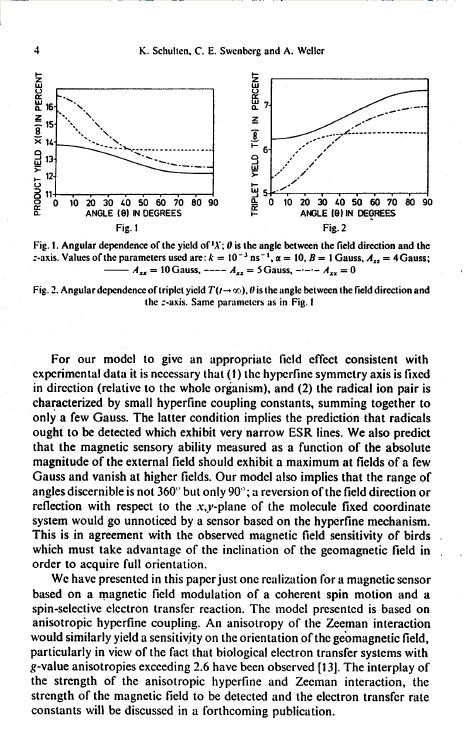
Twin photons prove Bell’s Theorem and non-locality of universe
Physicist RAYMOND Y. CHIAO is widely known for pioneering experiments in the twilight zone of quantum mechanics where objects can pass through solid walls. His recent work involves investigations of faster-than-light phenomena. He has measured how long photons take to “tunnel” through a barrier that ought to be impenetrable and found that they appear to outpace the speed of light when they are successful in reaching the other side. Born in Hong Kong and educated in the United States, he earned a bachelor’s degree from Princeton University, where he was elected to Phi Beta Kappa in his junior year, and a Ph.D. in physics from the Massachusetts Institute of Technology in 1965. After teaching at MIT for two years, he joined the physics faculty of the University of California, Berkeley and was named a full professor in 1977. Dr. Chiao has held a Woodrow Wilson Fellowship and an Alfred P. Sloan Fellowship. A member of Sigma Xi, he won the second prize of the Gravity Research Foundation in 1981 and the Scientific Innovation Award for Outstanding Work in Modern Optics from the Center for Advanced Study at the University of New Mexico in 1986. He is a fellow of both the American Physical Society and the Optical Society of America. Dr. Chiao has published some 125 papers in major scientific journals. He edited Amazing Light (1996), a volume dedicated to the Nobel laureate Charles H. Townes on the occasion of his eightieth birthday.
Nature 419, 577 (10 October 2002) | doi:10.1038/419577a
Quantum physics Single photons stick together
Philippe Grangier
ABSTRACT
In the right circumstances, two photons can meet and 'coalesce’. This effect has now been observed for photons emitted independently from a single-photon source, and has implications for quantum computing.
Can two photons that have never met know something
about each other? The question bothered Einstein, and, reporting on page 594 of this issue, Santori et al.1 demonstrate in a new context that the answer
is
'yes’.
Quantum Theory and Reality
| A new scientific truth does not triumph by convincing its opponents and making them see light, but rather because its opponents eventually die, and a new generation grows up that is familiar with it. Max Planck What we observe is not nature itself, but nature exposed to our method of questioning. Werner Heisenberg | |
| Anyone who has not been shocked by quantum physics has not understood it. Niels Bohr One can’t believe impossible things. Alice in Wonderland | |
| What is an Electron? Of Particles and Waves | |
| Our story will be begin here because it is the electron, and our knowledge of it, that has been responsible for so much of the technology that we take for granted today. Without the electron there would be no electricity, no electric lights, no TV, radio, CDs, DVD’s, thumb drives, cell phones, computers and electronic social networking. We would not have supermarket doors that open automatically or computers to play video games, surf the Web, and do word processing and spreadsheets for business. But what exactly is an electron? In the early moments of the twentieth century scientists found themselves asking this very question. The discovery of radiation and the atom promised to open up a strange new world of knowledge, understanding, and power. At first physicists assumed that the atom was like a miniature solar system. At the center was a nucleus consisting of particles glued together somehow, and that circling this nucleus were the swiftly moving electrons, like little particle planets. This model did not last very long. Although we still use a version of this model today to have some visual handle on what the atom looks like, the pioneers of atomic physics discovered fairly quickly that mathematical calculations based on this model predicted that the electron would crash into the nucleus in an instant. Physicists also discovered that electrons could be stripped from the atoms and made into beams of radiation. This was a great breakthrough, because they could manipulate these beams, and begin to deduce from the behavior of these beams the nature of the |
| electron itself. A similar channel of investigation was taking place in attempting to understand the nature of light. From this another remarkable discovery was made: Beams of electrons behaved very much like beams of light. | |
| There is one simplification at least. Electrons behave in this respect in exactly the same way as photons; they are both screwy, but in exactly the same way. Richard Feynman | We saw that the speed of light was considered a paradox by many at the turn of the century. By this time the nature of light was also very controversial and something of a paradox. Under some conditions light seemed to behave as if it consisted of very small particles of matter (now called photons). Under other conditions, however, light showed clear signs of being a wave of energy, a disturbance of a medium, the intensity of which could be measured. To understand how this is a problem, we must first clearly understand that a particle and a wave are very different phenomena. A particle is a localized piece of matter, like a baseball, that at any given time has a definite size. It can be in only one place at a time. A baseball thrown in Hawaii cannot be in New York at the same time. Furthermore, we assume, ontologically speaking, that we may discover in this marvelous universe some very strange objects but that, regardless of how strange they are, if they are objects, then they will have a definite location at any given definite time. A wave, on the other hand, is a very different kind of thing. In fact it is appropriate not to refer to it as a thing at all, but rather as an event or phenomenon. Things by definition have a definite localized size at a given definite time. Waves do not. Imagine dropping a pebble into a still pond of water. At first there is a small splash, and then circular waves move away from the spot where we dropped the pebble. The wave spreads out; it does not stay in one place, but can be in many places at the same time. Also, it is the medium of the water that transmits the energy of the dropped pebble. The wave is simply a disturbance of the medium. It does not have an existence of its own like the smile of the Cheshire cat in Alice in Wonderland. Without the water being in the pond there would be no waves. On the north shore of the Island of Oahu in the State of Hawaii, every winter large waves pound the shoreline. These waves are caused by the seasonal winter storms migrating northeast of the state in the jet stream on their way to make life miserable for people in the Pacific Northwest, and eventually much of the rest of the continental United States. The winds from the migrating storms cause a significant disturbance in the sea and a series of undulations are transmitted many miles until finally, reaching the reef on the north shore of Oahu, |
| spectacular waves of thirty feet or higher break and push forward a mountain of water and foam toward the beach. On the cliffs overlooking Waimea Bay you can watch a gigantic half circle of water march relentlessly toward the beach and then simultaneously, across a quarter mile area, surge onto the beach. It is a very spectacular sight. Tourists travel many thousands of miles to see it, and single- intentioned surfers wait in anticipation all year, hoping to be the first to ride the biggest wave on record and survive. | |
| It would be a strange event indeed, if one day while watching wave after wave break, we saw one wave flow in its normal way toward the beach, and then, just as the wave was about to touch the fringes of the vulnerable beach, the entire half circle of water collapsed instantly to a single unpredictable point on the beach and exploded! The wave would have turned into a massive particle located at one place, rather than spread out as waves normally are. Imagine wave after wave doing this, with the location of the collapse being unpredictable each time. Strange indeed this would be, but something like this is what electrons and photons seem to do! | |
| Thought Experiments | |
| All of modern physics is governed by that magnificent and thoroughly confusing discipline called quantum mechanics …. | The science of the subatomic realm is called quantum physics or quantum mechanics. The word „quantum” refers to the fact that energy at the subatomic realm comes in packets, or quanta; energy is said to be „discrete” rather than continuous. The best way of understanding the implications of discrete motion is to understand the most famous phrase in this science, the „quantum jump.” As we will see, this does not refer to a continuous quick motion, such as a child jumping from one place to another, but rather a discontinuous, instantaneous movement from one place to another. In other words, quantum objects seem to be able to move from place to place without being anywhere in between. They seem to „pop” in and out of existence. In the following pages we are going to retrace the same baffling steps taken by physicists in the twentieth century. The goal was simply to understand the nature of subatomic objects such as the electron and the photon. The result was a revolution in thought so radical that even Einstein could not accept it. We will be using though a method Einstein would have approved of, what are called „thought” experiments. Instead of looking at the actual technical experiments, we will imagine a series of composite pictures that remain true to the |
It has survived all tests and there is no reason to believe that there is any flaw in it …. we all know how to use it and how to apply it to problems; and so we have learned to live with the fact that nobody can understand it. Murray Gell-Mann
actual experimental findings.(1)
Imagine first a lead box impenetrable except for two microscopic slits on one side. Inside the box the side opposite the slits is coated with photographic film. Imagine that on the outside facing the two slits we have a source of radiation, beams of electrons or light, and that we aim this radiation at the face of the box with the two slits. By looking at the kind of exposure that results on the photographic film, we can infer what kind of radiation is penetrating the box. For instance, if the radiation consists of beams of particles, then only those particles that happen to be aligned with the two slits will pass through into the box, and the result should be a „particle effect”: The photographic film should show a diffused piling up of little hits adjacent to the two slits.
On the other hand, if the radiation is a wave, then a much different effect should result. We should see a „wave effect,” roughly the same result we would see if we dropped two stones into a still pond of water at the same time. Two circular undulations would collide into each other and interfere with each other. In our example, a wave would split in two as it enters the two slits, and then the two waves would begin to spread out again, eventually colliding with each other as in our pond example. This should cause an „interference effect,” a wave picture, on the photographic film. Instead of a piling effect adjacent to the two slits, the radiation would spread throughout the length of the photographic film, producing alternating bands of exposure. Some of the wave crests would meet and accentuate each other, and some would meet the troughs of other waves and cancel each other. This is similar to a wave approaching the beach and a backwash wave meeting it and producing a bigger wave, or a crest meeting a trough of another wave and canceling each other. The exposed bands on the photographic film would be the result of the crests meeting. Such a resourceful experimental process is what Einstein had in mind with his clock analogy. We may not be able to see the invisible electron, but we can infer a reasonable representation of what it is by observing the effects it has on macroscopic objects.
When
similar experiments are done, the result is remarkable. The photographic film always shows an interference effect indicating a wave Amazingly, the radiation
produces this same effect in passing through a vacuum,
presumably a physical
state with no wave medium
such as air or water. How can a wave exist without a substance
of some sort to disturb?
Also, when we look closely at the exposure of
| the film, the exposed areas show piles of little hits, as if millions of individual particles hit the film, each blackening only a single grain of film in unpredictable locations. Remember that if the radiation is a wave, then as it reaches the film, it should be spread out along the entire length of the film like a wave breaking on a beach. But how can it hit at only one unpredictable place? This is as ridiculous as the possibility of watching a wave march toward a beach and seeing the entire wave collapse at a single point on the beach! | |
| In the universe great acts are made up of small deeds. Lao Tsu | Obviously, more experiments are necessary. Baffling results are common in science. So let’s close one of the slits and see what happens. Perhaps the particles are so small that as they penetrate the slits they ricochet all over the interior of the chamber, bouncing off each other in a wild unpredictable manner which eventually somehow produces the illusion of an interference effect. After all, the electron is about 10,000 times smaller in mass than an average atom. Thus, in closing one of the slits, we would lessen this wild ricocheting, and a piling effect should result adjacent to the single slit. Sometimes nature cooperates. If we alternate in opening and closing each slit, the result appears consistent with the particle hypothesis — a double piling effect adjacent to each slit. But wait. To be sure that we are dealing with a particle, let’s return to our original experimental setup with two slits open simultaneously. This time, however, we will lower the intensity of the radiation. Another way to lessen the possibility of the ricocheting effect, and at the same time rule out once and for all the wave hypothesis, is to filter the radiation to such a point that only a single measure of radiation passes through into the chamber at a time. If the radiation consists of particles, if only a single particle is passing through at a time, it can go through only one slit or the other. If it is a particle, then it cannot ricochet off other particles or be in two places at the same time and ricochet off itself. |
| The „paradox” is only a conflict between reality | Conducting this experiment will take more time for an exposure to develop because millions of particle hits will be required to make an exposure, and there are three possible paths for each particle: to penetrate the chamber through either of the two slits or be stopped by the lead barrier. Nevertheless, we should eventually observe a particle effect — a double piling effect of hits adjacent to the two slits. Alas, nature fails to cooperate. The result is an interference effect, exactly as in our first case. Now we are really in trouble. Why should |
| and your feeling of what reality „ought to be.” Richard Feynman | we get a wave effect with two slits open, even though the exposure is the result of cumulative unpredictable hits, and a particle effect with only one slit open? With two slits open the radiation is acting as if it penetrates the chamber at two places simultaneously, something only a wave can do. With one slit, however, the radiation is more localized,(2) as we would expect from particles that can be in only one place at a time. It is easy to lose sight of the philosophical significance of these results. Many of the great names of science, however, who were working at understanding this baffling microscopic realm, also had a background in philosophy, and it was immediately apparent that there was something major at stake here. Since the time of the ancient Greeks and the fledgling beginnings of scientific exploration, we have assumed that we are dealing with one world, one consistent reality. That is, even though we expect the world to be baffling at times, with strange and new details of discoveries, we also expect that whatever these details are, they stay the same independent of our knowing. They are objectively „out there” waiting for us to discover, and they are what they are regardless of our knowledge or ignorance. We assume as Newton did that the world does not depend on us or how we choose to make our observations of it. We do not expect something to be a particle on Mondays, Wednesdays, Fridays, and Sundays, and a wave on Tuesdays, Thursdays, and Saturdays — especially when these phenomena are of entirely different types. What kind of a world would it be for us if dogs were dogs on certain days of the week but turned into cats on others? |
| If we take quantum theory seriously as a picture of what’s really going on, each | Let’s try one more example. What we want to know is, does the radiation pass through both open slits simultaneously or only one? Consider then the following experimental arrangement: both slits open, one measure of radiation entering the chamber at a time, but with one added feature — a detection device inside the chamber that will reveal whether or not the radiation is passing through both slits as a wave would or only one or the other of the slits as a particle would. Because the situation is almost identical to the case in which an interference effect was recorded, we would expect to see the detection device react as if a wave was surging through both openings simultaneously. On the other hand, if the radiation consists of particles, then only one instance of detection should be recorded at a time. Remarkably, the latter is the case — only one instance of detection is recorded at a time — and the photographic result is now consistent with the arrangement with only one slit or the other open!! |
measurement does more than disturb: it profoundly reshapes the very fabric of reality.
Nick
Herbert
As physicists conducted further experiments with subatomic phenomena, they found that all subatomic phenomena display this same ambiguity. This ambiguity has come to be known as wave- particle duality. This result was not easy to accept. One of the most fundamental principles of science seemed to be mocked by these results: the notion that we are dealing with, and can know the details of, an objective world. To use Einstein’s cosmic clock analogy, we expect that the internal mechanism stays the same regardless of our hypotheses and beliefs about what the internal mechanism is. We do not expect the internal mechanism to change as we change our experimental attempts to know the internal mechanism.
It is perhaps one of the greatest achievements of the twentieth century that in spite of this shock, a very successful mathematics was developed that not only allowed physicists to predict the results of the above experiments but also produced one of the greatest scientific and technological success stories in recorded history. In 1926 the physicist Erwin Schrodinger discovered a wave equation that predicts the above results, but with a high epistemological and ontological price.
As we would expect from the name, the equation literally portrays the radiation as a wave, but a very strange wave. According to the equation, in our two-slits-open configuration as soon as the radiation leaves its preparation point, it begins to spread out in a strange multidimensional „hyperspace.” As it encounters the slits it splits, as any real wave would, passing through into the chamber and interfering with itself. As the radiation touches the photographic film, however, all of the energy of the wave collapses to a single unpredictable point! We can never predict at what exact point the radiation will be received, but we can always, with a remarkable consistency, predict the probability of where it will strike and the overall statistical pattern, not only for this particular arrangement, but for all the others as well.
Because
of the influence of the twentieth century philosophy called logical positivism, most physicists have been taught to think of the equation
as
a calculation device,
not as depicting what is
literally real. The special mathematical function used
is thought to represent
only a „probability function” for, given initial
conditions, the probability of finding a hit, or a pattern of hits, at a particular location. Thus, the only waves that exist are said to be „probability waves.” Thus, just as some astronomers during the middle
ages thought
of Ptolemy’s
| epicycle as just a device used for making predictions where planets would be, the wave equation is just a device for predicting what electrons will do. For the logical positivists, the question of reality was a nonsolvable useless philosophical question. | |
| We have sought for firm ground and found none. The deeper we penetrate, the more restless becomes the universe; all is rushing about and vibrating in a wild dance. Max Born | But wait. Given the tremendous success of our electronic technology in the twentieth century are we really no longer interested in the foundational reality behind all this success? Don’t we still want to know what electrons and photons are? Let’s look at one more example. Imagine a light source directed at a half-silvered mirror, a mirror covered with a very light reflective coating. Such a mirror functions as a beam-splitter. Shining light on the mirror tilted at an angle will cause the light to split into two separate beams. If we assume that light consists of little particles called photons, then the physical properties of the half-silvered mirror should cause each individual photon to pass through the mirror or be reflected at an angle. Each photon must become part of one beam or the other. If we set up photon detectors at the appropriate angles, at points A and B, individual detections at A or B should result. With this experimental arrangement, the mathematics predicts that over a sufficient period of time 50 percent of the light will be received at A and 50 percent will be received at B. Furthermore, if the intensity is lowered through filtering, such that only a single photon approaches the mirror at a time, then only a single whole photon should be detected at a time. Detections at A and B should never be recorded simultaneously. This prediction is just common sense. If the photon is an individual object, it cannot be in two places at the same time. When such an experiment is actually conducted one whole unit of energy is detected at either A or B, confirming the particle interpretation of subatomic phenomena. If a photon is a particle, it will pass through the mirror and be detected at A or be reflected and detected at B. However, remember that the Schrodinger equation is a wave equation. If the equation is interpreted literally, the equation describes that the light energy is in both channels! The half-silvered mirror splits a wave packet into two „hyperspatial, virtual/real, probability” waves. Then at the exact moment that the energy reaches the detectors, some sort of strange decision is made, and the entire unit of energy is received at only one point, at either A or B! The wave packet „collapses.” If a whole unit is received at A, then the energy that was approaching B has jumped over to A. In addition, the equation predicts this will happen even if the two detectors are |
separated by many light years, and even if one detector is much closer to the half silvered mirror than the other. The latter case implies that the energy that is approaching the one that is closer, say B, waits?! until the energy approaches A, and then either jumps to A or the energy that was approaching A goes „backward in time” and collapses at B. The mathematics always works, but what it describes literally seems impossible. Like Alice in Wonderland, we cannot believe in impossible things can we? According to the mathematics, there is an instantaneous collapse of potentiality in multidimensional hyperspace to a three-dimensional location. Strange indeed. So physicists who follow the logical positivists party line tell us that we must not think of the split wave packets as real, but only as a description of the probability of where photons will go.
But wait. Can we prove that the light really passes through both channels? Quantum jumping and wave collapsing aside, we can at least test for the photons passing through both channels. Consider the following arrangement. This time we will create an interferometer by placing totally reflecting mirrors at the points where detectors A and B were. Thus, if the light beam is really split by the half-silvered mirror, the totally reflecting mirrors will now reflect the split beams of light. If we aim these totally reflecting mirrors so that the beams will meet again, it is possible to take a picture of the waves interfering with each other, just as we did in the two slit experiment. With this arrangement, interference fringes result similar to that found in the two slit experiment. The interference effect can be produced by having one of the totally reflecting mirrors slightly farther away than the other, so that the light waves will arrive out of phase. The beams are recombined by another half-silvered mirror and transmitted to a chamber with a photographic plate.
If the intensity of the light is reduced
to one photon at a time, the interference effect can only be accounted for by assuming the photon really splits into two wave packets
and then recombines. In fact, if we pick up an ordinary
playing card and block one of the paths, there is no interference picture. Instead, a defused piling exposure is created, similar to the particle picture
we received when only one slit was open in the previous
experiment. If the energy is a wave, then we can understand the interference picture. If the energy is a particle, then we can understand the fact that only one detector at a time receives one whole
unit of energy.
The result of one arrangement indicates that a wave of some kind is really passing through both channels simultaneously. The result of the other makes sense, if we assume
| that the energy is passing through only one channel at a time. If the energy is passing through both channels at the same time, why do the detectors not trigger simultaneously? How does the energy passing through one channel get over to the other detector? How could this possibly happen if the detectors are far enough away that any transmission of a signal between them would require a speed greater than the speed of light? It is time for a little philosophy. | |
| The Copenhagen Interpretation | |
| In a sense [for the Copenhagen Interpretation], the observer picks what happens. One of the unsolved questions is whether the observer’s mind or will somehow determines the choice, or whether it is simply a case of sticking in a thumb and pulling out a plum at random. Dietrick E. Thomsen Atoms are not things. Werner Heisenberg | Nature at the subatomic level apparently does not conform to normal logic. Since the time of the ancient Greeks, Western logic, through Aristotle’s law of excluded middle, has demanded an „either-or” in our relationship with the universe. Either light is a particle or it is not a particle. Either light is a wave or it is not a wave. Either the light splits and goes through both channels or it does not. If it goes through both channels, it should be detected at both channels. It is not detected at both channels, yet it does go through both channels. If it goes through both channels, why is one whole unit of energy detected at only one detector? How do two halves spatially separated become one whole unit instantaneously? No logical inconsistency exits within the mathematics itself. In the particle-effect case, the mathematics allows us to predict that approximately 50 percent of the time detector A will record a unit of energy and 50 percent of the time detector B will record a unit of energy. In the interferometer arrangement, the mathematics predicts an interference effect, and even allows a straightforward calculation of the wave length of light by measuring the interference fringes. The problem is more in our reaction to the results of these experiments and the success of the mathematics. We want to know what kind of a thing is producing these strange results. What is going on „out there” that enables the mathematics to be successful? Our minds desire a complete understanding. What is real? What is the truth? These questions reflect our natural curiosity about reality. We want to go deeper, to find the basic, hidden causes of all things. Western science since the ancient Greeks has assumed an ontology: The cosmos consists of one distinct, complete reality full of individual separated details. We have also assumed an epistemology: The details, whatever they might be, can be known, and the process of knowing these details does not affect what the details actually are independent of the knower. This is consistent with our common sense |
| and what each of us experiences everyday: a world undisturbed by human thoughts, wishes and desires, full of things, spatially separated from each other, and interacting with each other through distinct recognizable forces. If someone has a tangerine tree in his yard, he might wish that it would be an apple tree, but it will still be a tangerine tree. Similarly, we do not think of someone thinking cancer into existence or wishing it away. We think of the cancer being objectively „out there,” something beyond our mental control, like trees. We can cut down trees and operate on cancer, but they are distinct realities that we discover with our thinking, not something that we create with our thinking. | |
| Causality may be considered as a mode of perception by which we reduce our sense impressions to order. Niels Bohr | So it is natural for us to think of electrons or photons as some sort of independent things. They show signs of being particles, so we begin to think of them as if they really are particles independent of our observations of them. But they also shows signs of being waves, and they cannot be both waves and particles at the same time, no more than a tree can be both a tangerine and apple tree at the same time or someone can have cancer and not have cancer at the same time. In the 1920s a few philosophically minded physicists, led by the Nobel Prize-winning physicist Niels Bohr, realized that nature was trying to tell us something very important. Once again nature was using paradox to alert us to a fundamental error in the assumptions we were making and the way we were asking our questions. According to Bohr, and what is known as the Copenhagen interpretation,(3) the results of these encounters with subatomic phenomena amount to a major epistemological discovery. Descriptive terms such as „particle,” „wave,” „position,” „mass,” and „spin,” are human concepts. These concepts involving assumptions of space and time work for us at a normal macroscopic level and will always be indispensable for describing the results of our physical experiments. But nature is now making it very clear to us that we have reached a barrier in our attempt to describe it fully in terms of human concepts derived from ordinary experience. Wave-particle duality is nature’s way of informing us that cannot impose our human concepts on the subatomic level. Just as Einstein had discovered that we cannot impose our normal assumptions of space and time to all levels of reality, so quantum physics reveals that we have no empirical justification to impose our most basic thoughts about the nature of reality on the subatomic realm. The idea of an extended thing sitting in a three-dimensional space, waiting for us to discover it, is revealed as another human projection, a limited image |
| When Einstein has criticized quantum theory he has done so from the basis of dogmatic realism. Werner Heisenberg | of reality, more of an echo of the way our minds work than reality itself. According to Bohr, nature empirically reveals this understanding to us by showing that we can have only complementary views of reality. If we set up an experimental arrangement that allows for a wave manifestation of subatomic phenomena, wave effects will be observed. If we set up an experimental arrangement to view subatomic phenomena as particles, particle effects will be observed. According to Werner Heisenberg, another major contributor to the Copenhagen interpretation, what we observe in our experiments is not nature itself, but nature exposed to our methods of questioning nature. In short, an electron is not a thing until we observe it! Bohr argued that this interpretation is a necessary, „pragmatic” response. Experiments must be conducted in human terms, in laboratories full of macroscopic equipment in three dimensions. Our laboratory equipment must be capable of measurements that are understandable through the conceptual reference frame of human beings. This barrier, however, should not be seen as an end to science or as an imposed state of ignorance. It is a discovery, a momentous discovery about ourselves and the nature of science. To discover that complementary views of reality exist, rather than only one unified view, is as important as Einstein’s discovery that the reference frame of an observer is crucial for measuring space and time. Rather than limiting science, Bohr viewed this new knowledge as liberating the sciences from the tyranny of thinking that each science must explain itself in terms of a more basic science such as physics and chemistry. Biology, for instance, could very well be a complementary perspective on living things, not totally reducible to physics and chemistry. |
| A Debate: Bohr and Einstein | |
| We believe in the possibility of a theory which is able to give a complete description of reality, the laws of which establish relations between the things themselves and not merely between their | Ironically, the main resistance to the Copenhagen interpretation came from Albert Einstein and a few of his followers. Einstein objected very much to the idea that we had stumbled upon a barrier to knowing what is real. Philosophically, Einstein was a realist who believed that the goal of science was to conjecture boldly about the nature of reality from the details of our empirical observations. He acknowledged that as we continued to probe nature for her secrets, we would encounter more and more exotic features, the majority of which would never be directly observable because of human limitations. He believed, however, that the human mind could always infer at least the most likely hypothesis about the nature of the reality |
probabilities …. God does not play dice. Albert Einstein
It is wrong to think that the task of physics is to find out how nature is. Physics concerns what we can say about nature. Niels Bohr
causing the events we do observe. Thus, although Einstein introduced the world to a revolutionary view of space and time, one that destroyed the classical or Newtonian conceptions of absolute space and time, he nevertheless remained a classical physicist faithful to the concept of reality Descartes stated centuries earlier: „There is nothing so far removed from us to be beyond our reach or so hidden that we cannot discover it.”
As we noted previously, for Einstein, nature was like a mysterious clock. We are limited to observing only the exterior features of this clock. We may never be able to see directly inside and know for certain how the clock works, but by observing and thinking about the movement of the hands long enough, the human mind will provide a very likely answer as to how the clock works. For Einstein a clockwork for the universe exists and can be known. For Bohr, for us to assume that a clockwork exists independent of our observations that we can picture in human terms is only another human philosophical bias, another example in a long line of assumptions that experience validates at a certain level, but which experience at another level now demonstrates cannot be considered to be true.
Although Bohr thought quantum physics to be in part an important epistemological discovery, and the barrier between the human mind and reality primarily pragmatic, the Copenhagen interpretation does raise the question of whether this epistemological discovery is also an ontological one. For Einstein, Bohr’s interpretation was much too close to, and in fact seemed to imply, a traditional ontology — an ontology historically very much opposed to the major goal of scientific method. If an electron is not a thing until it is observed by some instrument, does this not imply that reality depends on our observations, and hence, ultimately the thoughts we use to frame the world? Does this not imply that reality is created by human thoughts?
Metaphysical Idealism is a old and widespread belief stating
that the physical world as we experience it is basically an illusion; the perception of a world of material things separated in space is said to be only an appearance. Individual things exist only in so far as we have an idea of them. Supporters of this metaphysics argue that if there were no human observer or recording
instrument of any kind in a forest, then a falling tree would make no sound. In fact, there would be no trees to fall and no forest. When I walk out of a room, I assume
that the physical room and all its contents are still objectively there. But according to the Idealist, the room ceases to exist if there is no
| one there to have a thought of the room. | |
| Would it (the world) otherwise (without consciousness) have remained a play before empty benches, not existing for anybody, thus quite properly not existing? Erwin Schrodinger First they told us the world was flat. Then they told us it was round. Now they are telling us it isn’t even there! Irving Oyle | The majority of scientists have always viewed this metaphysics with disdain, as more of a symptom of despair of the sometimes harsh realities of the physical world, as primarily a religious view associated with those who find the physical universe threatening and who desire a more perfect world. Does the Copenhagen interpretation of quantum physics validate this philosophy? How embarrassing for Western science if this is so. Imagine that after thousands of years of struggling to know the details of Democritus’ atom, Western science shipwrecks into a religious philosophy it thought it had left behind at a more primitive time! Thus, Einstein viewed quantum physics to be an incomplete theory. He argued that we simply do not know enough yet. Our knowledge is not complete. Because we cannot produce a consistent picture of subatomic phenomena, we obviously do not know exactly what these things are yet and enough about the mysterious forces governing their motions and manifestations. Einstein summarized his view with the famous statement, „God does not play dice with the universe.” In other words, God has created one universe and does not choose to have it manifest itself as full of waves at one moment and as particles at another for no reason. Bohr and Einstein had several public debates over what was the proper interpretation to give to the results of quantum physics. These were fascinating discussions between two intellectual giants, but little was resolved at the time. The vast majority of physicists heeded Bohr’s advice that there was a pragmatic limitation inherent in our measuring devices. Physicists should be interested primarily in being able to predict experimental results and not in the question of what is real. They were persuaded, with the help of a philosophical tradition that began with Hume, that the question of what is real is primarily an unanswerable philosophical question. Physics must concern itself primarily with complex experimental arrangements and the derivation of the complex mathematical formulas needed to predict the „constant conjunctions” of appearances first discussed by Hume. On the other hand, motivated by the goal of finding a hidden reality, physicists have also pursued Einstein’s dream of a unified picture of reality, of seeking a theory that enables us to understand at a fundamental level all the forces of nature. Bohr claimed he was being the better empiricist. He argued that the results of quantum experiments provide empirical evidence that |
| nature does not have a hidden true self that can be pictured with human concepts. It seems so obvious that nature must have some objective true self. But it also seemed so obvious that time was absolute. Einstein provided the means to demonstrate with empirical evidence that there is no universal, objective, absolute time, one slice of simultaneity throughout the universe. Today, to continue to believe that there is an absolute time is simply metaphysical dogma, given the overwhelming reliable empirical evidence to the contrary. But Einstein failed, according to Bohr, to understand that the empirical evidence also demonstrates that the faith in a hidden, objective reality is but faith in a dogma. | |
| Bell’s Discovery | |
| Bell’s theorem is easy to understand but hard to believe. Nick Herbert | So, is there any way of answering the question whether nature has a hidden objective reality? Following Bohr, experiments have been conducted that are consistent with the view that it does not; that in our relationship with the universe we can have only different pictures of its clockwork — actually, to be more precise, that a precise clockwork does not exist until we attempt to picture it! For many years following the Bohr-Einstein debates it was thought that the issue between them must forever be relegated to the realm of inconclusive philosophical perspectives. No conceivable experiment was known that could be conducted to disconfirm either one. Bohr could argue that the experimental results are most consistent with his theory of complementarity, but he could not prove that some day we would not discover some bizarre hidden reality that explained how an electron could manifest itself as a wave in one situation and a particle in another. Similarly, the followers of Einstein could argue that if we think, and search, long enough someday we will find this hidden reality. No one knew of an experiment that would decide such an apparent metaphysical issue and eliminate or confirm the possibility of a hidden reality. In 1964 physicist John Bell discovered that it was theoretically possible to test whether or not quantum physics was a complete theory. By tinkering with the mathematics, he discovered that an experiment could be devised to confirm or disconfirm hidden processes, or „variables” as physicists refer to them. Before we describe this discovery and its application in crucial experiments, let us review first why quantum measurements are so puzzling. The essence of all the puzzles, according to the physicist- |
No elementary phenomenon is a phenomenon until it is a recorded phenomenon. John Archibald Wheeler
philosopher Henry Stapp, is „How do energy and information get around so fast?” In the interferometer experiment we can demonstrate that a wave is passing through both channels. But when we modify the experiment to detect the radiation in each channel, we detect only one whole unit of energy at a time per channel, implying not only that the radiation consists of particles, and therefore not waves, but also that the radiation is not in both channels. In the particle detection experiment the Schrodinger equation describes a wave splitting process with a „probability” wave in both channels, and then an instantaneous collapse of a potential existence to one localized „actual” spot, to either detector A or B. The Copenhagen interpretation deals with this puzzle by claiming it is inappropriate to think of the radiation as some kind of definite real thing before we measure it. The radiation „becomes” something definite, conceptualizable by human beings, only after we measure it. (It is always a particle after we measure it, even though some measurements suggest the particle had wave-like properties between measurements.) Reality, specific attributes possessed by things, according to the Copenhagen interpretation, can only be discussed in terms of an „entire experimental arrangement.”
According to Bohr, the problem of quantum measurement can be interpreted as a pragmatic epistemological discovery and does not necessarily imply an idealist metaphysics. Concepts such as „particle” and „wave” are human concepts, and we have discovered that nature will not allow us to picture it consistently with these concepts. Insofar as we must always conduct our experiments through a human framework, with human concepts, there is an epistemological barrier that no future scientific discovery will change. For Bohr, the success of quantum theory represents a „treasure chest” of scientific and philosophical discoveries. The Copenhagen interpretation should not be viewed as advocating a dogmatic end to research and discovery, but rather a dramatic discovery that continues a trend first started by Copernicus and sustained by the startling discoveries of Einstein: The universe is not required to conform to human concepts. Our belief that nature must have one true self, one consistent clockwork for us to tinker with, is revealed to be merely another human belief and not necessarily the way things are.
In a fundamental way Bell’s discovery allowed
physicists to test Bohr’s claimed epistemological discovery. A test was now possible
to see if the subatomic
realm had a true self
independent of our measurements.
| Quantum Jogging | |
| The hope that new experiments will lead us back to objective events in time and space is about as well founded as the hope of discovering the end of the world in the unexplored regions of the Antarctic. Werner Heisenberg I think I can safely say | To understand Bell’s discovery and the eventual experiments, let us try an analogy first. Suppose we have a large group of runners. Half of the runners are tall and half are short. Suppose that each of the short runners and each of the tall runners has a twin. Each of the twins will begin running at the same point, but will run a course in the opposite direction to a finish line that is the same distance from the original point of departure. Suppose also that each runner will run the course at the same speed, and that the spacing between the times when each runner leaves is such that no runner will be able to overtake the one immediately preceding him. No tall runners will overtake short runners or vice versa. Imagine then a continuous stream of runners leaving the original point and running in opposite directions. We might have something like this: Two short runners leave the starting point one after the other simultaneous with their respective twins, then two tall, then two short again, then one tall, and one short after that, then two tall, and so on. Suppose that overall the pattern is random. Suppose further that the contingencies of the course and physical training of each runner are such that many of the runners will not finish. Now we are ready to carry out the implications of our thought experiment. Suppose each twin has a strong desire to finish if and only if the other does. Our common sense would predict that finishing together is not likely. Suppose one of the short runners pulls a muscle just before the finish line. How likely would it be that the twin, running on an independent track, separated by a considerable distance, either knows this and decides to stop running or pulls a muscle also and does not finish? In other words, if we were to observe the runners finishing and established a mathematical correlation of completion, we would not expect it to be very high. Suppose that about 90 percent of the tall and short runners did not finish; it would not be likely that every time a short or tall runner finished or did not finish, the respective twin finished or did not finish as well. If we found the random result at one finish line to be T, T, S, T, S, S, T, S, we would not expect this result to be highly correlated or equal to the result at the other finish line. We would expect an inequality in the results. There is one possibility, however, where the results could be highly correlated. Suppose each runner carried an electronic pager, such that whenever a runner knew they could not finish, he would signal the twin not to finish. In other words, if the runners could communicate, a |
that nobody understands quantum mechanics …. Do not keep saying to yourself
…”But how can it be like that?” because you will get „down the drain,” into a blind alley from which nobody has yet escaped.
Nobody knows how it can be like that. Richard Feynman
very high correlation could be established.
Suppose though that we change our thought experiment a little. This time we will control, at one finish line, which runners finish and which ones do not. Suppose at a point immediately before one of the finish lines we set up a fork in the course, such that the short runners must take one path and the tall runners another. Suppose further that we have control over an electronic switch that closes each path by throwing up a barrier for either the short or tall runners. By randomly changing the switch we can change which path is open and which type of runner finishes. It is important to be able to do this after the runners have already left. Otherwise the runners could know ahead of time what kind of course they must run and adjust their actions accordingly. Suppose that the barriers are so close to the finish line, and we are able to switch the barriers so rapidly, that there is no time for each twin to signal the other whether he is going to finish or not. Now clearly there could not possibly be a very high correlation. It would be a strange result, indeed, if even most of the time when a tall runner finished, his twin also finished, and most of the time when one did not, his twin did not, and likewise for the short runners.
We assume that the local conditions at a barrier cannot instantaneously influence the local conditions at the other finish line. This locality assumption is an inherent part of our normal view of reality. We assume that the runners are independent individuals who will face independent conditions at independent places. What Bell showed is that if this assumption is correct and also applies to the subatomic realm, then the results we obtain in the subatomic realm with particles should reflect the same kind of inequality in correlation we expect to find in our macroscopic realm of short and tall runners.
Quantum
theory, on the other hand, predicts
an entirely different result for subatomic particles. Because it is incorrect
to refer to subatomic
particles as having any definite
state with a definite place until a measurement takes place,
an analogous runner’s
example to what happens
in the subatomic realm
would be the following: Our runners do not exist as definite
runners until they are observed
to finish, and a measurement at one finish line will instantaneously produce
a correlated set of characteristics at the other finish line! From a quantum perspective, the locality assumption is denied;
it is incorrect to think of our runners as real independent entities, in real independent places, experiencing real, local independent circumstances. Instead, between the time we see them leave and
| finish, our runners are a „superposition of states” of existence. They are neither tall, nor short, nor fast nor slow, but all these potential states at once. If quantum theory is true, an analogous experiment in the subatomic realm should result in a significant violation of Bell’s inequality deduction, because it is incorrect to think of subatomic particles as independent things with definite properties until a measurement takes place. If experiments are devised where „twin” particles are created and fly off in opposite directions like our runners, then quantum theory predicts that there will be a high correlation of the particle states when they are measured at a quantum finish line, because a measurement of one particle instantaneously collapses a wave function of potential (or entangled) states, a wave function that was created at the time of the twin particle creation. | |
| The Aspect Experiment | |
| Nature loves to hide. Heraclitus My own suspicion is that the universe is not only queerer than we | Because the locality assumption seems so obvious to our common sense, and because the technological tools were not sufficiently developed to conduct the proper experiments, recognition of the significance of Bell’s work was slow in coming. A decade after Bell published his work intense discussion and experimental work finally began. As is so often the case in science, the results of the first experiments were inconclusive. By the 1980s using a reliable experimental design results supported decisively that in the subatomic realm Bell’s inequality is violated and the predictions of quantum theory are correct. The results were consistent with the interpretation that the measurement of a subatomic particle at one finish line instantaneously determines the state of its twin at another finish line, regardless of how far the two finish lines are apart. In the realm of subatomic particles our runners are replaced by mathematical objects with attributes such as „charge,” „spin,” „velocity”, and „momentum.” We naturally tend to think of these attributes in the same way we think of the attributes of our runners. Just as we think of each runner as a real independent body with definite characteristics such as being short or tall, fast or slow, we are more comfortable thinking of a particle having a real location or a real spin. Quantum physics, however, seldom allows us to be comfortable. Consider quantum spin. What kind of real attribute requires a subatomic particle to turn around twice before it shows its original face! Imagine looking at a position on the Earth from the Moon, say |
suppose, but queerer than we can suppose …. I suspect that there are more things in heaven and Earth than are dreamed of, or can be dreamed of, in any philosophy. That is … why I have no philosophy myself, and must be my excuse for dreaming. J.B.S. Haldane
Physics tells us much less about the physical world than we thought it did. Bertrand Russell
New York, and watching the Earth spin around twice before New York is visible again.
As bizarre as quantum attributes are, quantum physicists have learned how to deal with them mathematically and even set up experiments which create twin particles with opposite spin. The most notable, and most conclusive, we will call the Aspect experiment.(4) Using polarization, a property that can be thought of as similar to spin, physicists tested Bell’s inequality prediction.(5) Atoms were excited to produce twin photons of light that sped away with opposite polarization. Methods were developed to test the states of the photons at their respective finish lines. In many respects this experiment was analogous to our thought experiment with the barriers and electronic switch. Bell’s inequality theorem was violated. The spins of particles at distant finish lines were highly correlated. (In this experiment the main interest was in how often the photons at different finish lines would be blocked.) Because there was an analogous switching device, there was no possibility that a signal
could be sent at a normal cosmological speed (the speed of light) causing the particle’s spin to be correlated.(6) In summary, the result was as fantastic as our hypothetical, unlikely, runners thought experiment, where we find to our amazement, in spite of all of our precautions, that most of the time when a tall runner finishes or does not finish, so does the twin, and most of the time when a short runner finishes or does not finish, so does the twin. There is now little doubt that a violation of Bell’s inequality is a fact of life. If there is a hidden reality with forces influencing the results of our paradoxical measurements, these forces must travel faster than the speed of light. They must be instantaneous.
It is important
to realize that the violation
of Bell’s inequality is a „factual” demonstration that at least one assumption of Einstein’s realism must be false, what we referred to above as the locality assumption. To accept the totality of Einstein’s realism we must assume that the local conditions at one finish line could influence the local
conditions at the other finish line only if the
two locations are linked
by a causal chain whose transmission of effects does not exceed the speed of light.
In other words, if reality
consists of separate
objects, then one object cannot influence
another object unless some sort of signal or influence
travels from one object to the other during some amount
of time. If the movement
of one object „instantaneously” influences the movement
of another object, then they are not really separate objects. In addition,
if someone
is
| standing on one side of a dark room with a flashlight, the flashlight must be turned on before an object can be illuminated on the other side of the room. Recall that some very strange results are possible if the speed of light can be exceeded. Our mother astronaut could return to Earth and be involved in a fatal automobile accident before her child was conceived and before leaving for her space voyage. Thus, for many reasons, a hidden force travelling faster than the speed of light is ruled out as a possible explanation for the puzzling results of quantum experiments. The Aspect experiment shows that we must reject the totality of Einstein’s realism, but not necessarily all possible versions of realism. For instance, the entire universe at the subatomic level could be one interconnected object. The results of the Aspect experiment and the violation of Bell’s inequality are also consistent with the Copenhagen interpretation: Quantum objects should not be considered things until a measurement takes place. Unfortunately, the implications of this interpretation for the nature of reality are philosophically disturbing for most physicists. Thus, most physicists accept the pragmatic aspect of the Copenhagen interpretation and ignore the reality question. The reality question is something for „the philosophers” to worry about. This response is often portrayed as a sophisticated, modern point of view: physics should not be concerned with futile philosophical questions, but keep to the business of predicting results and applying quantum mathematics to novel situations such as computer technology, fiber optics, and superconductivity. By any standard this approach has been very successful. Today, even quantum crytographic devices are becoming a reality, allowing the transfer of money between banks allegedly guaranteeing absolute secrecy. By using pairs of entangled photons to send information, any electronic interference from an eavesdropper immediately disturbs the quantum entanglement and signals a breach of security as well. However, is the instrumentalist approach any different from the reaction of past scientists to Ptolemy’s epicycles, Copernicus’s circles around invisible points, or Newton’s gravity? | |
| Quantum Ignorance and Reality | |
| No language which lends itself to | For many, the reality question beckons still. The history of physics, and science in general, shows that the traditional pursuit of a deep objective truth is not just an idle ivory tower game. A quest for a deep understanding of reality has been valuable not only for its own sake |
visualizability can describe the quantum jumps. Max Born
but for the purpose of maximum practical application as well. The history of science has demonstrated repeatedly that when we understand the way things are at a deep invisible level, we are better able to understand, control, and predict the visible world in which we live. Until quantum physics, the vast span of scientific endeavor has vindicated Einstein’s simple vision: The better we have been able to understand the invisible mechanism of the cosmic clock, the better we have been able to understand the motions of its visible hands. We may not be able to see Kepler’s ellipses nor Newton’s gravity in the starry night, but an understanding of these veiled realities has enabled us to embrace the night sky — to predict, to control, to see, to explore — in a manner undreamt of by the ancients who so patiently and relentlessly watched this surface reality. Other examples abound: The understanding of the molecular and atomic constitution of matter has enabled us to deal with the surface experiences of heat, temperature, and pressure; by understanding a deeper level of reality, we have been able to create objects that do not exist in nature, such as plastics; and now, by understanding the invisible structure of DNA we are controlling the development of life itself, with many practical applications in agriculture and medicine.
Is it over? The Copenhagen interpretation implies a strange kind of ignorance — call it quantum ignorance. According to Bohr, it is a mistake to search for a hidden, deeper mechanism that will explain the results of quantum measurements, because between measurements there is nothing there to know, that is, nothing there that can be conceptualized in human terms. This is nature’s way of educating us, of revealing its ultimate message: „Picture me with your human pictures if you must, but do not take your pictures too seriously.” According to Max Born, another contributor to this interpretation, „No language which lends itself to visualizability can describe the quantum jumps.”
For those sympathetic with Einstein,
there must be something more; the results
of quantum experiments must be only an example
of what can be called classical ignorance. There must be something there that we are „disturbing” when we interact
with it in attempting to measure
it. We are ignorant of why quantum events happen as they do only because
we do not know all the forces acting on subatomic
particles, just as we cannot predict
each throw of the dice in a dice game, because there are too many minute factors
involved and because
any attempt on our part to measure these factors
in the act would disturb
the results. In the case of dice there are other ways of
Reality is the real business of physics. Albert Einstein
demonstrating the existence of these factors, and thus we have every reason to believe that they are there, even if we cannot control them.
Bell’s theorem and the consequent experiments do not rule out some kind of realism, that some kind of hidden force or reality is at work in the subatomic realm. They do demonstrate, however, that these forces, if they exist, must be very strange forces that are capable of propagating instantaneously regardless of distance. If our finish lines for subatomic particles were billions of miles away, the violation of inequality would be the same. If one of our finish lines was located in the vicinity of the star Betelgeuse, 540 light years distant, and the other on Earth, quantum physics predicts the same results. The results of Bell’s theorem and the Aspect experiment show not only that quantum theory is a complete theory but also that any interpretation of quantum physics must incorporate the fact of instantaneous action.
So what kind of a reality do we live in? Notice that even the language of this question is misleading. To ask what kind of a reality we live in suggests that there is one reality independent of human beings and our attempt to know and measure this reality. Human language has evolved in a context of ordinary macroscopic reality. So how can we even begin to describe the subatomic realm? If it is a mistake to think of the electron as a thing with a definite place, with a definite velocity, until „it” is actually observed with a measurement, then it is difficult, to say the least, to understand how an „it” can exist without a location prior to a measurement which then gives it a location.
The concept is less difficult mathematically but no less strange. Mathematically, quantum physics allows a distinction between the static properties of the electron, such as „charge” and „mass,” and the dynamic properties, such as „position” and „velocity.” In this way most physicists believe that they can avoid versions of idealism, such as that of the eighteenth-century Irish philosopher and bishop George Berkeley, who taught that physical matter possessed reality only insofar as it was perceived by a mind. Put more dramatically, Berkeley believed that only mind or consciousness exists. For Berkeley, the entire physical universe is only an idea in the mind of God. Here is how Nick Herbert in his Quantum Reality describes the reaction of most physicists:
No believer in
observer-created reality, even the most extreme, goes as far as Berkeley.
Every physicist upholds the absolute existence of matter — electrons, photons and the like — as well as certain of
| matter’s static attributes. . . . Electrons certainly exist — with the same mass and charge whether you look or not — but it is a mistake to imagine them in particular locations or traveling in a particular direction unless you actually happen to see one doing so. In other words, almost all physicists are convinced that something is out there, even though they are convinced that whatever it is, it will not conform to classical attempts to describe reality. But how can there be some „thing” without there being an independent „place” for this something to be? When we think of things like ordinary runners or elementary particles, we assume that they must have independent, objective attributes. What would be left if we took away from a tall runner his tallness, his speed, and his individual identity of being in one place? What kind of a runner could exist that was both short and tall, fast and slow, and neither short nor tall, fast nor slow? What kind of a runner could exist that only became a tall runner after we observed him at the finish line? Whatever they are, quantum objects are not ordinary things. | |
| A Paradigm for the Twenty-First Century? | |
| The observer is never entirely replaced by instruments; for if he were, he could obviously obtain no knowledge whatsoever …. they must be read! The observer’s senses have to step in eventually. The most careful record, when not inspected, tells us nothing. Erwin Schrödinger | According to Nobel laureate Richard Feynman, we „can safely say that nobody understands quantum mechanics.” Consider, however, the following provocative possible paradigm for our time. We know that the paradigm of Newtonianism involved a combination of epistemological and metaphysical assumptions: What is real does not depend on us, and reality is reducible to small independent particles of physical matter and empty space; thoughts, ideas, colors, emotions were all considered to be secondary realities, as not real, but rather the result of the movement and interactions of particles. This view, which we will call metaphysical reductionism, is seriously contradicted by the science of the twentieth-century, particularly the Copenhagen interpretation. What is real does seem to depend on us and our method of questioning nature. As the physicist E.P. Wigner has claimed, a measurement cannot legitimately be said to have taken place until it is acknowledged by the conscious awareness of a human being. Far from being a secondary reality, consciousness has a much greater significance in quantum theory. We confront the world with the filters of our human thoughts about the world, and nature conforms to these thoughts to some extent. A reality becomes manifest based upon the thoughts behind one of our experiments. We do not measure reality as Newton and all classical physicists |
| believed; we measure the „relationship” between reality and our thoughts. In the quantum realm it is not possible to pin down a consistent reality, and nature teaches us in the process not to take our thoughts about reality too seriously, on the one hand, and to take them very seriously, on the other hand. We should not think of our human concepts of „particle” and „wave” as reflecting an independent reality, but we have been forced to recognize the creative power of human concepts. The mathematics of quantum theory does not picture a precise clock with definite parts but a strange indefinite cosmic substance capable of manifesting an infinite number of fleeting faces. Quantum theory pictures the particles that make up everything that we touch and feel not as little, hard, definite, independent things, but a tangle of possibilities that are entangled with every other tangle of possibilities throughout the universe. As with the particles in the Aspect experiment, the particles in my body may be connected in some way with the particles of your body, and these in turn with particles in a distant sun, in a distant galaxy, billions of light years away. | |
| Neorealism | |
| There is the immense „sea” of energy …. a multidimensional implicate order … the entire universe of matter as we generally observe it is to be treated as a comparatively small pattern of excitation. This excitation pattern is relatively autonomous and gives rise to approximately recurrent, stable and separable projections | There is little disagreement today among physicists and philosophers of science that the metaphysical reductionism of the seventeenth, eighteenth, and nineteenth centuries has been destroyed by the science of the twentieth century. But there is no consensus on a replacement. The results of relativity and quantum theory have sent physicists and philosophers of science scurrying in many different philosophical directions. Although most physicists have accepted the practical dictates of the Copenhagen interpretation, David Bohm, among others, has refused to abandon entirely the realism of Einstein, opting instead for a radical neorealism. For Bohm, the Aspect experiment does not disprove a hidden reality, but only one that consists of separate things! A universe of „undivided wholeness” is consistent with all the experimental results. A real universe exists independent of our observations of it, but it is not like the room that I am in now: a bowl of space with apparent independent objects separated into different locations. This normal perception is only my human macroscopic view of the room. „Underneath,” so to speak, from a perspective of a multidimensional hyperspace or superspace this appearance of separateness can be seen to melt like ink dots in |
| into a three-dimensional explicate order of manifestation, which is more or less equivalent to that of space as we commonly experience it. David Bohm | water. Mathematical equations that literally describe a hyperspace, a multidimensional space, which scientists often cryptically referred to as „configuration” or „phase” space, are common in the mathematics of modern physics. As we have noted, most physicists have been taught during their university educations to think of these as only mathematical devices because it makes no sense to use ordinary language or pictures in an attempt to ascribe a reality to such bizarre number juggling. Bohm, however, following the epistemological lead of Einstein, suggested that what works in our equations may point to an underlying reality. Consider the following analogy from Bohm’s Wholeness and the Implicate Order. Imagine a fishbowl with fish slowly swimming round and round, occasionally darting here and there, changing direction unpredictably. Imagine two TV cameras filming the activity of the fish from different points of view. Imagine that in another room a person is sitting watching two TV sets receiving the transmissions from the two cameras. This person at first might think that he is watching two different fishbowls and fish movements, except that he would notice an amazing correlation in the movements of the two sets of fish. Every time one of the fish in one TV screen unpredictably changes direction by darting to the left or right, a fish in the other screen changes directions also. After watching this activity for awhile, this person should be able to infer that the separate images are different perspectives of one reality. According to Bohm, this is what the long road of scientific endeavor, culminating in the experiments of quantum physics, has revealed to us: Our normal world of separate objects is but separate images of one underlying reality. We set up our three-dimensional experiments and then wonder how particles separated by light-years can be correlated, but from the standpoint of hyperspace the particles are right „next” to each other, so to speak; the two apparently separated particles are the same particle, just as the two apparently separated fish are the same fish. |
| Flat Land and Hyperspace | |
| All things will be in everything; nor is it possible for them to be | Because of our Kantian-Newtonian filters, it is impossible for us to imagine what a multidimensional hyperspace is like.(7) We can, however, get an idea of what existence in a higher dimension is like by comparing our three-dimensional existence with a hypothetical |
apart, but all things have a portion of everything. Anaxagoras
The various particles have to be taken literally as projections of a higher -dimensional reality which cannot be accounted
for in terms of any force of interaction between them. David Bohm
two-dimensional existence called Flat Land.
Imagine a world that is flat like a piece of writing paper upon which flat two-dimensional creatures live. Imagine that on this world there are flat two-dimensional houses and flat two-dimensional creatures that look like triangles, squares, and circles. Because they are two- dimensional, these peculiar characters can go about their two- dimensional business by moving forward or backward, left or right, but „up” and „down” have no meaning in this world. Relative to this world, we would find that three-dimensional creatures like ourselves have supernatural powers. We could peer into their houses from above and watch what they are doing; we could cause strange events to happen at great distances simultaneously; we could cause correlated behavior in objects that seem separated to our flatlanders. We could even cause strange objects to appear out of nowhere. We could easily produce quantum jumps.
Suppose we picked up an ordinary salad fork from our three- dimensional world and poked it in and out of this two-dimensional world. A flatland creature observing this event from its two- dimensional world would see only four mysterious dots appear from nowhere, move around in a coordinated manner, and then vanish as mysteriously as they appeared. If we picked up one of these two- dimensional creatures and pulled it up into our three-dimensional world, the poor creature would have a mystical experience; it would experience a reality for which there was no language. If we then placed the creature back onto its two-dimensional world, perhaps where a number of his friends are discussing his mysterious disappearance, the flatlander would appear to have materialized out of nowhere. If the creature attempted to explain to his friends in flatlander language what he had experienced, he would undoubtedly sound like a crazy fool, much like the enlightened man in Plato’s cave.
According to Bohm, our observations of electrons and other subatomic phenomena in our three-dimensional laboratories with three-dimensional equipment are not the result of an act of creation of consciousness, but rather an interfacing of a multidimensional reality with a three-dimensional one. Just as our flatlanders experienced mysterious unpredictable events that were explainable from the point of view of another dimension, so the
behavior of electrons and other subatomic phenomena are understandable from the point of view of an overlaying, but concealed, „implicate” hyperspace. Just as the actions of the four correlated dots produced
| by the three-dimensional fork are seen to be one reality, so our entire world of apparent separate particles that seem to make up separate objects is but a manifestation of one undivided hyperspatial whole. The philosophical virtue of such an interpretation of the mathematics and experimental results of quantum physics is that the realism of our normal three-dimensional world is preserved. When we walk out of a room, the room is still „there” in a sense. From a hyperspatial perspective, more than a three-dimensional room may be there, but the three-dimensional room is still there for any three-dimensional creature to see. We do not create the room with our consciousness out of some strange indeterminate nothingness. | |
| By the act of observation we have selected a „real” history out of the many realities, and once someone has seen a tree in our world it stays there even when nobody is looking at it. John Gribbin Saint Augustine … suggested that there might be “worlds without end” – an infinite number of different universes … though he was reluctant to decide on the issue. Where saints hesitate, | Many Worlds There is no logical necessity for believing in one universe any more than there is for believing that Earth is the center of existence. Another interpretation of quantum physics that attempts to preserve the general philosophical position of realism is known as the Many Worlds interpretation. This interpretation preserves realism with a vengeance. In the 1950’s Hugh Everett III, then a graduate student at Princeton University, decided to see what would happen if the mathematical equations of quantum physics were consistently taken literally. To see how this would work let’s return to our previous experiments. Recall the experiment attempting to prove that single particles of light pass through only one channel. The result of detecting only one whole unit of energy at detector A or B was consistent with this interpretation. Yet a particle interpretation was not consistent with the outcome of the experiment with totally reflecting mirrors replacing detectors A and B. The Schrodinger equation depicts waves of some sort passing through both channels, and the experiment with totally reflecting mirrors demonstrates that light, as a wave that splits into two waves, is in both channels. According to the Many World’s interpretation there is a simple, but shocking, explanation for the first result. The Schrodinger equation depicts the radiation in both channels as real; the reason we only observe it at one detector or the other is because when a measurement is made the world splits into two equally real worlds! When the radiation is detected at A, it has also been detected at B. We do not detect it at B, because B is an event taking place in another world! And if you ask who is in this other world to detect the different result, the answer is equally shocking — the split versions of the experimenters who detected the <!– /* Font Definitions */ @font-face {font-family:Helvetica; panose-1:2 11 6 4 2 2 2 2 2 4; mso-font-charset:0; mso-generic-font-family:swiss; mso-font-pitch:variable; mso-font-signature:3 0 0 0 1 0;} @font-face {font-family:Courier; panose-1:2 7 4 9 2 2 5 2 4 4; mso-font-charset:0; mso-generic-font-family:modern; mso-font-format:other; mso-font-pitch:fixed; mso-font-signature:3 0 0 0 1 0;} @font-face {font-family:”Tms Rmn”; panose-1:2 2 6 3 4 5 5 2 3 4; mso-font-charset:0; mso-generic-font-family:roman; mso-font-format:other; mso-font-pitch:variable; mso-font-signature:3 0 0 0 1 0;} @font-face {font-family:Helv; panose-1:2 11 6 4 2 2 2 3 2 4; mso-font-charset:0; mso-generic-font-family:swiss; mso-font-format:other; mso-font-pitch:variable; mso-font-signature:3 0 0 0 1 0;} @font-face {font-family:”New York”; panose-1:2 4 5 3 6 5 6 2 3 4; mso-font-charset:0; mso-generic-font-family:roman; mso-font-pitch:variable; mso-font-signature:3 0 0 0 1 0;} @font-face {font-family:System; panose-1:0 0 0 0 0 0 0 0 0 0; mso-font-charset:0; mso-generic-font-family:swiss; mso-font-format:other; mso-font-pitch:variable; mso-font-signature:3 0 0 0 1 0;} @font-face {font-family:Wingdings; panose-1:5 0 0 0 0 0 0 0 0 0; mso-font-charset:2; mso-generic-font-family:auto; mso-font-pitch:variable; mso-font-signature:0 268435456 0 0 -2147483648 0;} @font-face {font-family:”MS Mincho”; panose-1:2 2 6 9 4 2 5 8 3 4; mso-font-alt:”MS 明朝”; mso-font-charset:128; mso-generic-font-family:roman; mso-font-pitch:fixed; mso-font-signature:1 134676480 16 0 131072 0;} @font-face {font-family:Batang; panose-1:2 3 6 0 0 1 1 1 1 1; mso-font-alt:바탕; mso-font-charset:129; mso-generic-font-family:auto; mso-font-pitch:fixed; mso-font-signature:1 151388160 16 0 524288 0;} @font-face {font-family:SimSun; panose-1:2 1 6 0 3 1 1 1 1 1; mso-font-alt:宋体; mso-font-charset:134; mso-generic-font-family:auto; mso-font-pitch:variable; mso-font-signature:3 680460288 22 0 262145 0;} @font-face {font-family:PMingLiU; panose-1:2 1 6 1 0 1 1 1 1 1; mso-font-alt:”Times New Roman”; mso-font-charset:0; mso-generic-font-family:roman; mso-font-pitch:variable; mso-font-signature:0 0 0 0 0 0;} @font-face {font-family:”MS Gothic”; panose-1:2 11 6 9 7 2 5 8 2 4; mso-font-alt:”MS ゴシック”; mso-font-charset:128; mso-generic-font-family:modern; mso-font-pitch:fixed; mso-font-signature:-536870145 1791491579 134217746 0 131231 0;} @font-face {font-family:Dotum; panose-1:2 11 6 0 0 1 1 1 1 1; mso-font-alt:돋움; mso-font-charset:129; mso-generic-font-family:modern; mso-font-pitch:fixed; mso-font-signature:1 151388160 16 0 524288 0;} @font-face {font-family:SimHei; panose-1:2 1 6 0 3 1 1 1 1 1; mso-font-alt:黑体; mso-font-charset:134; mso-generic-font-family:modern; mso-font-pitch:fixed; mso-font-signature:1 135135232 16 0 262144 0;} @font-face {font-family:MingLiU; panose-1:2 1 6 9 0 1 1 1 1 1; mso-font-alt:細明體; mso-font-charset:136; mso-generic-font-family:modern; mso-font-pitch:fixed; mso-font-signature:1 134742016 16 0 1048576 0;} @font-face {font-family:Mincho; panose-1:2 2 6 9 4 3 5 8 3 5; mso-font-alt:明朝; mso-font-charset:128; mso-generic-font-family:roman; mso-font-pitch:fixed; mso-font-signature:1 134676480 16 0 131072 0;} @font-face {font-family:Gulim; panose-1:2 11 6 0 0 1 1 1 1 1; mso-font-alt:굴림; mso-font-charset:129; mso-generic-font-family:roman; mso-font-pitch:fixed; mso-font-signature:1 151388160 16 0 524288 0;} @font-face {font-family:Century; panose-1:2 4 6 4 5 5 5 2 3 4; mso-font-charset:0; mso-generic-font-family:roman; mso-font-pitch:variable; mso-font-signature:647 0 0 0 159 0;} @font-face {font-family:”Angsana New”; panose-1:2 2 6 3 5 4 5 2 3 4; mso-font-charset:222; mso-generic-font-family:roman; mso-font-pitch:variable; mso-font-signature:16777217 0 0 0 65536 0;} @font-face {font-family:”Cordia New”; panose-1:2 11 3 4 2 2 2 2 2 4; mso-font-charset:222; mso-generic-font-family:roman; mso-font-pitch:variable; mso-font-signature:16777217 0 0 0 65536 0;} @font-face {font-family:Mangal; panose-1:0 0 4 0 0 0 0 0 0 0; mso-font-charset:1; mso-generic-font-family:roman; mso-font-pitch:variable; mso-font-signature:8192 0 0 0 0 0;} @font-face {font-family:Latha; panose-1:2 0 4 0 0 0 0 0 0 0; mso-font-charset:1; mso-generic-font-family:roman; mso-font-pitch:variable; mso-font-signature:262144 0 0 0 0 0;} @font-face {font-family:Sylfaen; panose-1:1 10 5 2 5 3 6 3 3 3; mso-font-charset:0; mso-generic-font-family:roman; mso-font-pitch:variable; mso-font-signature:67110535 0 0 0 159 0;} @font-face {font-family:Vrinda; panose-1:0 0 4 0 0 0 0 0 0 0; mso-font-charset:1; mso-generic-font-family:roman; mso-font-pitch:variable; mso-font-signature:0 0 0 0 0 0;} @font-face {font-family:Raavi; panose-1:2 0 5 0 0 0 0 0 0 0; mso-font-charset:1; mso-generic-font-family:roman; mso-font-pitch:variable; mso-font-signature:0 0 0 0 0 0;} @font-face {font-family:Shruti; panose-1:2 0 5 0 0 0 0 0 0 0; mso-font-charset:1; mso-generic-font-family:roman; mso-font-pitch:variable; mso-font-signature:0 0 0 0 0 0;} @font-face {font-family:Sendnya; panose-1:0 0 4 0 0 0 0 0 0 0; mso-font-charset:1; mso-generic-font-family:roman; mso-font-pitch:variable; mso-font-signature:0 0 0 0 0 0;} @font-face {font-family:Gautami; panose-1:2 0 5 0 0 0 0 0 0 0; mso-font-charset:1; mso-generic-font-family:roman; mso-font-pitch:variable; mso-font-signature:0 0 0 0 0 0;} @font-face {font-family:Tunga; panose-1:0 0 4 0 0 0 0 0 0 0; mso-font-charset:1; mso-generic-font-family:roman; mso-font-pitch:variable; mso-font-signature:0 0 0 0 0 0;} @font-face {font-family:”Estrangelo Edessa”; panose-1:0 0 0 0 0 0 0 0 0 0; mso-font-charset:1; mso-generic-font-family:roman; mso-font-pitch:variable; mso-font-signature:0 0 0 0 0 0;} @font-face {font-family:”Cambria Math”; panose-1:2 4 5 3 5 4 6 3 2 4; mso-font-charset:0; mso-generic-font-family:roman; mso-font-pitch:variable; mso-font-signature:-536869121 1107305727 33554432 0 415 0;} @font-face {font-family:”Yu Gothic”; panose-1:2 11 4 0 0 0 0 0 0 0; mso-font-alt:游ゴシック; mso-font-charset:128; mso-generic-font-family:swiss; mso-font-pitch:variable; mso-font-signature:-536870145 717749759 22 0 131231 0;} @font-face {font-family:DengXian; panose-1:2 1 6 0 3 1 1 1 1 1; mso-font-alt:等线; mso-font-charset:134; mso-generic-font-family:modern; mso-font-pitch:fixed; mso-font-signature:1 135135232 16 0 262144 0;} @font-face {font-family:”Arial Unicode MS”; panose-1:2 11 6 4 2 2 2 2 2 4; mso-font-alt:Arial; mso-font-charset:238; mso-generic-font-family:swiss; mso-font-pitch:variable; mso-font-signature:0 0 0 0 0 0;} @font-face {font-family:”Calibri Light”; panose-1:2 15 3 2 2 2 4 3 2 4; mso-font-charset:0; mso-generic-font-family:swiss; mso-font-pitch:variable; mso-font-signature:-469750017 -1073732485 9 0 511 0;} @font-face {font-family:Calibri; panose-1:2 15 5 2 2 2 4 3 2 4; mso-font-charset:0; mso-generic-font-family:swiss; mso-font-pitch:variable; mso-font-signature:-469750017 -1073732485 9 0 511 0;} @font-face {font-family:Cambria; panose-1:2 4 5 3 5 4 6 3 2 4; mso-font-alt:Cambria; mso-font-charset:0; mso-generic-font-family:roman; mso-font-pitch:variable; mso-font-signature:-536869121 1107305727 33554432 0 415 0;} @font-face {font-family:”Palatino Linotype”; panose-1:2 4 5 2 5 5 5 3 3 4; mso-font-alt:”Palatino Linotype”; mso-font-charset:0; mso-generic-font-family:roman; mso-font-pitch:variable; mso-font-signature:-536870265 1073741843 0 0 415 0;} @font-face {font-family:”Trajan Pro”; panose-1:2 2 5 2 5 5 6 2 3 1; mso-font-alt:”Trajan Pro”; mso-font-charset:0; mso-generic-font-family:roman; mso-font-format:other; mso-font-pitch:variable; mso-font-signature:7 0 0 0 147 0;} @font-face {font-family:”Adobe Caslon Pro Bold”; panose-1:2 5 7 2 6 5 10 2 4 3; mso-font-charset:0; mso-generic-font-family:roman; mso-font-format:other; mso-font-pitch:variable; mso-font-signature:7 1 0 0 147 0;} @font-face {font-family:”Adobe Caslon Pro”; panose-1:2 5 5 2 5 5 10 2 4 3; mso-font-charset:0; mso-generic-font-family:roman; mso-font-format:other; mso-font-pitch:variable; mso-font-signature:7 1 0 0 147 0;} @font-face {font-family:”Adobe Fangsong Std R”; panose-1:2 2 4 0 0 0 0 0 0 0; mso-font-charset:128; mso-generic-font-family:roman; mso-font-format:other; mso-font-pitch:variable; mso-font-signature:519 168761360 22 0 393223 0;} @font-face {font-family:”\@Adobe Fangsong Std R”; mso-font-charset:128; mso-generic-font-family:roman; mso-font-format:other; mso-font-pitch:variable; mso-font-signature:519 168761360 22 0 393223 0;} @font-face {font-family:”Adobe Fan Heiti Std B”; panose-1:2 11 7 0 0 0 0 0 0 0; mso-font-charset:128; mso-generic-font-family:swiss; mso-font-format:other; mso-font-pitch:variable; mso-font-signature:515 437197056 22 0 1179653 0;} @font-face {font-family:”\@Adobe Fan Heiti Std B”; mso-font-charset:128; mso-generic-font-family:swiss; mso-font-format:other; mso-font-pitch:variable; mso-font-signature:515 437197056 22 0 1179653 0;} @font-face {font-family:”Adobe Gothic Std B”; panose-1:2 11 8 0 0 0 0 0 0 0; mso-font-charset:128; mso-generic-font-family:swiss; mso-font-format:other; mso-font-pitch:variable; mso-font-signature:515 701967376 16 0 2752517 0;} @font-face {font-family:”\@Adobe Gothic Std B”; mso-font-charset:128; mso-generic-font-family:swiss; mso-font-format:other; mso-font-pitch:variable; mso-font-signature:515 701967376 16 0 2752517 0;} @font-face {font-family:”Adobe Heiti Std R”; panose-1:2 11 4 0 0 0 0 0 0 0; mso-font-charset:128; mso-generic-font-family:swiss; mso-font-format:other; mso-font-pitch:variable; mso-font-signature:519 168761360 22 0 393223 0;} @font-face {font-family:”\@Adobe Heiti Std R”; mso-font-charset:128; mso-generic-font-family:swiss; mso-font-format:other; mso-font-pitch:variable; mso-font-signature:519 168761360 22 0 393223 0;} @font-face {font-family:”Adobe Kaiti Std R”; panose-1:2 2 4 0 0 0 0 0 0 0; mso-font-charset:128; mso-generic-font-family:roman; mso-font-format:other; mso-font-pitch:variable; mso-font-signature:519 168761360 22 0 393223 0;} @font-face {font-family:”\@Adobe Kaiti Std R”; mso-font-charset:128; mso-generic-font-family:roman; mso-font-format:other; mso-font-pitch:variable; mso-font-signature:519 168761360 22 0 393223 0;} @font-face {font-family:”Adobe Naskh Medium”; panose-1:1 1 1 1 1 1 1 1 1 1; mso-font-charset:0; mso-generic-font-family:modern; mso-font-format:other; mso-font-pitch:variable; mso-font-signature:8195 0 0 0 65 0;} @font-face {font-family:”Adobe Garamond Pro Bold”; panose-1:2 2 7 2 6 5 6 2 4 3; mso-font-charset:0; mso-generic-font-family:roman; mso-font-format:other; mso-font-pitch:variable; mso-font-signature:7 1 0 0 147 0;} @font-face {font-family:”Adobe Garamond Pro”; panose-1:2 2 5 2 6 5 6 2 4 3; mso-font-charset:0; mso-generic-font-family:roman; mso-font-format:other; mso-font-pitch:variable; mso-font-signature:7 1 0 0 147 0;} @font-face {font-family:”Birch Std”; panose-1:3 6 5 2 4 7 5 6 2 4; mso-font-charset:0; mso-generic-font-family:script; mso-font-format:other; mso-font-pitch:variable; mso-font-signature:3 0 0 0 1 0;} @font-face {font-family:”Blackoak Std”; panose-1:4 5 9 7 6 6 2 2 2 2; mso-font-charset:0; mso-generic-font-family:decorative; mso-font-format:other; mso-font-pitch:variable; mso-font-signature:3 0 0 0 1 0;} @font-face {font-family:”Brush Script Std”; panose-1:3 6 8 2 4 6 7 7 4 4; mso-font-charset:0; mso-generic-font-family:script; mso-font-format:other; mso-font-pitch:variable; mso-font-signature:3 0 0 0 1 0;} @font-face {font-family:”Chaparral Pro”; panose-1:2 6 5 3 4 5 5 2 2 3; mso-font-charset:0; mso-generic-font-family:roman; mso-font-format:other; mso-font-pitch:variable; mso-font-signature:7 1 0 0 147 0;} @font-face {font-family:”Chaparral Pro Light”; panose-1:2 6 4 3 3 5 5 9 2 3; mso-font-charset:0; mso-generic-font-family:roman; mso-font-format:other; mso-font-pitch:variable; mso-font-signature:7 1 0 0 147 0;} @font-face {font-family:”Charlemagne Std”; panose-1:4 2 7 5 6 7 2 2 2 4; mso-font-charset:0; mso-generic-font-family:decorative; mso-font-format:other; mso-font-pitch:variable; mso-font-signature:3 0 0 0 1 0;} @font-face {font-family:”Cooper Std Black”; panose-1:2 8 9 3 4 3 11 2 4 4; mso-font-charset:0; mso-generic-font-family:roman; mso-font-format:other; mso-font-pitch:variable; mso-font-signature:3 0 0 0 1 0;} @font-face {font-family:”Giddyup Std”; panose-1:3 5 4 2 4 3 2 4 4 4; mso-font-charset:0; mso-generic-font-family:script; mso-font-format:other; mso-font-pitch:variable; mso-font-signature:3 0 0 0 1 0;} @font-face {font-family:”Hobo Std”; panose-1:2 11 8 3 4 7 9 2 2 4; mso-font-charset:0; mso-generic-font-family:swiss; mso-font-format:other; mso-font-pitch:variable; mso-font-signature:3 0 0 0 1 0;} @font-face {font-family:”Kozuka Gothic Pro B”; panose-1:2 11 8 0 0 0 0 0 0 0; mso-font-charset:128; mso-generic-font-family:swiss; mso-font-format:other; mso-font-pitch:variable; mso-font-signature:643 717691921 18 0 131077 0;} @font-face {font-family:”\@Kozuka Gothic Pro B”; mso-font-charset:128; mso-generic-font-family:swiss; mso-font-format:other; mso-font-pitch:variable; mso-font-signature:643 717691921 18 0 131077 0;} @font-face {font-family:”Kozuka Gothic Pro EL”; panose-1:2 11 2 0 0 0 0 0 0 0; mso-font-charset:128; mso-generic-font-family:swiss; mso-font-format:other; mso-font-pitch:variable; mso-font-signature:643 717691921 18 0 131077 0;} @font-face {font-family:”\@Kozuka Gothic Pro EL”; mso-font-charset:128; mso-generic-font-family:swiss; mso-font-format:other; mso-font-pitch:variable; mso-font-signature:643 717691921 18 0 131077 0;} @font-face {font-family:”Kozuka Gothic Pro H”; panose-1:2 11 8 0 0 0 0 0 0 0; mso-font-charset:128; mso-generic-font-family:swiss; mso-font-format:other; mso-font-pitch:variable; mso-font-signature:643 717691921 18 0 131077 0;} @font-face {font-family:”\@Kozuka Gothic Pro H”; mso-font-charset:128; mso-generic-font-family:swiss; mso-font-format:other; mso-font-pitch:variable; mso-font-signature:643 717691921 18 0 131077 0;} @font-face {font-family:”Kozuka Gothic Pro L”; panose-1:2 11 2 0 0 0 0 0 0 0; mso-font-charset:128; mso-generic-font-family:swiss; mso-font-format:other; mso-font-pitch:variable; mso-font-signature:643 717691921 18 0 131077 0;} @font-face {font-family:”\@Kozuka Gothic Pro L”; mso-font-charset:128; mso-generic-font-family:swiss; mso-font-format:other; mso-font-pitch:variable; mso-font-signature:643 717691921 18 0 131077 0;} @font-face {font-family:”Kozuka Gothic Pro M”; panose-1:2 11 7 0 0 0 0 0 0 0; mso-font-charset:128; mso-generic-font-family:swiss; mso-font-format:other; mso-font-pitch:variable; mso-font-signature:643 717691921 18 0 131077 0;} @font-face {font-family:”\@Kozuka Gothic Pro M”; mso-font-charset:128; mso-generic-font-family:swiss; mso-font-format:other; mso-font-pitch:variable; mso-font-signature:643 717691921 18 0 131077 0;} @font-face {font-family:”Kozuka Gothic Pro R”; panose-1:2 11 4 0 0 0 0 0 0 0; mso-font-charset:128; mso-generic-font-family:swiss; mso-font-format:other; mso-font-pitch:variable; mso-font-signature:643 717691921 18 0 131077 0;} @font-face {font-family:”\@Kozuka Gothic Pro R”; mso-font-charset:128; mso-generic-font-family:swiss; mso-font-format:other; mso-font-pitch:variable; mso-font-signature:643 717691921 18 0 131077 0;} @font-face {font-family:”Kozuka Mincho Pro B”; panose-1:2 2 8 0 0 0 0 0 0 0; mso-font-charset:128; mso-generic-font-family:roman; mso-font-format:other; mso-font-pitch:variable; mso-font-signature:643 717691921 18 0 131077 0;} @font-face {font-family:”\@Kozuka Mincho Pro B”; mso-font-charset:128; mso-generic-font-family:roman; mso-font-format:other; mso-font-pitch:variable; mso-font-signature:643 717691921 18 0 131077 0;} @font-face {font-family:”Kozuka Mincho Pro EL”; panose-1:2 2 2 0 0 0 0 0 0 0; mso-font-charset:128; mso-generic-font-family:roman; mso-font-format:other; mso-font-pitch:variable; mso-font-signature:643 717691921 18 0 131077 0;} @font-face {font-family:”\@Kozuka Mincho Pro EL”; mso-font-charset:128; mso-generic-font-family:roman; mso-font-format:other; mso-font-pitch:variable; mso-font-signature:643 717691921 18 0 131077 0;} @font-face {font-family:”Kozuka Mincho Pro H”; panose-1:2 2 10 0 0 0 0 0 0 0; mso-font-charset:128; mso-generic-font-family:roman; mso-font-format:other; mso-font-pitch:variable; mso-font-signature:643 717691921 18 0 131077 0;} @font-face {font-family:”\@Kozuka Mincho Pro H”; mso-font-charset:128; mso-generic-font-family:roman; mso-font-format:other; mso-font-pitch:variable; mso-font-signature:643 717691921 18 0 131077 0;} @font-face {font-family:”Kozuka Mincho Pro L”; panose-1:2 2 3 0 0 0 0 0 0 0; mso-font-charset:128; mso-generic-font-family:roman; mso-font-format:other; mso-font-pitch:variable; mso-font-signature:643 717691921 18 0 131077 0;} @font-face {font-family:”\@Kozuka Mincho Pro L”; mso-font-charset:128; mso-generic-font-family:roman; mso-font-format:other; mso-font-pitch:variable; mso-font-signature:643 717691921 18 0 131077 0;} @font-face {font-family:”Kozuka Mincho Pro M”; panose-1:2 2 6 0 0 0 0 0 0 0; mso-font-charset:128; mso-generic-font-family:roman; mso-font-format:other; mso-font-pitch:variable; mso-font-signature:643 717691921 18 0 131077 0;} @font-face {font-family:”\@Kozuka Mincho Pro M”; mso-font-charset:128; mso-generic-font-family:roman; mso-font-format:other; mso-font-pitch:variable; mso-font-signature:643 717691921 18 0 131077 0;} @font-face {font-family:”Kozuka Mincho Pro R”; panose-1:2 2 4 0 0 0 0 0 0 0; mso-font-charset:128; mso-generic-font-family:roman; mso-font-format:other; mso-font-pitch:variable; mso-font-signature:643 717691921 18 0 131077 0;} @font-face {font-family:”\@Kozuka Mincho Pro R”; mso-font-charset:128; mso-generic-font-family:roman; mso-font-format:other; mso-font-pitch:variable; mso-font-signature:643 717691921 18 0 131077 0;} @font-face {font-family:”Lithos Pro Regular”; panose-1:4 2 5 5 3 14 2 2 10 4; mso-font-charset:0; mso-generic-font-family:decorative; mso-font-format:other; mso-font-pitch:variable; mso-font-signature:135 0 0 0 155 0;} @font-face {font-family:”Mesquite Std”; panose-1:4 9 7 3 6 14 2 2 10 4; mso-font-charset:0; mso-generic-font-family:decorative; mso-font-format:other; mso-font-pitch:variable; mso-font-signature:3 0 0 0 1 0;} @font-face {font-family:”Minion Pro Cond”; panose-1:2 4 7 6 6 3 6 2 2 3; mso-font-charset:0; mso-generic-font-family:roman; mso-font-format:other; mso-font-pitch:variable; mso-font-signature:1610613383 1 0 0 415 0;} @font-face {font-family:”Minion Pro Med”; panose-1:2 4 5 3 5 3 6 2 2 3; mso-font-charset:0; mso-generic-font-family:roman; mso-font-format:other; mso-font-pitch:variable; mso-font-signature:1610613383 1 0 0 415 0;} @font-face {font-family:”Minion Pro SmBd”; panose-1:2 4 6 3 6 3 6 2 2 3; mso-font-charset:0; mso-generic-font-family:roman; mso-font-format:other; mso-font-pitch:variable; mso-font-signature:1610613383 1 0 0 415 0;} @font-face {font-family:”Myriad Arabic”; panose-1:1 1 1 1 1 1 1 1 1 1; mso-font-charset:0; mso-generic-font-family:modern; mso-font-format:other; mso-font-pitch:variable; mso-font-signature:8199 0 0 0 67 0;} @font-face {font-family:”Nueva Std”; panose-1:2 11 5 3 7 5 4 9 2 3; mso-font-charset:0; mso-generic-font-family:swiss; mso-font-format:other; mso-font-pitch:variable; mso-font-signature:3 0 0 0 1 0;} @font-face {font-family:”Nueva Std Cond”; panose-1:2 11 5 6 7 5 4 2 2 3; mso-font-charset:0; mso-generic-font-family:swiss; mso-font-format:other; mso-font-pitch:variable; mso-font-signature:3 0 0 0 1 0;} @font-face {font-family:”OCR A Std”; panose-1:2 15 6 9 0 1 4 6 3 7; mso-font-charset:0; mso-generic-font-family:modern; mso-font-format:other; mso-font-pitch:fixed; mso-font-signature:3 0 0 0 1 0;} @font-face {font-family:”Orator Std”; panose-1:2 13 5 9 2 2 3 3 2 4; mso-font-charset:0; mso-generic-font-family:modern; mso-font-format:other; mso-font-pitch:fixed; mso-font-signature:3 0 0 0 1 0;} @font-face {font-family:”Poplar Std”; panose-1:4 2 9 3 3 11 2 2 2 2; mso-font-charset:0; mso-generic-font-family:decorative; mso-font-format:other; mso-font-pitch:variable; mso-font-signature:3 0 0 0 1 0;} @font-face {font-family:”Prestige Elite Std”; panose-1:2 6 5 9 2 2 6 2 3 4; mso-font-charset:0; mso-generic-font-family:modern; mso-font-format:other; mso-font-pitch:fixed; mso-font-signature:3 0 0 0 1 0;} @font-face {font-family:”Rosewood Std Regular”; panose-1:4 9 8 4 4 2 4 2 2 2; mso-font-charset:0; mso-generic-font-family:decorative; mso-font-format:other; mso-font-pitch:variable; mso-font-signature:3 0 0 0 1 0;} @font-face {font-family:”Stencil Std”; panose-1:4 2 9 4 8 8 2 2 4 4; mso-font-charset:0; mso-generic-font-family:decorative; mso-font-format:other; mso-font-pitch:variable; mso-font-signature:3 0 0 0 1 0;} @font-face {font-family:”Tekton Pro”; panose-1:2 15 6 3 2 2 8 2 9 4; mso-font-charset:0; mso-generic-font-family:swiss; mso-font-format:other; mso-font-pitch:variable; mso-font-signature:7 1 0 0 147 0;} @font-face {font-family:”Tekton Pro Cond”; panose-1:2 15 6 6 2 2 8 2 9 4; mso-font-charset:0; mso-generic-font-family:swiss; mso-font-format:other; mso-font-pitch:variable; mso-font-signature:7 1 0 0 147 0;} @font-face {font-family:”Tekton Pro Ext”; panose-1:2 15 6 5 2 2 8 2 9 4; mso-font-charset:0; mso-generic-font-family:swiss; mso-font-format:other; mso-font-pitch:variable; mso-font-signature:7 1 0 0 147 0;} @font-face {font-family:”Adobe Arabic”; panose-1:2 4 5 3 5 2 1 2 2 3; mso-font-charset:0; mso-generic-font-family:roman; mso-font-format:other; mso-font-pitch:variable; mso-font-signature:-2147475409 -2147442614 8 0 65 0;} @font-face {font-family:”Adobe Devanagari”; panose-1:2 4 5 3 5 2 1 2 2 3; mso-font-charset:0; mso-generic-font-family:roman; mso-font-format:other; mso-font-pitch:variable; mso-font-signature:-1610579729 1073750090 0 0 1 0;} @font-face {font-family:”Adobe Hebrew”; panose-1:2 4 5 3 5 2 1 2 2 3; mso-font-charset:0; mso-generic-font-family:roman; mso-font-format:other; mso-font-pitch:variable; mso-font-signature:-2147481489 1073750090 0 0 33 0;} @font-face {font-family:”Adobe Ming Std L”; panose-1:2 2 3 0 0 0 0 0 0 0; mso-font-charset:128; mso-generic-font-family:roman; mso-font-format:other; mso-font-pitch:variable; mso-font-signature:515 437197056 22 0 1179653 0;} @font-face {font-family:”\@Adobe Ming Std L”; mso-font-charset:128; mso-generic-font-family:roman; mso-font-format:other; mso-font-pitch:variable; mso-font-signature:515 437197056 22 0 1179653 0;} @font-face {font-family:”Adobe Myungjo Std M”; panose-1:2 2 6 0 0 0 0 0 0 0; mso-font-charset:128; mso-generic-font-family:roman; mso-font-format:other; mso-font-pitch:variable; mso-font-signature:515 701967376 16 0 2752517 0;} @font-face {font-family:”\@Adobe Myungjo Std M”; mso-font-charset:128; mso-generic-font-family:roman; mso-font-format:other; mso-font-pitch:variable; mso-font-signature:515 701967376 16 0 2752517 0;} @font-face {font-family:”Adobe Song Std L”; panose-1:2 2 3 0 0 0 0 0 0 0; mso-font-charset:128; mso-generic-font-family:roman; mso-font-format:other; mso-font-pitch:variable; mso-font-signature:519 168761360 22 0 393223 0;} @font-face {font-family:”\@Adobe Song Std L”; mso-font-charset:128; mso-generic-font-family:roman; mso-font-format:other; mso-font-pitch:variable; mso-font-signature:519 168761360 22 0 393223 0;} @font-face {font-family:”Kozuka Gothic Pr6N B”; panose-1:2 11 8 0 0 0 0 0 0 0; mso-font-charset:128; mso-generic-font-family:swiss; mso-font-format:other; mso-font-pitch:variable; mso-font-signature:727 717691921 18 0 131231 0;} @font-face {font-family:”\@Kozuka Gothic Pr6N B”; mso-font-charset:128; mso-generic-font-family:swiss; mso-font-format:other; mso-font-pitch:variable; mso-font-signature:727 717691921 18 0 131231 0;} @font-face {font-family:”Kozuka Gothic Pr6N EL”; panose-1:2 11 2 0 0 0 0 0 0 0; mso-font-charset:128; mso-generic-font-family:swiss; mso-font-format:other; mso-font-pitch:variable; mso-font-signature:727 717691921 18 0 131231 0;} @font-face {font-family:”\@Kozuka Gothic Pr6N EL”; mso-font-charset:128; mso-generic-font-family:swiss; mso-font-format:other; mso-font-pitch:variable; mso-font-signature:727 717691921 18 0 131231 0;} @font-face {font-family:”Kozuka Gothic Pr6N H”; panose-1:2 11 8 0 0 0 0 0 0 0; mso-font-charset:128; mso-generic-font-family:swiss; mso-font-format:other; mso-font-pitch:variable; mso-font-signature:727 717691921 18 0 131231 0;} @font-face {font-family:”\@Kozuka Gothic Pr6N H”; mso-font-charset:128; mso-generic-font-family:swiss; mso-font-format:other; mso-font-pitch:variable; mso-font-signature:727 717691921 18 0 131231 0;} @font-face {font-family:”Kozuka Gothic Pr6N L”; panose-1:2 11 2 0 0 0 0 0 0 0; mso-font-charset:128; mso-generic-font-family:swiss; mso-font-format:other; mso-font-pitch:variable; mso-font-signature:727 717691921 18 0 131231 0;} @font-face {font-family:”\@Kozuka Gothic Pr6N L”; mso-font-charset:128; mso-generic-font-family:swiss; mso-font-format:other; mso-font-pitch:variable; mso-font-signature:727 717691921 18 0 131231 0;} @font-face {font-family:”Kozuka Gothic Pr6N M”; panose-1:2 11 7 0 0 0 0 0 0 0; mso-font-charset:128; mso-generic-font-family:swiss; mso-font-format:other; mso-font-pitch:variable; mso-font-signature:727 717691921 18 0 131231 0;} @font-face {font-family:”\@Kozuka Gothic Pr6N M”; mso-font-charset:128; mso-generic-font-family:swiss; mso-font-format:other; mso-font-pitch:variable; mso-font-signature:727 717691921 18 0 131231 0;} @font-face {font-family:”Kozuka Gothic Pr6N R”; panose-1:2 11 4 0 0 0 0 0 0 0; mso-font-charset:128; mso-generic-font-family:swiss; mso-font-format:other; mso-font-pitch:variable; mso-font-signature:727 717691921 18 0 131231 0;} @font-face {font-family:”\@Kozuka Gothic Pr6N R”; mso-font-charset:128; mso-generic-font-family:swiss; mso-font-format:other; mso-font-pitch:variable; mso-font-signature:727 717691921 18 0 131231 0;} @font-face {font-family:”Kozuka Mincho Pr6N B”; panose-1:2 2 8 0 0 0 0 0 0 0; mso-font-charset:128; mso-generic-font-family:roman; mso-font-format:other; mso-font-pitch:variable; mso-font-signature:727 717691921 18 0 131231 0;} @font-face {font-family:”\@Kozuka Mincho Pr6N B”; mso-font-charset:128; mso-generic-font-family:roman; mso-font-format:other; mso-font-pitch:variable; mso-font-signature:727 717691921 18 0 131231 0;} @font-face {font-family:”Kozuka Mincho Pr6N EL”; panose-1:2 2 2 0 0 0 0 0 0 0; mso-font-charset:128; mso-generic-font-family:roman; mso-font-format:other; mso-font-pitch:variable; mso-font-signature:727 717691921 18 0 131231 0;} @font-face {font-family:”\@Kozuka Mincho Pr6N EL”; mso-font-charset:128; mso-generic-font-family:roman; mso-font-format:other; mso-font-pitch:variable; mso-font-signature:727 717691921 18 0 131231 0;} @font-face {font-family:”Kozuka Mincho Pr6N H”; panose-1:2 2 9 0 0 0 0 0 0 0; mso-font-charset:128; mso-generic-font-family:roman; mso-font-format:other; mso-font-pitch:variable; mso-font-signature:727 717691921 18 0 131231 0;} @font-face {font-family:”\@Kozuka Mincho Pr6N H”; mso-font-charset:128; mso-generic-font-family:roman; mso-font-format:other; mso-font-pitch:variable; mso-font-signature:727 717691921 18 0 131231 0;} @font-face {font-family:”Kozuka Mincho Pr6N L”; panose-1:2 2 3 0 0 0 0 0 0 0; mso-font-charset:128; mso-generic-font-family:roman; mso-font-format:other; mso-font-pitch:variable; mso-font-signature:727 717691921 18 0 131231 0;} @font-face {font-family:”\@Kozuka Mincho Pr6N L”; mso-font-charset:128; mso-generic-font-family:roman; mso-font-format:other; mso-font-pitch:variable; mso-font-signature:727 717691921 18 0 131231 0;} @font-face {font-family:”Kozuka Mincho Pr6N M”; panose-1:2 2 6 0 0 0 0 0 0 0; mso-font-charset:128; mso-generic-font-family:roman; mso-font-format:other; mso-font-pitch:variable; mso-font-signature:727 717691921 18 0 131231 0;} @font-face {font-family:”\@Kozuka Mincho Pr6N M”; mso-font-charset:128; mso-generic-font-family:roman; mso-font-format:other; mso-font-pitch:variable; mso-font-signature:727 717691921 18 0 131231 0;} @font-face {font-family:”Kozuka Mincho Pr6N R”; panose-1:2 2 4 0 0 0 0 0 0 0; mso-font-charset:128; mso-generic-font-family:roman; mso-font-format:other; mso-font-pitch:variable; mso-font-signature:727 717691921 18 0 131231 0;} @font-face {font-family:”\@Kozuka Mincho Pr6N R”; mso-font-charset:128; mso-generic-font-family:roman; mso-font-format:other; mso-font-pitch:variable; mso-font-signature:727 717691921 18 0 131231 0;} @font-face {font-family:”Letter Gothic Std”; panose-1:2 11 4 9 2 2 2 3 3 4; mso-font-charset:0; mso-generic-font-family:modern; mso-font-format:other; mso-font-pitch:fixed; mso-font-signature:3 0 0 0 1 0;} @font-face {font-family:”Minion Pro”; panose-1:2 4 5 3 5 3 6 2 2 3; mso-font-charset:0; mso-generic-font-family:roman; mso-font-format:other; mso-font-pitch:variable; mso-font-signature:1610613383 1 0 0 415 0;} @font-face {font-family:”Myriad Hebrew”; panose-1:1 1 1 1 1 1 1 1 1 1; mso-font-charset:0; mso-generic-font-family:modern; mso-font-format:other; mso-font-pitch:variable; mso-font-signature:2055 1073741824 0 0 35 0;} @font-face {font-family:”Myriad Pro”; panose-1:2 11 5 3 3 4 3 2 2 4; mso-font-charset:0; mso-generic-font-family:swiss; mso-font-format:other; mso-font-pitch:variable; mso-font-signature:536871559 1 0 0 415 0;} @font-face {font-family:”Myriad Pro Cond”; panose-1:2 11 5 6 3 4 3 2 2 4; mso-font-charset:0; mso-generic-font-family:swiss; mso-font-format:other; mso-font-pitch:variable; mso-font-signature:536871559 1 0 0 415 0;} @font-face {font-family:”Myriad Pro Light”; panose-1:2 11 6 3 3 4 3 2 2 4; mso-font-charset:0; mso-generic-font-family:swiss; mso-font-format:other; mso-font-pitch:variable; mso-font-signature:536871559 1 0 0 415 0;} @font-face {font-family:TeamViewer15; mso-font-charset:0; mso-generic-font-family:decorative; mso-font-format:other; mso-font-pitch:variable; mso-font-signature:3 0 0 0 1 0;} @font-face {font-family:”LEMON MILK Bold”; panose-1:0 0 8 0 0 0 0 0 0 0; mso-font-charset:0; mso-generic-font-family:modern; mso-font-format:other; mso-font-pitch:variable; mso-font-signature:7 0 0 0 19 0;} @font-face {font-family:”LEMON MILK Light”; panose-1:0 0 4 0 0 0 0 0 0 0; mso-font-charset:0; mso-generic-font-family:modern; mso-font-format:other; mso-font-pitch:variable; mso-font-signature:7 0 0 0 19 0;} @font-face {font-family:”LEMON MILK Medium”; panose-1:0 0 6 0 0 0 0 0 0 0; mso-font-charset:0; mso-generic-font-family:modern; mso-font-format:other; mso-font-pitch:variable; mso-font-signature:7 0 0 0 19 0;} @font-face {font-family:”LEMON MILK”; panose-1:0 0 5 0 0 0 0 0 0 0; mso-font-charset:0; mso-generic-font-family:modern; mso-font-format:other; mso-font-pitch:variable; mso-font-signature:7 0 0 0 19 0;} @font-face {font-family:Marlett; panose-1:0 0 0 0 0 0 0 0 0 0; mso-font-charset:2; mso-generic-font-family:auto; mso-font-pitch:variable; mso-font-signature:0 268435456 0 0 -2147483648 0;} @font-face {font-family:”Arial Black”; panose-1:2 11 10 4 2 1 2 2 2 4; mso-font-charset:0; mso-generic-font-family:swiss; mso-font-pitch:variable; mso-font-signature:-1610612049 1073772795 0 0 159 0;} @font-face {font-family:”Bahnschrift Light”; panose-1:2 11 5 2 4 2 4 2 2 3; mso-font-charset:0; mso-generic-font-family:swiss; mso-font-pitch:variable; mso-font-signature:-1610612025 2 0 0 415 0;} @font-face {font-family:”Bahnschrift SemiLight”; panose-1:2 11 5 2 4 2 4 2 2 3; mso-font-charset:0; mso-generic-font-family:swiss; mso-font-pitch:variable; mso-font-signature:-1610612025 2 0 0 415 0;} @font-face {font-family:Bahnschrift; panose-1:2 11 5 2 4 2 4 2 2 3; mso-font-charset:0; mso-generic-font-family:swiss; mso-font-pitch:variable; mso-font-signature:-1610612025 2 0 0 415 0;} @font-face {font-family:”Bahnschrift SemiBold”; panose-1:2 11 5 2 4 2 4 2 2 3; mso-font-charset:0; mso-generic-font-family:swiss; mso-font-pitch:variable; mso-font-signature:-1610612025 2 0 0 415 0;} @font-face {font-family:”Bahnschrift Light SemiCondensed”; panose-1:2 11 5 2 4 2 4 2 2 3; mso-font-charset:0; mso-generic-font-family:swiss; mso-font-pitch:variable; mso-font-signature:-1610612025 2 0 0 415 0;} @font-face {font-family:”Bahnschrift SemiLight SemiConde”; panose-1:2 11 5 2 4 2 4 2 2 3; mso-font-charset:0; mso-generic-font-family:swiss; mso-font-pitch:variable; mso-font-signature:-1610612025 2 0 0 415 0;} @font-face {font-family:”Bahnschrift SemiCondensed”; panose-1:2 11 5 2 4 2 4 2 2 3; mso-font-charset:0; mso-generic-font-family:swiss; mso-font-pitch:variable; mso-font-signature:-1610612025 2 0 0 415 0;} @font-face {font-family:”Bahnschrift SemiBold SemiConden”; panose-1:2 11 5 2 4 2 4 2 2 3; mso-font-charset:0; mso-generic-font-family:swiss; mso-font-pitch:variable; mso-font-signature:-1610612025 2 0 0 415 0;} @font-face {font-family:”Bahnschrift Light Condensed”; panose-1:2 11 5 2 4 2 4 2 2 3; mso-font-charset:0; mso-generic-font-family:swiss; mso-font-pitch:variable; mso-font-signature:-1610612025 2 0 0 415 0;} @font-face {font-family:”Bahnschrift SemiLight Condensed”; panose-1:2 11 5 2 4 2 4 2 2 3; mso-font-charset:0; mso-generic-font-family:swiss; mso-font-pitch:variable; mso-font-signature:-1610612025 2 0 0 415 0;} @font-face {font-family:”Bahnschrift Condensed”; panose-1:2 11 5 2 4 2 4 2 2 3; mso-font-charset:0; mso-generic-font-family:swiss; mso-font-pitch:variable; mso-font-signature:-1610612025 2 0 0 415 0;} @font-face {font-family:”Bahnschrift SemiBold Condensed”; panose-1:2 11 5 2 4 2 4 2 2 3; mso-font-charset:0; mso-generic-font-family:swiss; mso-font-pitch:variable; mso-font-signature:-1610612025 2 0 0 415 0;} @font-face {font-family:Candara; panose-1:2 14 5 2 3 3 3 2 2 4; mso-font-charset:0; mso-generic-font-family:swiss; mso-font-pitch:variable; mso-font-signature:-1610611985 1073783883 0 0 415 0;} @font-face {font-family:”Candara Light”; panose-1:2 14 5 2 3 3 3 2 2 4; mso-font-charset:0; mso-generic-font-family:swiss; mso-font-pitch:variable; mso-font-signature:-1610611969 2 0 0 415 0;} @font-face {font-family:”Comic Sans MS”; panose-1:3 15 7 2 3 3 2 2 2 4; mso-font-charset:0; mso-generic-font-family:script; mso-font-pitch:variable; mso-font-signature:647 19 0 0 159 0;} @font-face {font-family:Consolas; panose-1:2 11 6 9 2 2 4 3 2 4; mso-font-charset:0; mso-generic-font-family:modern; mso-font-pitch:fixed; mso-font-signature:-536869121 64767 1 0 415 0;} @font-face {font-family:Constantia; panose-1:2 3 6 2 5 3 6 3 3 3; mso-font-charset:0; mso-generic-font-family:roman; mso-font-pitch:variable; mso-font-signature:-1610611985 1073750091 0 0 415 0;} @font-face {font-family:Corbel; panose-1:2 11 5 3 2 2 4 2 2 4; mso-font-charset:0; mso-generic-font-family:swiss; mso-font-pitch:variable; mso-font-signature:-1610611985 1073783883 0 0 415 0;} @font-face {font-family:”Corbel Light”; panose-1:2 11 3 3 2 2 4 2 2 4; mso-font-charset:0; mso-generic-font-family:swiss; mso-font-pitch:variable; mso-font-signature:-1610611985 1073783883 0 0 415 0;} @font-face {font-family:Ebrima; panose-1:2 0 0 0 0 0 0 0 0 0; mso-font-charset:0; mso-generic-font-family:auto; mso-font-pitch:variable; mso-font-signature:-1610612641 33554497 2048 0 147 0;} @font-face {font-family:”Franklin Gothic Medium”; panose-1:2 11 6 3 2 1 2 2 2 4; mso-font-charset:0; mso-generic-font-family:swiss; mso-font-pitch:variable; mso-font-signature:647 0 0 0 159 0;} @font-face {font-family:Gabriola; panose-1:4 4 6 5 5 16 2 2 13 2; mso-font-charset:0; mso-generic-font-family:decorative; mso-font-pitch:variable; mso-font-signature:-536870161 1342185547 0 0 159 0;} @font-face {font-family:Gadugi; panose-1:2 11 5 2 4 2 4 2 2 3; mso-font-charset:0; mso-generic-font-family:swiss; mso-font-pitch:variable; mso-font-signature:-2147483645 33554432 12288 0 1 0;} @font-face {font-family:Georgia; panose-1:2 4 5 2 5 4 5 2 3 3; mso-font-charset:0; mso-generic-font-family:roman; mso-font-pitch:variable; mso-font-signature:647 0 0 0 159 0;} @font-face {font-family:Impact; panose-1:2 11 8 6 3 9 2 5 2 4; mso-font-charset:0; mso-generic-font-family:swiss; mso-font-pitch:variable; mso-font-signature:647 0 0 0 159 0;} @font-face {font-family:”Ink Free”; panose-1:3 8 4 2 0 5 0 0 0 0; mso-font-charset:0; mso-generic-font-family:script; mso-font-pitch:variable; mso-font-signature:-2147483645 0 0 0 1 0;} @font-face {font-family:”Javanese Text”; panose-1:2 0 0 0 0 0 0 0 0 0; mso-font-charset:0; mso-generic-font-family:auto; mso-font-pitch:variable; mso-font-signature:-2147483645 8192 0 0 1 0;} @font-face {font-family:”Leelawadee UI”; panose-1:2 11 5 2 4 2 4 2 2 3; mso-font-charset:0; mso-generic-font-family:swiss; mso-font-pitch:variable; mso-font-signature:-1560281085 0 65536 0 65793 0;} @font-face {font-family:”Leelawadee UI Semilight”; panose-1:2 11 4 2 4 2 4 2 2 3; mso-font-charset:0; mso-generic-font-family:swiss; mso-font-pitch:variable; mso-font-signature:-1560281085 0 65536 0 65793 0;} @font-face {font-family:”Lucida Console”; panose-1:2 11 6 9 4 5 4 2 2 4; mso-font-charset:0; mso-generic-font-family:modern; mso-font-pitch:fixed; mso-font-signature:-2147482993 6144 0 0 31 0;} @font-face {font-family:”Lucida Sans Unicode”; panose-1:2 11 6 2 3 5 4 2 2 4; mso-font-charset:0; mso-generic-font-family:swiss; mso-font-pitch:variable; mso-font-signature:-2147480833 14699 0 0 191 0;} @font-face {font-family:”Malgun Gothic”; panose-1:2 11 5 3 2 0 0 2 0 4; mso-font-charset:129; mso-generic-font-family:swiss; mso-font-pitch:variable; mso-font-signature:-1879048145 701988091 18 0 524289 0;} @font-face {font-family:”\@Malgun Gothic”; mso-font-charset:129; mso-generic-font-family:swiss; mso-font-pitch:variable; mso-font-signature:-1879048145 701988091 18 0 524289 0;} @font-face {font-family:”Malgun Gothic Semilight”; panose-1:2 11 5 2 4 2 4 2 2 3; mso-font-charset:129; mso-generic-font-family:swiss; mso-font-pitch:variable; mso-font-signature:-1342174545 165641467 18 0 4063677 0;} @font-face {font-family:”\@Malgun Gothic Semilight”; mso-font-charset:128; mso-generic-font-family:swiss; mso-font-pitch:variable; mso-font-signature:-1342174545 165641467 18 0 4063677 0;} @font-face {font-family:”Microsoft Himalaya”; panose-1:1 1 1 0 1 1 1 1 1 1; mso-font-charset:0; mso-generic-font-family:auto; mso-font-pitch:variable; mso-font-signature:-2147483645 65536 64 0 1 0;} @font-face {font-family:”Microsoft JhengHei”; panose-1:2 11 6 4 3 5 4 4 2 4; mso-font-charset:136; mso-generic-font-family:swiss; mso-font-pitch:variable; mso-font-signature:679 684672000 22 0 1048585 0;} @font-face {font-family:”\@Microsoft JhengHei”; mso-font-charset:136; mso-generic-font-family:swiss; mso-font-pitch:variable; mso-font-signature:679 684672000 22 0 1048585 0;} @font-face {font-family:”Microsoft JhengHei UI”; panose-1:2 11 6 4 3 5 4 4 2 4; mso-font-charset:136; mso-generic-font-family:swiss; mso-font-pitch:variable; mso-font-signature:679 684672000 22 0 1048585 0;} @font-face {font-family:”\@Microsoft JhengHei UI”; mso-font-charset:136; mso-generic-font-family:swiss; mso-font-pitch:variable; mso-font-signature:679 684672000 22 0 1048585 0;} @font-face {font-family:”Microsoft JhengHei Light”; panose-1:2 11 3 4 3 5 4 4 2 4; mso-font-charset:136; mso-generic-font-family:swiss; mso-font-pitch:variable; mso-font-signature:-2147482969 684672000 22 0 1048585 0;} @font-face {font-family:”\@Microsoft JhengHei Light”; mso-font-charset:136; mso-generic-font-family:swiss; mso-font-pitch:variable; mso-font-signature:-2147482969 684672000 22 0 1048585 0;} @font-face {font-family:”Microsoft JhengHei UI Light”; panose-1:2 11 3 4 3 5 4 4 2 4; mso-font-charset:136; mso-generic-font-family:swiss; mso-font-pitch:variable; mso-font-signature:-2147482969 684672000 22 0 1048585 0;} @font-face {font-family:”\@Microsoft JhengHei UI Light”; mso-font-charset:136; mso-generic-font-family:swiss; mso-font-pitch:variable; mso-font-signature:-2147482969 684672000 22 0 1048585 0;} @font-face {font-family:”Microsoft New Tai Lue”; panose-1:2 11 5 2 4 2 4 2 2 3; mso-font-charset:0; mso-generic-font-family:swiss; mso-font-pitch:variable; mso-font-signature:3 0 -2147483648 0 1 0;} @font-face {font-family:”Microsoft PhagsPa”; panose-1:2 11 5 2 4 2 4 2 2 3; mso-font-charset:0; mso-generic-font-family:swiss; mso-font-pitch:variable; mso-font-signature:3 0 134217728 0 1 0;} @font-face {font-family:”Microsoft Sans Serif”; panose-1:2 11 6 4 2 2 2 2 2 4; mso-font-charset:0; mso-generic-font-family:swiss; mso-font-pitch:variable; mso-font-signature:-452972801 -1073717157 41 0 66047 0;} @font-face {font-family:”Microsoft Tai Le”; panose-1:2 11 5 2 4 2 4 2 2 3; mso-font-charset:0; mso-generic-font-family:swiss; mso-font-pitch:variable; mso-font-signature:3 0 1073741824 0 1 0;} @font-face {font-family:”Microsoft YaHei”; panose-1:2 11 5 3 2 2 4 2 2 4; mso-font-charset:134; mso-generic-font-family:swiss; mso-font-pitch:variable; mso-font-signature:-2147483001 718224464 22 0 262175 0;} @font-face {font-family:”\@Microsoft YaHei”; mso-font-charset:134; mso-generic-font-family:swiss; mso-font-pitch:variable; mso-font-signature:-2147483001 718224464 22 0 262175 0;} @font-face {font-family:”Microsoft YaHei UI”; panose-1:2 11 5 3 2 2 4 2 2 4; mso-font-charset:134; mso-generic-font-family:swiss; mso-font-pitch:variable; mso-font-signature:-2147483001 718224464 22 0 262175 0;} @font-face {font-family:”\@Microsoft YaHei UI”; mso-font-charset:134; mso-generic-font-family:swiss; mso-font-pitch:variable; mso-font-signature:-2147483001 718224464 22 0 262175 0;} @font-face {font-family:”Microsoft YaHei Light”; panose-1:2 11 5 2 4 2 4 2 2 3; mso-font-charset:134; mso-generic-font-family:swiss; mso-font-pitch:variable; mso-font-signature:-2147483001 718209040 22 0 262175 0;} @font-face {font-family:”\@Microsoft YaHei Light”; mso-font-charset:134; mso-generic-font-family:swiss; mso-font-pitch:variable; mso-font-signature:-2147483001 718209040 22 0 262175 0;} @font-face {font-family:”Microsoft YaHei UI Light”; panose-1:2 11 5 2 4 2 4 2 2 3; mso-font-charset:134; mso-generic-font-family:swiss; mso-font-pitch:variable; mso-font-signature:-2147483001 718209040 22 0 262175 0;} @font-face {font-family:”\@Microsoft YaHei UI Light”; mso-font-charset:134; mso-generic-font-family:swiss; mso-font-pitch:variable; mso-font-signature:-2147483001 718209040 22 0 262175 0;} @font-face {font-family:”Microsoft Yi Baiti”; panose-1:3 0 5 0 0 0 0 0 0 0; mso-font-charset:0; mso-generic-font-family:script; mso-font-pitch:variable; mso-font-signature:-2147483645 66562 524290 0 1 0;} @font-face {font-family:MingLiU-ExtB; panose-1:2 2 5 0 0 0 0 0 0 0; mso-font-charset:136; mso-generic-font-family:roman; mso-font-pitch:variable; mso-font-signature:-2147483601 168296456 16 0 1048577 0;} @font-face {font-family:”\@MingLiU-ExtB”; mso-font-charset:136; mso-generic-font-family:roman; mso-font-pitch:variable; mso-font-signature:-2147483601 168296456 16 0 1048577 0;} @font-face {font-family:PMingLiU-ExtB; panose-1:2 2 5 0 0 0 0 0 0 0; mso-font-charset:136; mso-generic-font-family:roman; mso-font-pitch:variable; mso-font-signature:-2147483601 168296456 16 0 1048577 0;} @font-face {font-family:”\@PMingLiU-ExtB”; mso-font-charset:136; mso-generic-font-family:roman; mso-font-pitch:variable; mso-font-signature:-2147483601 168296456 16 0 1048577 0;} @font-face {font-family:MingLiU_HKSCS-ExtB; panose-1:2 2 5 0 0 0 0 0 0 0; mso-font-charset:136; mso-generic-font-family:roman; mso-font-pitch:variable; mso-font-signature:-2147483601 168296456 16 0 1048577 0;} @font-face {font-family:”\@MingLiU_HKSCS-ExtB”; mso-font-charset:136; mso-generic-font-family:roman; mso-font-pitch:variable; mso-font-signature:-2147483601 168296456 16 0 1048577 0;} @font-face {font-family:”Mongolian Baiti”; panose-1:3 0 5 0 0 0 0 0 0 0; mso-font-charset:0; mso-generic-font-family:script; mso-font-pitch:variable; mso-font-signature:-2147483613 0 131072 0 1 0;} @font-face {font-family:”\@MS Gothic”; panose-1:2 11 6 9 7 2 5 8 2 4; mso-font-charset:128; mso-generic-font-family:modern; mso-font-pitch:fixed; mso-font-signature:-536870145 1791491579 134217746 0 131231 0;} @font-face {font-family:”MS UI Gothic”; panose-1:2 11 6 0 7 2 5 8 2 4; mso-font-charset:128; mso-generic-font-family:swiss; mso-font-pitch:variable; mso-font-signature:-536870145 1791491579 134217746 0 131231 0;} @font-face {font-family:”\@MS UI Gothic”; mso-font-charset:128; mso-generic-font-family:swiss; mso-font-pitch:variable; mso-font-signature:-536870145 1791491579 134217746 0 131231 0;} @font-face {font-family:”MS PGothic”; panose-1:2 11 6 0 7 2 5 8 2 4; mso-font-charset:128; mso-generic-font-family:swiss; mso-font-pitch:variable; mso-font-signature:-536870145 1791491579 134217746 0 131231 0;} @font-face {font-family:”\@MS PGothic”; mso-font-charset:128; mso-generic-font-family:swiss; mso-font-pitch:variable; mso-font-signature:-536870145 1791491579 134217746 0 131231 0;} @font-face {font-family:”MV Boli”; panose-1:2 0 5 0 3 2 0 9 0 0; mso-font-charset:0; mso-generic-font-family:auto; mso-font-pitch:variable; mso-font-signature:3 0 256 0 1 0;} @font-face {font-family:”Myanmar Text”; panose-1:2 11 5 2 4 2 4 2 2 3; mso-font-charset:0; mso-generic-font-family:swiss; mso-font-pitch:variable; mso-font-signature:-2147483645 0 1024 0 1 0;} @font-face {font-family:”Nirmala UI”; panose-1:2 11 5 2 4 2 4 2 2 3; mso-font-charset:0; mso-generic-font-family:swiss; mso-font-pitch:variable; mso-font-signature:-2130739165 74 512 0 1 0;} @font-face {font-family:”Nirmala UI Semilight”; panose-1:2 11 4 2 4 2 4 2 2 3; mso-font-charset:0; mso-generic-font-family:swiss; mso-font-pitch:variable; mso-font-signature:-2130739165 74 512 0 1 0;} @font-face {font-family:”Segoe MDL2 Assets”; panose-1:5 10 1 2 1 1 1 1 1 1; mso-font-charset:0; mso-generic-font-family:roman; mso-font-pitch:variable; mso-font-signature:3 268435456 0 0 1 0;} @font-face {font-family:”Segoe Print”; panose-1:2 0 6 0 0 0 0 0 0 0; mso-font-charset:0; mso-generic-font-family:auto; mso-font-pitch:variable; mso-font-signature:655 0 0 0 159 0;} @font-face {font-family:”Segoe Script”; panose-1:3 11 5 4 2 0 0 0 0 3; mso-font-charset:0; mso-generic-font-family:script; mso-font-pitch:variable; mso-font-signature:655 0 0 0 159 0;} @font-face {font-family:”Segoe UI”; panose-1:2 11 5 2 4 2 4 2 2 3; mso-font-charset:0; mso-generic-font-family:swiss; mso-font-pitch:variable; mso-font-signature:-469750017 -1073683329 9 0 511 0;} @font-face {font-family:”Segoe UI Black”; panose-1:2 11 10 2 4 2 4 2 2 3; mso-font-charset:0; mso-generic-font-family:swiss; mso-font-pitch:variable; mso-font-signature:-536870145 1073800319 33 0 415 0;} @font-face {font-family:”Segoe UI Emoji”; panose-1:2 11 5 2 4 2 4 2 2 3; mso-font-charset:0; mso-generic-font-family:swiss; mso-font-pitch:variable; mso-font-signature:3 33554432 0 0 1 0;} @font-face {font-family:”Segoe UI Historic”; panose-1:2 11 5 2 4 2 4 2 2 3; mso-font-charset:0; mso-generic-font-family:swiss; mso-font-pitch:variable; mso-font-signature:-2147483153 33554434 6340736 0 1 0;} @font-face {font-family:”Segoe UI Light”; panose-1:2 11 5 2 4 2 4 2 2 3; mso-font-charset:0; mso-generic-font-family:swiss; mso-font-pitch:variable; mso-font-signature:-469750017 -1073683329 9 0 511 0;} @font-face {font-family:”Segoe UI Semibold”; panose-1:2 11 7 2 4 2 4 2 2 3; mso-font-charset:0; mso-generic-font-family:swiss; mso-font-pitch:variable; mso-font-signature:-469750017 -1073683329 9 0 511 0;} @font-face {font-family:”Segoe UI Semilight”; panose-1:2 11 4 2 4 2 4 2 2 3; mso-font-charset:0; mso-generic-font-family:swiss; mso-font-pitch:variable; mso-font-signature:-469750017 -1073683329 9 0 511 0;} @font-face {font-family:”Segoe UI Symbol”; panose-1:2 11 5 2 4 2 4 2 2 3; mso-font-charset:0; mso-generic-font-family:swiss; mso-font-pitch:variable; mso-font-signature:-2147483165 302055407 262144 0 1 0;} @font-face {font-family:”\@SimSun”; panose-1:2 1 6 0 3 1 1 1 1 1; mso-font-charset:134; mso-generic-font-family:auto; mso-font-pitch:variable; mso-font-signature:3 680460288 22 0 262145 0;} @font-face {font-family:NSimSun; panose-1:2 1 6 9 3 1 1 1 1 1; mso-font-charset:134; mso-generic-font-family:modern; mso-font-pitch:fixed; mso-font-signature:643 680460288 22 0 262145 0;} @font-face {font-family:”\@NSimSun”; mso-font-charset:134; mso-generic-font-family:modern; mso-font-pitch:fixed; mso-font-signature:643 680460288 22 0 262145 0;} @font-face {font-family:SimSun-ExtB; panose-1:2 1 6 9 6 1 1 1 1 1; mso-font-charset:134; mso-generic-font-family:modern; mso-font-pitch:fixed; mso-font-signature:3 168689664 16 0 262145 0;} @font-face {font-family:”\@SimSun-ExtB”; mso-font-charset:134; mso-generic-font-family:modern; mso-font-pitch:fixed; mso-font-signature:3 168689664 16 0 262145 0;} @font-face {font-family:”Sitka Small”; panose-1:2 0 5 5 0 0 0 2 0 4; mso-font-charset:0; mso-generic-font-family:auto; mso-font-pitch:variable; mso-font-signature:-1610611985 1073750091 0 0 415 0;} @font-face {font-family:”Sitka Text”; panose-1:2 0 5 5 0 0 0 2 0 4; mso-font-charset:0; mso-generic-font-family:auto; mso-font-pitch:variable; mso-font-signature:-1610611985 1073750091 0 0 415 0;} @font-face {font-family:”Sitka Subheading”; panose-1:2 0 5 5 0 0 0 2 0 4; mso-font-charset:0; mso-generic-font-family:auto; mso-font-pitch:variable; mso-font-signature:-1610611985 1073750091 0 0 415 0;} @font-face {font-family:”Sitka Heading”; panose-1:2 0 5 5 0 0 0 2 0 4; mso-font-charset:0; mso-generic-font-family:auto; mso-font-pitch:variable; mso-font-signature:-1610611985 1073750091 0 0 415 0;} @font-face {font-family:”Sitka Display”; panose-1:2 0 5 5 0 0 0 2 0 4; mso-font-charset:0; mso-generic-font-family:auto; mso-font-pitch:variable; mso-font-signature:-1610611985 1073750091 0 0 415 0;} @font-face {font-family:”Sitka Banner”; panose-1:2 0 5 5 0 0 0 2 0 4; mso-font-charset:0; mso-generic-font-family:auto; mso-font-pitch:variable; mso-font-signature:-1610611985 1073750091 0 0 415 0;} @font-face {font-family:Tahoma; panose-1:2 11 6 4 3 5 4 4 2 4; mso-font-charset:0; mso-generic-font-family:swiss; mso-font-pitch:variable; mso-font-signature:-520081665 -1073717157 41 0 66047 0;} @font-face {font-family:”Trebuchet MS”; panose-1:2 11 6 3 2 2 2 2 2 4; mso-font-charset:0; mso-generic-font-family:swiss; mso-font-pitch:variable; mso-font-signature:1671 0 0 0 159 0;} @font-face {font-family:Verdana; panose-1:2 11 6 4 3 5 4 4 2 4; mso-font-charset:0; mso-generic-font-family:swiss; mso-font-pitch:variable; mso-font-signature:-1610610945 1073750107 16 0 415 0;} @font-face {font-family:Webdings; panose-1:5 3 1 2 1 5 9 6 7 3; mso-font-charset:2; mso-generic-font-family:roman; mso-font-pitch:variable; mso-font-signature:0 268435456 0 0 -2147483648 0;} @font-face {font-family:”\@Yu Gothic”; panose-1:2 11 4 0 0 0 0 0 0 0; mso-font-charset:128; mso-generic-font-family:swiss; mso-font-pitch:variable; mso-font-signature:-536870145 717749759 22 0 131231 0;} @font-face {font-family:”Yu Gothic UI”; panose-1:2 11 5 0 0 0 0 0 0 0; mso-font-charset:128; mso-generic-font-family:swiss; mso-font-pitch:variable; mso-font-signature:-536870145 717749759 22 0 131231 0;} @font-face {font-family:”\@Yu Gothic UI”; mso-font-charset:128; mso-generic-font-family:swiss; mso-font-pitch:variable; mso-font-signature:-536870145 717749759 22 0 131231 0;} @font-face {font-family:”Yu Gothic UI Semibold”; panose-1:2 11 7 0 0 0 0 0 0 0; mso-font-charset:128; mso-generic-font-family:swiss; mso-font-pitch:variable; mso-font-signature:-536870145 717749759 22 0 131231 0;} @font-face {font-family:”\@Yu Gothic UI Semibold”; mso-font-charset:128; mso-generic-font-family:swiss; mso-font-pitch:variable; mso-font-signature:-536870145 717749759 22 0 131231 0;} @font-face {font-family:”Yu Gothic Light”; panose-1:2 11 3 0 0 0 0 0 0 0; mso-font-charset:128; mso-generic-font-family:swiss; mso-font-pitch:variable; mso-font-signature:-536870145 717749759 22 0 131231 0;} @font-face {font-family:”\@Yu Gothic Light”; mso-font-charset:128; mso-generic-font-family:swiss; mso-font-pitch:variable; mso-font-signature:-536870145 717749759 22 0 131231 0;} @font-face {font-family:”Yu Gothic UI Light”; panose-1:2 11 3 0 0 0 0 0 0 0; mso-font-charset:128; mso-generic-font-family:swiss; mso-font-pitch:variable; mso-font-signature:-536870145 717749759 22 0 131231 0;} @font-face {font-family:”\@Yu Gothic UI Light”; mso-font-charset:128; mso-generic-font-family:swiss; mso-font-pitch:variable; mso-font-signature:-536870145 717749759 22 0 131231 0;} @font-face {font-family:”Yu Gothic Medium”; panose-1:2 11 5 0 0 0 0 0 0 0; mso-font-charset:128; mso-generic-font-family:swiss; mso-font-pitch:variable; mso-font-signature:-536870145 717749759 22 0 131231 0;} @font-face {font-family:”\@Yu Gothic Medium”; mso-font-charset:128; mso-generic-font-family:swiss; mso-font-pitch:variable; mso-font-signature:-536870145 717749759 22 0 131231 0;} @font-face {font-family:”Yu Gothic UI Semilight”; panose-1:2 11 4 0 0 0 0 0 0 0; mso-font-charset:128; mso-generic-font-family:swiss; mso-font-pitch:variable; mso-font-signature:-536870145 717749759 22 0 131231 0;} @font-face {font-family:”\@Yu Gothic UI Semilight”; mso-font-charset:128; mso-generic-font-family:swiss; mso-font-pitch:variable; mso-font-signature:-536870145 717749759 22 0 131231 0;} @font-face {font-family:”HoloLens MDL2 Assets”; panose-1:5 10 1 2 1 1 1 1 1 1; mso-font-charset:0; mso-generic-font-family:roman; mso-font-pitch:variable; mso-font-signature:3 268435456 0 0 1 0;} @font-face {font-family:”MT Extra”; panose-1:5 5 1 2 1 2 5 2 2 2; mso-font-charset:2; mso-generic-font-family:roman; mso-font-pitch:variable; mso-font-signature:0 268435456 0 0 -2147483648 0;} @font-face {font-family:Leelawadee; panose-1:2 11 5 2 4 2 4 2 2 3; mso-font-charset:0; mso-generic-font-family:swiss; mso-font-pitch:variable; mso-font-signature:16777219 0 0 0 65537 0;} @font-face {font-family:”Microsoft Uighur”; panose-1:2 0 0 0 0 0 0 0 0 0; mso-font-charset:0; mso-generic-font-family:auto; mso-font-pitch:variable; mso-font-signature:-2147475421 -2147483646 8 0 65 0;} @font-face {font-family:”Wingdings 2″; panose-1:5 2 1 2 1 5 7 7 7 7; mso-font-charset:2; mso-generic-font-family:roman; mso-font-pitch:variable; mso-font-signature:0 268435456 0 0 -2147483648 0;} @font-face {font-family:”Wingdings 3″; panose-1:5 4 1 2 1 8 7 7 7 7; mso-font-charset:2; mso-generic-font-family:roman; mso-font-pitch:variable; mso-font-signature:0 268435456 0 0 -2147483648 0;} @font-face {font-family:Algerian; panose-1:4 2 7 5 4 10 2 6 7 2; mso-font-charset:0; mso-generic-font-family:decorative; mso-font-pitch:variable; mso-font-signature:3 0 0 0 1 0;} @font-face {font-family:”Baskerville Old Face”; panose-1:2 2 6 2 8 5 5 2 3 3; mso-font-charset:0; mso-generic-font-family:roman; mso-font-pitch:variable; mso-font-signature:3 0 0 0 1 0;} @font-face {font-family:”Bauhaus 93″; panose-1:4 3 9 5 2 11 2 2 12 2; mso-font-charset:0; mso-generic-font-family:decorative; mso-font-pitch:variable; mso-font-signature:3 0 0 0 1 0;} @font-face {font-family:”Bell MT”; panose-1:2 2 5 3 6 3 5 2 3 3; mso-font-charset:0; mso-generic-font-family:roman; mso-font-pitch:variable; mso-font-signature:3 0 0 0 1 0;} @font-face {font-family:”Berlin Sans FB”; panose-1:2 14 6 2 2 5 2 2 3 6; mso-font-charset:0; mso-generic-font-family:swiss; mso-font-pitch:variable; mso-font-signature:3 0 0 0 1 0;} @font-face {font-family:”Bernard MT Condensed”; panose-1:2 5 8 6 6 9 5 2 4 4; mso-font-charset:0; mso-generic-font-family:roman; mso-font-pitch:variable; mso-font-signature:3 0 0 0 1 0;} @font-face {font-family:”Bodoni MT Poster Compressed”; panose-1:2 7 7 6 8 6 1 5 2 4; mso-font-charset:0; mso-generic-font-family:roman; mso-font-pitch:variable; mso-font-signature:7 0 0 0 17 0;} @font-face {font-family:”Britannic Bold”; panose-1:2 11 9 3 6 7 3 2 2 4; mso-font-charset:0; mso-generic-font-family:swiss; mso-font-pitch:variable; mso-font-signature:3 0 0 0 1 0;} @font-face {font-family:Broadway; panose-1:4 4 9 5 8 11 2 2 5 2; mso-font-charset:0; mso-generic-font-family:decorative; mso-font-pitch:variable; mso-font-signature:3 0 0 0 1 0;} @font-face {font-family:”Brush Script MT”; panose-1:3 6 8 2 4 4 6 7 3 4; mso-font-charset:0; mso-generic-font-family:script; mso-font-pitch:variable; mso-font-signature:3 0 0 0 1 0;} @font-face {font-family:”Californian FB”; panose-1:2 7 4 3 6 8 11 3 2 4; mso-font-charset:0; mso-generic-font-family:roman; mso-font-pitch:variable; mso-font-signature:3 0 0 0 1 0;} @font-face {font-family:Centaur; panose-1:2 3 5 4 5 2 5 2 3 4; mso-font-charset:0; mso-generic-font-family:roman; mso-font-pitch:variable; mso-font-signature:3 0 0 0 1 0;} @font-face {font-family:”Century Gothic”; panose-1:2 11 5 2 2 2 2 2 2 4; mso-font-charset:0; mso-generic-font-family:swiss; mso-font-pitch:variable; mso-font-signature:647 0 0 0 159 0;} @font-face {font-family:Chiller; panose-1:4 2 4 4 3 16 7 2 6 2; mso-font-charset:0; mso-generic-font-family:decorative; mso-font-pitch:variable; mso-font-signature:3 0 0 0 1 0;} @font-face {font-family:”Colonna MT”; panose-1:4 2 8 5 6 2 2 3 2 3; mso-font-charset:0; mso-generic-font-family:decorative; mso-font-pitch:variable; mso-font-signature:3 0 0 0 1 0;} @font-face {font-family:”Cooper Black”; panose-1:2 8 9 4 4 3 11 2 4 4; mso-font-charset:0; mso-generic-font-family:roman; mso-font-pitch:variable; mso-font-signature:3 0 0 0 1 0;} @font-face {font-family:”Footlight MT Light”; panose-1:2 4 6 2 6 3 10 2 3 4; mso-font-charset:0; mso-generic-font-family:roman; mso-font-pitch:variable; mso-font-signature:3 0 0 0 1 0;} @font-face {font-family:”Freestyle Script”; panose-1:3 8 4 2 3 2 5 11 4 4; mso-font-charset:0; mso-generic-font-family:script; mso-font-pitch:variable; mso-font-signature:3 0 0 0 1 0;} @font-face {font-family:”Harlow Solid Italic”; panose-1:4 3 6 4 2 15 2 2 13 2; mso-font-charset:0; mso-generic-font-family:decorative; mso-font-pitch:variable; mso-font-signature:3 0 0 0 1 0;} @font-face {font-family:Harrington; panose-1:4 4 5 5 5 10 2 2 7 2; mso-font-charset:0; mso-generic-font-family:decorative; mso-font-pitch:variable; mso-font-signature:3 0 0 0 1 0;} @font-face {font-family:”High Tower Text”; panose-1:2 4 5 2 5 5 6 3 3 3; mso-font-charset:0; mso-generic-font-family:roman; mso-font-pitch:variable; mso-font-signature:3 0 0 0 1 0;} @font-face {font-family:Jokerman; panose-1:4 9 6 5 6 13 6 2 7 2; mso-font-charset:0; mso-generic-font-family:decorative; mso-font-pitch:variable; mso-font-signature:3 0 0 0 1 0;} @font-face {font-family:”Juice ITC”; panose-1:4 4 4 3 4 10 2 2 2 2; mso-font-charset:0; mso-generic-font-family:decorative; mso-font-pitch:variable; mso-font-signature:3 0 0 0 1 0;} @font-face {font-family:”Kristen ITC”; panose-1:3 5 5 2 4 2 2 3 2 2; mso-font-charset:0; mso-generic-font-family:script; mso-font-pitch:variable; mso-font-signature:3 0 0 0 1 0;} @font-face {font-family:”Kunstler Script”; panose-1:3 3 4 2 2 6 7 13 13 6; mso-font-charset:0; mso-generic-font-family:script; mso-font-pitch:variable; mso-font-signature:3 0 0 0 1 0;} @font-face {font-family:”Lucida Bright”; panose-1:2 4 6 2 5 5 5 2 3 4; mso-font-charset:0; mso-generic-font-family:roman; mso-font-pitch:variable; mso-font-signature:3 0 0 0 1 0;} @font-face {font-family:”Lucida Calligraphy”; panose-1:3 1 1 1 1 1 1 1 1 1; mso-font-charset:0; mso-generic-font-family:script; mso-font-pitch:variable; mso-font-signature:3 0 0 0 1 0;} @font-face {font-family:”Lucida Fax”; panose-1:2 6 6 2 5 5 5 2 2 4; mso-font-charset:0; mso-generic-font-family:roman; mso-font-pitch:variable; mso-font-signature:3 0 0 0 1 0;} @font-face {font-family:”Lucida Handwriting”; panose-1:3 1 1 1 1 1 1 1 1 1; mso-font-charset:0; mso-generic-font-family:script; mso-font-pitch:variable; mso-font-signature:3 0 0 0 1 0;} @font-face {font-family:Magneto; panose-1:4 3 8 5 5 8 2 2 13 2; mso-font-charset:0; mso-generic-font-family:decorative; mso-font-pitch:variable; mso-font-signature:3 0 0 0 1 0;} @font-face {font-family:”Matura MT Script Capitals”; panose-1:3 2 8 2 6 6 2 7 2 2; mso-font-charset:0; mso-generic-font-family:script; mso-font-pitch:variable; mso-font-signature:3 0 0 0 1 0;} @font-face {font-family:Mistral; panose-1:3 9 7 2 3 4 7 2 4 3; mso-font-charset:0; mso-generic-font-family:script; mso-font-pitch:variable; mso-font-signature:647 0 0 0 159 0;} @font-face {font-family:”Modern No\. 20″; panose-1:2 7 7 4 7 5 5 2 3 3; mso-font-charset:0; mso-generic-font-family:roman; mso-font-pitch:variable; mso-font-signature:3 0 0 0 1 0;} @font-face {font-family:”Monotype Corsiva”; panose-1:3 1 1 1 1 2 1 1 1 1; mso-font-charset:0; mso-generic-font-family:script; mso-font-pitch:variable; mso-font-signature:647 0 0 0 159 0;} @font-face {font-family:”Niagara Engraved”; panose-1:4 2 5 2 7 7 3 3 2 2; mso-font-charset:0; mso-generic-font-family:decorative; mso-font-pitch:variable; mso-font-signature:3 0 0 0 1 0;} @font-face {font-family:”Niagara Solid”; panose-1:4 2 5 2 7 7 2 2 2 2; mso-font-charset:0; mso-generic-font-family:decorative; mso-font-pitch:variable; mso-font-signature:3 0 0 0 1 0;} @font-face {font-family:”Old English Text MT”; panose-1:3 4 9 2 4 5 8 3 8 6; mso-font-charset:0; mso-generic-font-family:script; mso-font-pitch:variable; mso-font-signature:3 0 0 0 1 0;} @font-face {font-family:Onyx; panose-1:4 5 6 2 8 7 2 2 2 3; mso-font-charset:0; mso-generic-font-family:decorative; mso-font-pitch:variable; mso-font-signature:3 0 0 0 1 0;} @font-face {font-family:Parchment; panose-1:3 4 6 2 4 7 8 4 8 4; mso-font-charset:0; mso-generic-font-family:script; mso-font-pitch:variable; mso-font-signature:3 0 0 0 1 0;} @font-face {font-family:Playbill; panose-1:4 5 6 3 10 6 2 2 2 2; mso-font-charset:0; mso-generic-font-family:decorative; mso-font-pitch:variable; mso-font-signature:3 0 0 0 1 0;} @font-face {font-family:”Poor Richard”; panose-1:2 8 5 2 5 5 5 2 7 2; mso-font-charset:0; mso-generic-font-family:roman; mso-font-pitch:variable; mso-font-signature:3 0 0 0 1 0;} @font-face {font-family:Ravie; panose-1:4 4 8 5 5 8 9 2 6 2; mso-font-charset:0; mso-generic-font-family:decorative; mso-font-pitch:variable; mso-font-signature:3 0 0 0 1 0;} @font-face {font-family:”Informal Roman”; panose-1:3 6 4 2 3 4 6 11 2 4; mso-font-charset:0; mso-generic-font-family:script; mso-font-pitch:variable; mso-font-signature:3 0 0 0 1 0;} @font-face {font-family:”Showcard Gothic”; panose-1:4 2 9 4 2 1 2 2 6 4; mso-font-charset:0; mso-generic-font-family:decorative; mso-font-pitch:variable; mso-font-signature:3 0 0 0 1 0;} @font-face {font-family:”Snap ITC”; panose-1:4 4 10 7 6 10 2 2 2 2; mso-font-charset:0; mso-generic-font-family:decorative; mso-font-pitch:variable; mso-font-signature:3 0 0 0 1 0;} @font-face {font-family:Stencil; panose-1:4 4 9 5 13 8 2 2 4 4; mso-font-charset:0; mso-generic-font-family:decorative; mso-font-pitch:variable; mso-font-signature:3 0 0 0 1 0;} @font-face {font-family:”Tempus Sans ITC”; panose-1:4 2 4 4 3 13 7 2 2 2; mso-font-charset:0; mso-generic-font-family:decorative; mso-font-pitch:variable; mso-font-signature:3 0 0 0 1 0;} @font-face {font-family:”Viner Hand ITC”; panose-1:3 7 5 2 3 5 2 2 2 3; mso-font-charset:0; mso-generic-font-family:script; mso-font-pitch:variable; mso-font-signature:3 0 0 0 1 0;} @font-face {font-family:Vivaldi; panose-1:3 2 6 2 5 5 6 9 8 4; mso-font-charset:0; mso-generic-font-family:script; mso-font-pitch:variable; mso-font-signature:3 0 0 0 1 0;} @font-face {font-family:”Vladimir Script”; panose-1:3 5 4 2 4 4 7 7 3 5; mso-font-charset:0; mso-generic-font-family:script; mso-font-pitch:variable; mso-font-signature:3 0 0 0 1 0;} @font-face {font-family:”Wide Latin”; panose-1:2 10 10 7 5 5 5 2 4 4; mso-font-charset:0; mso-generic-font-family:roman; mso-font-pitch:variable; mso-font-signature:3 0 0 0 1 0;} @font-face {font-family:”Tw Cen MT”; panose-1:2 11 6 2 2 1 4 2 6 3; mso-font-charset:0; mso-generic-font-family:swiss; mso-font-pitch:variable; mso-font-signature:7 0 0 0 3 0;} @font-face {font-family:”Tw Cen MT Condensed”; panose-1:2 11 6 6 2 1 4 2 2 3; mso-font-charset:0; mso-generic-font-family:swiss; mso-font-pitch:variable; mso-font-signature:7 0 0 0 3 0;} @font-face {font-family:”Script MT Bold”; panose-1:3 4 6 2 4 6 7 8 9 4; mso-font-charset:0; mso-generic-font-family:script; mso-font-pitch:variable; mso-font-signature:3 0 0 0 1 0;} @font-face {font-family:”Rockwell Extra Bold”; panose-1:2 6 9 3 4 5 5 2 4 3; mso-font-charset:0; mso-generic-font-family:roman; mso-font-pitch:variable; mso-font-signature:3 0 0 0 1 0;} @font-face {font-family:”Rockwell Condensed”; panose-1:2 6 6 3 5 4 5 2 1 4; mso-font-charset:0; mso-generic-font-family:roman; mso-font-pitch:variable; mso-font-signature:3 0 0 0 1 0;} @font-face {font-family:Rockwell; panose-1:2 6 6 3 2 2 5 2 4 3; mso-font-charset:0; mso-generic-font-family:roman; mso-font-pitch:variable; mso-font-signature:3 0 0 0 1 0;} @font-face {font-family:”Rage Italic”; panose-1:3 7 5 2 4 5 7 7 3 4; mso-font-charset:0; mso-generic-font-family:script; mso-font-pitch:variable; mso-font-signature:3 0 0 0 1 0;} @font-face {font-family:Pristina; panose-1:3 6 4 2 4 4 6 8 2 4; mso-font-charset:0; mso-generic-font-family:script; mso-font-pitch:variable; mso-font-signature:3 0 0 0 1 0;} @font-face {font-family:”Perpetua Titling MT”; panose-1:2 2 5 2 6 5 5 2 8 4; mso-font-charset:0; mso-generic-font-family:roman; mso-font-pitch:variable; mso-font-signature:3 0 0 0 1 0;} @font-face {font-family:Perpetua; panose-1:2 2 5 2 6 4 1 2 3 3; mso-font-charset:0; mso-generic-font-family:roman; mso-font-pitch:variable; mso-font-signature:3 0 0 0 1 0;} @font-face {font-family:Papyrus; panose-1:3 7 5 2 6 5 2 3 2 5; mso-font-charset:0; mso-generic-font-family:script; mso-font-pitch:variable; mso-font-signature:3 0 0 0 1 0;} @font-face {font-family:”Palace Script MT”; panose-1:3 3 3 2 2 6 7 12 11 5; mso-font-charset:0; mso-generic-font-family:script; mso-font-pitch:variable; mso-font-signature:3 0 0 0 1 0;} @font-face {font-family:”OCR A Extended”; panose-1:2 1 5 9 2 1 2 1 3 3; mso-font-charset:0; mso-generic-font-family:modern; mso-font-pitch:variable; mso-font-signature:3 0 0 0 1 0;} @font-face {font-family:”Maiandra GD”; panose-1:2 14 5 2 3 3 8 2 2 4; mso-font-charset:0; mso-generic-font-family:swiss; mso-font-pitch:variable; mso-font-signature:3 0 0 0 1 0;} @font-face {font-family:”Lucida Sans Typewriter”; panose-1:2 11 5 9 3 5 4 3 2 4; mso-font-charset:0; mso-generic-font-family:modern; mso-font-pitch:fixed; mso-font-signature:3 0 0 0 1 0;} @font-face {font-family:”Lucida Sans”; panose-1:2 11 6 2 3 5 4 2 2 4; mso-font-charset:0; mso-generic-font-family:swiss; mso-font-pitch:variable; mso-font-signature:3 0 0 0 1 0;} @font-face {font-family:”Imprint MT Shadow”; panose-1:4 2 6 5 6 3 3 3 2 2; mso-font-charset:0; mso-generic-font-family:decorative; mso-font-pitch:variable; mso-font-signature:3 0 0 0 1 0;} @font-face {font-family:Haettenschweiler; panose-1:2 11 7 6 4 9 2 6 2 4; mso-font-charset:0; mso-generic-font-family:swiss; mso-font-pitch:variable; mso-font-signature:647 0 0 0 159 0;} @font-face {font-family:”Goudy Stout”; panose-1:2 2 9 4 7 3 11 2 4 1; mso-font-charset:0; mso-generic-font-family:roman; mso-font-pitch:variable; mso-font-signature:3 0 0 0 1 0;} @font-face {font-family:”Goudy Old Style”; panose-1:2 2 5 2 5 3 5 2 3 3; mso-font-charset:0; mso-generic-font-family:roman; mso-font-pitch:variable; mso-font-signature:3 0 0 0 1 0;} @font-face {font-family:”Gloucester MT Extra Condensed”; panose-1:2 3 8 8 2 6 1 1 1 1; mso-font-charset:0; mso-generic-font-family:roman; mso-font-pitch:variable; mso-font-signature:3 0 0 0 1 0;} @font-face {font-family:”Gill Sans Ultra Bold Condensed”; panose-1:2 11 10 6 2 1 4 2 2 3; mso-font-charset:0; mso-generic-font-family:swiss; mso-font-pitch:variable; mso-font-signature:7 0 0 0 3 0;} @font-face {font-family:”Gill Sans Ultra Bold”; panose-1:2 11 10 2 2 1 4 2 2 3; mso-font-charset:0; mso-generic-font-family:swiss; mso-font-pitch:variable; mso-font-signature:7 0 0 0 3 0;} @font-face {font-family:”Gill Sans MT Condensed”; panose-1:2 11 5 6 2 1 4 2 2 3; mso-font-charset:0; mso-generic-font-family:swiss; mso-font-pitch:variable; mso-font-signature:7 0 0 0 3 0;} @font-face {font-family:”Gill Sans MT”; panose-1:2 11 5 2 2 1 4 2 2 3; mso-font-charset:0; mso-generic-font-family:swiss; mso-font-pitch:variable; mso-font-signature:7 0 0 0 3 0;} @font-face {font-family:”Gill Sans MT Ext Condensed Bold”; panose-1:2 11 9 2 2 1 4 2 2 3; mso-font-charset:0; mso-generic-font-family:swiss; mso-font-pitch:variable; mso-font-signature:7 0 0 0 3 0;} @font-face {font-family:Gigi; panose-1:4 4 5 4 6 16 7 2 13 2; mso-font-charset:0; mso-generic-font-family:decorative; mso-font-pitch:variable; mso-font-signature:3 0 0 0 1 0;} @font-face {font-family:Garamond; panose-1:2 2 4 4 3 3 1 1 8 3; mso-font-charset:0; mso-generic-font-family:roman; mso-font-pitch:variable; mso-font-signature:647 0 0 0 159 0;} @font-face {font-family:”French Script MT”; panose-1:3 2 4 2 4 6 7 4 6 5; mso-font-charset:0; mso-generic-font-family:script; mso-font-pitch:variable; mso-font-signature:3 0 0 0 1 0;} @font-face {font-family:”Franklin Gothic Medium Cond”; panose-1:2 11 6 6 3 4 2 2 2 4; mso-font-charset:0; mso-generic-font-family:swiss; mso-font-pitch:variable; mso-font-signature:647 0 0 0 159 0;} @font-face {font-family:”Franklin Gothic Heavy”; panose-1:2 11 9 3 2 1 2 2 2 4; mso-font-charset:0; mso-generic-font-family:swiss; mso-font-pitch:variable; mso-font-signature:647 0 0 0 159 0;} @font-face {font-family:”Franklin Gothic Demi Cond”; panose-1:2 11 7 6 3 4 2 2 2 4; mso-font-charset:0; mso-generic-font-family:swiss; mso-font-pitch:variable; mso-font-signature:647 0 0 0 159 0;} @font-face {font-family:”Franklin Gothic Demi”; panose-1:2 11 7 3 2 1 2 2 2 4; mso-font-charset:0; mso-generic-font-family:swiss; mso-font-pitch:variable; mso-font-signature:647 0 0 0 159 0;} @font-face {font-family:”Franklin Gothic Book”; panose-1:2 11 5 3 2 1 2 2 2 4; mso-font-charset:0; mso-generic-font-family:swiss; mso-font-pitch:variable; mso-font-signature:647 0 0 0 159 0;} @font-face {font-family:Forte; panose-1:3 6 9 2 4 5 2 7 2 3; mso-font-charset:0; mso-generic-font-family:script; mso-font-pitch:variable; mso-font-signature:3 0 0 0 1 0;} @font-face {font-family:”Felix Titling”; panose-1:4 6 5 5 6 2 2 2 10 4; mso-font-charset:0; mso-generic-font-family:decorative; mso-font-pitch:variable; mso-font-signature:3 0 0 0 1 0;} @font-face {font-family:”Eras Medium ITC”; panose-1:2 11 6 2 3 5 4 2 8 4; mso-font-charset:0; mso-generic-font-family:swiss; mso-font-pitch:variable; mso-font-signature:3 0 0 0 1 0;} @font-face {font-family:”Eras Light ITC”; panose-1:2 11 4 2 3 5 4 2 8 4; mso-font-charset:0; mso-generic-font-family:swiss; mso-font-pitch:variable; mso-font-signature:3 0 0 0 1 0;} @font-face {font-family:”Eras Demi ITC”; panose-1:2 11 8 5 3 5 4 2 8 4; mso-font-charset:0; mso-generic-font-family:swiss; mso-font-pitch:variable; mso-font-signature:3 0 0 0 1 0;} @font-face {font-family:”Eras Bold ITC”; panose-1:2 11 9 7 3 5 4 2 2 4; mso-font-charset:0; mso-generic-font-family:swiss; mso-font-pitch:variable; mso-font-signature:3 0 0 0 1 0;} @font-face {font-family:”Engravers MT”; panose-1:2 9 7 7 8 5 5 2 3 4; mso-font-charset:0; mso-generic-font-family:roman; mso-font-pitch:variable; mso-font-signature:3 0 0 0 1 0;} @font-face {font-family:Elephant; panose-1:2 2 9 4 9 5 5 2 3 3; mso-font-charset:0; mso-generic-font-family:roman; mso-font-pitch:variable; mso-font-signature:3 0 0 0 1 0;} @font-face {font-family:”Edwardian Script ITC”; panose-1:3 3 3 2 4 7 7 13 8 4; mso-font-charset:0; mso-generic-font-family:script; mso-font-pitch:variable; mso-font-signature:3 0 0 0 1 0;} @font-face {font-family:”Curlz MT”; panose-1:4 4 4 4 5 7 2 2 2 2; mso-font-charset:0; mso-generic-font-family:decorative; mso-font-pitch:variable; mso-font-signature:3 0 0 0 1 0;} @font-face {font-family:”Copperplate Gothic Light”; panose-1:2 14 5 7 2 2 6 2 4 4; mso-font-charset:0; mso-generic-font-family:swiss; mso-font-pitch:variable; mso-font-signature:3 0 0 0 1 0;} @font-face {font-family:”Copperplate Gothic Bold”; panose-1:2 14 7 5 2 2 6 2 4 4; mso-font-charset:0; mso-generic-font-family:swiss; mso-font-pitch:variable; mso-font-signature:3 0 0 0 1 0;} @font-face {font-family:”Century Schoolbook”; panose-1:2 4 6 4 5 5 5 2 3 4; mso-font-charset:0; mso-generic-font-family:roman; mso-font-pitch:variable; mso-font-signature:647 0 0 0 159 0;} @font-face {font-family:Castellar; panose-1:2 10 4 2 6 4 6 1 3 1; mso-font-charset:0; mso-generic-font-family:roman; mso-font-pitch:variable; mso-font-signature:3 0 0 0 1 0;} @font-face {font-family:”Calisto MT”; panose-1:2 4 6 3 5 5 5 3 3 4; mso-font-charset:0; mso-generic-font-family:roman; mso-font-pitch:variable; mso-font-signature:3 0 0 0 1 0;} @font-face {font-family:”Bradley Hand ITC”; panose-1:3 7 4 2 5 3 2 3 2 3; mso-font-charset:0; mso-generic-font-family:script; mso-font-pitch:variable; mso-font-signature:3 0 0 0 1 0;} @font-face {font-family:”Bookman Old Style”; panose-1:2 5 6 4 5 5 5 2 2 4; mso-font-charset:0; mso-generic-font-family:roman; mso-font-pitch:variable; mso-font-signature:647 0 0 0 159 0;} @font-face {font-family:”Book Antiqua”; panose-1:2 4 6 2 5 3 5 3 3 4; mso-font-charset:0; mso-generic-font-family:roman; mso-font-pitch:variable; mso-font-signature:647 0 0 0 159 0;} @font-face {font-family:”Bodoni MT Condensed”; panose-1:2 7 6 6 8 6 6 2 2 3; mso-font-charset:0; mso-generic-font-family:roman; mso-font-pitch:variable; mso-font-signature:3 0 0 0 1 0;} @font-face {font-family:”Bodoni MT Black”; panose-1:2 7 10 3 8 6 6 2 2 3; mso-font-charset:0; mso-generic-font-family:roman; mso-font-pitch:variable; mso-font-signature:3 0 0 0 1 0;} @font-face {font-family:”Bodoni MT”; panose-1:2 7 6 3 8 6 6 2 2 3; mso-font-charset:0; mso-generic-font-family:roman; mso-font-pitch:variable; mso-font-signature:3 0 0 0 1 0;} @font-face {font-family:”Blackadder ITC”; panose-1:4 2 5 5 5 16 7 2 13 2; mso-font-charset:0; mso-generic-font-family:decorative; mso-font-pitch:variable; mso-font-signature:3 0 0 0 1 0;} @font-face {font-family:”Arial Rounded MT Bold”; panose-1:2 15 7 4 3 5 4 3 2 4; mso-font-charset:0; mso-generic-font-family:swiss; mso-font-pitch:variable; mso-font-signature:3 0 0 0 1 0;} @font-face {font-family:”Arial Narrow”; panose-1:2 11 6 6 2 2 2 3 2 4; mso-font-charset:0; mso-generic-font-family:swiss; mso-font-pitch:variable; mso-font-signature:647 2048 0 0 159 0;} @font-face {font-family:”Agency FB”; panose-1:2 11 5 3 2 2 2 2 2 4; mso-font-charset:0; mso-generic-font-family:swiss; mso-font-pitch:variable; mso-font-signature:3 0 0 0 1 0;} @font-face {font-family:”MS Outlook”; panose-1:5 1 1 0 1 0 0 0 0 0; mso-font-charset:2; mso-generic-font-family:auto; mso-font-pitch:variable; mso-font-signature:0 268435456 0 0 -2147483648 0;} @font-face {font-family:”Bookshelf Symbol 7″; panose-1:5 1 1 1 1 1 1 1 1 1; mso-font-charset:2; mso-generic-font-family:auto; mso-font-pitch:variable; mso-font-signature:0 268435456 0 0 -2147483648 0;} @font-face {font-family:”MS Reference Sans Serif”; panose-1:2 11 6 4 3 5 4 4 2 4; mso-font-charset:0; mso-generic-font-family:swiss; mso-font-pitch:variable; mso-font-signature:536871559 0 0 0 415 0;} @font-face {font-family:”MS Reference Specialty”; panose-1:5 0 5 0 0 0 0 0 0 0; mso-font-charset:2; mso-generic-font-family:auto; mso-font-pitch:variable; mso-font-signature:0 268435456 0 0 -2147483648 0;} @font-face {font-family:”Berlin Sans FB Demi”; panose-1:2 14 8 2 2 5 2 2 3 6; mso-font-charset:0; mso-generic-font-family:swiss; mso-font-pitch:variable; mso-font-signature:3 0 0 0 1 0;} @font-face {font-family:”Tw Cen MT Condensed Extra Bold”; panose-1:2 11 8 3 2 2 2 2 2 4; mso-font-charset:0; mso-generic-font-family:swiss; mso-font-pitch:variable; mso-font-signature:7 0 0 0 3 0;} @font-face {font-family:”Oswald ExtraLight”; panose-1:0 0 0 0 0 0 0 0 0 0; mso-font-charset:0; mso-generic-font-family:auto; mso-font-pitch:variable; mso-font-signature:-1610611969 1073750091 0 0 407 0;} @font-face {font-family:”Oswald Light”; panose-1:0 0 0 0 0 0 0 0 0 0; mso-font-charset:0; mso-generic-font-family:auto; mso-font-pitch:variable; mso-font-signature:-1610611969 1073750091 0 0 407 0;} @font-face {font-family:Oswald; panose-1:0 0 0 0 0 0 0 0 0 0; mso-font-charset:0; mso-generic-font-family:auto; mso-font-pitch:variable; mso-font-signature:-1610611969 1073750091 0 0 407 0;} @font-face {font-family:”Oswald Medium”; panose-1:0 0 0 0 0 0 0 0 0 0; mso-font-charset:0; mso-generic-font-family:auto; mso-font-pitch:variable; mso-font-signature:-1610611969 1073750091 0 0 407 0;} @font-face {font-family:”Oswald SemiBold”; panose-1:0 0 0 0 0 0 0 0 0 0; mso-font-charset:0; mso-generic-font-family:auto; mso-font-pitch:variable; mso-font-signature:-1610611969 1073750091 0 0 407 0;} /* Style Definitions */ p.MsoNormal, li.MsoNormal, div.MsoNormal {mso-style-priority:1; mso-style-unhide:no; mso-style-qformat:yes; mso-style-parent:””; margin:0in; margin-bottom:.0001pt; mso-pagination:none; font-size:11.0pt; font-family:”Calibri”,sans-serif; mso-ascii-font-family:Calibri; mso-ascii-theme-font:minor-latin; mso-fareast-font-family:Calibri; mso-fareast-theme-font:minor-latin; mso-hansi-font-family:Calibri; mso-hansi-theme-font:minor-latin; mso-bidi-font-family:”Times New Roman”; mso-bidi-theme-font:minor-bidi; mso-ansi-language:EN-US; mso-fareast-language:EN-US;} h1 {mso-style-priority:1; mso-style-unhide:no; mso-style-qformat:yes; mso-style-link:”Heading 1 Char”; margin-top:0in; margin-right:0in; margin-bottom:0in; margin-left:275.25pt; margin-bottom:.0001pt; mso-pagination:none; mso-outline-level:1; font-size:30.0pt; font-family:”Times New Roman”,serif; mso-fareast-font-family:”Times New Roman”; mso-bidi-font-family:”Times New Roman”; mso-bidi-theme-font:minor-bidi; mso-font-kerning:0pt; mso-ansi-language:EN-US; mso-fareast-language:EN-US; font-weight:normal;} h2 {mso-style-priority:1; mso-style-unhide:no; mso-style-qformat:yes; mso-style-link:”Heading 2 Char”; margin-top:0in; margin-right:0in; margin-bottom:0in; margin-left:20.35pt; margin-bottom:.0001pt; mso-pagination:none; mso-outline-level:2; font-size:26.0pt; font-family:”Cambria”,serif; mso-fareast-font-family:Cambria; mso-ansi-language:EN-US; mso-fareast-language:EN-US;} h3 {mso-style-priority:1; mso-style-unhide:no; mso-style-qformat:yes; mso-style-link:”Heading 3 Char”; margin-top:0in; margin-right:0in; margin-bottom:0in; margin-left:10.55pt; margin-bottom:.0001pt; mso-pagination:none; mso-outline-level:3; font-size:20.0pt; font-family:”Calibri”,sans-serif; mso-fareast-font-family:Calibri; mso-bidi-font-family:”Times New Roman”; mso-bidi-theme-font:minor-bidi; mso-ansi-language:EN-US; mso-fareast-language:EN-US;} h4 {mso-style-priority:1; mso-style-unhide:no; mso-style-qformat:yes; mso-style-link:”Heading 4 Char”; margin-top:1.0pt; margin-right:0in; margin-bottom:0in; margin-left:34.0pt; margin-bottom:.0001pt; mso-pagination:none; mso-outline-level:4; font-size:20.0pt; font-family:”Arial”,sans-serif; mso-fareast-font-family:Arial; mso-bidi-font-family:”Times New Roman”; mso-bidi-theme-font:minor-bidi; mso-ansi-language:EN-US; mso-fareast-language:EN-US; font-weight:normal;} h5 {mso-style-priority:1; mso-style-unhide:no; mso-style-qformat:yes; mso-style-link:”Heading 5 Char”; margin-top:0in; margin-right:0in; margin-bottom:0in; margin-left:6.0pt; margin-bottom:.0001pt; mso-pagination:none; mso-outline-level:5; font-size:18.0pt; font-family:”Calibri”,sans-serif; mso-fareast-font-family:Calibri; mso-bidi-font-family:”Times New Roman”; mso-bidi-theme-font:minor-bidi; mso-ansi-language:EN-US; mso-fareast-language:EN-US;} h6 {mso-style-priority:1; mso-style-unhide:no; mso-style-qformat:yes; mso-style-link:”Heading 6 Char”; margin-top:2.8pt; margin-right:0in; margin-bottom:0in; margin-left:49.9pt; margin-bottom:.0001pt; mso-pagination:none; mso-outline-level:6; font-size:17.0pt; font-family:”Times New Roman”,serif; mso-fareast-font-family:”Times New Roman”; mso-bidi-font-family:”Times New Roman”; mso-bidi-theme-font:minor-bidi; mso-ansi-language:EN-US; mso-fareast-language:EN-US; font-weight:normal;} p.MsoHeading7, li.MsoHeading7, div.MsoHeading7 {mso-style-priority:1; mso-style-unhide:no; mso-style-qformat:yes; mso-style-link:”Heading 7 Char”; margin-top:0in; margin-right:0in; margin-bottom:0in; margin-left:6.0pt; margin-bottom:.0001pt; mso-pagination:none; mso-outline-level:7; font-size:14.0pt; font-family:”Calibri”,sans-serif; mso-fareast-font-family:Calibri; mso-bidi-font-family:”Times New Roman”; mso-bidi-theme-font:minor-bidi; mso-ansi-language:EN-US; mso-fareast-language:EN-US; font-weight:bold;} p.MsoHeading8, li.MsoHeading8, div.MsoHeading8 {mso-style-priority:1; mso-style-unhide:no; mso-style-qformat:yes; mso-style-link:”Heading 8 Char”; margin-top:0in; margin-right:0in; margin-bottom:0in; margin-left:6.0pt; margin-bottom:.0001pt; mso-pagination:none; mso-outline-level:8; font-size:13.5pt; font-family:”Calibri”,sans-serif; mso-fareast-font-family:Calibri; mso-bidi-font-family:”Times New Roman”; mso-bidi-theme-font:minor-bidi; mso-ansi-language:EN-US; mso-fareast-language:EN-US; font-weight:bold;} p.MsoHeading9, li.MsoHeading9, div.MsoHeading9 {mso-style-priority:1; mso-style-unhide:no; mso-style-qformat:yes; mso-style-link:”Heading 9 Char”; margin-top:6.05pt; margin-right:0in; margin-bottom:0in; margin-left:288.2pt; margin-bottom:.0001pt; mso-pagination:none; mso-outline-level:9; font-size:13.5pt; font-family:”Times New Roman”,serif; mso-fareast-font-family:”Times New Roman”; mso-bidi-font-family:”Times New Roman”; mso-bidi-theme-font:minor-bidi; mso-ansi-language:EN-US; mso-fareast-language:EN-US;} p.MsoToc1, li.MsoToc1, div.MsoToc1 {mso-style-priority:1; mso-style-unhide:no; mso-style-qformat:yes; margin-top:6.95pt; margin-right:0in; margin-bottom:0in; margin-left:0in; margin-bottom:.0001pt; mso-pagination:none; font-size:11.0pt; font-family:”Calibri”,sans-serif; mso-fareast-font-family:Calibri; mso-bidi-font-family:”Times New Roman”; mso-bidi-theme-font:minor-bidi; mso-ansi-language:EN-US; mso-fareast-language:EN-US;} p.MsoToc2, li.MsoToc2, div.MsoToc2 {mso-style-priority:1; mso-style-unhide:no; mso-style-qformat:yes; margin-top:2.05pt; margin-right:0in; margin-bottom:0in; margin-left:9.75pt; margin-bottom:.0001pt; mso-pagination:none; font-size:11.0pt; font-family:”Calibri”,sans-serif; mso-fareast-font-family:Calibri; mso-bidi-font-family:”Times New Roman”; mso-bidi-theme-font:minor-bidi; mso-ansi-language:EN-US; mso-fareast-language:EN-US;} p.MsoBodyText, li.MsoBodyText, div.MsoBodyText {mso-style-priority:1; mso-style-unhide:no; mso-style-qformat:yes; mso-style-link:”Body Text Char”; margin-top:0in; margin-right:0in; margin-bottom:0in; margin-left:6.0pt; margin-bottom:.0001pt; mso-pagination:none; font-size:12.0pt; font-family:”Calibri”,sans-serif; mso-fareast-font-family:Calibri; mso-bidi-font-family:”Times New Roman”; mso-bidi-theme-font:minor-bidi; mso-ansi-language:EN-US; mso-fareast-language:EN-US;} p.MsoListParagraph, li.MsoListParagraph, div.MsoListParagraph {mso-style-priority:1; mso-style-unhide:no; mso-style-qformat:yes; margin:0in; margin-bottom:.0001pt; mso-pagination:none; font-size:11.0pt; font-family:”Calibri”,sans-serif; mso-ascii-font-family:Calibri; mso-ascii-theme-font:minor-latin; mso-fareast-font-family:Calibri; mso-fareast-theme-font:minor-latin; mso-hansi-font-family:Calibri; mso-hansi-theme-font:minor-latin; mso-bidi-font-family:”Times New Roman”; mso-bidi-theme-font:minor-bidi; mso-ansi-language:EN-US; mso-fareast-language:EN-US;} span.Heading1Char {mso-style-name:”Heading 1 Char”; mso-style-priority:1; mso-style-unhide:no; mso-style-locked:yes; mso-style-link:”Heading 1″; mso-ansi-font-size:30.0pt; mso-bidi-font-size:30.0pt; font-family:”Times New Roman”,serif; mso-ascii-font-family:”Times New Roman”; mso-fareast-font-family:”Times New Roman”; mso-hansi-font-family:”Times New Roman”;} span.Heading2Char {mso-style-name:”Heading 2 Char”; mso-style-priority:1; mso-style-unhide:no; mso-style-locked:yes; mso-style-link:”Heading 2″; mso-ansi-font-size:26.0pt; mso-bidi-font-size:26.0pt; font-family:”Cambria”,serif; mso-ascii-font-family:Cambria; mso-fareast-font-family:Cambria; mso-hansi-font-family:Cambria; font-weight:bold;} span.Heading3Char {mso-style-name:”Heading 3 Char”; mso-style-priority:1; mso-style-unhide:no; mso-style-locked:yes; mso-style-link:”Heading 3″; mso-ansi-font-size:20.0pt; mso-bidi-font-size:20.0pt; font-family:”Calibri”,sans-serif; mso-ascii-font-family:Calibri; mso-fareast-font-family:Calibri; mso-hansi-font-family:Calibri; font-weight:bold;} span.Heading4Char {mso-style-name:”Heading 4 Char”; mso-style-priority:1; mso-style-unhide:no; mso-style-locked:yes; mso-style-link:”Heading 4″; mso-ansi-font-size:20.0pt; mso-bidi-font-size:20.0pt; font-family:”Arial”,sans-serif; mso-ascii-font-family:Arial; mso-fareast-font-family:Arial; mso-hansi-font-family:Arial;} span.Heading5Char {mso-style-name:”Heading 5 Char”; mso-style-priority:1; mso-style-unhide:no; mso-style-locked:yes; mso-style-link:”Heading 5″; mso-ansi-font-size:18.0pt; mso-bidi-font-size:18.0pt; font-family:”Calibri”,sans-serif; mso-ascii-font-family:Calibri; mso-fareast-font-family:Calibri; mso-hansi-font-family:Calibri; font-weight:bold;} span.Heading6Char {mso-style-name:”Heading 6 Char”; mso-style-priority:1; mso-style-unhide:no; mso-style-locked:yes; mso-style-link:”Heading 6″; mso-ansi-font-size:17.0pt; mso-bidi-font-size:17.0pt; font-family:”Times New Roman”,serif; mso-ascii-font-family:”Times New Roman”; mso-fareast-font-family:”Times New Roman”; mso-hansi-font-family:”Times New Roman”;} span.Heading7Char {mso-style-name:”Heading 7 Char”; mso-style-priority:1; mso-style-unhide:no; mso-style-locked:yes; mso-style-link:”Heading 7″; mso-ansi-font-size:14.0pt; mso-bidi-font-size:14.0pt; font-family:”Calibri”,sans-serif; mso-ascii-font-family:Calibri; mso-fareast-font-family:Calibri; mso-hansi-font-family:Calibri; font-weight:bold;} span.Heading8Char {mso-style-name:”Heading 8 Char”; mso-style-priority:1; mso-style-unhide:no; mso-style-locked:yes; mso-style-link:”Heading 8″; mso-ansi-font-size:13.5pt; mso-bidi-font-size:13.5pt; font-family:”Calibri”,sans-serif; mso-ascii-font-family:Calibri; mso-fareast-font-family:Calibri; mso-hansi-font-family:Calibri; font-weight:bold;} span.Heading9Char {mso-style-name:”Heading 9 Char”; mso-style-priority:1; mso-style-unhide:no; mso-style-locked:yes; mso-style-link:”Heading 9″; mso-ansi-font-size:13.5pt; mso-bidi-font-size:13.5pt; font-family:”Times New Roman”,serif; mso-ascii-font-family:”Times New Roman”; mso-fareast-font-family:”Times New Roman”; mso-hansi-font-family:”Times New Roman”;} span.BodyTextChar {mso-style-name:”Body Text Char”; mso-style-priority:1; mso-style-unhide:no; mso-style-locked:yes; mso-style-link:”Body Text”; mso-ansi-font-size:12.0pt; mso-bidi-font-size:12.0pt; font-family:”Calibri”,sans-serif; mso-ascii-font-family:Calibri; mso-fareast-font-family:Calibri; mso-hansi-font-family:Calibri;} p.TableParagraph, li.TableParagraph, div.TableParagraph {mso-style-name:”Table Paragraph”; mso-style-priority:1; mso-style-unhide:no; mso-style-qformat:yes; margin:0in; margin-bottom:.0001pt; mso-pagination:none; font-size:11.0pt; font-family:”Calibri”,sans-serif; mso-ascii-font-family:Calibri; mso-ascii-theme-font:minor-latin; mso-fareast-font-family:Calibri; mso-fareast-theme-font:minor-latin; mso-hansi-font-family:Calibri; mso-hansi-theme-font:minor-latin; mso-bidi-font-family:”Times New Roman”; mso-bidi-theme-font:minor-bidi; mso-ansi-language:EN-US; mso-fareast-language:EN-US;} span.msoIns {mso-style-type:export-only; mso-style-name:””; text-decoration:underline; text-underline:single; color:teal;} span.msoDel {mso-style-type:export-only; mso-style-name:””; text-decoration:line-through; color:red;} .MsoChpDefault {mso-style-type:export-only; mso-default-props:yes; font-family:”Calibri”,sans-serif; mso-ascii-font-family:Calibri; mso-ascii-theme-font:minor-latin; mso-fareast-font-family:Calibri; mso-fareast-theme-font:minor-latin; mso-hansi-font-family:Calibri; mso-hansi-theme-font:minor-latin; mso-bidi-font-family:”Times New Roman”; mso-bidi-theme-font:minor-bidi; mso-ansi-language:EN-US; mso-fareast-language:EN-US;} .MsoPapDefault {mso-style-type:export-only; mso-pagination:none;} @page WordSection1 {size:8.5in 11.0in; margin:68.0pt 71.0pt 59.0pt 61.0pt; mso-header-margin:.5in; mso-footer-margin:.5in; mso-columns:2 not-even 96.9pt 10.65pt 372.45pt; mso-paper-source:0;} div.WordSection1 {page:WordSection1;} @page WordSection2 {size:8.5in 11.0in; margin:69.0pt 1.0in 59.0pt 62.0pt; mso-header-margin:0in; mso-footer-margin:49.85pt; mso-paper-source:0;} div.WordSection2 {page:WordSection2;} @page WordSection3 {size:8.5in 11.0in; margin:69.0pt 1.0in 59.0pt 62.0pt; mso-header-margin:0in; mso-footer-margin:49.85pt; mso-paper-source:0;} div.WordSection3 {page:WordSection3;} @page WordSection4 {size:8.5in 11.0in; margin:68.0pt 71.0pt 59.0pt 61.0pt; mso-header-margin:0in; mso-footer-margin:49.85pt; mso-paper-source:0;} div.WordSection4 {page:WordSection4;} @page WordSection5 {size:8.5in 11.0in; margin:68.0pt 71.0pt 59.0pt 61.0pt; mso-header-margin:.5in; mso-footer-margin:.5in; mso-columns:2 not-even 108.9pt 2.0pt 369.1pt; mso-paper-source:0;} div.WordSection5 {page:WordSection5;} @page WordSection6 {size:8.5in 11.0in; margin:68.0pt 71.0pt 59.0pt 61.0pt; mso-header-margin:0in; mso-footer-margin:49.85pt; mso-paper-source:0;} div.WordSection6 {page:WordSection6;} @page WordSection7 {size:8.5in 11.0in; margin:68.0pt 71.0pt 59.0pt 61.0pt; mso-header-margin:.5in; mso-footer-margin:.5in; mso-columns:2 not-even 109.8pt 2.0pt 368.2pt; mso-paper-source:0;} div.WordSection7 {page:WordSection7;} @page WordSection8 {size:8.5in 11.0in; margin:68.0pt 71.0pt 60.0pt 61.0pt; mso-header-margin:0in; mso-footer-margin:50.85pt; mso-paper-source:0;} div.WordSection8 {page:WordSection8;} @page WordSection9 {size:8.5in 11.0in; margin:1.0in 1.0in 1.0in 1.0in; mso-header-margin:.5in; mso-footer-margin:.5in; mso-paper-source:0;} div.WordSection9 {page:WordSection9;} /* List Definitions */ @list l0 {mso-list-id:182789258; mso-list-type:hybrid; mso-list-template-ids:212869522 816231112 1137372780 718171456 -1243458988 -428570594 1889313746 1056601480 1860617936 -1007653076;} @list l0:level1 {mso-level-tab-stop:none; mso-level-number-position:left; margin-left:6.0pt; text-indent:-11.9pt; mso-ansi-font-size:12.0pt; mso-bidi-font-size:12.0pt; font-family:”Calibri”,sans-serif; mso-fareast-font-family:Calibri; mso-bidi-font-family:”Times New Roman”;} @list l0:level2 {mso-level-number-format:bullet; mso-level-text:•; mso-level-tab-stop:none; mso-level-number-position:left; margin-left:53.4pt; text-indent:-11.9pt;} @list l0:level3 {mso-level-number-format:bullet; mso-level-text:•; mso-level-tab-stop:none; mso-level-number-position:left; margin-left:1.4in; text-indent:-11.9pt;} @list l0:level4 {mso-level-number-format:bullet; mso-level-text:•; mso-level-tab-stop:none; mso-level-number-position:left; margin-left:148.2pt; text-indent:-11.9pt;} @list l0:level5 {mso-level-number-format:bullet; mso-level-text:•; mso-level-tab-stop:none; mso-level-number-position:left; margin-left:195.6pt; text-indent:-11.9pt;} @list l0:level6 {mso-level-number-format:bullet; mso-level-text:•; mso-level-tab-stop:none; mso-level-number-position:left; margin-left:243.0pt; text-indent:-11.9pt;} @list l0:level7 {mso-level-number-format:bullet; mso-level-text:•; mso-level-tab-stop:none; mso-level-number-position:left; margin-left:290.4pt; text-indent:-11.9pt;} @list l0:level8 {mso-level-number-format:bullet; mso-level-text:•; mso-level-tab-stop:none; mso-level-number-position:left; margin-left:337.8pt; text-indent:-11.9pt;} @list l0:level9 {mso-level-number-format:bullet; mso-level-text:•; mso-level-tab-stop:none; mso-level-number-position:left; margin-left:5.35in; text-indent:-11.9pt;} @list l1 {mso-list-id:494343451; mso-list-type:hybrid; mso-list-template-ids:-737619556 -318861154 1614558044 -1580031598 219723926 128460062 1330174446 145938792 -28783556 -766606404;} @list l1:level1 {mso-level-number-format:bullet; mso-level-text:; mso-level-tab-stop:none; mso-level-number-position:left; margin-left:19.4pt; text-indent:-.25in; mso-ansi-font-size:10.0pt; mso-bidi-font-size:10.0pt; font-family:Symbol; mso-fareast-font-family:Symbol; mso-font-width:99%;} @list l1:level2 {mso-level-number-format:bullet; mso-level-text:•; mso-level-tab-stop:none; mso-level-number-position:left; margin-left:62.75pt; text-indent:-.25in;} @list l1:level3 {mso-level-number-format:bullet; mso-level-text:•; mso-level-tab-stop:none; mso-level-number-position:left; margin-left:106.1pt; text-indent:-.25in;} @list l1:level4 {mso-level-number-format:bullet; mso-level-text:•; mso-level-tab-stop:none; mso-level-number-position:left; margin-left:149.45pt; text-indent:-.25in;} @list l1:level5 {mso-level-number-format:bullet; mso-level-text:•; mso-level-tab-stop:none; mso-level-number-position:left; margin-left:192.8pt; text-indent:-.25in;} @list l1:level6 {mso-level-number-format:bullet; mso-level-text:•; mso-level-tab-stop:none; mso-level-number-position:left; margin-left:236.15pt; text-indent:-.25in;} @list l1:level7 {mso-level-number-format:bullet; mso-level-text:•; mso-level-tab-stop:none; mso-level-number-position:left; margin-left:279.5pt; text-indent:-.25in;} @list l1:level8 {mso-level-number-format:bullet; mso-level-text:•; mso-level-tab-stop:none; mso-level-number-position:left; margin-left:322.8pt; text-indent:-.25in;} @list l1:level9 {mso-level-number-format:bullet; mso-level-text:•; mso-level-tab-stop:none; mso-level-number-position:left; margin-left:366.15pt; text-indent:-.25in;} @list l2 {mso-list-id:522940441; mso-list-type:hybrid; mso-list-template-ids:1486516016 46970590 -673555704 -1589986374 1741215104 361796094 667217382 727345634 1883437686 783025540;} @list l2:level1 {mso-level-tab-stop:none; mso-level-number-position:left; margin-left:11.0pt; text-align:right; text-indent:-15.85pt; mso-ansi-font-size:12.0pt; mso-bidi-font-size:12.0pt; font-family:”Calibri”,sans-serif; mso-fareast-font-family:Calibri; mso-bidi-font-family:”Times New Roman”; mso-font-width:99%;} @list l2:level2 {mso-level-number-format:bullet; mso-level-text:•; mso-level-tab-stop:none; mso-level-number-position:left; margin-left:58.4pt; text-indent:-15.85pt;} @list l2:level3 {mso-level-number-format:bullet; mso-level-text:•; mso-level-tab-stop:none; mso-level-number-position:left; margin-left:105.8pt; text-indent:-15.85pt;} @list l2:level4 {mso-level-number-format:bullet; mso-level-text:•; mso-level-tab-stop:none; mso-level-number-position:left; margin-left:153.2pt; text-indent:-15.85pt;} @list l2:level5 {mso-level-number-format:bullet; mso-level-text:•; mso-level-tab-stop:none; mso-level-number-position:left; margin-left:200.6pt; text-indent:-15.85pt;} @list l2:level6 {mso-level-number-format:bullet; mso-level-text:•; mso-level-tab-stop:none; mso-level-number-position:left; margin-left:248.0pt; text-indent:-15.85pt;} @list l2:level7 {mso-level-number-format:bullet; mso-level-text:•; mso-level-tab-stop:none; mso-level-number-position:left; margin-left:295.4pt; text-indent:-15.85pt;} @list l2:level8 {mso-level-number-format:bullet; mso-level-text:•; mso-level-tab-stop:none; mso-level-number-position:left; margin-left:342.8pt; text-indent:-15.85pt;} @list l2:level9 {mso-level-number-format:bullet; mso-level-text:•; mso-level-tab-stop:none; mso-level-number-position:left; margin-left:390.2pt; text-indent:-15.85pt;} @list l3 {mso-list-id:711423386; mso-list-type:hybrid; mso-list-template-ids:-1275150370 1048589670 -3893144 1058975730 -2046113152 1170523090 -225519464 -1052054534 1629143276 -1777012052;} @list l3:level1 {mso-level-tab-stop:none; mso-level-number-position:left; margin-left:42.0pt; text-indent:-18.05pt; mso-ansi-font-size:11.0pt; mso-bidi-font-size:11.0pt; font-family:”Calibri”,sans-serif; mso-fareast-font-family:Calibri; mso-bidi-font-family:”Times New Roman”;} @list l3:level2 {mso-level-number-format:bullet; mso-level-text:•; mso-level-tab-stop:none; mso-level-number-position:left; margin-left:85.8pt; text-indent:-18.05pt;} @list l3:level3 {mso-level-number-format:bullet; mso-level-text:•; mso-level-tab-stop:none; mso-level-number-position:left; margin-left:1.8in; text-indent:-18.05pt;} @list l3:level4 {mso-level-number-format:bullet; mso-level-text:•; mso-level-tab-stop:none; mso-level-number-position:left; margin-left:173.4pt; text-indent:-18.05pt;} @list l3:level5 {mso-level-number-format:bullet; mso-level-text:•; mso-level-tab-stop:none; mso-level-number-position:left; margin-left:217.2pt; text-indent:-18.05pt;} @list l3:level6 {mso-level-number-format:bullet; mso-level-text:•; mso-level-tab-stop:none; mso-level-number-position:left; margin-left:261.0pt; text-indent:-18.05pt;} @list l3:level7 {mso-level-number-format:bullet; mso-level-text:•; mso-level-tab-stop:none; mso-level-number-position:left; margin-left:304.8pt; text-indent:-18.05pt;} @list l3:level8 {mso-level-number-format:bullet; mso-level-text:•; mso-level-tab-stop:none; mso-level-number-position:left; margin-left:348.6pt; text-indent:-18.05pt;} @list l3:level9 {mso-level-number-format:bullet; mso-level-text:•; mso-level-tab-stop:none; mso-level-number-position:left; margin-left:5.45in; text-indent:-18.05pt;} @list l4 {mso-list-id:716515541; mso-list-type:hybrid; mso-list-template-ids:984135732 514124110 62921152 771910382 -1951381876 -280470212 1622582340 1426382084 -1573107832 -1225113226;} @list l4:level1 {mso-level-tab-stop:none; mso-level-number-position:left; margin-left:19.4pt; text-indent:-18.05pt; mso-ansi-font-size:11.0pt; mso-bidi-font-size:11.0pt; font-family:”Calibri”,sans-serif; mso-fareast-font-family:Calibri; mso-bidi-font-family:”Times New Roman”;} @list l4:level2 {mso-level-number-format:bullet; mso-level-text:•; mso-level-tab-stop:none; mso-level-number-position:left; margin-left:62.75pt; text-indent:-18.05pt;} @list l4:level3 {mso-level-number-format:bullet; mso-level-text:•; mso-level-tab-stop:none; mso-level-number-position:left; margin-left:106.1pt; text-indent:-18.05pt;} @list l4:level4 {mso-level-number-format:bullet; mso-level-text:•; mso-level-tab-stop:none; mso-level-number-position:left; margin-left:149.45pt; text-indent:-18.05pt;} @list l4:level5 {mso-level-number-format:bullet; mso-level-text:•; mso-level-tab-stop:none; mso-level-number-position:left; margin-left:192.8pt; text-indent:-18.05pt;} @list l4:level6 {mso-level-number-format:bullet; mso-level-text:•; mso-level-tab-stop:none; mso-level-number-position:left; margin-left:236.15pt; text-indent:-18.05pt;} @list l4:level7 {mso-level-number-format:bullet; mso-level-text:•; mso-level-tab-stop:none; mso-level-number-position:left; margin-left:279.5pt; text-indent:-18.05pt;} @list l4:level8 {mso-level-number-format:bullet; mso-level-text:•; mso-level-tab-stop:none; mso-level-number-position:left; margin-left:322.8pt; text-indent:-18.05pt;} @list l4:level9 {mso-level-number-format:bullet; mso-level-text:•; mso-level-tab-stop:none; mso-level-number-position:left; margin-left:366.15pt; text-indent:-18.05pt;} @list l5 {mso-list-id:740953739; mso-list-type:hybrid; mso-list-template-ids:649258534 -424258316 -1708234434 238302338 -1435101602 1940176358 -1203467758 1573940740 -142025422 1950280940;} @list l5:level1 {mso-level-number-format:bullet; mso-level-text:·; mso-level-tab-stop:none; mso-level-number-position:left; margin-left:11.25pt; text-indent:-5.3pt; mso-ansi-font-size:11.0pt; mso-bidi-font-size:11.0pt; font-family:”Calibri”,sans-serif; mso-fareast-font-family:Calibri; mso-bidi-font-family:”Times New Roman”;} @list l5:level2 {mso-level-number-format:bullet; mso-level-text:•; mso-level-tab-stop:none; mso-level-number-position:left; margin-left:58.1pt; text-indent:-5.3pt;} @list l5:level3 {mso-level-number-format:bullet; mso-level-text:•; mso-level-tab-stop:none; mso-level-number-position:left; margin-left:105.0pt; text-indent:-5.3pt;} @list l5:level4 {mso-level-number-format:bullet; mso-level-text:•; mso-level-tab-stop:none; mso-level-number-position:left; margin-left:151.85pt; text-indent:-5.3pt;} @list l5:level5 {mso-level-number-format:bullet; mso-level-text:•; mso-level-tab-stop:none; mso-level-number-position:left; margin-left:198.75pt; text-indent:-5.3pt;} @list l5:level6 {mso-level-number-format:bullet; mso-level-text:•; mso-level-tab-stop:none; mso-level-number-position:left; margin-left:245.6pt; text-indent:-5.3pt;} @list l5:level7 {mso-level-number-format:bullet; mso-level-text:•; mso-level-tab-stop:none; mso-level-number-position:left; margin-left:292.5pt; text-indent:-5.3pt;} @list l5:level8 {mso-level-number-format:bullet; mso-level-text:•; mso-level-tab-stop:none; mso-level-number-position:left; margin-left:339.35pt; text-indent:-5.3pt;} @list l5:level9 {mso-level-number-format:bullet; mso-level-text:•; mso-level-tab-stop:none; mso-level-number-position:left; margin-left:386.25pt; text-indent:-5.3pt;} @list l6 {mso-list-id:861749374; mso-list-type:hybrid; mso-list-template-ids:-1372129250 428782144 -844694826 2012647026 1076399174 -601616500 -501570028 -141647058 -2002325860 1923000758;} @list l6:level1 {mso-level-number-format:bullet; mso-level-text:; mso-level-tab-stop:none; mso-level-number-position:left; margin-left:19.4pt; text-indent:-.25in; mso-ansi-font-size:10.0pt; mso-bidi-font-size:10.0pt; font-family:Symbol; mso-fareast-font-family:Symbol; mso-font-width:99%;} @list l6:level2 {mso-level-number-format:bullet; mso-level-text:•; mso-level-tab-stop:none; mso-level-number-position:left; margin-left:62.75pt; text-indent:-.25in;} @list l6:level3 {mso-level-number-format:bullet; mso-level-text:•; mso-level-tab-stop:none; mso-level-number-position:left; margin-left:106.1pt; text-indent:-.25in;} @list l6:level4 {mso-level-number-format:bullet; mso-level-text:•; mso-level-tab-stop:none; mso-level-number-position:left; margin-left:149.45pt; text-indent:-.25in;} @list l6:level5 {mso-level-number-format:bullet; mso-level-text:•; mso-level-tab-stop:none; mso-level-number-position:left; margin-left:192.8pt; text-indent:-.25in;} @list l6:level6 {mso-level-number-format:bullet; mso-level-text:•; mso-level-tab-stop:none; mso-level-number-position:left; margin-left:236.15pt; text-indent:-.25in;} @list l6:level7 {mso-level-number-format:bullet; mso-level-text:•; mso-level-tab-stop:none; mso-level-number-position:left; margin-left:279.5pt; text-indent:-.25in;} @list l6:level8 {mso-level-number-format:bullet; mso-level-text:•; mso-level-tab-stop:none; mso-level-number-position:left; margin-left:322.8pt; text-indent:-.25in;} @list l6:level9 {mso-level-number-format:bullet; mso-level-text:•; mso-level-tab-stop:none; mso-level-number-position:left; margin-left:366.15pt; text-indent:-.25in;} @list l7 {mso-list-id:964045065; mso-list-type:hybrid; mso-list-template-ids:-439059682 -1343983146 -1633388652 -994248140 1134700900 1732574836 1412208352 -2110479574 384844634 1512192314;} @list l7:level1 {mso-level-tab-stop:none; mso-level-number-position:left; margin-left:43.95pt; text-indent:-18.05pt; mso-ansi-font-size:11.0pt; mso-bidi-font-size:11.0pt; font-family:”Calibri”,sans-serif; mso-fareast-font-family:Calibri; mso-bidi-font-family:”Times New Roman”;} @list l7:level2 {mso-level-number-format:bullet; mso-level-text:•; mso-level-tab-stop:none; mso-level-number-position:left; margin-left:44.0pt; text-indent:-18.05pt;} @list l7:level3 {mso-level-number-format:bullet; mso-level-text:•; mso-level-tab-stop:none; mso-level-number-position:left; margin-left:92.85pt; text-indent:-18.05pt;} @list l7:level4 {mso-level-number-format:bullet; mso-level-text:•; mso-level-tab-stop:none; mso-level-number-position:left; margin-left:141.75pt; text-indent:-18.05pt;} @list l7:level5 {mso-level-number-format:bullet; mso-level-text:•; mso-level-tab-stop:none; mso-level-number-position:left; margin-left:190.65pt; text-indent:-18.05pt;} @list l7:level6 {mso-level-number-format:bullet; mso-level-text:•; mso-level-tab-stop:none; mso-level-number-position:left; margin-left:239.55pt; text-indent:-18.05pt;} @list l7:level7 {mso-level-number-format:bullet; mso-level-text:•; mso-level-tab-stop:none; mso-level-number-position:left; margin-left:288.4pt; text-indent:-18.05pt;} @list l7:level8 {mso-level-number-format:bullet; mso-level-text:•; mso-level-tab-stop:none; mso-level-number-position:left; margin-left:337.3pt; text-indent:-18.05pt;} @list l7:level9 {mso-level-number-format:bullet; mso-level-text:•; mso-level-tab-stop:none; mso-level-number-position:left; margin-left:386.2pt; text-indent:-18.05pt;} @list l8 {mso-list-id:1056047426; mso-list-type:hybrid; mso-list-template-ids:-1128618832 -1871427236 -1613969722 1220170622 1981966604 1350459658 291648642 -1116958448 -1316081986 -1786623146;} @list l8:level1 {mso-level-number-format:bullet; mso-level-text:; mso-level-tab-stop:none; mso-level-number-position:left; margin-left:40.95pt; text-indent:-.25in; mso-ansi-font-size:10.0pt; mso-bidi-font-size:10.0pt; font-family:Symbol; mso-fareast-font-family:Symbol; mso-font-width:99%;} @list l8:level2 {mso-level-number-format:bullet; mso-level-text:•; mso-level-tab-stop:none; mso-level-number-position:left; margin-left:76.95pt; text-indent:-.25in;} @list l8:level3 {mso-level-number-format:bullet; mso-level-text:•; mso-level-tab-stop:none; mso-level-number-position:left; margin-left:121.65pt; text-indent:-.25in;} @list l8:level4 {mso-level-number-format:bullet; mso-level-text:•; mso-level-tab-stop:none; mso-level-number-position:left; margin-left:166.3pt; text-indent:-.25in;} @list l8:level5 {mso-level-number-format:bullet; mso-level-text:•; mso-level-tab-stop:none; mso-level-number-position:left; margin-left:210.95pt; text-indent:-.25in;} @list l8:level6 {mso-level-number-format:bullet; mso-level-text:•; mso-level-tab-stop:none; mso-level-number-position:left; margin-left:255.65pt; text-indent:-.25in;} @list l8:level7 {mso-level-number-format:bullet; mso-level-text:•; mso-level-tab-stop:none; mso-level-number-position:left; margin-left:300.3pt; text-indent:-.25in;} @list l8:level8 {mso-level-number-format:bullet; mso-level-text:•; mso-level-tab-stop:none; mso-level-number-position:left; margin-left:344.95pt; text-indent:-.25in;} @list l8:level9 {mso-level-number-format:bullet; mso-level-text:•; mso-level-tab-stop:none; mso-level-number-position:left; margin-left:389.65pt; text-indent:-.25in;} @list l9 {mso-list-id:1075396296; mso-list-type:hybrid; mso-list-template-ids:-1826326322 -333513892 -1421461862 458929746 -429728652 9888780 608476644 -822325808 2036246220 2035318810;} @list l9:level1 {mso-level-number-format:bullet; mso-level-text:-; mso-level-tab-stop:none; mso-level-number-position:left; margin-left:11.85pt; text-indent:-5.9pt; mso-ansi-font-size:11.0pt; mso-bidi-font-size:11.0pt; font-family:”Calibri”,sans-serif; mso-fareast-font-family:Calibri; mso-bidi-font-family:”Times New Roman”; color:#2E2E2E; mso-ansi-font-style:italic;} @list l9:level2 {mso-level-number-format:bullet; mso-level-text:•; mso-level-tab-stop:none; mso-level-number-position:left; margin-left:58.15pt; text-indent:-5.9pt;} @list l9:level3 {mso-level-number-format:bullet; mso-level-text:•; mso-level-tab-stop:none; mso-level-number-position:left; margin-left:104.45pt; text-indent:-5.9pt;} @list l9:level4 {mso-level-number-format:bullet; mso-level-text:•; mso-level-tab-stop:none; mso-level-number-position:left; margin-left:150.8pt; text-indent:-5.9pt;} @list l9:level5 {mso-level-number-format:bullet; mso-level-text:•; mso-level-tab-stop:none; mso-level-number-position:left; margin-left:197.1pt; text-indent:-5.9pt;} @list l9:level6 {mso-level-number-format:bullet; mso-level-text:•; mso-level-tab-stop:none; mso-level-number-position:left; margin-left:243.4pt; text-indent:-5.9pt;} @list l9:level7 {mso-level-number-format:bullet; mso-level-text:•; mso-level-tab-stop:none; mso-level-number-position:left; margin-left:289.7pt; text-indent:-5.9pt;} @list l9:level8 {mso-level-number-format:bullet; mso-level-text:•; mso-level-tab-stop:none; mso-level-number-position:left; margin-left:336.05pt; text-indent:-5.9pt;} @list l9:level9 {mso-level-number-format:bullet; mso-level-text:•; mso-level-tab-stop:none; mso-level-number-position:left; margin-left:382.35pt; text-indent:-5.9pt;} @list l10 {mso-list-id:1152254684; mso-list-type:hybrid; mso-list-template-ids:-620974208 1610542670 -1415006726 -385943308 1354632554 30463982 1570790408 716473954 -1076575614 -1562992836;} @list l10:level1 {mso-level-tab-stop:none; mso-level-number-position:left; margin-left:288.45pt; text-indent:-13.2pt; mso-ansi-font-size:13.5pt; mso-bidi-font-size:13.5pt; font-family:”Times New Roman”,serif; mso-fareast-font-family:”Times New Roman”; color:#080707; mso-font-width:90%;} @list l10:level2 {mso-level-number-format:bullet; mso-level-text:•; mso-level-tab-stop:none; mso-level-number-position:left; margin-left:320.8pt; text-indent:-13.2pt;} @list l10:level3 {mso-level-number-format:bullet; mso-level-text:•; mso-level-tab-stop:none; mso-level-number-position:left; margin-left:353.15pt; text-indent:-13.2pt;} @list l10:level4 {mso-level-number-format:bullet; mso-level-text:•; mso-level-tab-stop:none; mso-level-number-position:left; margin-left:385.5pt; text-indent:-13.2pt;} @list l10:level5 {mso-level-number-format:bullet; mso-level-text:•; mso-level-tab-stop:none; mso-level-number-position:left; margin-left:417.85pt; text-indent:-13.2pt;} @list l10:level6 {mso-level-number-format:bullet; mso-level-text:•; mso-level-tab-stop:none; mso-level-number-position:left; margin-left:450.2pt; text-indent:-13.2pt;} @list l10:level7 {mso-level-number-format:bullet; mso-level-text:•; mso-level-tab-stop:none; mso-level-number-position:left; margin-left:482.55pt; text-indent:-13.2pt;} @list l10:level8 {mso-level-number-format:bullet; mso-level-text:•; mso-level-tab-stop:none; mso-level-number-position:left; margin-left:514.9pt; text-indent:-13.2pt;} @list l10:level9 {mso-level-number-format:bullet; mso-level-text:•; mso-level-tab-stop:none; mso-level-number-position:left; margin-left:547.25pt; text-indent:-13.2pt;} @list l11 {mso-list-id:1257012684; mso-list-type:hybrid; mso-list-template-ids:-1295895262 -1002169608 37789840 697752320 1358324894 1741223410 -605644840 -1626152084 1726653154 1514424974;} @list l11:level1 {mso-level-start-at:3; mso-level-number-format:alpha-upper; mso-level-text:”\(%1\)”; mso-level-tab-stop:none; mso-level-number-position:left; margin-left:24.3pt; text-indent:-16.35pt; mso-ansi-font-size:12.0pt; mso-bidi-font-size:12.0pt; font-family:”Calibri”,sans-serif; mso-fareast-font-family:Calibri; mso-bidi-font-family:”Times New Roman”; letter-spacing:-.05pt;} @list l11:level2 {mso-level-number-format:bullet; mso-level-text:; mso-level-tab-stop:none; mso-level-number-position:left; margin-left:44.0pt; text-indent:-.25in; mso-ansi-font-size:10.0pt; mso-bidi-font-size:10.0pt; font-family:Symbol; mso-fareast-font-family:Symbol; mso-font-width:99%;} @list l11:level3 {mso-level-number-format:bullet; mso-level-text:•; mso-level-tab-stop:none; mso-level-number-position:left; margin-left:92.75pt; text-indent:-.25in;} @list l11:level4 {mso-level-number-format:bullet; mso-level-text:•; mso-level-tab-stop:none; mso-level-number-position:left; margin-left:141.55pt; text-indent:-.25in;} @list l11:level5 {mso-level-number-format:bullet; mso-level-text:•; mso-level-tab-stop:none; mso-level-number-position:left; margin-left:190.3pt; text-indent:-.25in;} @list l11:level6 {mso-level-number-format:bullet; mso-level-text:•; mso-level-tab-stop:none; mso-level-number-position:left; margin-left:239.1pt; text-indent:-.25in;} @list l11:level7 {mso-level-number-format:bullet; mso-level-text:•; mso-level-tab-stop:none; mso-level-number-position:left; margin-left:287.85pt; text-indent:-.25in;} @list l11:level8 {mso-level-number-format:bullet; mso-level-text:•; mso-level-tab-stop:none; mso-level-number-position:left; margin-left:336.65pt; text-indent:-.25in;} @list l11:level9 {mso-level-number-format:bullet; mso-level-text:•; mso-level-tab-stop:none; mso-level-number-position:left; margin-left:385.4pt; text-indent:-.25in;} @list l12 {mso-list-id:1299262186; mso-list-type:hybrid; mso-list-template-ids:1092530590 -1332732864 559994142 2033777106 2143846978 -1885455922 629288926 -1540867956 -625605186 -1239387642;} @list l12:level1 {mso-level-tab-stop:none; mso-level-number-position:left; margin-left:5.0pt; text-indent:-11.9pt; mso-ansi-font-size:12.0pt; mso-bidi-font-size:12.0pt; font-family:”Calibri”,sans-serif; mso-fareast-font-family:Calibri; mso-bidi-font-family:”Times New Roman”;} @list l12:level2 {mso-level-number-format:bullet; mso-level-text:•; mso-level-tab-stop:none; mso-level-number-position:left; margin-left:52.1pt; text-indent:-11.9pt;} @list l12:level3 {mso-level-number-format:bullet; mso-level-text:•; mso-level-tab-stop:none; mso-level-number-position:left; margin-left:99.2pt; text-indent:-11.9pt;} @list l12:level4 {mso-level-number-format:bullet; mso-level-text:•; mso-level-tab-stop:none; mso-level-number-position:left; margin-left:146.3pt; text-indent:-11.9pt;} @list l12:level5 {mso-level-number-format:bullet; mso-level-text:•; mso-level-tab-stop:none; mso-level-number-position:left; margin-left:193.4pt; text-indent:-11.9pt;} @list l12:level6 {mso-level-number-format:bullet; mso-level-text:•; mso-level-tab-stop:none; mso-level-number-position:left; margin-left:240.5pt; text-indent:-11.9pt;} @list l12:level7 {mso-level-number-format:bullet; mso-level-text:•; mso-level-tab-stop:none; mso-level-number-position:left; margin-left:287.6pt; text-indent:-11.9pt;} @list l12:level8 {mso-level-number-format:bullet; mso-level-text:•; mso-level-tab-stop:none; mso-level-number-position:left; margin-left:334.7pt; text-indent:-11.9pt;} @list l12:level9 {mso-level-number-format:bullet; mso-level-text:•; mso-level-tab-stop:none; mso-level-number-position:left; margin-left:381.8pt; text-indent:-11.9pt;} @list l13 {mso-list-id:1382753371; mso-list-type:hybrid; mso-list-template-ids:-890867868 -857709890 -1590914678 -10589510 -972804630 -1311461958 1343379626 -553226510 -1684879190 -925706630;} @list l13:level1 {mso-level-start-at:12; mso-level-number-format:alpha-upper; mso-level-text:%1-; mso-level-tab-stop:none; mso-level-number-position:left; margin-left:5.85pt; text-indent:-8.05pt; mso-ansi-font-size:11.0pt; mso-bidi-font-size:11.0pt; font-family:”Calibri”,sans-serif; mso-fareast-font-family:Calibri; mso-bidi-font-family:”Times New Roman”; color:#2E2E2E; mso-ansi-font-style:italic;} @list l13:level2 {mso-level-number-format:bullet; mso-level-text:; mso-level-tab-stop:none; mso-level-number-position:left; margin-left:60.0pt; text-indent:-.25in; mso-ansi-font-size:10.0pt; mso-bidi-font-size:10.0pt; font-family:Symbol; mso-fareast-font-family:Symbol; color:#2E2E2E; mso-font-width:99%;} @list l13:level3 {mso-level-number-format:bullet; mso-level-text:o; mso-level-tab-stop:none; mso-level-number-position:left; margin-left:77.95pt; text-indent:-.25in; mso-ansi-font-size:10.0pt; mso-bidi-font-size:10.0pt; font-family:”Courier New”; mso-fareast-font-family:”Courier New”; mso-bidi-font-family:”Times New Roman”; mso-font-width:99%;} @list l13:level4 {mso-level-number-format:bullet; mso-level-text:•; mso-level-tab-stop:none; mso-level-number-position:left; margin-left:77.95pt; text-indent:-.25in;} @list l13:level5 {mso-level-number-format:bullet; mso-level-text:•; mso-level-tab-stop:none; mso-level-number-position:left; margin-left:78.0pt; text-indent:-.25in;} @list l13:level6 {mso-level-number-format:bullet; mso-level-text:•; mso-level-tab-stop:none; mso-level-number-position:left; margin-left:143.65pt; text-indent:-.25in;} @list l13:level7 {mso-level-number-format:bullet; mso-level-text:•; mso-level-tab-stop:none; mso-level-number-position:left; margin-left:209.3pt; text-indent:-.25in;} @list l13:level8 {mso-level-number-format:bullet; mso-level-text:•; mso-level-tab-stop:none; mso-level-number-position:left; margin-left:275.0pt; text-indent:-.25in;} @list l13:level9 {mso-level-number-format:bullet; mso-level-text:•; mso-level-tab-stop:none; mso-level-number-position:left; margin-left:340.65pt; text-indent:-.25in;} @list l14 {mso-list-id:1482696488; mso-list-type:hybrid; mso-list-template-ids:-690057050 -632149178 2079332132 496543536 1568551068 1555214910 -2127364126 542413664 1927995454 1512884446;} @list l14:level1 {mso-level-start-at:18; mso-level-number-format:alpha-lower; mso-level-text:”\(%1\)”; mso-level-tab-stop:none; mso-level-number-position:left; margin-left:5.95pt; text-indent:-11.9pt; mso-ansi-font-size:10.0pt; mso-bidi-font-size:10.0pt; font-family:”Calibri”,sans-serif; mso-fareast-font-family:Calibri; mso-bidi-font-family:”Times New Roman”; letter-spacing:-.05pt; mso-font-width:99%;} @list l14:level2 {mso-level-number-format:bullet; mso-level-text:; mso-level-tab-stop:none; mso-level-number-position:left; margin-left:43.0pt; text-indent:-.25in; mso-ansi-font-size:10.0pt; mso-bidi-font-size:10.0pt; font-family:Symbol; mso-fareast-font-family:Symbol; mso-font-width:99%;} @list l14:level3 {mso-level-number-format:bullet; mso-level-text:o; mso-level-tab-stop:none; mso-level-number-position:left; margin-left:79.0pt; text-indent:-.25in; mso-ansi-font-size:10.0pt; mso-bidi-font-size:10.0pt; font-family:”Courier New”; mso-fareast-font-family:”Courier New”; mso-bidi-font-family:”Times New Roman”; mso-font-width:99%;} @list l14:level4 {mso-level-number-format:bullet; mso-level-text:•; mso-level-tab-stop:none; mso-level-number-position:left; margin-left:129.1pt; text-indent:-.25in;} @list l14:level5 {mso-level-number-format:bullet; mso-level-text:•; mso-level-tab-stop:none; mso-level-number-position:left; margin-left:179.25pt; text-indent:-.25in;} @list l14:level6 {mso-level-number-format:bullet; mso-level-text:•; mso-level-tab-stop:none; mso-level-number-position:left; margin-left:229.35pt; text-indent:-.25in;} @list l14:level7 {mso-level-number-format:bullet; mso-level-text:•; mso-level-tab-stop:none; mso-level-number-position:left; margin-left:279.5pt; text-indent:-.25in;} @list l14:level8 {mso-level-number-format:bullet; mso-level-text:•; mso-level-tab-stop:none; mso-level-number-position:left; margin-left:329.6pt; text-indent:-.25in;} @list l14:level9 {mso-level-number-format:bullet; mso-level-text:•; mso-level-tab-stop:none; mso-level-number-position:left; margin-left:379.75pt; text-indent:-.25in;} @list l15 {mso-list-id:1664509749; mso-list-type:hybrid; mso-list-template-ids:1042188098 1353225486 -967648882 -697291620 -1462708066 -1364581936 -1684494160 122983710 87588816 -1279084104;} @list l15:level1 {mso-level-tab-stop:none; mso-level-number-position:left; margin-left:43.0pt; text-align:right; text-indent:-.25in; mso-ansi-font-size:12.0pt; mso-bidi-font-size:12.0pt; font-family:”Calibri”,sans-serif; mso-fareast-font-family:Calibri; mso-bidi-font-family:”Times New Roman”;} @list l15:level2 {mso-level-number-format:bullet; mso-level-text:•; mso-level-tab-stop:none; mso-level-number-position:left; margin-left:86.9pt; text-indent:-.25in;} @list l15:level3 {mso-level-number-format:bullet; mso-level-text:•; mso-level-tab-stop:none; mso-level-number-position:left; margin-left:130.8pt; text-indent:-.25in;} @list l15:level4 {mso-level-number-format:bullet; mso-level-text:•; mso-level-tab-stop:none; mso-level-number-position:left; margin-left:174.7pt; text-indent:-.25in;} @list l15:level5 {mso-level-number-format:bullet; mso-level-text:•; mso-level-tab-stop:none; mso-level-number-position:left; margin-left:218.6pt; text-indent:-.25in;} @list l15:level6 {mso-level-number-format:bullet; mso-level-text:•; mso-level-tab-stop:none; mso-level-number-position:left; margin-left:262.5pt; text-indent:-.25in;} @list l15:level7 {mso-level-number-format:bullet; mso-level-text:•; mso-level-tab-stop:none; mso-level-number-position:left; margin-left:306.4pt; text-indent:-.25in;} @list l15:level8 {mso-level-number-format:bullet; mso-level-text:•; mso-level-tab-stop:none; mso-level-number-position:left; margin-left:350.3pt; text-indent:-.25in;} @list l15:level9 {mso-level-number-format:bullet; mso-level-text:•; mso-level-tab-stop:none; mso-level-number-position:left; margin-left:394.2pt; text-indent:-.25in;} @list l16 {mso-list-id:1674919216; mso-list-type:hybrid; mso-list-template-ids:1359103464 580566248 -1478974580 -1010031540 -197767804 1511578656 808371988 -286485566 678481304 -865202260;} @list l16:level1 {mso-level-number-format:bullet; mso-level-text:-; mso-level-tab-stop:none; mso-level-number-position:left; margin-left:5.95pt; text-indent:-5.9pt; mso-ansi-font-size:11.0pt; mso-bidi-font-size:11.0pt; font-family:”Calibri”,sans-serif; mso-fareast-font-family:Calibri; mso-bidi-font-family:”Times New Roman”; color:#2E2E2E; mso-ansi-font-style:italic;} @list l16:level2 {mso-level-number-format:bullet; mso-level-text:•; mso-level-tab-stop:none; mso-level-number-position:left; margin-left:52.85pt; text-indent:-5.9pt;} @list l16:level3 {mso-level-number-format:bullet; mso-level-text:•; mso-level-tab-stop:none; mso-level-number-position:left; margin-left:99.75pt; text-indent:-5.9pt;} @list l16:level4 {mso-level-number-format:bullet; mso-level-text:•; mso-level-tab-stop:none; mso-level-number-position:left; margin-left:146.65pt; text-indent:-5.9pt;} @list l16:level5 {mso-level-number-format:bullet; mso-level-text:•; mso-level-tab-stop:none; mso-level-number-position:left; margin-left:193.55pt; text-indent:-5.9pt;} @list l16:level6 {mso-level-number-format:bullet; mso-level-text:•; mso-level-tab-stop:none; mso-level-number-position:left; margin-left:240.45pt; text-indent:-5.9pt;} @list l16:level7 {mso-level-number-format:bullet; mso-level-text:•; mso-level-tab-stop:none; mso-level-number-position:left; margin-left:287.35pt; text-indent:-5.9pt;} @list l16:level8 {mso-level-number-format:bullet; mso-level-text:•; mso-level-tab-stop:none; mso-level-number-position:left; margin-left:334.25pt; text-indent:-5.9pt;} @list l16:level9 {mso-level-number-format:bullet; mso-level-text:•; mso-level-tab-stop:none; mso-level-number-position:left; margin-left:381.15pt; text-indent:-5.9pt;} @list l17 {mso-list-id:1830636404; mso-list-type:hybrid; mso-list-template-ids:-1465868160 -1110172116 -1014365834 1125143076 -1849241094 -505272398 1710151040 921763758 1497550828 559599004;} @list l17:level1 {mso-level-number-format:alpha-lower; mso-level-tab-stop:none; mso-level-number-position:left; margin-left:78.0pt; text-indent:-.25in; mso-ansi-font-size:11.0pt; mso-bidi-font-size:11.0pt; font-family:”Calibri”,sans-serif; mso-fareast-font-family:Calibri; mso-bidi-font-family:”Times New Roman”; letter-spacing:-.05pt;} @list l17:level2 {mso-level-number-format:bullet; mso-level-text:•; mso-level-tab-stop:none; mso-level-number-position:left; margin-left:220.4pt; text-indent:-.25in;} @list l17:level3 {mso-level-number-format:bullet; mso-level-text:•; mso-level-tab-stop:none; mso-level-number-position:left; margin-left:249.25pt; text-indent:-.25in;} @list l17:level4 {mso-level-number-format:bullet; mso-level-text:•; mso-level-tab-stop:none; mso-level-number-position:left; margin-left:278.1pt; text-indent:-.25in;} @list l17:level5 {mso-level-number-format:bullet; mso-level-text:•; mso-level-tab-stop:none; mso-level-number-position:left; margin-left:306.95pt; text-indent:-.25in;} @list l17:level6 {mso-level-number-format:bullet; mso-level-text:•; mso-level-tab-stop:none; mso-level-number-position:left; margin-left:335.8pt; text-indent:-.25in;} @list l17:level7 {mso-level-number-format:bullet; mso-level-text:•; mso-level-tab-stop:none; mso-level-number-position:left; margin-left:364.6pt; text-indent:-.25in;} @list l17:level8 {mso-level-number-format:bullet; mso-level-text:•; mso-level-tab-stop:none; mso-level-number-position:left; margin-left:393.45pt; text-indent:-.25in;} @list l17:level9 {mso-level-number-format:bullet; mso-level-text:•; mso-level-tab-stop:none; mso-level-number-position:left; margin-left:422.3pt; text-indent:-.25in;} @list l18 {mso-list-id:1886984513; mso-list-type:hybrid; mso-list-template-ids:-201538614 -1725113056 -1674558448 1750481424 -50682180 -441132744 -261821672 2037928660 51673140 -591990594;} @list l18:level1 {mso-level-tab-stop:none; mso-level-number-position:left; margin-left:42.0pt; text-indent:-18.05pt; mso-ansi-font-size:11.0pt; mso-bidi-font-size:11.0pt; font-family:”Calibri”,sans-serif; mso-fareast-font-family:Calibri; mso-bidi-font-family:”Times New Roman”;} @list l18:level2 {mso-level-number-format:bullet; mso-level-text:•; mso-level-tab-stop:none; mso-level-number-position:left; margin-left:85.8pt; text-indent:-18.05pt;} @list l18:level3 {mso-level-number-format:bullet; mso-level-text:•; mso-level-tab-stop:none; mso-level-number-position:left; margin-left:1.8in; text-indent:-18.05pt;} @list l18:level4 {mso-level-number-format:bullet; mso-level-text:•; mso-level-tab-stop:none; mso-level-number-position:left; margin-left:173.4pt; text-indent:-18.05pt;} @list l18:level5 {mso-level-number-format:bullet; mso-level-text:•; mso-level-tab-stop:none; mso-level-number-position:left; margin-left:217.2pt; text-indent:-18.05pt;} @list l18:level6 {mso-level-number-format:bullet; mso-level-text:•; mso-level-tab-stop:none; mso-level-number-position:left; margin-left:261.0pt; text-indent:-18.05pt;} @list l18:level7 {mso-level-number-format:bullet; mso-level-text:•; mso-level-tab-stop:none; mso-level-number-position:left; margin-left:304.8pt; text-indent:-18.05pt;} @list l18:level8 {mso-level-number-format:bullet; mso-level-text:•; mso-level-tab-stop:none; mso-level-number-position:left; margin-left:348.6pt; text-indent:-18.05pt;} @list l18:level9 {mso-level-number-format:bullet; mso-level-text:•; mso-level-tab-stop:none; mso-level-number-position:left; margin-left:5.45in; text-indent:-18.05pt;} ol {margin-bottom:0in;} ul {margin-bottom:0in;} –> radiation at A in the other world. According to this interpretation all the possibilities delineated by the Schrodinger equation are real. In making an observation of a particular possibility we are not collapsing a wave packet or creating a reality from a number of possibilities. Rather, like a road with many forks, we are choosing a world to travel on from many possible worlds. All the alternate worlds are paths in hyperspace; they are equally real, but we are probably forever cut off from them. In every observation we are choosing a branch of reality. If the Copenhagen interpretation implies that nothing is real independent of observation, the Many Worlds interpretation implies that everything is real. We do not create a universe with an act of observation; we choose a universe that is already there as a possible path. According the astrophysicist and science writer John Gribbin, an enthusiastic supporter of this interpretation, „By the act of observation we have selected a 'real’ history out of the many realities, and once someone has seen a tree in our world it stays there even when nobody is looking at it.” In the two slit experiment when an attempt was made to see if the photons pass through both slits, we found the radiation passing through only one slit or the other. According to Gribbin, in his book In Search of Schrodinger’s Cat, here is the proper interpretation of what the electron is doing. Faced with a choice at the quantum level, not only the particle itself but the entire universe splits into two versions. In one universe, the particle goes through. . . (one hole), in the other it goes through. . . (the other hole). In each universe there is an observer who sees the particle go through just one hole. And forever afterward the two universes are completely separate and noninteracting — which is why there is no interference on the screen of the experiment.(8) This means, however, that just as there are many routes to the future, there are many versions of „us” that will follow these paths. Because every observation splits the path we are on into alternate universes again and again, there are literally billions of alternate paths through hyperspace. These alternate worlds, however, are not parallel to us, as in so many science fiction novels, but like our three-dimensional view of two-dimensional flat land, they are at right angles. Somewhere in this hyperspace there is a world where the South won the American Civil War; a world where the Spanish Armada defeated the British; a world where John F. Kennedy was not assassinated, and a world where World War III happened and the human species is extinct. The same kind of thinking that led to this interpretation of the quantum mathematics and experiments has more recently produced theories on the origin of our universe and the cause of the Big Bang. According to one version of these theories, the Big Bang and the parameters of our particular universe make up simply one particular bubble in an infinite sea of other bubble universes. Just as the followers of Einstein have sought for a deep explanation of quantum phenomena, so scientists have sought a „Theory of Everything” that would explain exactly why we have the type of universe that we do. Scientists worry about what they call „undetermined parameters.” For instance, in our universe the electron and the proton have a particular mass and charge. Why do they have these values? If any of the values were just a little different, the universe would be completely different. Scientists are seriously working on theories that will explain these values as a particular manifestation of a more fundamental process of universe creation, just as a climatologist can explain why the weather in one location on the Earth is different than another. Our universe would then be just a little bubble created along with an infinite number of other bubbles by some process that stirs up an infinite sea of hyperspace.(9) Physics, too, is only an interpretation of the universe, an arrangement of it (to suit us, if I may be so bold!), rather than a clarification. Friedrich Nietzsche My mind, in an undisciplined way, detects the cosmic within the nitty-gritty The Participatory Universe Some scientists have found it less shocking to carry out the implications of the Copenhagen interpretation than to believe that each moment we are splitting into 10100 equally real copies of ourselves. The distinguished American physicist John Wheeler argued that we must abandon the basic tenet of traditional realism — that the universe is in some sense „sitting out there” for us to uncover. In its place, according to Wheeler, we must boldly embrace the concept of a „participatory universe.”(10) Adherents of this view claim that all vestiges of traditional realism must be abandoned. Both Bohm’s neorealism and the Many Worlds interpretation are but symptoms of our inability to give up a traditional metaphysics. There is no clocklike world in any sense sitting out there for our observational benefit alone. We do not observe „the real world”; we participate with reality by creating a reality for us. More precisely, we do not create reality, we select a concrete reality from out of an intermingled dance of intangible and the trivial within the infinite. Harold Morowitz possibilities. (In the Many Worlds interpretation, all the possibilities are concrete.) This concept is not as difficult to understand as it may seem. Wherever you are right now there are many hidden, potential manifestations of energy that all of us have come to take for granted in modern life. There are many potential channels of electromagnetic information. Although we cannot see them or feel them, there are many AM, FM, TV, cell phone, text and paging signals passing by us at any given moment. They are both here and not here. To make these signals of information manifest, to make them concrete, we must „tune them in”; we must have a device like a radio, TV, pager, or cell phone to collapse the indefinite electromagnetic waves into concrete electronic digits of information. The human mind is like a radio receiver stuck on one channel. When we set up our three-dimensional laboratory equipment, when we peer into our big telescopes and see galaxies millions of light years away, we participate with the infinite by manifesting one of its faces. It is not a mask; it is definitely there. But only as we observe it; just as radio music is music only as we tune it in. Our confrontation with the microcosmos has taught us this: The results of our experiments are due to our being on one channel, but the microcosmos reveals to us, both through the gift of mathematics and observational paradoxes, that there are many other channels. It has taught us that when we go out on a cool, clear night and peer through a pair of binoculars at the Andromeda galaxy and receive the light that in our normal mode of thinking is two million light years old, we are instantly creating in a sense a two million year old past. The universe, in a sense, is here because we are here. There is still a kind of a past even if I am not looking, just as there is potential music in my room, even if my radio is off. Mysticism and the Convergence Thesis One more interpretation of the implications quantum physics deserves some comment. It is a very controversial interpretation because it claims that the results of modern science have validated a particular religious orientation. The possibility of such a development is one of the reasons scientists are often reluctant to communicate with the general public. However, the possible misuse of an idea does not prove the idea false. For the purpose of identification let’s refer to this final interpretation For if those who hold that there must be a physical basis for everything hold that these mystical views are nonsense, we may ask — What then is the physical basis of nonsense?…In a world of ether and electrons we might perhaps encounter nonsense; we could not encounter damned nonsense. Arthur Eddington [We must] continue to insist on the centuries long traditon of science in which we exclude all mysticism and insist on the rule of reason. And let no one use … [quantum] experiment to claim that information can be transmitted faster than light or to postulate any so-called „quantum connectedness” between separate consciousnesses. Both as the convergence thesis. Essentially, this view argues that our confrontation with the quantum realm has demonstrated that Western science, founded upon the logic and philosophy of the ancient Greeks, has, after travelling a much different philosophical path, converged with the philosophy of the East, especially the mystical philosophies of Hinduism and Buddhism. This view was popularized in the 1970s by physicist Fritjof Capra in The Tao of Physics and philosopher Gary Zukav in The Dancing Wu Li Masters. According to Capra, „What Buddhists have realized through their mystical experience of nature has now been rediscovered through the experiments and mathematical theories of modern science.” And Zukav said, „Hindu mythology is virtually a large scale projection into the psychological realm of microscopic scientific discoveries.” For many thousands of years the mystics have had a cosmological, ontological, and epistemological view of things that the Western world is just beginning to understand. Cosmologically, Western science has understood only recently that the universe is remarkably old. In 1965 the temperature of the universe was measured for the first time, eventually resulting in our present estimate of the age of the universe as about 14 billion years. In the ancient literature of the East one does not, of course, find such precise figures. Instead there are analogies such as the following. Imagine an immortal eagle flying over the Himalayas only once every 1,000 years; it carries a feather in its beak and each time it passes, it lightly brushes the tops of the gigantic mountain peaks. The amount of time it would take the eagle to completely erode the mighty Himalayas is said to be the age of only the present manifestation of the universe. Predating modern science by thousands of years, such a conception of time is remarkable, especially when it is compared to the slow realization of Western science and religion to the possibility of a less humanlike time scale. Ontologically, Eastern mysticism is also consistent with the results of quantum physics. The mystics have always rejected the idea of a hidden clocklike mechanism, sitting out there, independent of human observation. The number one truth is that reality does not consist of separate things, but is an indescribable, interconnected oneness. Each object of our normal experience is seen to be but a brief disturbance of a universal ocean of existence. Maya is the illusion that the phenomenal world of separate objects and people is the only reality. For the mystics this manifestation is real, but it is a fleeting reality; it is a mistake, although a natural one, to believe that maya represents a fundamental reality. Each person, each physical object, from the are baseless. Both are mysticism. Both are moonshine. John Archibald Wheeler In our teaching we have an obligation to help our students to think about the uncertainties and ambiguities of nature as they are found at the interface between the known and the conjectural, but we have also…the higher responsibility to help them function on this side of that interface. On this side — well back from the exciting and esoteric frontier where Einstein and Bohr still wrestle to a draw, our students are presented with obstacles to clear thinking and daily assaults against science and against the integrity and reasoning of the people who do it. Charles Stores, a master teacher. perspective of eternity is like a brief, disturbed drop of water from an unbounded ocean. The goal of enlightenment is to understand this — more precisely, to experience this: to see intuitively that the distinction between me and the universe is a false dichotomy. The distinction between consciousness and physical matter, between mind and body, is said to be the result of an unenlightened perspective. Epistemologically, our so-called knowledge of the world is actually only a projection or creation of our thoughts. Reality is ambiguous. It requires thoughts for distinctions to become manifest. We have seen that in the realm of the quantum, dynamic particle attributes such as „spin,” „location,” and „velocity” are best thought of as relational or phenomenal realities. It is a mistake to think of these properties as sitting out there; rather they are the result of experimental arrangements and ultimately the thoughts of experimenters. Quantum particles have a partial appearance of individuality, but experiments show that the true nature of the quantum lies beyond description in human terms. Our filters produce the manifestations we see, and the result is just incomplete enough to point to another kind of reality, an ambiguous reality of „not this, not that.” For the mystic, the paradoxes of quantum physics are just another symptom of humankind’s attempt to describe what can only be experienced. We are like a man with a torch surrounded by darkness. The man wants to experience the darkness, but keeps running senselessly at the darkness with his torch still in hand. He does not realize that he must drop the torch and plunge into the darkness. The proliferation of philosophical interpretations of quantum physics is a symptom of the shipwreck of a traditional Western way of understanding, of our inability to „let go” of our Western torch — our traditional logic, epistemology, and ontology. It is also a symptom of our inability to let go of our egocentricity, our persistent attempt to define everything in purely human terms, as if we are somehow special and separate from the rest of the universe. Like a nervous, self-centered teenager at a party, concerned only with what others think of him, our entire field of vision and understanding is narrowly defined in terms of a „me.” Because of our fear of letting go, there is much that is right in front of us that we are missing. According to this interpretation, the mathematics is complete just as it is. What the Schrodinger equation depicts for microscopic objects is also true for any macroscopic object. The universe is not full of separate objects, of separate people and places. Rather, it is an unbounded field of entangled possibilities. Because of the level of our conscious awareness, we fail to realize that duality, ambiguity, and interdependence are the rule rather than the exception. Mathematics may be one of the closest languages we have to representing these truths. All languages, however, are ultimately inadequate. Myths, stories, analogies, pictures, mathematical equations — all such symbolic systems can but point to that which can only be fully understood through a deep meditative experience. In the episode entitled „The Edge of Forever” in the „Cosmos” television series, Carl Sagan visits India, and by way of introducing some of the bizarre ideas of modern physics, he acknowledges that of all the world’s philosophies and religions those originating in India are remarkably consistent with contemporary scenarios of space, time, and existence. However, adamantly skeptical of the knowledge value of a nonrational mystical intuition, he concludes that although these religious ideas are worthy of our deep respect, this consistency is obviously only a „coincidence.” Using natural selection as a model, he proposes that it is „no doubt an accident,” because given enough time and possible proposals, given enough creative responses to the great mystery of existence, some ideas will fit the truth just right. Other critics of the convergence thesis have not been as charitable. They argue that it is just plain silly to interpret an ancient belief system, founded upon certain psychological needs and within a historical context, in terms of any modern perspective. It is obvious, they argue, how the Hindu and Buddhist beliefs could soothe people living under extreme conditions. If our day-to-day reality is but a fleeting manifestation, then the vicious misfortune and meaningless suffering of this world are not real. For these critics, the methodology of psychological need as an origin of these ideas implies there is no connection. By understanding the obvious psychological motivation for a set of beliefs, it is argued, one can question the truth of these beliefs. To further suggest that there is any connection between these beliefs and the results of rigorous experimental science is ludicrous. Defenders of the convergence thesis argue that these arguments are flawed. If the ideas of Hinduism and Buddhism are simply the result of a lot of guessing, and the serendipitous contingency of evolutionary processes the appropriate model, then shouldn’t all the guessing that takes place over time should be consistent with a macroscopic environment, not a microscopic environment with which a primitive people have no experience? And even if it is true that a belief system serves a set of psychological needs, does this prove the belief system false? Many scientists are also surely motivated for many reasons to hold the beliefs they do: a philosophical perspective, the need for certainty, the need for security (be it a government grant or tenure at a prestigious university). That scientists have biases and motivations to believe what they do does not prove that what they finally believe is false. Both of these arguments, however, do reveal a sobering point. The philosophical consistency between Hinduism and Buddhism and the results of modern science does not prove much by itself. Historically, we have seen many instances of a philosophy or a religious view being consistent with the science of a time, and a consequent rush to claim that the new science validates a religion or a philosophy. For both Copernicus and Kepler, the sun-centered system of the planets was consistent with their Neoplatonism and the idea that the sun was the „material domicile” of God. Similarly, for Bruno the sun-centered system was consistent with a larger universe and a greater God. For Newton a universe based upon the laws of universal gravitation was consistent with a conception of God as a master craftsman, a creator of an almost perfect machine who left a few defects with which to give Himself something to do. For some of the initial supporters of Darwin, natural selection was interpreted as a vindication of a philosophy of inevitable progress based upon a capitalistic economic system. Perhaps the more pertinent question, applicable to all the interpretations of quantum physics, is not which offered paradigm is the truth, but which one will give us the most mileage? Which one, if followed as a guide, will be the most fruitful in stimulating the imagination of the next generation of scientists in devising new ideas, mathematical relationships, and experiments? In this chapter we have not given much attention to that area of modern physics that recently has gotten the most notoriety. In spite of the overwhelming success of the experimental demonstration that a traditional metaphysics of reductionism is inadequate, most physicists, concerned with the day to day demands of obtaining research grants and Nobel prizes, have simply filed such demonstrations away and continued with the Einsteinian quest, searching for more and more exotic particles, new „things” that will prove the supersymmetry theories, unifying all the known forces of nature and catapulting our understanding to the first microseconds of the universe and perhaps beyond. |
String Theory
I believe that certain erroneous developments in particle theory…are caused by a misconception by some physicists that it is possible to avoid philosophical arguments altogether. Starting with poor philosophy, they pose the wrong questions. It is only a slight exaggeration to say that good physics has at times been spoiled by poor philosophy. Werner Heisenberg
To see the world in a grain of sand.
And heaven in a wild flower;
In spite of the tremendous explanatory, experimental, and technological success of quantum theory, physicists are still bothered today over the fact that the theory has not been unified with Einstein’s general theory of relativity. Even more important, when our best physical theories are used to explain the origin, development, and current state of the universe, there remains an underlying lack of elegance similar to what bothered Copernicus, Kepler, and Galileo about the Ptolemaic universe. Just as retrograde motion was not rigorously determined by the Ptolemaic geometric machinery, so our current understanding of why the elementary particles have the properties that they do and why there are four forces in nature seems incomplete. For instance, why is a muan (mostly detected in cosmic rays from outer space) very similar to an electron except have a mass 200 times heavier? Why does a proton have the mass that it does? Why does a photon have zero mass? Physicists call these quantities undetermined „parameters,” and like Copernicus and Kepler they want to find the God equation, one master principle or set of equations that explains everything.
Today, for physicists interested in such cosmological holy grails the place to be working in developing a career is in what is called String theory. Direct empirical evidence does not yet exist for the theory, and some physicists have estimated that it would require an accelerator like CERN, the size of a galaxy to produce the necessary energy for direct empirical evidence of the foundational ingredients of the theory. Nevertheless, the potential elegance and explanatory power of the theory are so great that thousands of physicists in the past several decades have dropped former projects to pursue the new theory.
According to this theory, all the particles of matter and the forces of nature might be explained by purely mathematical objects, tiny strings that vibrate in and out of various multidimensional spaces, called Calabi-Yau spaces. Just as music is made by the vibration of piano or violin strings, in String theory an electron is explained as a particular resonate pulsation of a string vibrating in a particular way in multidimensional space and a muan results from a different type of vibration. According to physicist Brian Greene,
Far from being a collection of chaotic experimental facts, particle properties in string theory are the manifestation of one and the same physical
feature:
Hold infinity in the palm of your hand.
And eternity in an hour. William Blake
What holds true in the world of electrons does not govern the world of chess and apples. James Randi
the resonate patterns of vibration – the music, so to speak – of fundamental loops of string. The same idea applies to the forces of nature as well … force particles are also associated with particular patterns of string vibration and hence everything, all matter and all forces, is unified under the same rubric of microscopic string oscillations – the 'notes’ that strings play.(11)
It is important to note the possible philosophical implications of such a theory. The table my computer is sitting on is already seen as somewhat illusory by the standards of quantum physics. It is not really hard and solid. The hardness is simply a human perception based on how we physically feel the result of the interaction between the opposing negative electric charges from the electrons on the surface of our hands and the table. Our perception of hardness is actually the result of electromagnetic forces. Furthermore, the atoms in the table are 99.9% empty space, and if the Schrodinger equation is taken literally, a big „if” remember, the electrons are only mostly „there” in the table I see. Some of the energy of the electrons is smeared throughout the universe. Now, String theory goes even further. Not only are the electrons, protons, and neutrons not little solid particles of matter, they seem to be as ephemeral as music. To use Galileo’s language, a point though that would certainly have shocked Galileo himself, particles of matter appear to be „secondary qualities.” But what then are the primary qualities? Ultimately, what is reality made of?
Now, do not think that these strings are like strings in our commonsense world. A piano string is of course made of atoms, but the strings of String theory are mathematical objects that can have a certain mathematical tension and vibrate in certain ways, but they are not made of anything more basic. They are geometric objects. Most important, strings vibrate the way they do due to the „spaces” they are in – the multidimensional spaces. According to Brian Greene,
This means that extradimensional geometry determines fundamental physical attributes like particle masses and charges that we observe in the usual three large space dimensions of common experience . . . that . . . fundamental properties of the universe are determined, in large measure, by the geometrical size and shape of the extra dimensions.(12)
But what is the ontological status of these extradimensional geometric spaces? Democritus’ solid little atom is surely
gone. What should we
think about metaphysical materialism in general?
What we call matter and physical things
seem to be made of mathematical
objects. Defenders of Idealism will surely claim that these objects are thoughts or concepts, and that Plato basically had it right about reality over 2,000 years ago. Recall that for Plato the idea of a triangle was more real than any physical manifestation of a triangle. Matter is the illusion; ideas are real. Math existed before the physical universe. Now in String theory mathematical relationships make the universe that we see, and these mathematical relationships are not relationships between pieces of matter. They make the matter!
Einstein complained that quantum physics was incomplete because of unification problems and because he believed in an objective universe, not one created by our thoughts. What if String theory is successful? What are we to make of reality if the unification of physics implies thoughts are ontologically prior to matter?(13)
The pursuit of String theory continues in earnest. Debates rage over the philosophical implications. One senses that nature is not yet ready to succumb completely to our latest gestures of understanding. Every past success at understanding has produced new mysteries. Why should it be any different now? There is every reason to believe that our romance will continue, that there are many mysteries left for a new generation of physicists. Although there have been many pretenders since the time of Kepler, no one has yet read the mind of God.
- Technically these are known as the Photoelectric effect, Compton effect, Young and Davisson-Germer diffraction wave experiments, Stern-Gerlach interferometer experiments, Bell’s inequality theorem and the Aspect experiments. (Click Back to return to text.)
- Actually a diffraction pattern, a diffused piling effect, results, which is also a wave effect. So the wave effect shows particle characteristics, the individual hits on the film, and the particle effect shows wave characteristics, the diffraction pattern.
- So called because much of the work done by Bohr, Werner Heisenberg, and others was done in Copenhagen, Denmark.
- After the French physicist Alain Aspect, who was the leader of a team that conducted this crucial experiment. The results were published in an unassuming three page paper „Experimental Tests of Realistic Local Theories via Bell’s Theorem,” Physics Review Letters, Aug. 17, 1981.
- Polarization is what makes Polaroid lenses and dark glasses possible. A Polaroid lens allows photons of light with only a particular spin orientation to pass through. Those without this orientation are blocked, thus selectively lessening the intensity of light that passes through.
- Switching devices were activated by high-frequency waves at a rate 100 million times per second. Because the finish lines were 10 meters apart, no signal could be exchanged between the separated particles at the speed of light.
- Some attempts at unifying all the known physical forces into a superforce have used mathematical devices that refer to between 11 and 26 dimensions.
- John Gribbin, In Search of Schrodinger’s Cat: Quantum Physics and Reality (N.Y.: Bantam Books, 1984), p. 241. The title is taken from a paradox first discussed by Schrodinger. If a cat is placed in a special box with a deadly vial of poison and a quantum device is used to trigger its release, then until we open the box to measure the state of the cat, the cat is both alive and dead. Like the electron, the cat is represented by a superposition of states. The Many World’s interpretation solves this paradox by claiming that in one world the cat is alive and in another it is dead.
- This process would not be a onetime event. It would be on-going with many universes being created before and after ours.
- However, Wheeler has been very critical of those who would use this abandonment of realism as an excuse for believing in the occult or mysticism. See the next section.
- Brian Greene, The Elegant Universe: Superstrings, Hidden Dimensions, and the Quest for the Ultimate Theory(New York: Vintage Books, 2000), pp. 15-16.
- Greene, p. 206. Greene’s emphasis.
13. Although space does not permit us to discuss this further, it is worth noting that there are two types of Idealism, objective and subjective. For an objective idealist, ideas have an independent reality. Plato believed that the idea of a triangle existed even if there were no human minds around to discover it. For a subjective idealist, our thoughts create reality. For the philosopher Berkeley if there were no mind around, a tree falling in a forest would have no sound. In fact, there would be no forest. The type of idealism that Einstein objected the most to was subjective idealism, which seems to be implied by the Copenhagen interpretation. String theory seems to support objective idealism. Einstein may have approved of this type of Idealism, because he did believe in Spinoza’s God, a God of pure consciousness and thought. Spinoza also believed studying mathematics was the closest we could come to in understanding God.
Quantum Reality: Beyond the New Physics, by Nick Herbert (Garden
City, N.Y:, Anchor Press, 1985).
Although many books have attempted to convey to a generalist audience the philosophical excitement and perplexities inherent in the development of quantum physics, this book is highly recommended for its readable style, objectivity, and boldness. It presents each of the major interpretations of quantum physics fairly and is written by a physicist willing to discuss issues of reality in a nonmathematical language (something most physicists have been taught not to do). It also incorporates historical perspective with the important work by Bell and Aspect. For other introductory presentations for the nonspecialist see Taking the Quantum Leap, by Fred Alan Wolf (San Francisco: Harper and Row, 1981) and In Search of Schrodinger’s Cat: Quantum Physics and Reality, by John Gribbin (New York: Bantam Books, 1984), both of which advocate a particular philosophical perspective.
The Dancing Wu Li Masters: an Overview of the New Physics, by Gary Zukav (New York: Morrow, 1979), and The Tao of Physics: An Exploration of the Parallels between Modern Physics and Eastern Mysticism, by Fritjof Capra (Berkeley, Calif.: Shambhala, 1975).
Although these books are also intended to be introductory, both are controversial, as noted in this chapter, in advocating the convergence thesis. If nothing else, both books show how developments in the quantum domain have caused the Western mind to reach beyond its cultural tradition for some philosophical help and guidance in constructing a new image of reality. Also see, Einstein’s Space and Van Gogh’s Sky: Physical Reality and Beyond, by Lawrence L. LeShan (a psychologist) and Henry Margenau (a physicist) (New York: Macmillan, 1982) for an attempt to frame a new view of reality and mind using Eastern philosophy as a guide. The authors even discuss parapsychology and extrasensory perception within this context.
Atomic Physics and Human Knowledge, by Niels Henrik David Bohr (New York: Wiley, 1958), Physics and Philosophy; the Revolution in Modern Science, by Werner Heisenberg (New York: Harper, 1958), and Mind and Matter, by Erwin Schrodinger (Cambridge, England: Cambridge University Press, 1958).
In these books three of the major players in the development of quantum physics give their interpretations of what this development means. Also see Heisenberg’s Philosophical Problems of Quantum Physics (Woodbridge, Conn.: Ox Bow Press, 1979), and Across the Frontiers (New York: Harper
& Row, 1974).
The Philosophy of Quantum Mechanics; the Interpretations of Quantum Mechanics in Historical Perspective, by Max Jammer (New York: Wiley, 1974).
A complete scholarly resource for anyone ready to get serious about understanding the different schools of thought, and their historical origin, that have arisen in response to quantum physics. With some higher order mathematics the book covers from the 1920’s up through the significance of Bell’s work and the Many Worlds interpretation. Includes a very nice development of the Copenhagen interpretation and the Bohr-Einstein debates.
The Shaky Game: Einstein, Reality, and the Quantum
Theory, by Arthur Fine (Chicago: University of Chicago
Press, 1986).
The book’s title is taken from Einstein’s concern that the Copenhagen interpretation implies playing a „risky game” with reality, that physics was abandoning its role of determining the independent physical states of a natural world. The author argues that Einstein was misunderstood and that the Bell and Aspect developments in quantum physics may be incompatible with a „reductive” and classical realism, but are not necessarily incompatible with a „minimal” realism or what the author calls a „natural ontological attitude.” Although the author’s attempt to semantically navigate around the implications of the Aspect experiment is suspect, the book summarizes the philosophical issues well.
Quantum Theory and the Schism in Physics, by Sir Karl Raimund Popper, ed. by William Warren Bartley (Totowa, N.J.: Rowman and Littlefield, 1982).
This compilation of writings and thoughts on quantum physics starts in the 1920s. It represents an attempt by one of the major philosophical figures of the twentieth century to counter the „subjectivism,” and what the author calls „the great quantum muddle,” produced by Heisenberg’s and Bohr’s Copenhagen Interpretation. Popper argues that a proper understanding of quantum physics, involving a „propensity” particle interpretation, where there are no waves and only objective probabilities of (admittedly queer) particles, can return science to its rightful enterprise of relentlessly getting us closer to the truth. Because this interpretation would ultimately have us return to thinking of electrons, photons, and protons as independent real things capable of precise locations, a position apparently refuted by the Aspect experiment, the author has been accused of violating his own epistemology and imposing a dogmatic metaphysics upon science. For an especially scathing criticism of Popper’s interpretation, see Paul Feyerabend’s „On a Recent Critique of Complementarity,” Philosophy of Science 35 (1968): pp. 309-331; and 36 (1969): 82-105, and „Trivializing Knowledge: a Review of Popper’s Postscript,” Inquiry — An Interdisciplinary Journal of Philosophy 29, no. 1, (1986): pp. 93-119.
Wholeness and the Implicate Order, by David Bohm (London: Routledge & K. Paul, 1980).
An important work. Bohm is most noted for his unsuccessful attempt at creating a „hidden variable” interpretation of quantum physics that will lead to novel, testable predictions. Bohm’s book gives us a glimpse of a possible, creative neorealism that preserves the undefinable, undescribable, and immeasurable nature of quantum reality. The book also contains comments on Eastern mysticism and the ultimate philosophical questions generated by modern science. For Bohm’s thoughts on the latter, also see his discussions with the noted mystic, Jiddu Krishnamurti, in their Truth and Actuality (San Francisco: Harper & Row, 1980). For two other interesting attempts to reestablish some kind of realism in quantum physics, see Bernard d’Espagnat’s In Search of Reality (New York: Springer-Verlag, 1983), and Alastair I. M. Rae’s, Quantum Physics, Illusion or Reality? (Cambridge, England: Cambridge University Press, 1986).
Quantum Theory and Reality, ed. by Mario Bunge (New York: Springer, 1967), Paradigms & Paradoxes; the Philosophical Challenges of the Quantum Domain, ed. by Robert Garland Colodny and Arthur Fine (Pittsburgh: University of Pittsburgh Press, 1972), and From Quarks to Quasars: Philosophical Problems of Modern Physics, ed. by Robert Garland
Colodny and Alberto Coffa (Pittsburgh: University of Pittsburgh Press, 1986).
Books of readings by philosophers of science. The first one contains the original article by Karl Popper, revised and expanded in his Schism book, in which he characterizes the Copenhagen interpretation as causing „the great quantum muddle,” and the last two contain excellent articles on Einstein. See „Quantum Mechanics without 'The Observer,'” by Popper in the Bunge book, „The Nature of Quantum Mechanical Reality: Einstein versus Bohr,” by C.A. Hooker in Paradigms, and „Einstein and the Quantum: Fifty Years of Struggle,” by John Stachel in From Quarks to Quasars.
Flatland–A Romance of Many Dimensions, by Edwin A. Abbott (IndyPublish.com, 2002)
The original version of this book was published in 1880. Several books have been written since to help the general reader and non-mathematician understand the possibility of dimensions beyond our common sense perspective on space. (See also, Flatterland: Like Flatland, Only More So, by Ian Stewart) In addition to making fun of our egocentric views of reality, Abbott also satirized the ethnocentrism of his Victorian England society.
Articles to Knock Your Socks Off:
„An Obstacle to Creating a Universe in the Laboratory,” A. Farhi and Alan Guth, Physics Letters. 183 B (1987): 149-155.
„Are Superluminal Connections Necessary?”, Henry Pierce Stapp. Nuovo Cimento 40B, no. 1 (1977): 191-204.
„Creation of the Universe from Nothing,” Physics Letters. 117 B (1982): 25-28.
„Demonstrating Single Photon Interference,” Arthur L. Robinson. Science 231 (February 14, 1986): 671-672.
„Einstein Was Wrong,” Paul Davies. Science Digest, (April 1982): 40-41.
„Origin or the Universe as a Quantum Tunneling Event,” Physical Review D 25 (1982): 2065- 2073.
„Princeton University Dean of Engineering Justifies Psychic Research.” Science News 116, no. 21 (November 24, 1979): 358-359.
„Testing Superposition in Quantum Mechanics,” Arthur L. Robinson. Science 231 (March 21, 1986): 1370-1372.
„The Copenhagen Interpretation,” Henry Pierce
Stapp. American Journal of Physics
40 (August 1972): 1098-1116.
„The Quantum Theory and Reality,” Bernard d’Espagnat. Scientific American 241, (Nov. 1979): 158-181.
An Introduction to Reality Shifts
Most of us have noticed things missing from places where we’re certain we last saw them. Lost socks, missing keys, wallets, and tools often seem to have a mind of their own… disappearing from the places we know we put them and sometimes reappearing unexpectedly. Mechanics are so familiar with this phenomenon that they refer to „gremlins” who must be responsible for moving their tools around.
We also notice synchronicities and coincidences in our lives… times when the events happening around us seem orchestrated to bring together ideas, people, and situations.
Take a moment now to consider the possibility that your thoughts and feelings are responsible for creating your experience of reality… that the very way you observe the universe is affecting what you are observing. Just as the most fundamental building blocks of matter and energy are non-locally connected across time and space so that they change their spin simultaneously when they are observed, so too can we notice such „spooky action at a distance” when we make wishes or prayers that come true.
Albert Einstein used the expression “spooky action at a distance” to convey his doubt that quantum non-locality could exist. Quantum non-locality was experimentally proven in the 1980’s in Paris in a series of experiments conducted by Alain Aspect and his colleagues. These experiments measured the polarization of two twin photons… one photon being “up” and the other “down” as they traveled in different directions. Aspect’s experiments dealt with beams of correlated photons (pairs of one up and one down photon), and these experiments showed that as the angle of measurement changed for measuring the first group of photons, the statistical probability of the second group of photons going through the filter at a different angle was changed.
Physicists seeking to prove that the world operates locally (a measurement taken in one place cannot have a remote effect) conducted an experiment in the early 1970’s in Berkeley, California. John Clauser, Michael Horne, Abner Shimony and Richard Holt were surprised to find that quantum particles DO change their polarization across distances of space. This experiment was especially significant, because the experimenters set out to prove locality, and were unable to do so.
The
connection between “spooky
action at
a distance”
and wishes and prayers is that everything in this universe is made up of
quantum material at its very core. You and I
and everything else that exists consist of particles
that have twin
particles located
elsewhere. When changes
occur within us, twin particles elsewhere are simultaneously affected.
Since quantum particles
appear as “particles” at the point in
time and space where they are
observed… the very act of observation in one place (wishing or
hoping or praying) brings about change elsewhere.
Reality shift experiences have been almost universally ignored or denied until now, when the subject can finally be raised in a non-stigmatizing way with the explanation that these changes are not in violation of the laws of physics, but are a natural part of the way we interact with the world.
Why Reality Shifts
Physics is a science, and as such, it’s answers will be ever-changing. We can find eternal answers in spiritual teachings by enlightened men and women who have understood the basic truths about the nature of reality. In other words, we may think we finally know what’s going on according to the latest discoveries in science, yet each new discovery is just a step on a path of ever-greater understanding. Wise spiritual teachers have long known that reality shifts with our thoughts and feelings.
All matter has a quantum nature
Quantum mechanics does not merely apply to the realm of the very small. Physicists working on finding the theory of everything (TOE) are currently working to unify quantum physics with relativity… so that one theory can explain the physical behavior of everything from the tiniest subatomic particles to the biggest celestial bodies. As physicist David Greene writes from the perspective of a physicist on the front-lines of the TOE quest in his book, The Elegant Universe.
„The strategy of beginning with a theoretical description that is classical and then subsequently including the features of quantum mechanics has been extremely fruitful for years. It underlies, for example, the standard model of quantum physics. But it is possible, and there is growing evidence
that it is likely, that this method is too conservative for dealing with theories that are as far-reaching as string theory and M-theory. The reason is that once we realize that the universe is governed by quantum mechanical principles, our theories really should be quantum mechanical from the start. We have successfully gotten away with starting from a classical perspective until now because we have not been probing the universe at a deep enough level for this coarse approach to mislead us. But with the depth of string/M-theory, we may well have come to the end of the line for this battle-tested strategy.”
These physics pioneers on the cutting
edge of finding the TOE
believe that our universe most likely consists of many more than the
three spatial dimensions we are familiar
with… and that
many more
dimensions lie hidden all around and inside us, curled up.
Quantum behavior changes our assumptions about reality
Our old assumptions about the true nature of reality don’t work in the realm of the very small („quantum”)… so that means they need to be replaced with better assumptions. Experiments in quantum physics have proven that assumptions of locality, causality, objectivity, and material monism (only matter matters) are incorrect. Better assumptions at the quantum level are:
Non-locality Probability Interconnectivity
Mind and Matter are inseparable
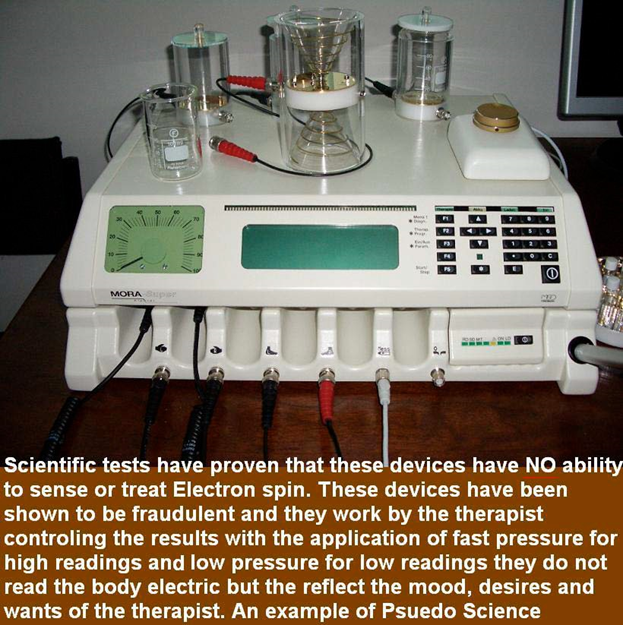
What is really happening at the quantum level?
There are four leading quantum theories, all of which work equally well at predicting the behavior of quantum particles. Whichever interpretation you prefer, remember
that it describes quantum particles as behaving non-locally according to
probabilities… and every time an observer makes any
measurement, that observation changes the world.
Copenhagen Interpretation
The Copenhagen interpretation of quantum physics was first described and presented by Niels Bohr in Italy in 1927. Bohr suggested that quantum particles exist as waves which might be anywhere until the wave function is collapsed. As long as nobody looks, each quantum particle is equally distributed in a series of overlapping probability waves, in a superposition of states.
Many Worlds Interpretation
In the 1950’s, Hugh Everett III proposed that every possibility inherent in each wave function is real, and that ALL of them occur. Possibilities become actualities with each measurement that is made, and infinite slightly different realities come into existence as each quantum event is observed. All possibilities are equally real.
Transactional Interpretation
John Cramer’s transactional interpretation of quantum physics suggests that „handshakes” take place between quantum particles in different points in time and space. In Cramer’s interpretation, a particle here and now on Earth instantaneously communicates with particles light-years away in time and space, as one particle sends an „offer” wave and another responds with a „confirmation” wave.
Holographic Interpretation
Physicist David Bohm and neurophysiologist Karl Pribram proposed that the universe may be like a giant hologram, containing both matter and consciousness as a single field. This model suggests that the objective world „out there” is a vast ocean of waves and frequencies which appears solid to us only because our brains convert that enfolded hologram into an unfolded sense of material we can perceive with our senses.
Alain Aspect of the University of Paris, in 1982 discovered that subatomic particles like electrons are capable of immediate communication no matter the distance. If a particle by interventions of the researcher received an opposite „spin”, this would have an immediate effect on its „twin particle” whether the distance was 10 miles or 10.000 miles, or 10.000.000 miles for that matter. This would mean that the transfer of communication between these particles took place faster than light, which is in contradiction with Einstein’s theories that tell us that nothing can go faster than light.
NONLOCAL CORRELATION by two
particles is demonstrated in the Franson experiment which sends two photons to separate but identical interferometer. Each photon may take a short route or a longer 'detour’ at the first beam splitter They may leave through the upper or lower exit ports. A detector looks at the photons leaving the upper exit ports. Before entering its interferometer, neither photon knows which way it will go. After leaving, each knows instantly and nonlocally what its twin has done and so behaves accordingly. Although in these experiments the photons were
separated by only a few feet, quantum mechanics predicts that the correlations would have been observed no matter how far apart the two interferometers were.
In order to keep Einstein’s theory of relativity and the principles of causality intact,
some scientists are explaining this effect away as being random.
really separate at all. Measure one, and as its spin becomes definite this triggers the other to respond. Its indeterminate spin also becomes definite, in the opposite direction to that of its partner. What is astonishing and disturbing is that this response happens instantaneously even if the particles are separated by huge distances. Consequently, quantum theory requires action at a distance. What happens in one part of the Universe can have instantaneous „nonlocal” consequences in other parts, no matter how far away they might be. And this poses a problem, because instantaneous action at a distance is a punch in the nose for Einstein. His theory of relativity-the cornerstone of physics -claims that our Universe has an absolute speed limit.
Nothing, according to Einstein, can travel faster than light. So you might wonder-do we really need to swallow this nonlocal quantum weirdness? Perhaps there is a better theory that accounts for these entanglements without action at a distance? Think of this: if someone separated a pair of your shoes by a great distance and then weighed one, they would immediately have a good estimate of the weight of the other. There’s no mystery here. Nothing nonlocal. Shoes have weight. And if they come from a pair, their weights are correlated from the outset. Could something similar be true for entangled particle pairs?
Despite what quantum theory says, perhaps the particles do have definite spins, arranged oppositely at all times, and measurements merely reflect this pre-existing situation. This is an obvious possibility. It might even be true. The trouble is, it doesn’t cushion the blow for relativity. In 1964, physicist John Bell of CERN, the European Laboratory for Particle Physics, examined this line of argument in detail and proved a famous theorem which fellow physicist Henry Stapp of the Lawrence Berkeley Laboratory in California calls „the greatest discovery of all science”. Bell first supposed that quantum theory doesn’t say all there is to say about quantum particles. He then proved that if any more complete theory – any theory imaginable – were to give predictions in agreement with quantum theory, it would necessarily still contain the same kind of nonlocal influences as ordinary quantum theory. „What Bell gave us,” says philosopher David Albert of Columbia University in New York, „is a proof that there is a genuine nonlocality in the workings of nature, however we attempt to describe it, period.” Every conceivable story about entangled states has to be nonlocal. There is no escape. Unless, of course, entangled states don’t really exist, and quantum theory is wrong.
Some extragalactic sources also seem to expand faster than Light.
Or maybe it is all part of the illusion.
Electroreception
While underwater sight and sound — however muted and distorted they may be — are within our realm of experience, sharks possess a sense that is so alien to us that we can neither relate to it nor fathom what it might feel like. That sense is electroreception: an acute sensitivity to electrical fields. Sharks receive tiny electrical signals from their environment via a series of pores peppered over the head, looking like a bad case of 5-O’clock shadow. These pores are distributed in discrete patterns, varying somewhat among elasmobranch species. In the White Shark, there is a pair of elongate clusters on top of the head above the eyes, another pair of V- shaped clusters surrounding the nostrils underneath the snout, a sausage-shaped cluster under each eye, and an oval cluster extending along each side of the chin.
These pores open to tiny bottle-shaped cells that are filled with an electrically conductive jelly. These cells are termed ampullae of Lorenzini, after the Italian anatomist who first described them in 1678. The ampullae are an extension of the lateral line system, and — like it — are based on hair cells as the key functional unit. Modified hair cells line the deepest part of the central lumen (cavity) of each ampulla. Instead of being responsive to bending, the klinocilium/lesser cilia mechanism of ampullary hair cells respond to a local reversal of electrical polarity. A net negative charge inside the ampullary lumen causes an
electrical change in each hair cell, triggering the release of neurotransmitters to adjacent clusters of sensory nerves which, in turn, signal the brain, where the stimulus is interpreted. That the same functional unit — the hair cell — has been adapted to sensing sound, vibration, and electrical stimuli testifies eloquently on behalf of the conservatism and creativity of evolutionary processes.
Seawater is an ion-rich
medium that conducts
electrical fields moderately well. Seawater moving over the magnetic
field lines of our planet provide a weak but richly textured
electrical 'map’
of the immediate
environment. A shark’s
body is contains a rich broth of electrically charged biomolecules
called electrolytes, which allow cells to communicate with each other. As it swims across geomagnetic field lines, electrical currents are induced in its body that provide navigational cues. Field studies by A. Peter Klimley have revealed that Scalloped Hammerheads (Sphyrna lewini) in the Sea of Cortez use this built-in compass sense to follow 'magnetic highways’ along the seafloor
between separate nocturnal feeding and diurnal socializing sites.
On a much smaller scale, cellular activity generates tiny electric fields that can betray the presence of potential prey that would otherwise be hidden from sharks. A particularly vivid example is provided by the Great Hammerhead (Sphyrna mokarran), which detects buried stingrays by sweeping its wide, ampullae-studded head over the bottom like the sensor plate of a metal detector.
These electrical cues would be meaningless to sharks, were it not for the astonishing sensitivity of their ampullae. Studies by Adrianus Kalmijn, a pioneer in elasmobranch electroreception, have demonstrated that some sharks — such as Smooth Dogfish (Mustelus canis) — are able to detect low frequency (from about 0.5 up to 8 Hertz) electric fields as tiny as 5 nanovolts (billionths of a volt) per square centimetre. In 1998, graduate student Steve Kaijura demonstrated that newborn Bonnethead Sharks (Sphyrna tiburo) can detect electric fields less than 1 nanovolt per square centimetre. This is equivalent to the electric field of a flashlight battery connected to electrodes some 10,000 miles (16,000 kilometres) apart in the ocean. Such incredible electrical sensitivity is over five million times greater than anything you or I could feel and is by far the most acute in the Animal Kingdom.
Testing the upper and lower limits of electrosensitivity in the White Shark requires precise measurements under controlled conditions that are presently only available in laboratory aquaria. Unfortunately, all attempts to maintain a Great White in captivity have thus far proved unsuccessful. The current record for survival in captivity, held by the Sea World Aquarium in San Diego for a 5.5-foot (1.7-metre) specimen, stands at a mere 16 days. But most captive White Sharks fare far worse. To date, most White Sharks have died within a few hours of being placed in an aquarium tank. Despite this logistical hurdle, some intriguing quantitative and qualitative observations suggest that the White Shark is highly sensitive to electric fields and that this ability is important to its survival in the wild.
The 72-hour captivity
of a 7.5-foot (2.3-metre), 300-pound (136-kilogram) female White Shark at San Francisco’s Steinhart Aquarium
during August 1980 provided
an unexpected opportunity to measure the electrosensitivity of this species.
Dubbed 'Sandy’, the juvenile
Great White was displayed in Steinhart’s torus-shaped 'fish roundabout’, becoming an instant
media celebrity and drawing some 40,000 visitors to the Aquarium over a three-and-a-half-day period. By the fourth day of her captivity, Aquarium
director John McCosker noticed that Sandy continually collided
with a particular five-degree arc of the tank. No visual, sonic, or vibratory cues were discernible at that particular segment of the roundabout. So McCosker and his co-workers suspected that a weak electrical field at that location
might be causing
her to bang her head against
the tank wall. A silver-chloride half cell was used to detect a small electric
potential difference between two of the tank’s windows
measuring 0.000125 volts — an amount so tiny that none of the other sharks in the roundabout seemed to notice.
Correcting the problem would have
required removing all the fish and draining the
tank, so it was reluctantly decided to release Sandy at the Farallon Islands, a location
that provided suitable habitat
yet was far enough away so as to not endanger San Franciscan swimmers and surfers. In addition to providing hope that another
of her species may one day be maintained in captivity, Sandy provided
an important clue about her electrosensitivity. Thanks to Sandy and the husbandry
team at Steinhart Aquarium, we now know that White Sharks can detect electric fields at least as minuscule as 125 microvolts (millionths of a volt).
Although the White Shark’s electrosensitivity may create problems for it in captivity, this ability probably helps it to survive in the wild. For example, pinnipeds (seals and sea lions) often haul out in large numbers on craggy rock islands that are geologically young. Such islands are often created by tectonic activity which leaves an enhanced magnetic signature with meandering lines of force radiating from them for many miles. White Sharks may, in part, locate pinniped rookeries (mass breeding sites) by following these 'magnetic highways’, much as Scalloped Hammerheads locate nocturnal feeding sites in the Sea of Cortez. The White Shark’s electrosensory talents may also help it capture prey. When a Great White bites into prey, its eyes roll tailward in their sockets to protect them from physical damage. Thus, at the moment of strike, the White Shark is temporarily blind. It may therefore rely on electrical cues to keep track of where its prey is at all times. Not only can the shark detect the electrical signature of its prey’s metabolizing cells, but — once it is wounded — the prey leaks charged electrolytes into the environment, creating an electric field as much as three times stronger than that of uninjured prey. In the bloody, thrashing confusion of a predatory attack, the White Shark’s acute sensitivity to electric fields may provide what JAWS author Peter Benchley called, „a beacon as clear and true as a lighthouse on a moonless night”.
Singular: ampulla. An ampoule is a small flask, hence these structures are sometimes referred to as 'flask cells’, but this term is less commonly used than ampullae of Lorenzini and is avoided here.
Mission Statement
Founded in 2001, the ReefQuest Centre for Shark Research is dedicated to shark and ray conservation through its scientific research and public education programs. The Centre maintains research equipment and facilities, reference collections of fossil and extant elasmobranch specimens, a scientific library, elasmobranch data bases, and public education materials.
The
Centre oversees the thesis research
of selected graduate
students as well as publishes
results of its own original
research and those resulting from collaboration with students or colleagues in the peer-reviewed scientific literature,
co-organizes international scientific conferences, and will begin producing its own
series of scientific reports in late 2003.
Sharks’ Electro-Sensing Organs Linked to Human Features
Maryann Mott
for National Geographic News February 14, 2006
Hunting sharks have the remarkable ability to sense the electric energy generated by prey. Using special head organs, the predators can detect even the slightest muscle twitch of a flounder buried in sand.
But the cellular origin of sharks’ electrical „ESP” has remained a mystery—until now.
Scientists at the University of Florida and the University of Louisiana have identified specialized cells as the sources of sharks’ powers.
Embryonic neural crest cells have the ability to become many different structures. In humans, for example, these cells give rise to head and facial features.
Using molecular tests of shark embryos, the researchers found genetic evidence of neural crest cells in the animals’ electricity-sensing organs.
The findings support the idea that the common ancestor of all vertebrates (animals with spinal columns) also detected electric fields. But over time mammals, reptiles, and birds lost the ability, the theory goes.
„Our work is really the first demonstration of the embryonic origin of these organs, and it gives us some insight into how they arose during evolution,” said Martin Cohn, a developmental biologist at the University of Florida Genetics Institute in Gainesville.
The discovery is reported in the current edition of the
journal Evolution and
Development.
Good Sense
Cohn, along with lead study author Renata Freitas, looked for genetic evidence of neural crest cells in embryos of the lesser spotted catshark, a species that mostly hunts at night. The team found indications of the cells in the embryos’ electro-sensory organs.
The scientists believe that during development neural crest cells migrate from the sharks’ brains into various regions of the head. There the cells create the framework for the electro-sensory system.
The process is similar to the development of the lateral line, a sensory organ in fish. The lateral line allows the animals to sense environmental conditions, such as temperature.
Scientists suspect that as ancient vertebrates emerged from the sea, they eventually lost their lateral lines as well as their ability to sense electric fields.
Today only a few species, such as sharks, sturgeons, and lampreys, have electro-sensing capabilities.
„You can imagine how valuable this system would be if you were aquatic, because water is so [electrically] conductive,” said James Albert, a study co-author.
But sensing electric signals doesn’t work as well on land, since air isn’t a good conductor of electricity.
„When it happens [on land], it’s called a lightning bolt, and you don’t need special receptors to sense it,” Albert said.
Dyeing to Know
Sebastian Shimeld, a zoology professor at the University of Oxford in England, is excited by the findings.
„It adds electro-sensation to the list of neural crest-derived novelties that appear to have been of fundamental importance for the early evolution of the vertebrates,” said Shimeld, who was not involved in the study.
But Glenn Northcutt, a professor of neuroscience at the University of California, San Diego, is skeptical about the claim that neural crest cells give rise to electro-receptors.
More tests are needed, he said.
„It still requires a definitive experiment, where the developing neural crest cells are marked with dye, the embryo develops, and the dye clearly shows up in the electro-receptors,” Northcutt said.
Dye tests are a classic
method for mapping cell movements. The tests have been used to examine the origins
of limbs and
brain cells and the activities of cancer cells.
Breathairians Exist
70 years without eating?
’Starving yogi’ says it’s true
Prahlad Jani, an 82-year-old Indian yogi, is making headlines once again by proving claims that for the past 70 years he has had nothing — not one calorie — to eat and not one drop of liquid to drink. To test his claims yet again as he has for many years now, Indian military doctors put him under round-the-clock observation during a two-week hospital stay that ended last week April 2010. During that time he didn’t ingest any food or water – and remained perfectly healthy, the researchers said. He has done this under close scrutiny many times, proving he can go without food or water for long periods of time.
But that’s simply impossible, said Dr. Michael Van Rooyen an emergency physician at Harvard’s Brigham and Women’s Hospital, an associate professor at the medical school, and the director of the Harvard Humanitarian Initiative – which focuses on aid to displaced populations who lack food and water. He represents the medical establishment which deny such things are possible in the face of evidence. They ignore such evidence that it shows them to be the most ignorant people alive.
Van Rooyen says that depending on climate conditions like temperature and humidity, a human could survive five or six days without water, maybe a day or two longer in extraordinary circumstances. We can go much longer without food – even up to three months if that person is taking liquids fortified with vitamins and electrolytes.
Bobby Sands, an Irish Republican convicted of firearms possession and imprisoned by the British, died in 1981 on the 66th day of his hunger strike. Gandhi was also known to go long stretches without food, including a 21-day hunger strike in 1932.
Prahlad Jani was studied for two weeks.
The effects of food and water deprivation are profound, Van Rooyen explained. “Ultimately, instead of metabolizing sugar and glycogen [the body’s energy sources] you start to metabolize fat and then cause muscle breakdown. Without food, your body chemistry changes. Profoundly malnourished people autodigest, they consume their own body’s resources. You get liver failure, tachycardia, heart strain. You fall apart.” But for certain spiritual adepts these factors can be overcome thru the powers of the mind.
The yogi, though, would already be dead from lack of hydration. If he really went without any liquids at all, his cardiovascular system would have collapsed. “You lose about a liter or two of water per day just by breathing,” Van Rooyen said. You don’t have to sweat, which the yogi claims he never does. That water loss results in thicker blood and a drop in blood pressure.
“You go from being a grape to a raisin,” Van Rooyen said and if you didn’t have a heart attack first, you’d die of kidney failure. But as Van Rooven watched with ignorant jaw drooping stare the yogis mind can overcome these forces.
Comments
What this yogi is doing has been done by vast numbers of yogi’s for millenia. It is an amazing feat in that it is real and it took this particular man an almost inconceivable amount of mental discipline to achieve. Our physicists are just beginning to skim the finest surface of understanding of our human potential and while going without food for so long may not seem to serve a purpose – it is one of many ways to make the journey inward that we all must make eventually. We are all connected and when one achieves the level of discipline and inward seeking that this man has – it is for all of us.
John Patton (Monday, May 10, 2010 8:27 PM)
What western medicine fails to recognize is that the human body has many secrets and capacities that few have explored. The human organism is not merely mechanical. And the capacity of the universe to surprise us with the unexpected should make modern doctors be more humble. For example: doctors dismissed germ theory as bunk just a 150 years ago. „Wash my hands? What rubbish.” Be open minded and humble you masters of medicine and the knife!!
Chuck Henderson (Monday, May 10, 2010 8:28 PM)
This can be a real event where a person gains his energy from other sources which are not nutritional in the usual sense. A term sometimes used is „breathers” getting energy from the prana in the environment.
F, Jackson, MS (Monday, May 10, 2010 8:30 PM)

The so called Buddha Boy of India pictured above was also seen to stop water and food for over 75 days. This is an easy feat to the Buddhists who accept and understand this.
The Roman Catholic Church has records of several saints (over 475 people) who have gone without any food for more than two years, some for decades. It is a massive display of medical ignorance to accuse these saints of cheating and deception, but the modern medical mind is ignorant and not as modern as he thinks he is.
The Buddhists have thousands on record, the Hindu many thousands more. And to accuse them all of deception is as stupid a thing an ill-informed, bad-mannered, impolite, IGNORANT Medical doctor can do. But arrogance and ignorance knows no bounds.
The religions of the world have tens of thousands maybe more cases of people living without food and or water beyond current medical doctrine. Hell’s Angels has none. They have Beerarians living on Beer alone but none living on Breath alone. This is because it takes a great amount of mental disciple to suspend the laws of normality and to control the laws with the power of the mind.
To make a new medicine and a new biology we must be able to account for the Breatharians and the powers of the human mind.
Quantum Levitation

Syndrome from Pixar’s The Incredibles levitates things on zero-point energy.
We study methods [1,2] for the manipulation of the force of the quantum vacuum known as the Casimir force. It is possible to turn the Casimir force from attraction to repulsion and to use it for levitating mirrors on, literally, nothing. This research may be interesting for applications in nanotechnology, because the Casimir force is the ultimate source of friction for micro- and nano-machines. In the following we explain the science behind Quantum Levitation [1]. See also the article Perfect lens could reverse Casimir force in PhysicsWeb.
Demographics Ancillary – Acu Symptom Profile
NATURASAN – STUDIO DI CONSULENZA NATUROPATICA
Dott.ssa Mona Staicu Tel.: +39 347 1311535 P.IVA – 01952070850
E-mail: naturasan2015@gmail.com mona.staicu@live.it
Demographics Ancillary
Acu Symptom Profile
Main Screen>Demographics
This has a set of dialogue screens for
- Basic Digestion Questions
- Pulse Diagnosis (both medical and acupuncturist)
- Tongue, nails and face questionnaire
- Other symptoms questionnaire
- Pain questionnaire
Add More Data to Report
This accesses a series of detailed questionnaire screens. You can toggle between amputation / sensory screens using the Convert To.. button in the Organs.. panel.
More Impairment Data brings up a further screen on flexion / extension / fracture etc.
Go to Vindicate opens Vindicate panel
Vindicate panel shows a list of diseases for client dialogue assistance
Report 1: The vindicate information is added to the info grid within Test: Test > Information > Add Vindicate
Report 2: The full impairment data and information is added to the info grid within
Test: Test >Information > Add Impairment Report
Anthropomorphic Measurement (Metric and American)
Click to display a table (Anthro Screen) requiring various body measurements to be entered.
Check Body Fat Percentage opens the same panel.
Standards accesses an explanation/averages table.
Calculate initiates the calculation for body fat. The answer will show on the referrals panel after calibration and on the info grid. This will not work in subspace. It is indicative and not as accurate as a device specifically designed for Bioimpedance measurements.
Patient Homework Transfer
This provides the various data entry screens on a floppy disc for the patient to take home and complete in his/her own time. The info can then be loaded back when he/she returns.
There is a patient take home CD needed, which contains all the data screens. Once entered the patient can down-load the data onto a floppy. You can then load this into the system. Only the SOC values are permanently stored in the Clasp program folder. Activating the option is for loading the floppy. It opens a windows dialogue box via which the data can be loaded.
NATURASAN – STUDIO DI CONSULENZA NATUROPATICA
Dott.ssa Mona Staicu Tel.: +39 347 1311535 P.IVA – 01952070850
E-mail: naturasan2015@gmail.com mona.staicu@live.it
Wellness Inventory
Wellness Inventory displays the Wellness Form. This is for recording a standard medical range of tests (blood pressure, cardiovascular, strength) as part of a wellness check.
Additional aspects are accessed by:
Continue which provides tables for some exercises and body measurements
Calculate Wellness brings up a report derived from the entries.
Within this is Additional tests on depression and alcohol which brings a text containing questions
Note: there are additional functions within the Wellness Form screen
Notes on Wellness test: accesses wellness-Notepad text, giving a brief description of the screen.
SYSTEM POWER SETTINGS
• The QIF, Positive Consciousness, Scalar Boost are present by user request. They are designed for background use during a session if the user so chooses.
• Orgone Field has specific application in generating a field of up to 1000 metres. The concept is based on Willhelm Reich’s Orgone concept – a primal energy/consciousness
Orgone Field
Basic Operation
Test>Programs>Timed Therapy, Music, Superlearning>ELF + Orgone Field generator (drop down) - Choose Bio- growth accentuation, Universal Awareness, Spiritual Harmony and/or Interactive to autofocus to the needs of the area.
- Set the Distance
- Put in a Positive Thought for imposition on the carrier wave
- Click Activate Orgone Field.
- To stop simply use the Close button. This field will last as long as you want.
The Orgone Field will expand progressively to the size set (max 1000m)
Add your own prayers will open a notepad window into which you can type your prayers.
ELF magnetic Field allows the selected frequency (7.85 Hz, 8.58 Hz, 10Hz etc.) to be directed to selected target (ELF CPU Field, harness etc.).
7.85 Hz is the Schuman wave frequency – the protective / background field around the earth.
When Harness or below are selected a timer box and Activate SCIO Device Pulse display. Select time and activate. This will give an electromagnetic treatment via harness/probe etc.
NATURASAN – STUDIO DI CONSULENZA NATUROPATICA
Dott.ssa Mona Staicu Tel.: +39 347 1311535 P.IVA – 01952070850
E-mail: naturasan2015@gmail.com mona.staicu@live.it
QIF: Quantum Indeterminancy Field
In Test > System Power settings drop down, click Activate Quantum Indeterminancy Field to initiate the process, which will run in the background until the Clasp program is closed or deactivate is selected. ‘QIF’ will display top right to indicate active.
QIF Explanation
It is an extension of the principle of operation of the QX test and feedback processes. It may be the closest physics has got so far to one kind of understanding of consciousness: there is evidence that taps on the door to this effect.
In operation the QIF is generated constantly: it is not linked to the patient.
The dot on a TV screen is produced by electrons shot at the screen. One of the principles of Quantum Physics is that the exact position and momentum of very small particles cannot be known: they have the property of indeterminacy. The electron fits this scenario.
Quantic is a description of things that move in quantity. They jump rather than making a smooth transition (as we observe with larger items that follow Newtonian mathematical descriptions. It is the difference between steps and a ramp. Plank observed this when an iron bar was heated. It would start to glow red, stay red as more heat is applied and then turns suddenly white. There is a quantic or step jump in the light emission. Electrons jump: their state is on or off, 1 or 0 and not ½.’ s. At the quantum level we can’t know: quantum physics deals in probabilities. This lack of being able to know exactly or sometimes even closely is
implicit.
Physics has the view that the universe is not organized in a continuous (thermodynamic) fashion and that the observer effects what is seen. An experiment designed to see light as a photon will see it that way. One designed to see light as waves will find that.
In the context of human existence the “mind” determines the observed. The world is as we see it, we create our own heaven and our own hell etc. Beyond even this the 1023 synaptic clefts in our brain, according to Sheldrake, makes our whole brain the equivalent to a QIF and thus a generator and receiver of information. If we have this capability then we can generate consciousness.
The “I Ching” is an indeterminacy generator and the result is a result of the interaction between the QIF generated by our consciousness or QIF interacting with the Zero Field, Universal Consciousness or the (possibly somewhat inexact) physics description of the universal QIF. We ask a question before we throw the dice: this is our QIF being generated or the observer effect. Our output in terms of the question that we ask affects the outcome. Throwing the dice is generating an indeterminacy matrix via a random number generation system. This indeterminacy is intrinsic in the QIF: it is as though a potentiality is established that then takes our question to become form, to become more tangible so that we can relate to it.
The I Ching can be considered as a random number generator and as such a mathematical equivalent can be set up using a random number generation system. This is generated within
NATURASAN – STUDIO DI CONSULENZA NATUROPATICA
Dott.ssa Mona Staicu Tel.: +39 347 1311535 P.IVA – 01952070850
E-mail: naturasan2015@gmail.com mona.staicu@live.it
the computer with the QX using a mathematical algorithm applied to the timer chip.
Intensify Quantum Indeterminancy Field is available after activate and will increase the intensity.
The QIF symbol will progressively change to QIF 20, QIF 40 etc.
Too high settings may overload the computer capacity and result in an error message and the need to shut down.
Positive Consciousness Field
In Test > System Power settings drop down, click Activate Positive consciousness Field to initiate the process, which will run in the background until the Clasp program is closed (or deactivate is selected). This puts a ‘positive’ rather than ‘indeterminate’ (self- choosing) focus.
Scalar Boost – Scalar fields are used in the Chakra therapy.
Biorhythms
Biorhythms are based on date of birth which must be exact for them to make sense: as must be the windows clock. Click Start to see fourteen calculations of biorhythms. They represent possible concerns for today. The relevance is that a critical item for today may not be an ongoing issue. The aspects are scored according the type of cycle and how far through it they are. Next good Day gives days for health, lucky money, lucky love, overall. Make Report adds the infom1ation to the info grid.
Chinese Astrology is based on birth year. Medical astrology requires time and place of birth to indicate lifetime medical risks. It will display a panel with information on weak areas, acupuncture flow tendencies, potential crisis years, and suggestions to minimize the possibilities of disease. Add to Report will put this into the Info Grid. Stimulate Awareness of Risks will induce an awareness pulse in the client.
Access the compatibility program by clicking twelve times on the atom figure in the biorhythm screen. Insert the new person’s name and birth date in the new edit boxes and click Calculate Compatibility.
Fuse Consciousness has been developed for stimulation of consciousness fusing of two patients. It is relevant for marital therapy or for anyone who has trouble bonding. After inserting the first name in the Demographics screen and the second name in the Biorhythms screen, the clicking the „Fusing of Consciousness” button will appear and enable the Start button. An instructional memo will appear.
Biorythym: for medical/Chinese astrology date& place birth required
NATURASAN – STUDIO DI CONSULENZA NATUROPATICA
Dott.ssa Mona Staicu Tel.: +39 347 1311535 P.IVA – 01952070850
E-mail: naturasan2015@gmail.com mona.staicu@live.it
Patient data >enter birth time (24hour clock)
Geography>country of birth>cross hairs on both location>Double Click>OK>Save Current Patient>Yes>Close
Calibration Panel
Search and Clear Field Anomalies
Adjust Calibration You may target higher than 85 e.g. 92. May go up as well as down. Can do repeated operations.
Correct Geopathic Anomalies Correct displayed geopathic stresses in client. Look for repeats between QX sessions
OPT: C Computer Risk Field Neutralization This screen is for:
1) Neutralizing and diminishing computer stress.
2) Checking a room for Geopathic Stress.
(It is suggested not to have a person in the harness to do once a week, or when working in a new area.)
3) The Schuman Field and Subspace Protection Field Can be activated and deactivated here. C Show + Tine Harmonics. C Click to further adjust Software Overclock
C Check Room for Geopathic Stress If GS is found and C Clean Workplace
C Treat Temporal Anomaly When this button appears it indicates a flaw in the flow of time.
Option Action Notes/ Options
Opt 1 Computer Risk Field Neutralization
Opt 2 Room Geopathic Stress Daily, weekly or in new location. If present clearance button shows.
3 >Virtual All Pacemaker button. Select if client needs psychology of harness but electrical implant present. System defaults to virtual if no organism connect.
4 >Electrical Test Reset Restores harness electrical activity.
NATURASAN – STUDIO DI CONSULENZA NATUROPATICA
Dott.ssa Mona Staicu Tel.: +39 347 1311535 P.IVA – 01952070850
E-mail: naturasan2015@gmail.com mona.staicu@live.it
GEOPATHIC STRESS
What is geopathic stress?
Geopathic stress is a distorted or disrupted electromagnetic field of the Earth (Schumann Resonance / Waves). The Earth resonates with an electromagnetic frequency of approximately 7.83 Hz – Schumann resonances (SR), which falls within the range of (alpha) human brainwaves. Underground streams, sewers, water pipes, electricity, tunnels and underground railways, mineral formations and geological faults distort the natural resonance of the Earth thus creating geopathic stress (GS). Sleeping or spending a lot of time in geopathic stress zones can ill effects on our health, performance and wellbeing.
TYPES OF GEOPATHIC STRESS
Modern understanding of Geopathic stress recognizes a number of different sources. Generally the most dangerous are the harmful underground water veins known to European dowsers as black streams, and to the Chinese as channels of underground Sha Qi. Also important are geological faults, radon gas, mineral deposits, ley line crossings, and global geomagnetic grid crossings. Latterly, the entire spectrum of AC pulsed electromagnetic fields and industrial and medical ionizing radiation sources have also to be considered, as well as microwave and radio wave transmissions, and DC field disruptions caused by metal objects.
UNDERGROUND WATER As water flows through underground passages, fractures and fissures, it produces its own electromagnetic field, often high into microwave frequency. This field fluctuates depending on what is dissolved in it, how fast it is flowing, and whether it is interacting with any other type of earth energy. Interference with the earth’s natural energy field is
particularly marked where these underground streams flow, and especially at the crossing points of two watercourses or other types of energy lines. In a league table of radiation associated with biological damage, the outside edge lines of subterranean watercourses are at the very top, and they are found in association with many terminal and debilitating diseases. The adverse health effects may include deprivation of regenerating sleep resulting in arthritis, cancer, enhanced production of microbes encouraging mold and rot, degenerative diseases and rheumatism.
Sha Streams Sha streams can be defined as underground water veins that give off noxious radiations which can be harmful to life above them. They can be seen as earth meridians (Mai) whose flow has become stagnant or polluted, giving rise to Sha Qi. This Sha Qi includes radon gas as well as subtler elements. Harmful radiation rises in a vertical plane from the underground stream to the earth’s surface and above. The stream may be anything from 1ft – 3000ft deep and from 1ft – 300ft wide (the widest corresponding to a major ley line). The two edge lines and the
NATURASAN – STUDIO DI CONSULENZA NATUROPATICA
Dott.ssa Mona Staicu Tel.: +39 347 1311535 P.IVA – 01952070850
E-mail: naturasan2015@gmail.com mona.staicu@live.it
center line dowse as the strongest, sharpest Qi and are potentially the most dangerous places on the stream for habitual exposure. The edge lines are found to be more associated with physical diseases such as tumors, while the center lines have more of an association with mental and psycho-spiritual disturbances. Where the underground water vein is a primary riser the edge lines are the more dangerous, while on the descending veins it is the center line that is the strongest (and over which standing stones are sited in ancient British geomancy). The streams may display tributaries and convergences, and dowsable echoes parallel to the mainstream. They may display course changes, especially after earthquakes and droughts. They are known to be stronger at midday, mid-summer, full moon, and during periods of heightened solar flare (sunspot) activity. They are also known to be associated with higher levels of ionizing radiation, and with lightning strikes and other atmospheric phenomena. Sha Streams: Causes A Sha stream is a sick Lung Mai or earth meridian. There is a well-established link between Sha streams and traumas to the earth’s etheric web that have caused the flow of Qi to stagnate in the channels. Typical examples of such traumas include the building of railway and motorway cuttings, tunnels and embankments, quarries and mines, and building foundations, especially those with steel footings. Also implicated are heavy industry sites, power stations and electricity sub-stations, military bases, steel pilings, poles and road signs. Old battlegrounds and historical sites of trauma such as witch-burnings and executions can also retain much Sha Qi, as sometimes can natural topography. On a subtler level, homes, shopping centers, airports and modern housing estates developed without any traditional foundation-stone laying ceremonies, without offerings made in good faith to the nature spirits whose land has been taken for development, will usually display signs of a traumatized Elemental life and stagnant Qi in the earth meridians.
LEY LINES
Ley lines are lines of energy running over-ground in straight lines, often reflected in ancient trackway lines and alignments of prehistoric and historic sacred sites in the landscape. Ley lines are properly defined as straight over-ground energy lines that echo the sinuous paths of larger underground rivers. They carry Yang Qi relative to the Yin Qi of underground water and are associated with Heavenly consciousness and human spiritual ceremonial sites. These straight (at least over dozens of miles) spirit paths are found equally in China as elsewhere in the world, and frequently define the processional routes to major palaces, temples and cathedrals.
They can be compared and contrasted with the more yin underground water lines as a yang energy matrix associated with a more heavenly consciousness, and are frequently worked by human ceremonial practice at sacred sites designed and constructed at key points in the landscape along these lines.
Straight lines in the landscape can be divided into three types: the first are represented by lines of one or other of the global geomagnetic grids, and the ‘Second Schneider Grid’ is
NATURASAN – STUDIO DI CONSULENZA NATUROPATICA
Dott.ssa Mona Staicu Tel.: +39 347 1311535 P.IVA – 01952070850
E-mail: naturasan2015@gmail.com mona.staicu@live.it
especially related to the paths of Roman roads in Europe.
A second type of line is exemplified by the garden design of the Palais de Versailles, and the 41 lines radiating from the Sun Temple in the middle of Cuzco, central Peru, along which shrines, temples, graves, sacred hills, bridges and battlefields lie. These are derived from the deliberate imposition of a geometrical design (resonant with the central temple design) upon the landscape, as a vehicle for political-theocratic control of a nation.
In Cuzco the pattern also interacts with the underground energy currents; in Washington, D.C., a Masonically-inspired geometrical design has been placed without reference to the underground patterns (unlike Canberra, where the Heavenly and Earthly components have been more successfully united).
A third type of line is the classic ley-line as described by Alfred Watkins in his 1925 book ‘The Old Straight Track’. These are over ground lines of energy, straight over perhaps 60
miles with slight changes of path over longer distances, which echo the sinuous paths of underground rivers across the earth. These carry an energy of various types and levels, and can be worked via key points either as part of a program of regular maintenance for the spiritual hygiene of a land or as a specific therapeutic action.
Perhaps the most famous Ley line in Britain is the ‘Michael and Mary’ line, which runs across England from St. Michael’s Mount in Cornwall to Hopton in Norfolk. Twin underground water currents, known as the Michael and Mary lines after the number of churches dedicated to either Mary or St. Michael found upon them, run with a central over ground Ley across England, oriented to Mayday sunrise.
This reveals the primal ‘Caduceus’ pattern that can be found within all such energy lines: a triple-fold axis composed of Fire, Water and Spirit currents, which may be experienced by the practicing Geomancer as containing information in the Thinking, Feeling and Subtle Entity realms respectively.
Appropriate for sacred sites, these energy pathways are less comfortable for secular living, and houses built on them are generally a thoroughfare for all manner of spirits. Properties presenting spirit disturbances are often found to be on one or a crossing of ley-lines, as well as having Sha underground water lines.
GLOBAL GEOMAGNETIC GRIDS
- The Hartmann Grid This was described by Dr Ernst Hartmann in the 1960’s. The network appears as a structure of radiations rising vertically from the ground like invisible radioactive walls. From north to south they are 25cm. wide and encountered at constant intervals of 2m., while from east to west they are 15cm. wide and the distance apart varies according to latitude from 1.2m. in Reykjavik, Iceland (63.36°N) to 2.06m. in Ried, Switzerland (40.50°N). Between these geometric lines lies a neutral zone. The north-south rays are Yin and linked to humidity, cramps and all forms of rheumatism. The east-west rays are Yang and linked to inflammations.
Where ever two rays cross – a “Hartmann Knot”, a geopathogenic point is found. These
NATURASAN – STUDIO DI CONSULENZA NATUROPATICA
Dott.ssa Mona Staicu Tel.: +39 347 1311535 P.IVA – 01952070850
E-mail: naturasan2015@gmail.com mona.staicu@live.it
single crossing points do not constitute much of a health hazard unless they pass through the area of the head in the bed site, which can cause insomnia, depression and migraine type headaches. Crossing any other part of the body in the vast majority of cases would not produce any discomfort. However, Sleeping over crossings of double negative lines, which repeat at approximately 35m. intervals can cause nervous disturbances, headaches, cramps and rheumatic illnesses. Where the intersections coincide with Sha streams the effect is greatly increased: When these lines of radiation are in combination with A/C pulsed magnetic fields around and above 70 nT (nano Tesla), or cross over the outside edge of a subterranean water course it can produce a depleted state of energy leading to Chronic Fatigue Syndrome, and an opportunistic environment for the growth of abnormal
cells leading to cancer.
The intensity of these lines increases three to four-fold at night when there are less free ions, just as radio waves are received better at night. Twenty-four hours before the arrival of an atmospheric low-pressure zone, a 100% increase of gamma rays is found (up to 300% on volcanic soil) on the knots.
Twelve hours before an earthquake the thickness of the ray triples: beside the central ray appear two other weaker rays to left and right which are not normally detectable. At this time dogs howl, birds flutter madly in their cages, some cats hide under the quilt, and some people feel sick or need to sleep. During an earthquake, the Hartmann network becomes twisted and distorted but is restored half an hour later to symmetry.
Dr Hartmann suggested that both Curry and Hartmann lines are earthing grids for cosmic rays that can be distorted by other energies such as those coming from a geological fault. This network penetrates everywhere in dwellings or on open ground, but Blanche Merz has found the grid to be pushed outside certain sacred structures such as the Egyptian pyramids and temples and Himalayan Buddhist stupas, creating a dense protective wall composed of up to seven rays around the perimeter, and a ray-free interior. - The Curry Grid
This grid, described by Wittman and Curry in the 1970’s, has much in common with the Hartmann grid but is oriented 45° from north. The south-west to north-east grid lines repeat every 2.36m and the south-east to north-west lines every 2.7m. The lines are approximately 75cm. wide, with medically significant double negative lines repeating every 50m.
The double negative crossings are associated with sleep disturbances, depression and other nervous reactions, inflammations and rheumatic diseases; and also with the sites of stocks and pillories, and hellebore plants. Double positive crossings encourage enhanced cell enlargement and proliferation, even to the point of cancerous growth.
Global Grids Remedies
Avoidance of the negative crossings for bed and chair placement is the obvious first remedy. Where this is not possible, a simple yin/yang solution may suffice, for example, an amethyst crystal placed under the bed to balance and neutralize the effects of a double
NATURASAN – STUDIO DI CONSULENZA NATUROPATICA
Dott.ssa Mona Staicu Tel.: +39 347 1311535 P.IVA – 01952070850
E-mail: naturasan2015@gmail.com mona.staicu@live.it
negative crossing, or similarly a piece of rose quartz placed at a double positive crossing to calm the energy down.
Interpretation of Calibration Information
The significant information is displayed on the: - VARHO/ Referrals Panel that shows during testing.
- The Referrals panel that can be displayed again at any stage from Test>Information>Show Referrals
- The Info Grid available in the Test Screen.
Philosophy of Interpretation
All information is hints to make a pattern/theme. Some values are more consistent and stable than others. The VAR and pH are the best indicators of progress.
Note that: - There is an error band to the values of around +5/-5%
- Harness mode should in principle be more accurate than subspace: however one run of 10 harness/ 10 subspace gave consistent results in the above error band.
- Some values are affected by demographics entries.
- If you change the demographics because client life style has changed between visits that some values will also change
NATURASAN – STUDIO DI CONSULENZA NATUROPATICA
Dott.ssa Mona Staicu Tel.: +39 347 1311535 P.IVA – 01952070850
E-mail: naturasan2015@gmail.com mona.staicu@live.it
Negative values are real and do happen: they are just lower numbers than “0”.
The known SOC entry influences are: Amalgam fillings: affects R
Smoking: may affect V and A
Caffeine: may affect V and A
The Main Terms
Term
Meaning
Good range
SOC Index
Suppression & Obstruction to Cure Index: see Demographics chapter
<50 Volts One aspect of the characterizing Trivector: reflects adrenal function and willpower. 80-100 Amp One aspect of the characterizing Trivector: reflects brain function serotonin and lifeforce 80-100 Resistance One aspect of the characterizing Trivector: reflects ease of energy flow. 80-100 Hydration Reflects ease of water flow and water amount, thirst 80-100 Oxidation Reflects ease of flow of oxygen and oxygenation 80-100 Proton Press(ure) pH, acidity or alkalinity: an electrical measurement and NOT pH 68-74 Electron Press(ure) This is a measure of the free electrons, which are important for body electric operation. Partner of proton pressure. To date there is no specific interpretation. Res Freq Patient Relates to degree of nervous system activity. 1,000-15,000 Data converted to the Limited Metagenic type: for converts from the Metagenics device. Impedance See detailed explanation: Reactance See detailed explanation: Phase angle Cellular vitality index Phase response react See detailed explanation: appendices Reactance speed index Can indicate disease presence. Regulatory Dysfunction in May show organ system ,EEG, ECG to give some hints Explore Risk of Spinal energy flow etc messages may appear to give hints. Improvement Percent The average improvement after today’s treatment according to the VARHOPE electrical parameters NATURASAN – STUDIO DI CONSULENZA NATUROPATICA Dott.ssa Mona Staicu Tel.: +39 347 1311535 P.IVA – 01952070850 E-mail: naturasan2015@gmail.com mona.staicu@live.it Using as hints for stage of the disease process Note that these are hints and not prescriptive. RF, PA, CV may vary considerably over even a few days. As in all areas of information from the SCIO look for several hints to give a probable focus and then corroborate with other information from the real world (client symptoms, therapist knowledge, other tests etc.) SOC: the ability of a client to reduce a SOC indicates the willingness of the client to move forward! Phase V A R RF PA CV Alarm/ Reaction 80-100 80-100 80-100 5000 7.8 7 Adaptive 50-80 50-80 50-80 1-5000 5.6-7.8 3-6 Chronic/Exhaustive 30-60 30-60 30-60 500-1000 4.6-5.5 <3 Degenerative <30 <30 <30 <500 <4.5 <3 Note: in addition to the above If R<0 often find EP is around 2 times higher than PP and this indicates a serious and potentially systemic problem. Voltage • Negative means very frail. At voltage rises the client may get sick The Px may then start to get sick as they start to get rid of toxins. Amperage Amps correlate with life force, willpower. The communication of will to the system from the brain requires transmitters. The principle transmitter is Serotonin. Others of relevance are dopamine (blocks activity in specific nerves) and norephrine (noradrenalin) Amps can be low from: • Lack of will i.e. low life force. This may be a poor connection to the “spiritual life force” or just readiness to let go at life’s end. • Lack of neurotransmitters: Worn out or faulty manufacturing route. Lack of raw materials High Voltage with low amperage Voltage is also a reflection of willpower: the editor has seen cancer patients with this facility, accompanied by a high resonant frequency in some cases. The body needs “power”. Power = amps X volts. Amps is a reflection of the life force. As these drop (as in a sick patient whose battery is running flat, whose reserves are really depleted) the patient may try to maintain power NATURASAN – STUDIO DI CONSULENZA NATUROPATICA Dott.ssa Mona Staicu Tel.: +39 347 1311535 P.IVA – 01952070850 E-mail: naturasan2015@gmail.com mona.staicu@live.it by increasing the volts. This will result in both routes being compromised and will not be sustainable. Resistance Ease of energy flow through the whole of the client system. A early indication can derive from the number of times the Resistance needs calibrating. • Can reflect disturbance on various levels: o Sheer stubbornness (use open mind therapy-NLP Emotional growth) o Fixed views o Holding on o Hydration o Communication pathways • Metal (especially fillings) affecting electrical flow in the body. (high mercury fillings will significantly decrease R) • Spiritual, yogic etc. practices increase R. • R can be negative: often also find EP>2xPP.
• At negative R clients may not react well: when R gets to 23/30 reactivity may improve.
Oxygenation
This reflects the total process and looking at each process step will identify the intervention points.
• SOC-lifestyle (smoking, exercise)
• Breathing action (complete, from diaphragm etc.)
• Lung condition (disease history- asthma, pneumonia etc.)
• Transfer factors as reflected in anaemia, haemoglobin, red blood cells, zinc or its role in oxygenation enzymes
• check the scores on de-carboxylase, breathing internal enzymes (Nutrition Screen/ Internal Enzymes).
• Check oxygenation in the risk chart (under oxidation). Extend with Virtual Doctor.
• Low values tend to degeneration
As a patient sits and breathes there is variation in amperage, and this increases or decreases according to the difference in heavy or light breathing. It is reflective of oxygen transfer in the lung system itself. This, as well as the oxygenation (O value) itself is also influenced by the SOC values.
As in other areas look for several clues. Markers on oxygenation are generally reflective of how much oxygen crosses into the bloodstream. It is reflective of all of the lung transfer mechanism
.
NATURASAN – STUDIO DI CONSULENZA NATUROPATICA
Dott.ssa Mona Staicu Tel.: +39 347 1311535 P.IVA – 01952070850
E-mail: naturasan2015@gmail.com mona.staicu@live.it
Hydration
This is a softer measurement than the oxygenation. It is an electrical measure of proton (positive/hydrogen ion exchange). It is basically reflective of an imbalance in the whole hydration mechanism. This reflects the total process and looking at each process step will identify the intervention points.
• Quantity of water.
• Quality of water
• Quantity of dehydrants (coffee, coke, fizzy drinks etc.)
• The way in which water is drunk. Gandhi made a very good statement concerning this “Drink your foods and chew your drinks”
• Risk Profile>Hydration. Virtual Doctor for more hints.
• Water regulation enzymes(hydrolyses). Nutrition> Internal enzymes.
There are many other aspects involved in the water cycle, including absorbtion, kidney function, lymphatics, sweat, lungs etc.
Proton Pressure/ Electron Pressure
• NOT the body fluid pH
• Represents the electrical balance of protons and electrons
• Acidity (PP<65) is most likely from: – acid residue diet (inc. sugar, caffeine, alcohol etc.) – emotions • Alkalinity (PP>75) is most likely from
– alkalosis/ insufficient/excess carbon dioxide (carried in blood as carbonate) from holding breath or poor de-carboxylase enzyme activity.
• VARHOPE/ Auto Freq/ Trivector will correct
• Harness mode best as can give real electrons
• A ratio of EP: PP of two or more is a serious imbalance.
Resonant frequency
This is an indicator of nerval activity: as with everything it can have different origins and can vary considerably over a day even, especially if there has been a release. Nominal ranges (which like everything will be different for different individuals)
Low
Normal
High
<1000 1000-10,000 10,000 NATURASAN – STUDIO DI CONSULENZA NATUROPATICA Dott.ssa Mona Staicu Tel.: +39 347 1311535 P.IVA – 01952070850 E-mail: naturasan2015@gmail.com mona.staicu@live.it • Extremely High 1 to 40 Million o Radiation exposure (X-ray) o Holding tightly an emotion. • Very High 100,000’s o High brain nerval activity (epilepsy etc.) o Holding self together • A high resonant frequency: 15-30,000 o significant nerval energy presence o spiritual people o may indicate an entity presence o Practices Yoga, tai Chi etc. o Inflammation : body is responding o Electrical sensitivity • Low <1,000 o Fatigue o Tendency to degeneration Essentially: O Each patient is different O The RF is a guide, a hint amongst other possibilities O Is not static A 7 year old girls will vary from a few hundred to several thousand: low when she is tired. The key is whether the client stays at this low value consistently. Someone else had 500 one week and was back up to 7,000 two weeks later. Regulatory Dysfunction This is a set of hints only: look for corroboration • Organ System Scalar Tx, Auto Freq. • Energy management Probably sympathetic on: check ANS (PNS/SNS). Treat in EEG ECG FREQ. Potentially failure of some of the endocrine glands. Check in particular adrenals (adrenalin + cortisol = glucose) and pancreas (insulin production). If the pH is acidic then at least part of the problem may be potassium and magnesium deficiency. • Spinal Energy Flow Spinal trivector • EEG Brain wave Pattern Therapy (EEG ECG Freq) • ECG This is an early hint that there may be a dysfunction (or tendency to one) in the heart’s electrical activity. ECG Tx. NATURASAN – STUDIO DI CONSULENZA NATUROPATICA Dott.ssa Mona Staicu Tel.: +39 347 1311535 P.IVA – 01952070850 E-mail: naturasan2015@gmail.com mona.staicu@live.it Explore Risk Of This is a set of hints only: look for corroboration • Metabolic Error Acidity (PP), Timed Therapies>Metabolic. This is usually
pH/terrain related. Cross check the proton pressure. The standard approach for this is to correct the pH with sodium bicarbonate and then diet, to balance the autonomic nervous system with potassium/magnesium etc. See the protocols appendix for further information.
• Oxygenation Breathing/lungs Timed>Oxygenation stim
Nutrition>Internal enzymes
• Hydration See above
• Degeneration
This is derived from a low resistance and low resonant frequency pattern, together with reactivity to some of the stored cancer patterns. As well as indicating the potential for cancer, it can also relate to fatigue, auto immune diseases such as rheumatoid arthritis, warts etc. A menstruating woman may show degeneration. It is a general hint that there is either present or possible a degenerative process. As with
other markers look for more than one. In particular note that degeneration does not mean cancer, but is a hint that when you look in risk profile you should see if cancer lies in the red band scores. If so, you can then pursue this via virtual doctor.In terms of a general treatment facility for degeneration refer to the button in time therapies for degeneration.
Reactivity Dysfunction
This could be either hypo or hyper reactivity. See notes below and correlate with client presentation.
Hypo-reactivity
During the calibration procedure the patient is exposed to the energetic pattern of some toxic items including sugar, mosquito venom etc. The hypo-reactivity marker will display if the patient is not adequately reacting to these i.e. weakly reacting. There is a facility for stimulating the patient’s reactivity. (Test screen/treatments/stimulate reactivity)
Always look at the other end of the test matrix when hypo reactivity hint shows.
Hyper-Reactivity
NATURASAN – STUDIO DI CONSULENZA NATUROPATICA
Dott.ssa Mona Staicu Tel.: +39 347 1311535 P.IVA – 01952070850
E-mail: naturasan2015@gmail.com mona.staicu@live.it
Hyper reactivity indicates the patient is reacting too quickly and this maybe the reason for there being so many reds present. A prime candidate is emotional issues. Any of the auto therapies will stabilize this. Hyper reactivity is accounted for in the calibration. Hyper- hyper reactivity has some relevance and is being considered for correction. There may be a correction facility similar to hypo reactivity.
ALWAYS
Look for corroborative markers after test etc. The calibration information is just one hint.
Reactance Speed Index
• No. of attempts to calibrate
• 50-100 normal
• >200 hyporeactive (auto correct option shows)
• >450-500 can’t calibrate
The reactance speed index reflects the number of attempts to calibrate. A value of 116 indicates there have been 116 attempts to effect calibration. Normal range is 50-100 and a slow value 200. During calibration the patients reactivity to 25 substances is checked.
If the interface value and calibration is below 85, the test results will be askew i.e. not as accurate.
The test processes starts using a 1/100th of a second operating time. If a good spike is not achieved then this progressively reduces to 1/99th , 1/98th etc all the way down to 1/80th second at which point the system gives up and will display the appropriate fault message. Values above 1/80th of a second but close to it may bring up the message “extreme difficulty in calibrating”.
Intrinsic in this process is the adjustment of sensitivity: each time there is a failure in sensitivity there is an addition to the patient reactivity score. At 4-500 a failure flag is raised.
Phase Angle
Phase angle is based on total body resistance and reactance and is independent of height, weight and fat. It represents the separation between the voltage-amperage-resistance, all of which are co-companions,
• Lower phase angles appear to be consistent with cell death.
• Highest phase angles are consistent with large quantities of intact cell membranes and body cell mass.
• Phase angle is a predictor of outcome and the course of disease
NATURASAN – STUDIO DI CONSULENZA NATUROPATICA
Dott.ssa Mona Staicu Tel.: +39 347 1311535 P.IVA – 01952070850
E-mail: naturasan2015@gmail.com mona.staicu@live.it
Rectified
This is a measure of the degree of electronic stabilization. Each item is tested by measuring the response to the homeopathic for that item. The item is tested as a wave form, which is characterized by variations in voltage, amperage and has a primary frequency and a set of harmonic frequencies.
Rectified means purely that the aberrant frequency of the item has been stabilized. This stability may last for a very short time, a medium time or totally correct the situation.
How long the treatment holds for, as in any other modality, depends on the extent of the
dysfunction and contributes to it. Many dysfunctions require a dripping tap approach: the body can only assimilate a certain amount of correction at any one time. It may need more correction. If it is a significant item in the patient’s health then note it to check it again the next time round. Include monitoring of associated patient response in terms of symptoms etc.
If it is just a fleeting item that the patient has picked up today, then possibly just doing the individual reaction test, which is giving a very short energetic treatment, will correct it.
An example is the correction of geopathic stresses within the calibration facility.
In the most general terms the time required i.e. the length of treatment, will directly relate to the cause of the dysfunction.
Interpretation of Test Information
This is the area that is the potentially most difficult/confusing. Experience indicates that: - You do not need to be a homeopath to use the information
- You do not need to have/give the top remedies
- It is best to spend a little time only on trying to make sense 5-10 minutes
- It is useful to know really well the options for using the matrix information: there is great value in the methods available for finding patterns or themes- making groups of possibilities into probabilities.
- If you can’t make sense of the test information then do therapy on the client’s presenting issue or focus from dialogue/ intuition/ questionnaire.
- Don’t try to go deep/ unravel the client first visit. We have layers and peel as onions when we are ready.
- The first test dialogue is often the most informative.
- Understand the background to specialist screens e.g. Allergy, homotoxicology etc. from the manual/ supplements before diving into them. Try to use facilities in context rather than isolation.
NATURASAN – STUDIO DI CONSULENZA NATUROPATICA
Dott.ssa Mona Staicu Tel.: +39 347 1311535 P.IVA – 01952070850
E-mail: naturasan2015@gmail.com mona.staicu@live.it
What are the Test Scores
• An initial “Reactivity” at 1/100th second.
• Test scores are only possibilities
• Test scores just illustrate possible significance
The Colours
The color in the name column corresponds with the color code buttons to the right: a test matrix item with yellow belongs to either Ayurvedic, Combination Remedies NV, Emotions etc.
What are the Test Matrix Items
• The items are information. A letter is a carrier for information. A telephone is a carrier for information. The homeopathics in the test matrix are vehicles/ carriers for information: they have no other purpose!
• A high value does not intrinsically mean that the item needs to be taken/ (avoided). It just means that it is possibly significant for the client.
• It is their associations that are most relevant: look for the words after the remedy.
• They may represent “solutions” rather than diagnosis (problem) hints. We are often focused on diagnosis: however our inner wisdom is interested in the moving forward options. Diagnosis is backward looking and relevant only for avoiding the error.
The Colour Bands (Value Column)
Color Statistics Meaning
Red 3 std devns most significant – possibly Acute
Purple Yellow Blue 2 std devns significant
Yellow 1 std devns normal band
Blue chronic may -hide here
In statistics 2 or more standard deviations is significant
No reds
• Extremely healthy
• No energy to respond
Reference Test Scores
Person Type
SOC
Test Score
No Reds
NATURASAN – STUDIO DI CONSULENZA NATUROPATICA
Dott.ssa Mona Staicu Tel.: +39 347 1311535 P.IVA – 01952070850
E-mail: naturasan2015@gmail.com mona.staicu@live.it
Theoretical
1
all 50
0
Perfect health
Ideal
1
40-80
Perfect Health
Well Child
10
to 110-120
2-4
Unwell Child
10
to 120-130
6-20
Healthy Adult
30
to 110-130
4-6
SOC Influence on Test Scores
Well Child
10
to 110-120
2-4
Unwell Child
10
to 120-130
6-20
Healthy Adult
30
to 110-130
4-6
Adult SOC
100
to 140-160
10-25
200
to 180-200
20-40
400
to 300-400
30-60
Why does a score show as significant?
It may lie anywhere in the client (energetic) field
• Physical, mental, spiritual, emotional
• Be an aspect of a significant other
• Come from the past, present or be a future projection
• Was an issue in the past
• Is an issue now
• Never experienced it and wouldn’t want to
The Individual Reaction Facility
This can be used at any time to check out further a specific item in the test matrix. The principle feedback information is reactivity ad resonance. It is a 1 second energetic treatment of the item selected.
Y See Appendices for detailed interpretation.
Reactivity
O The client initial response in 1/100th second.
O a hint, a possibility.
O corroborate with 2 other “hints” to get to probability.
Resonance
O a 1 second test.
O if high confirms that the item is probably ongoing significant.
O high resonance does not mean toxic or needed.
O other evidence is used to assess toxic or needed.
NATURASAN – STUDIO DI CONSULENZA NATUROPATICA
Dott.ssa Mona Staicu Tel.: +39 347 1311535 P.IVA – 01952070850
E-mail: naturasan2015@gmail.com mona.staicu@live.it
Individual Reaction Value Interpretation
The table below illustrates possibilities. The values are not exact cut-offs.
If Reactivity AND Resonance are both > 95 then the item is probably of ongoing significance.
Total React
Allergic React
Difference
Resonance
Interpretation
95
20
75
95
Significant, not allergic
95
20
75
<80 Not an ongoing issue 95 70+ 25 95 Significant, allergic 95 70+ 25 <80 Possible allergen but not an ongoing issue <80 low 95 slow patient reactivity, possible toxic response A coherence value of >95 is supportive of significance and may indicate a more system than local benefit. A better view may be in parallel with body communication. When information is really spot on then there will be a coherence effect: the cells will all take part. It is analogous to every C” tuning fork in the world resonating when one “C” tuning fork is struck. When testing from the test tray the above also applies.
Rectified
This is a measure of the degree of electronic stabilization. Each item is tested by measuring the response to the homeopathic for that item. The item is tested as a wave form, which is characterized by variations in voltage, amperage and has a primary frequency and a set of harmonic frequencies (this is rather like a note from a musical instrument which will have a primary frequency and a whole set of harmonics of lower intensity).
Rectified means purely that the aberrant frequency of the item has been stabilized. This stability may last for a very short time, a medium time or totally correct the situation. How long the treatment holds for, as in any other modality, depends on the extent of the dysfunction and contributes to it. Many dysfunctions require a dripping tap approach: the body can only assimilate
a certain amount of correction at any one time. It may need more correction. If it is a significant item in the patient’s health then note it to check it again the next time round. Include monitoring of associated patient response in terms of symptoms etc.
If it is just a fleeting item that the patient has picked up today, then possibly just doing the individual reaction test, which is giving a very short energetic treatment, will correct it. An example is the correction of geopathic stresses within the calibration facility.
In the most general terms the time required i.e. the length of treatment, will directly relate to the
NATURASAN – STUDIO DI CONSULENZA NATUROPATICA
Dott.ssa Mona Staicu Tel.: +39 347 1311535 P.IVA – 01952070850
E-mail: naturasan2015@gmail.com mona.staicu@live.it
cause of the dysfunction.
Electrical Measures of the Body
Electrical Measures of the Body
Introduction
Edited by Prof Desire’ Dubounet
Basic Science
In 5th grade we are all taught a basic scientific fact, we are made of atoms. All things are made of atoms. Atoms are made of electrons, protons, neutrons, and other much less numerous subatomic particles. The electrons and protons make up by far most of things and thus most of our bodies. The electrons and protons are electrically charged. The electrons are so highly charged that they never touch but instead repel when they approach another. The electrons, protons, and neutrons are very small and they are held apart from each other by fields. If we condense the solid matter of the electrons, protons and neutrons together the human body would be so small it would take a microscope to see it. If the proton is the size of a golf ball, the electron is smaller than the size of the point of a pin and it is over a mile away. Between the electron and proton thus is electro-magnetic-static fields, held by Quantic forces. So our bodies are more than 99.99999999999999999999999 fields empty of matter. These Quantic electro-magnetic-static fields are what we are. This is 5th grade science, maybe not the science taught in Seattle.
No one has yet to see the true nature of our existence. No one can see the electrons, protons, or the fields they make. So we are only able to see a macro form of it. Our brains are trapped inside our skull and thus we cannot directly perceive anything. We are thus stuck with an indirect perception. A perception that comes thru the brain and is effected by our brain state. We project our own feelings, memories, psychic mental states onto our perceptions. It is difficult not to. So as humans developed we have made many assumptions of how the universe works, what is the nature of our bodies and lives, and our belief in a power greater than our own. And with a sense of history and knowing that we must project, and twist ideas, we should always be humble and recognize that we can never know. We are stuck making good guesses, better and better guesses, but always guesses. This book is about making a better guess. (REF Perception book 1 + 2)
In 9th grade we are taught about light. Light is made of photons. Photons are electro-magnetic radiation, particles in wave formations that can transfer energy. Quantum Electro-Dynamics QED tells us of how when a electron absorbs a photon the electron goes to a higher quantum energy state. When the electron releases a photon it goes to a lower state. QED tells us of virtual photons and just how all electron, proton, neutron movement is connected to the photon.
Voltammetry is the science of understanding how a substance’s electro-magnetic field reacts with it’s environment. A hormone has electrons and protons and how they are placed in a 3 dimensional space will determine how it exchanges electron-magnetic action and this is measured by measuring the 3 dimensional effect of it voltammetric field. The amount of charged particles is the amperage, the pressure
or potential of the charged particles is the volts. Basic 7th grade physics. Every compound having it’s own individual and distinct voltammetric signature field. REF Voltammetry
There is other forces such as the large atom force that when the extreme energy in a sun forces protons to overcome their need to repel and forces them together. Thus all atoms past hydrogen are made in the stars. Gravity is the force that when matter is made all matter is drawn together. This is a weak force, as Newton once said ―it takes a group of matter the size of the earth to make a liter of water weigh a kilo‖.
There is another weak force that is undeniable, the power of the mind. We know from Quantum theory that twin photons can be separated to any distance and when we tell one photon something the other twin knows it instantly. At the birth of the universe there was a big bang where all of the matter of the universe came through a singularity in ten to the minus 43 of a sec. Thus at one point in our past history all things were conjoined and as such there is an ability of a quantic system to influence another.
The observer effect of physics, the need for a double blind in medicine, and other evidence in the Proof movie. REF. There is not a law of Attraction as some have said but there is an effect of Attraction. There is a power of the mind (a known Quantic engine) to influence another Quantic system. Science has for a long time laughed at this and has purposefully avoided the proof of this true effect. And now science has become a search for funding not a search for truth. And since humiliation might interfere with funding most scientist still ignore the evidence. This is the height of ignorance to ignore.
So with some simple science taught in our schools let us analyze the development of biology. First our fifth grade science tells us we are mostly electro-magnetic-static and Quantic fields. Non-living things mostly obey the laws of thermodynamics. The laws of thermodynamics teach us that energy can not be created or destroyed, and that heat must flow from a hot body to a cold body. The hot coffee must succumb to the colder room and the two gradually equate their temperature.
Biological systems outwardly seem to disobey these laws by maintaining a temperature difference and not succumbing to the room temperature unless the die. Then as the Washington Post editor says, after death they lose their battle with room temperature. Biology is using a slightly different system of laws with a more quantic system than thermodynamic. REF PROMORPHEUS.
A living thing must be able to metabolize and reproduce in some fashion to be considered alive. Metabolism is taking in nutrients, taking the energy from them, and excreting the remainder as excretions of waste products. Reproduction is assembling new tissue for repair and also to propagate the species. The energy is Quantic electro-magnetic-static in nature as is everything. The basic energy of the electromagnetic radiation that is Visible light or Infrared heat. Plants take in low energy ionic bound minerals and use the energy of visible light to make high energy covalent bound plant compounds which are then food for the animals. This is the process of photosynthesis as shown in the Calvin Cycle.
Animals take in the high energy compounds with electrons in high energy states. This energy is then gleaned in the cells via the Krebs Cycle to make ATP (Adenosine Tri-Phosphate) for energy. ATP is the key energy of most life.
The single cell systems such as bacteria set up a boundary layer such as a cell membrane to separate the thermodynamic world from the quantic interior. Entropy and thermodynamics dictate process in the non-living exterior versus the Quantic organized non random entropy interior. Metabolism and reproduction guided by a organized accounting of energy intake and outgo. Geared for metabolism and reproduction. Quantic Electromagnetic fields in cyclic organized fashion that is mostly dependent on the Quantic actions of DNA. DNA can only be described in the Quantic electromagnetic actions of the fields of it voltammetric structure.
Single celled organisms develop or evolve if you will allow us to say into multi celled organisms. This needs more complex DNA structures and the number of chromosomes needed grows. DNA acts as the chief accountant as it sends off RNA and messenger RNA to accomplish the goals of life. Life develops with tremendous diversification over 100,000,000 organisms have evolved with various and diverse functions. But all are Quantic electromagnetic exchange devices taking in energy, excreting waste
products, and trying to reproduce. Everything having it’s own set of field intricacies, and a single reactive ever changing overall field signature. The Quantic Electro-magnetic-static field of an organism is reacting towards nutrition and away from toxins. To maximize metabolism. It reacts to mating signals and reproductive gesticulations to maximize reproduction.
Everything is a wash of field interactions and electromagnetic radiation photons. The cells of biology use this electromagnetic radiation for communication. Information for reproduction or Mitogenic radiation is in the visible, metabolism radiation is in the Infrared. Biology does not just send heat out as a waste product it is a communication network for cellular info exchange.
The multi-celled organisms diversify and all have an innate non-verbal Quantic electro-magnetic drive for survival. Biology operates thru field interactions. The height of DNA diversification is presently the development of a word are of the brain. And are where we think in words. This allows for explicit communication and exchange of thoughts, feelings, desire, fears, etc.
The Human Body Electric
There are over one hundred trillion cells in the human body and all are sending signals to the brain via enervation and photon exchange. Making some ten to the 16 bits of data per sec. Or less. 1,000,000,000,000,000 bits of data. The word area of the brain has developed as a small part of the human brain. About the size of a golf ball this small Broca area for words. Words coming in and words going out. The rest of the Brain is for life, metabolism and reproduction. Life is an unconscious process. Life is non-verbal. We do not have to think words to live. Words are for helping us function in social ways.
We have a reticular formation in the base of our brains that act as a filter to screen out unneeded data from our word area. The word area has the ability to assay about one million 1,000,000 bits of data at a time. More and the word area goes into overload. Below one thousand sensory bits and the system goes into sensory deprivation mode. It invents sensory data.
This means that ten to the sixteenth bits of data minus the ten to the 6 bits of data for the word area and the word are of the brain gets one percent of one percent of one percent of one percent of one percent of one percent of one percent of one percent of one percent of one percent of one percent of the data sent to the brain. The unconscious non-verbal body electric gets all of this data and much more.
The spiritual cultures of the world know this and all exercises in spiritual development revolve around diminishing the words in the brain and coming aware more of the unconscious process. Mantras, meditation, stillness, yoga, kundalini, and many others all say we must control and diminish to effects of the verbal word mind to get in touch with our body energetic. The true self.
Much of the mistake of modern science and modern societies is to over value the words and the verbal process. Our society is presently over valuing the paper pushers and letting their need for words be more important than people. We need paper pushers and we need to have quality systems but there should be a requirement to try to minimize the over wordy and clarify the process of our society for everyone to understand not just the small minded paper pushers. This is especially true for biology and medicine.
The very process of life in an innate unconscious non-verbal Quantic electromagnet field interaction. Words have little to do with it. But so-called modern medicine has overvalued the words. They wait for the patient to verbally notice something is wrong, go to the doctor office and announce what is wrong, answer the doctors’ verbal questions, and receive verbal instruction. And yet this verbal exercise of medicine is only aware of one percent of one percent of one percent of one percent of one percent of one percent of one percent of one percent of one percent of one percent of one percent of the data. The body electric knows much more.
Patients words are influenced by their mood state. Patient’s all lie, at least that is what Dr. House tells us on TV. Patients sometimes say things they think the doctor wants to hear, they coverup things they don’t want the doctor to know and very often they are completely out of touch with their own feelings and symptoms. Once I asked a patient if they had regular bowel movements. She said of course once a week like clockwork. Words are often the only intervention given to a doctor. In ancient China the doctor was sometimes unable to see the patient if he was of royalty. So the Chinese doctors had to develop new skills. Words have been a hallmark of medicine but it is also one of the greatest limitations. You can be really sick and have no symptoms or any verbal awareness of your sickness. Many people have tended to not only over value words, but some assume falsely there is only words.
Now as we learned in 5th grade everything is made mostly of electrons and protons. Photons are involved in all exchange of energy states. Now in some materials the electrons are tightly bound and are unwilling to allow electron exchange. In concrete the atoms are bound tightly and the electrons are not very conductive. In a metal like copper the electrons are quite willing to allow electro energy exchange and transport of electrons. So copper is a good conductor.
The organization of atoms and electrons determines the nature of the substance. Atoms seek to have a balanced outer level of electrons as per quantum law. This is the nature of atoms and it is calculated in the Mendeleev table of elements. Atoms seek to find the balance of the noble elements.
This is the lesson from 10th grade chemistry. It is a simple lesson that tells us just how all atoms combine to make molecules. This lesson is based in Quantum theory. Those to say that quantum theory is not relevant to biology are expressing a rather concerning ignorance.
Molecules can be very very complex. But all of them are made of electrons, protons, neutrons etc held by Quantic forces. These molecules all have a structure of their outer electrons that can be assayed by the voltammetric signature. Voltammetry is the science of electrodes checking the individual style of electron and proton interaction. This is how every substance reacts to another, the outer electrons never touch but the field interaction as determined by voltammetry is a definition of how they work.
Every atom or molecule can be balanced, positive charge, negative charge, or combination of both. This depends on the amount of protons and electrons. This is Basic grade school science.
The charged particles that travel make a current flow. The amount of charged particles in the amperage, the pressure or potential of the flow is the voltage, the resistance to the flow is the resistance. All organisms use this electrical flow of charged particles for each and every biological process.
The electron is the smallest charged particle to move, and most of electricity is of the traveling electron. But protons and ions range from the small to very large.
The outer electrons of a plant are taken to higher energy states thru the QED phenomena known as photosynthesis. These electrons are most often stored in carbohydrates and natural sugars. The body use them for energy, making ATP from the electrons.
Energy transfer in the body takes place in many voltammetric ways. Water has free protons and free electrons and thus it is essential for life. Water does not conduct electricity, unless there are some mineral salts or electrolytes in the water. But as in the salt water the body has lots of water and electrolytes. Thus the body electric can thrive. REF
Fish like the shark swim and thus live in an electrolyte conductive medium. They develop electrical sensing systems, and can detect foods by their voltammetric signatures. In other land creatures like humans this electro sense is transferred to the skin and nose. But still voltammetric sensing of items are the basis for life.
We have the sense of sight for photon sensing, hearing for sound vibration detection, feeling for movement, pressure, heat, cold, balance, and the alkaline acid balance of chemicals. Smell and taste are voltammetric shape receptors sensors. (REF 2004 Nobel prize + electro sense). The largest gene family of our DNA is dedicated to the smell, over 3% in humans, 7% in some animals. All of our senses are electrical in action and transfer mechanism. Some of our sensory system is directed to our verbal or conscious mind and most to our non-verbal unconscious.
In the human body there is massive transfer of electrical signals. The flow of food entering the colon during digestion is based on static electrical attraction. Water facilitates the entire body electric. The body heat is photonic and also contributes to information transfer. If we look at the body human with
today’s modern science of QED and electronic physics, a whole new science develops a world different than the synthetic drug and surgery medicine we have today. Today’s so called modern medicine is based on a 200 year old reductionism 17th century Newtonian antiquated physics. A true new modern medicine of the body electric opens the door to a more affordable, sophisticated, safer, and more efficient modern medicine. (REF Body Electric, Science over Convention)
There is resistance to the flow of electricity. Louis Ampere discovered amperage, Volta discovered Volts, and Dr. Ohm put a laws together to describe the relationship in terms of resistance. resistance is in Ohms and Ohms law states that voltage equals amperage times resistance. This is the first week of electronics class usually taught in 9th grade physics.
The right hand rule describes the fields around a flowing current. And it says that as a current flows like your outstretched right thumb, a magnetic field is made at 90 degrees like your out stretched forefinger, and a static field is made at 90 degrees like your outstretched middle finger. Thus the fields of electricity are described. This is the second week of electronics class usually taught in 10th grade physics.
So all electrical action or flow of electricity generates a three dimensional field, at least. So we called the process of measuring this field the trivector. This is a type of 3-dimensional voltammetry.
Voltammetry is the science of understanding how a substance’s electro-magnetic field reacts with it’s environment. A hormone has electrons and protons and how they are placed in a 3 dimensional space will determine how it exchanges electron-magnetic action and this is measured by measuring the 3 dimensional effect of it voltammetric field. The amount of charged particles is the amperage, the pressure or potential of the charged particles is the volts. Basic 7th grade physics. Every compound having it’s own individual and distinct voltammetric signature field. REF Votlammetry
Volts times amps is a power index or what is known as Watts. Once we measure simple variables we can easily calculate a great variety of electrical forces. We can thus calculate volts, amps, ohms, reactance, susceptance, watts, capacitance, inductance, impedance, and other virtual mathematical calculations.
Knowing that reductionism has filed as a way to analyze the human body we can make more global measures of these energies of a human, compare them to norms, and then using safe micro-current stimulation change them.
We can detect and affect the body electric is safe and effective ways. The SCIO system is designed and registered to do just this. To detect and affect, EEG, ECG, EMG, GSR, electro-osmosis, trauma tissue, wounds, pain, charge stability, acid alkaline balance, voltammetric reactance of substances, oxygenation, hydration, redox potentials, electro-acupuncture, bio-resonance, super-learning, and other bio-electric functions. All from simple basic science taught in our schools today. REF clinical evaluation
Only with the 40 years of experience to sharpen and perfect the precision of the art. The first studies of Dr. Nelson on the body electric were done in Youngstown, Ohio. This ever dedicated scientist has artfully perfected this art of energetic medicine. All designed as a truly modern medicine to safely assay and treat the people.
The human body is a complicated intricate electrical assembly. It has a reactive set of fields that are driven towards life giving things like oxygen food etc. It is electrically repelled from toxins. This electrical field is processing the qualities of life such as metabolism and reproduction. Thus a vast ever changing system of electrical fields that are intricately interactive with the environment.
The human system is not a linear predictable or reduction type of system. Its vast complicated and elaborate functioning makes it a fractal complexity. As such it responds better to ever changing fractal stimulation not linear reductionistic simple stimulation.
So developing an electrical treatment needed some advances in technology. First a cybernetic loop of measuring, calculation, stimulation, measuring, calculation, stimulation, measuring, calculation, stimulation, and so on. All at biological speeds. Then a reactive system that reacts to fractal stimulation and an auto-focusing self adjusting stimulation. The body electric treats itself beneath the human awareness of the limited word area of the brain. And thirdly a way to measure the trivector field of items and then to measure the reactance of a person. All technological achievements of Dr. Nelson and Dr. Nelson alone.
The body has a reactive trivector set of fields. An item not living has a stable unchanging field. So to measure the substances fields, and then the person’s reaction to these fields. A truly modern medicine is achieved, based on what we know of the body electric and basic high school physics.
The Factors of Electro-potential What Are the Elements in the Human Body? Most of the human body is made up of water, H2O, with cells consisting of 65-90% water by weight. Therefore, it isn’t surprising that most of a human body’s mass is oxygen. Carbon, the basic unit for organic molecules, comes in second. 99% of the mass of the human body is made up of just six elements: oxygen, carbon, hydrogen, nitrogen, calcium, and phosphorus. All other elements can be toxic or inert. 1. Oxygen (65%) the heavy component of water 2. Carbon (18%) the structure of all organic compounds and the key of fatty acids 3. Hydrogen (10%) water and free protons 4. Nitrogen (3%) air and amino acids 5. Calcium (1.5%) bone, nerve and all membranes 6. Phosphorus (1.0%) bone, nerve and all membranes 7. Potassium (0.35%) intracellular 8. Sulfur (0.25%) amino acids, good bacteria growth 9. Sodium (0.15%) extracellular 10. Magnesium (0.05%) regulatory for health 11. Copper, Zinc, Selenium, Molybdenum, Fluorine, Chlorine, Iodine, Manganese, Cobalt, Iron (0.70%) 12. Lithium, Strontium, Aluminum, Silicon, Lead, Vanadium, Arsenic, Bromine (trace amounts)
Life must keep Potassium inside the cell and Sodium outside of the cell. The natural thermodynamic balance is for them to gravitate to be equal. So potassium has a natural pull to go out and sodium to go into a cell. Because the concentration gradient for potassium is directed out of the cell, while the concentration gradient for sodium is directed into the cell, there is a need for a sodium pump to stabilize the life of the cell. This takes the energy of ATP to operate the sodium pump. The sodium-potassium pump transports 2 potassium ions inside and 3 sodium ions outside at the cost of 1 ATP molecule. There should be twice as much potassium as sodium in the healthy human body.
Membrane potentials are defined relative to the exterior of the cell; thus, a potential of −70 mV implies that the interior of the cell is negative charge relative to the exterior. Life is electrical.
As we have said there should be twice as much potassium as sodium in the healthy human body. But people like salt and producers put more salt into foods to sell and satisfy customers. Potassium occurs mostly in fruit and vegetables. Potassium makes foods turn Orange. So oranges, pumpkin, paprika, squash etc have the most. Most people get too much sodium and too little potassium. This puts pressure on the potassium-sodium pump. This wastes ATP needed for other cellular functions and stress the body electric. The excess sodium makes the body go acid with excess positive charge. This drives the charge stability of the body to the acid state and is reflected in the measurements made from the SCIO. There are many other factors that can upset this electrical balance.
The electro-potential of the cell membrane must be kept inside some strict limits to assure proper electrical activity for life. The cell is an electrical dynamo needing energy for activity. This energy comes from hot electrons (high quantum state energy of electrons in food). The food has gotten it’s energy from the sun’s visible light photons energizing the electrons to higher quantum states. The quantum energy is broken down in Krebs cycle to make ATP. Photons of heat are released. The cells will have electrical activity that is of a tight range and thus electro-medicine will need to decipher the code of the types of variations in the body electric that hallmark disease states. The cell must fight thermodynamics to live.
The factors of mineral balance especially sodium to potassium is largely a nutritional issue. To much sodium versus potassium is one of the greatest single health risks today. Oxygenation is also key. Smoking and lack of exercise is epidemic and killing millions. Over use and improper use of doctor prescribed medicines is also killing millions. Too much animal fat, trans-fatty acids, dextrose sugar, processed foods, food additives, environmental toxicity, mercury amalgams, and uncontrolled stress are life style factors that are killing millions of people. So the first place to start with health care is the behavior. Behavioral medicine is a ever growing issue of responsibility in health care. The SCIO devotes its first level of use and design to the education and possible correction of life style issues. It is important to point out the value and importance of correcting these issues for health.
Correlations between whole-body impedance measurements and various bio-conductor volumes, such as total body water and fat-free mass, are experimentally well established; we can measure many different factors of the body electric. First there is skin electro-potential.
Each of these small little batteries we call cells blend in harmony to make the multi-cellular organism we call the human. The hundred trillion cells in the human body act both in series and in parallel to make the electro-potentials of the human body. Most of these cells are surrounded by fluid (interstitial, lymph, blood etc.). Theses fluids are mostly water with lots of free protons, electrons and minerals which further enhance the electrical factors. The normal cell has a resting voltage potential across the membrane of 70milli-volts (-70mv). The brain cell will fire at peak voltage of +30mv so as to create a difference of 100 milli-volts.
Thus the body has a measureable voltage and amperage while living. This electro-potential is oscillating and or pulsing. Cells charge and discharge electricity at varying speeds. Global measures reflect trends of the cells in the area to be measured. There are norms of these measures.
The amperage and voltage coming off of the body’s skin is of a range of zero to 5 milliamps and 1.5 volts. Zero is obvious as we all have seen the flat line in a movie telling us the person is dead. Normal people put off micro-amperage and milli-volts, the extreme can be seen at over a volt. The criteria of these potentials are derived from their location and oscillation.
The brain cell will fire with a process called action potential. An action potential is a very rapid change in membrane potential that occurs when a nerve cell membrane is stimulated. Specifically, the membrane potential goes from the resting potential (typically -70 mV) to some positive value (typically about +30 mV) in a very short period of time (just a few milliseconds).
What causes this change in potential to occur? The stimulus causes the sodium gates (or channels) to open and, because there’s more sodium on the outside than the inside of the membrane, sodium then diffuses rapidly into the nerve cell. All these positively-charged sodium ions rushing in causes the membrane potential to become positive (the inside of the membrane is now positive relative to the outside). The sodium channels open only briefly, and then close again. This difference makes a potential at the skin measured by the SCIO system, as with all biofeedback systems.
The SCIO measures electro-potential at the 12 harness points in the clear, then applies a voltammetric signal into any or all of the points, then measures the harness points with the applied signal. The amperage and voltage coming off of the non stimulated body’s skin is of a range of zero to 5 milliamps and 1.5 volts. Zero is obvious as we all have seen the flat line in a movie telling us the person is
dead. Normal people put off micro-amperage and milli-volts, the extreme can be seen at over a volt. The criteria of these potentials are derived from their location and oscillation.
If we measure on the scalp or the forehead as in the case of the SCIO, we can measure the transcutaneous correlate of the activity of brain cells firing in the brain below the point of measure. This is called EEG or electroencephalography. We can ascertain the Brain wave from the oscillation pattern. The pattern or rhythm of the brain wave is from 4 hertz as delta waves, 4-8 Hz for theta, 8 to 20 for alpha, and 20 to 100 for beta waves. If we measure the electro potential of the skin and filter out these waves we can get the EEG.
If we measure on the forehead, wrists and ankles as in the case of the SCIO, we can measure the transcutaneous correlate of the activity of muscle cell activity between the points of measure. This is called EMG or electromyleography. We can ascertain the muscle activity from the oscillation pattern. The pattern or rhythm of the muscle waves is from 2 to 20 normally with variant spindles up to 1000 Hz. If we measure the electro potential of the skin and filter in these waves we can get the EMG.
If we measure on the wrists and left leg as in the case of the SCIO, we can measure the transcutaneous correlate of the activity of heart cells between the points of measure. This is called ECG or electrocardiography. We can ascertain the Heart wave from the oscillation pattern. The pattern or rhythm of the heart wave is from zero to 2 Hz. If we measure the electro potential of the skin and filter out these waves we can get the ECG. The heart signal is the largest in potential and smallest in time measured in biofeedback.
To measure skin resistance, we must apply a known voltammetric signal as an input and then see how much of it is resisted by the body, most applicably by the skin. The measure the galvanic skin resistance or impedance we need to be able to input a voltammetric signal into the electrode points. This is a variant signal in the SCIO of variant wave forms, and wave potentials. The measured output of resistance is usually non hertzian. Pulsations in resistance reactivity are fractal and non repeating.
The voltammetric signal of the SCIO is of a micro-current nature. The applied signal strength is derived from the base signal strength of the patient body natural. We are of the philosophy that signals exceeding twice the body norm will be considered invasive and the body will react adversely to such signals. We wish to just tickle the body with electro-stimulus near the natural. Thus the upper limits of the SCIO body stimulation output will be 5 volts, and 50 micro-amps. All of this is under the regulatory safety criteria specified.
Thus as seen in the EPFX FDA 1989 registration the SCIO is registered to measure volts and amps at 12 points of forehead, wrist and ankles. Input a voltammetric signal to these points, and then measure the reaction of resistance at these points. The SCIO then can acts as a frequency generator sending out voltammetric waveforms and a frequency counter measuring frequency response.
From these simple criteria a host of electrophysiological data can spin out to assist the SCIO in correcting aberrant electrophysiological functioning. Electro-stimulation is helpful in osmotic stimulation, transcutaneous electro-nerval-stimulation for pain control and injury or wound healing, redox stimulation, and others. The SCIO uses a cybernetic loop of analysis to use this electro stimulation to adjust electro-physiology of the patient.
Smooth muscle intracellular pH: measurement, regulation, and function
Smooth muscle performs many functions that are essential for the normal working of the human body. Changes in pH are thought to affect many aspects of smooth muscle. Despite this, until recently little was known about either intracellular pH (pHi) values or pHi regulation in smooth muscle. Recent work measuring pHi with either microelectrodes or nuclear magnetic resonance spectroscopy is now providing some of this much needed information for smooth muscles. From these studies, it can be concluded tentatively that pHi is the same in different smooth muscles, approximately 7.06 (37 degrees C). This value is very close to those obtained in cardiac and skeletal muscle. It is clear that H+ is not in equilibrium across the smooth muscle membrane; i.e., pHi is regulated. Preliminary results in smooth muscle suggest that certain aspects of this regulation are different from that described for other muscle types. Changes in pHi have been found to produce marked effects on contraction in smooth muscle. Of particular interest is the fact that, unlike striated muscles, some smooth muscles can product more force during an intracellular acidification.
VARHOPE and Stress
The above diagram shows a key little known fact of biology. The factors of the wave formations of people differ from person to person. The values shown are not perfect. The height of the curve is the voltage. The area under the curve is the Amperage. Proton pressure or the charge stability of the system affects the polarity and the resting potential. The slight changes in these electrical profiles can be measured.
Thus there are definitely electrical values of each patient at multiple globally placed electrodes that make up a VARHOPE profile. These factors are most often controlled by life style behaviors and stress. Slight regulatory balancing from the guided electro-stimulation of the SCIO can also make changes. The next discussion is of the basic nature of electrical charge in biology.
Electric charge
Electric charge is a fundamental conserved property of some subatomic particles, which determines their electromagnetic interactions. Electrically charged matter is influenced by, and produces, electromagnetic fields. The interaction between charge and field is the source of one of the four fundamental forces, the electromagnetic force. Electric charge is a characteristic of almost every subatomic particle found in the universe. It is quantized: when expressed in units of the so-called elementary charge e, it takes integer or fractional values. Electrons by convention have a charge of −1, while protons have the opposite charge of +1. Quarks have a fractional charge of −1⁄3 or +2⁄3. The antiparticle equivalents of these (positrons, antiprotons, and antiquarks, respectively) have the opposite charge. There are other charged particles. The discrete nature of electric charge was proposed by Michael Faraday in his electrolysis experiments, and then directly demonstrated by Robert Millikan in his oil-drop experiment. In general, same-sign charged particles repel one another, while different-sign charged particles attract. This is expressed quantitatively in Coulomb’s law, which states that the magnitude of the electrostatic repelling force between two particles is proportional to the product of their charges and the inverse square of the distance between them. The electric charge of a macroscopic object is the sum of the electric charges of its constituent particles. Often, the net electric charge is zero, because it is favorable for the number of electrons in every atom to equal the number of protons (or, more generally, for the number of anions, or negatively charged atoms, in every molecule to equal the number of cations, or positively charged atoms). When the net electric charge is non-zero and motionless, one has the phenomenon known as static electricity. Even when the net charge is zero, it can be distributed non-uniformly (e.g., due to an external electric field, or due to molecular motion), in which case the material is said to be polarized. The charge due to the polarization is known as bound charge, while the excess charge brought from outside is called free charge. The motion of charged particles (e.g., of electrons in metals) in a particular direction is known as electric current. Units The SI unit of quantity of electric charge is the coulomb, which is equivalent to about 6.25 × 10¹⁸ e (e is the charge on a single electron or proton). Hence, the charge of an electron is approximately −1.602 x 10⁻¹⁹ C. The coulomb is defined as the quantity of charge that has passed through the cross-section of an electrical conductor carrying one ampere within one second. The symbol Q is often used to denote a quantity of electricity or charge. The quantity of electric charge can be directly measured with an electrometer, or indirectly measured with a ballistic galvanometer. After finding the quantized character of charge, in 1891 Stoney proposed the unit 'electron’ for this fundamental unit of electrical charge. This was before the discovery of the particle by J.J. Thomson in 1897. Today, the name „electron” for the unit of charge is no longer widely used except in the derived unit „electronvolt”. This is quite surprising considering the wide use of this unit in the fields of physics and chemistry. The unit is today treated as nameless, referred to as „fundamental unit of charge” or simply as „e”.
Formally, a measure of charge should be a multiple of the elementary charge e (charge is quantized), but since it is an average, macroscopic quantity, many orders of magnitude larger than a single elementary charge, it can effectively take on any real value. Furthermore, in some contexts it is meaningful to speak of fractions of a charge; e.g. in the charging of a capacitor. History Coulomb’s torsion balance As reported by the Ancient Greek philosopher Thales of Miletus around 600 BC, charge (or electricity) could be accumulated by rubbing fur on various substances, such as amber. The Greeks noted that the charged amber buttons could attract light objects such as hair. They also noted that if they rubbed the amber for long enough, they could even get a spark to jump. This property derives from the triboelectric effect. In 1600 the English scientist William Gilbert returned to the subject in De Magnete, and coined the New Latin word electricus from ηλεκτρον (elektron), the Greek word for „amber”, which soon gave rise to the English words „electric” and „electricity.” He was followed in 1660 by Otto von Guericke, who invented what was probably the first electrostatic generator. Other European pioneers were Robert Boyle, who in 1675 stated that electric attraction and repulsion can act across a vacuum; Stephen Gray, who in 1729 classified materials as conductors and insulators; and C. F. du Fay, who proposed in 1733[1] that electricity came in two varieties which cancelled each other, and expressed this in terms of a two-fluid theory. When glass was rubbed with silk, du Fay said that the glass was charged with vitreous electricity, and when amber was rubbed with fur, the amber was said to be charged with resinous electricity. In 1839 Michael Faraday showed that the apparent division between static electricity, current electricity and bioelectricity was incorrect, and all were a consequence of the behavior of a single kind of electricity appearing in opposite polarities. It is arbitrary which polarity you call positive and which you call negative. Positive charge can be defined as the charge left on a glass rod after being rubbed with silk.[2] One of the foremost experts on electricity in the 18th century was Benjamin Franklin, who argued in favor of a one-fluid theory of electricity. Franklin imagined electricity as being a type of invisible fluid present in all matter; for example he believed that it was the glass in a Leyden jar that held the accumulated charge. He posited that rubbing insulating surfaces together caused this fluid to change location, and that a flow of this fluid constitutes an electric current. He also posited that when matter contained too little of the fluid it was „negatively” charged, and when it had an excess it was „positively” charged. Arbitrarily (or for a
reason that was not recorded) he identified the term „positive” with vitreous electricity and „negative” with resinous electricity. William Watson arrived at the same explanation at about the same time. Static electricity and electric current Static electricity and electric current are two separate phenomena, both involving electric charge, and may occur simultaneously in the same object. Static electricity is a reference to the electric charge of an object and the related electrostatic discharge when two objects are brought together that are not at equilibrium. An electrostatic discharge creates a change in the charge of each of the two objects. In contrast, electric current is the flow of electric charge through an object, which produces no net loss or gain of electric charge. Although charge flows between two objects during an electrostatic discharge, time is too short for current to be maintained. Properties Flavour in particle physics v • d • e Flavour quantum numbers: Baryon number: B Lepton number: L Strangeness: S Charmness: C Bottomness: B’ Topness: T Isospin: I or Iz Weak isospin: T or Tz Electric charge: Q Combinations: Hypercharge: Y o Y = (B + S + C + B’ + T) o Y = 2 (Q − Iz) Weak hypercharge: YW o YW = 2 (Q − Tz) o X + 2YW = 5 (B − L) Flavour mixing CKM matrix PMNS matrix
Flavour complementarity Aside from the properties described in articles about electromagnetism, charge is a relativistic invariant. This means that any particle that has charge Q, no matter how fast it goes, always has charge Q. This property has been experimentally verified by showing that the charge of one helium nucleus (two protons and two neutrons bound together in a nucleus and moving around at high speeds) is the same as two deuterium nuclei (one proton and one neutron bound together, but moving much more slowly than they would if they were in a helium nucleus). Conservation of electric charge The total electric charge of an isolated system remains constant regardless of changes within the system itself. This law is inherent to all processes known to physics and can be derived in a local form from gauge invariance of the wave function. The conservation of charge results in the charge-current continuity equation. More generally, the net change in charge density ρ within a volume of integration V is equal to the area integral over the current density J on the surface of the area S, which is in turn equal to the net current I: Thus, the conservation of electric charge, as expressed by the continuity equation, gives the result: The charge transferred between times to and t is obtained by integrating both sides: Where I is the net outward current through a closed surface and Q is the electric charge contained within the volume defined by the surface.
Active transport across the membrane Different types of transport across a cell membrane. Diffusion and osmosis are passive modes of transport, requiring no energy, moving from areas of high concentration to areas of low concentration. Active transport requires energy to transport molecules from low concentration to high concentration. Movement of molecules or ions across a cell membrane using energy provided by respiration. Examples
of substances that can be actively transported across membranes are sodium ions and glucose. Energy is needed because the movement occurs against a concentration gradient, with substances being moved from an area of low concentration to an area where there is a higher concentration. Active transport is therefore quite different from diffusion, which requires no input of energy. In diffusion the movement is in the opposite direction – from an area of high concentration to an area where the concentration is low. An example of diffusion is the movement of oxygen into the blood vessels of the lungs.
Passive Transport across the membrane
A molecule or ion that crosses the membrane by moving down a concentration or electrochemical gradient and without expenditure of metabolic energy is said to be transported passively. Another name for this process is diffusion. All molecules and ions are in constant motion and it is the energy of motion – kinetic energy – that drives passive transport. Transport of uncharged species across a membrane is dictated by differences in concentration of that species across the membrane – that is, by the prevailing concentration gradient. For ions and charged molecules, the electrical potential across the membrane also becomes critically important. Together, gradients in concentration and electric potential across the cell membrane constitute the electrochemical gradient that governs passive transport mechanisms.
Three distinctive types of passive transport are recognized in biological systems: Transport by simple diffusion Facilitated diffusion: carrier proteins and ion channels Osmosis and hydrostatic pressure Membrane potential (or transmembrane potential) is the voltage difference (or electrical potential difference) between the interior and exterior of a cell. Because the fluid inside and outside a cell is highly conductive, while a cell’s plasma membrane is highly resistive, the voltage change in moving from a point outside to a point inside occurs largely within the narrow width of the membrane itself. Therefore, it is common to speak of the membrane potential as the voltage across the membrane. The plasma membrane surrounds the cell to provide a stable environment for biological processes. The membrane potential arises from the action of ion channels, ion pumps, and ion transporters embedded in the membrane which maintain different ion concentrations inside and outside the cell. The term „membrane potential” is sometimes used interchangeably with cell potential but is applicable to any lipid bilayer or membrane.
Three special cases of physiological membrane potential with underlying mechanisms and the concept of equilibrium or reversal potential, which constitute the subject of electrophysiology and cellular biophysics, are addressed in this article. The former are resting membrane potential, action potential, and graded (postsynaptic) membrane potentials. The membrane potential of most not-excitable cells is kept at relatively stable value of resting potential. In contrast, electrically excitable cells like neurons and myocytes can „fire” action potentials. Neurons are specialized to use changes in membrane potential for fast communication, with other neurons, muscles, and secretory cells. When cell membrane depolarizes from resting potential and produces action potential, it travels down the axon to the synapses: the magnitude of the axonal membrane potential varies dynamically along its length. On reaching a (chemical) synapse, a neurotransmitter is released causing a localized change in potential in the postsynaptic membrane of the target neuron by opening ion channels in its membrane. Importantly, every occasion of action potential firing results from spatial and temporal summation of often a very large number of minuscule graded postsynaptic responses of both positive (membrane depolarization) and negative (membrane hyperpolarization) polarities. Ultimately, such important aspects as value of resting potential, maximum amplitude and after-hyperpolarization phase of action potential can be easily understood utilizing the concept of equilibrium potential. In the case of the resting membrane potential across an animal cell’s plasma membrane, potassium (and sodium) gradients are established by the Na+/K+-ATPase (sodium-potassium pump) which transports 2 potassium ions inside and 3 sodium ions outside at the cost of 1 ATP molecule. In other cases, for example, a membrane potential may be established by acidification of the inside of a membranous compartment (such as the proton pump that generates membrane potential across synaptic vesicle membranes).
Reversal potential An equilibrium or reversal potential of an ion is the value of transmembrane voltage at which the electric force generated by diffusional movement of the ion down its concentration gradient becomes equal to the molecular force of that diffusion. This means that the transmembrane voltage exactly matches (resists) the force of diffusion of the ion (or vice versa), such that the net current of the ion across the membrane is zero and unchanging. The equilibrium potential of a particular ion is designated by the notation Eion.The equilibrium potential for any ion can be calculated using the Nernst equation.[1] For example, reversal potential for potassium ions will be as follows: The Nernst equation is frequently expressed in terms of base 10 logarithms (i.e., common logarithms) rather than natural logarithms, in which case it is written, for a cell at 25 °C:
The Nernst Equation and Resting Potential
At resting potential the sodium – potassium pumps move approximately the same electrical charge inside as outside the cell. However, potassium channels are also present allowing free flow of only potassium ions. The higher concentration of potassium inside the cell drives potassium ions to the outside. After a small number of potassium ions leave the cell the outside of the cell becomes positively charged compared to the inside, developing an electrical field. This electrical field balances the force on the ions from the concentration gradient and is known as the resting potential.
The Nernst equation for the potassium equilibrium potential over the cell membrane is
EK =
RT
ln
[K+]out
zF [K+]in
where
EK The electric potential across the membrane due to the potassium concentration gradient
R Universal gas constant (8.314472 J · K-1)
T Absolute temperature (Kelvin = 273.15 + ºC = 298.15) at 25ºC
[K+]out potassium concentration outside membrane
[K+]in potassium concentration inside membrane
zF Number of electric charges carried by a mole of K+
z Number of electrons (one for K+)
F Faraday constant, equal to 9.6485309×10⁴ C mol-1
Putting values in the equation gives this result. Try changing the values in the text fields and clicking the
update button to compute a new value for EK (values in formula will be updated).
EK = -86 mV =
103 ×
8.314472 ·
298.15
ln
5
, where T =
298.1
Kelvin, [K+]out =
5
mM, [K+]in =
140
1 · 96485.309 140 mM
The 103 term converts from Volts to milliVolts. The computed number is a little higher than the quantity
measured in experiments (-70 mV) but all the factors in this complex physical process have been
accounted for.
Apparently, even if two different ions have the same charge (ie. K+ and Na+), they can still have very
different equilibrium potentials, provided their outside and/or inside concentrations differ. Take, for
example, the equilibrium potentials of potassium and sodium in neurons. The potassium equilibrium
potential EK is -84 mV with 5 mM potassium outside and 140 mM inside. The sodium equilibrium potential,
on the other hand, ENa is approximately +40 mV with approximately 12 mM sodium inside and 140 mM
outside.
Resting potential and action potential are often referred as „potassium” and „sodium” potentials, respectively. This stems from the origin of the resting potential (proximity to the EK), and the origin (activation of sodium channels) and the peak amplitude of the action potential (proximity to the ENa). Resting membrane potential A diagram showing the progression in the development of a membrane potential from a concentration gradient (for potassium). Green arrows indicate net movement of K+ down a concentration gradient. Red arrows indicate net movement of K+ due to the membrane potential. The diagram is misleading in that while the concentration of potassium ions outside of the cell increases, only a small amount of K+ needs to cross the membrane in order to produce a membrane potential with a magnitude large enough to counter the tendency the potassium ions to move down the concentration gradient. Relatively static membrane potential of quiescent cells is called resting membrane potential (or resting voltage), as opposed to the dynamic electrochemical phenomenona called action potential and graded membrane potential. Apart from the latter two, which occur in excitable cells (neurons, muscles, and some secretory cells in glands), membrane voltage in the non-excitable cells can also undergo changes in response to environmental or intracellular stimuli. For example, depolarization of the plasma membrane appears to be an important step in programmed cell death.[2] In principle, there is no difference between resting membrane potential and dynamic voltage changes like action potential from biophysical point of view: all these phenomena are caused by specific changes in membrane permeabilities for potassium, sodium, calcium, and chloride, which in turn result from concerted changes in functional activity of various ion channels, ion pumps, exchangers, and transporters. Conventionally, resting membrane potential can be defined as a relatively stable, ground, value of transmembrane voltage in animal and plant cells. Generation of resting membrane potential is explicitly explained by Goldman equation.[3] It is essentially the Nernst equation, in that it is based on the charges of the ions in question, as well as the difference between their inside and outside concentrations. However, it also takes into consideration the relative permeability of the plasma membrane to each ion in question. For the three monovalent ions most important to action potentials: potassium (K+), sodium (Na+), and chloride (Cl−). Being an anion, the chloride terms are treated differently than the cation terms; the inside concentration is in the numerator, and the outside concentration is in the denominator, which is reversed from the cation terms. Pi stands for the permeability of the ion type i. If calcium ions are also considered, which are critically important for action potentials in muscles, the formula for the equilibrium potential becomes more complicated.[4] The resting plasma membrane of the most animal cells is much more permeable to K+, which results in the resting potential to be close to the potassium equilibrium potential.[5][6]
The resting potential of a cell can be most thoroughly understood by thinking of it in terms of equilibrium potentials. In the example diagram here, the model cell was given only one permeant ion (potassium). In this case, the resting potential of this cell would be the same as the equilibrium potential for potassium. However, a real cell is more complicated, having permeabilities to many ions, each of which contributes to the resting potential. To understand better, consider a cell with only two permeant ions, potassium and sodium. Consider a case where these two ions have equal concentration gradients directed in opposite directions, and that the membrane permeabilities to both ions are equal. K+ leaving the cell will tend to drag the membrane potential toward EK. Na+ entering the cell will tend to drag the membrane potential toward the reversal potential for sodium ENa. Since the permeabilities to both ions were set to be equal, the membrane potential will, at the end of the Na+/K+ tug-of-war, end up halfway between ENa and EK. As ENa and EK were equal but of opposite signs, halfway in between is zero, meaning that the membrane will rest at 0 mV. Note that even though the membrane potential at 0 mV is stable, it is not an equilibrium condition because neither of the contributing ions are in equilibrium. Ions diffuse down their electrochemical gradients through ion channels, but the membrane potential is upheld by continual K+ influx and Na+ efflux via ion pumps. Such situation with similar permeabilities for counter-acting ions, like potassium and sodium in animal cells, can be extremely costly for the cell if these permeabilities are relatively large, as it takes a lot of ATP energy to pump the ions back. Because no real cell can afford such equal and large ionic permeabilities at rest, resting potential of animal cells is determined by predominant high permeability to potassium and adjusted to the required value by modulating sodium and chloride permeabilities and gradients. In a healthy animal cell Na+ permeability is about 5% of the K permeability or even less, whereas the respective reversal potentials are +60 mV for sodium and -80 mV for potassium. Thus the membrane potential will not be right at EK, but rather depolarized from EK by an amount of approximately 5% of the 140 mV difference between EK and ENa. Thus, the cell’s resting potential will be about −73 mV. In a more formal notation, the membrane potential is the weighted average of each contributing ion’s equilibrium potential (Goldman equation). The size of each weight is the relative permeability of each ion. In the normal case, where three ions contribute to the membrane potential: The GHK voltage equation for positive ionic species and negative: This results in the following if we consider a membrane separating two -solutions: It is „Nernst-like” but has a term for each permeant ion. The Nernst equation can be considered a special case of the Goldman equation for only one ion:
= The membrane potential = the permeability for that ion = the extracellular concentration of that ion = the intracellular concentration of that ion = The ideal gas constant = The temperature in kelvins = Faraday’s constant The first term, before the parenthesis, can be reduced to 61.5 log for calculations at human body temperature (37 C) Note that the ionic charge determines the sign of the membrane potential contribution. The usefulness of the GHK equation to electrophysiologists is that it allows one to calculate the predicted membrane potential for any set of specified permeabilities. For example, if one wanted to calculate the resting potential of a cell, they would use the values of ion permeability that are present at rest (e.g. ). If one wanted to calculate the peak voltage of an action potential, one would simply substitute the permeabilities that are present at that time (e.g. ). Em is the membrane potential, measured in volts EX is the equilibrium potential for ion X, also in volts PX is the relative permeability of ion X in arbitrary units (e.g. siemens for electrical conductance) Ptot is the total permeability of all permeant ions, in this case Ptot = PK+ + PNa+ + PCl- It is important to understand that ionic and water permeability of a pure lipid bilayer is very small, and it is similarly negligible for ions of comparable size, such as Na+ and K+. The cell membranes, however, contain a large number of ion channels, water channels (aquaporins), and various ionic pumps, exchangers, and transporters, which can selectively increase permeability of the membrane for different ions. The relatively high membrane permeability for potassium ions at resting potential results from inward-rectifier potassium ion channels which are open at negative voltages, and so called leak potassium conductances such as two-barrel open rectifier K+ channel (ORK+) which is locked in the open state irrespective of voltage. These potassium channels should not be confused with voltage-activated K+ channels responsible for membrane repolarization during action potential. Values of resting membrane potential in the most of the mature (differentiated) animal cells usually vary between EK and around -40 mV. Resting voltage in the excitable cells capable of producing action potentials is usually balanced around -60 mV because more depolarized voltage would lead to spontaneous activation of voltage-activated sodium channels and generate action potential. Immature or
not-differentiated cells demonstrate highly variable values of resting voltage usually significantly more positive than that in the differentiated cells.[7] In such cells, the resting potential value correlates well with the degree of differentiation: undifferentiated cells can demonstrate resting potential value as low as 0 mV. Maintenance of resting potential can be very costly for a cell, especially when the cell function requires a rather depolarized value of membrane voltage. For example, resting potential in day light-adapted blowfly (Calliphora vicina) photoreceptors can be as high as -30 mV.[8]. In insect photoreceptors depolarization is provided by light-activated TRP channels which cause fluctuations in membrane voltage in response to changing ambient light intensity. These changes in voltage then propagate as graded membrane responses to the synapses with a second-order neuron. At -30 mV, blowfly photoreceptor input resistance and membrane time constant can be as low as 10 MΩ and 1.5 ms, respectively, and the corner frequency of the voltage response power spectrum as high as 120 Hz. Such remarkably high corner frequency allows Calliphora vicina to produce the fastest functional responses ever recorded from an ocular photoreceptor.[9] This excellent visual ability, however, is very expensive metabolically, because such a low membrane resistance results from numerous open voltage-activated potassium and light-activated TRP channels, which, in turn, requires high level of Na+/K+-ATPase activity to maintain the proper ionic gradients. As a result, blowfly retina is one of the most, if not the most, energy demanding tissues in the fly both under dark- and light-adapted conditions.[10][11][12] Maintenance of resting potential in such cells may cost more than 20% of overall cellular ATP.[12] On the other hand, high resting potential in the not-differentiated cells can be rather a great metabolic advantage, and not a burden for non-active cells such as stem cells. This apparent paradox is easily resolved by careful examination of the origin of that resting potential. Low-differentiated cells are characterized by extremely high input resistance[7] which implies that leak and inward rectifier potassium channels, which are responsible for high potassium permeability at rest, as well as other leak conductances (chloride and sodium, for example), are not expressed at this stage of cell life. As an apparent result, potassium permeability becomes similar to that for sodium ions, which places resting potential in-between the reversal potentials for sodium and potassium as discussed above. And because all ionic permeabilities in such cells are virtually the basic ionic leaks of a lipid bi-layer, very little metabolic cost may be associated with maintenance of resting potential in such cells.
Action potential Figure 1. A. view of an idealized action potential illustrates its various phases as the action potential passes a point on a cell membrane. B. Actual recordings of action potentials are often distorted compared to the schematic view because of variations in electrophysiological techniques used to make the recording.
Figure 2. Train of action potentials is evoked by a depolarizing current stimulus. This is a whole-cell current clamp recording (voltage is allowed to change freely while current amplitude is held constant) Neurons communicate with other neurons, muscles, and organs via action potentials (APs), brief transient waveforms quickly „moving” along neuronal axons. The typical duration of an action potential registered with a pointed electrode is about 1 ms, which includes fast depolarization from the resting potential by means of opening of voltage-activated sodium channels, followed by slower repolarization of the membrane as a result of opening of voltage-activated potassium channels. After-hyperpolarization or „undershoot” is the final phase of an action potential which results from the activity of Na+/K+-ATPase (two K+ ions in, three Na+ ions out per cycle of pumping results in the net one positive charge leaving the cell, i.e. one negative charge entering the cell), opening of calcium- and sodium-activated potassium channels, and deactivating delayed-rectifier potassium channels. Action potential is initiated when membrane is depolarized above action potential activation threshold, which is approximately 20 mV above the resting potential level in neurons (-60 mV). In neurons in vivo, initial depolarization is caused by spatio-temporal summation of graded excitatory postsynaptic potentials (EPSPs), which is the „natural” mechanism of action potential initiation in neuronal networks. For example, it may require hundreds and thousands of EPSPs simultaneously or almost simultaneously converging on the neuron to evoke an action potential because a typical amplitude of an EPSP is 0.1 mV and the excitatory graded potentials are offset by their inhibitory counterparts, inhibitory postsynaptic potentials (IPSPs). Alternatively, action potentials can be initiated by external injection of a brief depolarizing current pulse in vitro and in vivo, during physiological experiments and in certain medical devices (see cardiac pacemaker). Sodium and potassium channels are key components of AP generation and propagation. Voltage-activated sodium channels, which are predominantly closed at resting voltage levels, react to a depolarizing perturbation by further opening, first gradually and linearly, but then, beyond a certain threshold, in a robust avalanche-like manner.[13] The principal mechanism of AP generation was discovered by Hodgkin & Huxsley [14] and discussed in detail elsewhere (see Action Potential). Inactivation of sodium channels is responsible for the so called „absolute refractory period” after action potential. During that period of an order of few milliseconds duration no consequtive AP can be evoked by no matter how large depolarization. During the relative refractory period, a sufficient number of sodium channels (but not all) have recovered that an action potential can be provoked, but only with a stimulus much stronger than usual. These refractory periods ensure that the action potential travels in only one direction along the axon.[15] Action potentials usually originate at the axon hillock, where voltage-activated sodium channel density is the highest and their activation voltage threshold is the lowest, but they can be initiated in any part of neuron including dendrites and soma, if density of sodium channels allows it. Action potentials, originating from dendrites and soma have different shapes (broader in dendrites), and the critical amplitude of depolarizing perturbation (AP threshold level) changes as: dendrites > soma > axon hillock. APs usually propagate from axon hillock toward axonal synapses, but can also propagate back to soma and dendrites, although the biological significance and network calculation benefits of this phenomenon are not yet established.[16]
Graded membrane potential Figure 3. Graph displaying an EPSP, an IPSP, and the summation of an EPSP and an IPSP. When the two are summed together the potential is still below the action potential threshold. A graded membrane potential is a gradient of transmembrane potential difference along a length of cell membrane. Graded potentials are particularly important in neurons that lack action potentials, such as some types of retinal neurons. Graded potentials that depolarize the membrane, increasing the membrane potential above the resting potential, are important as „triggering potentials” that can spread along the surface of neuronal cell bodies to axon initial segments (the first part of the axon as it leaves the cell body) and trigger action potentials. Graded potentials that hyperpolarize the membrane potential to values more negative than the resting potential can inhibit the generation of action potentials. Graded potentials can arise at either portions of cells that function as sensory receptors or at synapses that are activated by neurotransmitters. These two types of graded potentials are called receptor potentials or synaptic potentials. Graded potentials are distinct from action potentials in that graded potentials spread electric potential changes along cell membranes without activating the kind of constant magnitude propagating signal that is characteristic of the action potential. Graded potentials are highest at a source and decay with increasing distance from the source. All other values of membrane potential From the viewpoint of biophysics, there is nothing particularly special about the resting membrane potential. It is merely the membrane potential that results from the membrane permeabilities that predominate when the cell is resting. The above equation of weighted averages always applies, but the following approach may be easier to visualize. At any given moment, there are two factors for an ion that determine how much influence that ion will have over the membrane potential of a cell. 1. That ion’s driving force and, 2. That ion’s permeability Intuitively, this is easy to understand. If the driving force is high, then the ion is being „pushed” across the membrane hard (more correctly stated: it is diffusing in one direction faster than the other). If the permeability is high, it will be easier for the ion to diffuse across the membrane. But what are 'driving force’ and 'permeability’?
Driving force: the driving force is the net electrical force available to move that ion across the membrane. It is calculated as the difference between the voltage that the ion „wants” to be at (its equilibrium potential) and the actual membrane potential (Em). So formally, the driving force for an ion = Em – Eion For example, at our earlier calculated resting potential of −73 mV, the driving force on potassium is 7 mV ((−73 mV) − (−80 mV) = 7 mV. The driving force on sodium would be (−73 mV) − (60 mV) = −133 mV. Permeability: is simply a measure of how easily an ion can cross the membrane. It is normally measured as the (electrical) conductance and the unit, siemens, corresponds to 1 C·s-1·V-1, that is one charge per second per volt of potential. So in a resting membrane, while the driving force for potassium is low, its permeability is very high. Sodium has a huge driving force, but almost no resting permeability. In this case, the math tells us that potassium carries about 20 times more current than sodium, and thus has 20 times more influence over Em than does sodium. However, consider another case—the peak of the action potential. Here permeability to Na is high and K permeability is relatively low. Thus the membrane moves to near ENa and far from EK. The more ions are permeant, the more complicated it becomes to predict the membrane potential. However, this can be done using the Goldman-Hodgkin-Katz equation or the weighted means equation. By simply plugging in the concentration gradients and the permeabilities of the ions at any instant in time, one can determine the membrane potential at that moment. What the GHK equations says, basically, is that at any time, the value of the membrane potential will be a weighted average of the equilibrium potentials of all permeant ions. The „weighting” is the ions relative permeability across the membrane. Effects and implications While cells expend energy to transport ions and establish a transmembrane potential, they use this potential in turn to transport other ions and metabolites such as sugar. The transmembrane potential of the mitochondria drives the production of ATP, which is the common currency of biological energy. Cells may draw on the energy they store in the resting potential to drive action potentials or other forms of excitation. These changes in the membrane potential enable communication with other cells (as with action potentials) or initiate changes inside the cell, which happens in an egg when it is fertilized by a sperm. In neuronal cells, an action potential begins with a rush of sodium ions into the cell through sodium channels, resulting in depolarization, while recovery involves an outward rush of potassium through potassium channels. Both these fluxes occur by passive diffusion. See also Action potential Electrochemical potential Goldman Equation Membrane biophysics Signal (biology)
Notes 1. ^ Note that the sign of ENa and EK are opposite. This is because the concentration gradient for potassium is directed out of the cell, while the concentration gradient for sodium is directed into the cell. Membrane potentials are defined relative to the exterior of the cell; thus, a potential of −70 mV implies that the interior of the cell is negative relative to the exterior. Relatively static membrane potential of quiescent cells is called resting membrane potential (or resting voltage), as opposed to the specific dynamic electrochemical phenomenona called action potential and graded membrane potential. Apart from the latter two, which occur in excitable cells (neurons, muscles, and some secretory cells in glands), membrane voltage in the majority of not-excitable cells can also undergo changes in response to environmental or intracellular stimuli[citation needed]. In principle, there is no difference between resting membrane potential and dynamic voltage changes like action potential from biophysical point of view: all these phenomena are caused by specific changes in membrane permeabilities for potassium, sodium, calcium, and chloride, which in turn result from concerted changes in functional activity of various ion channels, ion transporters, and exchangers. Conventionally, resting membrane potential can be defined as a relatively stable, ground, value of transmembrane voltage in animal and plant cells. Any voltage is a difference in electric potential between two points – for example, the separation of positive and negative electric charges on opposite sides of a resistive barrier. The typical resting membrane potential of a cell arises from the separation of potassium ions from intracellular relatively immobile anion across the membrane of the cell. Because of the membrane permeability for potassium much higher than for other ions (consider any voltage-gated channels as not functional at this stage), and because of the strong chemical gradient for potassium, potassium ions flow from cytosole into the extracellular space carrying out positive charges, until their movement is not balanced by built-up of negative charges on the inner surface of the membrane. Again, because of the high relative permeability for potassium, the resulting membrane potential is almost always close to the potassium reversal potential. But in order for this process to occur, a concentration gradient of potassium ions must first be set up. This work is done by the ion pumps/transporters and/or exchangers and generally is powered by ATP. In the case of the resting membrane potential across an animal cell’s plasma membrane, potassium (and sodium) gradients are established by the Na+/K+-ATPase (sodium-potassium pump) which transports 2 potassium ions inside and 3 sodium ions outside at the cost of 1 ATP molecule. In other cases, for example, a membrane potential may be established by acidification of the inside of a membranous compartment (such as the proton pump that generates membrane potential across synaptic vesicle membranes). Electroneutrality In most quantitative treatments of membrane potential, such as the derivation of Goldman equation, electroneutrality is assumed; that is, that there is no measurable charge excess in any side of the membrane. So, although there is an electric potential across the membrane due to charge separation,
there is no actual measurable difference in the global concentration of positive and negative ions across the membrane (as it is estimated below), that is, there is no actual measurable charge excess in either side. That occurs because the effect of charge on electrochemical potential is hugely greater than the effect of concentration so an undetectable change in concentration creates a great change on electric potential. Generation of the resting potential Cell membranes are typically permeable to only a subset of ionic species. These species usually include potassium ions, chloride ions, bicarbonate ions, and others. To simplify the description of the ionic basis of the resting membrane potential, it is most useful to consider only one ionic species at first, and consider the others later. Since trans-plasma-membrane potentials are almost always determined primarily by potassium permeability, that is where to start. A diagram showing the progression in the development of a membrane potential from a concentration gradient (for potassium). Green arrows indicate net movement of K+ down a concentration gradient. Red arrows indicate net movement of K+ due to the membrane potential. The diagram is misleading in that while the concentration of potassium ions outside of the cell increases, only a small amount of K+ needs to cross the membrane in order to produce a membrane potential with a magnitude large enough to counter the tendency the potassium ions to move down the concentration gradient. Panel 1 of the diagram shows a digramatic representation of a simple cell where a concentration gradient has already been established. This panel is drawn as if the membrane has no permeability to any ion. There is no membrane potential, because despite there being a concentration gradient for potassium, there is no net charge imbalance across the membrane. If the membrane were to become permeable to a type of ion that is more concentrated on one side of the membrane, then that ion would contribute to membrane voltage because the permeant ions would move across the membrane with net movement of that ion type down the concentration gradient. There would be net movement from the side of the membrane with a higher concentration of the ion to the side with lower concentration. Such a movement of one ion across the membrane would result in a net imbalance of charge across the membrane and a membrane potential. This is a common mechanism by which many cells establish a membrane potential. In panel 2 of the diagram, the cell membrane has been made permeable to potassium ions, but not the anions (An-) inside the cell. These anions are mostly contributed by protein. There is energy stored in the potassium ion concentration gradient that can be converted into an electrical gradient when potassium (K) ions move out of the cell. Note that K ions can move across the membrane in both directions but by the purely statistical process that arises from the higher concentration of K inside the cell, there will be more K ions moving out of the cell. Because there is a higher concentration of K ions inside the cells, their random molecular motion is more likely to encounter the permeability pore (ion channel) than is the case for the K ions that are outside and
at a lower concentration. An internal K+ is simply „more likely” to leave the cell than an extracellular K+ is to enter it. It is a matter of simple diffusion doing work by dissipating the concentration gradient. As potassium leaves the cell, it is leaving behind the anions. Therefore a charge separation is developing as K+ leaves the cell. This charge separation creates a trans-membrane voltage. This trans-membrane voltage is the membrane potential. As potassium continues to leave the cell, separating more charges, the membrane potential will continue to grow. The length of the arrows (green indicating concentration gradient, red indicating voltage), represents the magnitude of potassium ion movement due to each form of energy. The direction of the arrow indicates the direction in which that particular force is applied. Thus, the building membrane voltage is an increasing force that acts counter to the tendency for net movement of K ions down the potassium concentration gradient. In Panel 3, the membrane voltage has grown to the extent that its „strength” now matches the concentration gradient’s. Since these forces (which are applied to K+ ions) are now the same strength and oriented in opposite directions, the system is now in equilibrium. Put another way, the tendency of potassium to leave the cell by running down its concentration gradient is now matched by the tendency of the membrane voltage to pull potassium ions back into the cell. K+ continues to move across the membrane, but the rate at which it enters and leaves the cell are the same, thus, there is no net potassium current. Because the K+ is at equilibrium, membrane potential is stable, or „resting”. The resting voltage is the result of several ion-translocating enzymes (uniporters, cotransporters, and pumps) in the plasma membrane, steadily operating in parallel, whereby each ion-translocator has its characteristic electromotive force (= reversal potential = 'equilibrium voltage’), depending on the particular substrate concentrations inside and outside (internal ATP included in case of some pumps). H+ exporting ATPase render the membrane voltage in plants and fungi much more negative than in the more extensively investigated animal cells, where the resting voltage is mainly determined by selective ion channels. In most neurons the resting potential has a value of approximately -70 mV. The resting potential is mostly determined by the concentrations of the ions in the fluids on both sides of the cell membrane and the ion transport proteins that are in the cell membrane. How the concentrations of ions and the membrane transport proteins influence the value of the resting potential is outlined below. The resting potential of a cell can be most thoroughly understood by thinking of it in terms of equilibrium potentials. In the example diagram here, the model cell was given only one permeant ion (potassium). In this case, the resting potential of this cell would be the same as the equilibrium potential for potassium. However, a real cell is more complicated, having permeabilities to many ions, each of which contributes to the resting potential. To understand better, consider a cell with only two permeant ions, potassium and sodium. Consider a case where these two ions have equal concentration gradients directed in opposite directions, and that the membrane permeabilities to both ions are equal. K+ leaving the cell will tend to drag the membrane potential toward EK. Na+ entering the cell will tend to drag the membrane potential toward the reversal potential for sodium ENa. Since the permeabilities to both ions were set to be equal, the membrane potential will, at the end of the Na+/K+ tug-of-war, end up halfway between ENa and EK. As ENa and EK were equal but of opposite signs, halfway in between is zero, meaning that the membrane will rest at 0 mV. Note that even though the membrane potential at 0 mV is stable, it is not an equilibrium condition because neither of the contributing ions are in equilibrium. Ions diffuse down their electrochemical gradients through ion channels, but the membrane potential is upheld by continual K+ influx and Na+ efflux via ion transporters. Such situation with similar permeabilities for counter-acting ions, like potassium and sodium in animal cells, can be extremely costly for the cell if these permeabilities are relatively large, as it
takes a lot of ATP energy to pump the ions back. Because no real cell can afford such equal and large ionic permeabilities at rest, resting potential of animal cells is determined by predominant high permeability to potassium and adjusted to the required value by modulating sodium and chloride permeabilities and gradients. In a healthy animal cell Na+ permeability is about 5% of the K permeability or even less, whereas the respective reversal potentials are +60 mV for sodium (ENa)and -80 mV for potassium (EK). Thus the membrane potential will not be right at EK, but rather depolarized from EK by an amount of approximately 5% of the 140 mV difference between EK and ENa. Thus, the cell’s resting potential will be about −73 mV. In a more formal notation, the membrane potential is the weighted average of each contributing ion’s equilibrium potential (Goldman equation). The size of each weight is the relative permeability of each ion. In the normal case, where three ions contribute to the membrane potential: , where Em is the membrane potential, measured in volts EX is the equilibrium potential for ion X, also in volts PX is the relative permeability of ion X in arbitrary units (e.g. siemens for electrical conductance) Ptot is the total permeability of all permeant ions, in this case PK+ + PNa+ + PCl- Membrane transport proteins For determination of membrane potentials, the two most important types of membrane ion transport proteins are ion channels and ion transporters. Ion channel proteins create paths across cell membranes through which ions can passively diffuse without direct expenditure of metabolic energy. They have selectivity for certain ions, thus, there are potassium-, chloride-, and sodium-selective ion channels. Different cells and even different parts of one cell (dendrites, cell bodies, nodes of Ranvier) will have different amounts of various ion transport proteins. Typically, the amount of certain potassium channels is most important for control of the resting potential (see below). Some ion pumps such as the Na+/K+-ATPase are electrogenic, that is, they produce charge imbalance across the cell membrane and can also contribute directly to the membrane potential. Most pumps use metabolic energy (ATP) to function. Equilibrium potentials For most animal cells potassium ions (K+) are the most important for the resting potential[1]. Due to the active transport of potassium ions, the concentration of potassium is higher inside cells than outside. Most cells have potassium-selective ion channel proteins that remain open all the time. There will be net movement of positively-charged potassium ions through these potassium channels with a resulting accumulation of excess negative charge inside of the cell. The outward movement of positively-charged potassium ions is due to random molecular motion (diffusion) and continues until enough excess negative charge accumulates inside the cell to form a membrane potential which can balance the difference in concentration of potassium between inside and outside the cell. „Balance” means that the electrical force (potential) that results from the build-up of ionic charge, and which impedes outward diffusion, increases until it is equal in magnitude but opposite in direction to the tendency for outward diffusive movement of potassium. This balance point is an equilibrium potential as the net transmembrane flux (or current) of K+
is zero. The equilibrium potential for a given ion depends only upon the concentrations on either side of the membrane and the temperature. It can be calculated using the Nernst equation: where Eeq,K+ is the equilibrium potential for potassium, measured in volts R is the universal gas constant, equal to 8.314 joules·K-1·mol-1 T is the absolute temperature, measured in kelvins (= K = degrees Celsius + 273.15) z is the number of elementary charges of the ion in question involved in the reaction F is the Faraday constant, equal to 96,485 coulombs·mol-1 or J·V-1·mol-1 [K+]o is the extracellular concentration of potassium, measured in mol·m-3 or mmol·l-1 [K+]i is likewise the intracellular concentration of potassium Potassium equilibrium potentials of around -80 millivolts (inside negative) are common. Differences are observed in different species, different tissues within the same animal, and the same tissues under different environmental conditions. Applying the Nernst Equation above, one may account for these differences by changes in relative K+ concentration or differences in temperature. For common usage the Nernst equation is often given in a simplified form by assuming typical human body temperature (37 C), reducing the constants and switching to Log base 10. (The units used for concentration are unimportant as they will cancel out into a ratio). For Potassium at normal body temperature one may calculate the equilibrium potential in millivolts as: Likewise the equilibrium potential for sodium (Na+) at normal human body temperature is calculated using the same simplified constant. You can calculate E assuming the an outside concentration,[K+]o, of 100mM and an inside concentration, [K+]i, of 10mM. For chloride ions (Cl-) the sign of the constant must be reversed (-61.54 mV). If calculating the equilibrium potential for calcium (Ca2+) the 2+ charge halves the simplified constant to 30.77 mV. If working at room temperature, about 21 C, the calculated constants are approximately 58 mV for K+ and Na+, – 58 mV for Cl- and 29 mV for Ca2+. At physiological temperature, about 29.5 C, and physiological concentrations (which vary for each ion), the calculated potentials are approximately 67 mV for Na+, -90mV for K+, -86 mV for Cl- and 123 mV for Ca2+. Resting potentials The resting membrane potential is not an equilibrium potential as it relies on the constant expenditure of energy (for ionic pumps as mentioned above) for its maintenance. It is a dynamic diffusion potential that takes mechanism into account—wholly unlike the equilibrium potential, which is true no matter the nature of the system under consideration. The resting membrane potential is dominated by the ionic species in the system that has the greatest conductance across the membrane. For most cells this is potassium. As potassium is also the ion with the most negative equilibrium potential, usually the resting potential can be no more negative than the potassium equilibrium potential. The resting potential can be calculated with the Goldman-Hodgkin-Katz voltage equation using the concentrations of ions as for the equilibrium
potential while also including the relative permeabilities, or conductances, of each ionic species. Under normal conditions, it is safe to assume that only potassium, sodium (Na+) and chloride (Cl-) ions play large roles for the resting potential: This equation resembles the Nernst equation, but has a term for each permeant ion. Also, z has been inserted into the equation, causing the intracellular and extracellular concentrations of Cl- to be reversed relative to K+ and Na+, as chloride’s negative charge is handled by inverting the fraction inside the logarithmic term. *Em is the membrane potential, measured in volts *R, T, and F are as above *PX is the relative permeability of ion X in arbitrary units (e.g. siemens for electrical conductance) *[X]Y is the concentration of ion X in compartment Y as above. Another way to view the membrane potential is using the Millman equation: or reformulated where Ptot is the combined permeability of all ionic species, again in arbitrary units. The latter equation portrays the resting membrane potential as a weighted average of the reversal potentials of the system, where the weights are the relative permeabilites across the membranes (PX/Ptot). During the action potential, these weights change. If the permeabilities of Na+ and Cl- are zero, the membrane potential reduces to the Nernst potential for K+ (as PK+ = Ptot). Normally, under resting conditions PNa+ and PCl- are not zero, but they are much smaller than PK+, which renders Em close to Eeq,K+. Medical conditions such as hyperkalemia in which blood serum potassium (which governs [K+]o) is changed are very dangerous since they offset Eeq,K+, thus affecting Em. This may cause arrhythmias and cardiac arrest. The use of a bolus injection of potassium chloride in executions by lethal injection stops the heart by shifting the resting potential to a more positive value, which depolarizes and contracts the cardiac cells permanently, not allowing the heart to repolarize and thus enter diastole to be refilled with blood. Measuring resting potentials In some cells, the membrane potential is always changing (such as cardiac pacemaker cells). For such cells there is never any ―rest‖ and the ―resting potential‖ is a theoretical concept. Other cells with little in the way of membrane transport functions that change with time have a resting membrane potential that can be measured by inserting an electrode into the cell[2]. Transmembrane potentials can also be measured optically with dyes that change their optical properties according to the membrane potential. Summary of resting potential values in different types of cells The resting membrane potential in different cell types are approximately:
Skeletal muscle cells: −95 mV[3] Smooth muscle cells: -50mV References 1. ^ An example of an electrophysiological experiment to demonstrate the importance of K+ for the resting potential. The dependence of the resting potential on the extracellular concentration of K+ is shown in Figure 2.6 of Neuroscience, 2nd edition, by Dale Purves, George J. Augustine, David Fitzpatrick, Lawrence C. Katz, Anthony-Samuel LaMantia, James O. McNamara, S. Mark Williams. Sunderland (MA): Sinauer Associates, Inc.; 2001. 2. ^ An illustrated example of measuring membrane potentials with electrodes is in Figure 2.1 of Neuroscience by Dale Purves, et al. (see reference #1, above). 3. ^ Kimball’s Biology Pages – Muscles Electromyography (EMG) is a technique for evaluating and recording the activation signal of muscles. EMG is performed using an instrument called an electromyograph, to produce a record called an electromyogram. An electromyograph detects the electrical potential generated by muscle cells[1] when these cells are both mechanically active and at rest. The signals can be analyzed in order to detect medical abnormalities or analyze the biomechanics of human or animal movement. Nerve signals from the Central Nervous System CNS are sent to the medial parts of a muscle for activation of a muscle or the insertion points at the ends of a muscle to deactivate the muscle. The action of the muscle is the activation of small magnetic cells that draw over each other to make contraction. The process is a bio-electromagnetic process involving variant oscillations and non-linear dynamics. Electrical characteristics The electrical source is the muscle membrane potential of about -90mV[2]. Measured EMG potentials range between less than 50 μV and up to 20 to 30 mV, depending on the muscle under observation. Typical repetition rate of muscle unit firing is about 7–20 Hz, depending on the size of the muscle (eye muscles versus seat (gluteal) muscles), previous axonal damage and other factors. Damage to motor units can be expected at ranges between 450 and 780 mV. The muscle frequencies used for contraction and relaxation of a muscle are complex and non-linear in analysis. There some frequencies that can act as tetanic freeze stimulation. High band waves as high as 10K can be also detected and corrected. The regulatory process of normal muscle activity is a complex and fractal environment. Irregular stimulation and regulatory frequencies can be detected. Muscles respond to electrical stimulation. Micro-current stimulation can be used to help to normalize muscle activity by stabilizing the regulatory processes of the body. The body works at micro-current levels and the SCIO system can help regulate these processes thru a cybernetic loop of micro-current stimulation and detection. Muscle regulation activity is effected by pH thus charge stability, oxygenation (redox potential), nutrition, training and a host of other variables. These lifestyle factors must be addressed to fully correct muscle dysfunction.
History The first documented experiments dealing with EMG started with Francesco Redi’s works in 1666. Redi discovered a highly specialized muscle of the electric ray fish (Electric Eel) generated electricity. By 1773, Walsh had been able to demonstrate that the Eel fish’s muscle tissue could generate a spark of electricity. In 1792, a publication entitled „De Viribus Electricitatis in Motu Musculari Commentarius” appeared, written by Luigi Galvani, in which the author demonstrated that electricity could initiate muscle contractions. Six decades later, in 1849, Dubios-Raymond discovered that it was also possible to record electrical activity during a voluntary muscle contraction. The first actual recording of this activity was made by Marey in 1890, who also introduced the term electromyography. In 1922, Gasser and Erlanger used an oscilloscope to show the electrical signals from muscles. Because of the stochastic nature of the myoelectric signal, only rough information could be obtained from its observation. The capability of detecting electromyographic signals improved steadily from the 1930s through the 1950s, and researchers began to use improved electrodes more widely for the study of muscles. Clinical use of surface EMG (sEMG) for the treatment of more specific disorders began in the 1960s. Hardyck and his researchers were the first (1966) practitioners to use sEMG. In the early 1980s, Cram and Steger introduced a clinical method for scanning a variety of muscles using an EMG sensing device. It is not until the middle of the 1980s that integration techniques in electrodes had sufficiently advanced to allow batch production of the required small and lightweight instrumentation and amplifiers. At present, a number of suitable amplifiers are commercially available. In the early 1980s, cables that produce artifacts in the desired microvolt range became available. During the past 15 years, research has resulted in a better understanding of the properties of surface EMG recording. In recent years, surface electromyography is increasingly used for recording from superficial muscles in clinical protocols, where intramuscular electrodes are used for deep muscle only. There are many applications for the use of EMG. EMG is used clinically for the diagnosis of neurological and neuromuscular problems. It is used diagnostically by gait laboratories and by clinicians trained in the use of biofeedback or ergonomic assessment. EMG is also used in many types of research laboratories, including those involved in biomechanics, motor control, neuromuscular physiology, movement disorders, postural control, and physical therapy. In 1985 Dr. Nelson (now known as Desire’ Dubounet) developed a cybernetic biofeedback system now known as the SCIO that can produce a natural level stimulation and measure the response. A cybernetic self focusing device that can be used for stabilizing muscle regulation. This technological advancement is safe and effective used around the world. Using known technologies well established as safe and effective in the literature, Nelson was able to combine EMG, GSR. EEG, ECG, with micro-current technologies such as MENS, CES, trauma healing, and others to make a more advanced technology. After over two decades registered in the market place and no reports of significant risk, hundreds of studies have been published on its success. In fact the SCIO is perhaps the most researched biofeedback device in history. EMG Procedure There are two kinds of EMG in widespread use: surface EMG and needle (intramuscular) EMG. To perform intramuscular EMG, a needle electrode is inserted through the skin into the muscle tissue. A trained professional (most often a physiatrist, neurologist, physical therapist, or chiropractor) observes the electrical activity while inserting the electrode. The insertional activity provides valuable information about the state of the muscle and its innervating nerve. Normal muscles at rest make certain, normal electrical sounds when the needle is inserted into them. Then the electrical activity when the muscle is at rest is studied. Abnormal spontaneous activity might indicate some nerve and/or muscle damage. Then the
patient is asked to contract the muscle smoothly. The shape, size and frequency of the resulting motor unit potentials is judged. Then the electrode is retracted a few millimeters, and again the activity is analyzed until at least 10-20 units have been collected. Each electrode track gives only a very local picture of the activity of the whole muscle. Because skeletal muscles differ in the inner structure, the electrode has to be placed at various locations to obtain an accurate study. Intramuscular EMG may be considered too invasive or unnecessary in some cases. Instead, a surface electrode may be used to monitor the general picture of muscle activation, as opposed to the activity of only a few fibres as observed using a needle. This technique is used in a number of settings; for example, in the physiotherapy clinic, muscle activation is monitored using surface EMG and patients have an auditory or visual stimulus to help them know when they are activating the muscle (biofeedback). A motor unit is defined as one motor neuron and all of the muscle fibers it innervates. When a motor unit fires, the impulse (called an action potential) is carried down the motor neuron to the muscle. The area where the nerve contacts the muscle is called the neuromuscular junction, or the motor end plate. After the action potential is transmitted across the neuromuscular junction, an action potential is elicited in all of the innervated muscle fibers of that particular motor unit. The sum of all this electrical activity is known as a motor unit action potential (MUAP). This electrophysiologic activity from multiple motor units is the signal typically evaluated during an EMG. The composition of the motor unit, the number of muscle fibres per motor unit, the metabolic type of muscle fibres and many other factors affect the shape of the motor unit potentials in the myogram. Nerve conduction testing is also often done at the same time as an EMG in order to diagnose neurological diseases. Some patients can find the procedure somewhat painful, whereas others experience only a small amount of discomfort when the needle is inserted. The muscle or muscles being tested may be slightly sore for a day or two after the procedure. Normal results Muscle tissue at rest is normally electrically inactive. After the electrical activity caused by the irritation of needle insertion subsides, the electromyograph should detect no abnormal spontaneous activity (i.e., a muscle at rest should be electrically silent, with the exception of the area of the neuromuscular junction, which is, under normal circumstances, very spontaneously active). When the muscle is voluntarily contracted, action potentials begin to appear. As the strength of the muscle contraction is increased, more and more muscle fibers produce action potentials. When the muscle is fully contracted, there should appear a disorderly group of action potentials of varying rates and amplitudes (a complete recruitment and interference pattern).
Electromyogram (EMG) and nerve conduction studies
Normal:
The EMG recording shows no electrical activity when the muscle is at rest. There is a smooth, wavy line on the recording with each muscle contraction.
The nerve conduction studies show that the nerves transmit electrical impulses to the muscles or along the sensory nerves at normal speeds (conduction velocities). Sensory nerves allow the brain to feel pain, touch, temperature, and vibration. Different nerves have
different normal conduction velocities. Nerve conduction velocities generally get slower as a person gets older.
Abnormal:
Electrical activity in a muscle at rest shows that there may be a problem with the nerve supply to the muscle. Abnormal wave lines when a muscle contracts may mean a muscle or nerve disorder, such as amyotrophic lateral sclerosis (ALS), post-polio syndrome, inflammation, or other muscle problems.
In nerve conduction studies, the speed of nerve impulses (conduction velocity) may be slower than what is normal for that nerve. Slower conduction velocities may be caused by injury to a nerve (such as carpal tunnel syndrome) or group of nerves (such as Guillain-Barré syndrome or post-polio syndrome). Nerve conduction velocities generally get slower as a person gets older. Abnormal results EMG is used to diagnose two general categories of disease: neuropathies and myopathies. Neuropathic disease has the following defining EMG characteristics: An action potential volt-ammetric amplitude that is twice normal due to the increased number of fibres per motor unit because of reinnervation of denervated fibres. An action potential volt-ammetric amplitude that is reduced from normal due to the decreased number of fibres per motor unit because of reinnervation of denervated fibres. An increase in duration or frequency of the action potential A decrease in the number of motor units in the muscle (as found using motor unit number estimation techniques) Myopathic disease has these defining EMG characteristics: A decrease in duration of the action potential (wave form aberation) A reduction in the area (amperage) to amplitude (voltage) ratio of the volt-ammetric action potential A decrease in the number of motor units in the muscle (in extremely severe cases only) Because of the individuality of each patient and disease, some of these characteristics may not appear in every case. Abnormal results may be caused by the following medical conditions (please note this is nowhere near an exhaustive list of conditions that can result in abnormal EMG studies): Alcoholic neuropathy Amyotrophic lateral sclerosis Axillary nerve dysfunction
Becker’s muscular dystrophy Brachial plexopathy Carpal tunnel syndrome Centronuclear myopathy Cervical spondylosis Charcot-Marie-Tooth disease Chronic Immune Demyelinating Poly[radiculo]neuropathy (CIDP) Common peroneal nerve dysfunction Denervation (reduced nervous stimulation) Dermatomyositis Distal median nerve dysfunction Duchenne muscular dystrophy Facioscapulohumeral muscular dystrophy (Landouzy-Dejerine) Familial periodic paralysis Femoral nerve dysfunction Fields condition [3] Friedreich’s ataxia Guillain-Barre Lambert-Eaton Syndrome Mononeuritis multiplex Mononeuropathy Motor neurone disease Multiple system atrophy Myasthenia gravis Myopathy (muscle degeneration, which may be caused by a number of disorders, including muscular dystrophy) Myotubular myopathy Neuromyotonia Peripheral neuropathy Poliomyelitis Polymyositis Radial nerve dysfunction Sciatic nerve dysfunction Sensorimotor polyneuropathy Sleep bruxism Spinal stenosis Thyrotoxic periodic paralysis Tibial nerve dysfunction Ulnar nerve dysfunction EMG signal decomposition EMG signals are essentially made up of superimposed motor unit action potentials (MUAPs) from several motor units. For a thorough analysis, the measured EMG signals can be decomposed into their constituent MUAPs. MUAPs from different motor units tend to have different characteristic shapes, while MUAPs recorded by the same electrode from the same motor unit are typically similar. Notably MUAP size and shape depend on where the electrode is located with respect to the fibers and so can appear to be different if the electrode moves position. EMG decomposition is non-trivial, although many methods have been proposed.
Applications of EMG EMG signals are used in many clinical and biomedical applications. EMG is used as a diagnostics tool for identifying neuromuscular diseases, assessing low-back pain, kinesiology, and disorders of motor control. EMG signals are also used as a control signal for prosthetic devices such as prosthetic hands, arms, and lower limbs. EMG can be used to sense isometric muscular activity where no movement is produced. This enables definition of a class of subtle motionless gestures to control interfaces without being noticed and without disrupting the surrounding environment. These signals can be used to control a prosthesis or as a control signal for an electronic device such as a mobile phone or PDA. EMG signals have been targeted as control for flight systems. The Human Senses Group at the NASA Ames Research Center at Moffett Field, CA seeks to advance man-machine interfaces by directly connecting a person to a computer. In this project, an EMG signal is used to substitute for mechanical joysticks and keyboards. EMG has also been used in research towards a „wearable cockpit,” which employs EMG-based gestures to manipulate switches and control sticks necessary for flight in conjunction with a goggle-based display. Unvoiced speech recognition recognizes speech by observing the EMG activity of muscles associated with speech. It is targeted for use in noisy environments, and may be helpful for people without vocal cords and people with aphasia. Key Studies References Appl Physiol. 1977 Oct;43(4):750-4. An electromyographic index for localized muscle fatigue. Lindström L, Kadefors R, Petersén I. A new method for objective quantification of localized muscle fatigue is described. The method is based on power spectrum analysis of myoelectric signals obtained from the fatigued muscle. It permits real-time investigations and yields statistically based criteria for the occurrence of fatigue. The findings are interpreted in terms of muscle action potential conduction velocity changes and rate of the fatigue development.( This points to a larger broader band of frequencies for EMG than previously supposed)
T. Sadoyama1 , T. Masuda1 and H. Miyano1
(1)
Human Factors Engineering Division, Industrial Products Research Institute, 1-1-4, Yatabe-machi Higashi, Tsukubagun, 305 Ibaraki, Japan
Accepted: 1 March 1983
Summary A surface electrode array has been used to investigate the relationship between muscle fibre conduction velocity and the frequency spectrum during sustained isometric contractions of the biceps brachii. Measurement of muscle fibre conduction velocity was made directly, using the zero-crossing time delay method with two pairs of bipolar electrodes. It was found that the average conduction velocity during an intense (12 kg) sustained contraction decreased by about 20% at the end of the contracting period. Except for peak frequency, changes in the spectral parameters decreased in a similar manner. These results indicate that, during fatiguing contraction, spectral modifications are partly due to reduction in the action potential conduction velocity along the muscle fibers. Key words Surface EMG – Conduction velocity – Spectral analysis – Electrode array – Sustained contraction
Influence of lactate accumulation of EMG frequency spectrum during repeated concentric contractions
P.A. TESCH1, P.V. KOMI2, I. JACOBS3, J. KARLSSON3 J.T. VIITASALO2
1Department of Environmental Medicine, Karolinska Institutet, Stockholm 2Department of Biology of Physical Activity, University of Jyväskylä, Finland 3Department of Clinical Physiology, Karolinska Hospital, Stockholm, Sweden
KEYWORDS
Fast and slow twitch fibers • fatigue • glycogen utilization • mean power frequency
ABSTRACT
One hundred and twenty consecutive maximal leg extensions at a constant angular velocity of 1.5 radians. s-1 were performed by nine physical education students. Integrated electromyographic (IEMG) activity and power spectrum density function (PSDF) of the EMG were recorded from m. vastus lateralis, m. vastus medialis and m. rectus femoris using bipolar surface electrodes. Muscle biopsies were obtained from m. vastus lateralis before and after exercise. Tissue samples were analyzed for muscle fiber type distribution and lactate and glycogen concentration. Muscle force and IEMG decreased in parallel over the exercise period. Thus, the IEMG/force ratio was unchanged. Mean power frequency (MPF) of PSDF of the three muscles decreased by 10% (p<0.001) during the initial 25 contractions with no further decline during the latter part of exercise. The relative contribution of the highest bandwidth (130–1000 Hz) of the PSDF decreased (p<0.001) between the first and final contractions. Muscle glycogen concentration decreased from 85 ± 23 to 68 ± 22 mmol ± kg-1 w. w.during the exercise. Muscle and blood lactate concentration averaged 12.1 ± 8.8 mmol ± kg-1 w. w.and 3.8 ± 0.8 mmol ± l-1, respectively. The relative changes in MPF and in the highest bandwidth were correlated with muscle lactate concentration and fiber type distribution: in individuals with a high proportion of fast twitch muscle fibers and/or the greatest lactate accumulation, MPF and high frequency components of EMG PSDF decreased most markedly. Reductions in muscle force and IEMG are suggested to be partly due to a decreased motor neuron firing rate. It is discussed whether lactate or associated metabolic changes are influencing the motor unit action potential through feedback processes
Frequency and amplitude analysis of the EMG during exercise on the bicycle ergometer Journal
European Journal of Applied Physiology and Occupational Physiology
J. S. Petrofsky1
(1)
Department of Physiology, St. Louis University Medical School, 1402 South Grand, 63104 St. Louis, MO., USA
Accepted: 13 September 1978
Summary The surface EMG was recorded from above the quadriceps muscle in 3 male subjects during bicycle ergometry at work loads between 20 and 100% of the VO2 max to measure the EMG amplitude (RMS) and frequency (assessed from the center frequency of the power spectra) during this type of work. During brief (3 min) bouts of work the RMS amplitude of the EMG was linearly related to the work load; the center frequency of the EMG power spectra was the same at all work loads examined. In contrast, during sustained bouts of work maintained for 80 min at 20 and 40% of the VO2 max, the RMS amplitude of the EMG remained constant while the center frequency initially increased for the first 20 min of work and then progressively decreased as the work continued. When work loads of 60, 80, and 100% of the VO2 max were sustained to fatigue, the RMS amplitude continually increased while the EMG frequency decreased from the beginning to the end of the work periods.
The results of this study showed that the EMG is a complex waveform, being influenced not only by fatigue, but to even a larger extent in many cases, the temperature of the exercising muscles. Therefore, although muscular fatigue caused an increase in the RMS amplitude and decrease in the center frequency, the increase in muscle temperature associated with the work opposed these changes by causing a reduction in the RMS amplitude and an increase in the center frequency.
Median frequency of the myoelectric signal
Effects of muscle ischemia and cooling Journal
European Journal of Applied Physiology and Occupational Physiology
Roberto Merletti1, 2, Mohamed A. Sabbahi1, 2 and Carlo J. De Luca1, 2
(1)
Neuro Muscular Research Laboratory, Department of Orthopaedic Surgery, Children’s Hospital, 300 Longwood Ave., 02115 Boston, MA, USA
(2)
Liberty Mutual Research Center, Hopkinton, MA, USA
Accepted: 31 October 1983
Summary A study was performed to investigate the changes that occur in the median frequency of the myoelectric signal during local ischemia or reduction of intramuscular temperature produced by surface cooling. Data was obtained from experiments which involved the first dorsal interosseous muscle of 10
female and 16 male subjects. These subjects were asked to perform isometric constant-force abduction contractions of the index finger at 20% and 80% of maximal voluntary contraction level. The initial median frequency (IMF) of the myoelectric signal during the first 0.5 s of contraction was calculated. Results showed a significant reduction of the IMF in contractions performed under ischemic conditions; upon release, the IMF recovered quickly. At 80% maximal voluntary level of contraction, a greater decrease of the IMF was recorded. Similar results were demonstrated during reduction of intramuscular temperature with gradual recovery of the IMF after cooling. These results demonstrate that the median frequency of the myoelectric signal displays behavior similar to that reported for conduction velocity and this is consistent with the notion that accumulation of metabolic byproducts in muscle tissue causes a decrease in the conduction velocity of the muscle fibers.
J Appl Physiol 55: 392-399, 1983; 8750-7587/83 $5.00
Journal of Applied Physiology, Vol 55, Issue 2 392-399, Copyright © 1983 by American Physiological Society
Factors determining the frequency content of the electromyogram
H. Kranz, A. M. Williams, J. Cassell, D. J. Caddy and R. B. Silberstein
The contribution of central and peripheral factors to the frequency content of the electromyogram was examined in 10 subjects performing maximal 45-s contractions of thenar muscles. The median frequencies (Fm) of surface-recorded electromyograms and compound action potentials were similar early (P greater than 0.6) and late (P greater than 0.5) in the contractions. There was a mean decrease in the Fm during contraction of 39% for electromyograms and 35% for compound potentials (P greater than 0.1). The Fm of electromyograms increased 11% (P less than 0.02) in only the 1st s of contraction as force was raised from 25 to 100% of maximum. Only one of five subjects showed evidence of increasing synchronization of motor unit discharge during contraction. There was no evidence that delay or dispersion of action potential propagation in terminal nerve fibers or at the neuromuscular junction had a significant effect on frequency content. The findings indicated that the spectral content of muscle electrical activity, and its shift during contraction, primarily reflects intrinsic muscle properties.
Journal of Applied Physiology, Vol 71, Issue 5 1878-1885, Copyright © 1991 by American Physiological Society
pH-induced effects on median frequency and conduction velocity of the myoelectric signal
L. R. Brody, M. T. Pollock, S. H. Roy, C. J. De Luca and B. Celli NeuroMuscular Research Center, Boston University, Massachusetts.
H+ accumulation at the sarcolemma is believed to play a key role in determining the electrophysiological correlates of fatigue. This paper describes an in vitro method to externally manipulate muscle pH while measuring the resultant effect on surface-detected median frequency (MDF) and conduction velocity (CV) parameters. Hamster muscle diaphragm strips (n = 8) were isolated with the phrenic nerve intact and placed in an oxygenated Krebs bath (26 degrees C). The muscle was clamped to a noncompliant load cell to measure isometric contractile tension. Tetanic contraction was developed via 40-Hz supermaximal stimulation of the phrenic nerve. Differential signals were recorded from three electromyogram (EMG)
detection surfaces for computation of CV (via the phase shift in the EMG signals) and MDF. Repeated trials were conducted at bath pHs of 7.4, 7.0, and 6.6. Bath pH was altered by aerating predetermined concentrations of O2 and CO2 into the bath. Decreases in bath pH resulted in decreases in both initial MDF and initial CV. The differences in initial MDF and initial CV were significant (P less than 0.001) for each of the bath pH conditions. In general, the change in bath pH resulted in an equal percent change in initial MDF and initial CV. This suggests that the change in bath pH caused a decrease in CV without significantly altering the fundamental shape of the M wave. In contrast, the EMG was altered differently during stimulated contractions. During stimulation, the rate of decay of CV was 65% of the rate of decay of MDF Evaluation of the Amplitude and Frequency Components of the Surface EMG as an Index of Muscle Fatigue. Petrofsky, J S | Glaser, R M | Phillips, C A | Lind, A R | Williams, C Ergonomics. Vol. 25, no. 3, pp. 213-223. 1982 The frequency components and amplitude of the surface electromyogram (EMG) were measured during both 3-s (tensions of 5-100% of the maximum voluntary contraction (MVC)) and fatiguing contractions at 25, 40 and 70% MVC in the handgrip, biceps, adductor pollicis and quadriceps muscles in six male subjects. The amplitude of the EMG during brief and fatiguing contractions were similar for all muscles except the biceps. The biceps showed a non-linear relation between the amplitude of the EMG and tension during brief isometric contractions and to a lesser extent during fatiguing contractions.
Electromyographic activity related to aerobic and anaerobic threshold in ergometer bicycling
JUKKA T. VIITASALO1,2, PEKKA LUHTANEN1, PAAVO RAHKILA1 HEIKKI RUSKO1
1Department of Biology of Physical Activity, University of Jyväskylä, and Research Unit for Sport and Physical Fitness, Jyväskylä, Finland
Correspondence to 2Department of Biology of Physical Activity, University of Jyväskylä, SF-40100 Jyväskylä, Finland.
KEYWORDS
EMG integral • EMG mean power frequency • anaerobic threshold • ergometer bicycling.
ABSTRACT
Electromyographic activity (EMG) of the knee extensor musculature (m. vastus lateralis, m. vastus medialis, m. rectus femoris), triceps surae (m. gastrocnemius, m. soleus) and m. tibialis anterior was studied in ergometer bicycling at five different power outputs around aerobic (AerT) and anaerobic (AnT) thresholds. EMGs were sampled with surface electrodes for ten revolutions at the beginning, in the middle and at the end of each work load and integrated (IEMG) separately for each of the muscles and for the descending (work) and ascending (rest) phase of the revolution. The mean power frequency (MPF) of the power spectral density function for the descending periods was also calculated. The first work load was 50% of the maximal load, the second at the level of AerT, the third at the AnT, the fourth between the AnT and the maximal load and the fifth load was maximal. The AerT and AnT were determined using blood lactate, ventilation volume and oxygen consumption. Five males from 21 to 38 years of age volunteered as subjects. When the IEMGs of the knee extensor and triceps surae musculature were related to the work load a nonlinearity was found at the aerobic threshold while no further change in the linearity was found at the AnT. The non-linear increase of the IEMG at the AerT was found both for the working (descending) and resting (ascending) phases of the cycling. In the MPF no difference below and above the AnT was found. It was thought that the integral of EMG activity could serve as an indicator of the aerobic threshold of an individual muscle.
Journal of Applied Physiology, Vol 69, Issue 5 1810-1820, Copyright © 1990 by American Physiological Society
Myoelectric manifestations of fatigue in voluntary and electrically elicited contractions
R. Merletti, M. Knaflitz and C. J. De Luca NeuroMuscular Research Center, Boston University, Massachusetts 02215.
The time course of muscle fiber conduction velocity and surface myoelectric signal spectral (mean and median frequency of the power spectrum) and amplitude (average rectified and root-mean-square value) parameters was studied in 20 experiments on the tibialis anterior muscle of 10 healthy human subjects during sustained isometric voluntary or electrically elicited contractions. Voluntary contractions at 20% maximal voluntary contraction (MVC) and at 80% MVC with duration of 20 s were performed at the beginning of each experiment. Tetanic electrical stimulation was then applied to the main muscle motor point for 20 s with surface electrodes at five stimulation frequencies (20, 25, 30, 35, and 40 Hz). All subjects showed myoelectric manifestations of muscle fatigue consisting of negative trends of spectral variables and conduction velocity and positive trends of amplitude variables. The main findings of this work are 1) myoelectric signal variables obtained from electrically elicited contractions show fluctuations smaller than those observed in voluntary contractions, 2) spectral variables are more sensitive to fatigue than conduction velocity and the average rectified value is more sensitive to fatigue than the root-mean-square value, 3) conduction velocity is not the only physiological factor affecting spectral variables, and 4) contractions elicited at supramaximal stimulation and frequencies greater than 30 Hz demonstrate myoelectric manifestations of muscle fatigue greater than those observed at 80% MVC sustained for the same time. EMG Notes 1. ^ MeSH Electromyography 2. ^ Nigg B.M., & Herzog W., 1999. Biomechanics of the Musculo-Skeletal system. Wiley. Page:349. 3. ^ Andreasen, DS.; Gabbert DG,: EMG Switch Navigation of Power Wheelchairs, RESNA 2006. [1] 4. ^ Park, DG.; Kim, HC. Muscleman: Wireless input device for a fighting action game based on the EMG signal and acceleration of the human forearm. [2] EMG References M. B. I. Reaz, M. S. Hussain, F. Mohd-Yasin, ―Techniques of EMG Signal Analysis: Detection, Processing, Classification and Applications‖, Biological Procedures Online, vol. 8, issue 1, pp. 11–35, March 2006 Nikias CL, Raghuveer MR. Bispectrum estimation: A digital signal processing framework. IEEE Proceedings on Communications and Radar. 1987;75(7):869–891. Basmajian, JV.; de Luca, CJ. Muscles Alive – The Functions Revealed by Electromyography. The Williams & Wilkins Company; Baltimore, 1985. Graupe D, Cline WK. Functional separation of EMG signals via ARMA identification methods for prosthesis control purposes. IEEE Transactions on Systems, Man and Cybernetics, 1975;5(2):252-259. Kleissen RFM, Buurke JH, Harlaar J, Zilvold G. Electromyography in the biomechanical analysis of human movement and its clinical application. Gait Posture. 1998;8(2):143–158. doi: 10.1016/S0966-6362(98)00025-3. [PubMed] Cram, JR.;Kasman, GS.; Holtz, J. Introduction to Surface Electromyography. Aspen Publishers Inc.; Gaithersburg, Maryland, 1998.
Ferguson, S.; Dunlop, G. Grasp Recognition From Myoelectric Signals. Procedures Australasian Conference Robotics and Automation 2002; pp. 78–83. Stanford V. Biosignals offer potential for direct interfaces and health monitoring. Pervasive Computing, IEEE. 2004;3(1):99–103. Wheeler KR, Jorgensen CC. Gestures as input: neuroelectric joysticks and keyboards. Pervasive Computing, IEEE. 2003;2(2):56–61. Manabe, H.;Hiraiwa, A.; Sugimura, T. Unvoiced Speech Recognition using EMG-Mime Speech Recognition. Conference on Human Factors in Computing Systems 2003; pp. 794–795.
The human nervous system consists of billions of nerve cells (or neurons)plus supporting (neuroglial) cells. Neurons are able to respond to stimuli (such as touch, sound, light, and so on), conduct impulses, and communicate with each other (and with other types of cells like muscle cells).
Nervous system
The nucleus of a neuron is located in the cell body. Extending out from the cell body are processes called dendrites and axons. These processes vary in number & relative length but always serve to conduct impulses (with dendrites conducting impulses toward the cell body and axons conducting impulses away from the cell body).
Neurons can respond to stimuli and conduct impulses because a membrane potential is established across the cell membrane. In other words, there is an unequal distribution of ions (charged atoms) on the two sides of a nerve cell membrane. This can be illustrated with a voltmeter:
With one electrode placed inside a neuron and the other outside, the voltmeter is 'measuring’ the difference in the distribution of ions on the inside versus the outside. And, in this example, the voltmeter reads -70 mV (mV = millivolts). In other words, the inside of the neuron is slightly negative relative to the outside. This difference is referred to as the Resting Membrane Potential. How is this potential established?
The membranes of all nerve cells have a potential difference across them, with the cell interior negative with respect to the exterior (a). In neurons, stimuli can alter this potential difference by opening sodium channels in the membrane. For example, neurotransmitters interact specifically with sodium channels (or gates). So sodium ions flow into the cell, reducing the voltage across the membrane.
Once the potential difference reaches a threshold voltage, the reduced voltage causes hundreds of sodium gates in that region of the membrane to open briefly. Sodium ions flood into the cell, completely depolarizing the membrane (b). This opens more voltage-gated ion channels in the adjacent membrane, and so a wave of depolarization courses along the cell — the action potential.
As the action potential nears its peak, the sodium gates close, and potassium gates open, allowing ions to flow out of the cell to restore the normal potential of the membrane (c) (Gutkin and Ermentrout 2006).
Establishment of the Resting Membrane Potential
Membranes are polarized or, in other words, exhibit a RESTING MEMBRANE POTENTIAL. This means that there is an unequal distribution of ions (atoms with a positive or negative charge) on the two sides of
the nerve cell membrane. This POTENTIAL generally measures about 70 millivolts (with the INSIDE of the membrane negative with respect to the outside). So, the RESTING MEMBRANE POTENTIAL is expressed as -70 mV, and the minus means that the inside is negative relative to (or compared to) the outside. It is called a RESTING potential because it occurs when a membrane is not being stimulated or conducting impulses (in other words, it’s resting).
Source: http://www.millersv.edu/~bio375/CELL/membrane/membrane.htm
What factors contribute to this membrane potential?
Two ions are responsible: sodium (Na+) and potassium (K+). An unequal distribution of these two ions occurs on the two sides of a nerve cell membrane because carriers actively transport these two ions: sodium from the inside to the outside and potassium from the outside to the inside. AS A RESULT of this active transport mechanism (commonly referred to as the SODIUM – POTASSIUM PUMP), there is a higher concentration of sodium on the outside than the inside and a higher concentration of potassium on the inside than the outside.
The Sodium-Potassium Pump Used with permission of Gary Kaiser
Source: http://ifcsun1.ifisiol.unam.mx/Brain/mempot.htm
Sodium-potassium pump
The nerve cell membrane also contains special passageways for these two ions that are commonly referred to as GATES or CHANNELS. Thus, there are SODIUM GATES and POTASSIUM GATES. These gates represent the only way that these ions can diffuse through a nerve cell membrane. IN A RESTING NERVE CELL MEMBRANE, all the sodium gates are closed and some of the potassium gates are open. AS A RESULT, sodium cannot diffuse through the membrane & largely remains outside the
membrane. HOWEVER, some potassium ions are able to diffuse out.
OVERALL, therefore, there are lots of positively charged potassium ions just inside the membrane and lots of positively charged sodium ions PLUS some potassium ions on the outside. THIS MEANS THAT THERE ARE MORE POSITIVE CHARGES ON THE OUTSIDE THAN ON THE INSIDE. In other words, there is an unequal distribution of ions or a resting membrane potential. This potential will be maintained until the membrane is disturbed or stimulated. Then, if it’s a sufficiently strong stimulus, an action potential will occur.
Membrane potential
Voltage sensing in a potassium ion channel. a, The control of ion flow through voltage-gated channels is very sensitive to the voltage across the cell membrane. By comparison, an electronic device such as a transistor is much less sensitive to applied voltage. b, MacKinnon and colleagues (Zhou et al. 2001) have found that the voltage sensors in a bacterial potassium channel are charged 'paddles’ that move through the fluid membrane interior. Four voltage sensors (two of which are shown here) are linked mechanically to the channel’s 'gate’. Each voltage sensor has four tethered positive charges (amino acids); the high sensitivity of channel gating results from the transport of so many charges, 16 in all, most of the way across the membrane (From: Sigworth 2003).
In a cross section view of the voltage-dependent potassium channel, two of the four paddles move up and down, opening and closing the central pore through which potassium ions flow out of the cell, restoring the cell’s normal negative inside, positive outside polarity.
ACTION POTENTIAL
An action potential is a very rapid change in membrane potential that occurs when a nerve cell membrane is stimulated. Specifically, the membrane potential goes from the resting potential (typically -70 mV) to some positive value (typically about +30 mV) in a very short period of time (just a few milliseconds).
Source: http://faculty.washington.edu/chudler/ap.html
What causes this change in potential to occur? The stimulus causes the sodium gates (or channels) to open and, because there’s more sodium on the outside than the inside of the membrane, sodium then diffuses rapidly into the nerve cell. All these positively-charged sodiums rushing in causes the membrane potential to become positive (the inside of the membrane is now positive relative to the outside). The sodium channels open only briefly, then close again.
The potassium channels then open, and, because there is more potassium inside the membrane than outside, positively-charged potassium ions diffuse out. As these positive ions go out, the inside of the membrane once again becomes negative with respect to the outside (Animation: Voltage-gated channels) .
Source: http://faculty.washington.edu/chudler/ap.html
Threshold stimulus & potential Action potentials occur only when the membrane in stimulated (depolarized) enough so that sodium channels open completely. The minimum stimulus needed to achieve an action potential is called the threshold stimulus. The threshold stimulus causes the membrane potential to become less negative (because a stimulus, no matter how small, causes a few sodium channels to open and allows some positively-charged sodium ions to diffuse in). If the membrane potential reaches the threshold potential (generally 5 – 15 mV less negative than the resting potential), the voltage-regulated sodium channels all open. Sodium ions rapidly diffuse inward, & depolarization occurs.
All-or-None Law – action potentials occur maximally or not at all. In other words, there’s no such thing as a partial or weak action potential. Either the threshold potential is reached and an action potential occurs, or it isn’t reached and no action potential occurs.
Refractory periods:
ABSOLUTE –
o During an action potential, a second stimulus will not produce a second action potential (no matter how strong that stimulus is)
o corresponds to the period when the sodium channels are open (typically just a millisecond or less)
Source: http://members.aol.com/Bio50/LecNotes/lecnot11.html
RELATIVE –
o Another action potential can be produced, but only if the stimulus is greater than the threshold stimulus
o corresponds to the period when the potassium channels are open (several milliseconds)
o the nerve cell membrane becomes progressively more 'sensitive’ (easier to stimulate) as the relative refractory period proceeds. So, it takes a very strong stimulus to cause an action potential at the beginning of the relative refractory period, but only a slightly above threshold stimulus to cause an action potential near the end of the relative refractory period
The absolute refractory period places a limit on the rate at which a neuron can conduct impulses, and the relative refractory period permits variation in the rate at which a neuron conducts impulses. Such variation is important because it is one of the ways by which our nervous system recognizes differences in stimulus strength, e.g., dim light = retinal cells conduct fewer impulses per second vs. brighter light = retinal cells conduct more impulses per second.
How does the relative refractory period permit variation in rate of impulse conduction? Let’s assume that the relative refractory period of a neuron is 20 milliseconds long and, further, that the threshold stimulus
for that neuron (as determined, for example, in a lab experiment with that neuron) is 0.5 volt. If that neuron is continuously stimulated at a level of 0.5 volt, then an action potential (and impulse) will be generated every 20 milliseconds (because once an action potential has been generated with a threshold stimulus [and ignoring the absolute refractory period], another action potential cannot occur until the relative refractory period is over). So, in this example, the rate of stimulation (and impulse conduction) would be 50 per second (1 sec = 1000 ms; 1000 ms divided by 20 ms = 50).
If we increase the stimulus (e.g., from 0.5 volt to 1 volt), what happens to the rate at which action potentials (and impulses) occur? Because 1 volt is an above-threshold stimulus, it means that, once an actional potential has been generated, another one will occur in less than 20 ms or, in other words, before the end of the relative refractory period. Thus, in our example, the increased stimulus will increase the rate of impulse conduction above 50 per second. Without more information, it’s not possible to calculate the exact rate. However, it’s sufficient that you understand that increasing stimulus strength will result in an increase in the rate of impulse conduction.
Impulse conduction – an impulse is simply the movement of action potentials along a nerve cell. Action potentials are localized (only affect a small area of nerve cell membrane). So, when one occurs, only a small area of membrane depolarizes (or 'reverses’ potential). As a result, for a split second, areas of membrane adjacent to each other have opposite charges (the depolarized membrane is negative on the outside & positive on the inside, while the adjacent areas are still positive on the outside and negative on the inside). An electrical circuit (or 'mini-circuit’) develops between these oppositely-charged areas (or, in other words, electrons flow between these areas). This 'mini-circuit’ stimulates the adjacent area and, therefore, an action potential occurs. This process repeats itself and action potentials move down the nerve cell membrane. This 'movement’ of action potentials is called an impulse.
Conduction Velocity: impulses typically travel along neurons at a speed of anywhere from 1 to 120 meters per second the speed of conduction can be influenced by:
o the diameter of a fiber
o the presence or absence of myelin Neurons with myelin (or myelinated neurons) conduct impulses much faster than those without myelin.
The myelin sheath (blue) surrounding axons (yellow) is produced by glial cells (Schwann cells in the PNS, oligodendrocytes in the CNS). These cells produce large membranous extensions that ensheath the axons in successive layers that are then compacted by exclusion of cytoplasm (black) to form the myelin sheath. The thickness of the myelin sheath (the number of wraps around the axon) is proportional to the axon’s diameter.
Myelination, the process by which glial cells ensheath the axons of neurons in layers of myelin, ensures the rapid conduction of electrical impulses in the nervous system. The formation of myelin sheaths is one of the most spectacular examples of cell-cell interaction and coordination in nature. Myelin sheaths are formed by the vast membranous extensions of glial cells: Schwann cells in the peripheral nervous system (PNS) and oligodendrocytes in the central nervous system (CNS). The axon is wrapped many times (like a Swiss roll) by these sheetlike membrane extensions to form the final myelin sheath, or internode. Internodes can be as long as 1 mm and are separated from their neighbors by a short gap (the node of Ranvier) of 1 micrometer. The concentration of voltage-dependent sodium channels in the axon membrane at the node, and the high electrical resistance of the multilayered myelin sheath, ensure that action potentials
jump from node to node (a process termed „saltatory conduction”) (ffrench-Constant 2004).
Schwann cells (or oligodendrocytes) are located at regular intervals along the process (axons and, for some neurons, dendrites) & so a section of a myelinated axon would look like this:
Between areas of myelin are non-myelinated areas called the nodes of Ranvier. Because fat (myelin) acts as an insulator, membrane coated with myelin will not conduct an impulse. So, in a myelinated neuron, action potentials only occur along the nodes and, therefore, impulses 'jump’ over the areas of myelin – going from node to node in a process called saltatory conduction (with the word saltatory meaning 'jumping’):
Because the impulse 'jumps’ over areas of myelin, an impulse travels much faster along a myelinated neuron than along a non-myelinated neuron.
Types of Neurons – the three main types of neurons are:
Multipolar neuron
Unipolar neuron
Bipolar neuron
Multipolar neurons are so-named because they have many (multi-) processes that extend from the cell body: lots of dendrites plus a single axon. Functionally, these neurons are either motor (conducting impulses that will cause activity such as the contraction of muscles) or association (conducting impulses and permitting 'communication’ between neurons within the central nervous system).
Unipolar neurons have but one process from the cell body. However, that single, very short, process splits into longer processes (a dendrite plus an axon). Unipolar neurons are sensory neurons – conducting impulses into the central nervous system.
Bipolar neurons have two processes – one axon & one dendrite. These neurons are also sensory. For example, biopolar neurons can be found in the retina of the eye.
Neuroglial, or glial, cells – general functions include:
1 – forming myelin sheaths 2 – protecting neurons (via phagocytosis) 3 – regulating the internal environment of neurons in the central nervous system
Synapse = point of impulse transmission between neurons; impulses are transmitted from pre-synaptic neurons to post-synaptic neurons
Synapses usually occur between the axon of a pre-synaptic neuron & a dendrite or cell body of a post-synaptic neuron. At a synapse, the end of the axon is 'swollen’ and referred to as an end bulb or synaptic knob. Within the end bulb are found lots of synaptic vesicles (which contain neurotransmitter chemicals)
and mitochondria (which provide ATP to make more neurotransmitter). Between the end bulb and the dendrite (or cell body) of the post-synaptic neuron, there is a gap commonly referred to as the synaptic cleft. So, pre- and post-synaptic membranes do not actually come in contact. That means that the impulse cannot be transmitted directly. Rather, the impulse is transmitted by the release of chemicals called chemical transmitters (or neurotransmitters).
http://www.nia.nih.gov/NR/rdonlyres/4E12F6CF-2436-47DB-8CC5-607E82B2B8E4/2372/neurons_big1.jpg
Micrograph of a synapse (Schikorski and Stevens 2001).
Structural features of a typical nerve cell (i.e., neuron) and synapse. This drawing shows the major components of a typical neuron,
including the cell body with the nucleus; the dendrites that receive signals from other neurons; and the axon that relays nerve signals to other neurons at a specialized structure called a synapse. When the nerve signal reaches the synapse, it causes the release of chemical messengers (i.e., neurotransmitters) from storage vesicles. The neurotransmitters travel across a minute gap between the cells and then interact with protein molecules (i.e., receptors) located in the membrane surrounding the signal-receiving neuron. This interaction causes biochemical reactions that result in the generation, or prevention, of a new nerve signal, depending on the type of neuron, neurotransmitter, and receptor involved (Goodlett and Horn 2001).
Synapse
When an impulse arrives at the end bulb, the end bulb membrane becomes more permeable to calcium. Calcium diffuses into the end bulb & activates enzymes that cause the synaptic vesicles to move toward the synaptic cleft. Some vesicles fuse with the membrane and release their neurotransmitter (a good example of exocytosis). The neurotransmitter molecules diffuse across the cleft and fit into receptor sites in the postsynaptic membrane. When these sites are filled, sodium channels open & permit an inward diffusion of sodium ions. This, of course, causes the membrane potential to become less negative (or, in other words, to approach the threshold potential). If enough neurotransmitter is released, and enough sodium channels are opened, then the membrane potential will reach threshold. If so, an action potential occurs and spreads along the membrane of the post-synaptic neuron (in other words, the impulse will be transmitted). Of course, if insufficient neurotransmitter is released, the impulse will not be transmitted.
Impulse transmission – The nerve impulse (action potential) travels down the presynaptic axon towards the synapse, where it activates voltage-gated calcium channels leading to calcium influx, which triggers the simultaneous release of neurotransmitter molecules from many synaptic vesicles by fusing the membranes of the vesicles to that of the nerve terminal. The neurotransmitter molecules diffuse across the synaptic cleft, bind briefly to receptors on the postsynaptic neuron to activate them, causing physiological responses that may be excitatory or inhibitory depending on the receptor. The neurotransmitter molecules are then either quickly pumped back into the presynaptic nerve terminal via transporters, are destroyed by enzymes near the receptors (e.g. breakdown of acetylcholine by cholinesterase), or diffuse into the surrounding area.
This describes what happens when an 'excitatory’ neurotransmitter is released at a synapse. However, not all neurotransmitters are 'excitatory.’
Types of neurotransmitters:
1- Excitatory – neurotransmitters that make membrane potential less negative (via increased permeability of the membrane to sodium) &, therefore, tend to 'excite’ or stimulate the postsynaptic membrane
2 – Inhibitory – neurotransmitters that make membrane potential more negative (via increased permeability of the membrane to potassium) &, therefore, tend to 'inhibit’ (or make less likely) the transmission of an impulse. One example of an inhibitory neurotransmitter is gamma aminobutyric acid (GABA; shown below). Medically, GABA has been used to treat both epilepsy and hypertension. Another example of an inhibitory neurotransmitter is beta-endorphin, which results in decreased pain perception by the CNS.
Used by permission of John W. Kimball
Summation:
1 – Temporal summation – transmission of an impulse by rapid stimulation of one or more pre-synaptic neurons
2 – Spatial summation – transmission of an impulse by simultaneous or nearly simultaneous stimulation of two or more pre-synaptic neurons
Used by permission of John W. Kimball
Neurons & the Nervous System II
Related & useful links:
Membrane Transport and Bioelectric Activity
Development of Transmembrane Resting Potential
The Physical Factors Behind the Action Potential
Nerve Action Potentials
Saltatory Conduction of Action Potentials
Nerve Synapse
Neurons: Our Internal Galaxy
Resting Potential
Synaptic Transmission
The Nervous System
Explore the Brain and Spinal Cord
The Animated Brain
Literature cited
ffrench-Constant, C., H. Colognato, and R. J. M. Franklin. 2004. Neuroscience: the mysteries of myelin unwrapped. Science 304:688-689.
Goodlett, C.R., and K. H. Horn. 2001. Mechanisms of alcohol-induced damage to the developing nervous system. Alcohol Research & Health 25:175–184.
Gutkin, B. and G. B. Ermentrout. 2006. Neuroscience: spikes too kinky in the cortex? Nature 440: 999-1000.
Schikorski, T. and C. F. Stevens. 2001. Morphological correlates of functionally defined synaptic vesicle populations. Nature Neuroscience 4: 391-395.
Sigworth, F. J. 2003. Structural biology: life’s transistors. Nature 423:21-22.
Zhou, M., João H. Morais-Cabral, Sabine Mann and Roderick MacKinnon. 2001. Potassium channel receptor site for the inactivation gate and quaternary amine inhibitors. Nature 411:657-661. References 1. ^ Purves et al., pp. 28–32; Bullock, Orkand, and Grinnell, pp. 133–134; Schmidt-Nielsen, pp. 478–480, 596–597; Junge, pp. 33–35 2. ^ Franco R, Bortner CD, Cidlowski JA (January 2006). „Potential roles of electrogenic ion transport and plasma membrane depolarization in apoptosis”. J. Membr. Biol. 209 (1): 43–58. doi:10.1007/s00232-005-0837-5. PMID 16685600. 3. ^ Purves et al., pp. 32–33; Bullock, Orkand, and Grinnell, pp. 138–140; Schmidt-Nielsen, pp. 480; Junge, pp. 35–37 4. ^ Spangler SG (1972). „Expansion of the constant field equation to include both divalent and monovalent ions”. Ala J Med Sci 9: 218–23. PMID 5045041. 5. ^ Purves et al., p. 34; Bullock, Orkand, and Grinnell, p. 134; Schmidt-Nielsen, pp. 478–480. 6. ^ Purves et al., pp. 33–36; Bullock, Orkand, and Grinnell, p. 131. 7. ^ a b Magnuson DS, Morassutti DJ, Staines WA, McBurney MW, Marshall KC. (1995 Jan 14). „In vivo electrophysiological maturation of neurons derived from a multipotent precursor (embryonal carcinoma) cell line”. Brain Res Dev Brain Res. 84 (1): 130-41. 8. ^ Juusola M, Kouvalainen E, Järvilehto M, Weckström M. (1994 Sep). „Contrast gain, signal-to-noise ratio, and linearity in light-adapted blowfly photoreceptors”. J Gen Physiol. 104 (3): 593-621. PMID 7807062. 9. ^ Tatler B, O’Carroll DC, Laughlin SB. (2000 Apr). „Temperature and the temporal resolving power of fly photoreceptors”. J Comp Physiol [A]. 186 (4): 399-407. PMID 10798727. 10. ^ Weckström M, Hardie RC, Laughlin SB. (1991). „Voltage-activated potassium channels in blowfly photoreceptors and their role in light adaptation”. J Physiol. 440: 635-57. PMID 1804980.
- ^ Niven JE, Laughlin SB (2008 Jun). „Energy limitation as a selective pressure on the evolution of sensory systems”. J Exp Biol. 211: 1792-804. PMID 18490395. 12. ^ a b Laughlin SB, de Ruyter van Steveninck RR, Anderson JC (1998 May). „The metabolic cost of neural information”. Nat Neurosci. 1 (1): 36-41. PMID 10195106. 13. ^ Rutten WL (2002). „Selective electrical interfaces with the nervous system.”. Annu Rev Biomed Eng 4: 407-52. PMID 12117764. 14. ^ HODGKIN AL, HUXLEY AF (1952 Aug). „A quantitative description of membrane current and its application to conduction and excitation in nerve”. J Physiol. 117 (4): 500-44. PMID 12991237. 15. ^ Purves et al., p. 56. 16. ^ Häusser M, Spruston N, Stuart GJ. (2000 Oct). „Diversity and dynamics of dendritic signaling”. Science. 290 (5492): 739-44. PMID 11052929. Further reading Alberts et al. Molecular Biology of the Cell. Garland Publishing; 4th Bk&Cdr edition (March, 2002). ISBN 0-8153-3218-1. Undergraduate level. Guyton, Arthur C., John E. Hall. Textbook of medical physiology. W.B. Saunders Company; 10th edition (August 15, 2000). ISBN 0-7216-8677-X. Undergraduate level. Hille, B. Ionic Channel of Excitable Membranes Sinauer Associates, Sunderland, MA, USA; 1st Edition, 1984. ISBN 0-87893-322-0 Nicholls, J.G., Martin, A.R. and Wallace, B.G. From Neuron to Brain Sinauer Associates, Inc. Sunderland, MA, USA 3rd Edition, 1992. ISBN 0-87893-580-0 Ove-Sten Knudsen. Biological Membranes: Theory of Transport, Potentials and Electric Impulses. Cambridge University Press (September 26, 2002). ISBN 0-521-81018-3. Graduate level. National Medical Series for Independent Study. Physiology. Lippincott Williams & Wilkins. Philadelphia, PE, USA 4th Edition, 2001. ISBN 0-638-30603-0
J Psychosom Res. 1985;29(3):247-57. Links Long-term high frequency transcutaneous electrical nerve stimulation (hi-TNS) in chronic pain. Clinical response and effects on CSF-endorphins, monoamine metabolites, substance P-like immunoreactivity (SPLI) and pain measures.
Almay BG, Johansson F, von Knorring L, Sakurada T, Terenius L.
Eighteen patients with chronic pain syndromes of organic origin were treated by means of high frequency transcutaneous nerve stimulation (hi-TNS). The CSF levels of receptorassayable Fraction I and II endorphins, substance P-like immunoreactivity (SPLI), and the monoamine metabolites 5-HIAA, HVA and MOPEG were measured before and after one week of daily treatment. Furthermore, the effects on experimental pain measures were determined. The therapeutic effect was evaluated after 30 days and 3 months of treatment. Patients with low initial concentrations of endorphins in CSF, lower than those observed in
healthy volunteers, tended to have the best response to hi-TNS. There were significant increases in Fraction I endorphins and SPLI in CSF, most pronounced in the patients who responded. There were no significant changes in 5-HIAA, HVA or MOPEG in CSF. However, in early responders, the serotonin metabolite 5-HIAA tended to decrease as contrasted to an increase in non-responders. The difference between the groups was statistically significant. Confirming our earlier studies, the therapy induced changes in pain measures showed a significant, positive correlation with increasing Fraction I endorphins in CSF. Our results suggest that hi-TNS induces central changes in the endorphinergic, serotonergic and possibly substance-P-ergic systems
Caroline S. Pace1 and John T. Tarvin1, 2
(1)
Department of Physiology and Biophysics and Diabetes Research and Training Hospital, University of Alabama in Birmingham, 35294 Birmingham, Alabama
(2)
Present address: Department of Physics, University of Mississippi, 38677 Oxford, Miss.
Received: 4 June 1982 Revised: 23 September 1982
Summary Regulation of intracellular pH is an essential function and may be especially significant in the B-cell in which the influence of glucose on electrical activity is modulated by alterations in pH. Two possible regulatory processes have been examined: Na/H and HCO3/Cl exchange, by using inhibitors, an ionophore, and changes of ionic concentrations. In the presence of 11.1MM glucose we found that DIDS, an inhibitor of anion exchange, elicited a dose-response increase in the relative duration of the active phase with an ED50 of 99 M. Probenecid (0.5MM), an inhibitor of anion fluxes, also augmented the electrical activity (EA) due to glucose. Withdrawal of HCO 3 – elicited constant spike activity followed by a resumption of burst activity with a greater duration of the active phase compared to control. These data are consistent with predicted cellular acidification. However, reduction of Cl o – by isethionate substitution produced no marked effect on EA. In contrast, Cl o – substitution for Cl– resulted in variable effects characterized by constant spike activity or a decrease in the duration of the active and silent phases along with silent hyperpolarization. Tributyltin, a Cl/OH, ionophore enhanced EA at 0.25 M with 120MM Cl o – , but reduced EA with 10MM Cl– as would be predicted with either cellular acidification or alkalinization, respectively. Amiloride at 100 M elicited constant spike activity perhaps due to inhibition of Na/H exchange. Reduction of Na o + from 142.8 to 40.8MM had a similar effect and enhanced the influence of amiloride. It appears therefore that interference with putative pH regulatory mechanisms in the B-cell are consistent with the hypothesis that cell pH is involved in regulation of EA. Key Words DIDS – probenecid – amiloride – isethionate – tributyltin – mouse islet
Annual Review of Neuroscience Vol. 7: 257-278 (Volume publication date March 1984) (doi:10.1146/annurev.ne.07.030184.001353)
Effects of Intracellular H+ on the Electrical Properties of Excitable Cells
W Moody, Jr
Circulation. 1950;2:811.) © 1950 American Heart Association, Inc.
Electrical Impedance Plethysmography
A Physical and Physiologic Approach to Peripheral Vascular Study
JAN NYBOER SC.D., M.D.1; Marian M. Kreider M.D.1; Leonard Hannapel M.D.1
1 From the Department of Physiological Sciences, Dartmouth Medical School, Hanover, New Hampshire and Veterans Administration Hospital, White River Junction, Vermont.
The quantity of blood measured by electrical impedance plethysmography is defined by its resistive effect in parallel to the resistance of other tissue of the segment. By substitution of this parallel resistive value, together with data relative to the resistivity of blood and the length of the segment in the formula for the volume of an electrical conductor, we are able to derive the volume of the pulse in cubic centimeters. It follows that the volume displaced from the venous reservoir and the rate of refilling of the venous reservoir of an extremity may also be determined quantitatively.
Brain electrical correlates of psychological measures: Strategies and problems Journal Brain Topography Publisher Springer New York ISSN 0896-0267 (Print) 1573-6792 (Online) Issue Volume 5, Number 4 / June, 1993 DOI 10.1007/BF01128698 Pages 399-412 Subject Collection Biomedical and Life Sciences SpringerLink Date Tuesday, February 08, 2005
F. H. Duffy1 , G. B. McAnulty1, K. Jones2, H. Als3 and M. Albert4
(1)
Department of Neurology, Childrens Hospital and Harvard Medical School, 300 Longwood Avenue, 02115 Boston, MA, USA
(2)
Florence Heller Graduate School for Advanced Studies in Social Welfare, Brandeis University, Waltham, USA
(3)
Dept. of Psychiatry, Childrens Hospital and Harvard Medical School, Boston, USA
(4)
Depts. of Psychiatry and Neurology, Massachusetts General Hospital and Harvard Medical School, Fruit Street, Boston, USA
Accepted: 8 March 1993
Summary We explore relationships between brain electrical activity and cognitive performance where qEEG data are correlated with psychological variables gathered at a different time. For a population of 202 healthy adults using univariate and multivariate correlation techniques in a split half replication design, we confirm prior findings that subjects with better psychological scores show shorter evoked potential (EP) latency, suggesting that speed of processing is an important factor in cognitive performance. By canonical correlation we demonstrate a consistent, replicable relationship between electrophysiological and behavioral data. We suggest that reliance upon univariate correlation may have fueled early controversies about relationships between electrophysiology and IQ. In addition we correlate psychological factors with the entire qEEG data set (both EP and spectral analyzed EEG) and demonstrate the use a multidimensional image graphics techniques to assist in visual assessment of the resulting correlation matrices. Key words Evoked potentials – EEG spectral analysis – Behavior – Factor analysis – Canonical correlation – Split half replication – Correlational SPM
This work was supported in part by NIA program project PO1AG049853 to M. Albert and the Mental Retardation
Program Project P30HD18655 to J.J. Volpe. We thank our qEEG technologists Adele Mirabella, Susan Katz, Ellen Belles and Marianne McGaffigan as well as our research secretaries for their unflagging support. We thank Sandra Kosta for her analytic help, Dr. Cary Savage for his programming assistance, and Dr. Kristin Harris of the Image Graphics Laboratory at Childrens Hospital for her aid with 3D image construction.
American Journal of Clinical Nutrition, Vol 64, 388S-396S, Copyright © 1996 by The American Society for Clinical Nutrition, Inc
ORIGINAL RESEARCH COMMUNICATIONS
Whole-body impedance–what does it measure?
KR Foster and HC Lukaski Department of Bioengineering, University of Pennsylvania, Philadelphia 19104-6392, USA. kfoster@eniac.seas.upenn.edu
Although the bioelectrical impedance technique is widely used in human nutrition and clinical research, an integrated summary of the biophysical and bioelectrical bases of this approach is lacking. We summarize the pertinent electrical phenomena relevant to the application of the impedance technique in vivo and discuss the relations between electrical measurements and biological conductor volumes. Key terms in the derivation of bioelectrical impedance analysis are described and the relation between the electrical properties of tissues and tissue structure is discussed. The relation between the impedance of an object and its geometry, scale, and intrinsic electrical properties is also discussed. Correlations between whole-body impedance measurements and various bioconductor volumes, such as total body water and fat-free mass, are experimentally well established; however, the reason for the success of the impedence technique is much less clear. The bioengineering basis for the technique is critically presented and considerations are proposed that might help to clarify the method and potentially improve its sensitivity.
An investigation of methods of measurement of the electrical phenomena of the skin Journal Psychiatric Quarterly Publisher Springer Netherlands ISSN 0033-2720 (Print) 1573-6709 (Online) Issue Volume 7, Number 1 / March, 1933 DOI 10.1007/BF01572720 Pages 107-114 Subject Collection Medicine SpringerLink Date Tuesday, May 10, 2005
Add to marked items Add to shopping cart Add to saved items Permissions & Reprints Recommend this article
Carney Landis and T. W. Forbes1
(1)
Department of Psychology, New York State Psychiatric Institute and Hospital, New York, N. Y.
Summary We have shown that it is reasonable to expect from the nerve sectioning studies on resistance of the skin and on the galvanic reflex, that a valid, standard technique can be worked out to give an index of sympathetic nerve reactivity, but that a systematic study of techniques and of the relationship between measures is a necessary first step toward such a measure if it is to be valid. Our experimental results indicate that curves for basic resistance vary with location of skin area and with technique used. Measurements with an ordinary standard Wheatstone bridge and a source of 1 1/2 volts gave no indication of a relationship to the functions under nervous control. Richter’s technique was apparently more sensitive in that it shows a greater range of variation, though we are not yet satisfied as to the exact nature of the electrical phenomena which the technique measures. We plan to make a more extensive study with simultaneous measures and to use still other techniques.
In closing we wish to stress two points which we have raised in this paper. First, that resistance and galvanic reflex curves from differing techniques cannot be assumed to be comparable until shown to be so; and second, previous experimental and clinical studies, indicate that valid measures of electrical skin phenomena when developed should provide valuable indices of neurological and physiological functions.
Cancer Scio Study
Title:
CANCER
Part of the Following:
Large Scale Study of the Safety and Efficacy
of the SCIO Device
Chief Editor:
Andreea Taflan DBF IMUNE
Edited and Validated By Medical Staff:
Mezei Iosif MD, Romania
Sarca Ovidiu MD, Romania
Igor Cetojevic MD, Cyprus
Matthias Heiliger M.D. Germany/Switzerland
Klara Hilf M.D. Hungary
Anna Maria Cako M.D. Hungary
Debbie Drake M.D. Canada
Bacean Aurel MD Romania
Consultant:
International Ethics, Lebedei 58,
Oradea, Romania
John Kelsey Phd, ND N.Z. Eng,
Gage Tarrant LBT, C.H.T, USA, Somlea Livia Romania
Richard Atkinson MCSP, Physical Therapist, West Yorkshire England
Developed By:
The Centro Ricerche of Prof. William Nelson University of Venice + Padova, Italy
This study was performed in the field by practicing Biofeedback technicians. Data was collected and the study supervised by the Ethics International Institutional Review Board of Romania. The Data analysis and study presentation is done By the The Centro Ricerche, University of Venice + Padova, Italy
© Ethics International, 2007.
Abstract:
This study demonstrates the safety and effective qualities of the SCIO device used in a large scale study. A large scale study of over 97,000 patients with over 275,000 patient visits reported their diseases. Many of them reported this disease. And the results of their therapy is reported in this study.
The SCIO device uses the principles of Quantum Electro Dynamics (QED) as the base of an energetic medicine technique for healing. Bioresonance, Volt-Ammetry, Trivector, Provocative Allergy Tests, Infection Reaction Testing and Immune Stimulation, Electro-Acupuncture, Neurological-Stimulation, Biofeedback-Psychological Interaction, Muscle-Neurological Re-education, Homotoxicity and Homeopathy, Electrophysiological Diagnosis, Behavioral Management Therapy and more are advant garde therapies registered for the SCIO device to perform on patients.
Cancer is a dys-regulation of the metabolic/reproductive epigenic rhythm. This dysfunction shifts the energy from metabolism to reproduction. Thus the cancer cells grow. This is explained in the PROMORPHEUS and in the IMUNE cancer video. The SCIO device can interrupt the epigenic dysfunction and thus destroy the cancer cells.
In this study the disease group total number of patients was 7,672, with Subspace Treatment 2,109 patients, and 5,563 SCIO Harness Patients. There was
Subspace Treatment 5,601 patient visits, SCIO Harness Treatment 16,720 patient visits.
The results show dramatic promise for the premise that the QED functions of the SCIO can have healing effects on a cancer patient. There was over 2,000 cases of cures reported in this study. More than fifty percent of the patients reported positive results. There was insignificant negative effects reported.
Introduction:
Over View:
This Large scale research was designed to produce a extensive study of people with a wide variety of diseases to see who gets or feels better while using the SCIO for stress reduction and patient monitoring. The SCIO is a evoked potential Universal ElectroPhysiological Medical apparatus that gauges how a individual reacts to miscellaneous homeopathic substances. The device is registered in Europe, America, Canada, S Africa, Australia, S. America, Mexico and elsewhere. The traditional software is fully registered. Some additional functions where determined by the manufacturer to be worthy of evaluation. Thus a study was necessary to determine safety and efficacy. (As a result of these studies these additional functions are now registered within the EC)
An European ethics committee was officially registered and governmental permission attained to do the insignificant risk study. Qualified registered and or licensed Biofeedback therapists where enlisted to perform the study. Therapists were enrolled from all over the world including N. America, Europe, Africa, Australia, Asia, and S. America. They were trained in the aspects of the study and how to attain informed consent and transmit the results to the ethics committee or IRB (Institutional Review Board).
2,569 therapists enlisted in the study. There were 98,760 patients. 69% had more than one visit. 43% had over two visits. There were over 275,000 patient visits recorded. The therapists were trained and supervised by medical staff. They were to perform the SCIO therapy and analysis. They were to report any medical suspected or confirmed diagnosis. Therapists personnel are not to diagnose outside of the realm of their scope of practice. Then the therapist is to inquire on any reported changes during the meeting and on follow-ups any measured variations. It must be pointed out that the Therapists were free to do any additional therapies they wish such as homeopathy, nutrition, exercise, etc. Therapists were told to not recommend synthetic drugs. Thus the evaluation was not reduced to just the device but to the total effect of seeing a SCIO therapist.
Part 1. The emphasis was on substantiating safety followed by efficacy of the SCIO.
Part 2. Proving the efficacy of the SCIO on diseases (emphasis on degenerative disease)
Part 3. Proving the efficacy of the SCIO on the avant garde therapies of Complementary Med
Part 4. QQC standardization
Methods and Materials:
SCIO Device:
The SCIO is an evoked potential Universal Electro-Physiological Medical device that measures how a person reacts to items. It is designed to measure reactions for allergy, homeopathy, nutrition, sarcodes, nosodes, vitamins, minerals, enzymes and many more items. Biofeedback is used for pre-diagnostic work and or therapy.
The QXCI software will allow the unconscious of the patient to guide to repair electrical and vibrational aberrations in your body. For complete functional details and pictures, see appendix.
Subspace Software :
The QXCI software is designed for electro-physiological connection to the patient to allow reactivity testing and rectification of subtle abnormalities of the body electric. If a patient is not available a subspace or distance healing link has been designed for subspace therapeutics. Many reports of the success of the subspace have been reported and thus the effectiveness and the safety of the subspace link is part of this test. Many companies have tried to copy the subspace of Prof. Nelson and their counterfeit attempts have ended in failure.
SOC Index :
The SCIO interview opens with a behavioral medicine interview. This is called the SOC Index. Named after the work of Samuel Hahneman the father of homeopathy, he said that the body heals itself with it’s innate knowledge. But the patient can suppress or obstruct the healing process with some behavior. Hahneman said that the worst way to interfere with the healing natural process was allopathy or synthetic drugs. Theses upset the natural healing process by unnatural intervention and regulation disturbance. Other ways to Suppress or Obstruct the Cure are smoking, mercury amalgams, stress, lack of water, exercise and many others. This behavioral survey then gives an index of SOC.
The scores relate to the risk of Suppression and Obstruction to the natural Cure. The higher the scores the more the Suppression and or Obstruction. The scores of 100 or lower are ideal. A copy of the SOC index questions appear in the appendix.
Study Technicians :
The study technicians were educated and supervised by medical officers. The study technicians were to execute the SCIO therapy and analysis. All were trained to the standards of the International Medical University of Natural Education. Therapists from all over the world including N. America, Europe, Africa, Australia, Asia, S. America and elsewhere were enlisted to perform the study according to the Helsinki study ethics regulations.
They were to chronicle any medical suspected or confirmed diagnosis. Therapists personnel are not to diagnose outside of the realm of their scope of practice. Then the study technician is to inquire on any disclosed observations during the test and on follow-ups report any measured changes.
To test the device as subspace against the placebo effect, two of the 2,500+ therapists were given placebo SCIO devices that were totally outwardly the same but were not functional. These two blind therapists were then assigned 35 patients each (only 63 showed). This was to assess the double blind factor of the placebo effect as compared to the device. Thus the studied groups were
A. placebo group, B. subspace group, and C. attached harness group.
Cross placebo group manipulation was used to further evaluate the effect.
Important Questions : these are the key questions of the study
- Define Diseases or Patient Concerns
- Percentage of Improvement in Symptoms
- Percentage of Improvement in Feeling Better
- Percentage of Improvement Measured
- Percentage of Improvement in Stress Reduction
- Percentage of Improvement in SOC Behavior
- What Measured+How (relevant measures to the patient’s health situation)
- If Patient worsened please describe in detail involving SOC_
After the patient visit is was complete the data was e-mailed to the Ethics Committee or IRB for storage and then analysis. This maneuver minimized the risk of data loss or tampering. Case studies were reported separately in the disease analysis.
MEDICAL DETAILS
Cancer Categories:
A malignant tumor or neoplasm; a sarcoma or carcinoma.
•
Unusual bleeding or discharge from any body site internal or external
•
A lump or thickening in any area, but especially the breast
•
A sore that does not heal
•
A change in bowel or bladder habits
•
Hoarseness or persistent cough
•
Indigestion or difficulty in swallowing
•
Change in size or shape or appearance of a wart or mole
•
Unexplained loss of weight
Neoplasia
Neoplasia means 'new growth’.
CLASSIFICATION OF TUMOURS
Tumours are currently classified according to their behaviour and tissue of origin. On the basis of their behaviour they can be separated into two main groups, benign and malignant. The malignant tumours can then be separated into primary or secondary (metastatic) tumours.
The principal points of distinction between the two groups are:
Benign Malignant
Mode of growth Expansive/pushing
Infiltrative
Circumscribed Poorly_defined margins
Encapsulated Non encapsulated
Rate of growth Slow and may cease Rapid
Microscopic Well_differentiated (i.e. Varying degrees of
structure closely resembles tissue of differentiation
origin)
Cells _ regular Cellular and nuclear
pleomorphism (variation in
size and shape)
Absent or scanty mitotic Increased mitoses
figures
Necrosis
Haemorrhage
Metastases Absent Present
Clinical effects Mechanical or hormonal Mechanical, destructive,
hormonal, systemic effects
Outcome Rarely fatal Usually fatal
These are general points to which there are many exceptions. Some tumours exhibit an intermediate type of behaviour and cannot be allocated to either category, e.g. giant_cell tumour of bone.
Benign tumours usually end with the suffix _oma. Malignant epithelial tumours are usually called _carcinoma and malignant tumours derived from mesoderm _sarcoma. Teratomas are derived from germ cells and tumours arising from fetal tissues or their remnants _blastomas. There are exceptions to most of these rules, for example hamartomas are not tumours, seminomas and lymphomas are both malignant, so whilst these rules are helpful, caution is required in the use of terminology.
Tissue of origin Benign Malignant
Epithelial
squamous Papilloma Squamous carcinoma
glandular Adenoma Adenocarcinoma
transitional Papilloma Transitional cell carcinoma
Connective tissue
Fibrous tissue Fibroma Fibrosarcoma
Fat Lipoma Liposarcoma
Bone Osteoma Osteosarcoma (osteogenic
sarcoma)
Cartilage Chondroma Chondrosarcoma
Smooth muscle Leiomyoma Leiomyosarcoma
Striated muscle Rhabdomyoma Rhabdomyosarcoma
Blood vessels Haemangioma Angiosarcoma
Lymphoid tissue Malignant lymphoma
Nervous system Astrocytoma,
Oligodendroglioma
Ependymoma
Trophoblast Hydatidiform mole Choriocarcinoma
Germ Cells Benign teratoma Malignant teratoma
Embryonic tissues Nephroblastoma
Hepatoblastoma
Medulloblastoma (brain)
Retinoblastoma
Ganglioneuroma Neuroblastoma (sympathetic nerve)
Teratoma
A teratoma is 'a true tumour composed of multiple tissues foreign to the part in which it arises’ (Willis).
Teratomas originate by neoplastic change in germ cells (which in some cases may have been arrested in their migration from the yolk sac wall).
Sites - Ovary (usually benign)
- Testis (usually malignant)
- Anterior mediastinum
- Presacral
- Retroperitoneal
- intrapericardial
- Base of skull and nasopharynx
- intracranial, including pineal
- Neck _ usually within the thyroid giand
NON NEOPLASTIC CONDITIONS OFTEN CONFUSED WITH TUMOURS
Hamartoma
A hamartoma is a turnour_like malformation composed of a haphazard arrangement of mature tissues appropriate to the particular part of the body in which it is found. The distinction between a hamartoma and a benign tumour can be very difficult, and very occasionally malignant tumours develop from such malformations.
Examples - Respiratory system
(i) Pulmonary hamartoma composed principally of mature cartilage but including columnar or cuboidal epithelium and fibrous tissue - Intestine e.g. Peutz_Jeghers’ polyps in the small intestine associated with circumoral pigmentation
- Multi_system involvement e.g. Tuberous sclerosis
(i) Skin papules _’adenoma sebaceum,
(ii) Angiolipomyoma in the kidney. (These can also occur without tuberous sclerosis.)
Choristoma
A choristoma is composed of normal tissue at an abnormal site, e.g. ectopic pancreas in the small intestine or stomach or adrenal cells under the capsule of the kidney. They are not neoplasms but can rarely give rise to tumours.
COMPLICATIONS OF BENIGN TUMOURS - Pressure effects
(i) Meningioma compressing brain or spinal cord
(ii) Uterine leiomyoma (fibroid) compressing endometrium - Obstruction
(i) Bronchial obstruction due to an adenoma
(ii) Blockage of the mitral valve by an atrial myxoma
(iii) CSF obstruction by an ependymoma - Ulceration and haemorrhage
(i) Leiomyoma of the stomach wall
(ii) Adenoma of the colon - Infarction, e.g. pedunculated leiomyoma
- Rupture of cystic neoplasms, e.g. mucin_secreting cystadenoma of the ovary producing myxoma peritonei
- Hormone production
(i) Islet_cell tumour of the pancreas producing insulin or glucagon
(ii) Phaeochromocytoma
(iii) Adrenal cortical adenoma giving rise to
a. Cushing’s syndrome
b. Conn’s syndrome
(iv) Pituitary adenoma
a. Acromegaly
b. Cushing’s syndrome
(v) Parathyroid adenoma - Malignant change
e.g. Adenomas of large intestine giving rise to adenocarcinoma, as occurs in sporadic adenomas and in familial adenomatous polyposis
COMPLICATIONS OF MALIGNANT TUMOURS - Invasion
(i) Direct spread within the organ of origin, e.g. squamous carcinoma of the lung or hepatocellular carcinoma in the liver
(ii) Spread to adjacent organ(s), e.g. adenocarcinoma of the pancreas invading duodenum, stomach or colon
(iii) Invasion through the peritoneal or pleural surface, e.g. adenocarcinoma of the stomach or lung - Metastasis
(i) Carcinomas usually spread by lymphatic invasion and involvement of lymph nodes but also by vascular spread, e.g. squamous carcinoma of the lung invading regional lymph nodes with subsequent haematogenous spread to liver, bone and brain
(ii) Sarcomas usually spread by vascular invasion, e.g. osteosarcoma spreading to the lung
(iii) Lymphomas usually spread by vascular and lymphatic routes initially within the immune system - Obstruction
(i) Stenosis of a hollow visceral structure, e.g. colon, bile duct, ureter by primary or secondary tumour
(ii) Obstruction of lymphatic channels, e.g. peau d’orange of the breast caused by blockage of lymphatic channels by adenocarcinoma of the breast - Ulceration and haemorrhage
(i) Ulceration of a mucosal surface by a primary or secondary tumour, e.g. adenocarcinoma of the colon or squamous carcinoma of the skin or adenocarcinoma of the prostate invading into the rectum
(ii) Haemorrhage into a tumour, e.g. renal cell adenocarcinoma - Infarction
- Rupture or perforation
(i) Cystadenocarcinoma of the ovary causing myxoma peritonei
(ii) Teratoma of the ovary rupturing into the peritoneum
(iii) Perforation of carcinoma of the colon - Hormone production
(i) Carcinoma of the lung producing
a. ADH
b. Parathyroid hormone related peptide (PTH_rp)
c. ACTH
(ii) Malignant islet cell tumours
a. Glucagon
b. Insulin
(iii) Malignant carcinoid tumours
a. Serotonin
b. 5_Hydroxy indole acetic acid
(iv) Renal cell adenocarcinoma
a. Erythropoietin
b.Parathyroid hormone related protein
GROWRH AND SPREAD OF TUMOURS
The most important characteristics of tumours are their capacity for:
A. Uncoordinated growth
B. Invasion
C. Metastasis
A. Tumour growth
This is the result of: - The rate of entry and time spent in the cell cycle
- Death of cells by:
(i) Apoptosis
(ii) Necrosis
In normal tissues the level of mitotic activity (i.e. the cell birth rate) is equal to the rate of cell loss so that the total number of cells is more or less constant. Where injury leads to cell loss in excess of the cell birth rate then atrophy or tissue damage such as ulceration will result. In neoplasia, the cell birth rate exceeds cell loss so that there is progressive accumulation of tumour cells. In some tumours, the cell birth rate although exceeding cell loss, may be lower than the prevailing level of mitosis in the surrounding tissue of origin, and this may explain the poor response of such tumours to radio_ or chemotherapy. Tumour growth progresses in two ways: - Expansive growth. Purely expansive growth is a feature of many benign tumours and produces a circumscribed, encapsulated neoplasm, e.g. fibroadenoma of the breast
- Infiltrative growth is usually a reflection of invasion and can be recognised around the margins of a malignant tumour.
B. Invasion
Direct spread of tumour in continuity occurs along the following: - Microscopic tissue spaces (interstitial spread)
- Lymphatics _ permeation as a continuous cord of tumour cells
- Veins and capillary blood vessels, e.g. renal cell adenocarcinoma along the renal vein
- Coelomic cavities, e.g. pleural spread of lung cancer or peritoneal spread of
colonic adenocarcinoma - Cerebrospinal spaces, e.g. malignant gliomas
- Epithelial cavities, e.g. uterine tumours spreading along the Fallopian tubes or into the cervix
The mechanisms underlying the invasive properties of malignant cells are not known but invasion can be blocked if protein synthesis is inhibited indicating that invasion is an active process. The following factors have been suggested as possible explanations. - Increased motility, loss of adhesiveness, and loss of substrate dependence
(i) Loss or down_regulation of laminin or collagen receptors and cell adhesion molecule abnormalities
(ii) Increased production of autocrine motility factors - Loss of contact and density inhibition
The failure of malignant cells to show the normal inhibition of mitosis and movement on contact may be due to:
(i) Loss of responsiveness to inhibitory cytokines
(ii) Defects in trans_membrane communication - Fibrin production
Fibrin is deposited around the growing margins of many tumours. The Organisation of this deposit may lead to the formation of blood vessels, lymphatics and stroma, bringing nutrition to the tumour and encouraging its growth. On the other hand, the fibrin deposit may be a host reaction tending to limit the growth of the tumour. Its role in tumour spread is therefore doubtful. - Enzyme production
Although mention has been made of 'microscopic tissue spaces’ and 'lines of cleavage’ as routes of invasion, in reality these are filled by a relatively dense interstitial matrix composed of collagen (Types I and 111), glycoproteins, and acid mucopolysaccharides (proteoglycans). This matrix forms a dense meshwork which does not normally allow the passage of cells. Furthermore, invasive cells of epithelial origin must first traverse a dense basement membrane composed of Type IV coliagen.
It has now been shown that many tumours secrete collagenases capable of digesting the interstitial matrix together with a distinctive metalloproteinase which degrades basement membrane collagen. Such destruction of the extracellular matrix by proteolytic enzymes is believed to facilitate invasion. Elastase is also secreted by some tumour cells. In addition, production of plasminogen activator by tumour cells and the subsequent formation of plasmin might be important in:
(i) Removing fibrin from around the advancing tumour margin
(ii) Releasing pro_coliagenases from the cell membrane
(iii) Increasing vascular permeability for tumour cells
Inhibitor proteins from the surrounding tissues or the tumour cells can block metalloproteinase activity. Such factors include tissue inhibitors of metalloproteinases (TIMPS) and plasminogen activator inhibitors (PAls). Loss of these genes may facilitate invasion.
C. Metastasis
Denotes successful growth of tumour in the body at a site distant from its primary location.
The metastatic potential of a tumour is dependent on: - The site, histological type and grade of tumour
- Access of the tumour to lymphatic, vascular and other tissue/organ spaces and their drainage
- Specific properties of the tumour cells as well as those of the site of the metastasis
Detached tumour cells take the following paths: - Lymphatics
- Blood vessels
- Coelomic spaces
- Cerebrospinal spaces
- Epithelial cavities
- Lymphatic spread
This is most commonly associated with carcinomas, but is frequently seen with malignant melanoma and malignant teratoma of the testis.
Results of lymph node involvement:
(i) Invasion of adjacent tissues:
a. veins
b. trachea, skin, etc.
(ii) Compression of neighbouring structures, e.g. superior vena cava syndrome
(iii) Further dissemination by diversion of lymph flow
(iv) Lymphoedema of limb or scrotum - Blood spread
This occurs typically with sarcomas and as a later feature of spread from carcinomas. There are three continuous phases:
(i) The invasion of blood vessels by tumour cells Mechanism
a. Production of degradative enzymes weakening blood vessel integrity
b. Imperfect endothelial lining of tumour blood vessels allowing direct access by tumour cells (especially in sarcomas)
c. Loss of cell_to_cell adhesiveness
(ii) The transport of tumour cells by established vascular pathways. The presence of circulating tumour cells may be a common feature of tumours and does not inevitably lead to metastases
(iii) The lodgement, attachment, and growth of tumour cells at the distant site. The arrest of circulating tumour cells is not a result of non_specific mechanical trapping, but probably is determined by the cell surface properties of the tumour cell such as adhesion molecules. The variation in these surface properties and their differing affinity for arrest may explain the organ specificity of metastatic tumour spread.
Examples of organ specificity
a. Carcinoma of the breast, thyroid, kidney, lung and
prostate frequently metastasise to bone
b. Carcinoma of the bronchus often involves the liver and adrenals
c. Carcinoma of the colon and rectum spread to the liver
d. Seminoma (testis) spreads to the lung
e. Sarcomas spread principally to the lung but also to liver and brain - Coelomic spaces Examples
(i) Spread from a gastric or intestinal primary to the ovaries (Krukenberg tumours)
(ii) Ieural spread of lung and breast cancer
(iii) Peritoneal spread of ovarian carcinoma - Cerebrospinal spaces
Primary tumours of the CNS may spread via the subarachnoid space or the ventricular system and give rise to seedlings distant from their origin. - Epithelial cavities
This mode of spread is rare. One example is implantation of desquamated tumour cells from an intestinal carcinoma into anastomosis sites during surgical removal.
PATHOLOGICAL ASSESSMENT OF NEOPLASIA
Three features of a tumour must be determined
(i) The tissue of origin and type of tumour (p. 183)
(ii) How far in its natural history has it progressed _ the stage of the tumour
(iii) How aggressive is the tumour _ the grade of the tumour
Origin and type of tumour
The mode of spread and its extent are strongly influenced by the site and tissue of origin and the nature of the tumour. Furthermore the form of treatment will often be dictated by these factors.
Stage
The stage of a tumour is determined from the degree of invasion and the presence and extent of metastasis.
A frequently encountered example is in colorectal cancer Dukes’staging. This is a widely used modified scheme:
(i) Stage A: invasion through the muscularis mucosae has occurred but the tumour has not penetrated through the muscularis propria. Survival 90%
(ii) Stage B: The muscularis propria is breached but no metastases are detected.
Survival 60%
(iii) Stage Cl: Peri_tumoural lymph node involvement is present. Survival 40%
(iv) Stage C2: The highest lymph node resected, i.e. the node at the vascular tie, is involved. Survival 20%
(i) Stage D: Distant metastases to the liver or unresectable local disease. Survival 0_5%.
Staging systems differ depending on the type, site and clinical behaviour of the tumour.
Grade
Two tumours at the same stage may have very different outcomes as one may behave more aggressively than the other. The aggressiveness of the tumour is often reflected by the 'grade’ of malignancy. The grade is usually based on the degree of similarity of the tumour to the fully mature 'differentiated’ state of the tissue of origin.
(i) Well differentiated/low grade _ closely resembles tissue of origin
(ii) Moderately differentiated/intermediate grade
(iii) Poorly differentiated/high grade _ difficult to recognise the tissue of origin
PREMALIGNANCY
It is frequently possible to recognise precursor lesions of malignant tumours. Often these are benign tumours such as colorectal adenomas which precede colorectal adenocarcinomas. In other situations a benign tumour is not present but morphological abnormalities may still be identified. These abnormalities are called dysplasia.
Dysplasia
A pre_malignant disturbance of cell proliferation and maturation. It is generally assumed that once initiated dysplasia will inevitably progress (through increasing grades of severity) to an invasive malignant tumour. However, it must be said that evidence is accumulating that dysplasia can remain static or regress.
The most severe end of the dysplasia spectrum can be synonymous with intra_epithelial carcinoma or carcinoma_in_situ. Dysplasia is recognised by: - Pleomorphism of cells (excessive variation in shape and size)
- Hyperchromatic nuclei and increased mitotic activity
- Loss of polarity (orientation) of cells
- Disordered maturation
- Absence of invasion
Dysplasia and carcinoma_in_situ are found in:
A. Squamous epithelia - Cervix uteri _ 'Cervical lntra_epithelial Neoplasia (CIN)’
- Vagina and vulva (VIN)
- Oro_pharynx and oesophagus
- Larynx
- Skin
(i) Paget’s disease of the skin
This is usually (but not invariably) associated with an underlying but separate adenocarcinoma and is found in the nipple, axilla, anus, and vulva
(ii) Bowen’s disease (intra_epidermal carcinoma) - Bronchus in areas of squamous metaplasia
B. Transitional epithelium of the urinary system, especially in the bladder
C. Columnar secretary epithelia - Gastric mucosa in
(i) Chronic gastritis
(ii) Margins of a chronic peptic ulcer (uncommon)
(iii) Menetrier’s disease (rare) - Large intestinal mucosa
(i) Ulcerative colitis
(ii) Crohn’s disease - Small intestinal mucosa (rare)
(i) Crohn’s disease
(ii) Coeliac disease - Ducta(epithelia
(i) Breast _ atypical hyperplasia and intra_duct carcinoma (also lobular carcinoma_in_situ)
(ii) Bile ducts
(iii) Pancreatic duct - Endometrium
D. The bone marrow _ Myelodysplasia
The importance of the premalignant phase is that removal or treatment of the lesion may prevent it becoming invasive or spreading. Screening for neoplasia is usually based on identifying the premalignant or early malignant stages of the disease.
Results:
Before we review the direct disease improvement profiles, we need to review the overall results. The first most basic of question in the results is the basic feedback of the generic patient conditions. - Percentage of Improvement in Symptoms
- Percentage of Improvement in Feeling Better
- Percentage of Improvement Measured
- Percentage of Improvement in Stress Reduction
- Percentage of Improvement in SOC Behavior
The SOC index gives us great insight to this study. Each disease has a different cut off where the ability of the SCIO to help was compromised. As a general index scores of 200 + where much less successful.
This groups significant SOC cut off was 80.
The Large scale study had over 98,000 patients and 275,000 patient visits we have direct evidence of the safety and efficacy. A placebo group was used for the large scale test to help validate the results.
This disease group total number of patients was 7,672
Subspace Treatment 2,109 patients, 5,563 SCIO Harness Patients
OVERALL ASSESSMENT
A. Subspace Treatment 5,601 patient visits
There were 4 cases of patients who reported a negative Improvement.
None of these cases reported any major difficulty.
There were
11 cases reporting no improvement of Symptoms, .002% of Subgroup
15 cases reporting no improvement in feeling better, .002% of Subgroup
11 cases reporting no improvement in stress reduction .002% of Subgroup
27%— Percentage of Improvement in Symptoms
27%— Percentage of Improvement in Feeling Better
28%—.Percentage of Improvement Measured
35%– Percentage of Improvement in Stress Reduction
6 %—-Percentage of Improvement in SOC Behavior
B. SCIO Harness Treatment 16,720 patient visits
There were 5 cases of patients who reported a negative Improvement.
None of these cases reported any major difficulty.
There were
14 cases reporting no improvement of Symptoms, .001 % of Subgroup
15 cases reporting no improvement in feeling better, .001% of Subgroup
15 cases reporting no improvement in stress reduction .001% of Subgroup
56%— Percentage of Improvement in Symptoms
57%— Percentage of Improvement in Feeling Better
63%—.Percentage of Improvement Measured
75%– Percentage of Improvement in Stress Reduction
20%—-Percentage of Improvement in SOC Behavior
CASE STUDY REPORT CONDENSATION:
There were 2,032 cases reporting complete cancer cures within one month of therapy. These were mostly cases with little synthetic chemical therapy. The personal confidential case reports will be published later.
“From: Larry & Maria
Reg: Lung pictures before and after EPFX-SCIO
06-15—–06-28-2006
Hello:
We have owned and operated the QXCI-EPFX-SCIO for over 2 years and have several people and animals that are very happy with the results.
On 06-15, this year after a few days of spitting up blood, my Doctor sent me to a Pulmonary Specialist and they on the said date went down into my lung through my throat and took the above picture related to as “before’. The Doctor called in another Specialist who there are only three in the State of Washington where I reside, and this Doctor after viewing a Cat Scan, and other X-rays of my chest, and the mentioned lung picture, stated that he would have to go into my lung in the same manner as was done on 06-15, and use electric fire and burn away the tumor to see what was behind the said matter. He advised me of the dangers. Also that it was believed to be the C word. Between 06-15 and 06-28-06 myself, my wife and a friend with a SCIO worked on my lungs.
On 06-28, the Doctor went into my lungs and took the second picture and was astonished that there was nothing there.. I had told him that the blood coming from my lungs had stopped.
I certainly credit the SCIO and I believe it is a wonderful tool for all living creatures and for my good fortune to having been introduced to it and above all, following through with owning one.
Respectfully yours, Larry and Maria
Tumor Before SCIO Treatment
Two Weeks Later, After SCIO Treatment Tumor Gone
S
everything is fine and only scars where the tumors had been. No tumors now. Just to let you know that we credit the QXCI-SCIO for the good news. I have been doing weekly follow ups on the SCIO. Happily Larry….
nts before during and after – Alis
Pictures 1-16 show a skin tumor (Class 5) falling off, after Each SCIO treat
Fig 3
Fig 4
Fig 5
Fig 6
Fig 7 tumor feel off Path report of tumor confims it malignent
Fig 8
Fig 9
Fig 10
Fig 11
Fig 12
Fig 13
Fig 14
Fig 15
Fig 16 tumor gone skin on way to health
End of testimonial
skin tumor New Zealand
2007.2.16”
“2000 10 Romania, Oredea
A 47 year old women is diagnosed with a tumor in her breast. She has five session on the SCIO and the tumor is gone.”
“2001 4 Romania, Oredea
A 44 year old women is diagnosed with a brain tumor. She has five session on the SCIO and the tumor is gone.”
“2002-6 Hamburg, Germany, report from BW
A 35 year old women presented to a SCIO therapsit with a large grapefruit sized tumor 40cm on her left arm tricep area. She was told by her family doctor and his cancer experts, that the tumor on Xray had tenacles wrapping all the down her spine. thus it was inoperable. After two sessions on the SCIO in one week, she was grocery shopping and the tumor and all of it’s tenacles dropped off of her body. this large octopus seh
described hit the floor and split into many pieces. she bled profusly and was taken to the emergency by paramedics. After transfusions, the doctors were amazed that the cancer and all signs of it were gone.”
“2002-6 Shigishoura Romania
A 35 year old man presents with headache. Doctor scans show a 5 cm lesion in the parietal lobe left. the doctors assume that there is cancer. the SCIO system reports no cancer, but rather a parasite. the man gets chemotherapy and dies. After death the autopsy shows no cancer, but a worm parasite is found. “
“2002 10 Romania, Oredea
A 27 year old women is diagnosed with a tumor in her breast. She has four session on the SCIO and the tumor is gone.”
“2002-8 London Eng
A 45 year old man with a 33 cm tumor in his upper right chest, gets SCIO treatment. After three treatments the tumor starts to shrink. Ten treatments later the tumor is gone.”
“2002-11 Stockholm Sweden BH
A small girl aged 8 has an inoperable brain tumor. She is losing energy from the chemotherapy, and doctors say she has little time left. She is on the SCIO for the first time and she reports some pain on her limbs during treatment. The therapist reassures her that as the life returns she will have some pain, just like there is some pain when blood returns to your arm after its is asleep from you sleeping on it. After two sessions her life and vigor return. After four sessions she is normal and goes for cancer scan, all cancer is gone. “
“2002 5 Romania, Oradea
A 32 year old woman is diagnosed with a brain tumor. She has ten sessions on the SCIO and the tumor is gone.”
“2003-1 Athens Greece
A 23 year old woman has an inoperable tumor in her liver. After Five treatments with the SCIO the tumor is not detectable.”
“2003 10 Romania, Oradea
A 29 year old woman is diagnosed with a tumor in her breast. She has five session on the SCIO and the tumor is gone.”
“2004-2 Virgina
A boy aged twelve has a tumor growing on his face. the parents take him to a EPFX therapist and after just 4 weekly sessions the tumor is smaller by 50%. two sessions two
months later, the tumor is gone.”
“2004 7 Romania, Oradea
A 48 year old woman is diagnosed with a brain tumor. She has five sessions on the SCIO and the tumor is gone.”
“2005-1 Budapest Hu.
A 19 year old woman has an inoperable tumor in her liver. After six treatments with the SCIO the tumor is not detectable.”
“QUANTUM XRROID REPORT
Feb 3 2006
CC: Left axillary breast cancer recurrence with drainage from a whitish $2 lesion in left axilla with some pus drainage of yellowish color slight odour, no fever, some pain esp around swelling of edema in armpit, with no hand puffiness. Some stiffness of neck with ONE SMALL LEFT NODE
PMH: Ectopic pregnacy, G3P2A1, menopausal,
Breast cancer IDCIS left nipple duct in 2000, treated with lumpectomy, followed with no chemo or radiation, then 1 year on , 1 year off herceptin, then again Sept 05 to Jan 06 recently stopped for risk of heart protection and fear its not helping. Past lymph node biopsy done Sept 2005 and reconfirmed another nearby location of infiltration with positive breast node biopsy for H2 receptors.
Negative CXR< Neg bone scan, negative liver renal ultrasound, Simon MUGA test of heart 73% pumping capacity’
PMH: fall age 50 with whiplash neck, arm, shoulder right sided soft tissue injuries, fell on tailbone with back and head injury no LOC
No diabetes, no htn, hx of hypoglycemia
TRavel: North america, south america to argentina, chile , hawaii caribean, vienna, Hikiing in Austria in unclean moldy place, became ill after swallowing shower water, next day with lump in stomach and couldnt breathe with sweats and chills ,central europe, HX of ANA elevated. noise sensitive
On exam alert afeg NAD with sl yellowish skin tone without sclerosis with no jaundice with bp 117/2 P 78 R 14 T 36.8
Meds: Herceptin 110 mg iv weekly just stopped after 6 months
Aromasin 30 mg po od
Allergies: tobacco smoke, fume sensitivity, food allergies
Chest clear CVS N hs no mgr nppp no soa, gi soft nontender with swollen spllen and left axillary swollen drainage breast cancer with no impetigo no CVT no thyroid goitre, but brawny copper skin Gait normal, reflex normal, downgoing toes, dry skin, moonless nails, mild heberdon nodes of distal phalanx PIP.assess: Stress pain and relaxation needs for cancer patient, rule out prolactin abnormalities from food poisoning or occult parasites which alter tyrosine copper zinc ratio causing thyroiditis, breast duct over stimulation, mood disturbances, hyperacustic hearing stuttering, tired adrenals.
Plans; SCIO scan to detect stress bioresonance
Treat pinworm with vermox 100 mg bid x 3 days rx5, treat tapeworm with biltricide 600 mg po tid, psyllium gluten free diet, add bioflavinoids coq6-10, rest, fluids follow up blood work, see fam doc
After four session the breast lesion is gone.”
“2004 Washington D.C.
I had a tumor of the large intestine that had metastasized to many parts of my body, including the bone, pancreas, and lymphatics. Doctor gave me months to live. I was on the EPFX for just two sessions when I could feel improvement. the subtle electrical stimulation seemed to stimulate my energy level. After ten sessions the cancers were reducing. I could feel my body defeating them. Doctor Nelson is an angel who has developed a device that can electricallly activate the immune system of the body. A safe, effective, and inexpensive device that has many exciting potentials. But because it is drugless I fear that the drug companies will attack him. Dr Nelson please do not give in. Fight for us.”
“I am working with the SCIO-System since 4 years. In my practice my patients are mainly chronically ill patients with e.g. following diseases: Auto aggressive diseases like ALS, Multiple Sclerosis, Crohn Disease, Colitis Ulcerosa, Lupus e., Chronically digestion Problems Rheumatism, Fibromyalgia, Spinal Column Problems, Various Cancer Diseases like Lung Cancer, Mammary Cancer, Leukemia, Stomach Cancer, Liver Cancer, Neurologically Diseases like ADS, Depressions, Trauma, Brain Injuries, Allergies Skin Diseases like Neuro-Dermatitis, Psoriasis
Migraine I have used the SCIO to measure my patient’s reactance to many various items which electrical patterns are digitally stored in the system.. I have used the device for therapy on my patients and it is highly accepted from them, because it is safe, showing no side-effects and is non invasive. The SCIO-System treats the body’s electric in a safe biofeedback way which helps the body to reactivate its body’s own healing capacitance to finally come back to a well functioning body-regulation-system. It might appear a little futuristic if you do not know the background of the system, but if you would take the chance to look a little deeper, I am sure you would agree on its scientific validity and benefits.
Bottrop, Germany”
“56 year old man with long history of 3 bouts of cancer, radiation and chemo treatments. Arrived with chronic severe lower back pain from his last surgery two years previously. After one 60 minute treatment on the QX the patient stood up and was totally pain free for the first time in two years. The effects lasted approximately 5 days and then we continued with another treatment with the same success. The time between treatments grew longer and longer. The patient was very happy with the results and referred several more people into the clinic. “
“My first experience of having a Quantum session was quite amazing.
I had not said anything to the technician that my eye sight was cloudy when I would look in the distance. I had been telling myself that I should go to the eye doctor and see what he would have to say about it. But that wasn’t even a concern that day of my session, and I never mentioned it, or even thought of mentioning it to her.
Anyway the next morning my eye sight was clear and has been since. This is about 4 years ago. I researched this and found that this was one type of a cataract. And because of this, I researched the device and had one session a month for 6 months before buying a device for myself.
I also had eye floaters and they are gone too.
I have fibromyalgia. It has been 4 years that I have had my device. When I over do muscles with cleaning windows, painting and etc. it would take me about a week to work out the pain using my hot tub and then applying essential oils at bed time.
Now I don’t feel any stress caused by pain the next day when I use the hot tub, oils and do a session on myself before going to bed.
I had colon cancer 8 years ago followered with 6 months of chemo. I had awful chemo brain fog. My head felt awful and my concentration was really bad. I gained 35 pounds in 35 weeks. My joints were so painful that I would cry. I was dizzy and I couldn’t
stand the humid weather. I tried acouple drugs but they made me feel worse. I then found coral calcium and took a mega dose of it for 6 weeks and in 3 weeks my sore joints were all gone and my weight gain quit as soon as I started the coral calcium. I started on a mega dose of oxygen drops and my dizzyness went away in about one month, and my body felt much better from my fibromyalgia. This was because the oxygen drops helped with the lack of oxygen to my brain (my dizzness) and with fibromyalgia , which I have read is one cause of lack of oxygen to the tissues.
But my concentration and memory was still very bad when I got my device. I was scared!
When I started working on my stress in the NLP panel the rectification numbers were way down in the teens and single numbers, and they went up and down,up and down, in that area for several sessions before going higher and higher. I also had many stressed areas of the brain. It took me 10 months to clear the stress. Each month I think back at the month before how I felt, and I knew I am making improvements each month, with all my stress. I often wondered if the brain would of been the place my cancer would of returned if it weren’t for all my natural health.
I also take a lot of wholefood supplements. I still take my oxygen drops every day. I take only 1/4 of a sleeping pill which I got hooked on them when I had chemo. But I’m down to just 1/4 of one.
I have not doctored with any health problems for 4 years.
I have had some nerve problems in my arm when I would drive in the car and my arm would rest on the door handle arm rest area to long. When I get it, I do a session and the pain is gone the next morning. It is longer and longer between times when I get it now.
Years ago I would get neuritis (Pain)in my head when we would go snowmobleling and I would have to go in and get a shot for it. Last winter I got it just from going without my head being covered in the cold (Minnesota winters). Well I did stress management for it and in 3 days it was all gone.
I would get a bad sinus infection every winter and would sometime have to take acouple rounds of antibiotics. I have not been to the doctor with that problem for several years. I also use essential oils for it. Since I got my device, my nose does not run all the time like it used too.
My husband had a sty that would come and go quite often ,several times a year. When addressing that stress with a stress managment session, it was gone the next morning, and its been over a year, and it has not returned.
A friend of mine put her back out lifting on a client of hers. She had been to the Chiropractor twice and Massage therapist twice. She then come to me on a Sunday afternoon. She was experiencing a lot of stress due to pain. She could hardly walk up my steps and it was very painful for her to sit and stand up again.
The next morning she was pain free with just a sore spot – to the touch- in one area of her behind.
City unknown”
“I am working with the SCIO-System since 2 years.
In my practice my patients are mainly chronically ill patients with e.g. the following diseases: Spine problems, slipped discs, unable to sleep, parasites, attached from perverse energie, allergies, cancer, problems in the intestine (doctor did not find the reason), chronique fatique.
I have used the SCIO to measure my patient’s reactance to many various items which electrical patterns are digitally stored in the system. These reactance-data have been very important and helpful for me to make my final medical diagnosis for the patient.
I can state that these evaluated data of the SCIO-system have been very accurate and very valuable to confirm my diagnosis.
I have used the device for therapy on my patients and it is highly accepted from them, because it is safe, showing no side effects and is non invasive. The Scio-system treats the body’s electric in a safe biofeedback way which helps the body to reactivate its body’s own healing capacitance to finally come back to a well functioning body-regulation-system.
It might appears a little “futuristic” if you don’t know the backgrounds of the system, but if you would take the chance to look a little deeper I am sure you would agree on its scientific validity and benefits.
Munchen, Germany”
“I am so grateful to have been able to purchase the EPFX SCIO. I have so many incredible stories, I will share a few snippets: When I moved into my office I offered free half hour sessions to the people in the building. The first gentleman that came in was not a 'health enthusiast’ and came in and sat down with crossed arms and a scowl on his face. I thought 'this is going to be a long day,these people are not really on this wavelength.” I noticed that one of his highest reactive numbers was for 'radon.’ So I asked if he knew why he might be reactive to a
gas. He started to smile and sit up straight and uncross his arms. He said, „I have a fake fireplace in my apartment and I thought I lit it last night. After 20 minutes I smelled gas and realized that it hadn’t lit. That is a magic machine that it could detect I was exposed to gas. If I hadn’t known it, you could have just alerted to me to a possible real problem. Thanks so much.” I was doing an open house and the young girl that was selected for the model started telling us that she has an active brain tumor, cancer, had recently had brain surgery. Oh my, I was feeling scared doing this in public with my projector. I know you don’t like us not filling in the SOC, but for the demonstrations we find it is good to show that we don’t 'tell the device’ anything and yet it shows the stress in the system. So the audience and I knew her history, yet none of that was listed in the EPFX. When I opened up the Bodyviewer and selected 'unconscious choice’ this is what came up: Brain, tumor, tumor reducing..we all just sat there with our mouths open in amazement as the device was showing us exactly what the young girl had just told us was her diagnosis!
City unknown”
“A 7 year old with medically pre-diagnosed rheumatoid arthritis came into my office in severe pain. She was unable to move without major discomfort, playing with any mobility, bike riding and running were out of the question. Even sitting was agonizing and she sat the majority of her time reclined. Using the EPFX to attempt to rebalance her stress she showed continual progression in her improvement. By looking at imbalances in minerals, vitamins, amino acids, and fatty acids her mother was able to make some lifestyle changes in the child’s eating habits to help her balance those frequencies. After 8 visits the child’s knees, which were equivalent to very large grapefruits in size, had reduced to normal dimensions and other inflamed areas and joints had also gone to a more normal size. She was now able to go out biking and playing with her siblings and school friends. The mother reported that the doctor did not know what was happening, but that he was ecstatic and as she quoted „whatever you are doing please keep doing it for her, it seems to be working.”
Shortly after this time her aunt decided to purchase a device and the child’s biofeedback care was turned over to her. I saw the children and their mother a month ago and she is looking healthy and is no longer in pain according to the mother. Another success story using biofeedback.
I am not an expert in the field of AIDS or HIV but I received a 56 year old male homosexual client in need of help. He was determined to use natural methods, supplements and stress reduction of massage and biofeedback to maintain his health and keep his HIV at bay. He decided to use the biofeedback therapy every other week
and has done so for over a year. During this time it has been interesting watching his imbalances; when there are more he informs me he is under more stress at work, when the numbers are more balanced he informs me it’s been a very relaxing period in his life. He has continued to amaze his physician and his counts continue to improve. Under one very stressful period his counts decreased and he added homeopathics which were to help with balancing his thymus and came in for his normally scheduled visit. He rebalanced to the doctors amazement and has remained stable and happy over the past two years. He now makes an appointment when he feels highly stressed and is only on a maintenance visit as he calls it.
A 39 year old woman who is having a stressed second marriage, and has been in three long term relationships is unhappy because she cannot get pregnant. Her current husband does not wish for more children as his two are teens and this is causing more stress according to my client. She does not understand why she cannot get pregnant and neither can her medical doctors so she has decided to try biofeedback. I worked on her for several visits and she reported that she was feeling much less anxiety in her life. Using this technique of biofeedback and realizing that her hidden emotions were causing her more stress she agreed to talk more to her husband about their issues. She reported back to me on her 7th visit that she was expecting a baby. Our appointments were terminated at that time until after pregnancy and I am happy to report that she delivered a healthy, happy and wonderful baby boy just after to her 40th birthday. She then scheduled her „a tune up” after that when she felt overly stressed.
A 46 year old woman with diagnosed Fibromyalga was helped into my office. She was taking 7 prescribed medications and felt that they were no longer helping her and that she was getting worse and worse. Her decision was to try more alternative help and try and de-stress her life. We began her appointments. Over the next year of monthly visits she and her doctor reduced her medications down to only one, and her Fibromyalga rarely flared any longer…unless she became overly stressed. She latter purchased her own EPFX for her families private use, although I do still see her as a client about every six months, when she says it’s „her turn to get pampered”.
A 35 year old woman with five children came to my office. She was always tired, had constant headaches, heart palpitations and anxiety attacks, and was under a doctors care. The doctor could find nothing wrong with her. Her family had grown up Amish and had convinced her to seek outside help for her problems other than her medical doctors. She came to my office once a week for a month and then monthly for the next six months. While she was doing biofeedback for stress reduction she realized that she had the energy for her children, was able to function as she should and had very few anxiety attacks. She has since purchased a biofeedback device to try and help herself and her family remain healthy.
A 69 year old woman with major stress started seeing me for stress. She was working two jobs and had divorced and felt a failure, yet she could not keep from being in contact with her ex-husband. She stated she felt unloved and that everyone abused and used her and she was tired of being depressed. We began Biofeedback sessions, she chose to come in on a weekly basis even though the sessions appeared to be helping longer than that. It did not take me long to discover that the biofeedback was only part of her help. What she needed the most was simply a shoulder to lean on and someone to talk to. It is sad when someone has to pay for a friend that they feel has nothing to gain from them talking to them. She stated that her „friends” always had an ulterior motive for seeing her and talking to her. She started de-stressing enough that she began dreaming at night of past issues and traumas of her childhood and realized that this is one of the reasons she was feeling so depressed and admitted that she had been feeling suicidal. But, that with the help we had gotten from Biofeedback she no longer had the wish to die. I suggested that in order to speed up her past traumas she seek professional help and gave her the name of a psychologist who could help with past life trauma as well as trauma regression. She started to see this professional and continued to come to the office for a monthly appointment. This continued for two years. She remained health and felt fine and has gradually decreased her appointments. When I began traveling more and at the office less I referred her to a different biofeedback technician.
A 56 year old male who had served in the Golf War made an appointment at my office. He had been exposed to Agent Orange and had returned injured and with Paranoid schizophrenic he was currently under the care of the VA Hospital. At that time he could not go out during the day without help and medication for fear of someone hurting him. The voices in his head were telling him to kill himself and that other were after him. After six weekly his trust to me and willingness to talk had increased, he had informed me the voices had reduced but he was still having much of the same symptoms as before. At this time he informed me that he had a metal plate in his skull from his war injury, so we changed the placement of his electrodes within the next three visits he reported that he was much better. He had gone to the VA and they were extremely impressed with the biofeedback therapy he had been undergoing. If things were better yet again at his next appointment they were going to re-evaluate his medication and they suggested he continue the biofeedback. We continued with two more biofeedback sessions using the EPFX and he made his next appointment at the VA hospital, where they not only re-evaluated but removed his medication. Many of these prescription’s were psychotropic medications; his body did not respond well to this and within two days of this removal he tried to commit suicide. He was then institutionalized.
A 65 year old male who had a cancer scare with previous skin melanoma had decided
to try biofeedback and alternative health therapy. He and his wife 63, had both been feeling very tired as of lately and more stressed than in the past, because of this they decided to try biofeedback. After one visit they realized they were sleeping better and feeling more energy. They decided to continue this process on a monthly visit. They continued this process for a year while going to their physician who had been watching several pre-cancerous lesions. Most of these lesions had disappeared and both the doctor and the client were thrilled. They now remain on a yearly visit with biofeedback to monitor their stress levels.
A 76 year old woman who had taken care of her sister came into the office. Her brother had died a year before and her sister had cared for him while he was sick with a stomach issue. Shortly after this her sister became ill for several months with the same mysterious symptoms that the brother had had and she had taken care of her until her death. My client was now nervous because she had had diarrhea for over 6 months which were part of the same symptoms. We began biofeedback and had 10 days until she was scheduled for a colonoscopy. She had earlier had a cancerous polyp removed from the colon and was concerned of what would be found now. Because of our limited time we met every other day to do stress balancing using the EPFX. She went to her scheduled appointment and was pleased to report to her doctor that the diarrhea was now gone and that she was feeling better. She was able to eat more now that she had been over the past six months without felling bad and able to keep the food down and had begun to put back on some of her earlier weight loss. The colonoscopy test was complete and showed only one bacterial polyp. She was thrilled with the results.
Michigan, U.S.A.”
“Client: 62 year old female. After running a test on the EPFX I noticed that she was showing many signs of stress having to do with female issues, specifically menstrual issues. At 62 I knew that was unusual and asked her if she was having any female problems. She had been a bit skeptical when she first came and had not revealed any existing issues. At that time she said ” how could you possibly know that? I have had my period for the last 12 days”. Knowing that was not normal, I suggested that she visit her doctor. The next time that I saw her she was very emotional and thanked me. The condition was pre cancerous and they were able to catch it before it became life-threatening.
City unknown”
“I had a client with a swollen lymph node near her ear – it was causing her a lot of discomfort. After only one session for stress relief, she reported the swelling had gone down and the area around the lymph node was no longer painful.
A client was suffering from burning and stinging pain and itching deep in the tissues in
her shoulder and arms. This pain was worse during the night and she was getting very little sleep. After six to eight EPFX sessions for stress, the pain and itching were significantly reduced and she could sleep through the night.
After three or four EPFX sessions for stress relief, a client diagnosed with emphysema was able to discontinue her oxygen. She still relied on her steroid inhaler for occasional asthma attacks, but refused to make dietary or lifestyle changes that might have helped to alleviate the asthma.
A client had been suffering with neck and back pain from a car accident which occurred over 20 years ago. She felt an immediate relief from pain after only one session stress relief.
A client called me one night from California seeking relief from severe flu-like symptoms. I used sub-space for her session. The next morning she reported feeling much better and was able to rest soon after her distance session for stress began.
A client called from Texas – her husband had fallen and was in the hospital with a serious concussion, bleeding on the brain, and broken bones in his shoulder. After several distance sessions to relieve stress, the bleeding stabilized and his doctors and physical therapists were amazed at the rate that his injuries were healing.
A friend asked for help for her mother recovering from a mastectomy. I started a distance session for stress about the time she was placed in the recovery room at the hospital. She reported very little pain and healed very quickly – not only physically but emotionally as well.
New Mexico, U.S.A.”
“I was diagnosed at age 11 with polycystic kidney disease and spent most of my twenties really ill. Low energy levels, headaches, gout attacks, high blood pressure, insomnia as well as getting up for a wee every two hours or so at night… Very frustrating… – as a result I know I was prescribed far too many allopathic drugs and was on some sort of anti-biotic every few weeks or so, and a box of myprodol painkillers only lasted a month. This all contributed to my failing health and by age 29 I was told by a renal specialist that I have 5 years left on my kidneys before I would go into renal failure and require dialysis.
My father died at age 57 of the same disease, around the same time I was given this grim picture.
Luckily fate intervened and I was introduced to Sheelah Jacobs for a 1 1/2 hour qxci session. I was totally unconvinced as I felt nothing and my accountant brain could not understand this alternative treatment. The following day I felt as if a bus had hit me and
I knew on some level, something had happened. I believe I underwent a healing crisis and the next 6 weeks were a blur. I slept like the dead (slept walked to the bathroom though)… so I decided to keep an open mind and continued going for a session every month.
The sessions definitely knocked me out and I usually slept most of the following day after a session, my body really responded well and there was nothing subtle about it.
Six months earlier I had been having bad dental problems and needed to undergo root canal treatment which I had put off. Our family have bad teeth and I was not immune. Evenutally after 7mths of qxci treatments I went to the dentist to have the treatment. I don’t know who was more shocked, him or me when the x-rays revealed nothing! No holes, no bad teeth – nothing to work on and I walked out in utter amazement.
I then went for a renal check up and had the specialist report on my extremely strange results. My scan (physical picture of the kidney) did not match the actual renal function test done. It was impossible (according to her) that a kidney looking like that could perform so well. My kidney was in fact functioning better than a healthy person and at a 100% – totally unheard of. She was shocked,…. but I knew better.
That is when I started to investigate the qxci with more interest and eventually after research and continued sessions – I plunged in and bought my own for home use.
Needless to say my interest soared and I learnt so much by taking on guina pigs – they taught me so much and eventually I started taking clients on a part time basis. This ultimately led on to me leaving the corporate accounting profession and working full time from home.
I have seen so many people shift and their lives improve. I know with all my heart that this device is indeed tommorows medicine today and I am so grateful that it found me. I have awakened and I know I have work to do.
I am now 36 and my latest kidney scan is still phenominal – kidney function was 99% and I have not been on anti-biotics in years, I no longer suffer from gout, nor do I get those awful headaches. On top of it – I can generally sleep through the night and very rarely get up once to go to the bathroom. My energy levels have soared and I am a totally different person.
I have been blessed to personally meet Bill Nelson and have hugged him and told him… thank you. His spirit is so large – we have no idea. I feel only love towards this great spirit.
A few short months after going full time as a qxci/scio practioner, my husband (age 33)
was diagnosed very unexpectedly with a brain tumor. 8cm x 5cm – mixed oligodendro glyoma / astro cytoma… He was given 4 weeks to live and if they operated a 90% chance of being permanently paralysed and possibly only having 6 mths to live.
This happened in July 2006 and I began doing qx sessions on him in earnest. He underwent an extremely successful operation and then did chemo and radiation – along with alternative therapies such as regular qxci/scio sessions, detox foot patches, and nutritional supplements.
6 months later, we packed it all up and travelled Africa… (he had now been given a year to live, and he intended to live it). We came home every two months for scans and qxci/scio sessions and then were off again. We ended up traveling for an entire year and got back 1 Dec 07.
His latest scan shows that the tumor is shrinking and is now only 2.5cm – and once again the medical world is amazed. They have taken his case as a case study, but when it comes to discussing our alternative choices, their limited minds cannot acknowledge it. It is a pity that they are unable to expand their minds to learn more about what we both know.
City unknown”
“The first thing I did with our biofeedback computer was run a customer who was told he had cancer. He had a basketball sized tumor on his stomach and had been to Mexico in the Donsbach clinic. I used Rife frequency to zap the cancer. I think I ran him three times — each time using a different strategy. The last time I ran him, it came up in the risk profile that cancer was no longer a risk. I told him. He was shocked and speechless. Then he got happy. He said he was going to the Mayo Clinic to get checked. A couple of days after his appointment I found out they confirmed that he
was cancer-free.
I run myself the most. I am 61 years old. I havn’t been to a doctor in years and years, except for elective things like laser eye surgery. I look like I’m 40. I ride a bike, ski, play golf, play the piano, write company literature etc. I give the magnets some credit but since I’ve been using the computer I’ve felt better than ever before. I have probably had one cold in the last year with no flu. I do the anti-aging programs.
Female patient, 54 years old. Her issues were menopause. Her hot flashes were unbarable. In the middle of the session she started getting a hot flash and it never materialized. Her symptoms are decreasing and decreasing regularily.
City Unknown”
“A Boulder, Colorado Biofeedback Practitioner saw a 45 year old woman lawyer with late stage breast cancer. She admitted that the stress of a high profile Denver law practice was a major factor in her onset of cancer. Skeptical of biofeedback’s benefits, she agreed to a 90 day stress detection/management program. In those 3 months, and after 6 biofeedback sessions with the EPFX, she reported to the Practitioner a complete remission of the breast cancer, proven to her and her family with well documented cancer marker tests from her Denver Oncologist.
A Boulder, Colorado Biofeedback Practitioner saw a 3 year old child with external skin warts that covered most of her small frail body, even her face. She was not able to attend daycare because of the fear the daycare center had about the possibly contagious nature of the child’s condition. After 2 biofeedback sessions over a 6 week period all external body warts subsided and the child began to thrive and was shortly after that allowed back into the daycare program with no further relapse of the condition and its symptoms.
A Boulder, Colorado Biofeedback Practitioner saw a young 28 year old married woman that was diagnosed with infertility and who was desperately wanting to have children with her newly wedded handsome and healthy husband. Soon into the young marriage she was beginning to blame herself and was accepting a very poor image of herself due to her inability to conceive. After a 3 month period of regular, weekly biofeedback sessions, the Practitioner received a note in the mail announcing the good news that she had conceived and the attending Doctor reassured her of a happy and healthy birth that coming spring.
Colorado, U.S.A.”
“Six years ago I came down with a mystery disease. My doctors ran tests and could not come up with a diagnosis and therefore considered this illness to be psychological in nature. From my perspective it was not only psychologically challenging but the physical symptoms were also very challenging to live with. The laundry list includes extreme fatigue and anxiety, insomnia, skin rashes, palpitations, nausea, vomiting, fevers, neurological buzzing sensations, dizziness to the point of almost blacking out, seizures, vision problems etc. As a last ditch effort, I tried the EPFX to help reduce my stress levels from living in this horrible state. To my amazement, I immediately felt peaceful and calm and the anxiety had disappeared. In that moment I knew that I needed to know more about this amazing technology. Without question, I purchased a device to help me unravel the web of ongoing stress. And it worked. With the help of a knowledgeable doctor and the EPFX, we determined that I had been suffering from Lyme disease. I was able to bring my body, mind and spirit back into balance by using the device weekly. I also establishrd a nutritional and homeopathic program which helped to rebuild my body. If it weren’t for the EPFX, I honestly don’t know if I’d be here writing this today. Thank you Dr. Nelson for your amazing contribution to the world and for saving my life.
I have a female client, 48 that had a grapefruit sized tumor removed from the temporal lobe of her brain. After the operation, her speech was severely affected, it was hard for her to remember words and she had several unusual behaioral tics. Following her surgery, she began working with the EPFX on a weekly basis and now her speech and memory is perfect and her behavioral tics disappeared. At one point, the doctors noticed that the tumor was growing back. She resumed her sessions with the EPFX and 2 months later when she returned to her doctors to discuss having the second tumor removed, they discovered that the tumor had disappeared. The only thing that she had been doing differently was she had began her EPFX sessions again. Needless to say, both she and her husband were thrilled and she is tumor free.
I have a 54 year old male with esophageal cancer. he has been receiving chemotherapy and radiation treatments. When the radiation treatments began (once a day for 6 weeks) the doctors warned that by week two, he would be having trouble swallowing and that it was very likely that he would need a feeding tube in his stomach by week two. Well, he sailed through his radiation treatments and did not have any burning discomfort in his esophagus until the very last two radiation treatments. We have been working with the EPFX weekly for almost five months. He has not needed a feeding tube and has been eating on his own. he will have tests soon to determine the state of the tumor.
City Unknown”
“Case 1 22-year-old female student who gets into an auto accident and while being examined they find a cancerous nodule on her thyroid.
Stress History: Started with no Symptoms Auto accident – December 4, 2006- Injured neck. Put on Vicodin, Valium, Relpax for migraines, Compazine for nausea, Naproxen – Joint pain and a muscle relaxant. Tried Elavil – as migraine preventatives – made her sleep 22 hours a day. Started Effexor 2 days later, – had adverse reactions – Wake up with heart racing, chest tight, thought she was dying, muscle spamming, difficulty breathing swallowing, could not think straight. Was perscribed Allegra for allergies and sinus congestion – adverse reactions- constantly made nose run.
Medical Diagnosis: Thyroid Cancer – Diagnosed after injury in Dec 2006 – routine check up – found a nodule on thyroid. Dec 26 2006 – Complete Thyroidectomy, Perscribed. Remeron – for nausea while going through radiation – adverse reaction of swelling and lethargic. Darvocet post thyroidectomy operation – gave me nightmares. Post Surgical Symptoms: Tired, weak, nauseous, constant pain, muscle aches, could not think or concentrate, constipation, abdominal pain, hungry but could not eat, nausea, attention deficit, degenerated, very sickly, whole body hurt, total fatigue, migraines, muscle aches, joint aches, neck pain, general body weakness. Sleeping 18
hours a day.
Biofeedback Sessions – Six 1 ½ to 2 hour sessions from April 17th to July 17th.
April 17th, 2007, First Session
Taking– Valium, Relpax, Compazine, Naproxen, Allegra, and Levothroid Symptoms: Sick of being in pain, had zero energy, depressed, pessimistic, unmotivated, apathetic, withdrawn, felt sick all the time and slept 14-16 hours a day. Not able to concentrate, difficulty driving, and could not go to work or school. Did Radioactive Iodine Treatment and spent one week in isolation after taking two pills of radioactive iodine I131.
July 17, 2007- last session. Off all medications except Levothroid. Feel great. A little tired. Still having some constipation with difficultly digesting proteins. I am much more active. No migraines in 3 weeks. Can focus better, still having problems with linguistic elements, word formation. Started taking Omega and Iron, multi vitamin and mineral, helping. Sleeping average 9 hours and have good energy throughout the day. Much less muscle and joint pain. Increased range of motion in neck and back areas. No longer depressed. She feels optimistic and motivated.
“Quantum Biofeedback lifted this black cloud out of my body comprised of pain, negative feelings, thoughts and sickness, illness and weakness. I’ve been much better at being able to stay in the present and try to focus on positively and healing and taking care of my body. The sessions have helped me overall to heal my body, bringing my taste back, helping me sleep, making me be more in touch with changing my activities and lifestyle, directing me on how to take care of myself so I can heal better. I’ve recommended it to just about everybody I know who is suffering from ailment that they have not been able to treat. Either if Allopathic medicine has not worked or they want a more holistic approach.
City Unknown”
“Treated everyone in my family (using harnesses) when they showed first signs of viruses (particularly bad winter for viruses in my area) and without exception, all viruses minimized or gone by the next day. These were, however, not diagnosed by a physician.
Treated a 16 year old girl with stress fractures in her feet. She is a ballet dancer and bulimia showed in her matrix. This was unknown to her parents. Low minerals were also showing. After one treatment she had 60% less pain – this is after months of traditional approaches.
Treated a 40 year old female with whiplash following a car accident. Previous approaches were physiotherapy , ice, acupuncture, deep massage, exercise, etc. No relief as she is a hairdresser and it was the Christmas season (busy busy busy). After one treatment with the EPFX she had approximately 50% less pain. Subsequent to the
second treatment she had virtually no pain despite working long, hard hours at work in less than ideal postures.
Treated a 26 year old male with brain cancer, going through a second brain surgery. On the day of subspace treatment, he was scheduled for tests for memory, etc. and reported that he felt extremely strong. He also feels that the recovery from his surgery is dramatically different from his previous surgery. Treated my own back, which I injured for the 3rd time this year by lifting my baby. I suspect it was a bulging disc. The two earlier episodes left me in bed, immobilized, for 2 days each time. This third time, with the device, I was able to go out to an event that same evening.
Treated my own acute abscess. Device reduced bacterial infection from a situation needing morphine to a pain free, non infection state
Vancouver, Canada”
FIBROID TUMOR SYMPTOMS, NECK, INFLAMATION, SLEEPING, PARASITE:
The biofeedback system have helped with my fibroid tumor symptoms. I have had two months of normal periods now. I have had a better energy quality level. My neck pain and my inflammation are much better. With the first time the pain in my neck was gone. Sleeping is good now and I can sleep really, really deep, which I had never experienced before. The tingling in my foot is gone and the worm that was under the skin in my hand is completely gone.”
Ft. McCoy, FL
“1.Female – age 33 diagnosed with liver cancer she had regular weekly visits with the EPFX for an entire year. She is now cancer free it’s been 4 months as of this writing.
2.Male – age 54 diagnosed with lymphoma he had regular weekly visits for 6 months. He is now free of cancer.
- Female – age 72 diagnosed with Leukemia. She had regular weekly sessions for 6 months as of today her medication is half what she was taking. She has more energy and also now a boyfriend he’s 80.
- Male age 55 – severe back pain could not move or get out of bed. One session and an evening of rest he was back at work. His partner of 6 years stated it takes him weeks to recover, she has never seen a recovery that fast.
- Female age 51 – severe food poisoning one session an evening of rest and back in class the next day.
- Boy age 12 – ADHD 3 months of weekly sessions this was in 2004. His mother took him off medication ON HER OWN I do not advise or diagnose – she called me last week to say he’s graduating.
City Unknown”
“My 83-year-old mother has had glaucoma for several years. At least twice or three times per year her ophthalmologist will tell her that the pressure is up and he’ll need to do some procedure or put her on a drug. She calls me and tells me to treat her eyes with the SCIO before her re-check, which I do. The pressure is always down to normal when she returns to the office. The doctor is puzzled by this “unexplainable drop in pressure” which he observes. My mom just smiles and says, “See ya in six months.” This has become a source of amusement for the family.
I use the SCIO every week on myself. I was diagnosed with Stage 4 GIST (gastrointestinal stromal tumor) in December of 2001 and should have been dead 6 years ago. I took Gleevec for a time but did not tolerate the drug well. My oncologist wants me to try a new drug that has worse side-effects but I have resisted. I mainly use the Degenerative disease therapy on the SCIO, along with the Auto Therapies, detoxification, and bio-feedback. Most of my tumors are inactive according to PET-CT scans. There are some small “hot spots” in my intestinal tract but I remain symptom-free.
City Unknown”
“In 2004 a beautiful 59 year old woman diagnosed by her doctor with breast cancer came to me to educate her on nutrition and give biofeedback for this condition as she refused the chemo and radiation treatments recommended by her doctor. She has been faithful with monthly biofeedback sessions (2 hour), antidote remedies made, and nutritional programs in place each month. Every visit she had with her doctor caught him off guard as he could not understand why she was getting better. Before leaving for Congress last April (2007) she called and said a pap smear was bad and she feared the cancer had returned. I checked in subspace and found no such information from her frequencies and told her so. Upon returning from Congress, a long message was on my machine (exactly three years from original diagnosis), the doctor told her she was completely cancer free and that he didn’t understand it, but found no trace of it on her tests. He advised she keep doing what she’s been doing.
Tulsa, U.S.A.”
“I started out as a client of the device 7 1/2 years ago. My story is that I was diagnosed with Fibromyalgia & chronic Fatigue after a car accident in 1991. I took $1500 worth of drugs a month, I could not function, I had horrible deep muscle pain, exhaustion that kept me from getting out of bed sometimes, and a severe depression that made me suicidal. I was under psychiatric care though I knew I was not crazy but I didn’t know what to do. The drugs turned me into a zombie and I just wanted to die to be free from the pain and misery, the side effects sometimes were worse than the pain but I kept at it, hoping something would work….I was only 39 years old! I began to develop the inability to use my left hand and right foot. I could not recall common words and my mouth would not want to work properly to form words sometimes. My doctors advised me to purchase a wheelchair as I was developing
signs of Multiple Sclerosis even though a brain CT showed no lesions and they told me there was nothing more they could do for me.
My medical doctors were giving up on me, I couldn’t fathom it and I also couldn’t accept it. An acquaintance of mine told me about the device and I drove 3 1/2 hours across my state to find the only practitioner around at that time. I had incredible results after the first session.
I was pain free for the first time in 10 years for two entire weeks. I was joyful, the depression had lifted, I began to sing again around the house and I wanted to go out and do things again. After a year of receiving sessions irregularly because of the distance, I decided I needed to have my own device in order to see if I could continue to help myself find a path to wellness that had been missing with this disease.
Now, 6 1/2 years later, I have had such incredible results with the device in my life and my family, including our family pets that I could not live without it. I no longer have Fibromyalgia nor Chronic Fatigue nor Depression. I do seek proper medical care when the need arises but my MD and I have a great relationship where she knows that I am proactive in my approach to health and she allows me room to de-stress my body first before resorting to invasive procedures. If it does not help me to use the device in an agreed upon time period, I agree to undergo her procedures. The only time I have had to do so is when my gallbladder ceased functioning and I had to have it removed surgically. I have been able to get off all prescription medication with the exception of thyroid glandular and my health has never been better. I’m 54 years old now and I look and feel like I’m ten years younger.
I had been using the device for 5 1/2 years when suddenly my VARHOPE scores dropped, my P/E Ration went from normal to 80/50 and I began seeing stress related to thyroid cancer. I went to my doctor and had a scan done and we discovered a large mass under my jaw as well as 2 thyroid nodules, one the size of a pencil eraser, the other the size of a pin head. I had a thermogram done of the masses and the temperature increase between the normal tissue and the nodules was significant and I was sent to an oncologist who confirmed thyroid cancer. His immediate reaction was that he needed to remove at least the right lobe, possibly both lobes. I refused. I told him I wanted to see what I could do with nutrition and supplementation along with biofeedback for stress reduction and he was adamant that I did not have time to spare „wasting” it on things that don’t work. I insisted that he was not going to cut into me until I knew I had at least tried. After approximately four months I went back and this time the biopsy showed no cancer cells and the nodules had begun to shrink. He said I had no more cancer. That was a year ago.
Oregon, U.S.A”
“First, I purchased it for personal reasons, never dreaming I’d be helping anyone else. In the mid-nineties I almost lost my life at a public school where my immune system became completely compromised from exposure to three kinds of toxic molds and to other man-made chemicals inside the building where I taught. Two of my colleagues died. Because I had always had such great health, I was the person who finally discovered what the problem was. The state health department came in and confirmed that we were all working in a „sick building”. However, by the time I found the problem, I
was so sick I would never work again and have spent most of my life since in a virtual „bubble”, isolated much of the time because any exposure to almost any chemical can be life-threatening.
Prior to purchasing the SCIO, my doctor had told me she could not help me and according to recent lab results, I probably did not have much longer to live. Eight months later, I was a new person, but I had another accident this past June 29. Driving with a friend in an open car, we chanced to pull behind a truck which was spewing diesel exhaust. For about five minutes, we were unable to pass. I went home, passed out, and woke up to find my husband trying to drag me out of bed so that he could clean me up as well as the bed. For about the 8th time since I became ill, I had gone into anaphylactic shock.
As soon as my husband realized I was critical, he hooked me up to the harness, to the ankle and wrist straps and put the human/animal pad on top of me and began to treat me. I am convinced that one action saved my life. Even though I had experienced another diesel exposure, resulting in a diagnosis of „chemically induced pneumonia” years prior, this experience last June was the worst. If it had not been for SCIO treatments I think I would have died.
Now, eight months later, I have managed to do away with all the pneumonia bacterium but one, and that is the worst. It is Klebsiella pneumonia. My doctor failed to diagnose the problem and thought I had developed COPD. I asked him to do a sputum test to CONFIRM WHAT I SAW ON THE SCIO. Sure enough, the sputum test identified the Klebsiella bacterium. I looked up Rife frequencies for that and intend to use those on the Therapy screen, along with other SCIO treatments and natural homeopathics, herbs and essential oils. My body is so reactive that I truly cannot take antibiotics, but I have made great progress again through regular SCIO treatments, plus attention to diet and natural means.
I helped my niece who developed ovarian cancer. She was so sick from her chemotherapy treatments that she could not get out of bed. With SCIO balancing, she sailed through her last series of treatments and even went back to work!. I referred her to an MD in her area, one who is also a biofeedback specialist. My niece decided to purchase the SCIO for herself and plans to study and help others because of the positive results she experienced. I have helped my diabetic brother. I helped a contractor who had worked doing remodeling for me. He had become a good friend.
City Unknown”
“A 61 year old woman who was operated on for a benign tumor in her colon, 17 years ago, by a surgeon, who ended up puncturing her colon in two places, because he was very agitated on account of the fact that his son had tried committing suicide the night before he was to perform the operation.
In any event, after the operation, my client got acute toxemia and almost died twice.
Afterwards, her intestines were plagued by adhesions so severe that they made it
practically impossible for her to defecate, to the point where she ultimately needed to undergo an operation for a colostomy.
She spent the next 15 years going from doctor to doctor, all to no avail. She has a full array of MRIs & CT scans to attest to the degree of pathology at various points during her illness & subsequent healing cycle.
She heard about me approximately two years ago and came in for an appointment, complaining about a pain in the region next to the appendix and one in the area around the pancreas.
We started the stress reduction session and, by the end of it, she claimed that she no longer felt pain in those areas.
After the next session, she later reported that the blocking from adhesions had lessened to the point she was finally able to have a bowel movement.
Subsequent sessions saw progressive benefits accruing, as attested by the MRIs and CT scans requested by her primary care physician, which showed, among other things, an appendix that was virtually normal, in every respect.
Though she is significantly better at this point, she has elected to have us continue working on other issues, to see how they, too, may well improve through the remarkable technology of stress reduction made possible through this device that you have brought into being.
City Unknown”
“My 85 year old friend had been diagnosed with prostate cancer and began normal / typical medical treatments that he was told would take five years to treat in order to be successful if at all. He came to me and asked for therapy of which I gave him six treatments over a six month period. Each time cancer appeared on the EPFX screen I „zapped” it, as well as providing a DNA therapy. The result came back this month. His doctor gave him a thorough battery of tests and couldn’t find any cancer anywhere in his body. My friend told me that the doctor said he didn’t know what happened to the cancer but it isn’t there anymore.
City Unknown”
“Female about 55, with cancer and intense back pain. She was bent over, in intense pain and could not get comfortable to sit or do anything. In the middle of my therapy, she said she could not sit there anymore and jumped up and walked outside. Then she came back in and just sat down, with nothing being wrong. I said, „do you realize what you just did?” She was no longer in pain.
City Unknown”
“I am a female and when I was 16 I was at the Doctor for one of my first yearly check- up and Pap Smear. I received a call about a week later to come back, and they did another. It turned out I had extreme dysplysia or a pre-cancerous condition caused by human papilloma virus. I was very young, just barley sexually active and was going in for a biopsy. The biopsy found cancer starting to form on my cervix and the Doctor was scheduling me for surgery. I said I wanted to try something else first, and being a very open minded MD, she told me that she would love it if I could find another way. I
worked with the EPFX (QX version) on a regular basis and used homeopathy along with lifestyle changes (Diet). After 2 months there was no sign of any abnormal cells. I am 32 years old today and still have %100 healthy Paps. I have had many more, smaller health crisis change for the positive over the years by working with the EPFX. I can’t even remember them all but I do know that the only time I have had to see an MD since I was 16 is for broken bones, cuts and car accidents.
City Unknown”
“Approx. Nine months after my first Scio purchase, I met a woman with several brain tumors. She had previously experienced lung cancer in 2003. In 2006 she was 70 and the cancer was in her liver, hip, lung and brain. So many tumors were in her brain that the radiation oncologist radiated only the largest one pressing on her cerebellum. She began seeing me weekly. I worked with rife frequencies, oxygenation, the client began Budwig diet and cleansing. She used an infrared sauna and a solaris blanket.
At the end of her radiation, her MRI showed no cancer anywhere. She has remained a client of mine and her scans remain cancer free. She had been given 6 weeks to live in 2006.
Her radiation oncologist became a client and sent me several patients.
City Unknown”
“At age 49, I was diagnosed with breast cancer. (I was 53 in December.) I had small tumors on both sides of my breasts and in one lymph node. Western medicine convinced me to go through chemo, radiation and now I am on arimidex, a hormone therapeutic drug to suppress the estrogen that stimulates tumor growth. Soon I hope to stop the arimidex. I am working on a deep seeded grudge attached to anger. I also work with essential oils. FABULOUS!
Female client was diagnosed with 3rd stage ovarian cancer and was going through her second round of chemo last summer. She was looking for support to strengthen her body from the tiring chemo treatments. Gardening was on her mind yet the chemo was keeping her on the coach.
I gave her 4 to 5 sessions during the course of her chemo treatments focusing upon the cancer programs. After her first session, she felt noticeably better. Continuing with the biofeedback, instead of feeling worse and worse after each treatment, she felt better and better. The kicker is this . . . her last scheduled treatment was canceled. After taking the procedural blood test, the oncologist at Dartmouth Hitchcock found her „numbers” in the healthy range.
Barre, VT”
“Over the years I have used the EPFX on numerous patients with numerous health complaints. I am a licensed acupuncturist and certified nutritionist.
A woman of 62 with long standing depression sought great relief with just one EPFX session.
A Vietnam vet with Hepatitis came to me for preventative measures and he left, for the first time in 30 years, without a bunch of voices clamoring in his head.
A man from Virginia came with a benign tumor on kidney. He was experiencing back pain but did not want surgery. The first thing that came up on the EPFX was „benign kidney cyst.” After doing a series of programs, he felt an instant relief of pain and then decided to buy his own machine to help others.
A business woman so stressed out at work was going in circles. EPFX sessions greatly calmed her down and she said she hadn’t felt so centered in years.
Annapolis, U.S.A.”
“I’m a practitioner that uses biofeedback daily in my practice. I also use it on family, friends, and myself. I stared using it on myself in Aug of 2007. I was told my doctor that I had a large tumor on my thyroid and the only thing I could do was to have it removed along with my thyroid, or I would not be able to breathe or swallow. Well it is now Feb of 2008, and my tumor is down to almost nothing, with only using the biofeedback weekly and natural supplements. I will continue to us it for myself and grandchild as they grow and need a little help with their health.
Indiana, U.S.A.”
“I have a client who was diagnosed with double scoliosis. She is 53 years old and has been a ballet dancer during her childhood years. She is 5’10” and weighs 135 lbs. Since I have had sessions with her (once per month for 12 months) she is not experiencing any pain in her back. She can do physical activity without feeling any pain. She is now
participating in the P90X exercise program and is becoming stronger every day.
I have another client who is a female, 60 years of age average weight and height. She had been feeling pain in her neck and shoulders from stress related activity. After our sessions, she feels taller and pain free. We have also used the anti aging biofeedback therapy with amazing results. Her skin has visibly changed and she is delighted with the results.
Client who underwent cancer chemo therapy and reconstructive surgery. She is a female aged 42 average height and weight. She was diagnosed with breast cancer. I saw her after her chemo therapy and initial reconstructive surgery. She asked me to use the biofeedback therapy for hormone balancing because her hormone levels were very low. It took 2 sessions before we could get a rectification. However, her monthly cycle has returned to normal. We also had some amazing results with her second
reconstructive surgery. I had a session with her the day before and 3 days later. She felt no pain and was able to go on interviews 2 days after her surgery. She was absolutely amazed since she could gauge the difference between the first and second operations’
results with and without the SCIO.
City Unknown”
“I have a client; he was 78 years old when he came to me. He was 330lbs and 5’8”, nice man, he takes pride in the fact that he is a great cook and never leaves a crumb. Needless to say, we had several conversations about our diet, portion size and he did finally seek the advice of a licensed professional to help him with that. He also joined the YMCA and began to swim after he lost his first 30 lbs, and decided he may live awhile. When he came to me, his doctor had told him to go home and do whatever he wanted to do, he was a time bomb and could go at any time form his heart, one dead kidney and the other was only functioning at 30%, diabetes or a stroke, he had had over 30 mini’s. When this man made urine, he said it was dark brown and experienced constant kidney pain. The actual reason I began working with him, was that he had three broken ribs caused by a fall. After my first session with him, he was breathing with no pain and sleeping through the night. He had to get up to go to the bathroom every couple of hours, so when he woke up in the morning after a full night’s sleep, he called to tell me how he hadn’t believed a little bit of energy could do anything to help him, he was even still out of pain. Would I please come back again soon to see what else his body would do that he didn’t know it was capable of? Well, that was in the spring, and after three sessions, he planted the 130-plant garden all by himself for the first time in years, with no help from his wife. By midsummer, he walked to his neighbors, and totally blew them away. One last thing, he had a fatty tumor that several doctors had refused to remove for over 30 years, it was the size of a softball, that tumor is gone today. So many wonderful things happened with this client, I could go on and on, but you get the picture of what a wonderful needed device this is. By the was the doctor was amazed that the kidney wasn’t really dead after all, must have been faulty testing.
City Unknown”
“I had a client who came to visit my office in the summer of 2007. She had recently been diagnosed with Stage 3 cancer of the breast. She used QXCI to balance stress
for 3 months. She then had a mastectomy, tummy tuck and boob job. Although, her surgeon had planned on chemo and radiation, after examining her tissue, they said that her chance of reccurance was only 9% and would therefore not require any chemo or radiation. My client was elated. She attributed this success to dietary changes and the balancing on the QXCI.
Birmingham, AL”
“I have owned the EPFX/SCIO device for 18 months. A couple of years before purchasing the device, I was diagnosed for the second time with a primary breast cancer and underwent surgery and chemo therapy. A year later, upon recommendation, I had my ovaries removed. All of these changes in my body created a very stressful unbalanced system.
The EPFX/SCIO device has helped me identify what areas in my body were out of balance and given me specific ways to correct those imbalances both by using the
device and by using supplements and adjunct therapies. In addition, I have used the device with three family members who have seen their symptoms improve after having SCIO sessions with me. One of them was in a car accident and had a lot of pain and digestive problems. These symptoms are now completely gone. Each time my six year old son becomes ill (like with a cold, headache, stomach ache, etc), I run a session on him. Since working with him, the symptoms of his illnesses diminish more rapidly and he just doesn’t get as ill any more.
My husband has suffered from bowel trouble and back pain. These symptoms have also gone away since I’ve been working with him using the device.
City Unknown”
“Age 70, female, Psychologist. Diagnosed with Breast Cancer. She did undergo chemotherapy and radiation sessions with her physician. However, by working on her with the EPFX for Cancer, Emotions, Nutrition and coaching her regarding her lifestyle choices, she was the ONLY patient out of the 9 whom she went into the chemo and radiation sessions with each time, DID NOT lose any hair, have nausea or experience fatigue!! She is Cancer free.
Georgia, U.S.A.”
“Age 47, female. Sciatic/lower 4&5 lumbar discs, cancer. After first session, Dec 5/06, she noticed that her kidney and bladder improved and wasn’t up at night. After two sessions, she reported on Dec 19/06 that she had less pain. After three sessions, she reported on Dec 27/06 that she was able to take less pain medication. Her 6 sessions were completed in January 8/07. She reported in February 2008 that this was the only therapy where she saw improvement in her health, would like to come back for more therapy but doesn’t have the money right now due to cancer fighting hyperbaric chamber oxygen treatments.
City Unknown”
“Female 58 years old, had been diagnosed with lung cancer by her licensed medical doctor prior to her visit with me.
She understood that EPFX sessions do not cure the cancer but can put her body at stress free level – if she decides to – and then her body could fight at its best :
1- the side effects of medical treatment
2- the underlying possible emotional reasons
3- the underlying possible physical or physiological reasons : toxins
, fungus……
Then, she accepted to receive EPFX sessions.
After few months of medical treatments and EPFX sessions her doctor
believes that she was unusually strong and her healing was above his
expectations compare to other patients. So healing have occurred.
Montreal, Canada”
“Male, Age 49, Perryville, Missouri, USA, 4 EPFX sessions in 2005.
Presented with extreme stress and pain associated with second episode of lung cancer.
Good attitude but significant pain in area where lung had been removed (upper right lobe) as tumor had reappeared in same area following surgery.
Unable to find relief of pain and continued stress.
No significant pain relief using prescribed medications.
After each EPFX session pain level dropped from level 8-9 to level 3.
Able to continue working with much less pain detected.
Able to support social activities with children and spouse.
Decided to undertake additional chemotherapy and radiation.
Traditional cancer therapy procedures proved successful, rapid recovery.
Individual survives as of February 2008.
Greater joy and satisfaction expressed.
Overall vitality returned, able to work with little discomfort.
City Unknown”
“I have been a Biofeedback Technician now for approx. 3 years and I have seen well over 500 clients during that time. I can honestly say that every person that I have seen has had some positive results from the rebalancing done with the device.
I am currently working with a General Practitioner MD here in Alexandria, La. and have been working with numerous patients that she referred to me. Several of my clients were cancer patients and each have seen improvements in their conditions. One patient was completely emotionally broken after going through her radiation treatments and surgery. She was on a regular daily dose of nerve meds. and was on the verge of having a nervous breakdown when I met her. Within approx. 3 weeks and approx. 3 sessions, she called me and told me that „I am not 100% yet but I now feel that I can make it”. She has been able to regain her life and emotionally begin to deal with some childhood traumas and situations.
I also have been working with another cancer patient that has pancreatic cancer that surgery was not an option for. He just recently received his best test results and is now „stable”. He was originally given basically no hope by an MD. I am also working with his son who was diagnosed schizophrenia and has been doing therapy for approx. 8 months now. He has now started working again and claims that the device and therapy done is the only thing that has ever helped him. His family continually tells me that it is so nice to „have him back”. He is not 100% but he has improved greatly since he began doing sessions with the EPFX.
Alexandria”
“Ovarian Cancer
About two years ago I did some work with a woman who had invasive ovarian cancer. Along with her biofeedback sessions, she worked to improve her diet and used FAR (infrared) therapy to improve her condition. Three months after I first saw her she returned to her doctor, because there was a surgery scheduled. She asked that another MRI be done before the surgery, but it was refused. When the surgeon “opened her up” he found that the cancer had completely dissolved.
Winnipeg, Manitoba”
“”Three years ago I was diagnosed with prostate cancer and subsequently underwent an operation for its removal, and also underwent radiotherapy. Unfortunately, at the beginning of this year the psa level in my blood went up alarmingly and at that time I consulted a clinic, with a view to having an analysis on the SCIO device. At the outset I was rather skeptical of its use; but when I was given the analysis I was amazed at the personal knowledge the device put out. Consequently, my practitioner advised on various things that I should do to try and reduce the likelihood of the cancer getting hold. With the help of my medical consultant and following the advice given, I am very pleased to say that the blood test that I had in April showed an almost zero figure for psa. I have continued to follow the advice and now hope that further blood test will show the same low psa count. I still don’t know how the machine can do what it does, but the advice given as result of the analysis and therapy given certainly seems to have worked.”
City Unknown”
“PS Cancer
This 63-year-old woman was diagnosed with leukemia at age 23 with a prognosis of death in 6 months. Throughout her life she had repeatedly been diagnosed with various kinds of cancer, had many types of radiation and chemotherapy. At the onset of the EPFX sessions, she had recently been moved to an assisted living facility with an inoperable back tumor, suspected abdominal tumors, and a variety of other physical symptoms including residual effects from a stroke, diabetes, obesity, and depression. She denied the use of any additional chemotherapy or radiation. The prognosis was not good and she started having a series of TIAs (mini strokes).
At the onset of her EPFX therapy, we worked on the depression as well as balancing her basic body functions. She got some relief from the depression and started actively participating in the sessions and doing mental self-management between sessions.
The TIA’s continued and the practitioner would check on her by phone. Hearing slurred speech was a good indicator of another TIA and a short session to balance the brain function corrected the speech generally within an hour or two. These sessions were primarily subspace with an occasional session where the client was present.
After basic stabilization, work was done on the cancer miasm. This was indicated by the fact that the client’s mother had died of cancer when the client was 15. After the miasm
stabilized, the client made better progress in regaining function and balance.
She still has significant physical issues and is more self-managing and balanced. Her quality of life has improved significantly and she is an active participant in the social life of the facility and is now able to even travel outside of the facility.
City Unknown”
USUAL or CUSTOMARY TREATMENT PLAN
Degex; Degex Liquescence; Fatty Acid Liquescence; Vitamin C
Powder; Vitamin A:
Circulation sluggish, fatness and general tendency to put on
unhealthy looking flesh, lazy disposition, glandular swellings,
PHYTOLACCA (high potency) dialy. Dejected appearance, sallow or
yellow complexion, unhealthy state and color of skin; exhaused
feeling, tired; constipated and generally irritable, HYDRASTIS
CANADENSIS (high potency). Thin, irritable, anxious, frightened,
despondent, small appetite, poor digestion; with serious trouble in
the abdomen, ARSENICUM ALBUM, (high potency). If there is burning
pain in the abdomen, give an extra dose daily for a week or two.
Of the bone; CALCAREA FLOURICA, HECLA, or PHOSPHORUS daily. Of the
breast; CONIUM MACULATUM (high potency) dialy. Of the breast or
other parts with a bluish appearance, LACHESIS (high potency)
dialy. Of the ligs, LAPIS ALBUS and CONIUM (high potency). Of the
liver, CHELIDONIUM MAJUS, CHOLESTERINUM (high potency) daily. Of
the liver and General Dropsy, CARDUUS MARIANUS (high potency). Of
the liver with bloody diarrhea, NITRICUM ACIDUM (high potency)
dialy. In the throat, VIOLA ODORATA. One pint of boiling water
should be poured on to about two dozen of the fresh leaves of the
sweet scented violet and allowed to stand twelve hours. Moisten a
compress thoroughly with this and apply externally to the throat
and neck area. (Use VIOLA ODORATA TINCTURE, a teaspoonfull to a
1/2 pint of freshly boiled water, then cool). Of the tongue, KALI
CYANATUM (high potency) dialy. Fatty tumors, in any part of the
body, THUJA OCCIDENTALIS, gradually increasing to 1M potency. Hard
knotty growth in the breast, CALCAREA FLOURICA, gradually
increasing to 1M potency.
PHYTOLACCA is also a remedy for this type of cancer. Which bleeds
black, stringy blood, CROCUS SATIVUS (high potency). Which bleeds
frequently, NITRICUM ACIDUM (high potency). With burning, shooting
or stinging pains, LAPIS ALBUS, APIS MELLIFICA, or ARSENICUM ALBUM,
VIOLA ODORATA (high potencies), and apply externally (see above).
With much or little bleeding, CALENDULA (high potency) daily. In
suggesting the above remedies it must be noted that every cancer
case, like all other cases, must be most carefully considered and
taken on its own special symptoms. The following are all remedies
used in cancer treatment. Re_consider the case every week.
ARSENICUM ALBUM, CALCAREA FLOURICA, CALENDULA, CARCINOSINUM,
CHELIDONIUM MAJUS, CHOLESTERINUM, CONIUM MACULATUM, CROCUS SATIVUS,
CUNDURANGO, IRIS VERSICOLOR, KALI BICHROMICUM KALI CYANATUM,
HYDRASTIS CANADENSIS, LACHESIS, LAPIS ALBUS, NITRICUM ACIDUM,
PHOSPHORUS, PHYTOLACCA, SILICEA, SYMPHYTUM, THUJA OCCIDENTALIS,
VISCUM ALBUM, and there are others also which are for cancers of
various types.
Cancer is NOT curable by any one remedy _ Many are necessary to
meet the various stages and symptoms in every case _ hence the
great necessity to very closely watch and medicate most carefully
and study every detail to ensure selecting the remedy which
absolutely answers to the symptoms. IN EARLY ALL CASES OF CANCER _
CARCINOSINUM _ (high potency) is given twice weekly. DO NOT GIVE
ANY OTHER REMEDY ON THE SAME DAY.
SEE CANCER HOMEWORK TREATISE it was suggested to be handed out with each patient.
SCIO TREATMENT SUGGESTED
Color – set patient’s favorite if desired, or choose color by chackra that is deficient
Cosmic: set 1 for physical body, 2 for astral, 3 for etheric, 4 for mental, 5 for cosmic, 6+ for other
Magnetic Method – 1+10 is universal, 7 for detox, 8 for regrowth of new tissue, 3 for injury, 2 for metabolic correction, 5 for inflamation, 6 for infection, 9 for psych stress, 2 for energy stimulation, 4 for immune stimulation
Frequency – 1k-10k, 555hz , 333hz, 500–1500hz
Cancer therapy for 30 min once a month in early stages once a week in later stage.
Scalar for 30 min once a month in early stages once a week in later stage
Trivector for 10 min once a month in early stages once a week in later stage
Discussion:
The results show significant improvement in symptoms and feeling better. The Collective results show a dramatic benefit to the SCIO therapist visit. There are most significant results when the SOC index is below 80. So the behavioral medicine component of the cases is of primary concern. When there was little chemotherapy and or radiation there was also significant results. This indicates that the QED component of the SCIO system is quite possibly an excellent therapy for small cancers in healthy people. The policy of good not bad fatty acids, and good not bad sugars also has significant capacities for future consideration. The SCIO therapy coupled with good nutritional, homeopathic, and behavioral medicine has sound intellectual and scientific potential for helping patients.
— BIBLIOGRAPHY —
BOOKS - An Advanced Treatise in Quantum Biology. The Staff of Maitreya, Ltd. Acad. Press, 1989.
- Towards a Bio-Quantum Matrix. The Staff of Maitreya, Ltd. Acad. Press, 1992.
- Quantum Biophysics. The Staff of Maitreya, Ltd. Acad. Press, 1993.
- Quantum Vibrational Medicine. The Staff of Maitreya, Ltd. Acad. Press, 1993.
- Quantum Quality Control. The Staff of Maitreya, Ltd. Acad. Press, 1993.
- Experimental Evidence for Homeopathy. The Staff of Maitreya, Ltd. Acad. Press, 1992.
- Experimental Evidence for Homeopathy II. The Staff of Maitreya, Ltd. Acad. Press, 1992.
- A Complete Guide to Pediatric Symptoms, Illnesses and Medication. H. W. Griffith, M.D. Body Press, 1989.
- Disease Dictionary (Nelson) The Staff of Maitreya, Ltd. IMUNE. Press, 1993.
ARTICLES AND STUDIES - A Practical Definition of Homeopathy. Maitreya of Magyar; 1993.
- Full Spectrum Micronutrient Treatment of Bacteria (Homeopathic Treatment of Bacterial Infections). Maitreya of Magyar; 1985.
- Homeopathic Stimulation of White Blood Cell Motility as Analyzed under the Microscope (A Proposed Mechanism for Homeopathic Immuno Stimulation. Maitreya of Magyar; 1988.
- A Short Review of Fatty Acids in Treatment of pH Disturbance. Maitreya of Magyar; 1985.
- A Clinical Study of Glandular Efficacy. Maitreya of Magyar; 1984.
- Homeopathic Treatment of Pain. Maitreya of Magyar; 1990.
- Proteinuria. Maitreya of Magyar; 1984.
- International Medical Journal of the Science of Homeopathy,, IMUNE PRESS